In a country with so much driving, rising numbers of car repossessions are consequential

If the number of car repossessions is headed up this year, this affects not just economic sectors but the many lives of people living in a country where having a car is necessary for daily life:

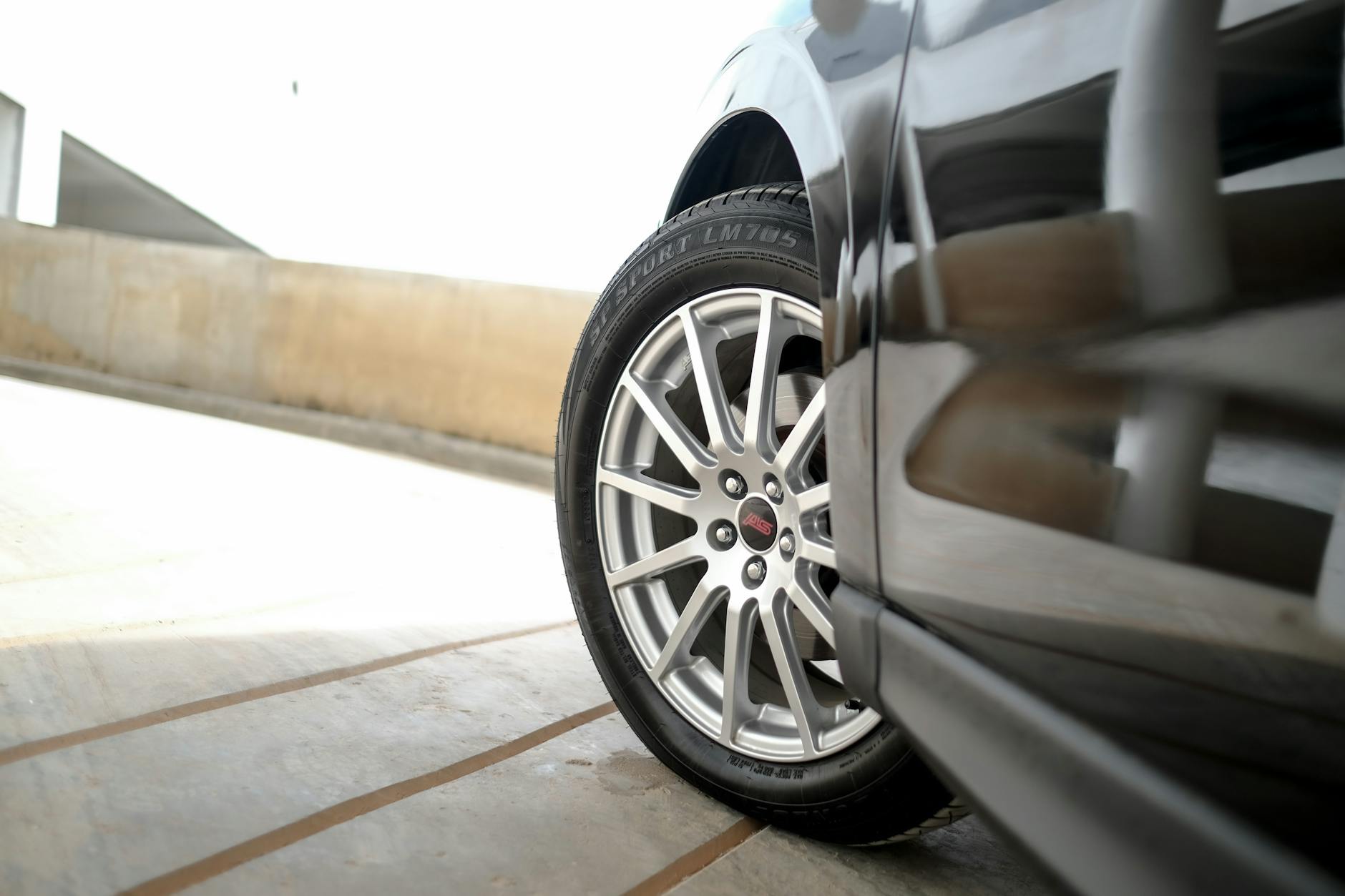
Photo by Stephan Mu00fcller on Pexels.com

The number of seized cars hit a 14-year high of 2.7 million in 2024, according to data from the Recovery Database Network (RDN), which processes around 90pc of all requests from lenders for repossessions.

Kevin Armstrong, editor of CU Repossession, an industry publication, expects the total will hit three million this year based on current trends, only just shy of the 3.2 million peak seen in 2009…

High levels of car repossessions are a threat to the economy in several ways. For lenders, repossessions usually mean losses given that only around one in three cars tied to bad loans are being recovered.

For borrowers who do get their cars repossessed, they are often losing their way to get to work and continue supporting themselves. Their credit rating will also get hammered.

Many Americans may like to drive but most need to drive. To get to work, school, the grocery store, to have goods delivered to their residence requires driving. In many places, there are no alternatives. To pursue the goals Americans want to pursue – homeownership, pursue success, etc. – requires driving.

Driving has always had costs. A single commuting trip may not seem to cost much but put together the costs of maintenance, insurance, fuel, and the indirect costs of pollution and time used (among others) and the price of driving adds up. For those with less money or fewer resources, driving can consume a higher percentage of a budget but the rest of the budget requires costly driving.

Given this, why not promote policies that help more Americans secure reliable and affordable vehicles? Those with more resources could buy vehicles with more features but why not help average residents have a car? Because Americans value homeownership, policies over the decades have helped make this opportunity available to more people. Thirty year loans. Government backup on mortgages. Programs intended to help people find housing. Could a similar thing be done for vehicles?

Increasing pedestrian deaths in Chicagoland area

What helps explain a rise in pedestrians deaths in the Chicago region from 2023 to 2024?

Photo by Vladimir Kudinov on Pexels.com

In Cook, DuPage, Kane, Lake, McHenry and Will counties, pedestrian crash fatalities totaled 144 last year, a 6.7% rise from 135 in 2023…

Asked to explain the trend, CMAP Senior Transportation Planner Barrett cited Insurance Institute for Highway Safety research that found SUVs, pickups and vans with hood heights greater than 40 inches are about 45% more likely to cause pedestrian deaths in crashes than vehicles with shorter hood heights. Blunt, vertical front ends also increase risks…

Barrett and Active Transportation Alliance Advocacy Manager Alex Perez also listed distracted driving, COVID-19-era bad habits such as speeding, and traffic enforcement drop-off as contributors to collisions…

Street design also plays a role with busy suburban corridors such as North Avenue — multilane, fast-flowing intersections that are problematic at best for pedestrians and cyclists, he added.

There are lots of factors at play that make walking and biking dangerous in metropolitan areas. Each of the factors listed above – size of vehicles, safer driving practices, and street design – could each be addressed.

But the goal of reducing pedestrians deaths or having safer streets might be best served by reducing driving and encouraging other forms of transportation. Driving is deadly across the board for drivers and pedestrians. Americans accept the risks of driving because they tend to live driving, or at least like driving compared to other options.

Or rather than prioritize safety efforts that try to play around the edges of the dominant system of driving that seems required in almost all American communities, could communities that from the beginning that serve a variety of mobility options do better? Retrofitting existing communities is hard. Adding bike lanes, establishing good mass transit, and prioritizing other uses of streets takes time and money.

Of course, reducing driving might be unpopular. Wildly unpopular. It is often associated (positively) with the American way of life. So if public officials or residents or others want safer roads, they might have to address individual factors that each have limited impact.

What if some suburbs enforce certain non-moving vehicle violations and others do not

The suburb of Naperville, Illinois is concerned about loud mufflers and the police are acting accordingly:

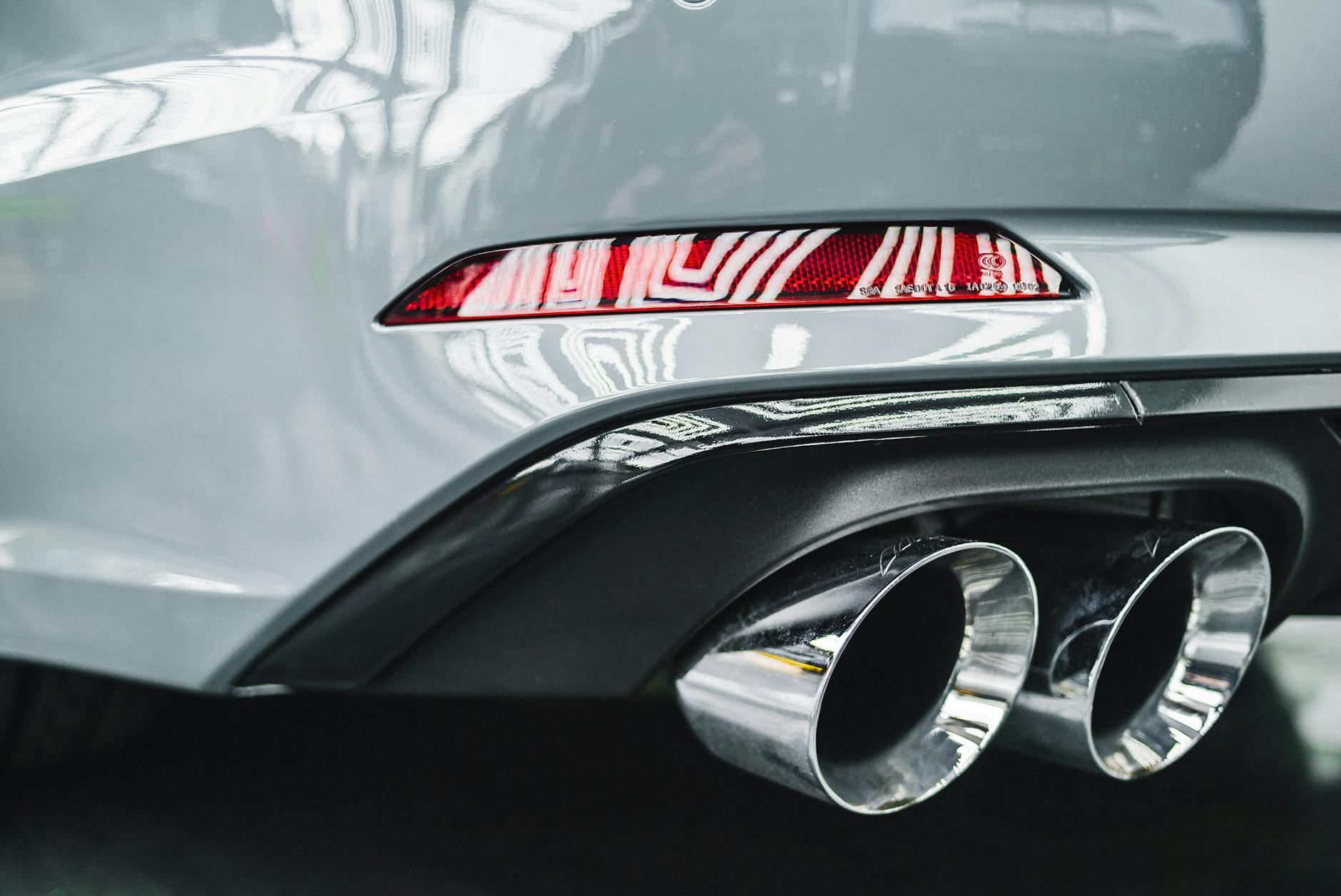
Photo by jae p on Pexels.com

Noisy mufflers were among the top complaints at a recent “chat with the chief,” and city council members also have fielded complaints coming from the downtown district and the south end of Naperville near 95th Street.

The noise from engines revving and modified mufflers can get loud enough to be heard blocks away, said Mayor Scott Wehrli, who lives near the city’s downtown district. This summer, for example, motorcycles revving their engines through one of the parking decks created enough noise to disrupt an outdoor summer band concert, he added…

Under state law, it is illegal to have a modified muffler on a vehicle, Naperville Police Chief Jason Arres said. Naperville police have been issuing citations based on that law.

Between Sept. 1 and Oct. 8, police issued 26 citations. Two of them resulted in guilty pleas on Wednesday and about $300 in fines for each citation, officials said…

Arres, who noted complaints about noisy cars is not unique to Naperville, is hopeful word will travel fast that loud cars aren’t welcome in town.

Two questions quickly came to mind when I read this:

  1. Will loud cars and vehicles now avoid Naperville? It is a big community with lots of locations for locals and visitors to travel to.
  2. What if nearby suburbs do not enforce this state law? Say Naperville continues to enforce this law and issue citations and some of the drivers do indeed stay away; will these drivers simply visit nearby suburbs? Will they get their vehicles fixed or modified? While Naperville is indeed big, nearby suburbs could many of the same kinds of places to drive to.

This is not just limited to loud cars; what about enforcing having proper license plates or tinted windows that are too dark or other vehicle issues that are not moving violations? If a number of communities do not enforce this, will it make that much of a difference?

It will take some time to see if the issue is addressed to the satisfaction of Naperville leaders and residents. And will the problem shift to neighboring suburbs?

Seeing a steam locomotive roll through suburbs created by such vehicles

At least a few suburbs in the Chicago area and outside cities throughout the United States owe their founding to early railroad lines that provided quick access to the bi city and other points beyond. So when a large steam locomotive passed along the same suburban tracks in 2024, at least a few people took note:

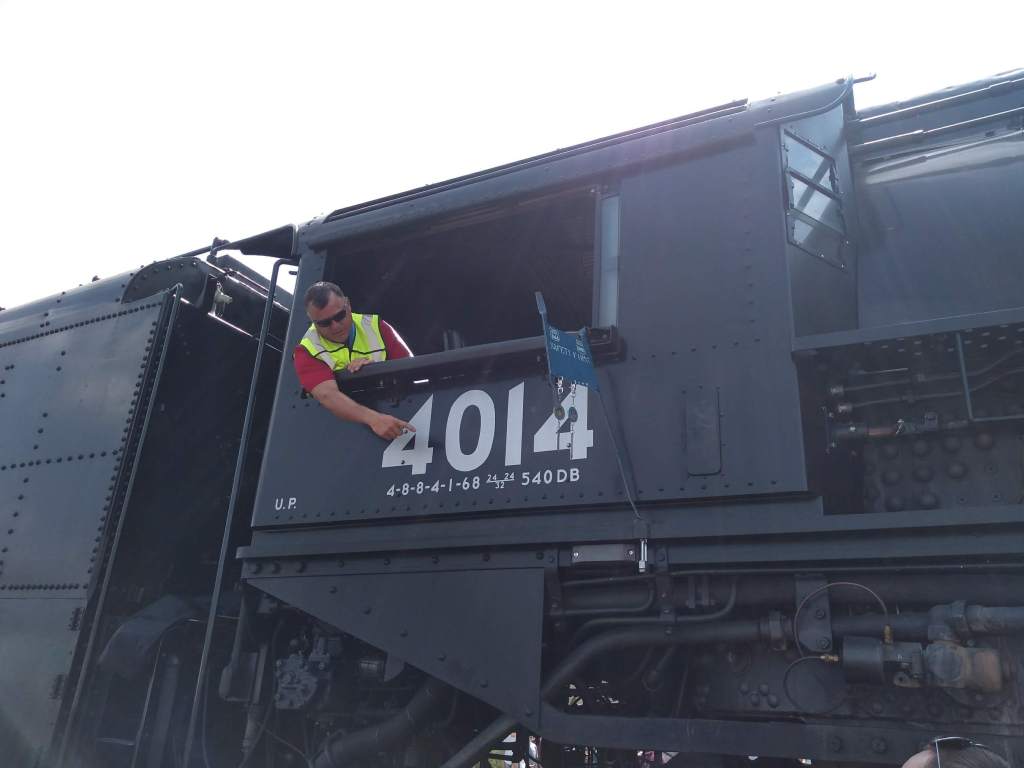
With a shiny yellow-and-gray streamlined passenger train in tow, the Union Pacific “Big Boy” No. 4014 steam locomotive rolled through the western suburbs Monday morning to the delight of railroad enthusiasts and casual observers alike.

Roughly two hundred years ago, steam locomotives opened up all kinds of possibilities. One opportunity involved the possibility of larger and further-flung suburbs: a resident outside could travel quickly in and out of the big city. It no longer took a day or more to use horses or a carriage. No more need to travel a long distance over poor roads. Large amounts of freight could be shipped overland from the interior to big cities.

The early railroad lines tended to connect important cities and locations to each other. Along these lines, residents gathered near stations. Lots were developed. Businesses moved there. Churches opened. Houses were built. Communities grew. Regular train service emerged.

Eventually, these railroad lines were dwarfed in importance by cars, trucks, roads, and highways. Many of the lines still exist but more people drive. Much suburban development since World War Two has happened between railroad lines as cars offered access to more land.

Amid the regular clatter of passenger and freight trains through suburbia, an occasional steam locomotive with a loud whistle and billowing smoke provides a reminder of an older era. Yet, that older era helped give rise to the automobile dominated suburbia of today.

We did not have jaywalking until we had lots of cars

The rise of automobiles meant that residents could no longer cross the street wherever they wanted:

Photo by Vinta Supply Co. | NYC on Pexels.com

It’s strange to imagine now, but prior to the 1920s, city streets looked dramatically different than they do today. They were considered to be a public space: a place for pedestrians, pushcart vendors, horse-drawn vehicles, streetcars, and children at play.

“Pedestrians were walking in the streets anywhere they wanted, whenever they wanted, usually without looking,” Norton says. During the 1910s there were few crosswalks painted on the street, and they were generally ignored by pedestrians.

As cars began to spread widely during the 1920s, the consequence of this was predictable: death. Over the first few decades of the century, the number of people killed by cars skyrocketed…

The turning point came in 1923, says Norton, when 42,000 Cincinnati residents signed a petition for a ballot initiative that would require all cars to have a governor limiting them to 25 miles per hour. Local auto dealers were terrified, and sprang into action, sending letters to every car owner in the city and taking out advertisements against the measure…

In response, automakers, dealers, and enthusiast groups worked to legally redefine the street — so that pedestrians, rather than cars, would be restricted.

Vehicles came to dominate the street with pedestrians pushed off to the side. And roadways are not exactly safe for pedestrians – or drivers.

This reminds me of Jane Jacobs’ description of the busy streetscape in The Death and Life of Great American Cities. She wrote of a street with plenty of pedestrians, lots of activity on the sidewalks, and numerous uses for nearby buildings. It is the kind of lively place that is relatively rare in American cities. As Jacobs notes, this is due, at least in part, due to the prominence given to vehicles. If the emphasis is on moving as many vehicles as quickly as possible through places, this lively streetscape will not happen.

The answer here it probably not to eliminate jaywalking as pedestrians would have a difficult time crossing wherever they want. Instead, addressing jaywalking would require rethinking streets all together. What is the role of pedestrians? What is the role of vehicles? What do we want for our streets?

The United States has somewhere between 700 million and 2 billion parking spots. Is that enough? (/s)

One expert recently put some numbers to the amount of parking in the United States:

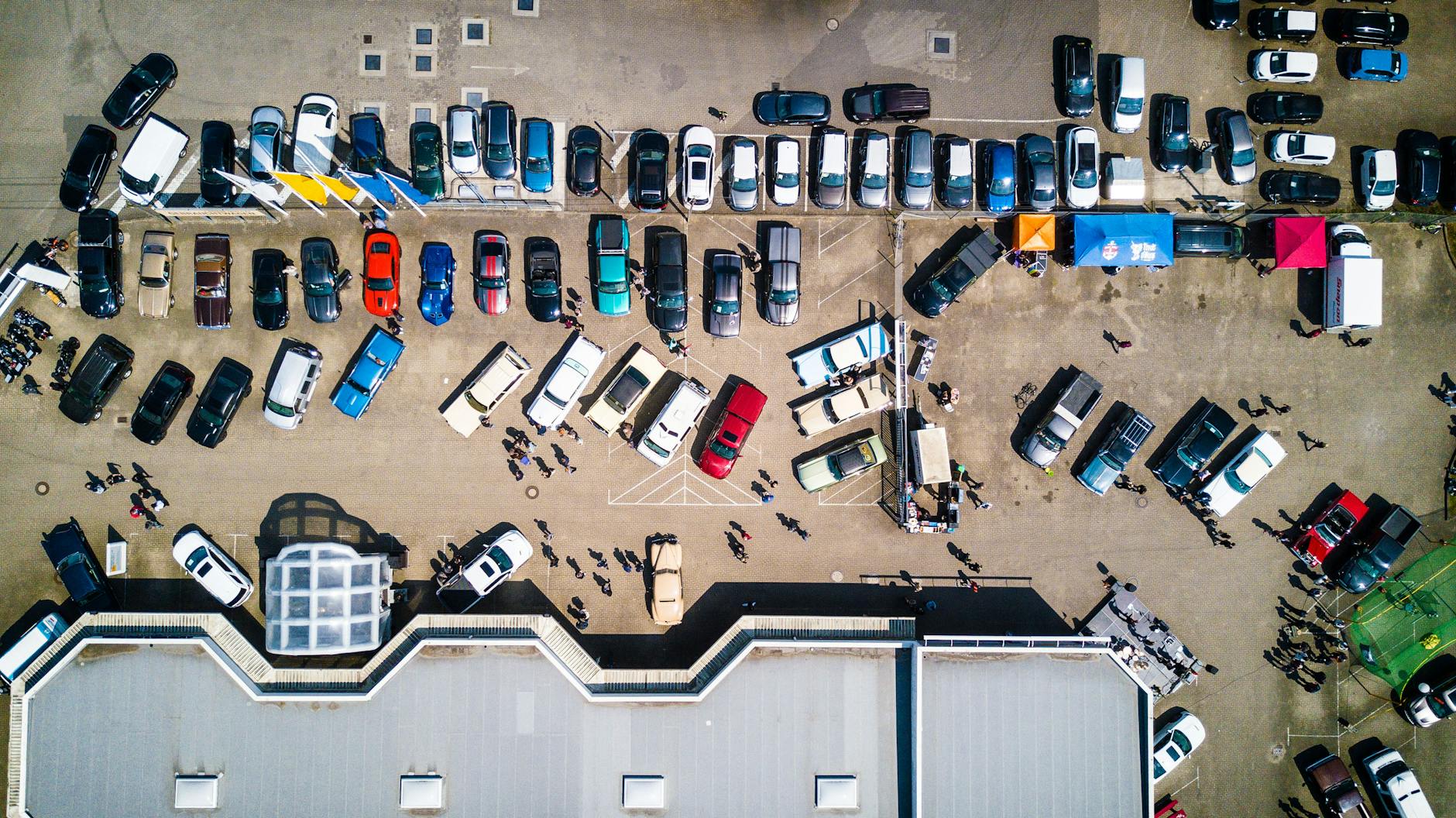
Photo by Pok Rie on Pexels.com

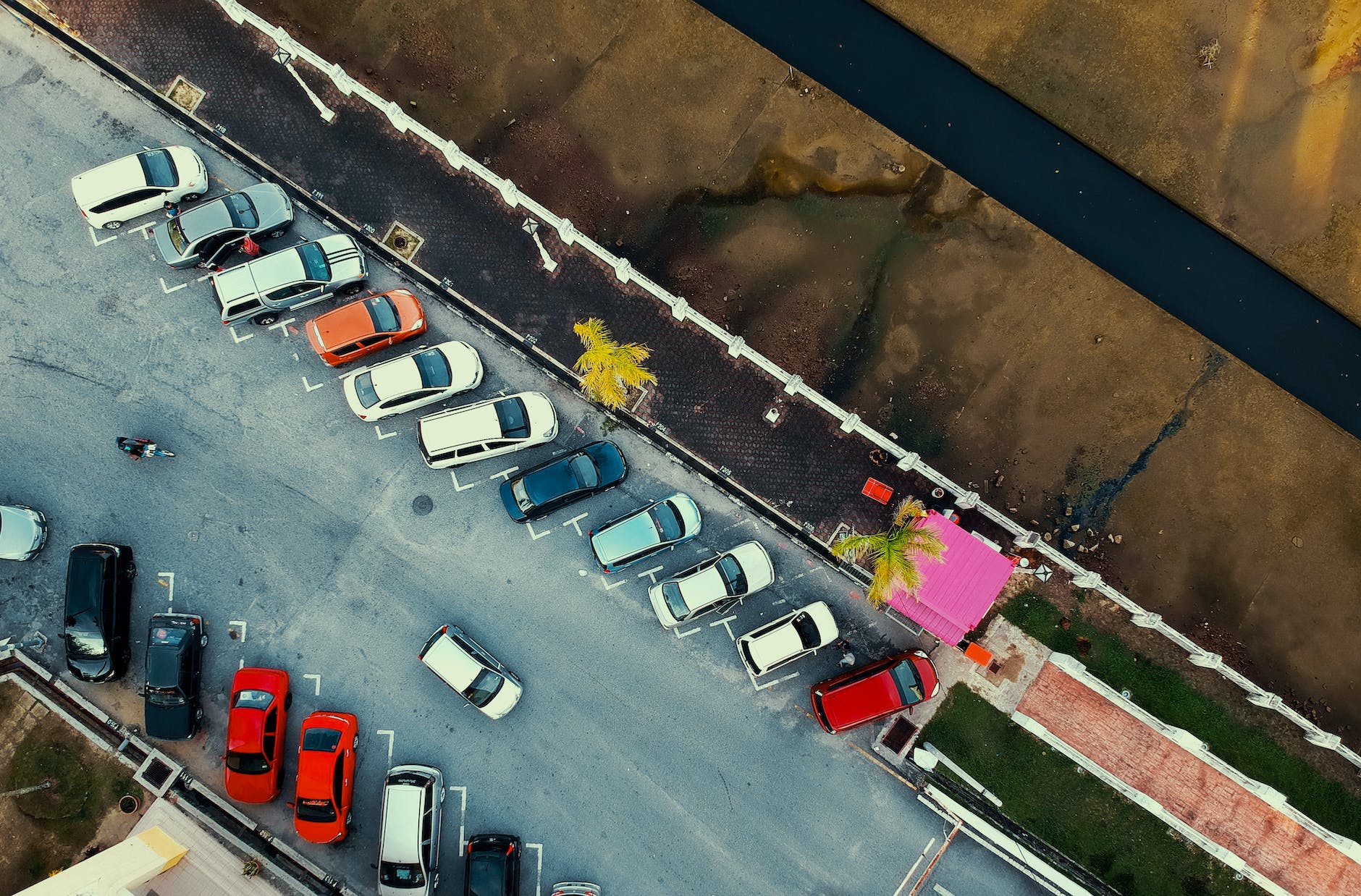
According to Donald Shoup, an urban planner and parking research pioneer at the University of California, Los Angeles, the government doesn’t track the number of parking spaces. But speaking with WSJ, he estimates that on the low end, the U.S. has at least 700 million parking spaces, and on the high end, the estimate is more like 2 billion. That works out to somewhere between 2.5 and 7.0 parking spaces per registered vehicle in America.

As this article goes on to note, some believe that is way too many parking spots. (Hence, the /s tag on the post title.) All of that parking takes up a lot of space, continues to further the commitment in communities to driving, and has negative environmental consequences.

At the same time, I could imagine many drivers in the United States like having all of this available parking and might even want more spots. In a car-dependent society, people need a place to park. People expect to be able to find parking quickly and close to their destination. If parking is limited and/or costly, drivers will express frustrations. Some might note that even if they wanted to use other forms of transportation (and avoid parking issues), these are not always available or convenient.

Commitments to reduce the number of parking spots in the United States long-term probably requires a lot of small changes to different parts of planning and communities. Just as a quick example, increased mass transit use and service would help reduce the number of drivers and reduce the need for parking spots. But, that chain does not happen quickly and there are multiple levers to move. I wonder if one of the important moves would be for some key communities to change their parking guidelines, find that it works or is successful (and also enables other good opportunities for land use), and this becomes a model for others to follow.

Vehicles are dangerous for humans – and lots of animals

Traffic deaths are up in the United States but vehicles also harm lots of animals each year:

Photo by Pixabay on Pexels.com

But roadkill is also a culprit in our planet’s current mass die-​off. Every year American cars hit more than 1 million large animals, such as deer, elk, and moose, and as many as 340 million birds; across the continent, roadkill may claim the lives of billions of pollinating insects. The ranks of the victims include many endangered species: One 2008 congressional report found that traffic existentially threatens at least 21 critters in the U.S., including the Houston toad and the Hawaiian goose. If the last-ever California tiger salamander shuffles off this mortal coil, the odds are decent that it will happen on rain-​slick blacktop one damp spring night.

Driving is an ingrained and often unconscious part of American society and culture.

But, it has costs. It is expensive. Driving pollutes. It is part of sprawl. And it is dangerous to life, whether other drivers or pedestrians or animals.

There may innovative solutions. See the construction of bridges or overpasses over roads and highways that enable wildlife to cross roads without danger.

Yet, the danger to animals appears to be a cost Americans are willing to bear for what driving brings. Whether it continues this way remains to be seen.

What you see when you drive in American cities: lots of motor vehicles

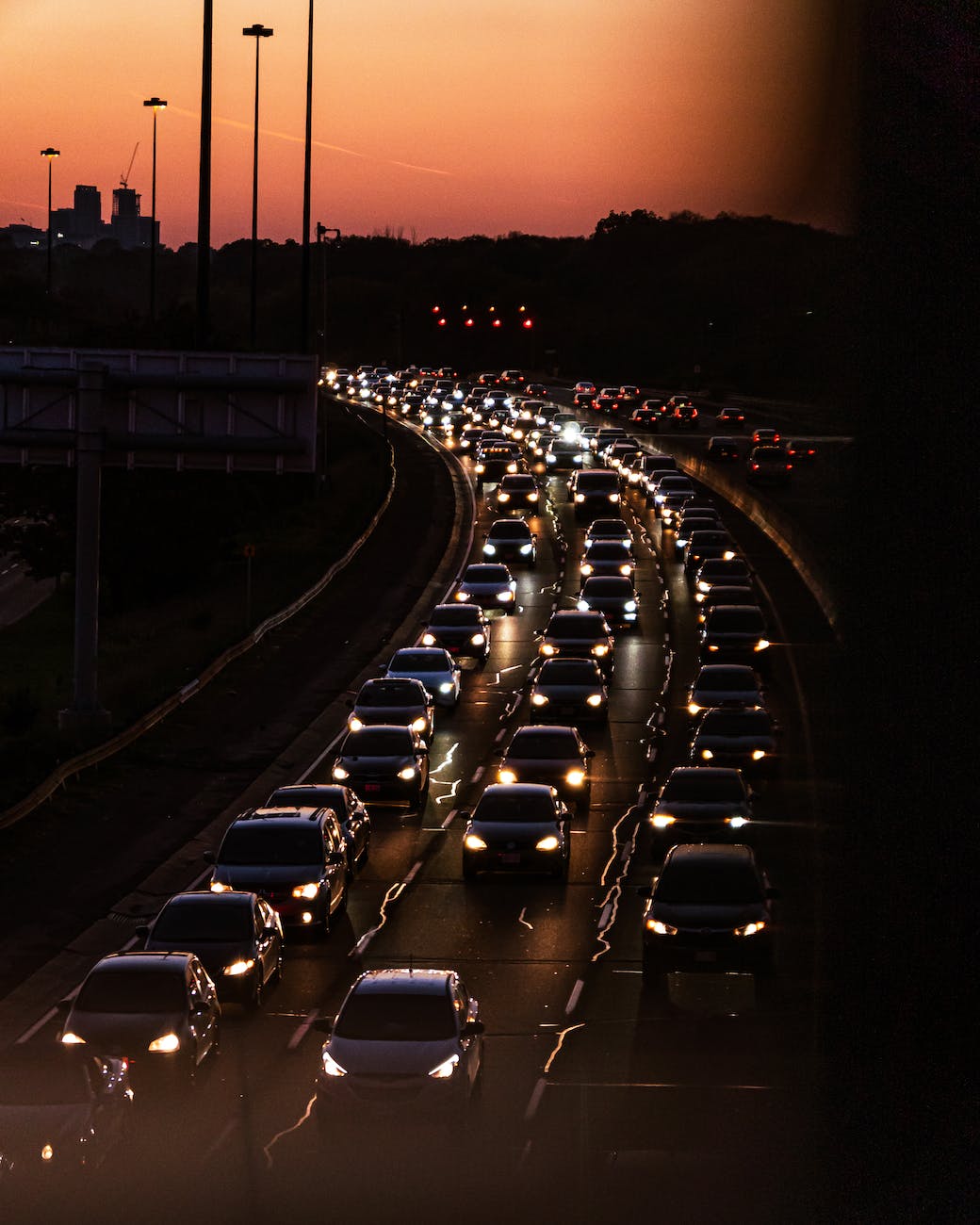
In recently driving in and around several big cities, I was struck by what I could (and could not) see. I certainly observed a lot of motor vehicles on highways and roads.

Photo by Miguel Barrera on Pexels.com

It is long evident that Americans prioritize cars and trucks on their roads. There might be room for some pedestrians (be safe!), mass transit, and bicyclists and scooter users but these are not as numerous as all of the cars and trucks.

The range of vehicles really does run the gamut. On the same major roads, one can find all sorts of trucks (delivery trucks, dump trucks, tankers, car carriers, etc.) and cars ranging from expensive luxury models to those who look pieced together to newer electric vehicles. If I wanted to see what Americans are driving for personal and business trips, I would recommend driving some of the highways that go right through urban centers and one can observe a wide variety.

Even with at least some people working from home, there are plenty of vehicles at many hours of the day. For many residents and companies, it is easiest to go via vehicle than other option. Driving is still a preferred method, even in cities with busy roadways.

If a driver truly wanted to be safe and only focus on the road around them, there is plenty to see. On many of these busy roads, tens of thousands or even hundreds of thousands of vehicles might pass by each day.

Trying to put back together urban neighborhood split decades ago by highways

New monies from the federal government are intended to help neighborhoods deeply affected by highway construction:

Photo by Pixabay on Pexels.com

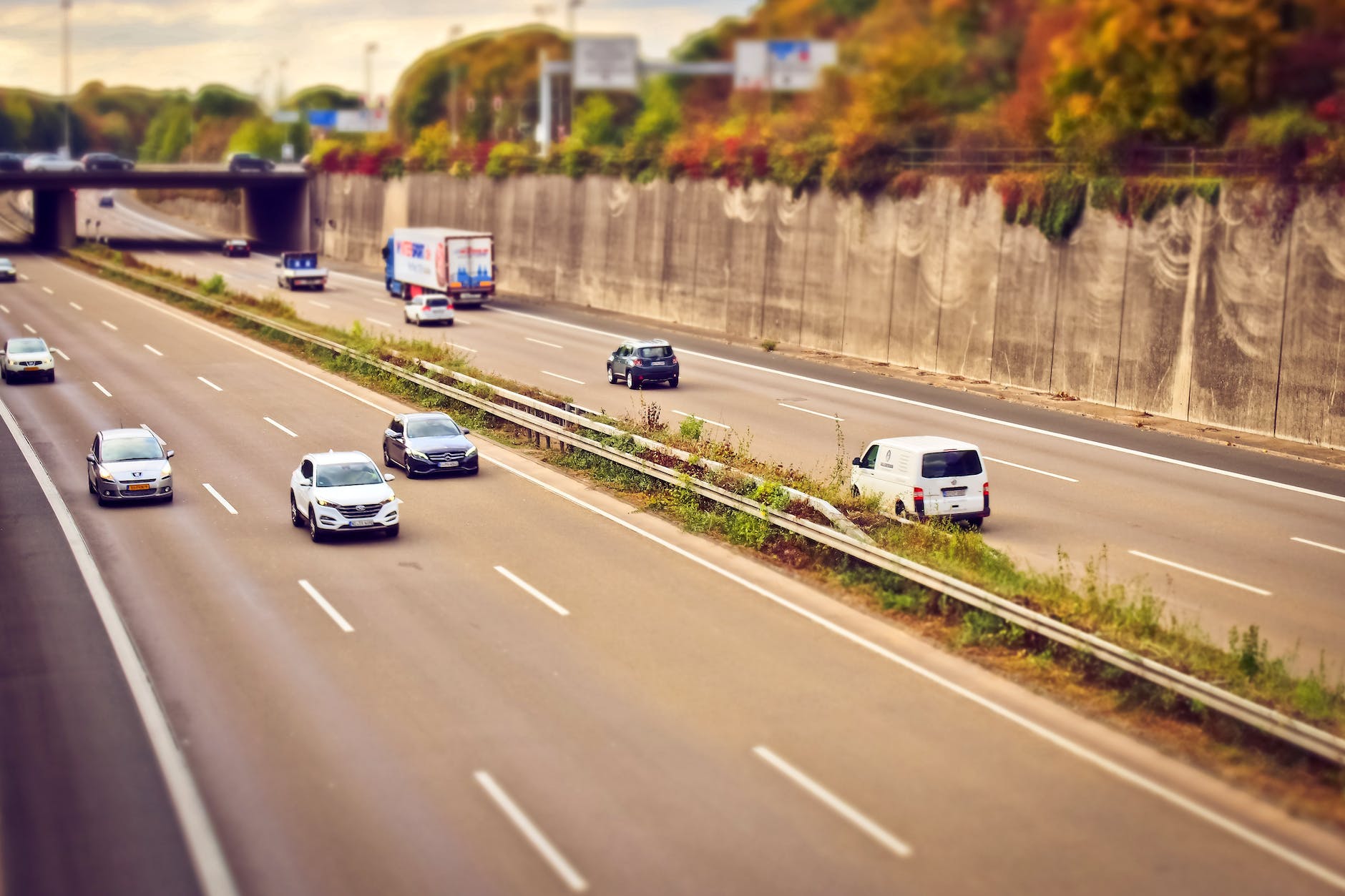
Kansas City officials are now looking to repair some of the damage caused by the highway and reconnect the neighborhoods that surround it. To date, the city has received $5 million in funding from the Biden administration to help develop plans for potential changes, such as building overpasses that could improve pedestrian safety and better connect people to mass transit.

The funding is an example of the administration’s efforts to address racial disparities resulting from how the United States built physical infrastructure in past decades. The Transportation Department has awarded funding to dozens of projects under the goal of reconnecting communities, including $185 million in grants as part of a pilot program created by the $1 trillion bipartisan infrastructure law.

But the project in Kansas City also shows just how difficult and expensive it can be to reverse long-ago decisions to build highways that slashed through communities of color and split up neighborhoods. Many of the projects funded by the Biden administration would leave highways intact but seek to lessen the damage they have caused to surrounding areas. And even taking out a roadway is just a first step to reinvigorating a neighborhood.

“Once you wreck a community, putting it back together is much more work than just removing an interstate,” said Beth Osborne, who served as an acting assistant secretary at the Transportation Department during the Obama administration and is now the director of Transportation for America, an advocacy group.

In the name of fast travel between outlying areas and the city, such highways removed people and buildings, disrupted economic corridors, and created barriers between neighborhoods.

From the examples provided in this article, it sounds like this money will be used to try to reestablish streetscapes. Wide highways made it difficult for pedestrians to walk between places. Businesses had to rely on vehicle traffic. Decades after the highways were constructed, there may be relatively little activity on roadways near the highways.

Simply creating better paths over a major highway could be helpful. Removing a highway can also help, as evidenced by at least a few projects in American cities. But, there is a lot that goes into a streetscape. It takes time and resources to recreate thriving neighborhoods with multiple factors at play. Even then, vibrant sidewalks and streetscapes are relatively hard to find in American communities given the other priorities Americans emphasize.

What exactly one YouTube video tell us or does not tell us, car dealer inventory edition

I recent read this summary of a YouTube video purportedly showing a car dealer stashing new cars in a parking garage so that their outdoor lots look emptier:

Photo by ThisIsEngineering on Pexels.com

Los Angeles-based car YouTuber effspot stumbled across something we’ve heard about but haven’t been able to dig up solid evidence of: dealerships are hiding a ton of new inventory in secret locations. Now you might think these dealers are putting their overstock vehicles in some secure location like a warehouse or locked lot, and some definitely are, but effspot found hundreds of Jeeps, Dodges, Rams, and Chryslers stashed in a public parking garage, all apparently put there by just one dealership.

This is a potentially interesting find. How common is this?

Dealerships have been running this scheme for months and months, but it’s starting to fall apart despite some media outlets trying to claim there may be no return to normal for the car market. Instead, both the new and used markets are going in only one direction: down. Just how quickly and by how much remains to be seen, but don’t believe car dealerships have hardly any vehicles and need to overcharge you big time for the privilege of new car ownership.

So we go from one parking garage is “dealerships have been running this scheme for months and months”? Roughly 51 seconds into the YouTube video, the maker says “these dealerships, or at least this particular dealership” has engaged in these practices. Later, at 5:52, he asks whether this is happening around the country.

This does not necessarily mean the larger argument is not true. But, the evidence presented here shows one parking garage and cars from one dealer. How broad is this practice? We do not know from this video and story.

This might just be the daily story of the Internet and social media. Interesting things are posted. Information is shared. People describe their experiences. But, it is difficult to know how this matches larger patterns or not. An individual reader might be able to make connections across stories. Or, people online could connect the dots for others. For example, others could make videos on YouTube detailing their finds of auto inventory in different locations. Sometimes these connections are made, often they are not. The next day comes and there is more information to process and relatively little that helps fit all the pieces together.