And they didn’t help you get from one neighborhood to another or back home from a night out to the suburbs…
Many businesses rely on suburbanites coming downtown for the weekend to eat or watch an artistic offering as the fall season kicks off.
Chicago is a big city so there are plenty of trips taking place solely within the city. Additionally, many big cities and people within are used to the idea that people from the suburbs travel into the city.
But these two short passages highlight a back and forth between both city and suburb. There are some traveling from city to suburbs, perhaps even for a night out (some suburbs are cool?). Others are traveling into the city to take advantage of particular opportunities offered in the city (or for work).
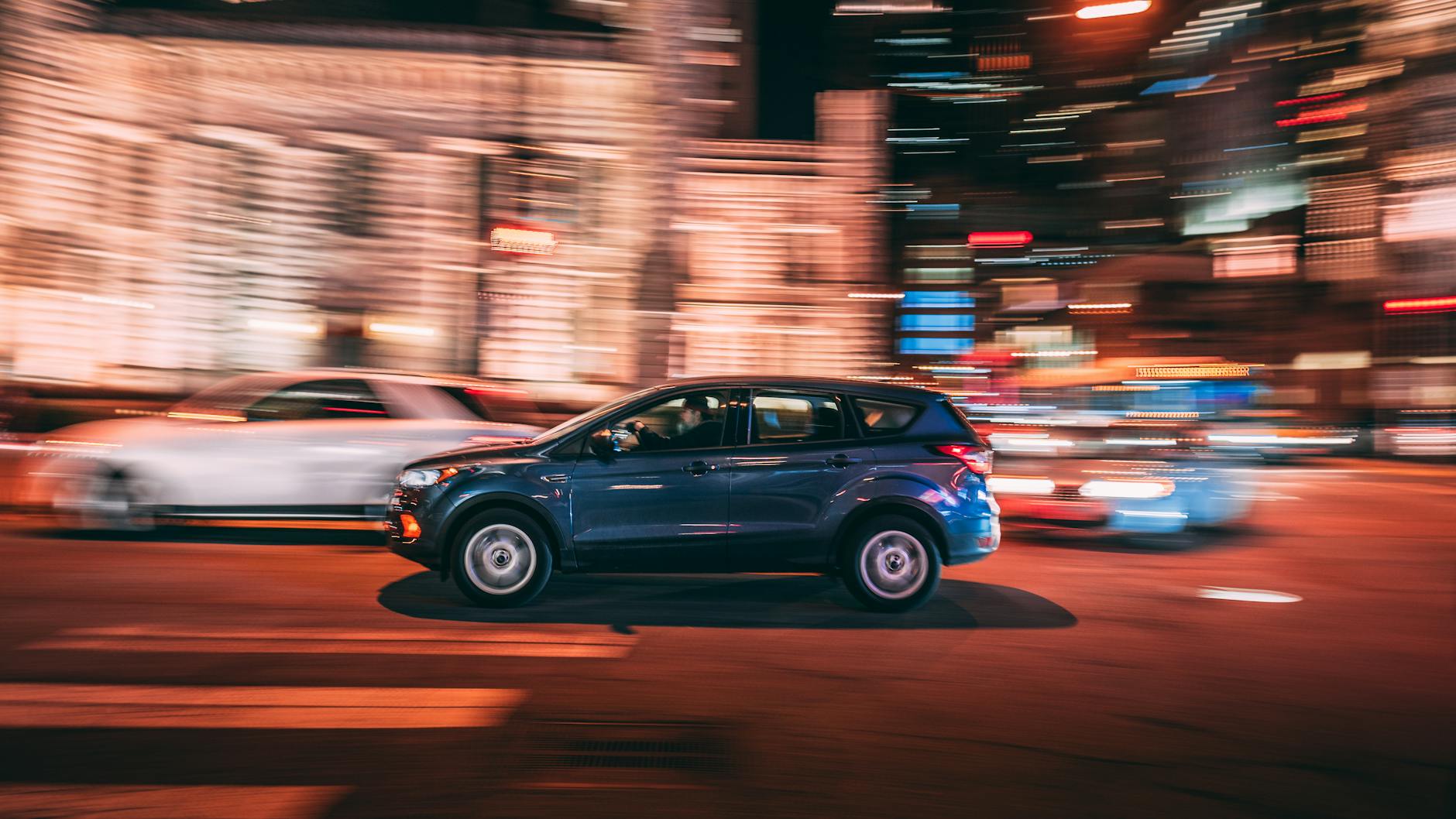
These newer patterns complicate efforts to address traffic. The predictable rush hours into the city in the morning and out of the city in the afternoon and evening have morphed into more traffic headed in all directions at more times. Traffic can be present around the clock, even without special events or celebrations.
It was the only bicyclist death so far this year, suggesting what some hope signals the beginning of a decline in such fatalities.
Some even contend the number of all traffic deaths in Chicago — cyclists, motorists and pedestrians — could be reduced to zero with the right improvements.
Others are more guardedly optimistic.
Before that August crash on the West Side, Chicago had gone 10 months without a cycling death. That was the longest such duration dating back to at least the beginning of 2019, the earliest year available from the city’s daily traffic crash data.
“Statistically, this drop appears too large just to be entirely good luck,” said Joseph Schwieterman, a transportation professor at DePaul University. “It’s not likely the fatalities will stay at this level, unfortunately, but this is encouraging.”
The rest of the article talks about methods that could be implemented to make roads in Chicago safer.
As I have read about similar efforts in recent years, reducing traffic deaths seems to go well with multiple other efforts:
More sustainable cities with fewer cars on the road and other viable non-driving transit options.
More inviting and lively streetscapes with less emphasis on motorized vehicles.
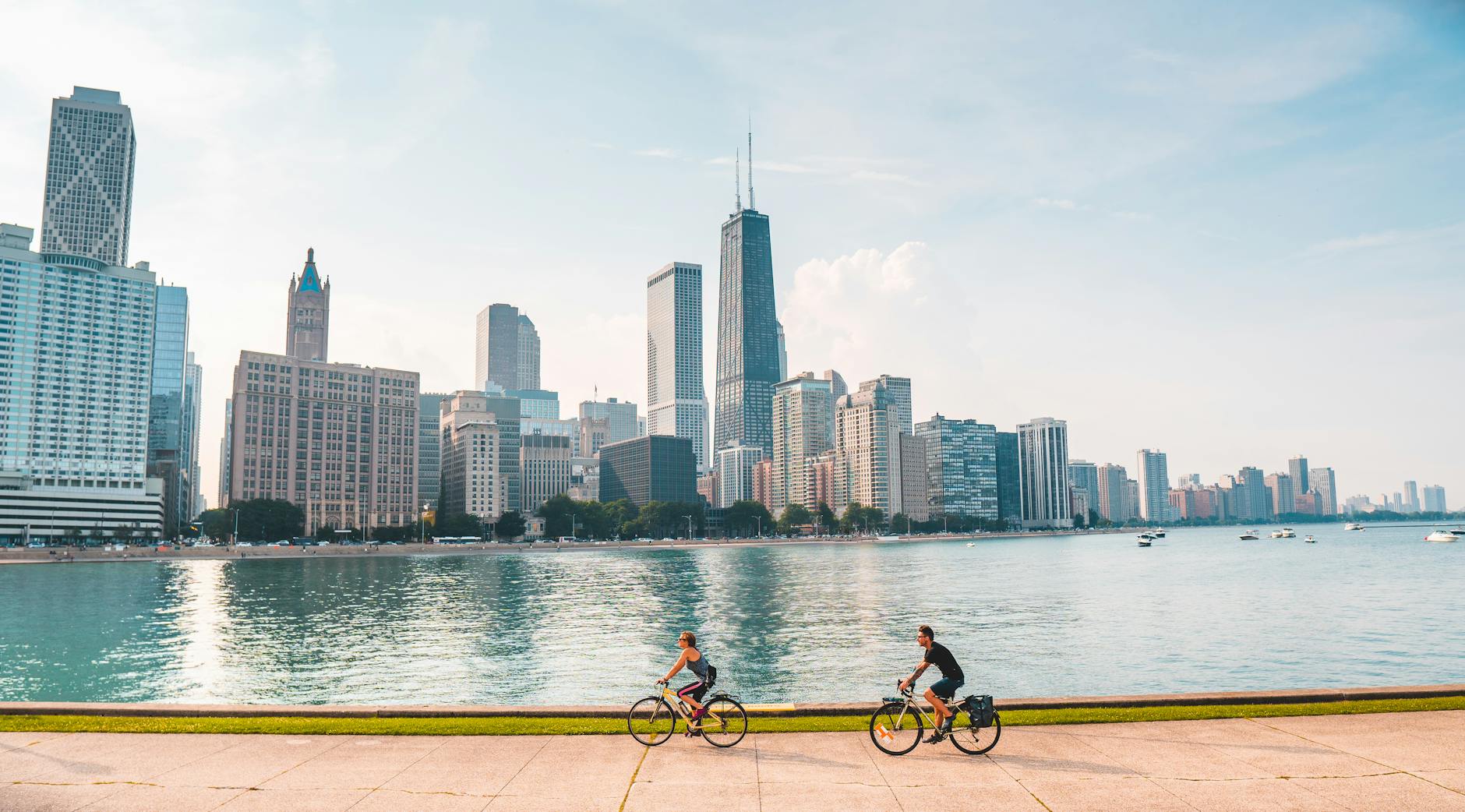
Encouraging walking and biking, which are healthier options.
Safety alone may or may not be a compelling reason to change conditions but combine safety with other interests people have and perhaps there will be a steady shift away from only emphasizing driving.
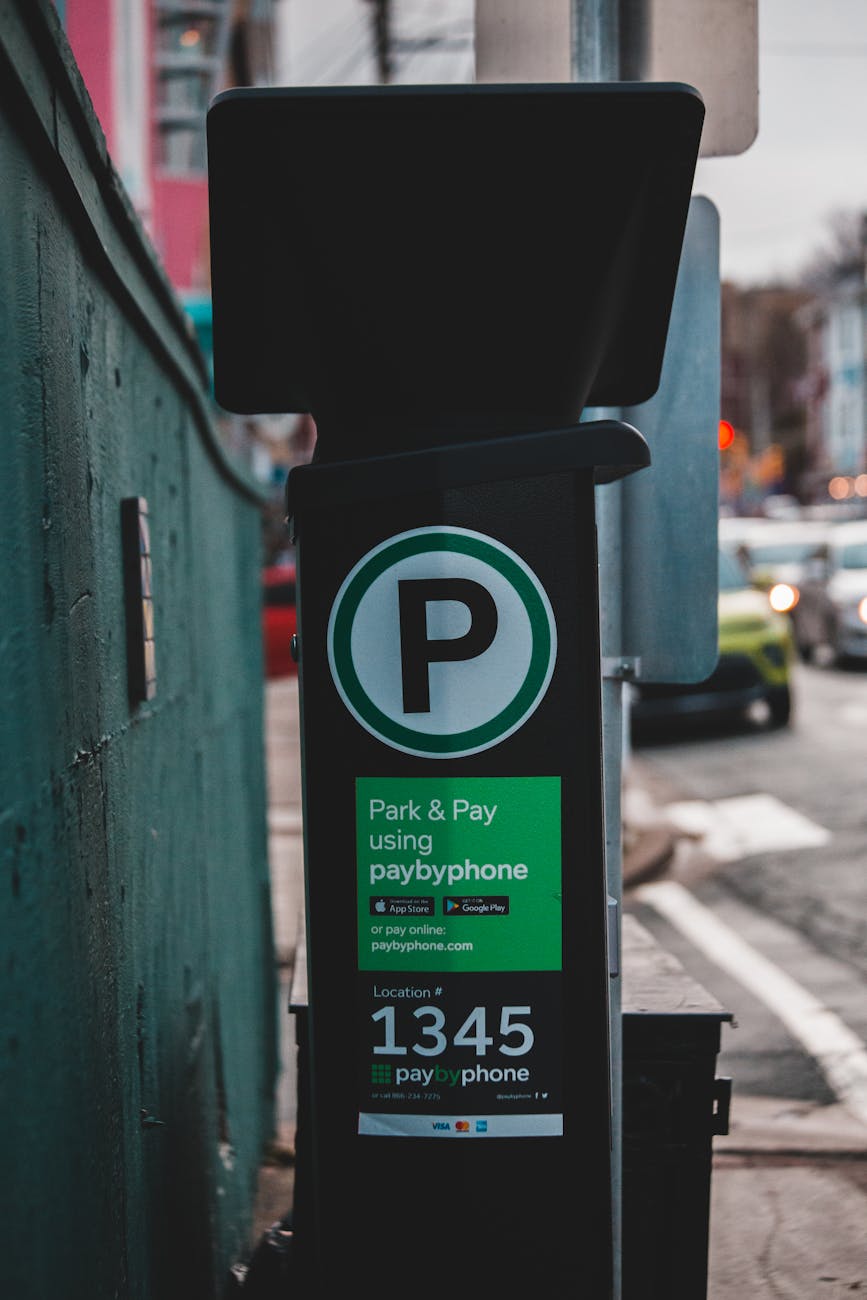
In 2008, then-Mayor Richard M. Daley, with the approval of poodles on the City Council who failed to do due diligence, agreed to sell a 75-year lease on 36,000 parking meter spots for $1.16 billion to an entity that calls itself Chicago Parking Meters LLC and is made up of various parties including Morgan Stanley-related entities and, indirectly and also among others, the sovereign wealth fund known as the Abu Dhabi Investment Authority.
Daley also agreed to a whole series of tightwad rules that handcuffed the city when it came to removing meters for, say, special events such as outdoor dining, changing the hours of paid parking, or making any other changes that might result in less revenue for Chciago Parking Meters. In each and every case, Chicago has had to lay out more cash.
Why did Daley make this colossal error? He wanted to close a budget shortfall and thought that a private company could more easily jack up rates than an elected official likely to anger voters. And he probably believed that $1.16 billion sounded like a whole lot of money.
Wrong. Former Mayor Lori Lightfoot once told this board that the decision was one of the worst public policy mistakes in the history of municipal governance and she was absolutely correct. The investors, if that’s the right term, have recouped that amount within the first 10 years of that 75-year lease. They’ve now made hundreds of million dollars in additional profit. By the end of this deal, they are likely to have raked in a total of $9 billion.
Urban parking can be a lucrative business, whether working with parking meters or having a parking lot or garage that later becomes a huge development project. Thus, imagine the money the city could have generated by treating the parking meters differently.
This reminds me of at least two bigger picture issues. First, infrastructure and public goods require a long-term view. In the short-term, selling the revenues from these meters may have helped close a budget loophole. However, lots of things can change over 75 years. Will the city need or want parking meters at that point? How much driving will there be? Would a shorter deal leave more flexibility?
Second, Chicago has relied on some public-private partnerships for decades to help keep the city moving forward. While this deal might not appear to be a good one for the city, other projects may appear to be good. How many projects have worked out well? Does the participation of the city or the use of the city’s resources make certain things possible?
I am guessing this deal will serve as an example for years to come. Hopefully some lessons are learned that could lead to some good.
In 1896, a Tribune article placed the city’s midpoint at West 37th and South Carlton. That address doesn’t exist today, but it’s pretty close to where the modern-day sign is. The discovery that the geographic center was essentially a cow pasture shocked the article’s writers…
The spot is no longer home to a pasture, but it’s still in a quiet, residential neighborhood about 5 miles from The Loop. Ald. Julia Ramirez (12th) said it’s special the sign is in a working-class neighborhood like McKinley Park…
But more than 20 years before outgoing Mayor Michael Bilandic presided over a 1979 ceremony declaring the intersection as the city’s geographic center, the city’s annexation of land for O’Hare International Airport had shifted the actual midpoint about 1.5 miles northwest.
Now, the actual center is between Pilsen and McKinley Park: south of 31st and Western and in the water of the Chicago Sanitary and Ship Canal, according to WBEZ Chicago.
Two thoughts in response:
Geographic centers get relatively little love compared to population centers or social influence centers. Where there is more social, economic, and government activity is likely to be seen as more “central” even if it is not geographically central.
This provides a reminder of the dimensions of the city of Chicago. The geographic center is pulled to this location by the city stretching further to the south than the north.
How about a sign at the true geographic center as well as retaining the sign at the acknowledged geographic center? They could coexist and mark the unique boundaries of the city over time. Imagine a walking trail of geographic centers throughout Chicago’s history.
Lots of things happen in big cities. Some stories are stranger or more influential than others. But how might one story get commemorated for years? Which cultural narratives last? One non-profit leader described this particular story:
“The incident is woven into the city’s pop culture fabric, and the anniversary seemed like an opportunity to emphasize that the world has to protect our natural resources, but it didn’t work out,” Frisbie said of the effort.
The article on the 20th anniversary provides some hints on how this story caught on and continues to be told. To go beyond a story that the people involved tell over and over, some help is needed:
-Famous people involved. The music group was well-known with multiple #1 platinum albums under their belt. This was not a random tour bus.
-Criminal charges and a court case. This involves different public bodies and can keep a story in the news.
-The media. A strange but true story – bathroom matters! a famous band! charges! – is a good one to get attention. And can we expect stories on the 25th anniversary, the 30th, and so on?
I am sure it would be hard to measure but it would be interesting to look at how this story stacks up against other stories in the city of Chicago. Which ones stand the test of time? Does this one make it into “official” lore (books, museums, memorials, etc.)? What is the half-life of pop culture stories in Chicago?
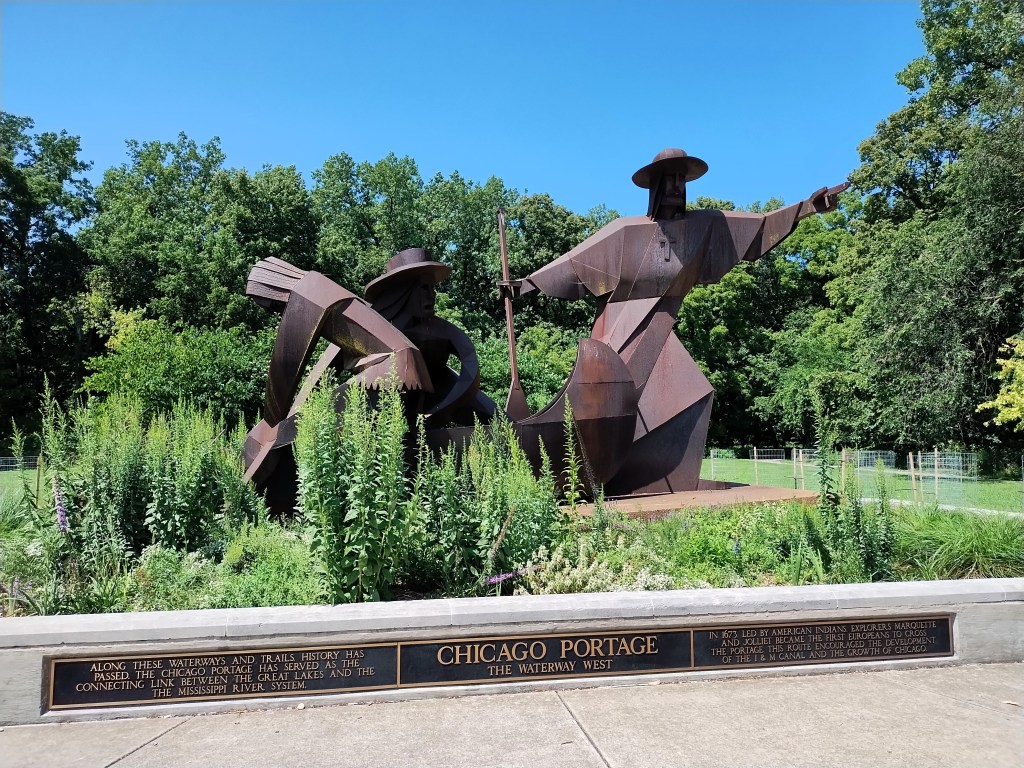
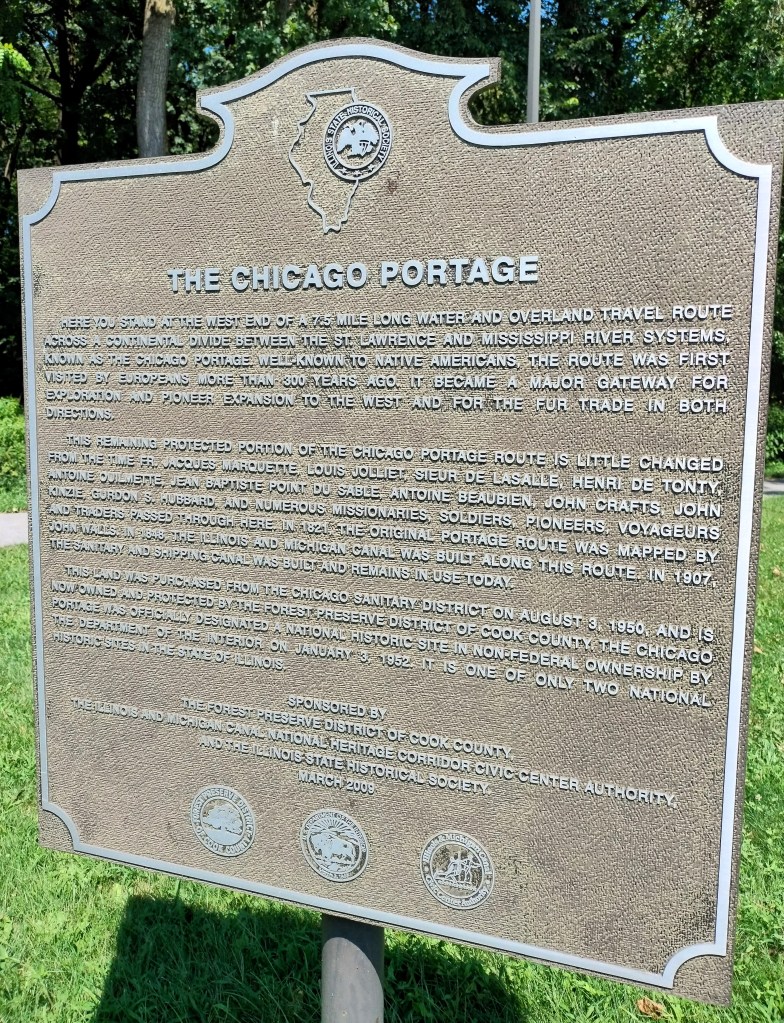
The importance of traveling via water meant that portage sites were important. This site was one of the places where it was easier to move watercraft from the Great Lakes system to the Mississippi River system. It was not the only portage site allowing that connection but it became known and then improved on in the mid-1800s with a canal.
The site now is somewhat obscured off a major local road and close to a major interstate. The area is mostly industrial land with few houses nearby. Chicago is a transportation center but a portage is no longer needed. There are still canal waterways nearby but these have receded in importance to and status in Chicago compared to railroads, highways, and airports. Chicago is still a transportation center but a portage is no longer needed.
Disparities across groups are stark. According to the study, data collected in 2022 showed Chicago’s white families have the highest median net wealth ($210,000), while typical Black families report no wealth ($0). Chicago’s U.S.-born Mexican families have 19% ($40,500) of a typical white family’s wealth, while foreign-born Mexican families have 3% ($6,000) and Puerto Rican families have 11% ($24,000).
As for median asset values, Black families have $20,000, foreign-born Mexican families have $26,000 and white families have $325,500.
The study also found Black families had the lowest estimated rate of home ownership at 34%, while white families had the highest at 72%, reflecting the city’s historic discrimination against people of color through redlining, racial covenants, a lack of checking or savings accounts, and payday lending, where unsecured loans with high interest rates are used as emergency financing that keeps borrowers in a cycle of long-term debt.
The researchers asked people about possible interventions:
“The Color of Wealth in Chicago” study also surveyed people about potential policy proposals for addressing structural economic disparities. Data shows that public support for interventions on local and federal levels would have a meaningful impact on racial wealth inequities. Wealth-building options such as guaranteed income projects, a Medicare for All program, and baby bonds, which are government-issued trust accounts for newborns, garnered support from the bulk of respondents, including families at or above the median net worth.
Wealth matters because it affects all kinds of life chances, including where people live, access to education and medical care, and nearby jobs.
The case, Gautreaux v. Chicago Housing Authority, was a class-action lawsuit brought on behalf of public housing resident and community organizer, Dorothy Gautreaux, and it sought to end systemic racial discrimination in Chicago’s public housing. The lawsuit alleged CHA discriminated by concentrating poor black residents in high-rises in segregated communities and not allowing them the opportunity to move into public housing communities in white neighborhoods. The case went all the way to the U.S. Supreme Court, which sided with the residents and determined that they were being isolated to specific neighborhoods.
Attorneys for both sides negotiated a settlement in 2019, with CHA agreeing to continue developing scattered site housing and engage in discussions on how to improve the housing voucher mobility program. The settlement also called for CHA to provide a detailed schedule to complete mixed-income housing complexes, and create early learning childhood development programs at four existing public housing developments. The original settlement was to last for five years, and if CHA failed on its promises, it could return to court.
Both CHA and the plaintiffs returned to court recently , as they agreed there were outstanding requirements to be met at six development projects, according to a joint motion filed with the court on Tuesday…
According to the new terms of the settlement agreement, CHA will have one to three years, depending on the project, to complete certain development plans, including for Altgeld Gardens, Lakefront Properties, Madden/Wells, Rockwell Gardens, Stateway Gardens and Robert Taylor Homes. Both parties did agree, however, that CHA had met its obligations to build public housing in areas outside segregated Black neighborhoods, so the housing authority will no longer be subject to court oversight for that part of the agreement.
This is also a reminder of the long legacies of housing discrimination and residential segregation. The kind of housing discrimination in public housing experienced in Chicago in the mid-twentieth century may not be legal now but it has effects nearly six decades later. And court orders and settlements may be the most direct ways to lead to change. (See also the Mount Laurel case in New Jersey) compared to legislation (see difficulties in Illinois and other states).
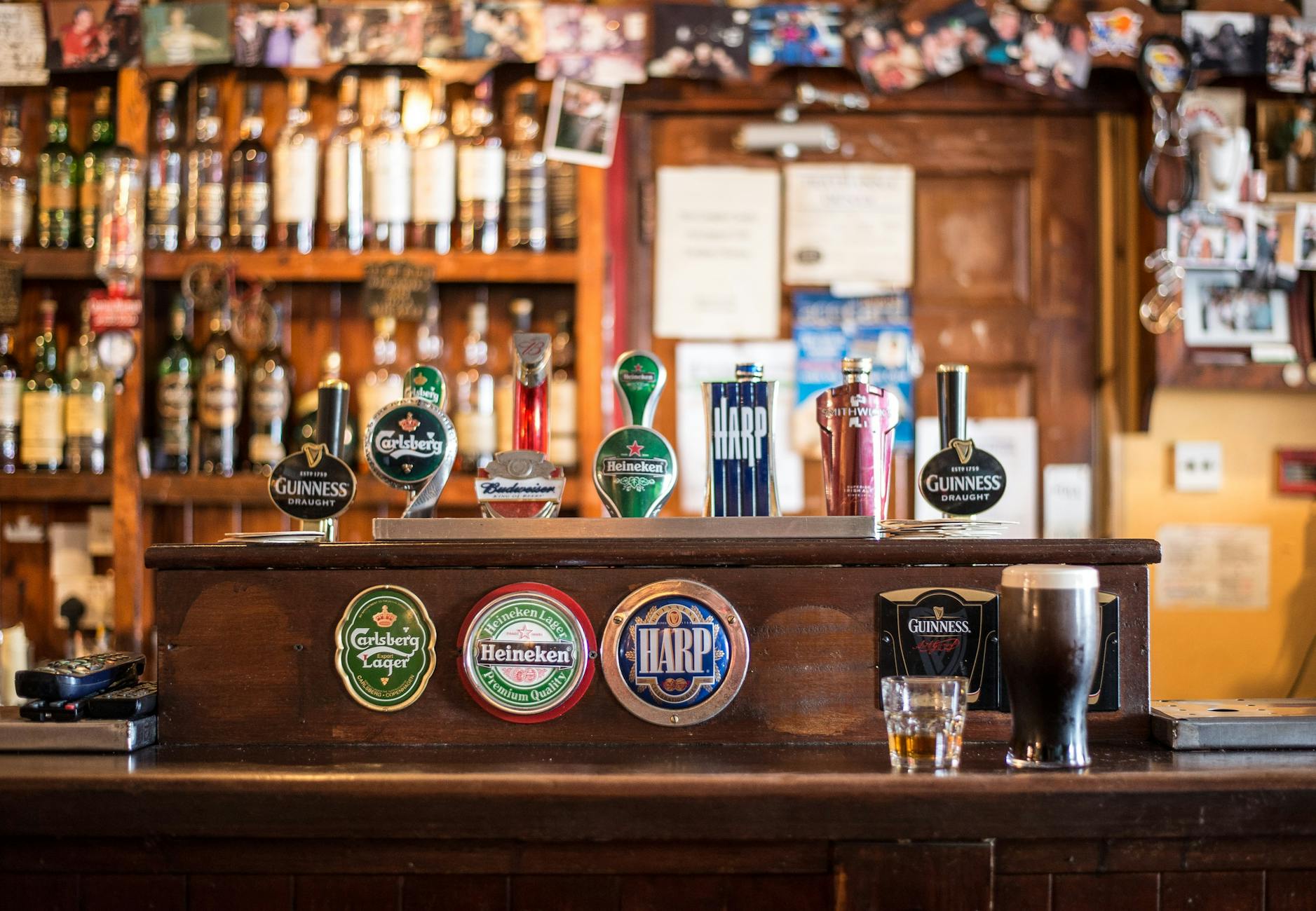
In 1986, Kitty O’Shea’s opened on the ground level of the Chicago Hilton with the mission of creating an “authentic Irish pub experience” in downtown Chicago. Its owners paid careful attention to detail, traveling to Dublin to research the look and feel of some of its treasured pubs. They flew in Irish bartenders with authentic brogues and offered nightly Irish entertainment. It quickly became the most successful Hilton hotel restaurant in the world, according to news reports…
Chief among them is the Irish Pub Concept, creators of the Fadó franchise. They offer consulting and resources for prospective pub owners, with several templates to choose from (including Celtic, English and country-style bars). The company says it helped launch upwards of 6,500 Irish pubs across the world. They provide everything — down to the brick-a-brack and employee training manuals.
These mass-produced Irish pubs have been criticized for offering a caricaturized, Disneyfied version of Irish culture — an Irish “pub in a box,” if you will. But they are also hugely popular.
Chicago still has its share of Irish pubs that grew organically and are owned and operated by Irish emigrants and their descendants. They include Shinnick’s Pub, which has been in Bridgeport for 80 years; Chief O’Neill’s, named in honor of an Irish-born Chicago police chief and opened by Irish emigrants in the ’90s; and the Fifth Province in the Irish-American Heritage Center. These places didn’t need to consult anyone on authenticity. And they continue to draw Irish emigrants, locals and people like me — the descendants of those early arrivals.
Presumably, some of these locations serve as “third places,” settings where people can go between work and home to socialize, eat, and talk. Sociologists and others have noted that Americans have relatively few places like this and this limits social interaction and civic engagement.
But other locations may serve more like consumer spaces where people visit, enjoy, and leave having had a good time. There are plenty of these in American communities where people seek out a particular experience they like with less concern for community-building and longer-term relationships.
Could online or virtual spaces ever replicate these settings? I am skeptical. Could online or virtual spaces drive people back to pubs and other gathering spots to converse and interact in person with other humans? Maybe.
In 1993, I went to work with Forrest Claypool in the Chicago Park District. I was responsible for the lakefront district. It always made no sense to me that there was this muddy, ugly hole right off Michigan Avenue. It also made no sense that if the Illinois Central Railroad owned that land, they would use it as a surface parking lot. You would think they would do something else with it. The other thing that stood out was that there was one track on the eastern edge with a single boxcar on it. It was just an eyesore. For a century, city and parks groups would try to buy the land, and the railroad would never sell it…
I did a title search. I just wanted to get to the bottom of it. I was sort of a zealot about the use of public land. I found out that the railroad didn’t own the land after all. It was always the city’s land. What the railroad had was an easement. So they could use the land for rail purposes, but they couldn’t build a building. They had no air rights. And to maintain the fiction of rail purposes, they kept the single track and the single boxcar. The railroad was happy to make some ancillary revenue as a parking operation. At this point, Forrest and I advised the mayor of what we had found. And [in 1996] the park district and the city Law Department together sued the railroad.
Without Randy Mehrberg’s discovery, none of this happens. Daley was in action mode almost immediately. As in: “Let’s go through the legal process here to get this thing done.” It was not until this sort of virgin land in the middle of the city became available that he saw that this was the chance.
The railroad was not terribly happy or receptive. But a funny thing happened: The Illinois Central was in the process of being sold to the Canadian National Railway. And I suggested to the railroad that instead of litigating with us, they make a donation to the city of all of their title and interest rights from Randolph Street to McCormick Place. They would get a nice tax deduction, and it would enhance their merger, because the purchase price was based on a multiple of earnings, and a large tax deduction would improve their earnings. We were able to negotiate that.
The area around the Chicago River and the lakefront was a shipping area with railroads converging and boats coming in and out. Yet, it sounds like it took a while to figure out what to do with all this space once transportation activity moved elsewhere. It is not as if Chicago stopped being a transportation center; the action shifted and this area eventually became a park.
Having been in Millennium Park many times, I do not recall seeing any documentation of the previous history of the land. If it is not marked, why not tell some of the story of railroads and other lakefront uses in the past to what the park is today? I am in favor of more resources for residents and visitors to learn and visualize what used to be where they are standing or looking. (Some of this could come from virtual reality or augmented reality devices but we are not there yet.)