And they didn’t help you get from one neighborhood to another or back home from a night out to the suburbs…
Many businesses rely on suburbanites coming downtown for the weekend to eat or watch an artistic offering as the fall season kicks off.
Chicago is a big city so there are plenty of trips taking place solely within the city. Additionally, many big cities and people within are used to the idea that people from the suburbs travel into the city.
But these two short passages highlight a back and forth between both city and suburb. There are some traveling from city to suburbs, perhaps even for a night out (some suburbs are cool?). Others are traveling into the city to take advantage of particular opportunities offered in the city (or for work).
These newer patterns complicate efforts to address traffic. The predictable rush hours into the city in the morning and out of the city in the afternoon and evening have morphed into more traffic headed in all directions at more times. Traffic can be present around the clock, even without special events or celebrations.
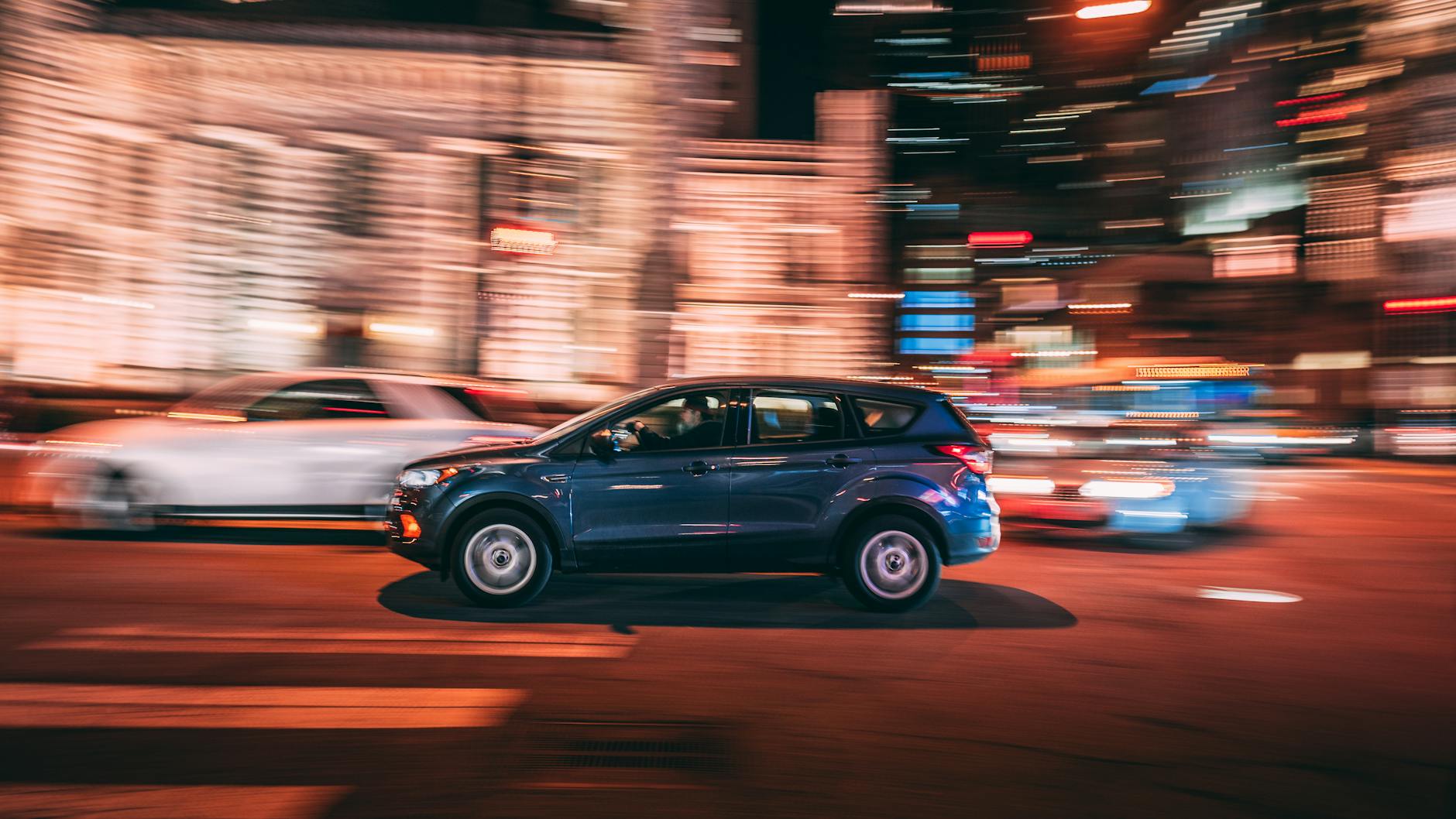
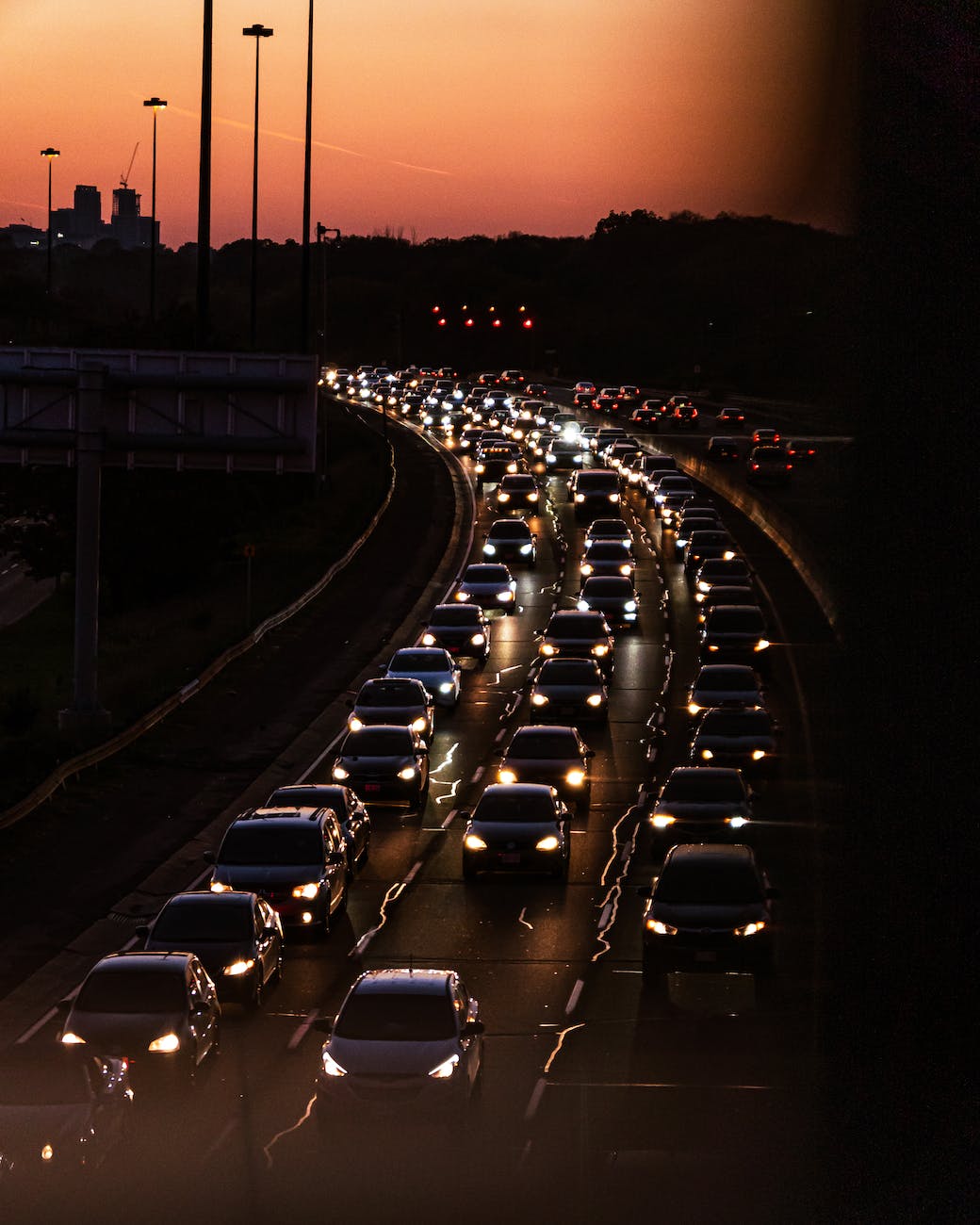
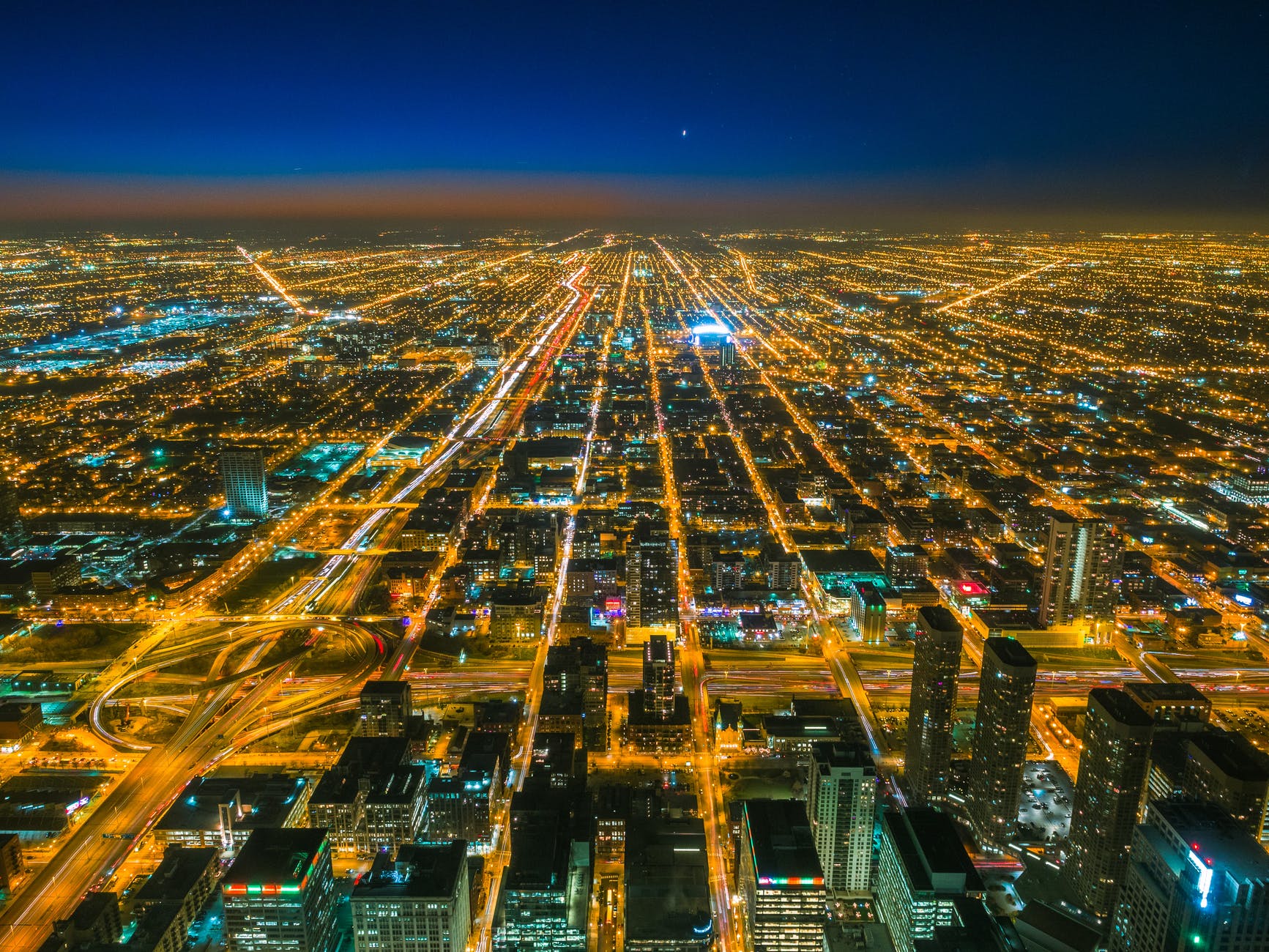
Photo by ud835udce2ud835udcf1ud835udceaud835udcf7ud835udcee ud835udce6ud835udceeud835udcfcud835udcfd u2122 on Pexels.com
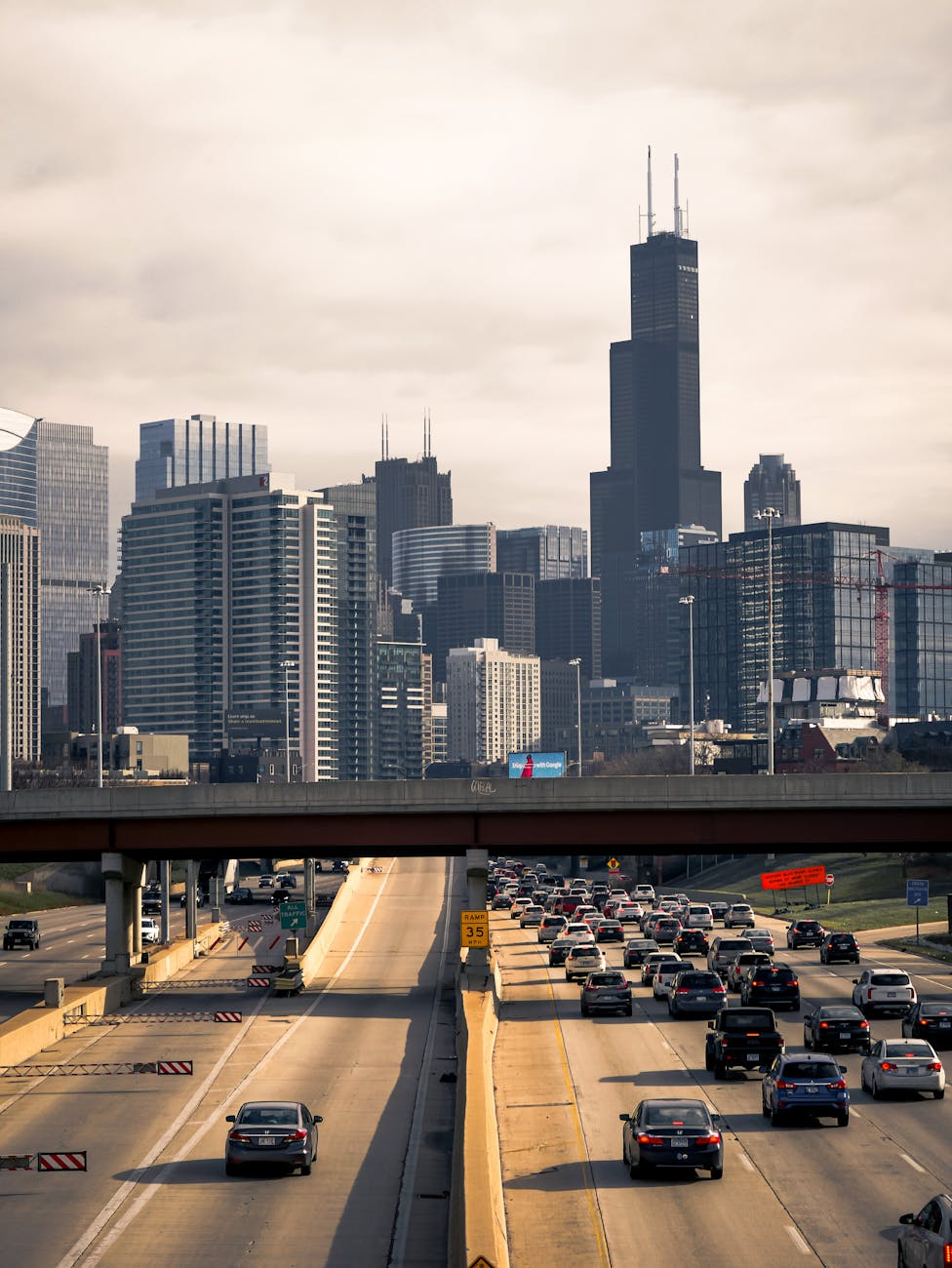
Chicago is one of the most congested cities in the country, ranking second only to New York City last year for the severity of traffic, a recently released annual study found.
The region also had one of the biggest jumps in traffic congestion in 2023 compared with pre-pandemic, according to the new report from mobility analytics firm Inrix, made public Tuesday. Traffic was up 18% over 2019 levels, tying for the highest growth among the cities studied…
Chicago’s traffic woes could be exacerbated by construction, or by drivers taking more trips at the same time, Pishue said. Inrix found traffic around Chicago, like in other cities nationwide, no longer revolves around peak morning and evening rush hours, but instead can tick up around midday and through the evening.
And adding to the traffic is continued low transit ridership, he said.
Addressing the growing traffic requires a comprehensive approach tackling multiple issues at once. This includes:
Online shopping deliveries.
Truck and freight traffic within the region and through the region.
Getting more people to use mass transit (trains, buses, etc.).
Planning for changing work schedules, whether is more work from home or more people returning to the office or more flexible hours in the office.
Ride sharing.
Alternative modes of transportation, including walking and biking.
Shifts in population and business centers throughout the region.
This involves numerous municipalities, counties, the state, the federal government, and private actors throughout the region. Would the local government actors rather fight over whether the mass transit agencies should merge? Would suburbanites prefer someone else tackle these issues and leave them – and their tax monies – out of it? How many people will be willing to budge from driving when they want to help address the larger issues?
The time to address traffic is now so that the problem does not become worse.
In most U.S. cities, traffic is less congested than it was in 2019, as fewer people commute to offices, according to mobility data company Inrix. In some Sunbelt cities, such as Miami, Nashville and Las Vegas, where the population has surged in recent years, it has become worse.
These cities also attracted more companies and tourists during the pandemic. Local roads, built decades ago for a much smaller population, are struggling to accommodate the new reality.
“They way underestimated their growth,” said Robert Cervero, professor emeritus of city and regional planning at the University of California, Berkeley, College of Environmental Design…
Sunbelt cities are particularly vulnerable to congestion because of poor public transit. Driving in New York City’s rush hour can be bumper-to-bumper, but many people take the subway. Most southern cities offer no such alternative…
For now, Sunbelt states are hoping to fight congestion by adding more roads and express lanes. Tennessee lawmakers are considering a proposal to add toll lanes on state roads. Florida Republican Gov. Ron DeSantis recently proposed spending more than $5 billion on highway construction and more than $800 million on rail and transit throughout the state.
Growth is good in the United States – until it threatens some of the attractive features of places that brought people there in the first place.
At what point do residents and businesses not move to growing regions because of congestion? These Sunbelt cities continue to have numerous attractive features even if they have more traffic.
Adding lanes to roads may appear proactive but it can lead to more attractive as more drivers think there is capacity. Considering mass transit is necessary but complicated by suburbanites who do not necessarily want transit to reach them, high costs to get basic mass transit in place (though this could help save money down the road), and limited interest in denser development.
Do smaller cities offer advantages here? I have heard this argument before: you can have more rural property conditions within a ten to twenty minute drive of the main shopping areas or the downtown. Achieving this is more difficult in a more populous area where there is more competition for land.
At one time, this system may have made sense. The Chicago region, as in multiple regions in the Northeast and Midwest, was organized with a dense commercial district at the core. Today, this makes less sense in many US metropolitan regions where the many trips and commutes are suburb to suburb. Throughout a region, suburbs are job centers, entertainment centers, and residential communities.
Reconfiguring infrastructure like highways, railroads, and mass transit to fit these new realities – perhaps now exacerbated by more employees working from home – is a long process with multiple avenues to pursue.
The Chicago Metropolitan Agency for Planning (CMAP), which tracks these patterns, has found that drivers are taking trips on different days, at different times, and sticking closer to home than they used to. An analysis done for WGN-TV shows fewer trips being made at the familiar times and locations of rush hours. “Instead, they are more spread-out, making travel and congestion unpredictable,” WGN reported.
Another big factor in this traffic roulette is the continued rise of e-commerce. Amazon, FedEx and UPS trucks are everywhere, it seems, stopping-and-going, and sometimes blocking streets as drivers deliver online orders. CMAP reports that single-unit truck traffic (including those delivery vans) has shot up 20% since early 2020.
The third variable is public transit. Ridership on CTA, Metra and Pace continues to lag pre-pandemic levels, thanks in no small part to the perception that they are either unsafe, inconvenient or both, meaning more commuters are driving. As a result, motoring to and from downtown can be as rough as ever, especially on Tuesdays, Wednesdays and Thursdays, when employers are more likely to require the physical presence of their office workers.
While these patterns will continue to evolve in the years ahead, working and shopping from home are here to stay, and public transit has a long journey to win back its customers. Planners need to adjust accordingly, and that probably means re-engineering traffic systems.
Summary: Tuesday through Thursday are now the worst “regular” rush hour days, trucks and traffic can be anywhere, and fewer people are using mass transit.
Does the Chicago area have an advantage because of its grid network? If drivers encounter a problem, it is not hard to find an alternative route. Compared to cities with longer histories and fewer major roads in the Northeast, Chicagoans have a plethora of options. On the other hand, the Chicago area is limited in terms of highways and sprawling roads compared to some places in the South and West.
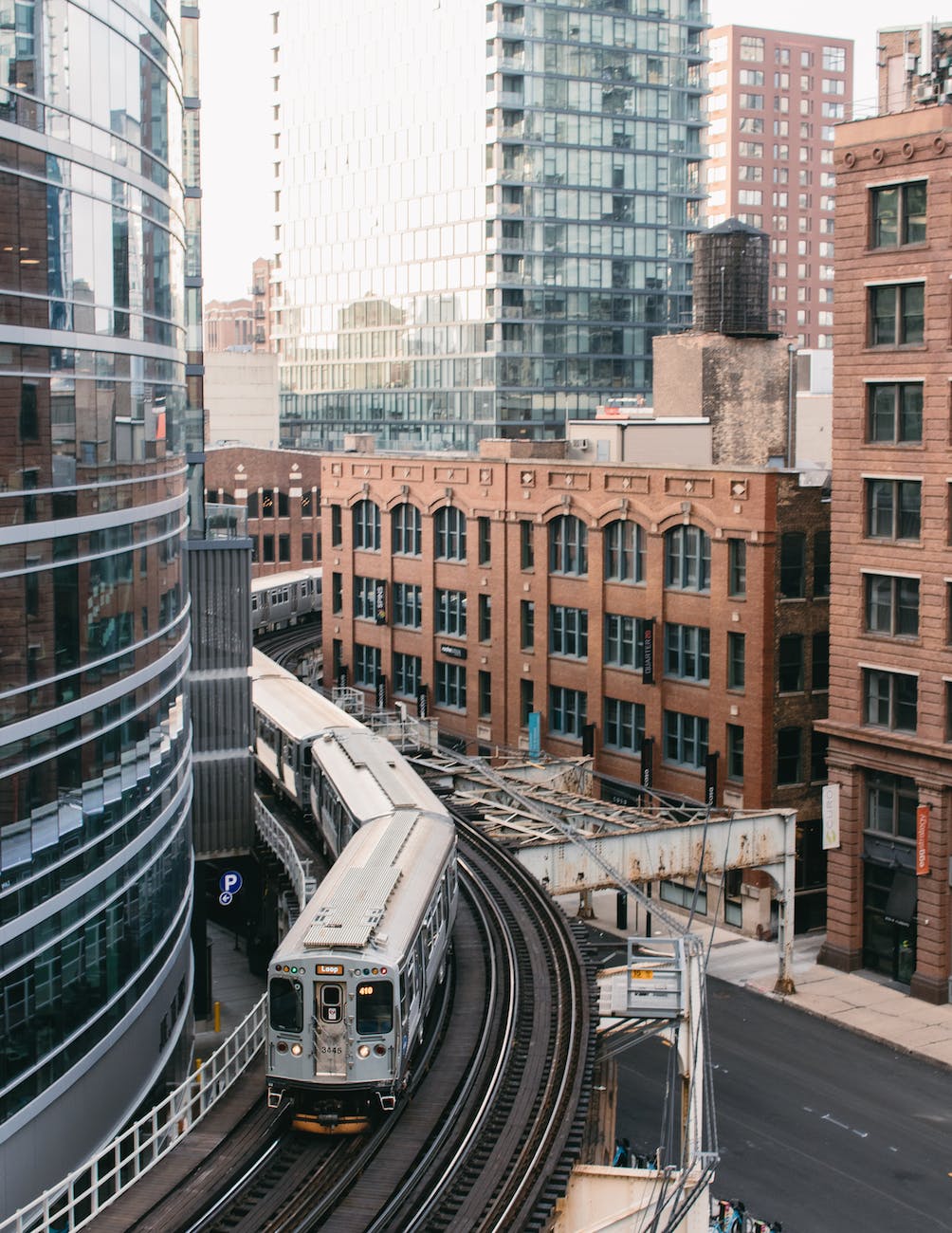
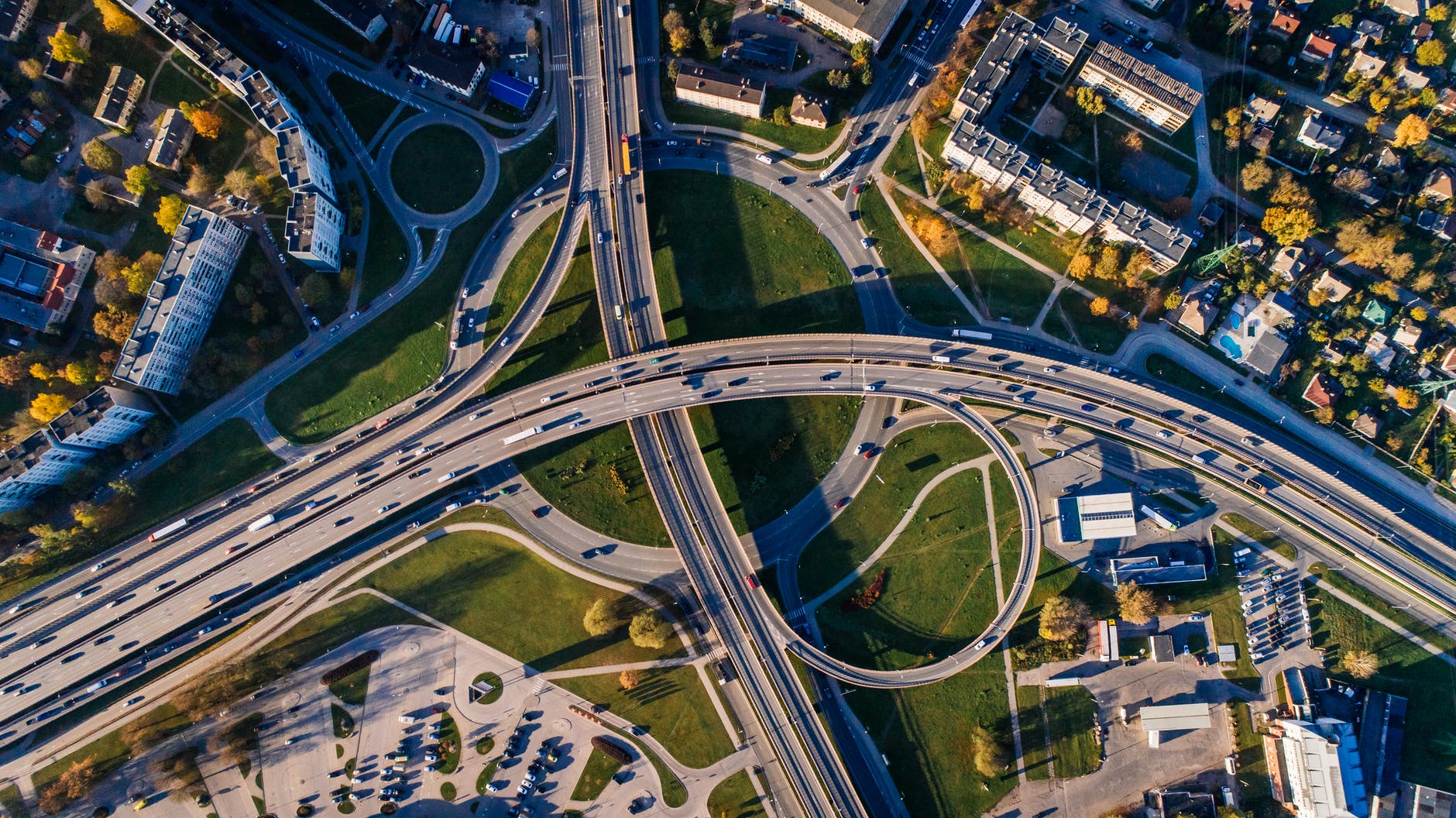
Even with a grid and flat surface, one of the biggest problems seems to be that traffic – driving and rail – tends to end up in particular chokepoints that are more unpredictable in their use. Drivers still go through the Jane Byrne Interchange. Freight traffic needs to get through railyards and across at-grade crossings. Could this traffic be effectively lessened or rerouted in ways that help people and goods flow more quickly?
If there was an issue that the over 9 million people in the Chicago region could address together, this might be it. Yes, few people want to pay for solutions they do not directly benefit from. However, solutions to these issues across the region would benefit everyone.
Illinois Department of Transportation engineers are promising a 50% improvement in traffic delays as the interminable Jane Byrne Interchange rebuild wraps up…
It’s estimated the redo could save more than $180 million hours annually in lost productivity from workers in traffic jams and result in a one-third reduction in greenhouse gases.
Can we start tracking this immediately and see if the promise is true?
At the same time, why not use similar metrics for all sorts of infrastructure projects? Infrastructure is needed for many areas of modern life to go well. Yet, people may not want to endure construction or costs. Promises like this at least fix a number on what people might experience as a positive outcome. And if the modeling is so difficult, does this mean that it might be hard to justify a big project? (I could imagine a different number that is also accurate but less negative: without this project, there will be this % of a negative outcome.)
Along with Chicago, highways in Atlanta, New York City and Los Angeles will be the busiest, according to data analytics firm INRIX. To avoid the worst congestion, INRIX recommends traveling early Wednesday, or before 11 a.m. Thanksgiving Day…
The report predicts almost double the typical traffic along a westbound stretch of Interstate 290 from Chicago’s Near West Side to suburban Hillside, peaking between 3 and 5 p.m. Wednesday. Significant additional congestion is expected Wednesday along the same stretch of eastbound I-290, with an anticipated 84% spike in traffic…
The outlook isn’t much brighter for travelers flying out of the city. Chicago-based United Airlines expects O’Hare to be its busiest airport, with more than 650,000 customers anticipated for the holiday. It reports Sunday, Nov. 27, will be its busiest travel day since before the pandemic, with 460,000 travelers taking to the skies. Nationwide, the airline awaits more than 5.5 million travelers during the Thanksgiving travel period, up 12% from last year and nearly twice as many as in a typical November week…
“Regardless of the transportation you have chosen, expect crowds during your trip and at your destination,” Twidale said. Travelers with flexible schedules should consider off-peak travel times to avoid the biggest rush.
The last paragraph quoted above might be key: given the predicted congestion, will people choose different times and days to travel? And, if enough people do this, will the model be wrong?
Transportation systems can only handle so many travelers. Highways attempt to accommodate rush hour peaks. Airports try to handle the busier days. Yet, the systems can become overwhelmed in unusual circumstances. Accidents. Pandemics. Holiday weekends where lots of people want to go certain places.
If enough people hear of this predicted model, will they change their plans? They may or may not be able to, given work hours, school hours, family plans, pricing, and more. These are the busiest times because they are convenient for a lot of people. If all or most workplaces and schools closed for the whole week, then road and air traffic might be distributed differently.
I would be interested in hearing how many people need to change their behavior to change these models. If more people decide they will leave earlier or later Wednesday, does that mean the bad traffic is spread out all day Wednesday or the predicted doomsday traffic does not happen? How many fliers need to change their flights to Saturday or Monday to make a difference?
If people do change their behavior, perhaps this report is really more of a public service announcement.
The first Burning Man festival after three years of COVID pandemic delays ended rather unceremoniously as exhausted revelers endured an apocalyptic eight-hour traffic jam in the sweltering desert to leave the site. Twitter posts depicting the post-revelry congestion — and a bizarre “Thunderdome”-style fight — are going viral online.
“Exodus wait time is currently around 8 hours,” Burning Man’s official travel account confirmed regarding the bash, which saw 80,000 Burners descend on the Black Rock Desert in Gerlach, Nevada, for nine days ending Monday. “Consider delaying your departure until conditions improve.”…
Meanwhile, one burned-out reveler posted photos depicting 15 lanes of traffic that were clogged bumper to bumper for miles like something out of a classic disaster movie.
At least this traffic jam had different scenery compared to the typical highway landscapes found in metropolitan areas?
The car may be essential to the American way of life – and celebrations of life – but traffic jams are one consequence many would hope to avoid. It offers freedom for individual drivers to go when they want at a pace partly of their own choosing, yet the system of roads and land uses can easily lead to backups and delays that limit such perceived freedoms. The car commercials featuring people enjoying driving on the open road do not typically reference any traffic jams. Or, how many movies or TV shows show the difficulties of traffic congestion? After a period of festival-going, just how frustrating is a long traffic jam?
Travel times have already returned mostly to normal on Chicago’s expressways, according to the Illinois Department of Transportation. On the Eisenhower, it’s taking drivers an average of 40 minutes to get from Wolf Road to the Jane Byrne Interchange during morning rush hour, compared with 32 minutes in June 2019. Drivers taking the Kennedy from downtown to O’Hare International Airport in the afternoon spent about an hour on the road in both June 2019 and 2021.
Who’s on the road might be changing, though. Truck traffic is up, and more people are working remotely. Among those heading out, more people who were taking public transit before the pandemic seem to be driving, IDOT spokesman Guy Tridgell said.
Imagine a post-COVID-19 traffic nightmare: trucks all over the place delivering goods as the economy continues to rebound. More cars on the roads because of fears about mass transit. People who were home for months and/or were used to less congestion on the road now stuck in worse traffic. Are there any good short and long-term solutions to addressing this while the mass transit efforts also continue?
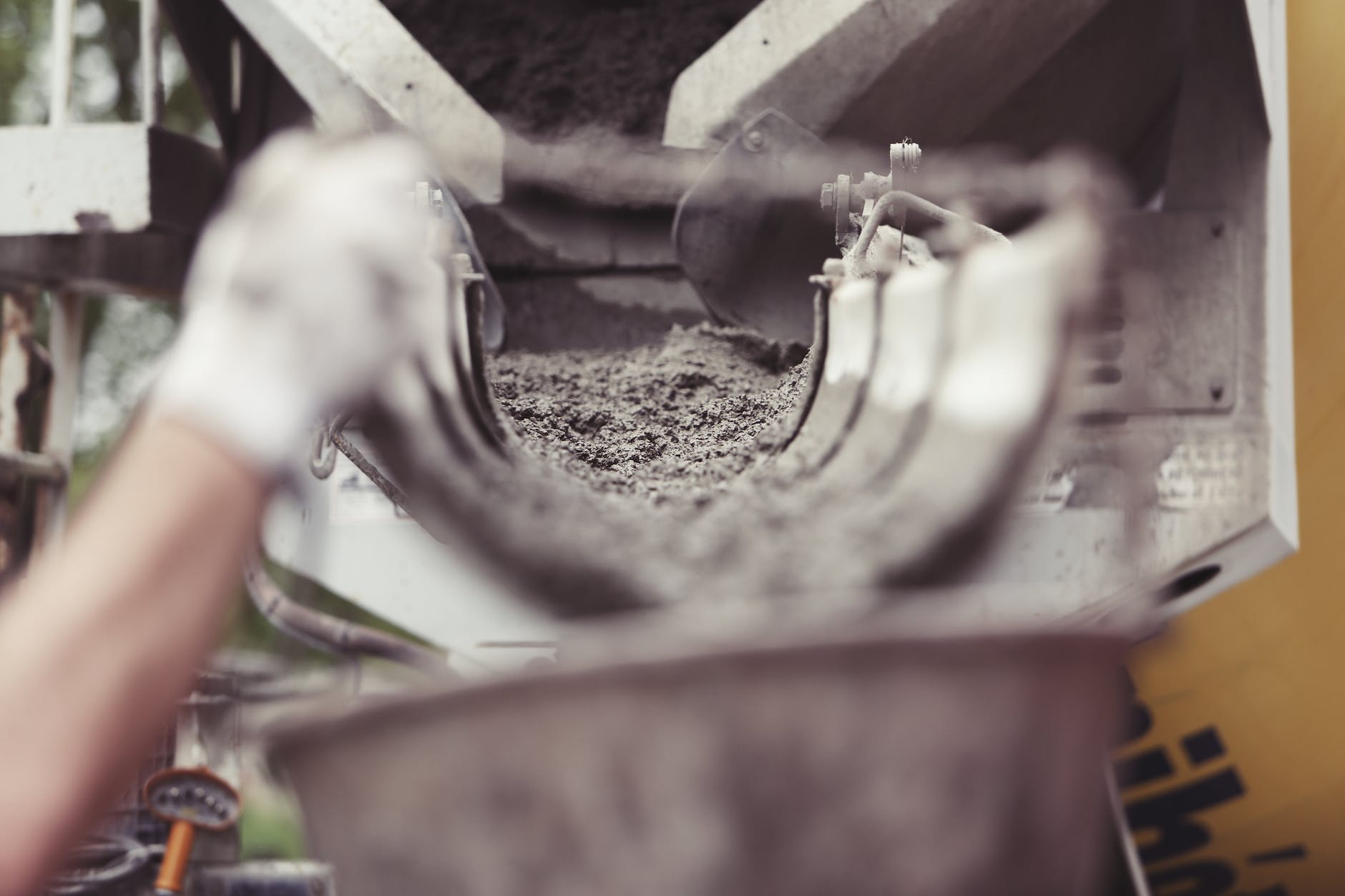
The arrival of 2021 means we’ll soon be in Construction Season Nine of a notorious project that the Illinois Department of Transportation initially said would take four and a half years to complete.
We refer of course to the glacially paced reconstruction of The Jane Byrne Construction Museum. We use that respectful moniker — always capitalize The, like The Ohio State University — for what old-time Chicagoans used to call the Jane Byrne Interchange…
Whatever the reason, drivers who didn’t abandon the interchange years ago have, in recent days, found the final four rebuilt ramps open. Museum work has shifted to the mainline Dan Ryan and Kennedy expressways — although we trust that, somewhere, IDOT also is building a museum wing to house its excuses for the years of delays and cost overruns: poor soil conditions, unhelpful rules from Chicago’s City Hall, mistakes by engineering firms, utility rerouting, the diversion of resources to emergency repair projects elsewhere, and on and on…
Surely you aren’t surprised that the cost has grown by some 48%, from $535.5 million to $794 million. Most museums recruit donors to cover their big projects. The Jane Byrne Construction Museum instead gets public dollars. Which has us wondering how many gazillion gallons of amply taxed gasoline burned into the atmosphere as all those mummified motorists sat and sat.
Highways often get greenlit for expensive work because they require engineering upgrades or significant maintenance. The projects in PIRG’s least-wanted list go beyond those basic needs. Like the group’s previous boondoggle roundups, this one calls attention to taxpayer-funded projects set to consume environmental resources, cut through existing communities, and lock in decades of new carbon emissions, for what PIRG argues is little payoff in congestion relief or economic growth. The 2020 report arrives as the ongoing pandemic clobbers state and local budgets and dramatically reshuffles travel patterns.
The largest on the list is Florida’s M-CORES project, a $10 billion, 330-mile plan to build three toll roads through rural southwest and central Florida. Dubbed the “Billionaire Boulevard” by critics who characterize the project as a handout to developers, a state task force recently found a lack of “specific need” for any of the roads, which would run through environmentally sensitive areas.
There’s also the Cincinnati Eastern Bypass, a $7.3 billion highway set to loop around the eastern side of Cincinnati. Originally proposed by a local homebuilder as a replacement (and then some) for the aging bridge that leads into downtown Cincinnati, the 75-mile, four-lane bypass is designed to divert trucks passing through the region on Interstate 75, easing congestion for local drivers, boosters claim. But the report’s authors state that the highway is projected to add thousands of new vehicle trips per day, encouraging sprawl and contradicting Cincinnati’s goals to increase “population density and transit-oriented development” and decrease fossil fuel use by 20%.
No highway policy critique would be complete without a contribution from Texas. The $1.36 billion Loop 1604 Expansion in San Antonio would add four to six additional lanes on 23 miles of an existing four-lane highway, as well as new frontage roads and a five-tier interchange with Interstate 10. Texas DOT says that the new lanes are needed to keep up with population growth, but transportation planners say that the principle of induced demand would cancel out the benefits while adding pollution. The PIRG report puts it this way: “Additional capacity causes more driving and congestion.”
These summaries of major highway projects provide good reminders of several features of such undertakings:
They often require years of planning and years to complete. From start to finish, this could cover a decade-plus. They take a lot of effort to get going across numerous agencies, governments, and actors and have their own kind of inertia as they move toward completion.
These projects are often intended to make driving easier. Adding lanes and capacity can also attract more drivers. In a country devoted to driving, these contradictory ideas can go together. And the roads and systems for driving keep expanding and evolving.
The costs are huge and the efforts required massive. Yet, the average driver may think about nothing but the congestion caused by the construction.
When completed, such roads (and other significant infrastructure projects) can be impressive in their scale. (Whether this is the best use of the land or moving people around leads to other arguments.)
While these articles do not address this, are there significant infrastructure projects that drivers and residents would be pleasantly surprised to find that had been completed during COVID-19?

 Legally Sociable