
One publication just released a ranking of the coolest neighborhoods in the world:
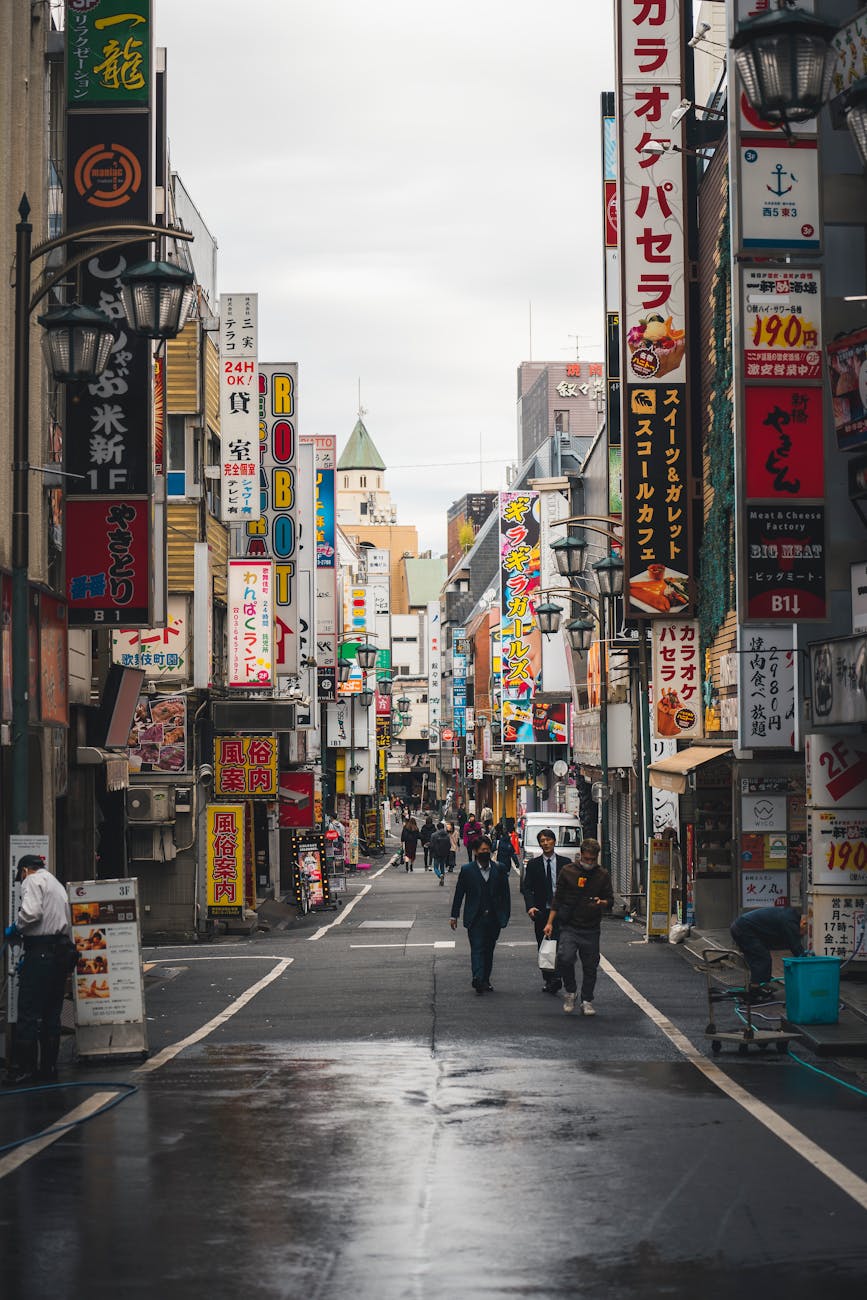
If you’re daydreaming about the most exciting local spots in your next city-break destination, global listing guide, Time Out has you covered with its latest roundup of the “world’s coolest” neighborhoods.
Topping the 2025 rankings is a corner of Tokyo that Time Out calls a “bibliophile nirvana.” Jimbōchō is home to some 130 vintage book stores — Time Out highlights Isseido Booksellers and Kitazawa Bookstore as great starting points for a day of bookish exploring — as well as its coffee-shop culture and delicious curry houses.
Time Out’s annual list is compiled from nominations made by its global network of editors and writers. The selections are then ranked against criteria including culture, community, livability, food and drink and what Time Out describes as “that hard-to-define sense of ‘nowness.’”
A Chicago neighborhood is a little bit down the list:
Rounding out the top five is the highest ranking US spot — Avondale in Chicago, highlighted for its wine bars, wellness studios and music venues. The neighborhood is also praised for its quirky small business scene, which includes retro bowling alley Avondale Bowl and antique mall-themed bar Consignment Lounge. Jeff Wilson, managing partner at Avondale Bowl, told CNN Travel that “seeing many of Avondale’s local, small businesses be included in a list with so many other communities around the globe really shows how many amazing things are happening right around us.”
I have multiple questions after reading about these rankings:
- Rankings of places often have to account for a lot of communities. Here, we could start with the many cities in the world. And then each city has numerous neighborhoods, depending on how their size is defined. There are a lot of neighborhoods to choose from.
- How long does “nowness” last? What is the half-life for a cool neighborhood? There is something unique about the neighborhoods at the top of list. The activity and meanings present in these neighborhoods might continue at a similar rate over time yet the neighborhood might become less cool to those experiencing the neighborhood.
- This list seems geared toward seeking out places to visit. But what these visitors might find attractive could differ from people who live there. Visitors want to find something unique, experience something new. How does this relate to the supply of local housing or job opportunities? Does being identified on such a list lead to more tourists, which then might alter the day-to-day life in the neighborhood? To play off the idea of Chicago as “a city of neighborhoods,” could a traveler be a connoisseur of novel neighborhood experiences?

 Legally Sociable