Many years can pass – at least 17 for one suburban development – between proposing and completing a project

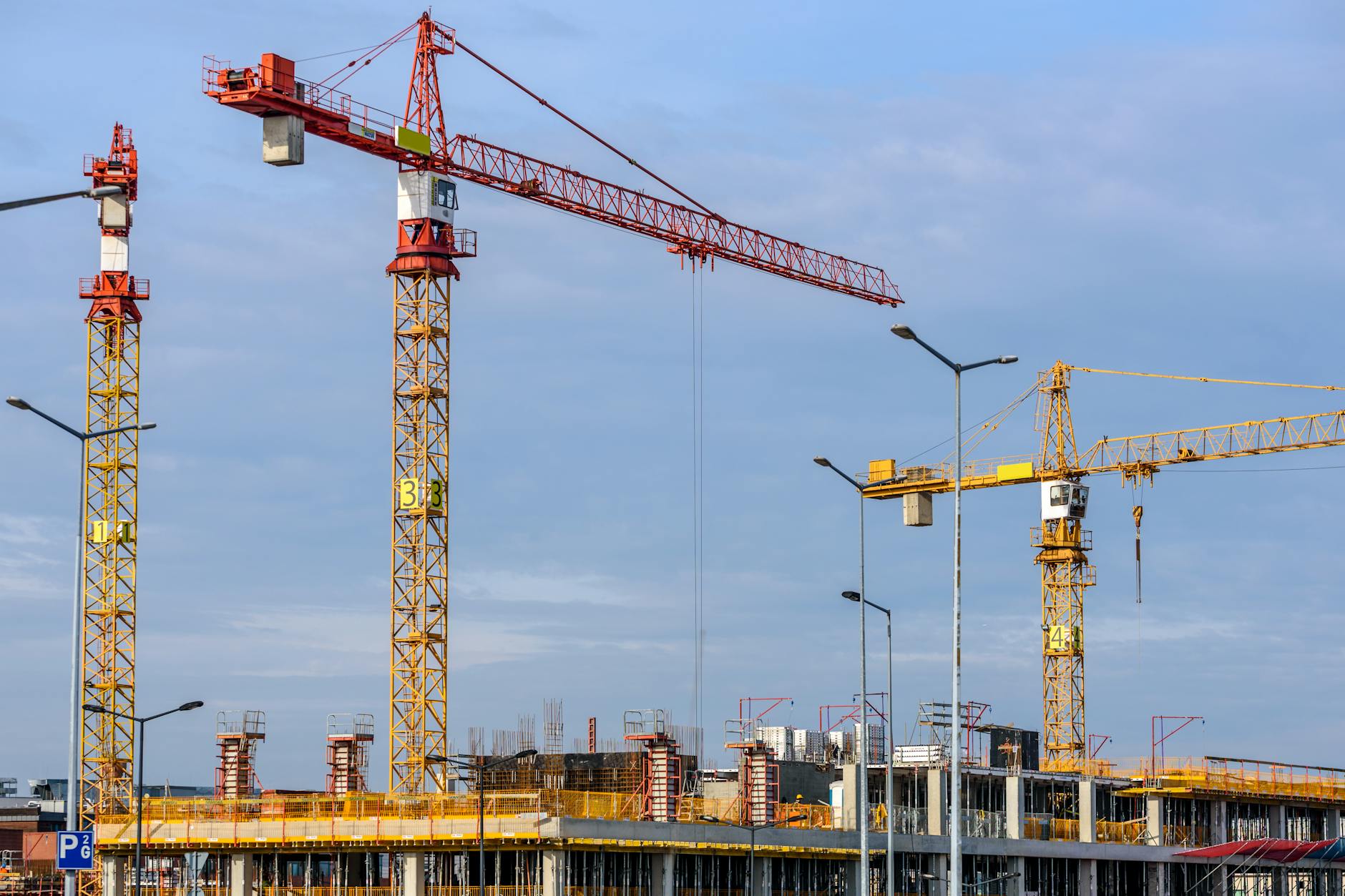
Some development projects take a long time from beginning to end. Here is a recent example from the Chicago suburbs:

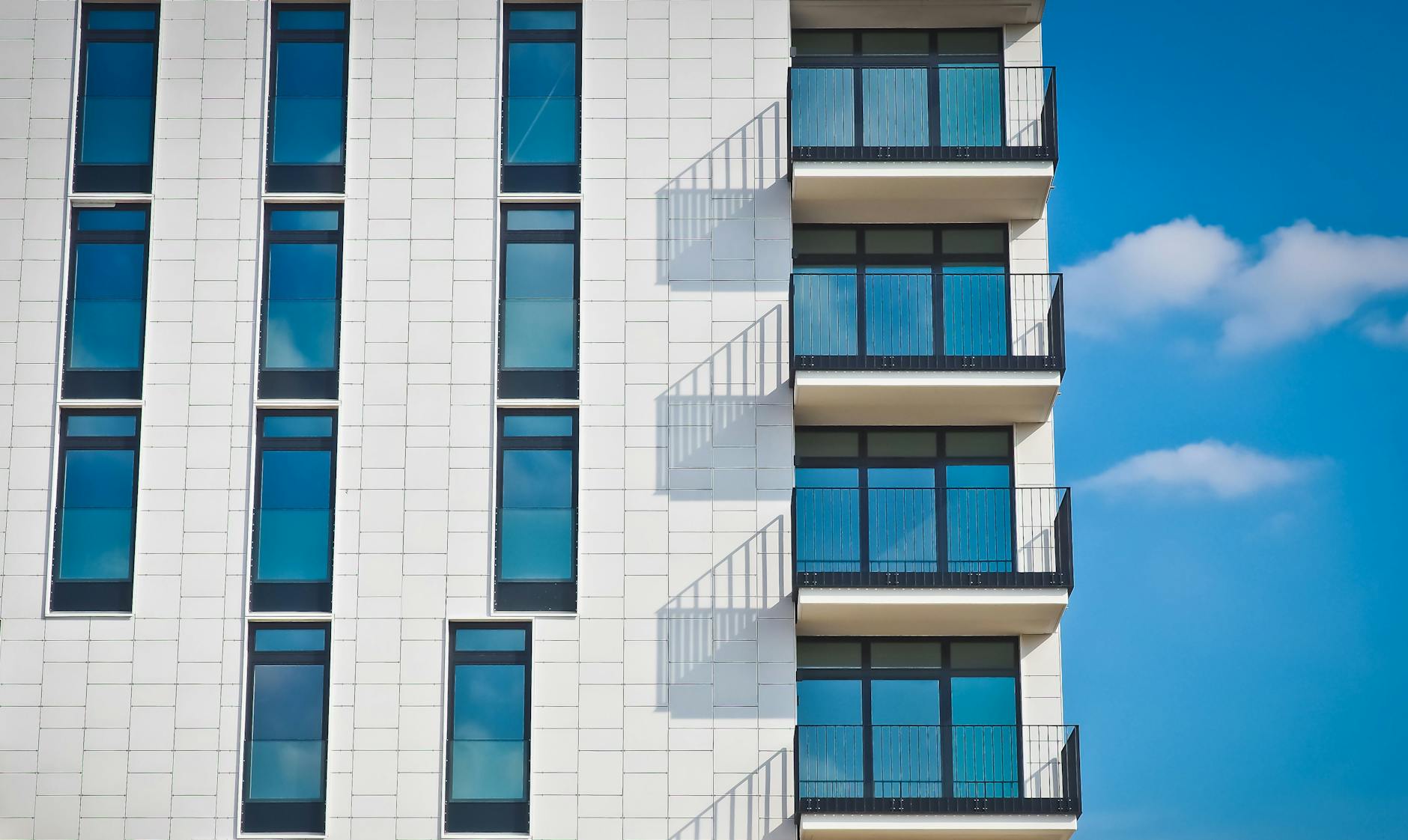
Photo by Markus Spiske on Pexels.com

The Glen, a large residential development that was to be built in Elgin 17 years ago, has come back to life with the help of a new builder.

Moda Homes is partnering with Lennar Homes to build the first phase of a project that calls for 83 single-family homes, 54 age-restricted homes, a 150-unit senior assisted living facility and a neighborhood park on 73 acres off Nolan Road, according to plans presented to the Elgin Planning and Zoning Commission.

The unincorporated property was zoned in the early 2000s for a subdivision. Moda Homes is requesting the site be annexed into the city and a preliminary plat for the project be approved, both of which are now headed to the Elgin City Council for approval…

Elgin council members must approve the annexation agreement and the preliminary plans before construction can begin. A meeting date at which the project will reviewed has not been set.

If this is approved, this development may take about 20 years to complete.

This may seem like a long time. But lots of factors can slow down the process. This story does not say but I wonder if the 2007 proposal was shelved by the housing bubble of that era. Developers can face money issues or there can be a decrease in demand. With the current proposal, local officials might have concerns about annexation and the plans. Questions about or changes to the plan might slow or stop the process. And numerous other issues could pop up.

Perhaps a different question to ask is how long a development proposal “normally” takes. Then could such a prediction factor in local conditions (municipalities can vary), economic conditions, and particular developers or builders? If twenty years seems long, is 4-5 years “normal” from start to finish?

Of course, some developments are proposed – some seriously, some not so much – and never get built. In the Chicago area, think of the Burnham Plan or Frank Lloyd Wright’s idea for a one mile high skyscraper. For any development to be completed, lots of things have to go right.

Government-developed skyscrapers, World Trade Center edition

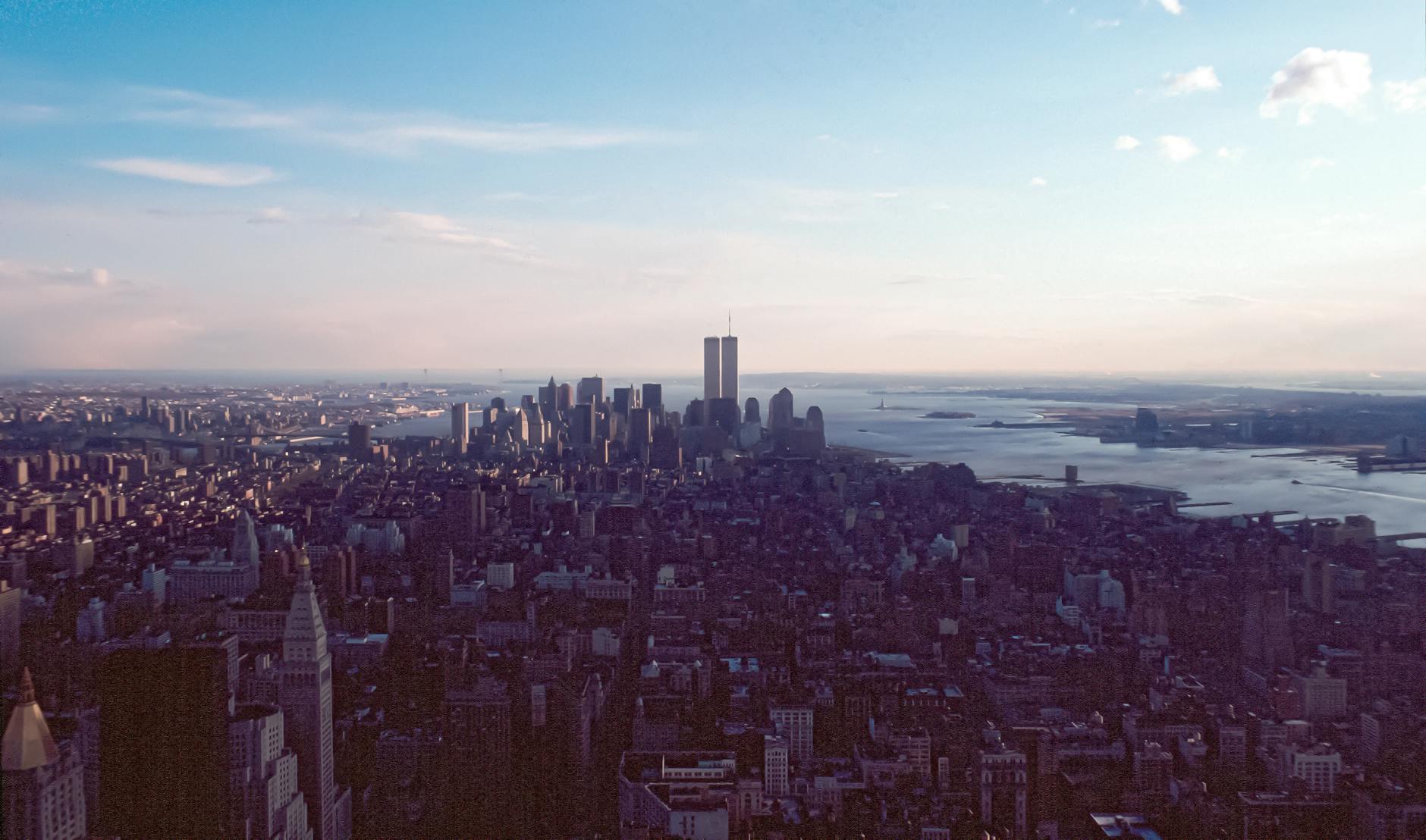
Skyscrapers do not emerge only from private sector. The former World Trade Center in lower Manhattan is one example (with quotes below from pages 198-199 of Cities in the Sky by economist James Barr):

Photo by Thomas Svensson on Pexels.com

Despite the destruction on September 11, 2001, the legacy of the Twin Towers remains strong. it was the first time that an American government agency – or likely any government agency the world over – directly developed and managed supertall skyscrapers meant to compete with the private sector. Historically, governments built tall buildings for their own needs. City halls competed with houses of worship to be the tallest in each city. But here was a regional governmental entity producing building space to earn a profit.

More importantly, it showed, over time, that placemaking via record-breaking skyscrapers was a viable option for cities, as the Twin Towers became instant icons of the Manhattan skyline. Just as important was their economic success, which created a new model: Build a record breaker with state support. If need be, fill it up with government agencies (or state-owned businesses outside the United States), give it time for neighborhood growth to kick in, and reap the returns.

This model later spread:

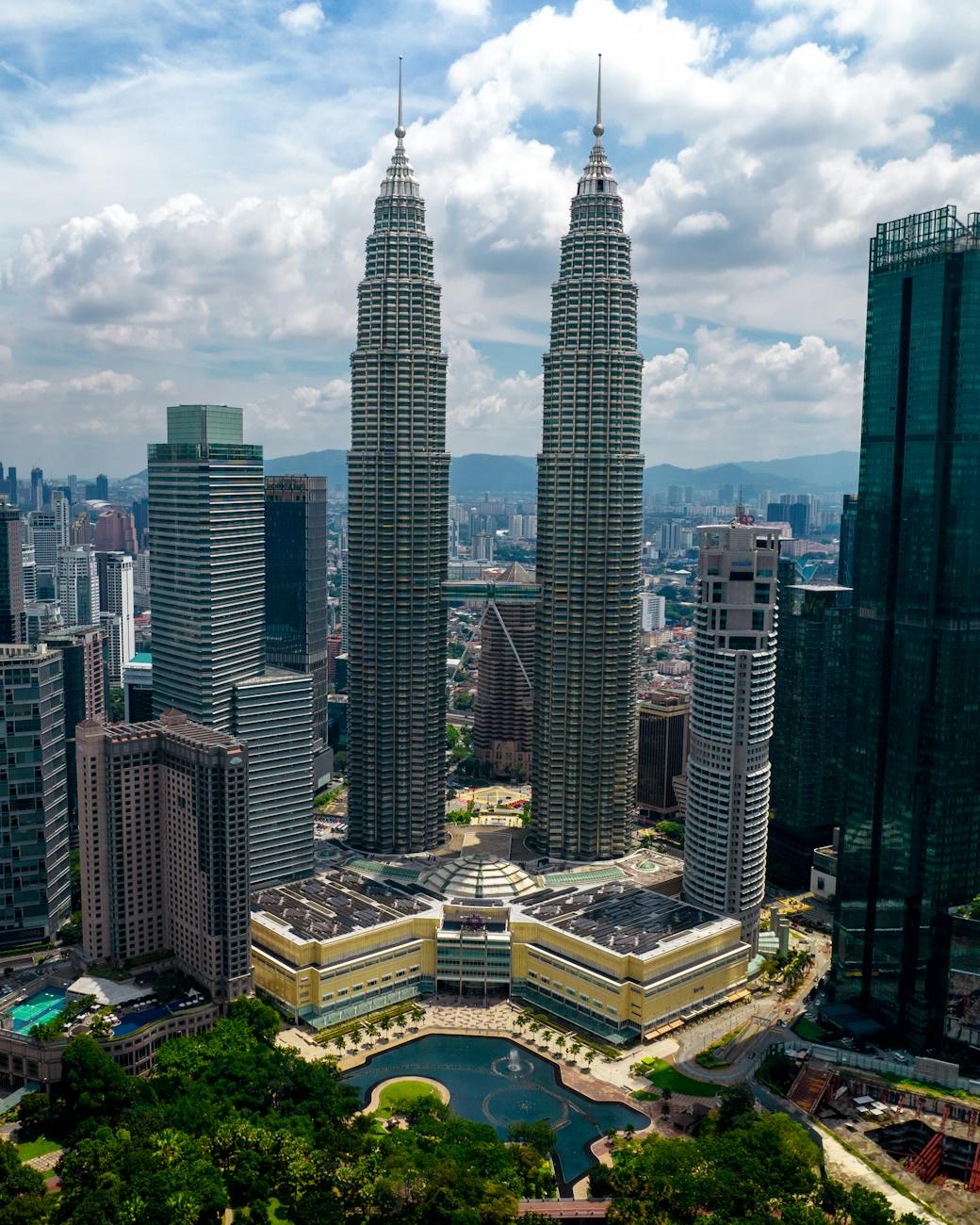
Photo by Matteo Parisi on Pexels.com

That it took till 1998 for this strategy to surface in Asia – starting with the Petronas Towers in Kuala Lumpur – was due to the time Asia needed to catch up with its economic development and infrastructure. That it wasn’t replicated in the United States after that was because by the end of the 1970s America’s era of big government-funded urban renewal projects was over, while in Asia government-funded projects were just beginning.

Might this happen again in the future in the United States? Leaders seem quite open to public-private partnerships when it is deemed necessary to boost development and growth.

Combining a new Costco and affordable housing in LA

Costco plus affordable housing is set to arrive in Los Angeles in a few years:

Photo by PhotoMIX Company on Pexels.com

An approved upcoming Costco location in South Los Angeles (the Baldwin Village/Crenshaw area specifically) is slated to open in the coming years, and it combines the company’s more-is-more brand with a novel new approach to residential construction. The project, to be built by developer Thrive Living and architects AO, was first announced early last year in a press release that revealed renderings of a mixed-use model with multiple floors, open courtyard spaces and other amenities. All told, the build would encompass not only the Costco store (and necessary parking) but a whopping 800 residential units, including 184 set aside specifically for low-income tenants…

According to real estate analysts CoStar, this entirely new mixed-use model isn’t just something novel for Los Angeles, it “may have national retail implications for Costco.” That could mean smaller footprints, more transit-oriented openings, or Costco itself getting even further into the housing market…

So yes, 800 small apartments can fit on top of a Costco in the middle of Los Angeles, with 23% of those units reserved for low-income residents and all units eligible for Section 8 vouchers. And if done right and embraced by locals, developers, big box retailers and public officials, the project could be a novel model for future build-outs statewide.

It sounds like Costco and the housing units will coexist. Are there ways that they might be more intertwined? I could imagine some deeper partnerships:

  1. Special deals for those living in the development.
  2. Jobs for those living in the development.
  3. Costco block parties for neighbors.

While this development will help provide affordable housing units, it is also interesting how it weaves a big box store into a denser environment. Developers and planners have tried a variety of ways to incorporate big box stores into cities. Is putting the big box store in with housing a new formula for success for both?

Build a Samsung semiconductor plant in a small town 29 miles from Austin and what could change?

One town on the edges of the Austin, Texas metropolitan region could be in for change:

Photo by Pixabay on Pexels.com

The tech giant is opening ‘the largest semiconductor manufacturing complex in America’ in Taylor, near Austin, bringing thousands of jobs and billions in investment to the area. 

Taylor is currently a small, quiet city with just 16,000 residents, but that is set to change.

Mayor Brandt Rydell told KVUE: ‘From 2020 to 2030, Taylor will be one of the most rapidly growing cities in Texas, if not the nation.’ 

The average house price is just $298,000, but with the plant expected to open later this year, house prices could rise as more luxury properties are built. 

The main focus in this article is the expected rise in housing values with some discussion of jobs and economic development. What else might change?

  1. Higher status. Not all suburbs have a major Samsung plant.
  2. More traffic. This includes employees traveling to and from the plant as well as supplies and products moving in and out.
  3. New civic service and local revenue issues to confront. How will the community spend new tax monies that come in? What services will the plant and its operations require?
  4. A larger population. Do some long-time residents dislike the changes? Does new development alter the character of the community?
  5. Will the arrival of Samsung lead to other businesses moving to town? Or support businesses (where will all those plant employees spend their money)?

In other words, come back to Taylor in ten years and it might look and feel different.

What exactly is “strong opposition” to a proposed nearby development?

This is a familiar situation in American communities: a landowner proposes a change to their land. The potential change goes to the local government for approval. Neighbors and community members have an opportunity to weigh in. Some people voice opposition. How might we know whether the community opposition is “strong” or not? It could be measured in multiple ways:

Photo by Rene Asmussen on Pexels.com

-The number of people clearly opposed to the change. This could be the difference between two opponents speaking at public meetings versus 60. Or there may be an online petition with hundreds or thousands of signatures against the proposal.

-The loudness of the opposition. Are those opposed speaking out regularly? Are their concerns expressed clearly and often online and in the media? Is the opposition clearly identifiable and known within the community? What kind of rhetoric is being used by all sides?

-The connections and resources of the opposition. Do they have the ear of leaders and politicians? Who can support the opposition? Will an unfavorable decision lead to a lawsuit?

-Is “strong” opposition that which leads to the proposal being voted or turned down?

All of this is context dependent as well. Certain proposals will generate more attention based on their location and the proposed change.

I would guess most opponents of proposed developments are spirited and believe in their cause. Whether this adds up to “strong” opposition might be much harder to judge.

(This thinking was inspired by a headline regarding a local land use proposal that some residents opposed.)

More sprawl = more storm damage

With more sprawling development in the United States comes more damage from storms:

Photo by Sebastian Arie Voortman on Pexels.com

But a more significant influence on the rising storm damage trend has little to do with the weather: Growth and development patterns mean there are many more homes and businesses in the way of tornadoes, hail and damaging winds than there were decades ago…

The trend is a product of growing populations in regions where severe storm impacts are also increasing, said Adam Smith, a NOAA economist and scientist who tracks the events.

Researchers call it the expanding bull’s eye effect — a larger target for storms and tornadoes makes it easier for them to inflict damage.

For example, in outlying parts of a city like Wichita, a tornado that might have affected 20 homes several decades ago could now damage 2,000 homes in the same footprint, said Walker Ashley, an atmospheric scientist at Northern Illinois University.

The United States has pursued sprawl for decades now. Metropolitan regions have expanded as Americans, for multiple reasons, have loved suburban growth plus the status and profits they can bring.

A hypothetical using a notorious Chicago area storm could illustrate this. In August 1990, an F5 tornado touched down in Plainfield, Illinois. The tornado killed 29, injured hundreds, and destroyed numerous buildings. At the time, Plainfield was a small community of 4,557 residents on the edge of the Chicago region. How much damage might a similar storm following a similar course cause today? The suburb had nearly 45,000 residents in the 2020 Census and development in the region has moved further out past Plainfield. Some local residents said the 1990 tornado helped show the community’s spirit and contributed to later growth.

Given the propensity toward sprawl in the United States, would any developer or local leader or potential suburban resident say no to more sprawl to avoid storm damage?

A possible timeline of 50 years to build an American community for 50,000 people

One source suggests it might take 50 years to complete a proposed community in California for 50,000 people:

Photo by George Becker on Pexels.com

A group of Silicon Valley investors aiming to build a new city in California has collected enough support from residents to place a key zoning-change measure on the upcoming ballot.

The campaign said Tuesday it has surpassed the required 13,000 signatures, gathering the endorsement of more than 20,000 residents of Solano County, a largely agricultural community located northeast of San Francisco. The initiative, if approved by voters in the county, would pave the way from construction to begin by overturning restrictive zoning laws from the 1980s that limit development outside existing cities…

Completing the project in the region between the San Francisco Bay Area and Sacramento could take as long as 50 years.

Building a new community is a sizable project. Is 50 years a normal time frame or longer or short than what we might expect? A few thoughts:

  1. The United States has a history of fast-growing communities. A city like Chicago grew from over 4,000 residents in 1840 to nearly 1.7 million people in 1890. That is fast growth. Or think of boom towns in the West. Or suburbs that in the postwar era that gained tens of thousands of residents in short periods of time. Most communities do not grow as quickly.
  2. Plenty of news stories and opinion pieces in recent years have weighed in on development processes in California. If it takes longer to build in general in California, then 50 years might be longer than expected in the United States.
  3. Going from few residents to 50,000 residents in a few decades is an accomplishment. But the size of the community at its buildout would not even put it in the top 100 cities in California by population.
  4. What are the expected growth rates at different points in those 50 years? How many years from now until the first residents move in? When does the development truly pick up steam?

An abandoned large development in LA turns into graffiti canvas

A large development in Los Angeles that has gone unfinished now goes by the name “Graffiti Towers” to nearby residents:

https://www.cnn.com/2024/04/10/style/graffiti-oceanwide-plaza-los-angeles-skyscrapers/index.html

Climbing up abandoned, unfinishedfloors and tightrope walking across balcony ledges, backpacks clanging with cans of alkyd and acrylic, a collective of Los Angeles graffiti artists have transformed their craft beyond urban aesthetics to champion community issues.

Their choice of canvas: Oceanwide Plaza in Downtown LA. Occupying over a full square city block, the plaza was imagined as a vast mixed-use building project, offering city residents over 500 lavish condominiums, a five-star hotel, retail spaces, restaurants and a private 2-acre park.

However, construction on the $1 billion project, which began in 2015, was shelved after the Chinese-backed contractor Oceanwide Holdingsran out of funding in 2019 — and it has lain unfinished ever since…

Transformed in part into an art installation, Oceanwide became an opportunity for the graffiti artists to leave a message to the city below, and a call-out to policy makers who leave buildings to rot…

“People forget that people live here. People own businesses here and they don’t want to have to spend the time and money to clean it up,” said Blair Besten, executive director of the Historic Core of Downtown Los Angeles, an organization which works to improve the quality of life in downtown neighborhoods. The Historic Core prioritizes street sweeping, trash collection — and graffiti removal.

This article showcases the multiple sides of an ongoing public debate about graffiti: is it a response to difficult social and economic conditions? Is it art? Is it criminal behavior that should be punished?

At the same time, how is there such a large abandoned project in Los Angeles? What can a municipality do to finish the development or pursue another use?

Put these two ideas together: are there cities willing to have large-scale platforms for graffiti in or near their downtowns? If graffiti and its place in society is multi-faceted, how might Los Angeles or other large cities incorporate it or work with graffiti artists?

Needing thousands of signatures and a ballot initiative to start building a new community

To build on rural land, the backers of a proposed new city in California need to collect signatures and get on the ballot:

Photo by Matthias Zomer on Pexels.com

Former Goldman Sachs trader Jan Sramek unveiled his closely guarded ballot initiative for the proposed community between San Francisco and Sacramento in January, a plan that envisions 20,000 homes, transit infrastructure, schools, jobs and green space for an initial 50,000 residents. He has since amended it twice to address concerns raised by Solano County and a neighboring U.S. Air Force base.

Thursday is the deadline for the county counsel’s office to give the ballot initiative a title and summary, which will allow signature gatherers to hit the streets in search of the 13,000 they need — and preferably thousands more as a cushion. The delays mean the campaign has just two months, not three, to collect signatures if they want to give elections officials the maximum time to verify them…

“We’ve been walking a line of making sure we get this right and also realizing that the clock is ticking,” he said. “At the same time, we believe that the amendments that we made to the measure will significantly help increase our chances of success in November, and it was definitely worth the additional time that it cost us to get it right.”…

California Forever could have avoided this had the campaign shared its proposal with local officials ahead of time, said Ross, the consultant. “It’s very much an outsider approach,” he said…

The initiative specifies that the development agreement will include the 10 guarantees made by California Forever, such as $400 million to help county residents and Travis Air Force Base families buy homes in the community and $200 million for the county’s existing downtowns. An environmental impact review would also be required.

A friendly reminder: you cannot just start building a city or community in the United States. You may have been able to do this in the days before states or even afterward with more undeveloped land and smaller populations. But, at some point, communities had to appeal for incorporation. Later, they could appeal for home rule or other recognition.

Today, land use is governed by zoning guidelines at the county and municipal levels. Any change usually has to be approved by some body of local government. Local officials and local residents may disagree with developers and property owners about the best use of land. Some proposals are turned down while others are approved.

It sounds like this proposal has multiple local governments steps to proceed through. Will there be enough signatures to get on the ballot? Will it be approved by voters? What will local (and state) officials do? There is a long way to go even before any ground is broken.

Oppose housing most effectively with environmental lawsuits

A story about battles over housing plans in Minneapolis highlight one effective strategy to stall housing:

Photo by Sora Shimazaki on Pexels.com

But the legal avenue available to opponents was through environmental law because, across this country, if you want to stop the government from doing something—such as building a border wall or just allowing new housing—an environmental lawsuit is the clearest way to challenge it.

The lawsuits may not win but they serve their purpose by providing significant delays. The lawsuits also require resources and provide time for the public to think further about the sides. Delays can drive up costs and plans for communities and developers can change in the mean time.

The basis of the article about Minneapolis is the premise that the city and region need more housing, particularly with growing populations. But, building housing and changing regulations about housing is contentious and time-consuming. People disagree, even among those who might appear to be on the same side (environmentalists, pro-housing, etc.). Are lawsuits the way decisions about development and the environment should be made? Environmental lawsuits can help check problematic plans but they can also be less helpful. Are there better systems for working out differences of opinions about development?