(Some?) suburbanites go apple picking

What kind of suburbanite goes apple picking in the fall? One former apple orchard resident has an idea:
Photo by Tom Swinnen on Pexels.com

I grew up on a 64-acre apple orchard in rural Ohio. To reveal my origin story to a new acquaintance is inevitably to watch their pupils dilate as they picture bucolic scenes of fruit-laden trees, decorative cornstalks, tractor-pulled hayrides, and caramel-doused apples plunked onto sticks. Orchards, I’ve come to see, are like catnip to the imaginations of boho-chic suburbanites, TikTokking wanderlusters, and harried parents on the edge of a nervous breakdown. If apple pie enjoys symbolic stature as the wholesome, patriotic dessert of America, the orchard is its hallowed birthplace and cradle—a mythical agricultural space that conjures bygone days of bliss and childhood innocence.

As a suburbanite, I am not a frequent visitor to apple orchards. What I know largely comes from advertisements for orchards and conversations with others who visit orchards. From what I can gather, the orchards are now less about apples and more about entertainment and being a mini theme park. Food options. Corn mazes. Activities for kids. Various pricing levels. Yes, some apple picking options or apple purchasing options before leaving.

Does this appeal to “boho-chic suburbanites”? Does that include people who want a controlled and cheap setting for fun with their kids, an interesting setting for selfies and family pictures, a way to fulfill some vision of what fall is supposed to look like, or some connection to an agricultural past that some have a long connection to?

I am sure there are a few good academic papers that could be written about apple orchards in 2025 as sites of consumption, social interactions, late-stage capitalism, and modern connections to nature.
Pizza, place, and local character

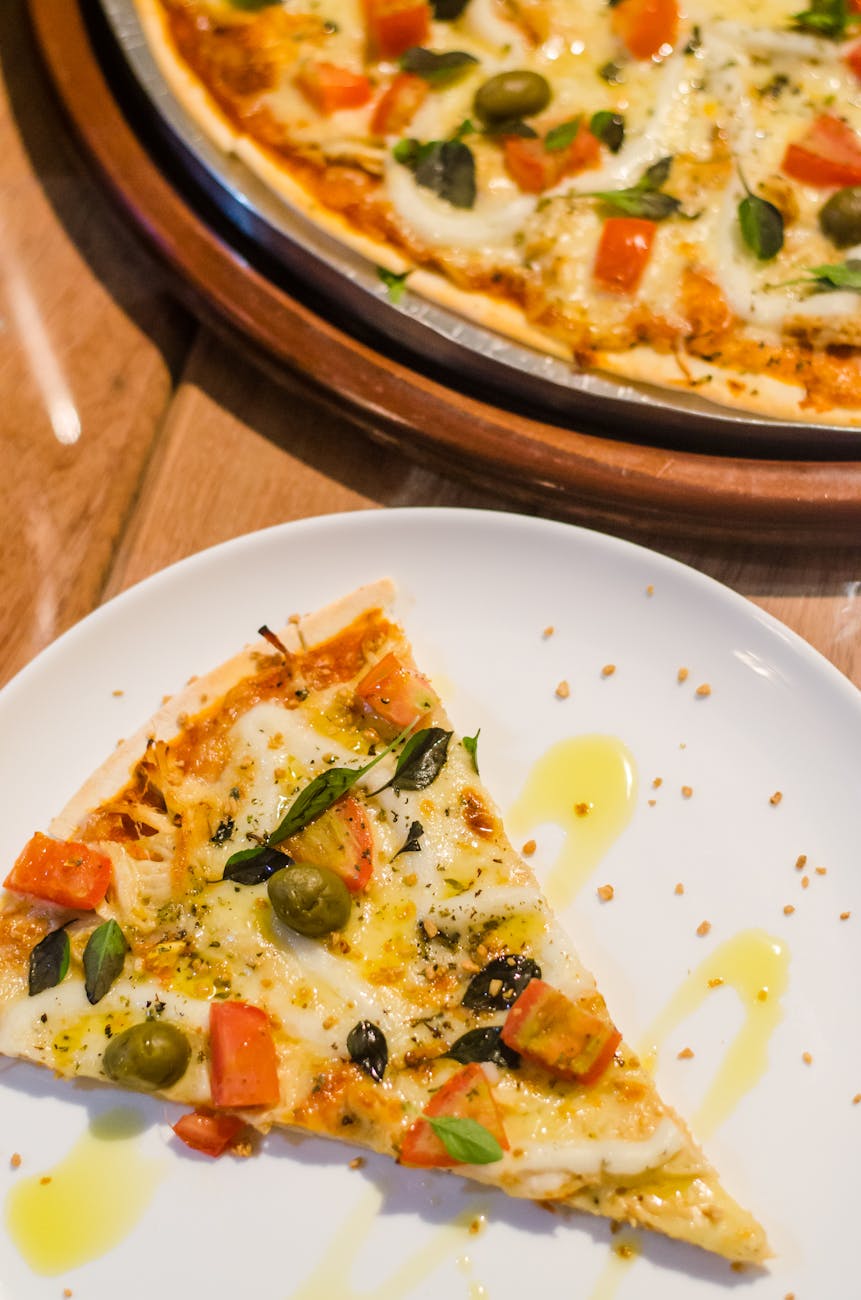
A recent study looked at what helped some local pizza places thrive:

Photo by Pablo Macedo on Pexels.com

I think another hugely important part about pizzerias is the atmosphere they offer. There’s a sentence you wrote in the article: “Rather than focusing only on speed or price, they compete by offering character, inventive toppings, personal service and a sense of place that chains just can’t replicate.” What does that sense of place feel like to you when you enter these pizzerias?

De la Cruz-Fernández: That’s an important sentence and a good question, because I would go a little beyond pizzerias to say that businesses themselves, exploring the idea of a business becoming part of our life, is one of the goals of this project. Usually, when you think about culture, you think about people reading books or people watching TV. And in this case, it’s how the businesses that you patronize every day are also part of your own growth. But everything goes back to that organization, that business that someone has managed and allowed to become your space. So someone has put labor, has put thinking, has put finances into it. And that makes business part of the history of humanity, to put it too broadly, maybe. But for business historians, that is how we think; what we want is to understand that business also is part of social life and culture.

We recently gathered with family at such a place. It had been there for decades. Through different features inside, it showed that it was part of the community. On this weekend night, the tables were full of families and larger groups gathering for pizza and conversation.

People like to gather around food. A McDonald’s or a Starbucks can act like a third place in certain situations. But these are chains that promise more predictability than they do local character. Local restaurants have an opportunity to do something different; it can be both a distinctive compared to the national chains and it can be part of the business model to be a place for the local community.

On the community side, how many American communities have a restaurant like this? How many or what percentage of residents have to visit regularly to make it a community place? A restaurant could claim this status for themselves. Or a small group of residents might have a place in mind.

It would also be interesting to know how many pizza places make it over the years compared to those who do not. Is that local character there from the beginning – and this is what helps them get through the start or difficult years? – or does it develop over time as the business and the community interact?

Illinois drops state’s 1% grocery tax, over 150 communities have adopted one

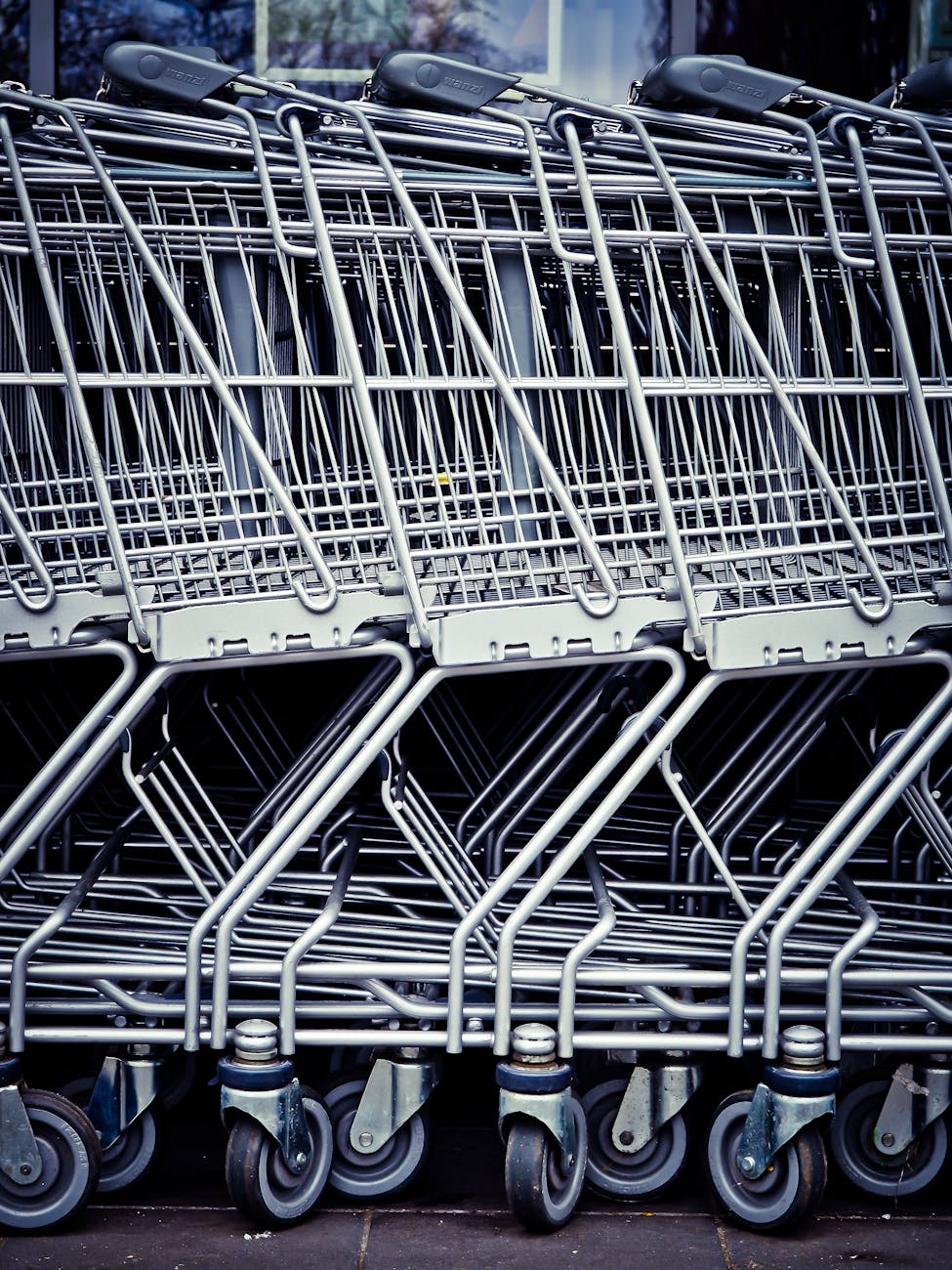
Local governments need revenue for local services. So when the state of Illinois dropped its 1% grocery tax, many municipalities have adopted their own 1% tax:

Photo by Pixabay on Pexels.com

Even though the measure failed in Bensenville, at least 163 communities around the state have recently enacted local grocery taxes.

Gov. JB Pritzker signed a bill last year repealing the state’s 1% grocery tax, saying it hit poorer families harder. But the bill also allowed municipalities, which depend on the revenue, to implement their own tax. Bensenville put the proposal on the ballot to get voters’ input, but local officials are not required to do so. In many municipalities, local governing bodies are casting the deciding vote…

The state suspended the grocery tax for fiscal year 2022 to help fight rising inflation, but municipal leaders say losing the stream of revenue permanently forces them to consider cutting services, raising sales or property taxes, or implementing a local grocery tax. If they approve a local grocery tax by Oct. 1, it would take effect on Jan. 1, 2026, when the state tax expires…

Illinois residents already pay the highest combined state and local taxes in the nation, at more than $13,000 annually, according to a recent report by WalletHub. Food prices rose 3% in the past year as of March, and the federal government forecasts them to rise another 3.5% this year…

“If local governments believe it is necessary to tax milk, bread, eggs, etc. to fund local services/local government, then they should be responsible and accountable for that decision to local taxpayers,” Illinois Department of Revenue spokeswoman Maura Kownacki told the Tribune. “The state should not be imposing a regressive, statewide sales tax on groceries especially during a time when inflation is hitting the pocketbooks of Illinois families.”

The cynical take would be that in a state with high taxes the Illinois governor wanted to paint the state in a good light by dropping the tax. Municipalities have limited options for filling the budget hole so they quickly move to adopt a local tax. The grocery shopper notices no change in taxes while the politicians debate who was more responsible.

I get the reaction from communities. They want a balanced budget each year and don’t want to have to cut services or acquire debt. Getting money from groceries is dependable money as people need to buy food.

At the same time, adding local taxes and fees can make residents angry. They already see the amount the federal and state governments take in each paycheck. Why do local governments charge for car registration and ask for more money for schools and keep coming up with new revenue ideas?

I wonder if this is also part of the larger issue of limited growth in Illinois. If communities were growing – adding residents, businesses, energy, status – this can cover up revenue issues. New growth leads to growing budgets with new tax money coming in. But if many communities in Illinois are growing slowly or not growing at all, this means stagnant budgets. Or worse, communities have to spend more to maintain older infrastructure that supported growth decades ago.

It may just be a grocery tax but the issues could be much larger.

Church hospitality to be marked by coffee, pastries, and catered food rather than meals prepared in kitchens

Fewer churches want to have large kitchens:

Photo by Isaac Taylor on Pexels.com

Newly built or remodeled churches typically have a space with a sink and a coffee pot, Slagill said. Possibly a microwave. But no expanse of countertop suitable for chopping carrots, potatoes, and onions to go into a big pot of soup. No oversized refrigerators for Jell-O salads. No industrial ovens large enough to cook three or four casseroles at once. Churches these days don’t have a lot of cupboards with drawers labeled “forks and knives,” “spoons,” and “serving utensils.”…

A recent exhibit of religious architecture in the 21st century curated by architect Amanda Iglesias included more than 40 churches from around the world. Only five had dedicated spaces for gathering around food.

“Culture has changed,” said Katie Eberth, an architect with Aspen Group, a leading firm in the field of church design. “It’s not part of the culture now, the church culture, where you have 20 women who come together and make a meal. Today we order Panera or Jimmy John’s.”…

Hospitality comes up a lot, according to Eberth. But when people talk about what that should look like in the physical construction of a building, they don’t talk about fellowship halls with long folding tables where everyone can sit together. They talk about a café serving coffee and pastries in the foyer…

The age of church kitchens didn’t really get going until rapid urbanization started in the 1880s.

“The city offered saloons, amusement parks, and pool halls, places designed to attract and corrupt young minds with fun,” historian Daniel Sack writes in Whitebread Protestants. “Churches were just one competitor in the free market of entertainment. . . . The church had to use every tool at hand, including food.”

Three thoughts in response:

  1. It sounds like food and drink will continue to be a staple of church interaction, just not food prepared in a church kitchen. Food continues to help facilitate conversation and interaction.
  2. I remember some of the books from the first two decades of 21st century about living Christian lives in suburbia highlighted the role of hospitality. Is it more considered more hospitable and inviting to have food and meals within the homes of church members rather than in a religious building?
  3. Comparing the physical spaces of a fellowship hall versus a cafe is interesting. The first is likely a large space that can be used in many different ways. Are the cafes cozier and more fixedly set up for socializing? In other words, is it just the food that is different or is there a different ambience in a foyer or cafe compared to a large room?

One marker of American life: eating lots of peanut butter

Life in the United States may be marked by many things, including the consumption of peanut butter:

Photo by Polina Tankilevitch on Pexels.com

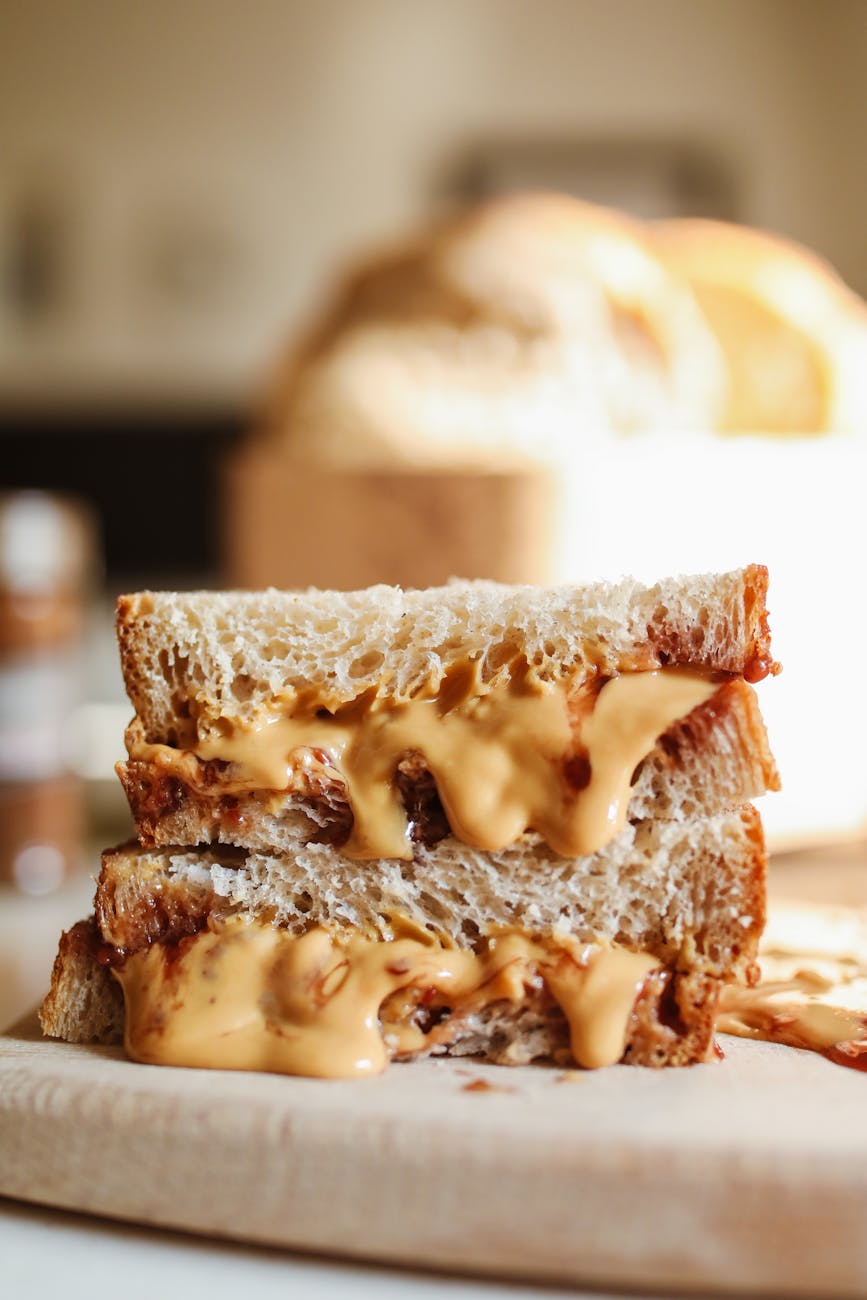
The only invention that did more than hydrogenation to cement peanut butter in the hearts (and mouths) of America’s youth was sliced bread—introduced by a St. Louis baker in the late 1920s—which made it easy for kids to construct their own PB&Js. (In this century, the average American kid eats some 1,500 peanut butter and jelly sandwiches before graduating from high school.)

Rosefield went on to found Skippy, which debuted crunchy peanut butter and wide-mouth jars in the 1930s. In World War II, tins of (hydrogenated) Skippy were shipped with service members overseas, while the return of meat rationing at home again led civilians to peanut butter. Even today, when American expats are looking for a peanut butter fix, they often seek out military bases: They’re guaranteed to stock it.

But while peanut butter’s popularity abroad is growing—in 2020, peanut butter sales in the United Kingdom overtook sales of the Brits’ beloved jam—enjoying the spread is still largely an American quirk. “People say to me all the time, ‘When did you know that you had fully become an American?’” Ana Navarro, a Nicaraguan-born political commentator, told NPR in 2017. “And I say, ‘The day I realized I loved peanut butter.’”

Though the United States lags behind China and India in peanut harvest, Americans still eat far more of the spread than the people in any other country: It’s a gooey taste of nostalgia, for childhood and for American history. “What’s more sacred than peanut butter?” Iowa Senator Tom Harkin asked in 2009, after a salmonella outbreak was traced back to tainted jars. By 2020, when Skippy and Jif released their latest peanut butter innovation—squeezable tubes—nearly 90 percent of American households reported consuming peanut butter.

How many lists of American food would include peanut butter?

How many images of American life would include peanut butter in them?

Or what would Americans replace peanut butter with if it was gone?

How does the number of PB&Js kids eat compare to other kinds of sandwiches they eat?

And why do so many seem to like Uncrustables?

Food deserts and unenforced federal policies regarding suppliers and deals

I am familiar with the concept of food deserts but I do not recall reading anything about their emergence over time. Could they be the result of not enforcing existing federal regulations regarding suppliers?

Photo by Kampus Production on Pexels.com

Food deserts are not an inevitable consequence of poverty or low population density, and they didn’t materialize around the country for no reason. Something happened. That something was a specific federal policy change in the 1980s. It was supposed to reward the biggest retail chains for their efficiency. Instead, it devastated poor and rural communities by pushing out grocery stores and inflating the cost of food. Food deserts will not go away until that mistake is reversed…

Congress responded in 1936 by passing the Robinson-Patman Act. The law essentially bans price discrimination, making it illegal for suppliers to offer preferential deals and for retailers to demand them. It does, however, allow businesses to pass along legitimate savings. If it truly costs less to sell a product by the truckload rather than by the case, for example, then suppliers can adjust their prices accordingly—just so long as every retailer who buys by the truckload gets the same discount…

Then it was abandoned. In the 1980s, convinced that tough antitrust enforcement was holding back American business, the Reagan administration set about dismantling it. The Robinson-Patman Act remained on the books, but the new regime saw it as an economically illiterate handout to inefficient small businesses. And so the government simply stopped enforcing it.

That move tipped the retail market in favor of the largest chains, who could once again wield their leverage over suppliers, just as A&P had done in the 1930s. Walmart was the first to fully grasp the implications of the new legal terrain. It soon became notorious for aggressively strong-arming suppliers, a strategy that fueled its rapid expansion. By 2001, it had become the nation’s largest grocery retailer. Kroger, Safeway, and other supermarket chains followed suit. They began with a program of “self-consolidation”—centralizing their purchasing, which had previously been handled by regional divisions, to fully exploit their power as major national buyers. Then, in the 1990s, they embarked on a merger spree. In just two years, Safeway acquired Vons and Dominick’s, while Fred Meyer absorbed Ralphs, Smith’s, and Quality Food Centers, before being swallowed by Kroger. The suspension of the Robinson-Patman Act had created an imperative to scale up.

In this explanation, Walmart came to be such a big player in groceries because their size meant they could get better prices from suppliers. Smaller grocery stores could not keep up. The big chains set up locations in certain places offered lower prices.

If the Act was enforced again, would grocery stores quickly emerge in food deserts and other areas? Would consumers get more options soon or would it take some time to rebalance the grocery landscape? How would the big players – Walmart, Albertsons, Safeway, etc. – adjust? Would food options change in wealthier communities as well?

The article also cites a statistic that suggests independent stores had prices only 1% higher in 1965. Would that be a big enough difference in groceries today for shoppers to stay with places that offer low prices all the time (particularly considering recent concerns about inflation in food prices)?

Is Walmart now a grocery store that sells some other items?

Walmart might be the quintessential American big box store. Inside a customer can purchase many items from a variety of categories. Yet, a large percentage of its revenue involves groceries:

Photo by Erik Mclean on Pexels.com

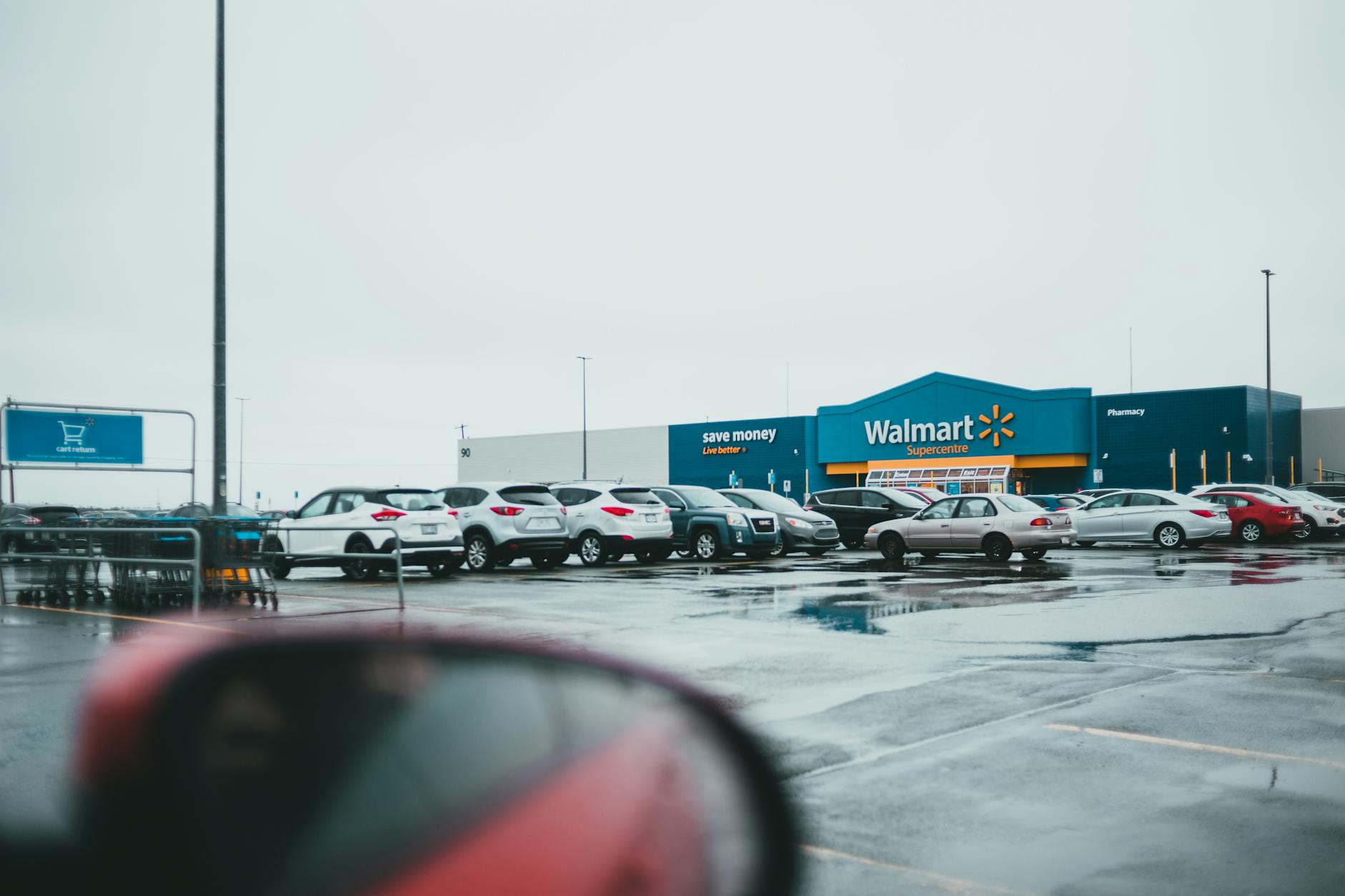
Nearly one in four grocery dollars in the US is spent at Walmart, more than double the share that shoppers spend at Kroger or Costco, according to consumer analytics firm Numerator.

That all adds up to more than $264 billion spent on groceries at Walmart US locations in 2023, up from $247 billion and $219 billion in the preceding two years.

Not only are top-line sales growing, their percentage of total division revenues is ticking up from about 55% three years ago to roughly 60% last year. And these numbers don’t even include Walmart-owned Sam’s Club.

I remember the first Walmart that opened near us in the Chicago suburbs when I was a kid. It was not a Supercenter and it was not as big as today’s stores. There were some food items there but no fresh groceries. You could buy all sorts of stuff there, from CDs to clothes to auto care items. Buying groceries often required a trip to the major grocery chains in the Chicago area, Jewel and Dominick’s at the time.

The Walmart today is a different experience. One side of the store is devoted to groceries. There are many options available for all sorts of food items. A buyer could go just for groceries and make a choice about whether to add other items to their carts from the other parts of the store.

From these experiences and their revenue streams, it sounds like Walmart is a grocery store first. It is not a conventional grocery store but as the comparative numbers indicate, its grocery sales dwarf other competitors. For younger generations of Americans, they may see Walmart as the prototypical place to get groceries as opposed to supermarkets or neighborhood grocery stores.

Warmer temperatures and transporting and storing frozen food

If outside temperatures are warmer, it takes more energy to cool food. This could be a problem:

Photo by Gustavo Fring on Pexels.com

It’s easy to take the huge variety of foods available at the grocery store for granted. But it’s possible because of the technology—and huge amount of energy—that keeps dairy, meat, fruits, and vegetables cold, safe from rot, and free of bacteria growth. To find out how the heat is affecting the process of keeping things cool, I talked to Nicola Twilley, the author of Frostbite: How Refrigeration Changed Our Food, Our Planet, and Ourselves. Our interview has been condensed and edited for clarity…

The estimate is that for every degree-Fahrenheit rise in ambient temperature, your refrigerator uses 2 to 2½ percent more energy. So it’s significant. It has to work significantly harder to cool things. So there is a real problem…

We can’t just store our food at a much warmer temperature. But there actually is a big push to raise the temperature that frozen food is stored at by a couple of degrees. Currently frozen food should be transported at minus 18 degrees Celsius, or zero degrees Fahrenheit. But for every degree that you go below minus 12 degrees Celsius, you’re using an extra 2 or 3 percent energy.

The company that owns Birds Eye [the frozen foods giant] has studied this and found that if their foods were stored at minus 15 degrees centigrade, rather than minus 18, it wouldn’t affect the food safety or the texture or taste or nutrition level. And it would likely reduce energy consumption by about 10 percent, which is a lot. All the big frozen-food warehouses and shipping companies are behind this right now.

It sounds like transporting frozen food at slightly warmer temperatures could work.

But there are bigger issues at play here. How much frozen food should there be and how far should it be shipped? How about refrigerated food? Americans are pretty used to all sorts of cold and frozen food options that come from who knows where.

Talk about needing more local food has been going on for a while. Some had concerns about oil use; what does it take to transport food thousands of miles to please consumers elsewhere in the globe? Or it might be about agriculture more broadly: do people eat what is available each season instead of depending on food grown elsewhere that makes certain food available all year round?

I would guess many American consumers still have little idea where their food – fresh or frozen – comes from. It is just available. I can go roughly two and a half miles from where I live and visit five different sizable grocery stores. Expand that radius to five miles and it adds numerous stores. What if I had fewer shopping options, whether in terms of locations or fewer food items when shopping in each store?

It is interesting to hear that companies might be willing to make changes as it could save money and be more sustainable. What other parts of the system, whether at the policy level or for those who transport goods or on the consumer side, would address the issue of energy use for frozen and cold food?

Starbucks moved away from being a third place, emphasized drive thru and mobile orders

Is Starbucks no longer a gathering place?

Photo by Josh Sorenson on Pexels.com

The idea of Starbucks as a third place became part of its corporate mythology. Starbucks aimed to create a welcoming environment for coffee drinkers and employees with comfortable seating, jazz music and the aroma of freshly-brewed coffee. Employees who brewed and served Starbucks coffee, whom Starbucks called baristas, handwrote customers’ names on their drink orders…

Mobile app and drive-thru orders make up more than 70% of Starbucks’ sales at its approximately 9,500 company-operated stores in the United States. In some stores, customers complained online that Starbucks pulled out comfortable chairs and replaced them with hard wooden stools. Starbucks has also built pickup-only stores without seating. Machines that print customers’ names have replaced baristas’ handwriting on cups.

“Third place is a broader definition,” current Starbucks CEO Laxman Narasimhan said last year. The “classic definition of third place — it’s a box where I go to meet someone — it’s frankly not relevant anymore in this context.”…

Starbucks’ changes to its sit-down business model came in response to several trends — demand from customers for ordering coffee from their cars in drive-thru lanes or on their smartphones. The shift from a business serving hot coffee to one in which cold coffees, teas and lemonades make up more than half of sales. The Covid-19 pandemic, which forced cafes to shut indoor seating.

Starbucks shifted to meet Wall Street’s demands, too. Starbucks found it could reduce labor costs and increase order volume by running a mostly drive-thru and take-away coffee business. Starbucks also found difficulties with being America’s third place and did not want to become the public space and bathroom for everyone, including people coming into stores who were homeless or struggling with mental health challenges on city streets. Starbucks has closed some stores and restricted bathroom access over safety concerns.

The shifts make sense: more consumers want quick service and coffee to go, the company and shareholders want to make more money, and serving the public can be difficult.

But this is a different approach to coffee, food, and places more generally. Getting coffee to consumers as cheaply and quickly as possible and when and where they desire it treats place differently. Arguably, you might not even need a location any longer. Can we get Starbucks via drones or by drivers within ten minutes of an order? Why bother going to a location at all? Why not have a huge centralized Starbucks that sends out drinks at light speed in all directions?

The purpose of third places is less about consumption and more about social interaction and conversation. Yes, third places like cafes and pubs have food. But the food helps people talk and relax. All humans need to eat – and they also need social connections. Having a refresher in the car while driving – often a solo experience – is a different experience than sitting with friends for half an hour near other people.

Starbucks is not alone in this. McDonald’s is a gathering place for some. But if coffee and fast food places limit seating and primarily want to serve people who do not stay, where can or will people go? Maybe nowhere else. Perhaps this helps give momentum to sociologist Eric Klinenberg’s argument that public schools and libraries should be designed in ways that encourage social interaction.

If Americans own a home, they are very likely to own a grill

Americans value homeownership. And along with having a home goes having a grill:

Photo by Lukas on Pexels.com

At least, that’s according to statistics from the Hearth, Patio & Barbecue Association that reported 80% of U.S. homeowners owned a grill or smoker in 2023 — up from 64% in 2019.

And having more time at home might go along with purchasing and using a grill. Or so it appears that way during the recent pandemic:

Most grill makers and retailers seem to agree that the pandemic pulled forward demand for grills and other long-lasting home equipment as people searched for ways to fill their days and entertain their families at home.

Is the appeal about being outdoors, cooking directly with fire, liking to eat grilled meat and other grilled items, or having this as a status symbol? A quick discussion of each of these:

  1. Homeownership often comes with a small yard or outdoor space. Grilling could provide another reason to be outside. Enjoy the outdoors while cooking rather than cooped up inside the kitchen.
  2. Cooking outside with fire has appeal for some people. It is a different experience compared to using the microwave or stove or oven where there is something in between what is cooked and the food. This is more direct. (Of course, there is both direct and indirect grilling so time with direct fire may vary.)
  3. Grilled food has a particular taste that is hard to replicate elsewhere. Yes, you can purchase an inside grill or you could add smoke flavoring or use techniques to get grill lines on food. But does it taste the same?
  4. Having a nice grill could be another part of showing the homeowner has made it. Not only do they have a nice house; they have a stainless steel eight burner grill or a Big Green Egg or a fancy pellet smoker setup. The value is in having and showing off the grill.