
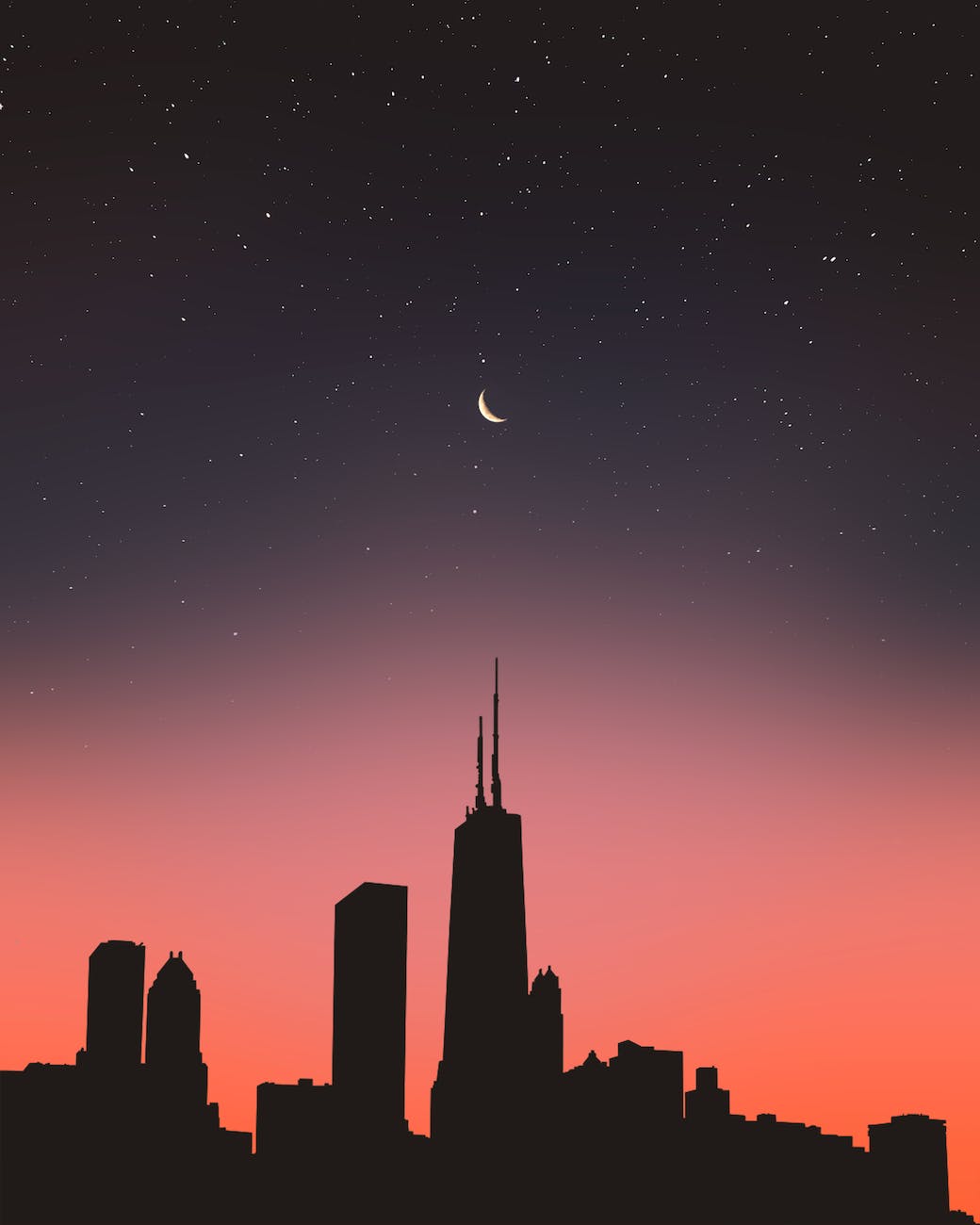
Growing up, Carhart said he learned the intricacies of the Milky Way from his suburban backyard in Naperville. But slowly, the 64-year-old said, he watched the stars disappear. If someone were to visit his childhood home today, he said, they could count the number of stars they see on their fingers…
“The light pollution is tremendously worse. Out by Naperville we could see the glow in the nighttime sky of Chicago off in the distance, but it only went a little ways up in the sky,” he said. “Over the years we watched it get brighter and then extend overhead and all the way to the other horizon and just take over the sky.”
What can help reduce this light pollution in a large metropolitan area?
The National Park Service suggests considering whether outdoor lighting is necessary, or if reflective tape or reflective surfaces could be used instead. Other sustainable outdoor light specifications, according to the Park Service, are LEDs at 2700 Kelvin. These lights emit a warm color hue instead of blue or white. The Park Service also recommends purchasing LED bulbs that have the lowest lumens possible — the unit of measurement used to specify brightness — and ones that can accommodate motion detectors or dimmers, which it says can enhance health and safety…
Referencing a study from 2020 that found only about 20% of a city’s brightness can be linked to streetlights, Walczak said regulation or policies surrounding light pollution should be directed toward commercial businesses, such as parking lots or building facades.
The proposed solutions – and another suggested later in the article that uses special equipment to avoid certain light wavelengths – are efforts to work around the sprawl of the region. If there are over nine million people living in the Chicago region, is it possible to have a visible night sky?
This could be another argument against suburban sprawl. As Americans develop more land outside of cities, light spreads. Homes and yards have lights. Roadways have lights. Buildings have lights.
Naperville’s success – rapid population growth, vibrant downtown, lots of jobs – comes with lights. It could come with less light than it might have now . But, how many suburbanites are willing to trade lights for seeing the night sky? How many lights are for safety purposes that suburbanites care about (roadways, properties, etc.)?
It would be interesting to see some major suburban communities lead the way on this. And it would likely take significant regional efforts or numerous communities going this direction to make a visible difference.


 Legally Sociable