Increased demand for airport lounges is a sign of elite overproduction?

More travelers want to use airport lounges. Does this signal a broader problem in society?

Photo by Download a pic Donate a buck! ^ on Pexels.com

In the context of airport lounges, the “elite” are not just the ultra-wealthy, but the vast upper middle class—armed with a combination of higher degrees, status, and premium credit cards—now jostling for the same perks. But what if much of society has been turning into some version of an overcrowded airport lounge?

In an interview with Fortune Intelligence, Turchin said this theory makes sense and fits with his thesis when presented with the similarities. “The benefits that you get with wealth are now being diluted because there are just too many wealth holders,” he said, citing data that the top 10% of American society has gotten much wealthier over the past 40 years. (Turchin sources this statement to this working paper from Edward Wolff.)…

When asked where else he sees this manifesting in modern life, Turchin said “it’s actually everywhere you look. Look at the overproduction of university degrees,” he added, arguing that declining rates of college enrollment and high rates of recent graduate unemployment support the decreasing value of a college diploma. “There is overproduction of university degrees and the value of university degree actually declines. And so the it’s the same thing [with] the lounge.”

Noah Smith argues that elite overproduction manifests as a kind of status anxiety and malaise among the upper middle class. Many find themselves struggling to afford or access the very symbols of success they were promised—be it a prestigious job, a home in a desirable neighborhood, or, indeed, a peaceful airport lounge. He collects reams of employment data to show that Turchin’s theory has significant statistical support from the 21st century American economy.

The article suggests an increased number of travelers can access airport lounges and this hints at more people with money to spend. But I wonder how these other factors play in:

  1. Different standards of living. How do expectations shift over time about accessing airport lounges or other luxury goods? How many other goods or services over time have moved from luxury goods to being available to masses of people?
  2. Expectations about travel. A standard Internet narrative goes like this: airplane travel was once luxurious (forget the slow speeds). Then it became a mass phenomena and customers were treated poorly. Are airport lounges a way travelers are reclaiming a better travel experience?
  3. The airlines helped create this demand by introducing this perk; now they are surprised it is popular? Do they want it to remain exclusive or do they want more travelers to access lounges (and then the airlines benefit further)? Put another way: did customers want this first or did airlines push the lounges?
  4. Why not offer an upgraded experience for all travelers? Does this not generate as much revenue or status for the airlines?

If Delta is able to figure out how to make the lounge “work,” would their practices then translate to other areas of society?
Encourage more and more building in cities – and get more and more luxury apartments

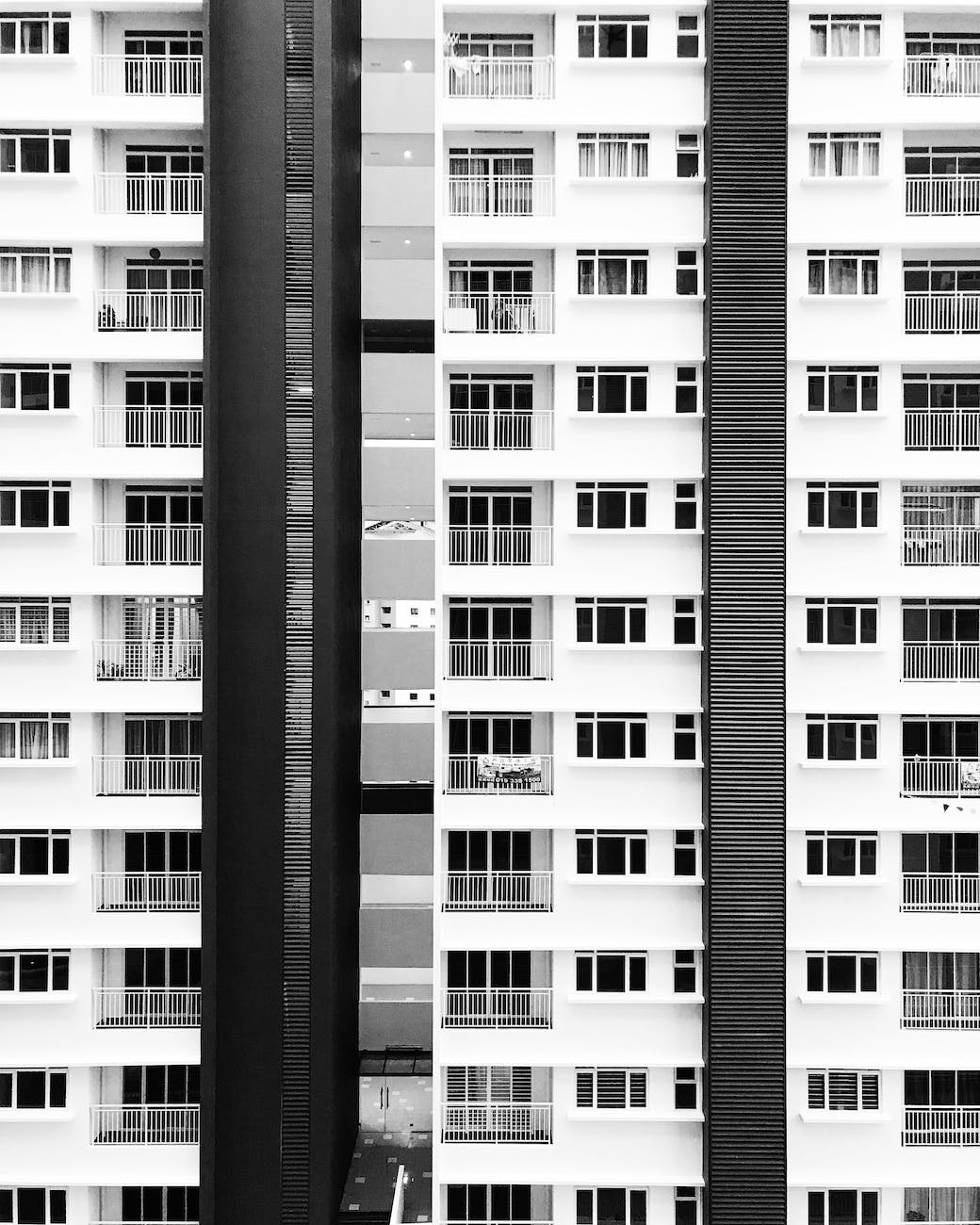
Efforts to encourage more housing in big American cities can often lead to more units for the wealthy:

Photo by Kozymeii Kong on Pexels.com

Academics, developers and people in their 20s and 30s—particularly those most active on social media—have reached an unusual level of consensus. Their solution, supported by a wealth of scholarly research, is simple and elegant: Loosen regulations, such as zoning, and build more homes of any kind—cheap, modest and palatial…

Inconveniently for the Yimbys, Austin, like other cities, is still way more expensive than it was years ago, even though it’s built so many apartments. As a result, a small group of academics is starting to question the free-market path. These critics note that the market leads developers to build luxury housing on scarce and sought-after property to maximize the return on their investment. “Yimbys say, ‘We have to let the market build,’ ” says Benjamin Teresa, an urban planning scholar at Virginia Commonwealth University. “But what kind of housing are you building, and for whom?”…

But the very popularity of these places with the affluent drives up housing costs, making it harder for companies to find workers and pushing firms to relocate elsewhere. The Austin metro area, one of the fastest-growing in the US, with a population exceeding 2 million, has benefited from corporations fleeing the high cost of housing elsewhere, particularly on the east and west coasts of the US. Home of the University of Texas’ flagship campus, it’s lured Elon Musk’s Tesla, along with Oracle, from Silicon Valley. JPMorgan Chase and Charles Schwab are expanding there, too...

Frustration over rising rents has led cities to consider government interventions that were once deemed discredited. Boston, Orlando and Kingston, New York, have taken fresh looks at rent control, which had been blamed for distorting the market and raising the cost of other apartments.

If a builder or developer gets the green light to build housing, why would they choose to build cheaper units if they can build more expensive units and make more money?

As the article notes, perhaps this requires cities to see housing as not just a market good or something subject to market fluctuations. If housing is just another commodity that requires a big return on investment, why not go big in asking for expensive rates? Rent control or publicly subsidized housing may require more intervention, but they could also be necessary to provide any housing within the reach of residents with fewer resources.

Which cities are able to successfully buck these trends will be interesting to see. If policies become more explicit about affordable housing units, will developers push back publicly? Will an important city then see a downturn in building and investment?

Do not dream of McMansions; picture really large houses and properties

Architectural Digest features images of 12 “extra-large properties.” Here is the introduction:

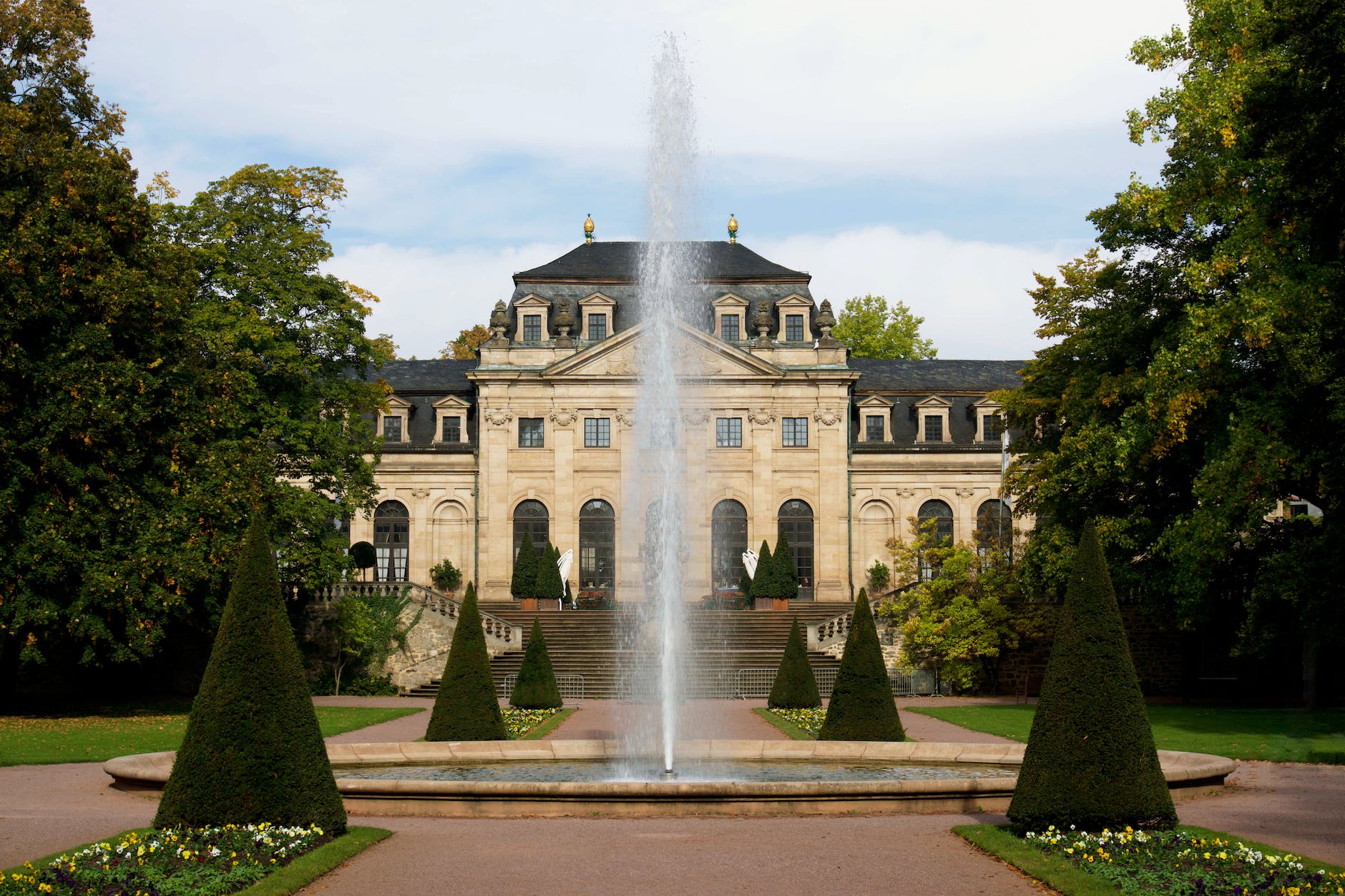
Photo by Ingo Joseph on Pexels.com

There are few fantasies more persuasive or alluring than that of the expansive estate. When you think of big houses, your mind may immediately jump to the McMansions of yore, those garish homes you’d expect to see on an episode of MTV Cribs. The ones we can’t stop daydreaming about more closely resemble graceful, though still boldly luxurious, homes like the central property of Downton Abbey or the setting of Bodies, Bodies, Bodies before the horror film took a dark turn. Below we highlight 12 properties featured in AD that contain enviable amenities, from indoor tennis courts and home spas to guest houses and verdant gardens. 

Three features of this that struck me:

  1. Dreaming of McMansions exhibits poor taste. Dream bigger, more refined. Do not settle for the garish cookie-cutter version of a big house.
  2. The scale of these homes goes beyond the McMansion in numerous key ways. They are often far beyond the 3,000-5,000 square feet of a suburban McMansion. Some have much more square footage, others have numerous buildings. The properties are often much larger than the typical city or suburban lot. And the amenities are more plentiful and higher-end. Think special pools, gardens, and gathering spaces.
  3. The McMansion is much more attainable for people than the extra-large property. Does the McMansion offer enough of a taste of the high-end property?

Decline in luxury home sales – but few have to buy or sell

Reading this overview of the decline of sales in the luxury housing market, a few quotes stood out to me about a particular aspect of this segment of housing:

Photo by Chris Goodwin on Pexels.com

As for purchasing real estate in all cash, Treasurys seem like a better bet than real estate right now, Ms. Fairweather said. “No investor wants to put their money into an asset that is going down in value,” she said.

Mr. Chan said he believes the slowdown in activity is more severe in the luxury market because high-end homeowners have a greater degree of discretion about when to sell and at what price. Often, sellers face no financial pressure to move, he said; they can just wait it out…

Many sellers, however, haven’t adjusted to the new realities of the market, Mr. Chan said. Some of his buyers have made lowball offers on homes, only to be met with significant resistance. “It’s a stalemate,” he said. “Sellers are living in the past, the buyers are living in the future.”…

One of her listings, a $14.95 million oceanfront mansion in Carlsbad, Calif., has been on the market since June. While the seller received one verbal offer, a sale never materialized. Still, she said, her client is wealthy and isn’t desperate to sell. “They don’t have to ever sell—they can carry these properties in perpetuity,” she said.

If housing has become more of an investment among all Americans, this segment of the market might exemplify this the most. Housing is a commodity that needs to be at the right price to buy or sell. Even as these homes signify status and a certain lifestyle, they are also a commodity with perceptions about what is a “good price.” When wealthy people have money – the economy is good, corporate profits are up, interest rates are relatively low – they want to purchase expensive and exclusive properties. When economic times are not as good – interest rates are higher, there is more uncertainty – luxury housing might be just that: a luxury.

If everyone is trying to get ahead with the best deal, how many people end up profiting compared to the other actors in this market? There are other motivations for moving beyond making money or getting a good return on investment; this helps guarantee there is some real estate activity in more troubled economic times.

Get a house that is zero-carbon over its lifetime…for $32 million in Malibu

It will take a little money to acquire the first zero-carbon home in California:

Photo by Vinicius Maciel on Pexels.com

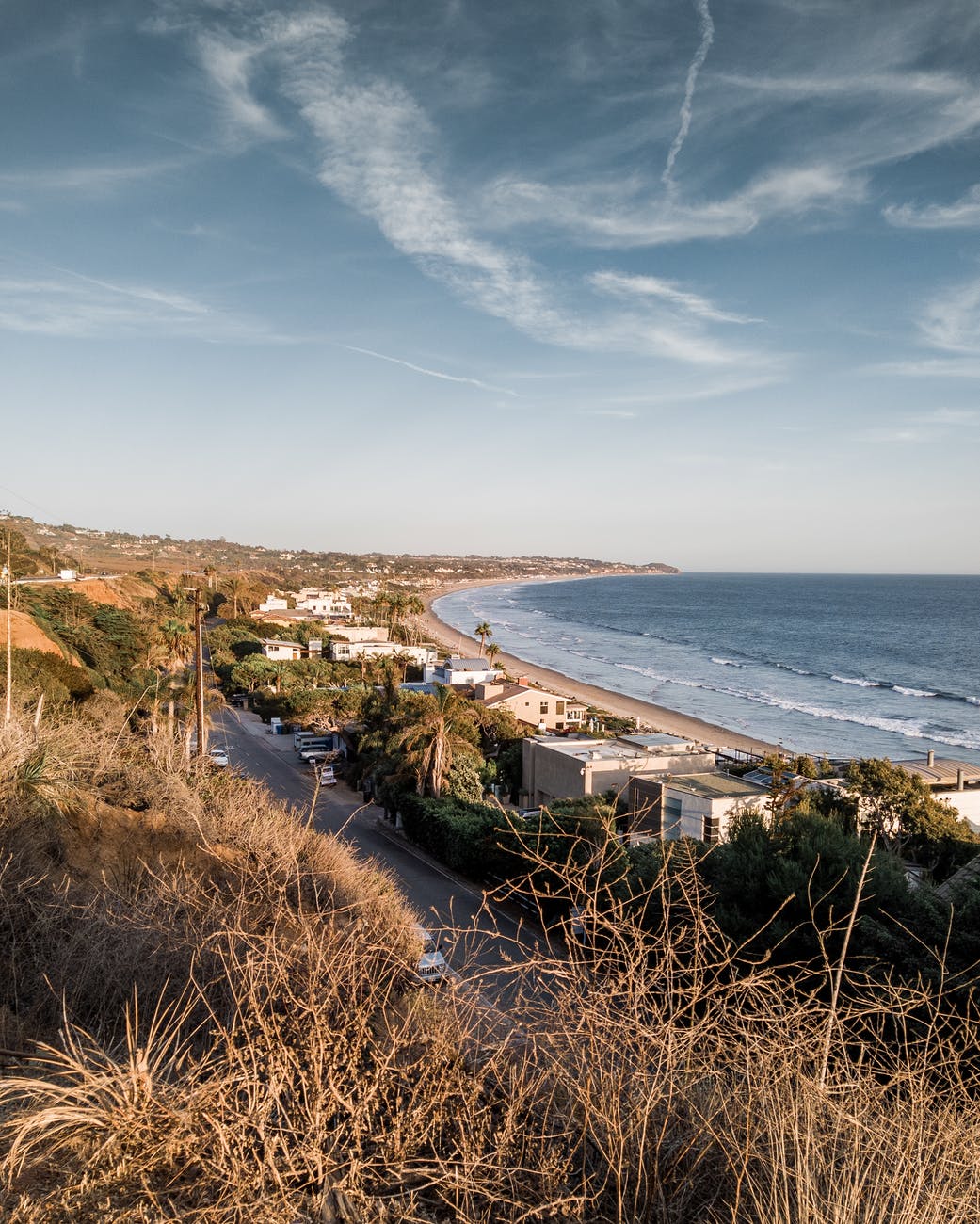
The roughly 14,400-square-foot modern ranch-style house has all electric appliances and mechanical systems, and comes with an organic vegetable garden, orchard and apiary, according to marketing materials. In addition, the develop said it reduced carbon emissions during construction by using alternative building materials.

“This home will have zero [carbon] emissions throughout its lifetime,” said Scott Morris of Crown Pointe Estates, developer of the home. The average U.S. home emits 8.3 metric tons of carbon dioxide a year, according to U.S. Environmental Protection Agency data…

Until recently, developers have focused on reducing energy use in homes, but attention is expanding to include cutting embodied carbon, the greenhouse gases that are emitted during the manufacturing, transportation and disposal of building materials, said Cliff Majersik, a senior adviser at the Institute for Market Transformation, a Washington, D.C., think tank with public and private funding that promotes investment in low-energy building. If the developers rigorously reduced and measured embodied carbon, and offset the remaining carbon, it would be a “very impressive achievement,” he said.

According to Mr. Morris, Crown Pointe reduced the embodied carbon in this home’s construction by replacing 80,000 pounds of steel in the original home design for sustainable timber. It says it slashed its concrete usage by 14% by replacing a concrete-slab foundation with a crawl-space foundation. And rather than place a concrete subfloor beneath the wood and stone floors, it used a rubber underlay made from recycled tires. Around 25% of the concrete used is recycled, the developer said.

This is a cool feat and yet it is not exactly anything close to an average home. The irony here is that this zero-carbon home both costs so much – it is a luxury in a premium location to be zero-carbon – and it is such a big house – a reduced environmental footprint yet still taking up a lot of land and having a quintessentially American square footage. Does this make being zero-carbon a status symbol?

How long until this kind of home is within reach of more homeowners? Some of this technology would be possible in much smaller homes but it could still be costly to eliminate carbon from all the other materials.

Out with vacation McMansions but keep going with pricey, exclusive, luxurious homes

An article about a popular new development in Park City, Utah suggests millennials do not want McMansions but the rest of the text suggests they are not giving up on having nice homes:

https://www.benlochranch.com/

What Benloch Ranch represents is a collision of trends in real estate and demographics. Millennials of homebuying age are rejecting the sizes of their parents’ homes, so-called cookie-cutter McMansions. And the second-home market, hastened by COVID and the same millennial-buying population, is booming. The pandemic has forced buyers to value outdoor spaces and activities more than ever before. Benloch Ranch currently has a waitlist of 175 for its single-family lots…

The development’s amenities include more than 20 miles of trails, a ski hill, a skeet shooting range, an ice skating pond and 900 acres of open space…

A lot of millenials don’t want these big houses anymore. We’re redefining the size and scale of the house and altering the price point so it’s more affordable.”

According to data released by the Park City Board of REALTORS, the median price  single-family home rose roughly 26% year-over-year to $2.5 million. Benloch Ranch offers single-family homes starting at $695,000.

The pitch is an attractive one: lean into the terrain and the idea of sustainability, feature interesting architecture, provide amenities, be close to an exciting scene and in at the start of a new development. This is a shift to new preferences of millennial buyers. The vacation homes of today and the future may look different and there is money to be made.

At the same time, this is about vacation homes in a wealthy community. This development has potential because millennials with resources can afford a vacation home starting at $700k. Sure, there are no more McMansions with all of that wasted space and tacky design but this kind of life is only available to those who can buy into it. The price for these homes would be beyond the reach of many residents of the Salt Lake City region, let alone many residents of the United States.

Does this mean the McMansion vacation homes of an older generation will not find buyers? This will be worth watching, both for vacation homes and regular homes. If McMansions go out of style, this could be reflected in lower prices or modifications – imagine multiple units – or even redevelopment.

Looking at creepy abandoned McMansions on TikTok

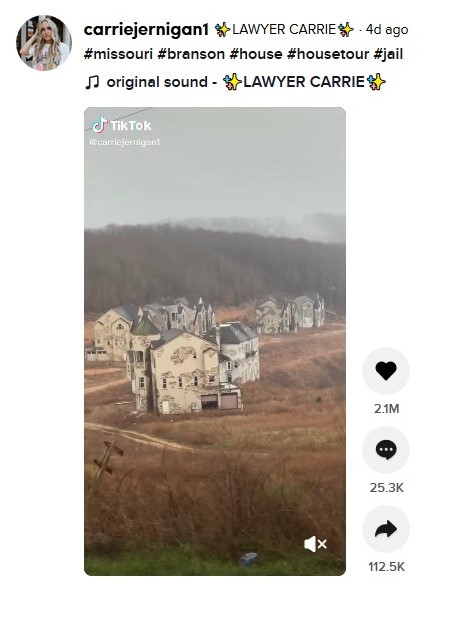
Empty McMansions that were intended to be part of a resort in Missouri have caught the attention of TikTok users:

As @carriejernigan1 explains in her video, the Indian Ridge Resort was meant to be a $1.6 billion development, complete with a wild amount of luxurious amenities. According to Missouri’s KYTV-TV, developers wanted Indian Ridge Resort to feature a shopping mall, a marina, a golf course, a 390-room hotel, a museum and the world’s second-largest indoor water park.

Many of those projects never got off the ground, as @carriejernigan1’s video shows. TikTok users were naturally creeped out by her clip, which shows decaying McMansions amid a sea of overgrown plants. Some called the ghost town “scary” or “nightmare-inducing.”…

This is not the first time I have run across creepy McMansions in Missouri. I recall the presence of McMansions in Gone Girl. Perhaps McMansions make some sense here: it is a conservative state in the middle of the country where people might be more willing to purchase such homes.

At the same time, the connection to a resort near Branson is an interesting twist. This is not just a normal suburban neighborhood of McMansions occupied by crass suburbanites in the Midwest. These homes were part of a larger luxurious project. From the TikTok video, the homes themselves seem to be larger than a typical suburban McMansion. The McMansions themselves are not meant to on their own impress people visiting or driving by; the whole resort community would help do that.

This also offers intriguing possibilities for how these McMansions might be reused. It may not be worth it for another developer to come in and finish off these homes. Could the materials be repurposed? Could the homes be completed but subdivided to create smaller units? Could this be some sort of weird theme park involving these homes (think Halloween where abandoned McMansions become haunted houses)?

The “world’s most expensive home” – $340 million! – about to go on sale

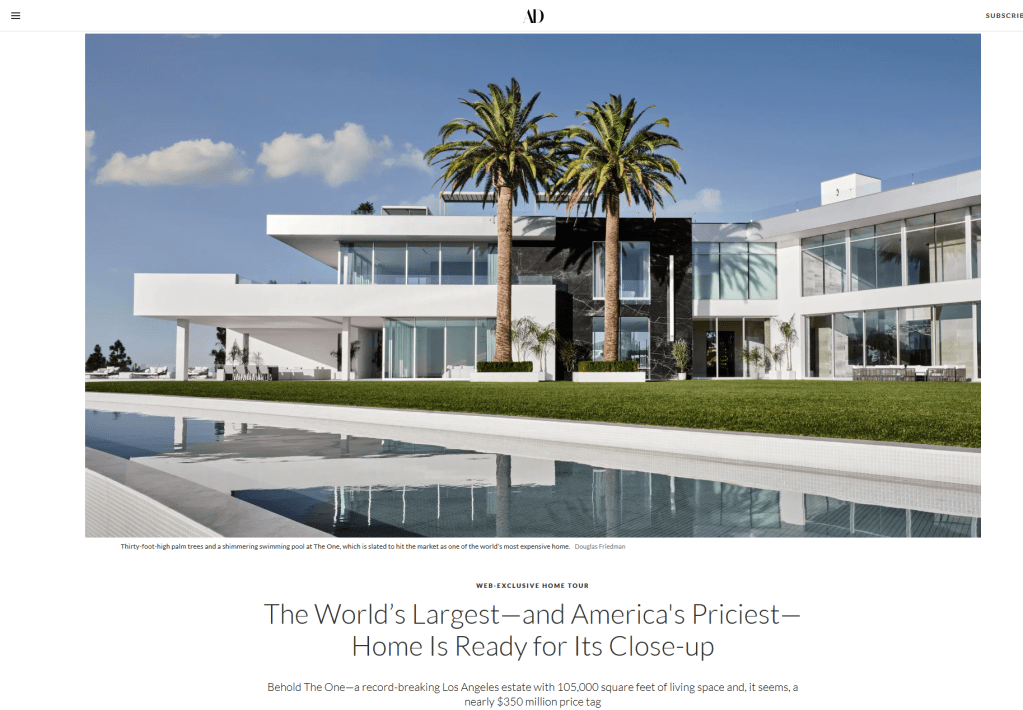
Architectural Digest displays and summarizes the features of what is a very expensive property in Los Angeles:

After nearly a decade of design and development work, what is being billed as “the world’s most expensive home” is finally ready for its close-up. Set on a five-acre parcel in the posh Los Angeles enclave of Bel Air—and aptly named The One—the 105,000-square-foot property’s interiors have remained a closely guarded secret. Until now. AD has been an exclusive look at what’s inside this record-setting property—and the design and aesthetic minds that made it happen.

Surrounded on three sides by a moat and a 400-foot-long jogging track, the estate appears to float above the city. Completed over eight years—and requiring 600 works to build—the home was designed by architect Paul McClean, who was enlisted by owner and developer Nile Niami to help it live up to its reported $340 million price tag…

Beyond the eye-catching design are the home’s equally jaw-dropping stats. There are 42 bathrooms, 21 bedrooms, a 5,500-square-foot master suite, a 30-car garage gallery with two car-display turntables, a four-lane bowling alley, a spa level, a 30-seat movie theater, a “philanthropy wing (with a capacity of 200) for charity galas with floating pods overlooking Los Angeles, a 10,000-square-foot sky deck, and five swimming pools…

Due to recently approved city ordinances, a house of this magnitude will never again be built in Los Angeles, which means The One will truly remain one of a kind. “This project has been such a long and educational journey for us all,” McClean notes. “It was approached with excitement and was thrilling to create, but I don’t think any of us realized just how much effort and time it would take to complete the project.”

What a house – and at a particular time. With concerns about mansionization in Los Angeles plus COVID-19 and its effects exacerbating inequality in capital and housing and shedding light on how much space people have, here is an incredibly large and expensive home. Given the limited pool of actors with the resources to purchase this home, these larger patterns might not matter much.

Down the road, because of its size and price alone does this become a local or international landmark? Or, because it is a single-family home in an exclusive location, will this house rarely be seen? Some of this might depend on who the owner is. The next step in the news coverage is to figure out who purchases the home and what they do with it and then the legacy of the property will come later.

It would be interesting to compare this home to previous properties that claimed to be the most expensive or the largest. I recall an effort in Florida to construct a 75,000 foot home; a documentary about the home detailed some of the process and issues that arose.

“NYC isn’t dead”…for the wealthiest

A look at the ten most expensive properties sold in the United States in 2020 highlights the presence of New York City properties on the list:

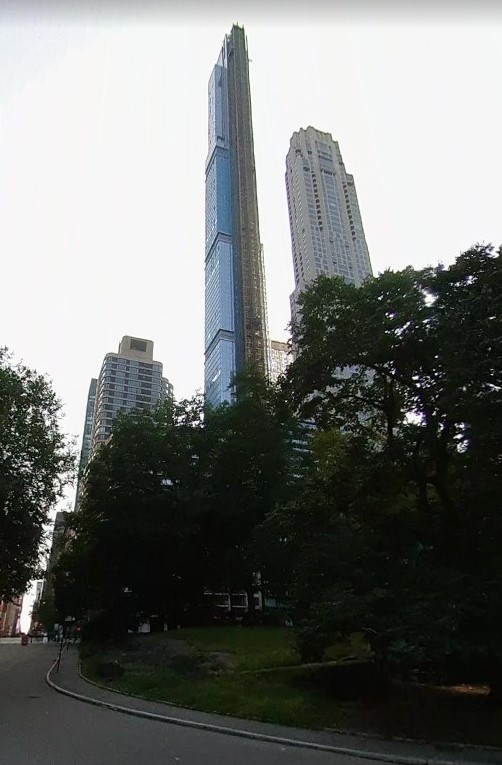
Google Street View image of 220 Central Park South (September 2020)

By the end of September, the volume of Manhattan co-op and condo sales was down 43% year over year, according to a report by Douglas Elliman, as sellers held back from listing their apartments and buyers increasingly gravitated toward the suburbs

Of the top 10 national sales compiled by Jonathan Miller, president and chief executive officer of Miller Samuel appraisers, five were in 220 Central Park South, a new luxury tower on Central Park designed by architects at Robert A.M. Stern

Another trend from this year, namely rich people “fleeing” New York for Florida, didn’t manage to trickle up to the highest tier. Only two of this year’s top 10 sales were in Palm Beach; last year there were three…

Even the three Los Angeles entries diverge slightly from conventional 2020 narratives. Yes, the L.A. market is one of the few urban bright lights this year, with sales soaring and inventory hard to come by. But numbers at the very top are down from last year, when it notched four entries in the top 10, totaling $463 million. This year there were three, totaling $293 million.

The actions of the wealthiest homeowners matters not only because people often have an interest in what those who have lots of money do with all that money; it matters because these are people with clout and influence. If they are continuing to purchase in New York City – it is less clear how much time the owners would necessarily spend in the city – it is a sign of the importance of the city and the prospects for future development.

The optics of 2020 might not be favorable to the list above but the project and the trends were underway far ahead of COVID-19. In a very expensive land and housing market, purchasing a residence in one of the newest buildings and in such a location within Manhattan is an object of desire for some who have the resources to purchase such places. While a figure later in the article notes that the total price for the properties on this list is lower than the price for the properties the year before, this may only allow the wealthiest to get into hot markets even more.

It may (or may not) be worth noting that five of the ten properties are in a tower in New York City while the other five properties are large homes on some land. On the whole, Americans as a whole tend to prefer or idealize single-family homes but the wealthiest in the United States and elsewhere may be more inclined to purchase large units in multi-unit buildings.

Live the American Dream in a $180k, 375 square foot tiny home

Tiny houses could provide needed cheap housing and upgraded models might also appeal to people. Here is an example of a higher-end model:

https://www.yahoo.com/news/180-000-tiny-home-outfitted-173504352.html

David Latimer of New Frontier Design is creating tiny homes that are more luxurious and more expensive than most you’d find on the market today. His most recent model, the Escher, starts at $180,000 and is designed to fit a family of six full time. Latimer calls this “the future family home.”…

The Escher is unlike most tiny homes, nearing $200,000 and including high-end features. But Latimer said that doesn’t make this model any less of a tiny house.

“Minimalism means different things for different people,” Latimer said. “The bottom line is that downsizing is a tremendous life adjustment and sacrifice for anybody. This tiny house is still a minimalistic lifestyle. It’s still a tiny home.”…

“I believe micro-housing is going to be a substantial part of the future of residential housing,” Latimer said. “Millenials and Gen Z are going to live this way. I would bet my life on this. Micro housing will allow people to live out the American dream.”

I am not surprised there is a perceived market for more expensive tiny houses. At a basic level, perhaps this is just selling the same products to different parts of the market: some people want to pay less for a tiny house, others will pay more. Indeed, from what I can gather about who moves into or at least talks publicly about moving into tiny houses, it looks like there are some educated people with some resources who want tiny houses with upgrades.

More broadly, I am not sure how a more expensive house fits into “the tiny house movement.” Downsizing and having a cheaper home are often connected to anti-consumerist motives and behavior. Some people make the choice to acquire a tiny house in order to move away from having too many items or fixating on a large home or being so financially committed. Does a luxury tiny house try to have it both ways?

If this kind of tiny house – small but still nearly $200,000 – is going to become part of the American Dream, the definition of the American Dream may need to change. For decades now, the American Dream involves owning a single-family home, probably in the suburbs. The Escher could indeed technically fulfill this – provide a single-family home in the suburbs – but it is very different in substance. If anything motivates people to make this the embodiment of the American Dream, it may be financial realities rather than aspirations for a simpler, downsized American Dream. In other words, expensive housing markets and debt may push people toward more luxurious tiny homes rather than a true desire to ditch the big showy house for a high-status small house.