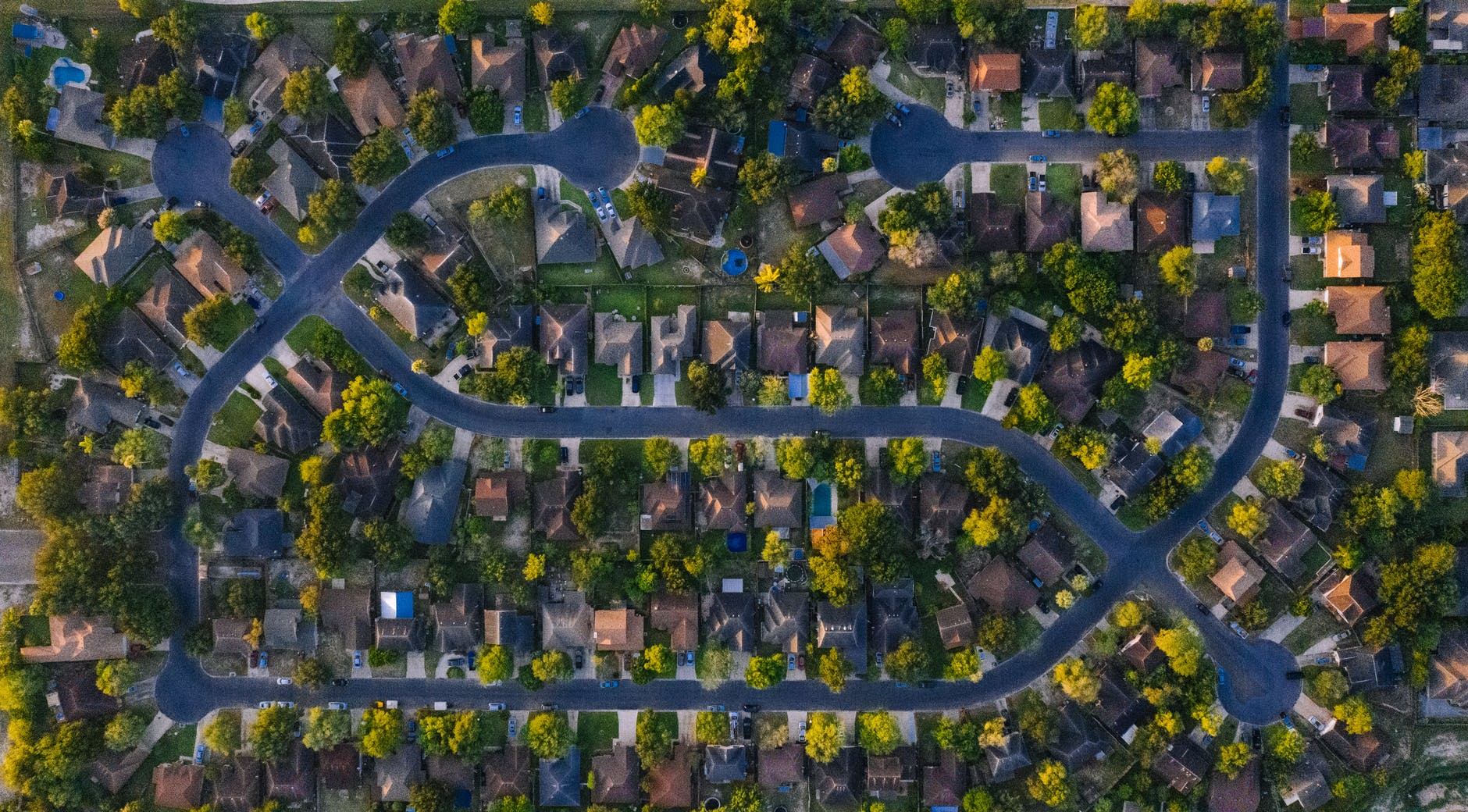
Toll Brothers and “the proliferation of McMansions”

An obituary for Robert I. Toll connects Toll Brothers and McMansions:
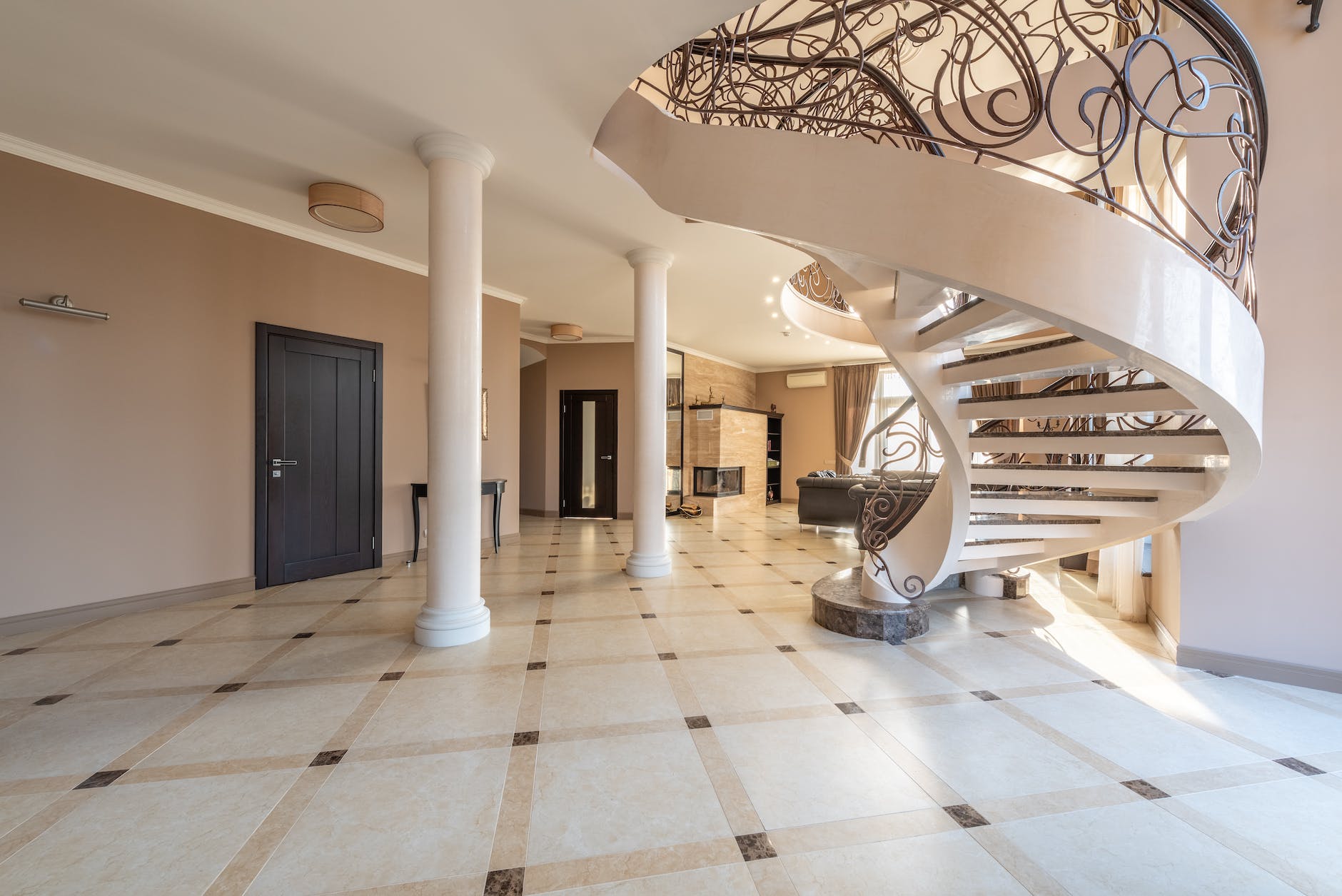
Photo by Max Vakhtbovych on Pexels.com

Robert I. Toll, L’66, a former University Trustee, an emeritus member of the Carey Law School Board of Advisors, and the co-founder of transformative home construction company Toll Brothers, died on October 7 at home in Manhattan. He was 81.

Mr. Toll was born in Philadelphia suburb Elkins Park, Pennsylvania, to a father who was involved in Philadelphia real estate and who had successfully rebuilt his career after the Great Depression. Mr. Toll graduated from Cornell University in 1963 with a bachelor’s degree in political science, then graduated from Penn’s Law School three years later. He briefly worked at the Philadelphia law firm Wolf, Block, Schorr, and Solis-Cohen, but then founded Toll Brothers with his younger brother Bruce in 1967. To start out, “we built two homes,” Mr. Toll recalled. “Instead of selling them, we used them as samples for the lots we owned down the street.” These sample homes landed the brothers contracts to build 20 more homes, which each sold for $17,500. Robert, Bruce, and Alan Toll were among the first postwar housing developers to recognize how trends in highway construction would allow access to swaths of farmland for housing and shopping developments. 

Over the next five decades, under Robert Toll’s leadership of the company as chair and CEO, Toll Brothers rapidly grew to become, as the company’s slogan boasts today, “America’s luxury home builder.” The company recognized shifting demographics in the U.S. during the 1970s and targeted baby boomers looking to trade upward. The Toll Brothers blueprint included targeted land purchases, appeals for quick zoning approval, and predesigned houses that allow room for personalized changes by buyers. Boosted by the proliferation of McMansions and the implementation by zoning boards of two-acre lot sizes in many American suburbs, Toll Brothers became a force in the American housing market. Today, over 150,000 American families in 24 states live in a Toll Brothers-built home. Toll Brothers appeared on the Fortune 500 list, and Robert Toll spearheaded several philanthropic initiatives, including Seeds of Peace, a summer camp in Maine for children from global conflict. His many professional honors included recognition as one of the world’s top 30 CEOs by Barron’s magazine in 2005 and as best CEO in the Homebuilders and Building Products Industry by Institutional Investor magazine in 2008 and 2009. The Wall Street Journal once called Mr. Toll “the best CEO in the housing business.” 

Did Toll Brothers take advantage of an opportunity to sell luxury homes to a growing market or help create and establish a growing market? Would they call their luxury homes McMansions or is that a term applied by others?

No matter how these questions are answered, it is clear Toll Brothers contributed to the trend of larger and more expensive homes in the United States. Over 150,000 homes is a sizable number of dwellings. The shift to large-scale builders in the mid-twentieth century is an important factor in suburbanization and housing more broadly.

Additionally, what will happen to all of these luxury homes? Will they be updated and renovated for decades? I assume a good number are situated in neighborhoods and communities where they will not be near any cheaper or denser housing. Will some become teardowns? Will at least a few be preserved? There is still more of the Toll Brothers story to tell.
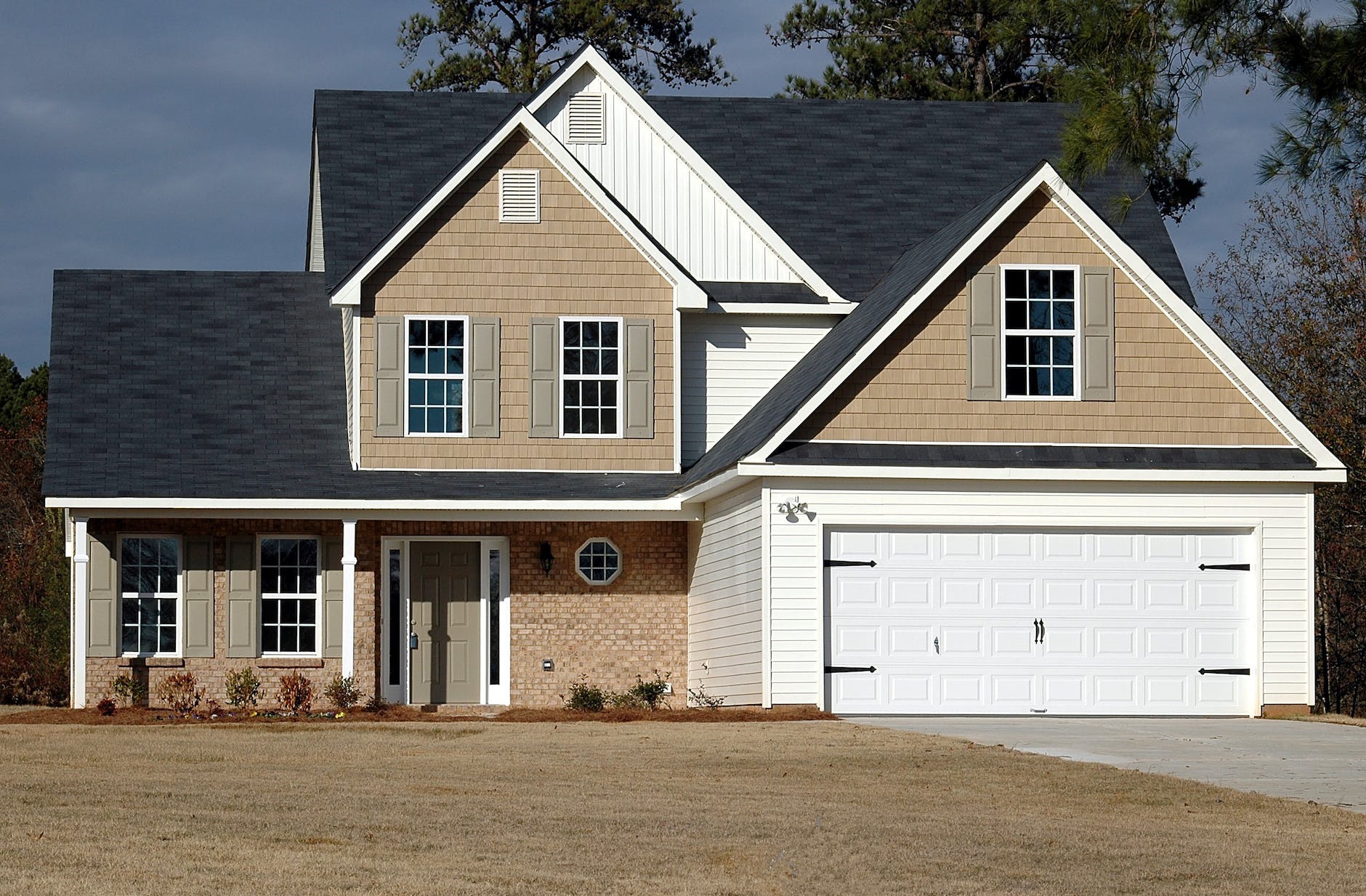
Tearing down what used to be starter homes and replacing them with McMansions

This sounds like what I found among teardowns in Naperville, Illinois: some desirable lots that used to contain starter homes now are home to McMansions.

Photo by Pixabay on Pexels.com

In each of these places (that last one is Austin), modest entry-level housing has been replaced over time by far larger and more expensive homes out of reach of most first-time home buyers. Neighbors sometimes sneer at such new additions as “McMansions” (but note the regional variation in McMansion architecture). I often hear from readers and residents during my reporting that it’s a shame the developers who built them tore down “perfectly good houses.”

This has consequences:

There is nothing inherently bad about small 100-year-old houses getting replaced by larger, modern ones (indeed, many planners, historians and economists would say there is something bad about insisting that communities must remain exactly the same forever). Tastes change. Consumer demands and demographics shift. Americans, on average, have become wealthier over time, capable of affording more housing than the typical family could three generations ago.

But the reality is that most communities effectively ensure that the only viable replacement for a starter home on expensive land is a new home that’s much larger and more expensive. That stance contributes to the affordable housing crisis. If communities struggling with it want to rebuild the entry-level end of the housing market over time, that will almost certainly require allowing a new generation of starter homes that look more like duplexes or condos, or small homes on subdivided lots.

Over time, the number of smaller homes in desirable communities or neighborhoods dwindle as property owners and new buyers want homes that reflect more current trends. Another way to think about this: the supply of starter homes or smaller homes is reduced in particular places (if it is already not that affordable because of the demand in desirable places) and it is not necessarily being replaced nearby, if at all within a region.

It may be worth noting that this teardown pattern does not happen everywhere in cities and suburbs or even in most places. While I have not looked at the issue systematically in the Chicago region, the evidence I have seen is that teardowns are taking place in larger numbers only in certain locations.

When a McMansion feels more like an estate

Defining a McMansion is doable. But, at what point does a McMansion become an estate?

Photo by Mike B on Pexels.com

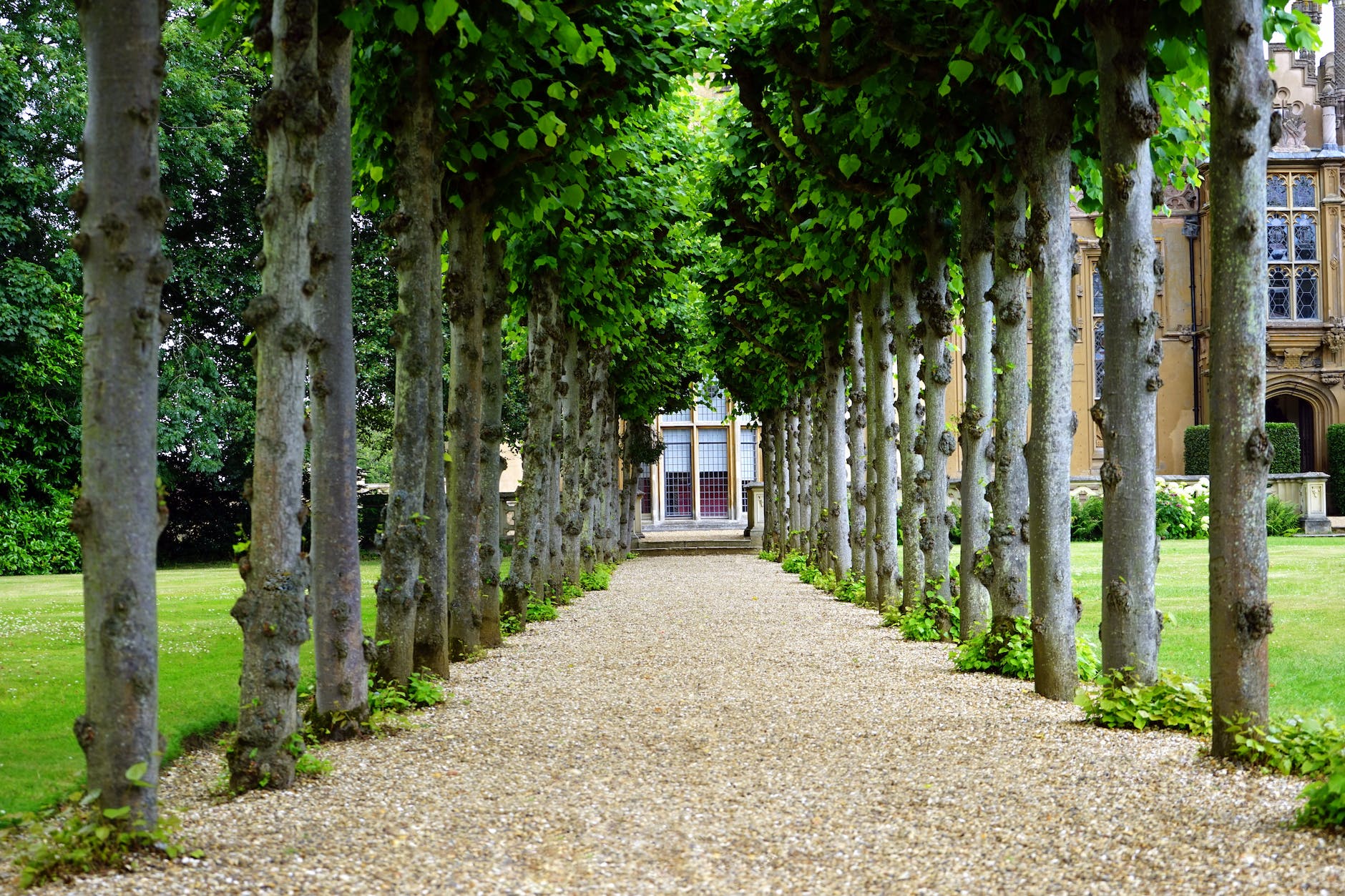
He liked how certain details — the neighborhood of manses behind gates and shrouded with trees; the house’s circular drive and imposing view — gave the ordinary McMansion an estate feel. He eventually dotted the lawn with gargoyles and Renaissance-style statues.

In this example, a McMansion feels more like an estate when it has added levels of privacy (gates, lots of trees blocking views of houses), a particular kind of driveway, and a particular view. Presumably, normal McMansions do not have these features or have imitations of these features. The suburban subdivision of McMansions offers limited privacy. The straight driveway leads to a big garage. The view is not imposing.

Is there a market for upselling McMansions? Take your typical newer McMansion, whether in a new development or in a teardown setting. What small features would differentiate it from similar homes and translate to a higher value? At the same time, adding special touches to McMansions goes against the mass-produced image of such homes.

Are the boundaries between McMansion and estate different than those between McMansions and mansions? In this second comparison, the size of the home itself seems to matter. The McMansion is roughly 3,000 to 10,000 square feet while the McMansion is larger.

Set up the millennials in a McMansion for a horror film

The recently released film Bodies Bodies Bodies takes place in a McMansion:

Photo by Elu012bna Aru0101ja on Pexels.com

What happens to a group of vapid, bored, rich gen Z-ers/millennials holed up in a McMansion during hurricane season when the wi-fi goes out?

If the film Bodies Bodies Bodies is anything to go by, they’ll probably end up killing each other — unless someone else does it first.

While some might say the McMansion itself is a horror, McMansions are no stranger to horror stories. How exactly might a horror film involve a McMansion? A few ideas:

-This particular film follows 7 friends. This means plenty of space for people to sleep, live, and interact. A McMansion provides plenty of space.

-The tackiness or gaudiness or lack of authenticity of a McMansion can provide a creepy or unsettling backdrop.

-The McMansion falls apart at a key moment or the limited architectural quality lets the characters down.

-The extra interior square footage a McMansion offers provides more space for nefarious actors to operate.

-The McMansion could be set in a neighborhood of McMansions, perhaps unfinished, that are all creepy and ominous.

A horror film set in suburbia can play off a common idea that suburban life is not as happy or successful as it seems. How much more so could this be true in a McMansion, a home that tries to broadcast its success in obvious ways.

Combine a horror film with the negative traits of a McMansion and there are plenty of options!

Teardown a home for a new parsonage that may not be a McMansion

What happens when the needs of a church for a larger parsonage converge with the interests present in a district of older single-family homes where teardown McMansions occur? Here is a case from the Buckhead neighborhood of Atlanta:

Photo by JESHOOTS.com on Pexels.com

Peachtree Road United Methodist Church aims to demolish a historic Buckhead Forest house for a new parsonage, stirring preservationist concerns.

The 81-year-old house at 3210 West Shadowlawn Ave. is listed as contributing to the Alberta Drive-Mathieson Drive-West Shadowlawn Avenue Historic District, which was added to the National Register of Historic Places in 2015. But that does not prevent demolition and the property has no City historic protections. The church claims the house is “uninhabitable” and can’t meet its mother organization’s requirements for large parsonages…

The historic district application was filed with the National Park Service in 2014 by the Georgia Historic Preservation Division. The filing says the neighborhoods are historically significant as part of a building boom that followed a 1907 trolley line extension on Peachtree, and for its wealth of intact architecture dating from the 1910s through the 1960s. West Shadowlawn, the filing says, was named for a subdivision called Shadow Lawn, which started construction in 1922. The filing includes a photo of the house at 3210. The main church property is not included in the historic district.

Rev. Bill Britt, the church’s senior minister, told the DRC that the plan is to build a parsonage as a home for a member of its clergy who currently rents elsewhere in the city. The existing one-story house would be replaced with a larger, two-story version…

Project architect Brandon Ingram noted that many houses on the street date to the period of the 1920s through 1940s. He said the church wanted the new parsonage to be be “respectful” of that aesthetic and look “a little bit more vintage” rather than “some giant Buckhead McMansion.”

This sounds like a typical teardown situation: there is an older property in a desirable single-family home neighborhood that needs some work. It does not have modern features or the size of new homes today. A property owner wants to tear it down and build a new home. Some in the community want to preserve the old home and worry that a new home changes the local character. Some in the community want property owners to have the right to do what they want with their property and be able to reap the benefits of what might come along.

Does it change the situation if it is a local church that wants to pursue the teardown? The church will likely profit from a teardown – increased property value, a newer home – but it is also a community or non-profit actor and not just a private owner. The church has been around a long time and the parsonage may not change hands for a long time. The intended use is for church staff.

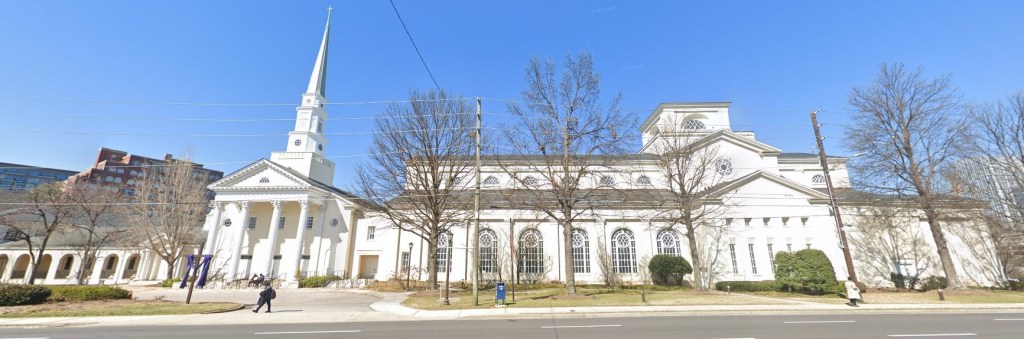
Is a church that is a long-term member of the community less likely to construct a McMansion and instead lean more toward the existing architecture of the neighborhood? Trying to picture a McMansion nearby a historic looking church building – see image below – does not work as well as imagining a McMansion near a newer megachurch in the sprawling suburbs.

Google Street View of Peachtree Road United Methodist Church

If religious congregations are in the business of building McMansions, there may be an interesting story to tell.

Teardown McMansions in Tampa

A large number of teardown McMansions have been constructed in recent years in Tampa:

Photo by Monica Silvestre on Pexels.com

Nearly 5,000 residential demolition permits have been issued in Tampa in the last decade — including 709 in 2021. That’s the most in any single year since at least 2005, according to city data.

“Having all of these homes torn down is a wrinkle we haven’t had before,” says Tampa historian Rodney Kite-Powell, “and the pace is really incredible.”

A blogger has tried to keep up with“The McMansioning of South Tampa.” About 2,700 razed dwellings are pictured. Some of the lost homes are majestic and sad. Many, though, were tired and untended. The sheer volume is beyond what a single blogger could chronicle. Ten of the 14 homes knocked down this century on Jerry’s block aren’t depicted on the site’s map. Even so, the layers upon layers of red pins are striking…

Not everyone is happy. Search the local Nextdoor site for the term “McMansions” and you’ll encounter one of the more passionate running discussions in the city. When a one-story home came on the market at the start of the pandemic, neighbors implored the owner to seek a buyer who would maintain it. “I beg you not to sell it to a builder that will level it and build a ridiculously oversized McMansion that ruins the charm of our neighborhood,” wrote Lisa Donaldson. “Please.”…

Others counter that the older homes are no longer functional and that the newer onesraise the value of those around them. “The curmudgeons will always complain … until they are ready to cash out,” posted Marc Edelman. “Tampa is progressing for the better.”

A few quick thoughts in response:

  1. If just looking at economic factors, teardowns tend to occur in desirable neighborhoods where the new homes can fetch a significant profit compared to the previous dwelling.
  2. Socially, teardowns are more difficult to navigate given the competing interests of property owners who want to make money, builders and developers looking for opportunities, neighbors who might be opposed to a changing neighborhood, those interested in local history and preservation who might prefer to keep older dwellings, and local leaders who may or may not support teardowns.
  3. Sunbelt cities and communities have experienced much growth in recent decades. People are used to change and growing populations. But, this is a different kind of change where existing homes are replaced rather than new subdivisions spreading across available land. There is now an established landscape that could look quite different in coming decades.
  4. Sunbelt communities are generally pro-growth. Does this change at some point given population sizes and composition, the availability of resources, and several decades of established history?

The bland interiors that pushes viewers to choose gaudy McMansions instead

A review of a renovation TV show suggests it is more fun to see McMansion than bland interiors:

Photo by Rachel Claire on Pexels.com

But like any good home design show, the real main character is not the couple doing the renovations, but the end results. For the two years that I’ve watched this program, I’ve tried to dial down what one might call this aesthetic, which is both specific and generic—like every other high-end Airbnb listing on the market, or an antiseptic boutique hotel that prides itself on design. But it wasn’t until halfway through this season when one of the McGee’s clients hit the nail on the head. “It’s upscale-looking,” a woman says of her newly-renovated basement, which is divided into three clear “zones” meant to delineate what kinds of leisure activities should occur there and why. It’s not quite upscale, but suggestive of it instead, a different kind of new money aesthetic. But if given the choice between Studio McGee’s all-white fantasia and a giant McMansion fit for a Real Housewife of New Jersey, I’d take gold restroom fixtures and Travertine tile any day. At the very least, it’s fun.

What is the look inferior to glitzy McMansions?

What this translates to is large architectural gestures that convey wealth—vaulted ceilings in the kitchen and the living room, a “wine room” with built-in bookshelves that meet the ceiling, and other flourishes that speak to the vast amounts of money this couple must have to maintain their bonus home. It’s not that any of these design choices are anywhere close to hideous, per se—Studio McGee’s signature look is quieter than the Property Brothers, but more sophisticated that Chip and Joanna Gaines’s farmhouse chic. Staged as they are, though, the spaces designed by Studio McGee lack any discernible personality. Children get giant bedrooms with queen-size beds; every kitchen has an enormous island, whether or not the space actually needs it. (While most kitchens could use an island, not every space needs one. Understanding this difference is crucial.)

Is the primary offense that the bland yet wealthy interiors required a lot of money to implement but have no personality? McMansions are often criticized for their blandness; they are big boxes with large rooms that people can fill in many different ways.

It could be that the “fun” of the loud McMansion is that it shows up better on TV and with its particular cast of characters. The show under review is meant to show off a particular aesthetic of its designers while the Real Housewives of New Jersey has a different purpose. The loud McMansion on TV might be fun in the way that McMansion Hell is fun: you make fun of the McMansion and its dwellers. Which home viewers might want to live in might be a different story.

Summing up the environmental issues McMansions present

Australian architect and artist Mathieu Gallois working with several groups described the negative environmental consequences of McMansions:

Photo by Frans van Heerden on Pexels.com

The project organisers made the following conclusions about McMansions: “the brick veneer construction’s thermal performance is poor and inappropriate for Australia’s hot climatic conditions; the foundations are laid on a large concert slab that possess high levels of embodied energy; the terracotta tiled roof’s thermal performance is poor and inappropriate for the Australian climate; the aluminium window frames have a high level of embodied energy and their thermal performance is poor; the window glazing is of a poor level, as is its thermal performance; the PVC plumbing has a high embodied energy; the steel lintels have a high embodied energy and represent lazy design solutions”.

On this basis they argued that “Australian brick veneer homes are the biggest and most poorly designed built homes in the developed world; too big, not built to be recycled, not responsive to climatic conditions, not built for future adaptability, with poor cross ventilation. Moreover, such houses are designed to face the street rather than being orientated to maximise the site’s positive climatic engagement; their multi-faceted roofs do not optimise or facilitate the provision of PV panels or solar HWS; their roofs do not harvest rainwater; the stairwells are not sealable; and the rooms and living spaces are generic, unresponsive to different seasonal climatic conditions”.

That is a negative assessment, particularly compared to how homes might be constructed in a greener manner.

Just thinking about these negative environmental consequences, I wonder if it is possible to create a greener McMansion that roughly keeps the size, architecture, and price that a decent number of Americans and Australians are willing to buy. Could strategic choices be made to make a significantly greener home without too many alterations? This would provide a different product and help address concerns some might have about McMansions.

Midwestern ice fishing and McMansions

An analysis of words in Midwestern Airbnb listings includes a connection between McMansions and fishing:

Photo by Tima Miroshnichenko on Pexels.com

Anyone can catch a walleye with a few bucks’ worth of basic gear, some practice and a little luck, Roach said, though that doesn’t stop some Midwesterners from dropping the equivalent of several years’ salary on boats, McMansion-grade ice-fishing trailers and sophisticated electronics designed to better target the finicky fish.

Follow the link for the trailers and you can see large ice-fishing trailers. I assume that is the primary use of McMansion here: these trailers are large. They offer a lot of interior space. Maybe they are mass-produced or architecturally dubious but the size of these trailers is bigger than just a little ice fishing hut.

At the same time, the use of the term suggests that the ice-fishing trailers are over the top or unnecessary or undesirable thing. McMansion is an evocative term that is usually linked to negative judgments.

The lingering question here: is the large McMansion trailer a worse choice than a more modest ice-fishing dwelling?

(This is not the first time McMansions have been linked to transportation. See earlier posts here and here about McMansions and SUVs. Those ice fishing trailer need a sizable vehicle to tow them into place.)

McMansions as part of or outside of a changing suburbia?

This description of the changing American suburbs includes McMansions:

Photo by Jeswin Thomas on Pexels.com

The demand for something like urban living is real. Even at the outer edges of growing metro areas, mixed-use walkable developments pop up alongside familiar subdivisions and McMansions. “Mixed-use centers—often in suburban locations—continue to be built from the ground up in many communities across the US,” wrote the Congress for the New Urbanism in 2019.

As more immigrants and millennials become suburbanites, and as Covid and remote work give the suburbs another growth spurt, they are evolving into something different. Between 2019 and 2020, the share of millennials who live in suburbs increased by 4 percentage points; and in 2014, more than 60 percent of immigrants lived in suburbs, up from just over half in 2000.

Many communities that were once white, exclusionary, and car-dependent are today diverse and evolving places, still distinct from the big city but just as distinct from their own “first draft” more than a half-century ago…

If a “second draft” of the suburbs is now being written — at least in some of America’s growing and expensive metro areas — what might it actually look like?

This is part of the complex suburbia we have today. Where do McMansions fit into this? The selection above suggests “mixed-use walkable developments” are near McMansions. But, what happens to the McMansions in the long run? Here are a few options:

  1. The McMansions continue in their neighborhoods for those that want them. Even amid proclamations that McMansions are dead, there are some homebuyers and suburbanites that want such homes.
  2. McMansions themselves are altered in ways to fit the new landscape. Perhaps they are subdivided into multiple units for more affordable housing. They could be added to. Their properties could host accessory dwelling units.
  3. McMansions are demolished and replaced with something else. This could be because the quality of the homes does not stand the test of time or the land is more valuable used another way (some of the teardowns become teardowns).
  4. Some McMansions live on through historic preservation marking a particular era of housing and American life.

For some, McMansions represent the peak of an undesirable suburban sprawl and excess. For others, they are homes that provide a lot for a decent price. Their long-term fate is to be determined both by those who like them and those who detest them as the suburbs continue to change.