
Would changing the name of North Central College to instead reference Naperville help the institution? Here is why a change might work:
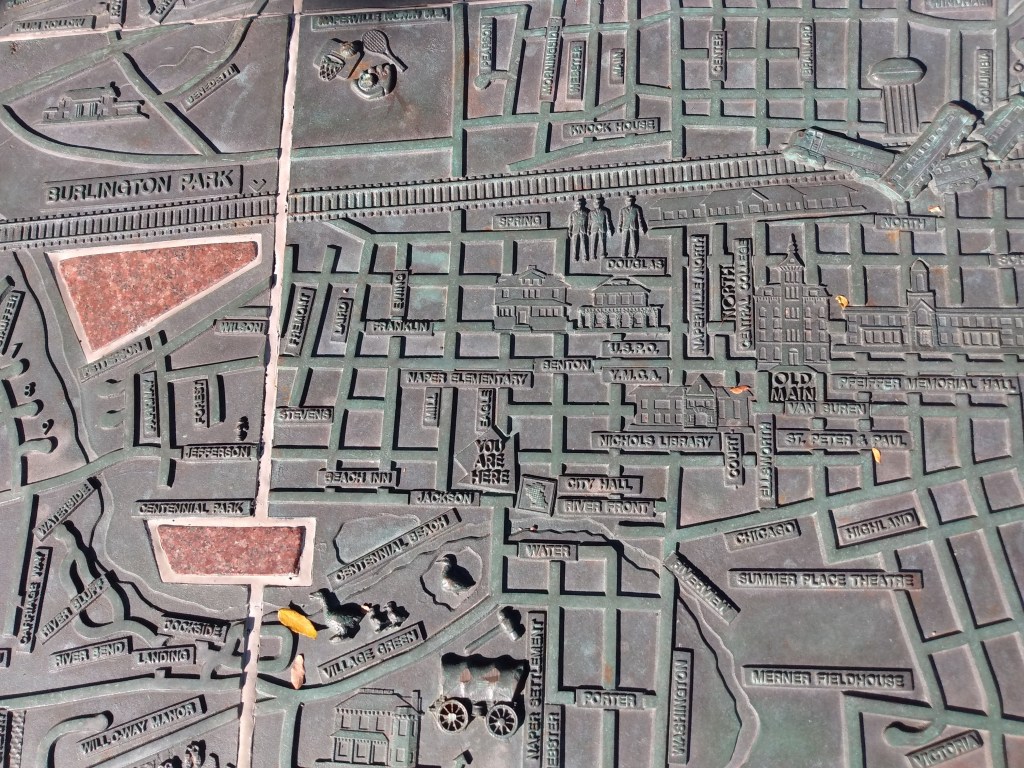
Historically, North Central College’s location has not always been at the center of its identity, according to Gòkè-Paríolá. When a survey from 2019 showed the university had low name and brand recognition from people outside of the Naperville area, the institution started to reconsider how it markets itself.
Now, as the third largest city in Illinois, North Central College’s location in Naperville is increasingly advertised as a major part of the student experience…
Naperville has made national headlines as it garners attention for such things as safety and quality of life. In 2025, Naperville was named the best city to live in America by online rating database Niche for the second consecutive year. It also consistently ranks as the best city to raise a family in America by Niche…
“If they are in Maryland and you try to recruit them and say, ‘Come to North Central College,’ well, you got your work cut out for you,” Gòkè-Paríolá said. “But when you tell them, ‘Where is it?’ ‘Naperville.’ (They say) ‘Oh, Naperville. I know Naperville’ or ‘I read something about it.’”
As someone who has studied Naperville, my sense is that it is generally well regarded by residents and outsiders. The rankings referenced above help (see posts from recent years here, here, and here) but so does (1) population growth, (2) white-collar jobs, (3) wealth, and (4) a vibrant downtown.
Additionally, the current name hints at a broader region. The college was initially located in and named after the small town of Plainfield, a community southwest of Naperville and one that was small until growing from 4,557 residents in 1990 to over 44,000 in 2020. Before moving to Naperville, the college’s name was changed to “North-Western,” referencing the Northwest Territory from which Illinois and several other states were founded. In 1926, the name became “North Central,” which more accurately reflects the location outside of Chicago with the United States spanning from the Atlantic to the Pacific.
There are numerous colleges that reference suburbs in their name. I wonder how many of these names were selected prior to mass suburbanization in the postwar era. How many are named after sizable suburbs today? How about University of Santa Ana or Plano or Aurora (Colorado – the large Illinois suburb has Aurora University but it was renamed for the community prior to World War Two) or Hialeah?
Related to this, is there a sense that a certain kind of learning or college experience happens in growing, wealthy suburbs compared to what is available in big cities or smaller communities? Research universities are often in big cities or college towns, not necessarily suburbs.





 Legally Sociable