What if some suburbs enforce certain non-moving vehicle violations and others do not

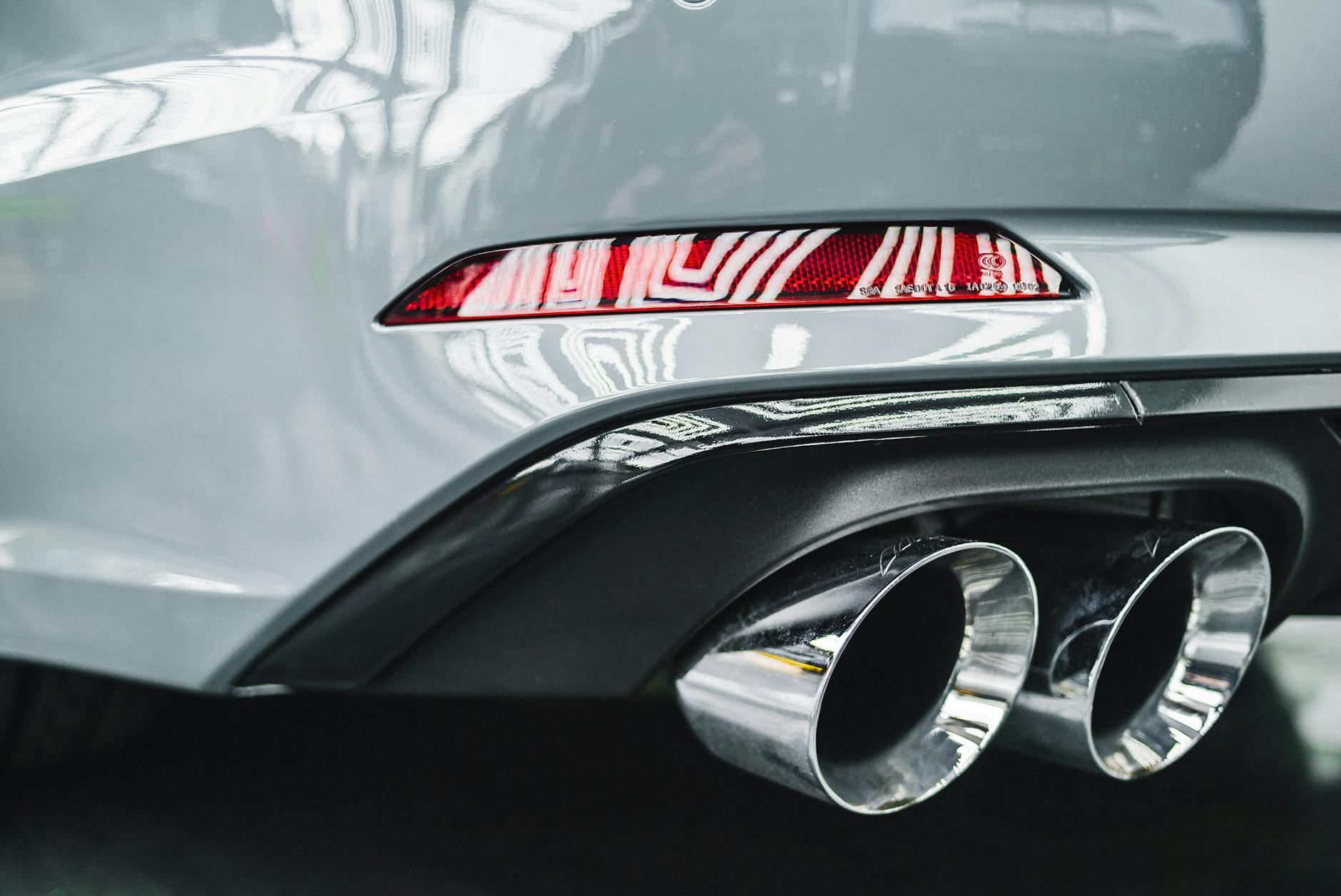
The suburb of Naperville, Illinois is concerned about loud mufflers and the police are acting accordingly:

Photo by jae p on Pexels.com

Noisy mufflers were among the top complaints at a recent “chat with the chief,” and city council members also have fielded complaints coming from the downtown district and the south end of Naperville near 95th Street.

The noise from engines revving and modified mufflers can get loud enough to be heard blocks away, said Mayor Scott Wehrli, who lives near the city’s downtown district. This summer, for example, motorcycles revving their engines through one of the parking decks created enough noise to disrupt an outdoor summer band concert, he added…

Under state law, it is illegal to have a modified muffler on a vehicle, Naperville Police Chief Jason Arres said. Naperville police have been issuing citations based on that law.

Between Sept. 1 and Oct. 8, police issued 26 citations. Two of them resulted in guilty pleas on Wednesday and about $300 in fines for each citation, officials said…

Arres, who noted complaints about noisy cars is not unique to Naperville, is hopeful word will travel fast that loud cars aren’t welcome in town.

Two questions quickly came to mind when I read this:

  1. Will loud cars and vehicles now avoid Naperville? It is a big community with lots of locations for locals and visitors to travel to.
  2. What if nearby suburbs do not enforce this state law? Say Naperville continues to enforce this law and issue citations and some of the drivers do indeed stay away; will these drivers simply visit nearby suburbs? Will they get their vehicles fixed or modified? While Naperville is indeed big, nearby suburbs could many of the same kinds of places to drive to.

This is not just limited to loud cars; what about enforcing having proper license plates or tinted windows that are too dark or other vehicle issues that are not moving violations? If a number of communities do not enforce this, will it make that much of a difference?

It will take some time to see if the issue is addressed to the satisfaction of Naperville leaders and residents. And will the problem shift to neighboring suburbs?
Suburban sounds near the start of fall

During the pandemic, some who were at home described the noises they heard from their residences that they may have missed in going to work regularly or being out more.

As summer winds down on the calendar and fall approaches, I noticed some different sounds in the suburbs. I described some of the suburban noises of summer back in 2018. Here are a few of the notable changes heading into a new season:

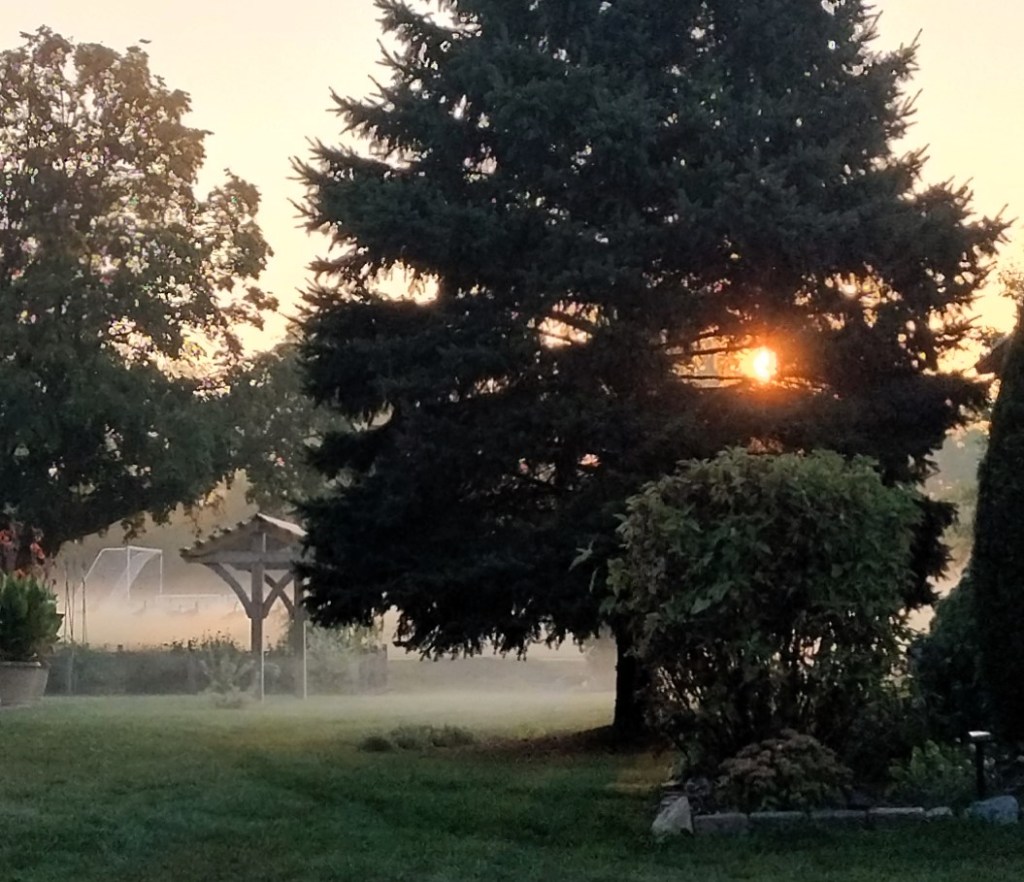
-Geese flying overhead regularly and standing around in fields and near water. The picture above includes geese honking and milling around in the early morning suburban mist on a soccer field set up for the fall season.

-Fewer lawnmowers at work and less yard work noise. It also has not rained much recently. The spring and summer hum of outdoor machines has lessened.

-The occasional sound of marching band practices and performances. We are more than a mile from a high school but we can hear the band at work (cannot hear cheering).

-No cicadas at this point of the year, particularly compared to earlier this summer in our area.

-Less noise from kids in the neighborhood during the day with school in session. Of course, people living near schools likely hear a lot more noise now during the middle of the day compared to the summer.

This is a particular suburban soundscape soon to change with leaves blowing around and crunching underfoot and later snow dampening outdoor noise.

Unique noise features in populated areas

People might generally think of cities as noisy. Amid this volume level, there can be unique noise phenomena in cities and populated areas. Here are two examples, starting with temperature inversion layers:

Photo by Anthony ud83dude42 on Pexels.com

Temperature inversion layers, like the one happening the night Tamblyn heard Billy Joel from her backyard, occur when cool air gets trapped underneath a layer of warm air.

The warm air prevents the cool air from rising, along with smog and sound. The sound waves bend away from the inversion layer and back to the ground, bouncing across further distances.

This is more likely to happen during the fall season, as well as during certain times of day.

The second example involves different kinds of surfaces:

Skyscrapers lining the street can amplify city sounds, according to acoustic consultant Scott Pfeiffer.

That’s because sound waves easily reflect off rigid, hard surfaces, like glass and brick, Pfeiffer said. Sounds bounce back and forth like the two sides of the street are playing tennis.

The end result is a sound “canyon,” which often creates an echo…

Trees, grass and other plant life act as natural absorbers and deflectors of sound.

Three thoughts in response:

  1. Does public noise matter less in an era where lots of people use AirPods and other headphones? People have used headphones for decades but the noise-cancelling features of today’s devices plus their ubiquity might mean more people are in their own soundscapes.
  2. If cities are greener in the future, particularly with more plants and greenery among the buildings, does this mean they would be quieter? Having fewer motorized vehicles could also help.
  3. It is common to think of cities in terms of neighborhoods or scenes. These are often defined with physical boundaries. Do sound boundaries roughly match these boundaries or are there different sonic neighborhoods in places?

New York Times finds more suburbanites complaining about pickleball noise

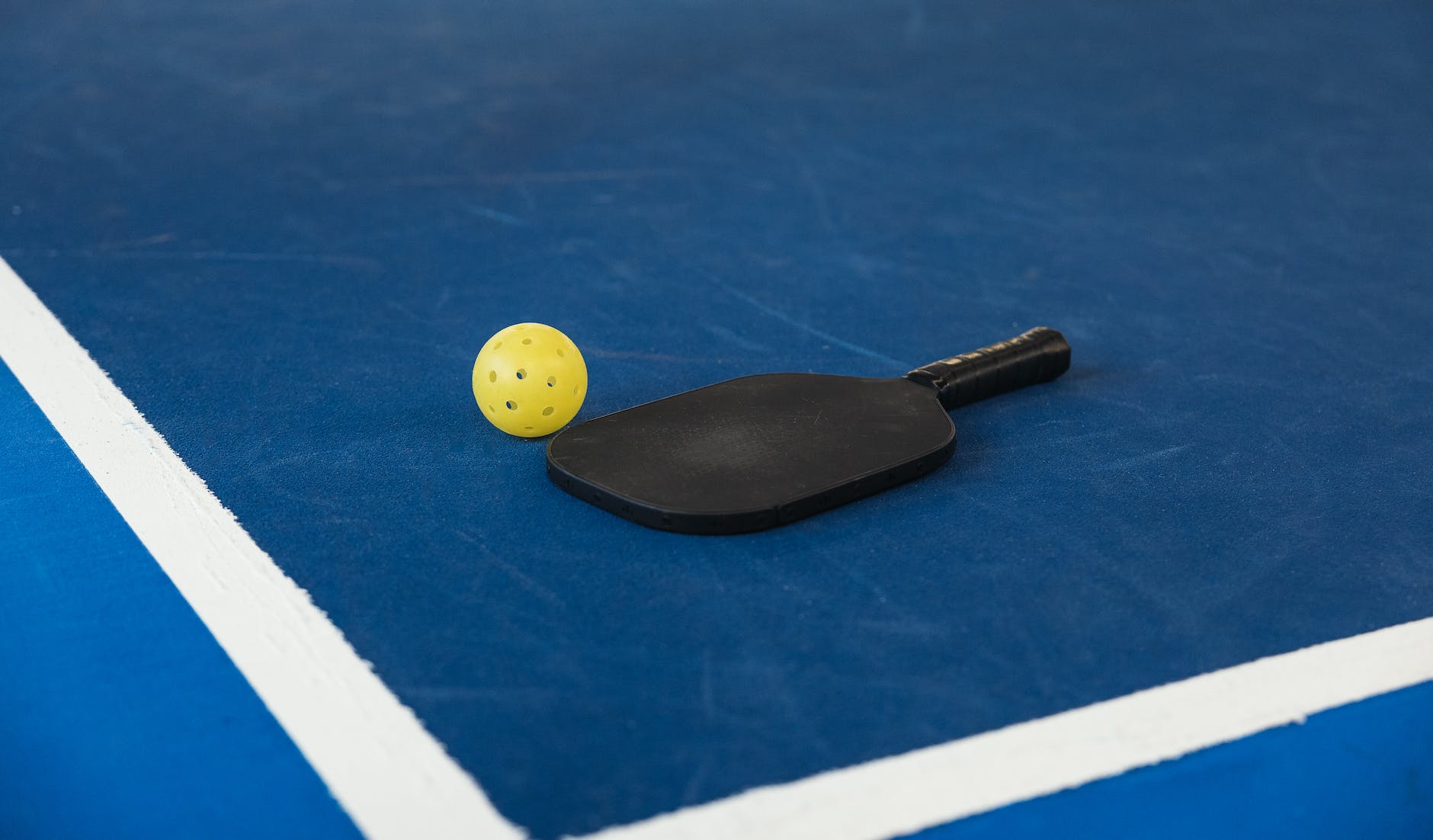
Pickleball produces noise and some suburbanites across the country are not happy about it:

Photo by Mason Tuttle on Pexels.com

Sports can produce all kinds of unpleasant noises: referees’ whistles, rancorous boos, vuvuzelas. But the most grating and disruptive sound in the entire athletic ecosystem right now may be the staccato pop-pop-pop emanating from America’s rapidly multiplying pickleball courts.

The sound has brought on a nationwide scourge of frayed nerves and unneighborly clashes — and those, in turn, have elicited petitions and calls to the police and last-ditch lawsuits aimed at the local parks, private clubs and homeowners associations that rushed to open courts during the sport’s recent boom.

The hubbub has given new meaning to the phrase racket sport, testing the sanity of anyone within earshot of a game.

People from a number of communities are interviewed about the noise. The suburbs figure prominently in this list of the communities cited:

-Arlington, VA: suburb of Washington, D.C.

-Wellesley, MA: suburb of Boston

-York, ME: suburb of Portland

-Scottsdale, AZ: suburb of Phoenix

-Longboat Key, FL: suburb of Sarasota

-West Linn, OR: suburb of Portland

-Falmouth, MA: in the Barnstable Town MSA

Is this a primarily suburban problem? It may not be exclusive to suburbs – see this earlier post about noise complaints in Chicago – but pickleball is growing in popularity among suburbanites and suburbs have a lot of single-family homes whose owners do not appreciate noises or other threats to their private lives.

Will this continue to be a suburb-by-suburb problem, is there a solution that can be effective across suburbs, and/or will this problem spread to kinds of American communities?

McMansions so close you can hear your neighbors flush their toilet

McMansions are big homes that are also sometimes built close to their lot lines. So much so that one Florida resident suggests you might know what your neighbor is up to:

Photo by Curtis Adams on Pexels.com

I’m referring to the handful of gargantuan McMansions cropping up now, and, insult to injury, all seem to hug their property line so closely as to case a gray shadow on their neighbor and to heighten the anticipation of hearing the next time your neighbor flushes his toilet. Do these owners have 35 grandchildren to bed over the winter? Or are we seeing the beginnings of a contest to see who can build the biggest and gaudiest house on the island? Nantucket, here we come!

The idea that you can hear the flushing of a toilet from next door might be a bit of an exaggeration. Put this next to the 35 grandchildren and some creative license might be at work.

But, let’s say there might be some truth to this. Are we talking about McMansions within five to ten feet of each other? There may be some windows or doors facing the neighboring home. If it is a quiet neighborhood, house noise might travel. Residents of single-family homes tend not to like noise from nearby (examples here and here).

If it is a sizable home, could a neighbor identify which bathroom is the source of the noise? A home of over 3,000 square feet could have numerous restrooms. Perhaps some are located closer to exterior walls. Perhaps some have louder commodes than others. Perhaps some bathrooms are used more regularly.

The point still holds: some of the concern about McMansions is not just their size but rather how much of their lot they take up. A large home that covers a higher percentage of its lot and/or is very close to a neighbor will appear even larger.

Suburbanites who dread the “pop pop pop” of pickleball

Some suburban residents who live next to pickleball courts have concerns about the noise:

Photo by Ono Kosuki on Pexels.com

While the noise isn’t as much of an issue with indoor courts and outdoor courts away from residential neighborhoods, it’s become a nuisance for folks like Matulyauskas, who lives within yards of a converted tennis court at Abbeywood Park in Lisle…

There are websites and online forums dedicated to pickleball noise, and decibel meters are keeping tabs on “pop pop pop” levels from coast to coast.

Legal action to stop the noise is ongoing in communities from Arlington, Virginia, to Phoenix, Arizona…

In response, the park district installed Acoustifence soundproofing panels to mitigate the sound…

The Naperville Park District is investing more than $500,000 in new pickleball courts at the Frontier Sports Complex. To deaden the noise, officials there also installed natural buffers such as vegetation, berms and fencing.

The pickleball craze continues…and attracts detractors.

Suburbanites often express concerns about noise regarding nearby land uses or proposed development. This can range from traffic noise to school noise to loud music to firework use during what they think should be quieter hours. The assumption is that life among single-family homes is supposed to be quiet.

Generally, suburbanites would see parks as amenities. They provide green space and recreational options. But, perhaps many would not want to live right next to one? Being near a park could include noise from playgrounds, ball games, pools, mowers, and more. The communities discussed above tried different options, like sound-dampening surfaces or particular hours for play.

As another park noise example, I was surprised not only to see a new basketball court recently but also to note how close the court was to nearby homes. The sound of bouncing basketballs can reverberate on exterior surfaces, plus whatever additional noise is generated by people playing.

The disadvantages and advantages to living on a major suburban road

I regularly drive by a single-family home that is located on a busy four lane road. Decades ago, this was a two lane road and traffic was lighter. Now, it is a road with a 50 MPH speed limit and many cars zooming daily between suburbs. In the morning, the school bus stops on the busy road to pick up kids from one house. Most of the housing in this area is located on streets that branch off this main road; this is common in suburban areas as residential neighborhood traffic is routed to arterial roads.

Photo by Caio on Pexels.com

When looking for housing years ago, I remember seeing homes located on such roads. What might be the advantages and disadvantages of such properties?

Advantages:

-Quick access to a major road. Suburban subdivisions can be big and the roads winding. It can take minutes just to leave the neighborhood.

-A reduced price. If the road is busy and noisy, this may mean the property is cheaper than comparable houses and lots.

-A location along a known road.

Disadvantages:

-Noise. The sound of cars and trucks is constant.

-Safety. Many suburbanites might wonder whether kids can safely play.

-Lower property values in comparison to similar properties.

-Less parking. If you have lots of people over, is the driveway big enough for everyone?

I would guess many suburbanites would choose not to live on or even near such a major road if they can help it. At the same time, plenty of suburbs have houses located along busy and fast roads.

California, other places moving forward with bans or restrictions on gas-powered leaf blowers

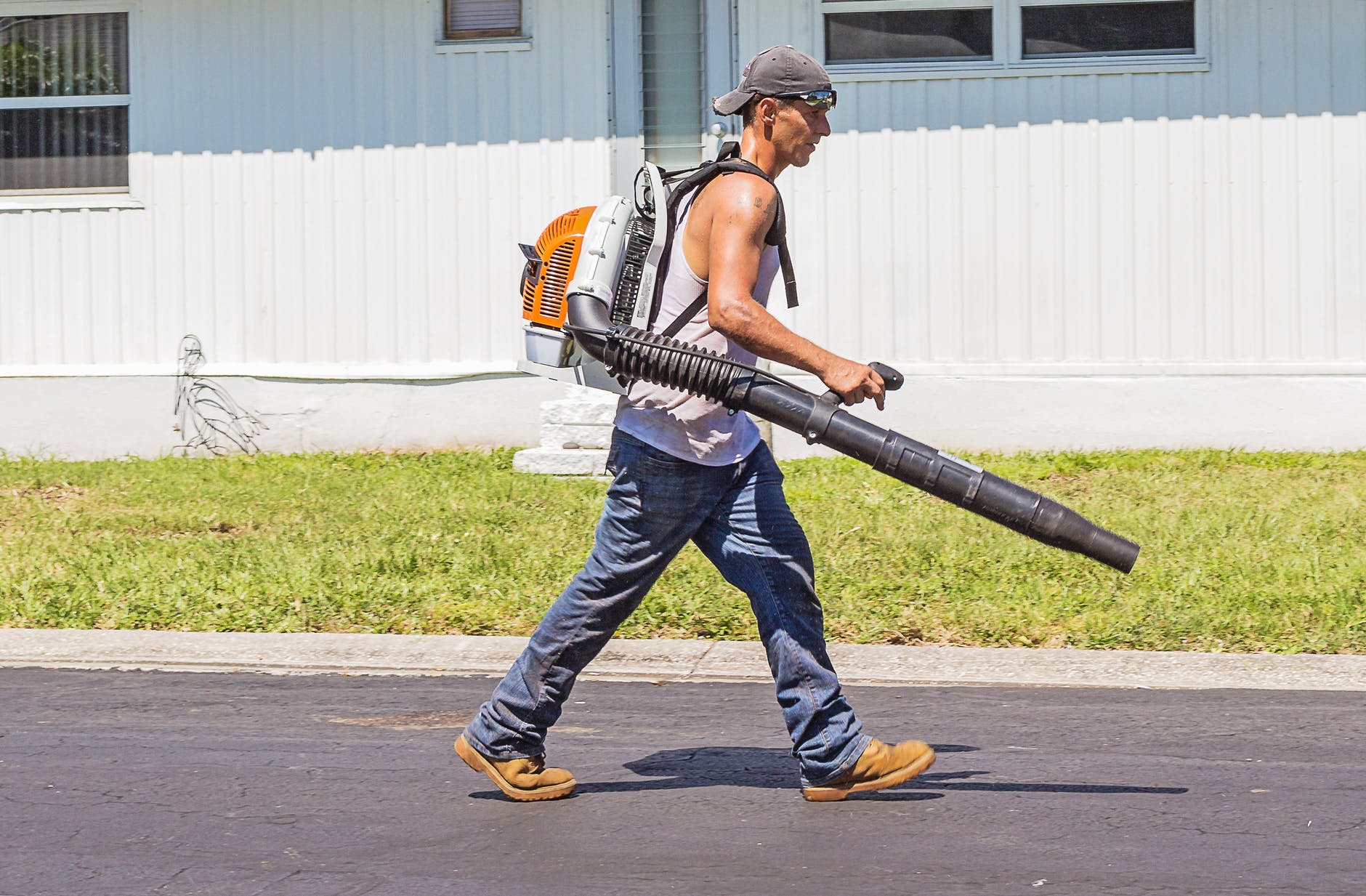
More communities across the United States are banning or restricting gas-powered leaf blowers:

Photo by Pixabay on Pexels.com

But addressing the noise pollution they cause wasn’t the main reason behind the legislation. Small off-road engines, or SOREs, are a significant source of greenhouse gas emissions, causing spikes in asthma in workers who operate them.

“Today, operating the best-selling commercial lawn mower for one hour emits as much smog-forming pollution as driving the best-selling 2017 passenger car, a Toyota Camry, about 300 miles — approximately the distance from Los Angeles to Las Vegas,” the California Air Resources Board said in a recent fact sheet. “For the best-selling commercial leaf blower, one hour of operation emits smog-forming pollution comparable to driving a 2017 Toyota Camry about 1,100 miles, or approximately the distance from Los Angeles to Denver.”…

Hundreds of cities and towns in the U.S., including Washington, D.C.; Burlington, Vt.; Houston; Palm Beach, Fla.; Aspen, Colo.; and Highland Park, Ill., have enacted restrictions on the use of leaf blowers. Among those restrictions: forbidding gas-powered units, imposing decibel limits and limiting what days one can use them…

On Wednesday, the Boston City Council agreed to consider a resolution that would outlaw gas-powered SOREs. Kenzie Block, a city councilor representing the Fenway, Mission Hill, Back Bay, Bay Village and Beacon Hill neighborhoods, said the main impetus for the ban was health-related.

Noise, health, pollution, and gas use and I could see why this shift toward equipment with other power sources would appeal to many places.

Where is the power equipment lobby with a response? As noted elsewhere in the article, gas-powered equipment could provide power and other opportunities. Or, do companies who manufacture equipment still see enough of a market in other communities and/or are excited to sell lots of people new equipment that they would not otherwise have to buy?

The ripple effects of this on American lawns are interesting to consider. Would battery or electricity powered equipment encourage people to tend to their yards more or not?

The problem of loud noises in suburbia

Reading this story of Cold War air raid sirens going off in Sacramento reminded me of one problem that comes up consistently in suburbia: loud noises.

Photo by Pressmaster on Pexels.com

Suburbs are supposed to be quiet. Residents buy a home and yard with the idea that they can shut out the busy noise of the world or city and enjoy peace. Cities are noisy with sounds of traffic, emergency sirens, voices, and activity. Suburbs offer access to those cities but without all of that soundscape.

From my experiences in the suburbs and reading social media in the suburbs, here are some of the noises, known and unknown, that lead suburbanites to wonder or fume:

  1. A loud barking dog or animal somewhere. Sometimes this dog is not unknown but the loud animal from an unknown source is not what people want to hear.
  2. A loud bang or pop. If it is fireworks, this could be okay if it is part of a community celebration and it is less okay if it is some resident enjoying loud sounds and lights. Suburbanites speculate whether the noise could be gunshots or vehicle noises.
  3. Vehicle noises and/or crashes. A vehicle or motorcycle with a loud engine or muffler sounds much louder in the nighttime hours. A car crash might be mistaken for something else.
  4. Extra-loud music from a vehicle or residential unit. Many communities have ordinances about sound. Having too-loud music can be viewed as disturbing the peace.

Children’s noise is more acceptable, whether coming from a park – the sound of a ball game or kids playing in the neighborhood – or a school. Suburbs, after all, are about raising children. Nature noises are fine, including rain and thunderstorms. Suburbs are supposed to help residents get closer to nature.

How these concerns about noise get adjudicated probably varies. The number of people willing to go to social media to ask and/or complain about noise might be the outworking of “moral minimalism” in the suburbs. Many probably hope the noise simply goes away and does not intrude much on their private lives.

Addressing COVID-19 and public noise issues at the same time with “library rules for America”

While Derek Thompson suggests less or no talking in public would help limit the spread of COVID-19, his solution would also address concerns people have about noise in public:

Photo by Inga Seliverstova on Pexels.com

Here’s one solution: Library rules for America. Every time you walked into a school, a medical clinic, a drug store, a barbershop, an office, an airplane, a train, or a government building, you should see a sign that read: Hush for Your Health; or Make Good Choices, Lower Your Voices!; or Keep Quiet and Carry On. “In terms of the science, I am convinced that something like this library rule would reduce all modes of viral transmission,” Jimenez told me.

Thompson also hints at a persistent noise issue:

If Americans imported Japan’s subway rules to our public life, we might be able to accelerate our return to a more muted form of normalcy. Several times in the past few weeks, I’ve heard people talking loudly on their cellphones in grocery stores and pharmacies, sometimes with their masks pushed aside from their mouths to improve the clarity of their diction. Such behavior displays a total failure to understand how the disease spreads.

These loud conversations in public, whether the user is on speakerphone or talking loudly to someone nearby, are an annoyance to many. Some noise in public is to be expected: vehicles go by, people are around, airplanes fly overhead, etc. But, having people around you who are carrying on loud, conversations can be frustrating.

On the user end, it can be easy to end up yelling into your phone without being aware of it. You get caught up in talking, there is noise around, the phone call audio quality may not be great, and you sound like a lunatic to passerby even though you think you are just having a normal conversation. Or, a regular social interaction could be fun or maddening, leading to increased volume.

I wonder if this solitude attributed to libraries would match what they aspire to be these days. When people need public spaces and resources, libraries can be gathering places. The days of hushed shelves of books may be gone and replaced by tool and gadget rentals, computer labs, meeting rooms, and interactive areas.

More broadly, Americans are known for their loud conversations and convivial spirit. The friendliness or public conversation plus the volume can rankle some. Asking Americans to act like they are in a library might be a lot to ask. Imagine: “If I want to talk loud in public, that is my right!” A quiet American soundscape, particularly in certain settings, might be jarring.

Perhaps the bigger question is how far Americans would go to slow or eliminate COVID-19. Is not having loud conversations in public too much to ask? Now, if COVID-19 and noise guidelines could speak to the loud playing of music…