What’s left of Sears

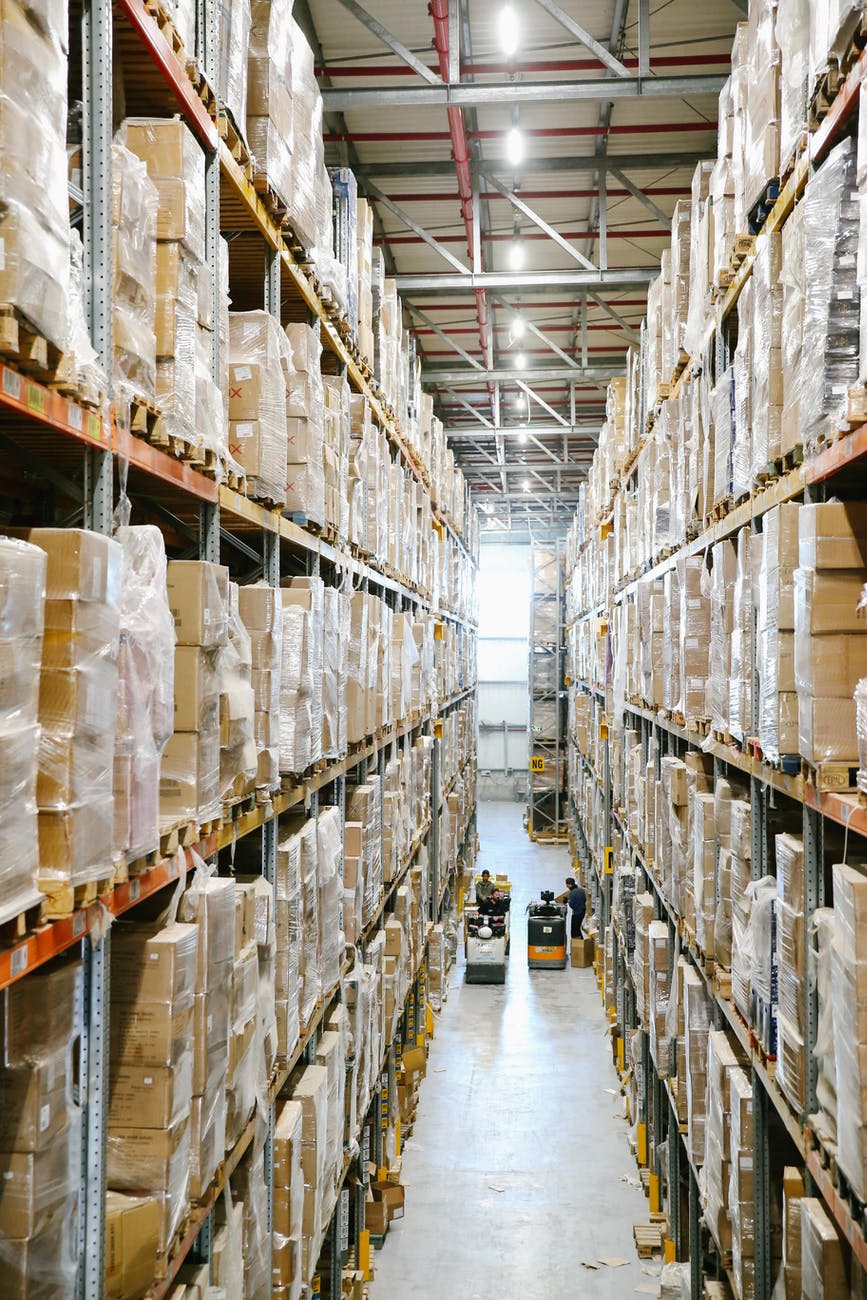
A few stores and some valuable retail properties are most of what remains of Sears in the United States:

Photo by Eduardo Romero on Pexels.com

The primary mission of Transformco is to monetize Sears’ real estate. This can occur through either selling or leasing it, according to John C. Melaniphy, president of the Chicago-based retail consulting firm Melaniphy & Associates…

“In my opinion, it will take years to unwind all of the properties that are encumbered through either Sears/Kmart leases or ownership,” he added. “Transformco leadership will determine their short-term and long-term success. However, the company has experienced talent losses with fairly significant employee turnover. The current mall redevelopment environment, with rising store closings and greater e-commerce market share, is a serious threat to their long-term success. Transformco leadership will be challenged in their effort to navigate the peaks and valleys in development cycles. In my opinion, they will sell off the remaining assets as quickly as possible.”

But Melaniphy sees Transformco’s recent sales of two former Sears stores in Texas for their redevelopment into Dick’s Sporting Goods House of Sports locations as signs of success in its mission…

As of early spring, the remaining Sears stores were in Burbank, Concord and Whittier in California; Orlando and Miami in Florida; Braintree, Massachusetts; El Paso, Texas; and San Juan, Puerto Rico…

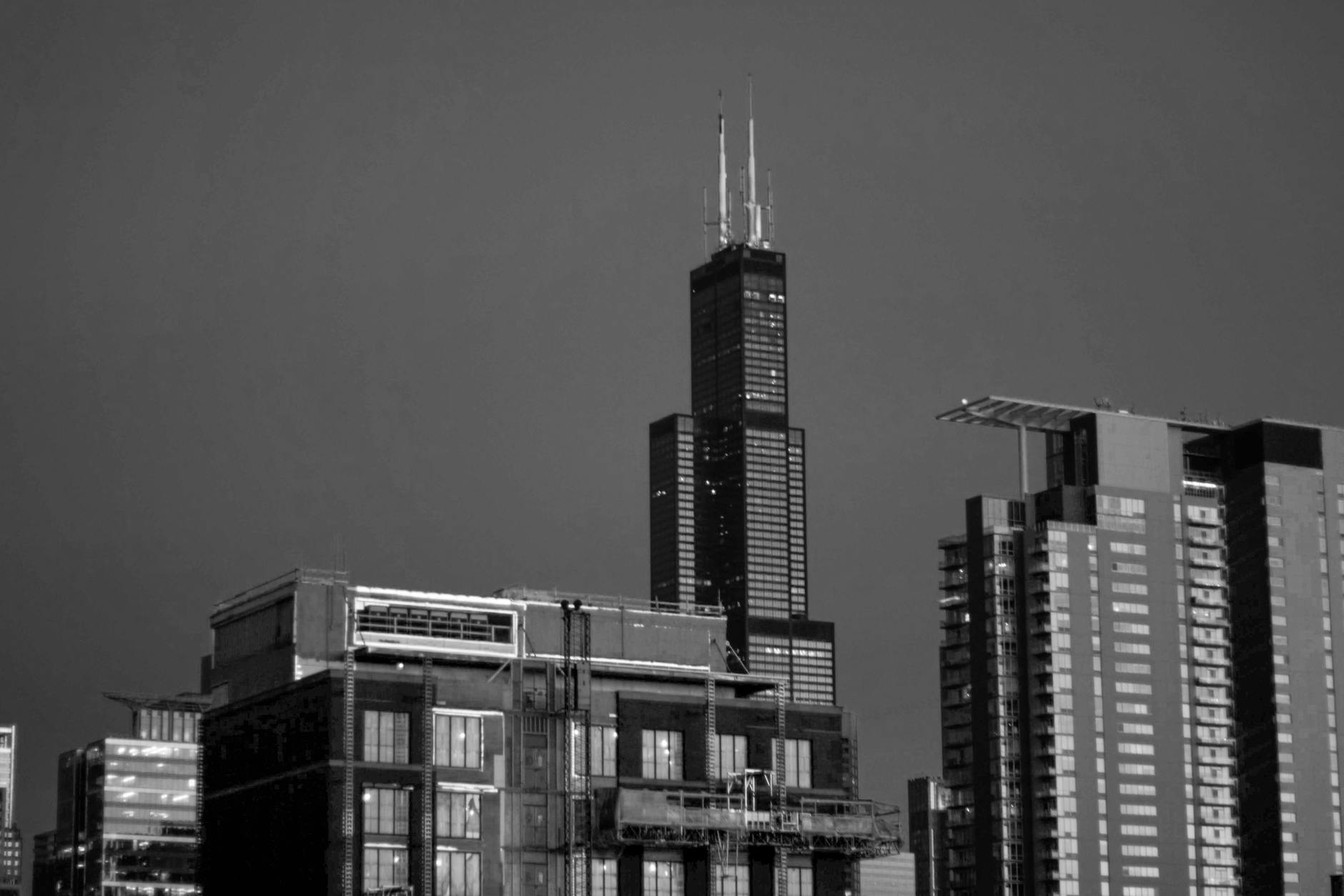
A quarter of the way through the 21st century, other lingering evidence of Sears’ long and proud history in the Chicago area include the third-tallest building in North America and the call letters of radio station WLS, which stands for “World’s Largest Store” for the four years Sears owned the station in the 1920s.

From leading company to holding some potentially valuable real estate. This is quite a fall over decades. It also has the potential to turn into something else if the real estate becomes something important down the road. While it probably will not lead to the rise of the next great retail company (and can that even happen in brick and mortar settings?), the reused or redeveloped properties could still benefit communities.

This does lead to a bigger question about any mass market retailer or restaurant. Yes, they generate revenue – or hope to – at each location. But what if the real estate portfolio is ultimately the biggest asset? What happens to that asset long-term if the company is no longer there?

Imagine 50 years into the future. Will there be any physical locations that remind people of Sears? The former Sears Tower will presumably still be there. Will any of the former Sears retail stores or warehouses or offices have any markers that talk about the once-large company?
Buy a house, then buy refrigerators, couches, and large TVs

Many Americans want to own a home. That purchase also opens up the door to other purchases:

Photo by Alex Qian on Pexels.com

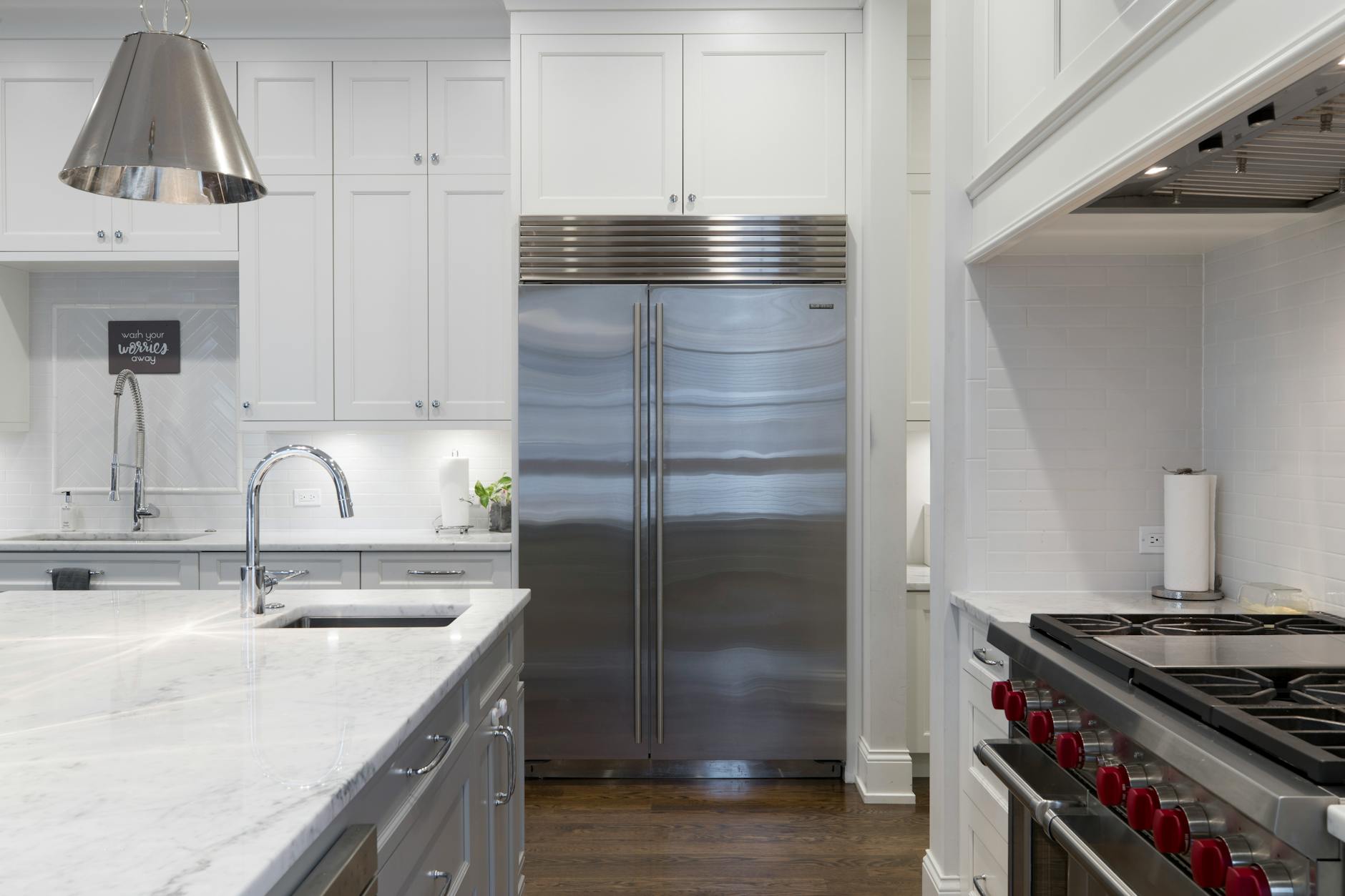
The more vulnerable sectors include hobbies and crafts retailers, as well as middle-market apparel sellers, said Brandon Svec, head of U.S. retail analytics at CoStar Group. Home goods stores also face challenges, Svec said, because a sluggish housing market decreases consumer demand for refrigerators, couches and large TVs. And high interest rates are dissuading lower-income consumers from making big-ticket purchases on their credit cards, Cohen said.

This can help explain some of the encouragement businesses offered for homeownership throughout the twentieth century. There is money to be made in the development and sale of houses but there is also money to be made in all the goods people think the house should have. Residents need to have particular items in their kitchens, living rooms, dining rooms (maybe not as much now), bedrooms, yards, and so on. If fewer houses are sold, fewer people will buy items for their new spaces.

On the homebuyer side, this sometimes shows up in advice about financing a purchase. Yes, there is money to be delivered at purchase in the down payment and regular mortgage and tax payments. But do people also budget for changes they want to make? This could include certain consumer goods or broader renovation projects.

I wonder how much of these particular items listed – refrigerators, couches, and large TVs – are purchased because of moving. All of these items could break at some point. Or a person might want to upgrade what they have. How many consumer goods are bought just due to moving?

Suburban pattern #2 to watch in 2025: shopping malls and retail locations

What will 2025 bring in the American suburbs? A second thing I will be watching for involves the fate of shopping malls and retail locations.

Photo by Photo By: Kaboompics.com on Pexels.com

While the suburbs are known first for their emphasis on single-family homes, they are also full of commercial activity. Specifically, shopping malls, retailers, and strip malls dot the suburban landscape. Drive down major roadways through the American suburbs and you are likely to see retail activity all over the place.

With the ongoing shift toward online shopping and shopping by delivery, what happens to all of these locations? The shopping mall has been suffering for years. A quintessential suburban feature with acres of free parking, numerous retailers in one location, and a place for teenagers and others to hang out, many malls will not survive. Similarly, big box stores and smaller retailers are also closing.

Suburban communities have been working on this for years. Can the shopping mall become more of an entertainment and restaurant center? Can it survive with apartments and housing added on site? Can they be demolished, rezoned, and be home to thriving new developments? For the big box store, what can fill that space?

In all of these plans and activity, there are some common patterns at work:

  1. Suburbs want to replace the revenue malls and retailers produced. This can mean they hold on to ideas of retail or revenue producing uses for a long time.
  2. What replaces the retail locations should not significantly drain local services.
  3. Redevelopment, even if local actors generally agree on what should be done, can take a while. Some of these malls and retail locations have been there for decades. Their particular location and context may vary but changes can affect local character and experiences.

At the same time, some suburban communities will continue to have thriving malls and retail locations. Will this only be in wealthier communities or in ones with advantageous locations within a region or among ones that provide certain desirable amenities? Even if the number of shopping malls, strip malls, and big box stores declines this year, they are not going away completely anytime soon. But the patterns of where there are may continue to fuel differences between suburbs in regions.

What makes a suburban store “hyperlocal”?

Numerous independent stores operate within American suburbs. What might it mean if they pitch themselves as a “hyperlocal” store (heard on a recent advertisement)? A few possibilities come to mind:

Photo by Darcy Lawrey on Pexels.com
  1. The business is trying to emphasize that they are super local. If some brands or stores are global or national (think multinational corporations or national or regional chains), then other brands or stores are local or hyperlocal. This is not just local; it is really local or super local to emphasize that it is not national or global.
  2. The store offers goods or experiences only available in this one particular community. Perhaps the business connects with local themes, history, or spirit in ways that someone could not do if the store was in a different community. The store is hyperlocal because the stuff that can only be found there is connected closely to the suburb.
  3. Could this be a nod to hyperlinks? What if hyperlocal means that the store makes connections between local goods and themes? Or, going a different direction,
  4. The dictionary definition of hyperlocal is “limited to a very small geographical area.” This goes further than #1 above: the store serves not the suburb; it serves a smaller area within the suburb. The goods or experiences found therein serve a very particular place.

I am not sure what the store meant by describing themselves as “hyperlocal” but I find #1, #2, and #4 plausible. (The hyperlink/hyperlocal connection seems like a stretch.) If the goal was to stand out from other businesses that might say they are part of the community or serving the local community, hyperlocal might help.

What used to be in suburban downtowns: banks, grocery stores, churches, and more

I recently read about redevelopment plans in part of a suburban downtown in the Chicago area: a shift from banks to other land uses. Here is what would be built in the future:

Photo by John Guccione http://www.advergroup.com on Pexels.com

Hundreds of apartments, a 600-vehicle parking garage and new retail and entertainment space are among an array of possibilities for the redevelopment of a key area of downtown Mundelein known as the “Bank Triangle.”

Suburban downtowns served different purposes in the past. They were economic and social centers in the midst of less developed suburban territories. Businesses located there sold more everyday goods including food and clothing. Banks and churches were there.

Now, suburban downtowns want mixed-use properties that match up downtown residents with restaurants, particular kinds of retailers, and entertainment and cultural options. These land uses bring in residents and money. They are perceived to be vibrant land uses. The other land uses have moved elsewhere or have downsized; banks have consolidated and have fewer branches, retailers are in strip malls and shopping malls, and more people moved to sprawling subdivisions further removed from downtowns.

This shift highlights a new version of suburban downtowns. They are now places to live and go to, not necessarily centers of community life. They have particular land uses and not others. And these will likely to continue to change in the future.

Filling suburban Bed Bath & Beyond locations

When Bed Bath & Beyond closed all of its stores, it left numerous suburban stores vacant. Many of the locations are empty no longer:

Photo by Prateek Katyal on Pexels.com

Burlington, Michaels, Barnes & Noble, Ollie’s Bargain Outlet, Macy’s, HomeGoods and other chains have replaced old Bed Bath & Beyond stores. Indoor pickleball courts, trampoline parks and bowling alleys have also filled up the vacancies…

The majority of Bed Bath & Beyond’s stores are in the suburbs of mid-size and large cities, and are under 50,000 square feet. These are appealing qualities for retailers as some companies favor smaller spaces, instead of mega stores, to save on rent and labor and as shoppers buy more online. Macy’s, for example, is opening its smaller “Market by Macy’s” versions at old Bed Bath & Beyond stores…

Bed Bath & Beyond spaces have been grabbed up swiftly at rents of up to 50% what Bed Bath & Beyond was paying, according to commercial real estate investment firm CBRE. Landlords are taking advantage of the vacancies, with some dividing former Bed Bath spaces into smaller sizes, said Brandon Isner, CBRE’s head of retail research for the Americas.

“There is little to no concern that any of the spaces will go vacant for long,” he said…

It is interesting to hear that some suburban retail real estate is in demand. This would contrast with the negative news about shopping malls or about some big box and strip mall properties. Perhaps it is the particular size of these stores – a medium size that could appeal to a lot of other retailers – or perhaps it is the low price – which cuts the cost of doing business.

I hope there are some large-scale studies going on regarding the transformation of retail spaces in the suburbs. Imagine taking pictures at 5 year intervals in major shopping districts or along major roadways. At the least, it could detail the changes in buildings and what retailers are present. But, it could also catalogue major changes to structures, what kinds of retailers are present, and how popular these sites are. Just as the shopping mall defined life for suburban teenagers for at least a decade, the major shopping centers and strip malls in suburbs defined life for millions over multiple decades. Plenty of people visited Bed Bath & Beyond and many more could visit these structures – with whatever is in them- for years to come.

The stores that hang on in a dying suburban shopping mall

As numerous shopping malls face vacancies, what stores might remain? One suburban Chicago mall might provide some hints:

Photo by Aldiyar Seitkassymov on Pexels.com

Like other regional malls, Spring Hill Mall’s popularity has waned in recent years as large anchors, such as Sears or Macy’s, have closed, and online shopping has expanded.

Spring Hill Mall General Manager Denise Richardson said only six national chains — Hibbitt Sports, Bath & Body Works, Sbarro, Journey, Hot Topic and Shoe Encore — have spots in the mall. In all, she said the mall has about 45 tenants.

News of the pending sale surprised at least one mall tenant, who opened shop in July.

Alexandra Godinez said her parents relocated their shop, Dulces Clara, from the Elgin Mall to Spring Hill Mall in July. At the time, they were offered a one-year lease but then switched to a month-to-month lease a short time later…

The family’s store is among eight new businesses that have opened inside the Carpentersville side of the mall since May. West Dundee has not issued any occupancy permits for the portion of the mall within its boundaries.

We know that malls have lost anchor stores. These larger department stores have left in droves as they face online competition and declining prospects for malls. Americans still purchase clothes, housewares, and other items found at these anchors but they do not do so as often at these kinds of stores.

Some national chains are still in malls. Looking at the list above, it is rare to find these stores in other settings. Sbarro is not known for stand alone locations or being in strip malls. The same is true of Bath & Body Works and Hot Topic. There are stores that developed their business models around being in malls. Without malls, they hardly exist.

But, there are other stores still in this mall (45 as noted above). The one other example provided in the story is that of a local business. The candy shop is a family store that has now been located in at least two malls. How many of the other 30+ retailers are also local business owners looking for an opportunity? A less vibrant mall could provide a good value for an indoor location where additional customers could come through visiting the mall for another purpose.

In other words, the future of shopping malls overall appears bleak. Yet, there are still some stores in shopping malls even surrounded by empty stores and limited foot traffic.

New design choices at Barnes & Noble stores

Chain stores are predictable and often have a common aesthetic. Barnes & Noble is headed a different direction in some of its locations:

Photo by Engin Akyurt on Pexels.com

Other stores will have a different look. The design of a new location in Brooklyn reveals the polished concrete floors from its past life as a Barneys New York. A Barnes & Noble recently opened in California with cerulean walls, and an experiment in robin’s egg blue is in the works for some East Coast locations…

The result has been an idiosyncratic approach to mass retail. Mr. Daunt, who describes himself as “an independent bookseller in background and ethos,” is pushing the chain to act more like the indie stores it was once notorious for displacing — and to embrace lighter, brighter interiors with modular shelves designed for maximum flexibility…

In its darkest hours, the stores began to resemble the discount aisle at Spencer’s. A layout known as “the racetrack prototype” — which Ms. Flanigan identified as “my least favorite design” — borrowed from big-box stores like Target, with cash registers by the door and impulse-purchase temptations around the perimeter. Only after wading through a sea of tchotchkes would customers encounter books…

The new look aims to encourage browsing, which Mr. Daunt believes improves customer satisfaction. “If you just want to buy a book, the guys in Seattle will sell you a book,” Mr. Daunt said. “The enjoyment and the social experience of that engagement with books in a bookstore? That’s our game.”…

Bookstores, in Mr. Daunt’s view, are fundamentally different from other retail businesses, partly because of the range and variability of the products. Under his leadership, local managers are given a free hand, meaning that the Upper West Side store may offer a shopping experience quite different from the one in Spanish Fort, Ala.

If the primary competition is not other retailers but rather an online store, this might make some sense. The hopefully pleasant idiosyncrasies of different locations provide an alternative to an app or website experience.

But, this goes against the ethos of a lot of American retail and restaurants. As consumers drive near and far across a big country, they often expect uniformity and predictability. Sociologist George Ritzer described the process as “McDonaldization.We can point out instances when locations deviate from the expected.

By definition, can a chain retailer express itself this way? If this is successful, I suspect others might follow, even if they are not engaged in selling books.

SF mall’s fate a sign of “urban doom loop” or suffering from what faces many shopping malls?

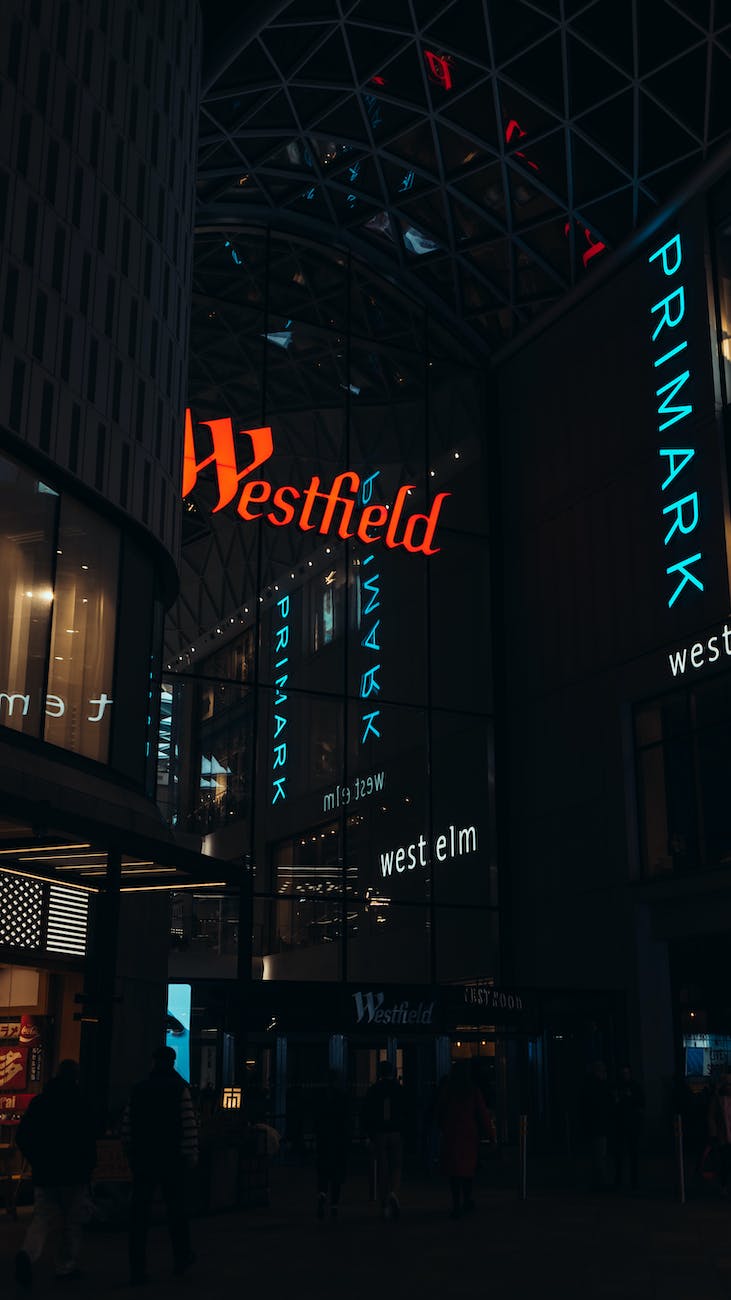
A review of the issues facing San Francisco includes a bit about the Westfield San Francisco Centre:

Photo by brokenadmiral_ on Pexels.com

Dennis Phillips had recently taken her staff to tour the Westfield San Francisco Centre. “We have to understand the possibilities of that building,” she explained. The mall loomed so large as a harbinger of San Francisco’s struggles that I decided to see the damage myself. When I was growing up in San Francisco, at the turn of the millennium, the opening of the Westfield mall had seemed like the capstone of the city’s rise. Now I expected a ruin – the remnant of a once triumphal age.

As I approached, I found the stretch of downtown around the mall lively and crowded. People in the local office garb of slacks and zip vests brushed past, thumbing their smartphones. In front of the Dawn Club, a storied jazz bar that Sheehy reopened this year, men in suits were playing a game that they called Doomloopin Bowling on a strip of AstroTurf. Inside the mall, which as of now has no closure date, I saw customers flowing from Bloomingdale’s. To my left, a Michael Kors salesperson chatted with a couple as, on my right, young men studied fancy watches in an I.W.C. Schaffhausen. The food court was noisy, and there were no free tables at Panda Express. The grimmest space was on the top floor: a Cinemark whose lease is up in the fall had gone dark early. “They’re closed,” a bored looking guard announced to no one.

In public declarations, Westfield – like Gump’s – laid the blame for its lack of business on the condition of San Francisco’s downtown. But in the past forty years the number of malls in the United States has declined by nearly three-quarters, and a tour of downtown San Francisco today, its streets packed, its bars busy, can seem an odd me-or-your-lying eyes experience.

The closing of retail shops in San Francisco was easy to see culminating in this mall when the mall operator recently handed back the property to the lender. A once thriving mall suffered from vacant properties. Its location was once a very busy part of the downtown between regular floods of downtown workers, residents, and tourists. I have been to this mall at least a few times and it was generally a lively spot where a cosmopolitan canopy might be possible.

But, as noted above, shopping malls everywhere are facing difficulties. Brick and mortar locations are suffering, even in the most vaunted locations. The outlook for shopping malls is bleak as many will not be needed in the future landscape. Numerous malls are trying to transition by adding housing and/or other entertainment options.

Like many places, urban or suburban, what the mall becomes might be more important than whether the mall survives. What becomes of potentially valuable land near an urban core that once generated property and sales tax revenue? What use could be good for residents and the city long-term? This may be harder to envision in urban downtowns where a lot of property might soon be available for new uses.

More warehouses coming to the Chicago region

Chicagoland will be adding a lot more warehouse space in the near term:

Photo by Maor Attias on Pexels.com

Molto plans to break ground this month on a 1.1-million-square-foot distribution facility, the first phase of its 110-acre Minooka Ridge Business Park in Minooka, a village near I-80 and southwest of Joliet. The company is also developing Weber55 Logistics Park, a two-building complex on 60 acres at the northeast corner of Weber and Taylor roads in Romeoville, another Joliet suburb. That site will include distribution facilities of 627,840 square feet and 270,000 square feet…

Other developers are just as active. At the end of March, 44 buildings of more than 200,000 square feet, a record-breaking 23.7 million square feet in total, were underway across the Chicago metropolitan area, according to Colliers International.

And tenants are plentiful. In the second quarter alone, Amazon leased a 1-million-square-foot warehouse in Joliet, and another in Kenosha, while other companies, including NFI, SC Johnson and RJW Logistics, signed deals for more than 500,000 square feet.

The amount of big-box industrial space that is vacant in the Chicago area tanked during the first quarter of 2022 because so much space was leased or occupied. The industrial vacancy rate fell ”by more than a full percentage point to 2.61%, a record low by a wide margin,” Colliers reported.

As shopping malls and downtown brick and mortar sales struggle, warehouse space is booming. This helps service online shopping as well as big box stores.

Elsewhere in the article, the increase in warehouse space is tied to jobs and possibly cheaper prices for consumers. But, adding such space may not always work out so well in comparison to how else land could be used. And the locations cited in the article suggest Will County is a warehouse center as are other locations more on the edges of the Chicago region.