When music accompanists do not get to see what they are accompanying

I have played piano in a number of situations – for church services, weddings, funerals, musicals, choirs, marching band shows, and instrumental soloists – where I do not get to see what the audience sees. This can happen because I am focused on my own playing and there is not much time to look. I need to make sure the music sounds good, my fingers are where they should be, and the pages are flipped when needed. But it also regularly happens because of where the piano is located; where the instrument is situated makes it difficult or impossible to see the action. Whole musicals have occurred where I can hear the lines, singing, and movement but I am facing another direction to watch the director who is facing the action on the stage.

Photo by Pixabay on Pexels.com

This is an interesting position to be in: to be part of the event or performance without seeing all of it. The audience takes it all in. For them the music and all that happens in front of them are all one thing. To the participants, they each have a role to play. The musical accompaniment is not the main focus. It “supports or complements.

This is analogous to numerous situations in life. There are times when each of us are main actors in what is going on around us. We can make choices that have immediate consequences and drive the story forward. But this does not happen all the time. Often we are playing a part in an organization or a group or a situation. Our participation matters – the situation is different depending who is or is not present, who is doing something and who is not – but does not depend on us.

In the musical situations when providing accompaniment I described above, does this mean I have missed these events? I may not have seen the bride walk in or the formation the band makes on the field or observed the way people leave a funeral service. I do not know everything that happened in the front. But I was there and playing a part that contributed to the whole.

“A board-game sociopath” and social interactions

Perhaps you have played games with someone like this:

Photo by DS stories on Pexels.com

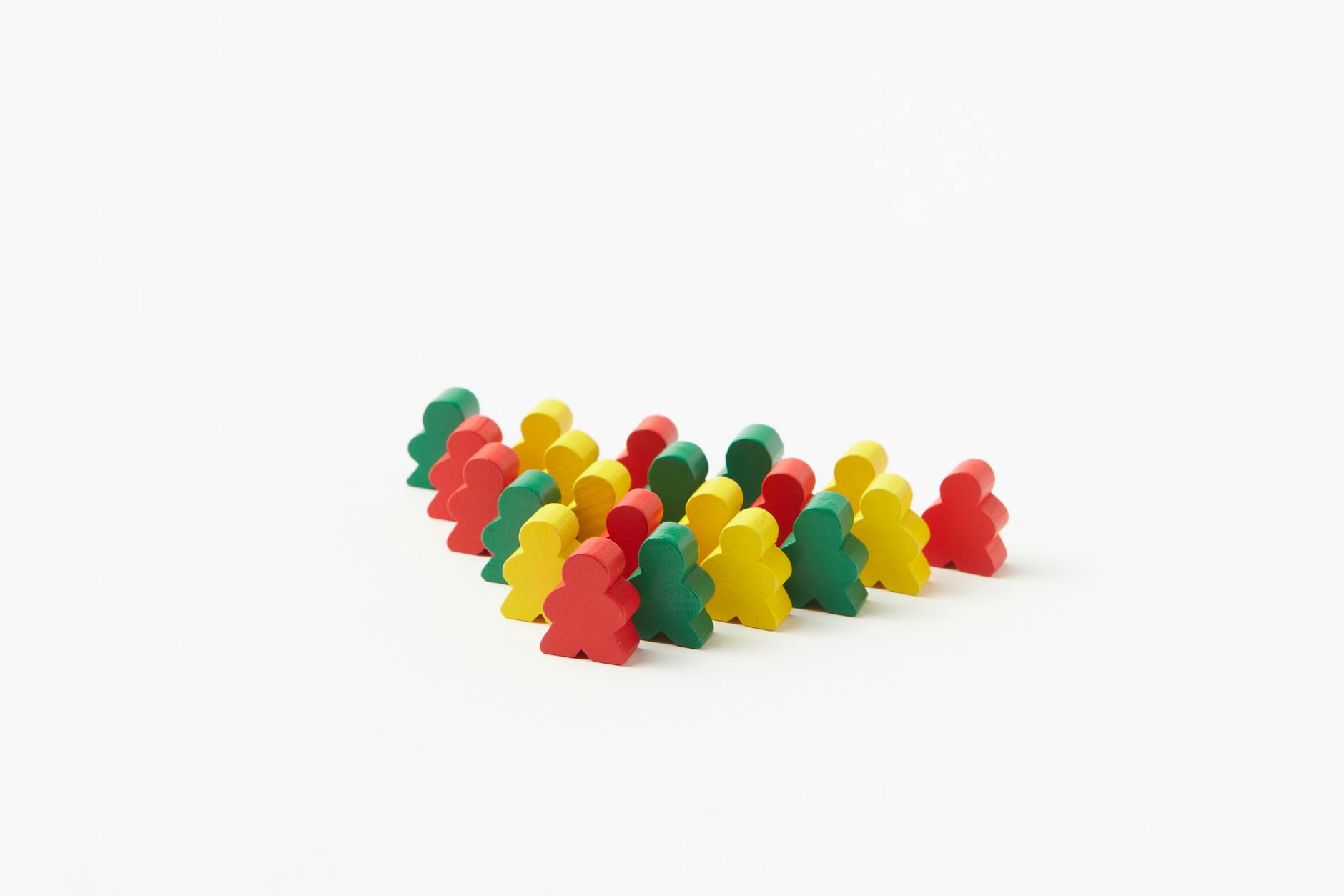
Within the confines of the rules, there’s not much I won’t stoop to, and not only in games where lying is the point, as it is in Werewolf. If we are playing Settlers of Catan, where players trade resources and build settlements, I will manipulate you to try to get the best possible deal, and I will downplay how well I’m doing so I seem unthreatening until I swoop in and win in one massive turn. If we’re playing some kind of war game, say, Risk or Root, I will lock in on the person most likely to keep me from winning and work to convince everyone they’re a bigger threat than I am. I don’t always lie—that would be too predictable. A mix of heartfelt honesty and bald-faced lies keeps my opponents on their toes. All for the glory of winning at moving little plastic pieces around a cardboard surface.

This gets at the competitive nature of games: there are winners and losers. Some games might have reputations for pitting people against each other – ask people about family histories of playing Monopoly or Risk – and others might be gentler. Even cooperative games have collective winners.

Games are also social:

Of course, how you behave in a game can still affect how people see you outside of it. If you’re a poor sport, or if you go too far with the playful deceptions and actually start bending the rules, that could degrade your real-life relationships. But people can usually tell what’s all in good fun. Even if you’re backstabbing, deceiving, and betraying one another, “our brains are very smart,” Kowert said. “We know what’s real and what’s not.” For instance, in a game, “I’ll throw my husband under the bus so quick,” she said. “And I wouldn’t do that in real life.”

Both Tilton and Kowert emphasized that the main thing games teach their players is social skills. Tilton has used Werewolf in the classroom to teach small-group communication. Because the fantasy scenarios of games don’t really translate to real life, what’s most likely to carry over is the practice you get at reading people and communicating with them.

Throughout games, players interact. Sometimes those interactions are directly about the game, with some games encouraging more of this than others, and other times the interactions are about other aspects of life. Gaming groups can involve long-time friends and also help new people meet each other.

If some people are board game sociopaths, how many others are glue people that help the group stick together? Or people who help other players along? Or players who care less about the outcome and enjoy the process? Could a group of people only devoted to winning continue over time?

In the bigger picture, games and leisure activities offer humans opportunities to build relationships and practice interactions that take place in other settings. Can you handle winning and losing a board game? Can players develop skills in negotiating? Can they learn how to have small talk? Yes, they are “just games” and the consequences of winning and losing are usually small but they can be learning opportunities for other areas of life.

How much social information can we handle?

Humans are social. People need connections to others. This is how they learn, grow, and accomplish things both as individuals and groups. We understand ourselves in part by knowing about people and the world around us. Is there a limit to how much social activity and information people can take in and still live a good life?

Photo by Negative Space on Pexels.com

Much of the debate over social media seems to focus on either the content of the information or the time spent with it that could be better used elsewhere. Both are concerns but they only hint at this question: can we handle all the information and social interactions?

For much of human history, people lived in relatively small communities. They lived in close proximity to family, often extended family and people of similar people groups. Traditions were important and technological progress was slower. There are examples in history of large urban centers but these are rare; small villages and towns were the more common social space.

The modern era and all that came with it – rationalism, industrialism, growing populations, urbanization, liberal democracies, pushing back against tradition, new technologies – expanded the number of social connections people could have. Big cities – 1 million-plus people – became common. People had more mobility. Access to other people and information expanded rapidly.

The Internet and social media is layered on top of these processes already underway and ongoing. Through these technologies, humans can connect with many more people and can access much more information. Something happens far away and we can know about it in minutes or seconds. Rather than relying on proximity for many of our social connections, we can interact with people and groups all over the place.

Perhaps humans can figure out how to deal with this all. How many would say they would want to go back to times where people primarily relied on people around them for relationships and information? People might figure out ways to shift their focus to all the options in front of them or better compartmentalize the big picture options and the world immediately around them. Or maybe not. We have options now that most humans never had – we can find out a lot and we can interact with or find out about almost anyone we would like – and we will see how we come to grips with them.

The social process of determining the “worst” music

How do we know if music is any good or not? We look to the opinions of others. See the recent online discussion of whether the 2009 song “Home” by Edward Sharpe and the Magnetic Zeros is the worst of all time.

Photo by VAZHNIK on Pexels.com

Check out the song for yourself.

Perhaps an online crowd can convince people that this song is no good. But there are other social ways of addressing this question. For example, Wikipedia has a page titled “List of music considered the worst.” I have sampled across the albums and songs and there is a wide range of music that could be considered the “worst.” Or a group of friends could debate this among themselves as they play and remember different pieces of music.

This reminds me of a 2006 study in Science titled “Experimental Study of Inequality and Unpredictability in an Artificial Cultural Market.” Put people in listening rooms with a list of songs and their opinion of those songs partly depends on what others in the room think.

How do we know if music (or books or TV shows or art or the product of any culture industry) is any good? We decide this collectively through interactions and over time. What we consider the “worst” music could differ but we have opportunities to be shaped by the opinions of others – including large-scale actors – and to shape the opinions of people around us.

Society enables people through the human need for sociability, part four

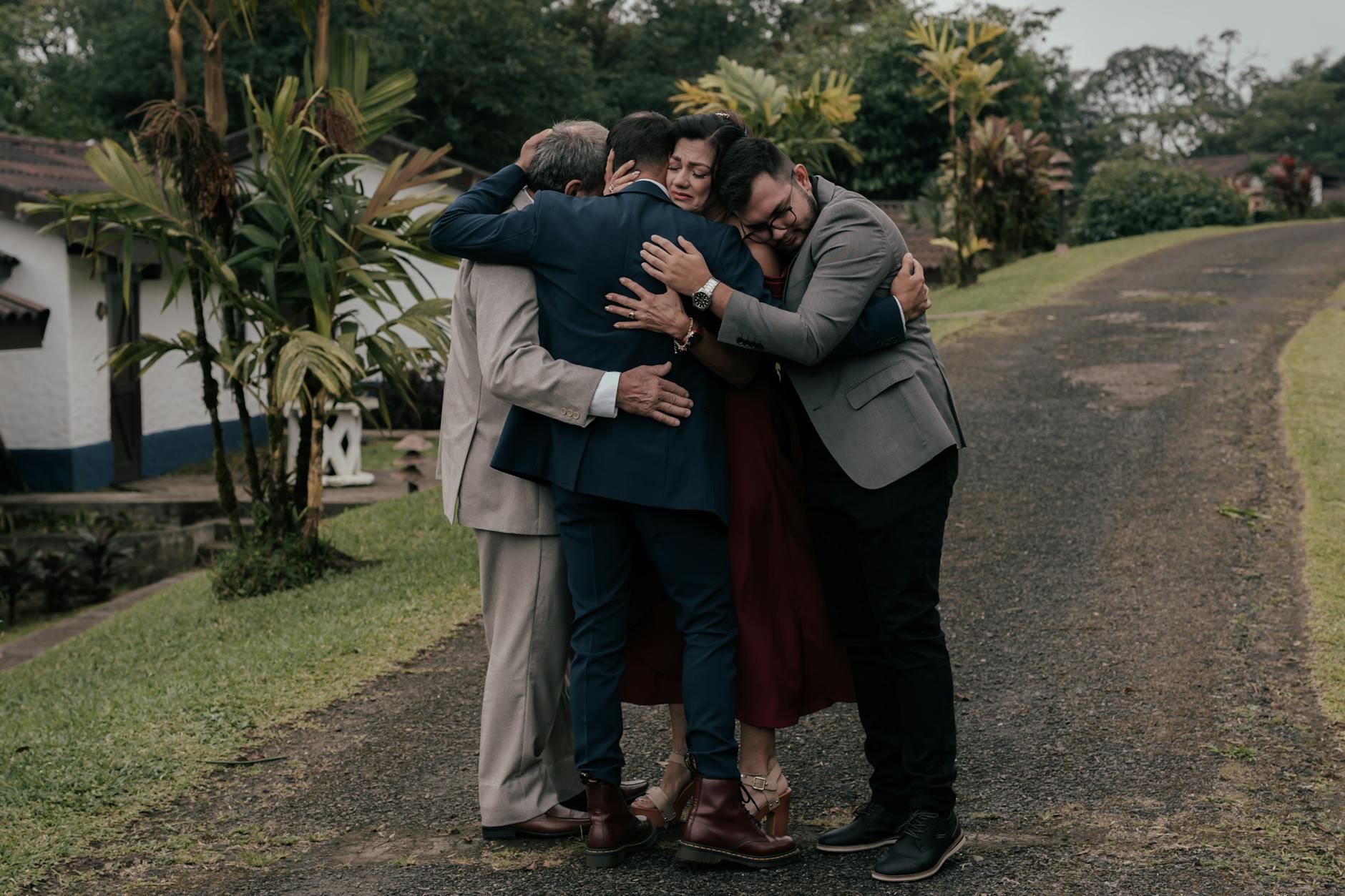
Humans are social beings. They need connections, interactions, and care. They require this early on as babies as newborns can do nothing for themselves. However, the need does not go away as people age; human sociability is essential to being corporately and individually human. Societies provide spaces and resources to be social.

Photo by George Chambers on Pexels.com

Surrounded in today’s ethos of individualism, we often like the idea that we can pick and choose relationships. We can go low contact or no contact with people who might have some claim to interact with us. We choose our friends. We pick our level of engagement in-person and online. We join the groups or organizations we want to join as long as they serve us.

All this choice might represent hard-fought wins of making our own choices free of what we perceive as constraints. But it can also provide the illusion that we do not need other people.

One research project has evidence regarding this issue. The long-running Harvard Grant Study found this regarding the importance of relationships over the long course of life:

“When the study began, nobody cared about empathy or attachment. But the key to healthy aging is relationships, relationships, relationships,” Vaillant says. Close relationships, the data indicates, are what keep people happy throughout their lives. The study found strong relationships to be far and away the strongest predictor of life satisfaction, and better predictors of long and happy lives than social class, wealth, fame, IQ, or even genes. That finding proved true across the board among both the Harvard men and the inner-city participants.

And strong relationships are not only correlated with happiness, but with physical health, longevity, and financial success, too.

“The really surprising finding is that our relationships and how happy we are in our relationships has a powerful influence on our health,” says Robert Waldinger, a professor of psychiatry at Harvard Medical School who is the current director of the study. “The people who were the most satisfied in their relationships at age 50 were the healthiest at age 80. Strong relationships help to delay mental and physical decline. Taking care of your body is important, but tending to your relationships is a form of self-care too. That, I think, is the revelation.”

This revelation can be seen in both positive and negative terms. Meaning that while strong community seems to protect us from the literal coughs and colds of everyday life, a lack of community is also deadly. “Loneliness kills,” Waldinger says. “It’s as powerful as smoking or alcoholism.”

Humans do better when they are not alone. They benefit from strong relationships and connections with others. This does not mean there will not be conflict or hurt in these relationships. Yet the long-term effects can be positive as sociability helps individuals and groups.

Human beings are not the only species that are social. At the same time, the social component of human life helps boost what humans can do. Societies are built on these relationships and interactions, also providing resources and norms regarding how this sociability happens. To interact with, relate with, and care for others is critical to the human experience and what humans can accomplish together.

These city sidewalks were not made for talking

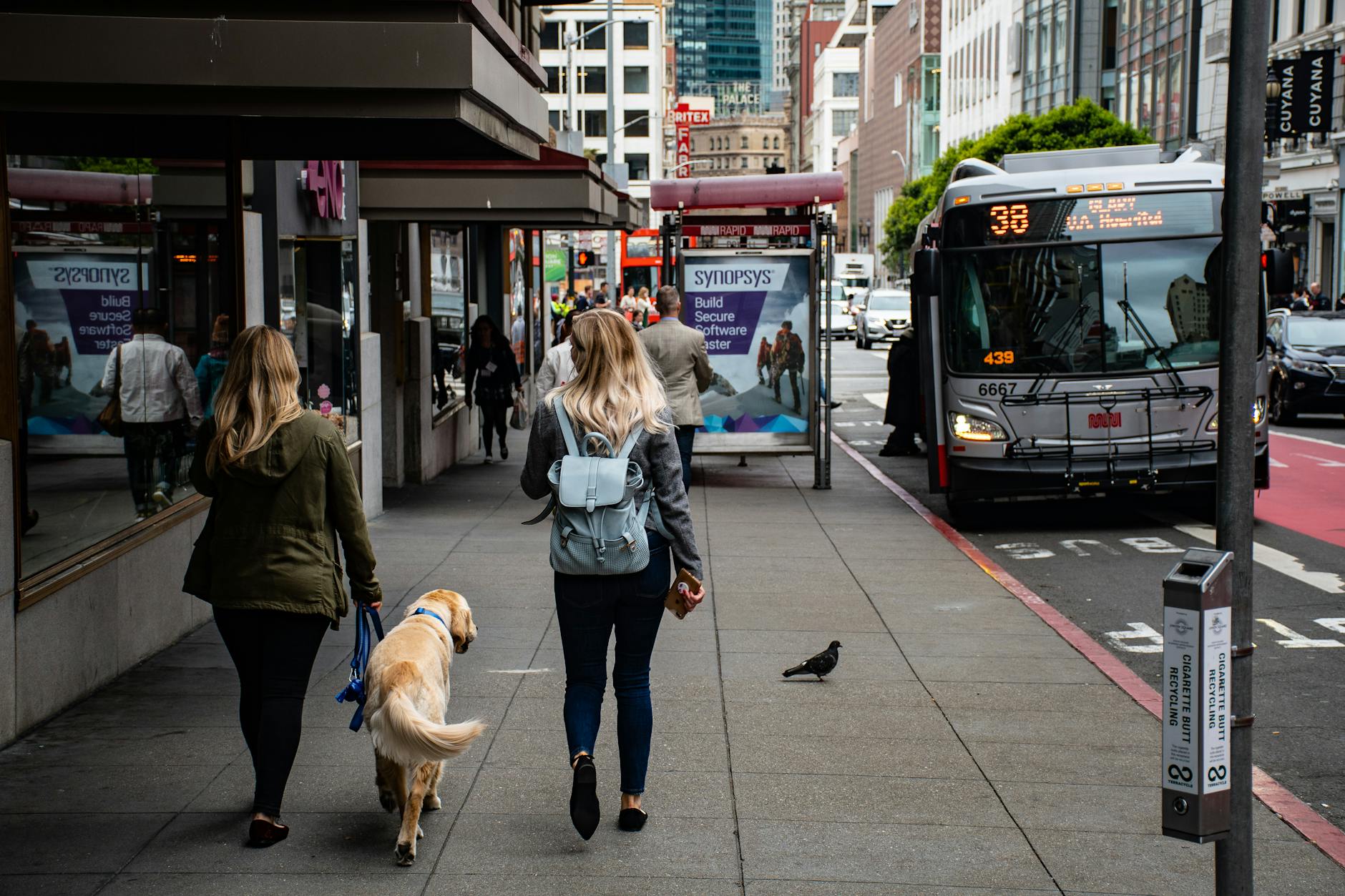
A new study suggests Americans are interacting less with others on city streets:

Photo by Brett Sayles on Pexels.com

Are city streets places for pedestrians to hang out, or are they routes to be traversed as quickly as possible?

Americans are increasingly treating them as the latter rather than the former.

That is the striking implication of a recent interdisciplinary study published by the National Bureau of Economic Research. Applying modern artificial intelligence techniques to old video footage, the researchers compared pedestrian activity in 1980 and 2010 across prominent locations in Boston, New York City and Philadelphia. Their unsettling conclusion: American ambulators walked faster and schmoozed less than they used to. They seemed to be having fewer of the informal encounters that undergird civil society and strengthen urban economies…

Salazar-Miranda said that video analysis alone cannot explain why pedestrian behavior changed, but she sees several possible factors. Since average incomes rose among those who lived and worked near all four locations, individuals’ higher value of time could deter them from engaging in leisure activities like casual conversation or strolls that now carry a higher opportunity cost. City dwellers might be having fewer social interactions of all kinds, a phenomenon that has been linked to rising rates of loneliness. And some of the pedestrians observed in 2010 could have been socializing remotely: By then, 80% of US adults had cellphones. Mobile devices may be inducing people to hang out online instead of in person. Salazar-Miranda suggested those who do get together might opt for climate-controlled, pay-to-enter “third spaces” like coffeeshops that she said have become more widely available.

I have heard some similar research presented before and I like the methods of comparing videos of city streets decades ago to observations today. Changes over time are important to consider as cities and societies change.

At the same time, I wonder about how to think about fewer interactions on city sidewalks to societal changes overall. If broad arguments in Bowling Alone and similar work are correct that Americans are engaging civically less over time, would we expect to see fewer interactions on city sidewalks and in suburban parks and rural communities? If phones are everywhere, are they affecting people in different places in different ways? Showing that city sidewalks were once one thing and are now something else is important but what if social interaction between strangers or in public has dried up in all places? Is this evidence similar or different to conversations about kids of the 1970s playing outside all the time and big changes since then?

What would happen if all social media was gone in a day?

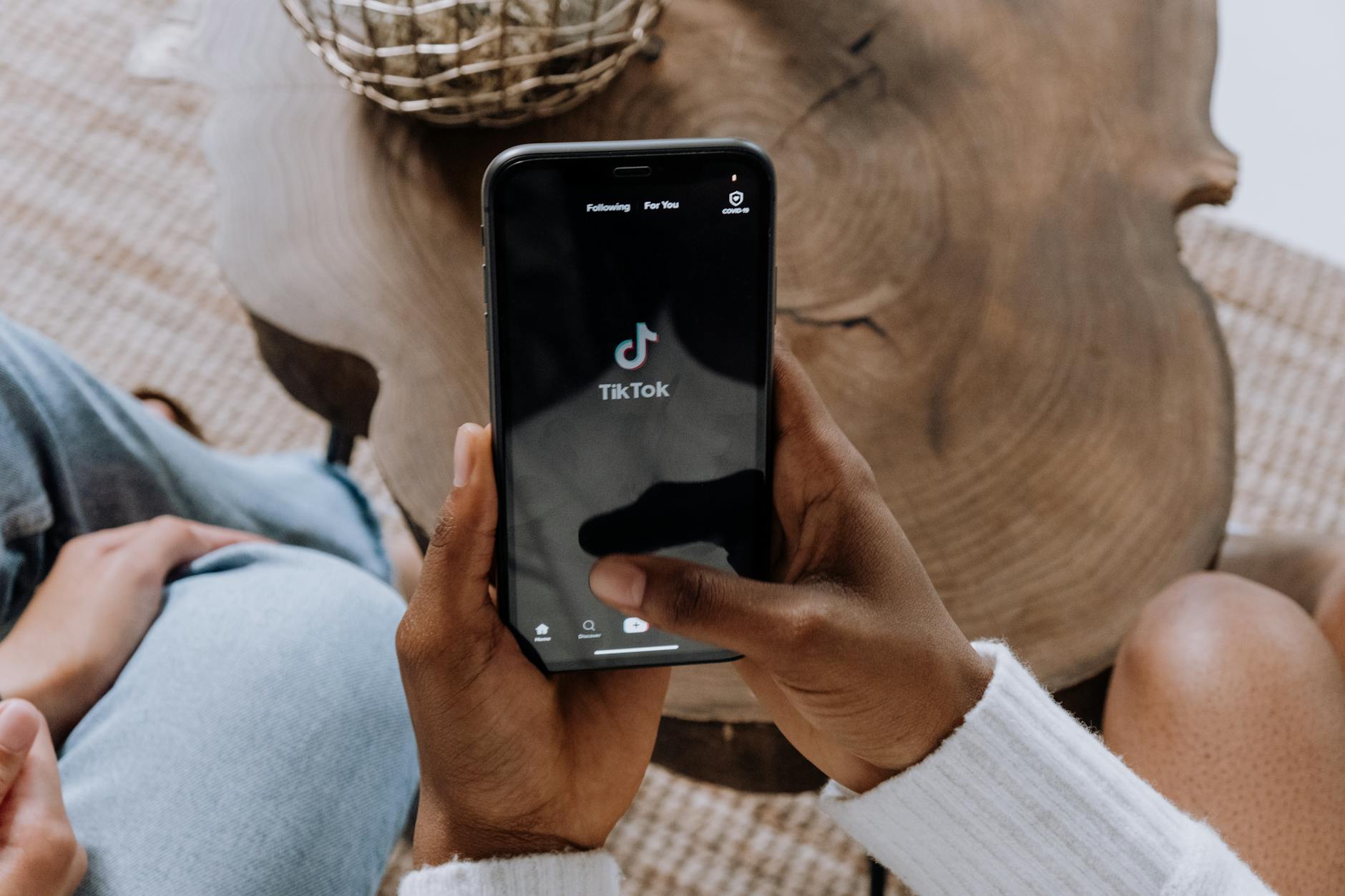
The temporary loss of TikTok in the United States a few days ago was a sort of natural experiment and it did make me wonder: what if social media was gone tomorrow?

Photo by cottonbro studio on Pexels.com

Numerous areas of life would be affected. Here are just a few:

  1. People and companies making money. Whether through ads or selling things or streaming, money flows through social media.
  2. How people use their time. What would people do instead? Watch more TV (this was a primary activity before social media existed)? Talk to the people around them? Go outside?
  3. Where people get information, whether about people they know or the news or the standard information people today are supposed to know (ranging from viral videos to celebrity updates to conflict on the other side of the world).
  4. Connections to people. The easy access to people through posts and profiles and social media interactions would be gone. Could the connections happen through other mediums?
  5. A whole set of rituals, norms, and discussions would be lost. They could not be accessed or scrolled through. All that time managing images and interactions goes away.

Even with all these changes (which would take some time to get used to), this question might be most important: would life be better?

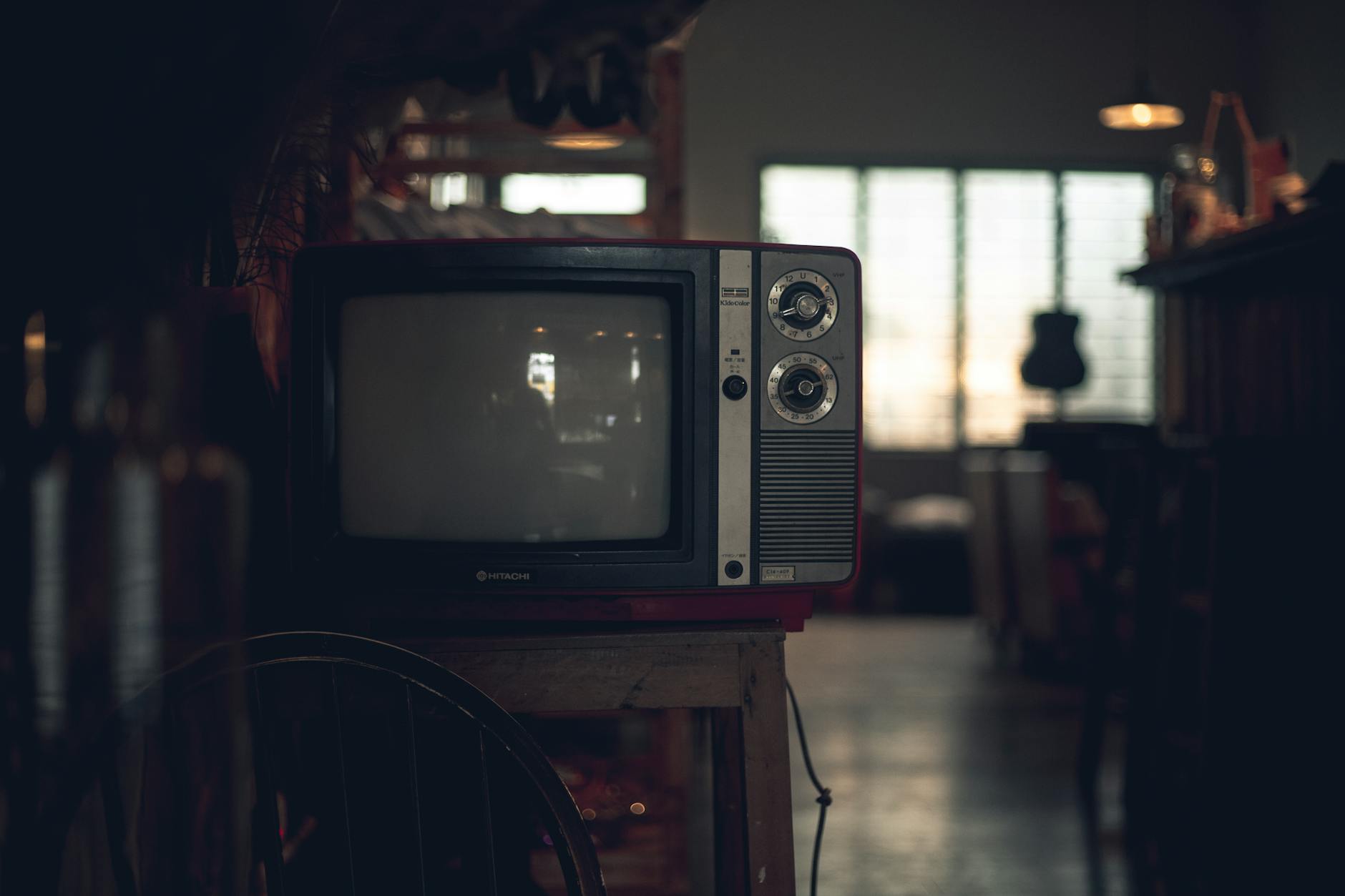
The suburbs and television helped decrease American social engagement

By the 1970s, Americans engaged less with others compared to previous decades:

Photo by Huu1ef3nh u0110u1ea1t on Pexels.com

But in the 1970s, the U.S. entered an era of withdrawal, as the political scientist Robert D. Putnam famously documented in his 2000 book, Bowling Alone. Some institutions of togetherness, such as marriage, eroded slowly. Others fell away swiftly. From 1985 to 1994, active involvement in community organizations fell by nearly half. The decline was astonishingly broad, affecting just about every social activity and every demographic group that Putnam tracked.

What happened in the 1970s? Klinenberg, the sociologist, notes a shift in political priorities: The government dramatically slowed its construction of public spaces. “Places that used to anchor community life, like libraries and school gyms and union halls, have become less accessible or shuttered altogether,” he told me. Putnam points, among other things, to new moral values, such as the embrace of unbridled individualism. But he found that two of the most important factors were by then ubiquitous technologies: the automobile and the television set.

Starting in the second half of the century, Americans used their cars to move farther and farther away from one another, enabling the growth of the suburbs and, with it, a retreat into private backyard patios, private pools, a more private life. Once Americans got out of the car, they planted themselves in front of the television. From 1965 to 1995, the typical adult gained six hours a week in leisure time. They could have devoted that time—300 hours a year!—to community service, or pickup basketball, or reading, or knitting, or all four. Instead, they funneled almost all of this extra time into watching more TV.

Television transformed Americans’ interior decorating, our relationships, and our communities. In 1970, just 6 percent of sixth graders had a TV set in their bedroom; in 1999, that proportion had grown to 77 percent. Time diaries in the 1990s showed that husbands and wives spent almost four times as many hours watching TV together as they spent talking to each other in a given week. People who said TV was their “primary form of entertainment” were less likely to engage in practically every social activity that Putnam counted: volunteering, churchgoing, attending dinner parties, picnicking, giving blood, even sending greeting cards. Like a murder in Clue, the death of social connections in America had any number of suspects. But in the end, I believe the likeliest culprit is obvious. It was Mr. Farnsworth, in the living room, with the tube.

There are more details on this in Bowling Alone. This also reminds me of the famous sociology Middletown studies that found the widespread adoption of the automobile allowed people to drive off and do their own thing. For example, they could take a drive into the country on a Sunday morning rather than go to church.

This is also something Jonathan Haidt tried to get at in The Anxious Generation: take away smartphones and you have preexisting social issues in the United States where social interaction had already changed. Yes, the smartphones may affect people and interactions but they are not the only or initial culprits to changing social conditions.

So would the answer then be to limit or eliminate cars or television? I have heard this argued before. Would these changes limit individualism in significant ways or would the trends in that direction just find other outlets?

A 7-11 as a gathering place in a small town

In American communities today, what businesses offer spaces for people to shop and interact with other people 24 hours a day? A profile of a 7-11 in Lewiston, Maine amid a shooting in the community offers one such example:

Photo by Jack Sparrow on Pexels.com

The night of the shooting, Dalia Karim locked the doors of her family’s 7-Eleven for the first time in 17 years. “We never close,” she told me. As owners of one of the few businesses in Lewiston, Maine, that remains open 24 hours a day, seven days a week, the Karims built a livelihood and a reputation by serving customers from all walks of life at all hours. Since 2007, save for a brief afternoon to complete floor repairs, Karim’s store has provided what she calls the “everyday purchases” of life: milk, cereal, soda, donuts, cigarettes, chips, beer. Nearly half of the purchases at her registers are made by EBT cards, she said, and many of her patrons lack the resources to drive to or shop at conventional grocery stores and arrive on foot. To them, the Karims’ 7-Eleven is often a singular source of sustenance…

It was the quietest Friday night Buck and April had ever worked. “The place was like a ghost town,” April said. Though the shooter still hadn’t been found, they both figured that by then, he’d either fled town or taken his own life. At one point, Buck saw police officers tackle a man on a motorcycle driving down Main Street—but it was the wrong guy…

Instead, her mourning took place behind the counter. One night, a woman came in and showed Dalia her wedding ring. “My fiancé is dead,” she said. Karim left the register to give her a hug. Another night, a man came into the store in search of a print copy of that day’s Lewiston Sun Journal. He wanted the paper to memorialize the loss of his brother. As he left, the back of his sweatshirt offered his brother’s name and the dates of his birth and recent death…

When the lunch rush came, Dalia attended to the register. The typical chitchat—about the Celtics, about the weather—came and went. Several customers wore blue Lewiston Strong T-shirts, but no one said anything in particular about the anniversary itself. Then a woman bought a copy of Uncle Henry’s sell-and-swap magazine. Beneath the magazine stood a small stack of print copies of that day’s Lewiston Sun Journal, devoted to stories about the anniversary of the shooting. One story was about a group of cornhole players who’d once played at Schemengees but had since found a new place to gather. Another story was about the resilient children who, despite the memory of the shooting, continued to bowl at Just-in-Time Recreation Center. A final story detailed the efforts of several organizations to come up with a design for a public memorial. When the lunch rush was over, Dalia took a moment to scan the front page of the paper. “I keep thinking: Maybe he will come back?” she said, straightening the papers. “But then I tell myself: It’s OK. It’s OK. He’s gone now.” She looked across the aisles. Soon, night would fall, and the crowds would arrive for the busiest night of the week. But for now, in the convenience store that had given her family a life in this city, and a future in this country, Dalia Karim had a few quiet hours to herself.

I assume there are sociological studies of such spaces. I would be interested to know:

  1. How do the stories, meanings, and relationships generated at 7-11 compare to the same generated in more “official” locations like City Hall or schools? Or to other social spaces/businesses in Lewiston?
  2. How does the 7-11 factor in the social networks of the community? Do people see it as a node important to them or not? Who in the town wouldn’t go to the 7-11?
  3. If the 7-11 were to disappear for some reason, what could take its place (if anything)?
  4. After COVID-19, how many 24 hour a day places are no longer and what does this mean for communities and people within them?

In a society where life seems polarized and atomized, could certain businesses offer room for relationships to form and people to get what they need when they want it? 7-11 and similar stores can offer particular goods for people at all hours and can provide opportunities to share small conversations and information about the town.

Cooking a turkey, carving a turkey as individual or communal events

When many people in the United States prepare a turkey today, do they get the turkey ready to cook alone or with other people? How about when carving the turkey?

How many people gather around the turkey preparing it to go into the oven or onto the grill or into a fryer? Or is this more commonly a solo activity?

It might be different for the carving. Does this take place at the table or off in the kitchen? Does just one person get to wield the tools to carve the turkey?

Gathering for the meal is more communal. Thanksgiving is pitched as a family holiday. Does that familial interaction extend to the food preparation? Is it different for the turkey compared to other food items on the Thanksgiving table?