Save the farm from turning into McMansions by writing a song

Tennessee’s 11th state song – “I’ll Leave My Heart in Tennessee” – was inspired by a threat of McMansions in a Nashville suburb. According to the writer of the song:

Photo by adanvdo on Pexels.com

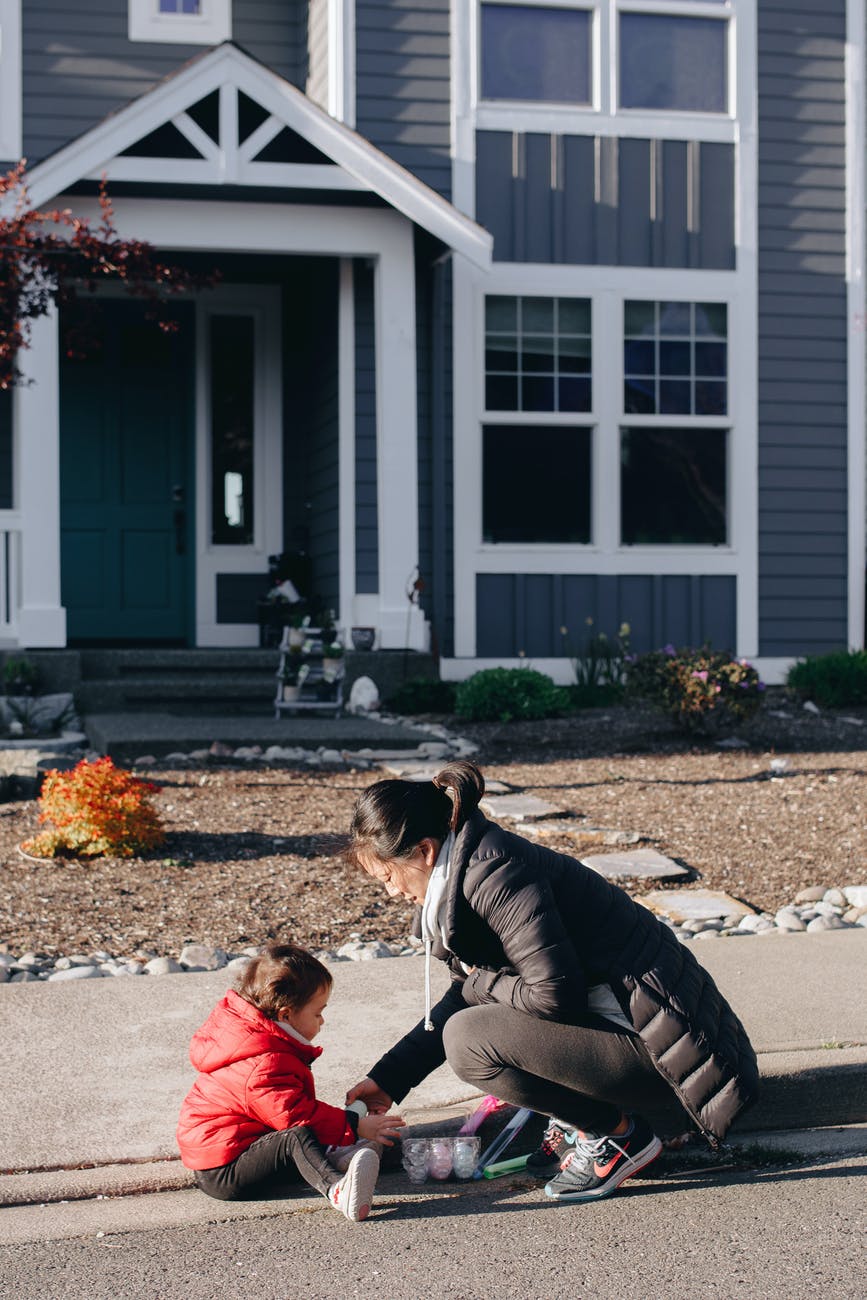
So, I sold the farm and horses and moved into the beautiful suburb of Brentwood where I was on only an acre of land. It was great but not me, as I grew up in a rural area and loved the farm. I so missed walking the land.

In 2004, when I wrote the song, the only bucolic land in Brentwood was a 250-acre farm called Green Pastures on the corner of Franklin Road and Concord, owned by the Turner family (Dollar General/etc). They boarded horses there and a friend ended up bequeathing me a gorgeous six-year -old paint mare and said he would pay for its care if I got it ready to ride for his daughter someday. It was a beautiful compromise to living in the suburb yet having a masterpiece of a farm three miles down the road. Everyone there just loved it, and it was a close group of people who boarded there. Many said it was what kept them sane going through divorces or cancer, etc. Horses really are healing creatures…. especially when you don’t have to pay for them! It was such a gift to go out there and ride on the property or just hang out there with the horses and boarders. It was a family.

Well, at one point, developers (‘damn those developers they’re cold and heartless’) got the ear of the Turners and they were going to sell it off to put up what we called McMansions…. the LAST thing Brentwood needed. It went so far as to have a huge sign with the plans and everything. The barn family was of course heartbroken. So, I said, ‘Let’s at least try and see if we can have them save at least part of the property.’ I suggested we put a digital scrapbook together with each boarder having two pages of pictures and what the place meant to them. Underneath I put the song I’ll Leave My Heart In Tennessee. We gave it to the Turners and were told they cried when they watched it. I’m not saying my idea was the only reason they decided to stop the development, but I do think it may have been the catalyst/last straw to validate what a unique place they had.

They helped SO many people PLUS just driving by and looking at the property was uplifting to anyone with eyes! It staved off the development for over 10 years. A few years ago, they decided to stop the boarding business, but the property still remains today. I don’t know what their plans are for it. I worked with a grass roots group called Save The Brentwood Green Space for a while who put up an idea for the city of Brentwood to buy the property, but the citizens took a look at the $50 million price tag and got spooked. I would assume the price NOW would be over $100 million so they lost a deal!”

Today I learned Tennessee has 11 state songs (!!).

At the same time, this could be a story from many states and metropolitan regions: the farmland once common is quickly turning into houses. Not just any houses; big houses with dubious architectural quality (i.e. McMansions). The farm will be gone and replaced with supposedly impressive yet private homes.

How often does such a scenario lead to writing a popular song? Not often. Instead, neighbors and residents might quietly seethe. They could show up at local meetings and make their displeasure known. Some might even move away to find a different plot of land still near farms or open space.

As far as I can tell in watching performances of the song on Youtube, the song decries “progress” and sprawl but does not specifically call out McMansions…
The multiple NIMBYs in the way of “electrify everything”

A new book suggests a climate change answer is “electrify everything” but the author describes some NIMBY roadblocks to this idea:

Photo by Vivint Solar on Pexels.com

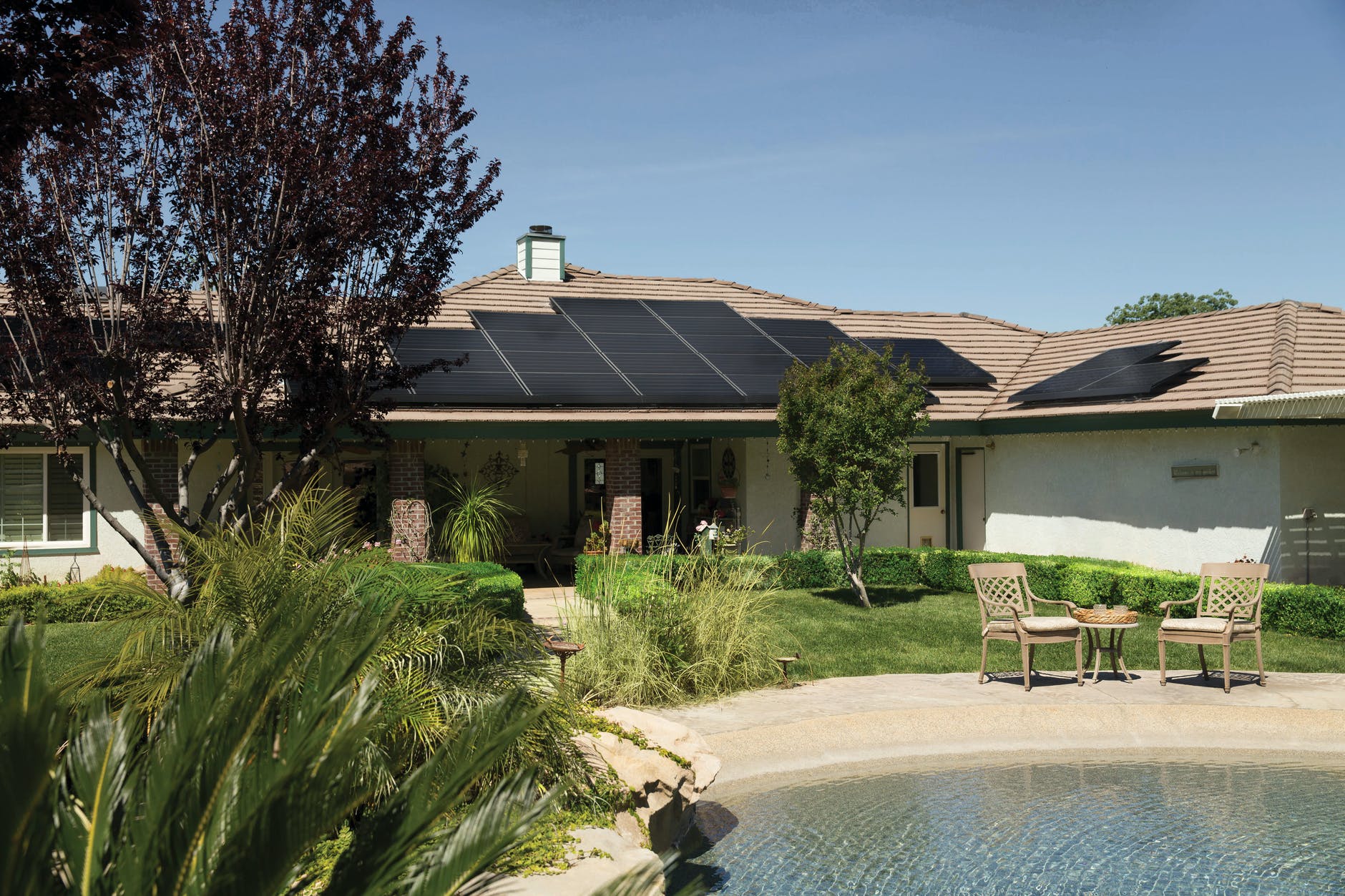
Griffith: There is no easy answer. There are different NIMBYs at play. There are “No wind turbines off my coastline!” NIMBYs. There are “No gas line running through my backyard!” NIMBYs. There are “I don’t like the look of solar cells!” NIMBYs. For those complaining about the view, I would remind them that a huge amount of land is already taken up by our energy-transmission systems. Millions of miles of dedicated coal rail lines and natural-gas pipelines are already strewn across the landscape. They only seem invisible because they’ve blended in over the past century.

Thompson: Okay, if there’s no easy answer, what’s the hard answer?

Griffith: I’m going to give you an answer that I’ve only been thinking about for a few weeks. I think the argument will be won on local economics. If you take a suburb with a thousand homes in it, those families might spend $3.5 million a year on gasoline. When those families fill their car with gas, the money immediately leaves the community and goes to Texas or Saudi Arabia. But if the cars are run on electricity that comes from their own rooftops and houses, then no money is leaving the community. You can take that $3.5 million and build new classrooms. That’s really exciting to me…

Griffith: Electricity literally is the network that connects every home. You are connected to everybody through this thing in your community. And it really might be the opportunity for community renewal that America needs. It might be the thing that binds us back together again. Because it saves us money and has a damn good chance of being bipartisan.

This does seem to be the trick: how to convince the majority of Americans that green energy benefits their daily lives. And if they actually gain money for their own households or for goods they want in their community, this would help. If individual homeowners do not want to take more responsibility for generating electricity (solar panels on the roof), it could devolve into arguing which less fortunate suburb should be home to the solar panels, wind turbines, etc.

Thinking bigger, what if green energy enables suburban life to continue, as opposed to a vision where people need to live in denser concentrations in order to use less energy? I wonder about this externality of more electric vehicles: if pollution via driving and the need for gas are reduced, can sprawl even expand?

The role of suburbs in “a nearly natureless world”

An MIT professor describes our current world as “nearly natureless”:

Photo by Armin Rimoldi on Pexels.com

Many of us invest hours each day staring at the screens of our televisions and computers and smartphones. Seldom do we go outside on a clear night, away from the lights of the city, and gaze at the dark starry sky, or take walks in the woods unaccompanied by our digital devices. Most of the minutes and hours of each day we spend in temperature-controlled structures of wood, concrete, and steel. With all of its success, our technology has greatly diminished our direct experience with nature. We live mediated lives. We have created a natureless world.

Much is made here of how recent technology like smartphones, computers, and television has cut our connection to nature. But, I wonder about the role of urbanization and, more specifically, the suburbs that supposedly connect people to nature even as they enjoy the conveniences of the modern world.

From the beginning of suburbs in the United States, part of their definition and appeal was a closer connection to nature. As cities rapidly urbanized and this coincided with a host of changes (industrialization, immigration, much higher densities, new social relationships), the suburbs offered a private home in nature (a “cottage in the woods”). Suburban homes became associated with trees, lawns, and open space.

Of course, the kind of nature found in suburbia was a particular kind. As suburbs expanded, the natural elements disappeared or became more planned. Humans leveled land, constructed roads and buildings, and whizzed by the landscape at speeds relatively unknown in nature. The nature of suburbia was suited to and used for human purposes.

Granted, humans have interacted with and shaped nature for a long time. Yet, the suburbs are relatively new in human history. Even as they promised a connection to nature, they offered a truncated version of nature with relatively little regard for the organisms and ecosystems already present. Might the suburbanites of today be closer to nature if they did not have a smartphone in one hand and a 60-inch TV in front of them? Maybe – but the natureless world of suburbia has been here for a while already.

The real New (Sub)Urbanism in the United States: a 10 minute drive from daily needs

A quote from one family who moved from Chicago to the suburbs highlights what many Americans want in a community:

Photo by Ricardo Esquivel on Pexels.com

“What I expect if I’m paying property taxes and the like is, within a 10-minute drive in my community I should be able to have access to most of what I need. Most, not everything. And that’s what we have here,” he said. “We got what we were looking for in terms of space to raise our family and more of a neighborhood feel.”

In their principles for communities, New Urbanists advocate for higher densities than present in many suburban locations, they emphasize walkability in that residents can access daily needs within a 15 minute walk, and they array residences around commercial and civic land uses. Whether in denser suburban downtowns or redeveloped mixed-use properties or “surban” locations, there is a different feel to these suburban locations. These communities do not need to be cities in terms of their population and density but they present a distinct difference from the low-density suburban sprawl found in many American locations.

In practice, the quote above highlights how some of the goals of New Urbanism are carried out in American suburbs. Americans want both private housing, typically in the form of single-family homes, and amenities within 10 minute drive. These amenities likely include schools, parks, grocery stores, and other shopping opportunities. Additionally, these homes should be in a neighborhood that offers safety and opportunities for children.

This is not what New Urbanists want. This current arrangement depends on driving and planning based around driving. A ten minute drive encourages lower densities as Americans can get roughly a few miles within that time span. Walking in service of accomplishing daily tasks is often not possible and walks become about exercise or getting out of the private house.

Nudging Americans to reorient their lives from a 10 minute drive to a 10 minute walk in suburban settings is a difficult task. While there are pockets where neighborhoods with a New Urbanist lifestyle operate, it is not the norm and driving is expected.

The ten fastest growing American communities are all suburbs, all in South or West

Growth in the United States continues to occur in suburbs in two regions of the country:

Photo by Ingo Joseph on Pexels.com

The 2020 Census listed Meridian as one of the 10 fastest-growing large cities in the country. All the cities on the list grew at rates of more than 44 percent. They are all in the South and the West. And they are all suburbs…

Meridian and the nine other cities represent a trend, according to U.S. Census Bureau officials. As the country’s biggest cities grow and become increasingly unaffordable to many, their suburbs have ballooned, taking on their own identities…

The Phoenix and Dallas-Fort Worth metro areas have had suburbs on this list every decade, he said. “Sizable amounts of empty land for construction of housing” encourages this population growth, and that land is more commonly available in the West and South. Now, people are often going farther and farther from city centers to search for empty lots, especially in cities that have been growing for the past half-century, Perry said…

Meridian and suburbs like it, Perry said, are “a reminder that there are still some pockets of rapid population growth in certain areas of the country,” despite the past 10 years being the second slowest growing decade for the U.S. population. What the Census data makes clear is that many suburbs are taking on a life of their own.

This is a continuation of several longer trends. The population growth in the United States has generally shifted to the South and West and away from the Northeast and Midwest. Certain suburban communities continue to grow rapidly, driven by expanding metropolitan areas, a quest for cheaper land, and the celebration of sprawl and single-family homes. Many big cities are still growing but they are no longer the fastest-growing places.

At the same time, these ongoing patterns might be surprising for several reasons. First, the suburbs have endured critiques for decades yet the same pattern seems to keep repeating: small towns outside hot metro areas balloon in size and population over the course of several decades. As the article notes, this can bring a lot of change that is not universally liked by the residents there before sprawl or even some of the residents who join the sprawl. The rapidly-growing suburbs are no longer places like Naperville but the descriptions of what is happening are very similar. What have Americans learned in the seven-plus decades of postwar suburban growth?

Second, are these growth patterns sustainable in areas with water and other environmental concerns? Communities in the West are reconsidering growth amid water shortages. Is the land converted to subdivisions stable and have good drainage? Does the emphasis on driving contribute to smog and the use of land that was once more open?

Third, population increases are often accompanied by a gain in status. Larger communities are better-known, have more business activity, and become destinations. Will these rapidly-growing suburbs suddenly be put on the map (also suggesting that other places decrease in status)?

Put together, will there be cheap enough open land outside attractive cities for explosive suburban growth? Or, because there will always be some suburban land somewhere cheaper than properties in the most expensive markets, think New York City, Los Angeles, and San Francisco, there might always be a market for sprawl.

Naperville: large suburb built through decades of suburban sprawl now wants to be a leader in sustainability

The Naperville City Council recently approved several plans from the report from a sustainability task force that made a number of recommendations:

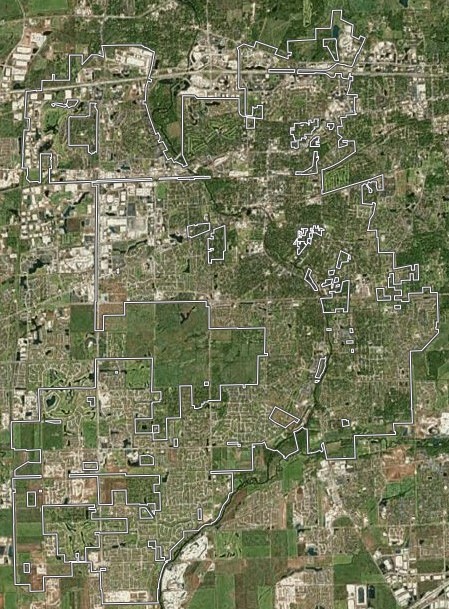
Aerial view of Naperville, Illinois

Highlights include transitioning to clean and renewable energy, incentivizing energy efficiency, developing a plan for electric vehicle infrastructure, increasing public transportation use and recycling efforts, and focusing on the maintenance of natural resources.

Other objectives include a 4% annual reduction in waste, energy use and vehicle miles driven in conjunction with an increase in tree planting to help decrease greenhouse gases by 4% each year.

One of the recent steps taken by the city was hiring Ben Mjolsness as Naperville’s first sustainability coordinator. Mjolsness on Tuesday talked about the many options and incentives residents have with energy efficiency and recycling.

Councilman Patrick Kelly said he looked forward to showcasing Naperville as a front-runner in sustainability.

Many communities will be pursuing such plans in coming years. But, the particular context of Naperville is interesting to consider for multiple reasons:

  1. It is a large and wealthy suburb. It has the resources to pursue this.
  2. Naperville likes to be a leader among suburbs and this may help further this status in coming years.
  3. Sixty years ago or even forty years ago, Naperville was much smaller in population and had a smaller footprint in land use. Today, it has nearly 150,000 people and roughly 39 square miles of land with much of this involving single-family homes.

In one sense, the growth patterns that helped make the Naperville of today possible – explosive growth in the postwar era built around homes and driving – also make pursuing sustainability more difficult. Take the reducing the miles driven goal from above. Some residents of Naperville could do this but many are in subdivisions whose roads then feed to large arterial roads. This does not work as well for biking (and the weather in the area may not help). Additionally, the sprawl makes mass transit more difficult. In the past, Naperville has tried buses in the community but they do not get much use (even as the train stations are some of the busiest with commuters going toward Chicago). The best way for Naperville to achieve this goal may be to encourage local businesses to allow employees to work from home, thus limiting commuting needs.

Not mentioned in the news article above (it could be in the report) is the density of the community. One way to improve sustainability in the long run is to have denser housing, particularly near locations where other forms of transportation other than driving are possible. This could be in and around the downtown. It could be in different nodes around the community where there are jobs or where it would be possible to pursue transit-oriented development. As a bonus, denser housing might also provide more opportunities for affordable housing. Naperville has thought about these options in the past but they are not always popular given the single-family home character of the community.

As Naperville pursues sustainability, some actions will be relatively painless given what the community can do. Other conversations about long-term changes or how to address sprawl might take much longer for a consensus to emerge.

Halting new development out West due to lack of water

Drought conditions in Utah and other Western states means communities are rethinking development:

Photo by Pixabay on Pexels.com

So this spring, Oakley, about an hour’s drive east of Salt Lake City, imposed a construction moratorium on new homes that would connect to the town’s water system. It is one of the first towns in the United States to purposely stall growth for want of water in a new era of megadroughts. But it could be a harbinger of things to come in a hotter, drier West…

Yet cheap housing is even scarcer than water in much of Utah, whose population swelled by 18 percent from 2010 to 2020, making it the fastest-growing state. Cities across the West worry that cutting off development to conserve water will only worsen an affordability crisis that stretches from Colorado to California…

Developers in a dry stretch of desert sprawl between Phoenix and Tucson must prove they have access to 100 years’ of water to get approvals to build new homes. But extensive groundwater pumping — mostly for agriculture — has left the area with little water for future development.

Many developers see a need to find new sources of water. “Water will be and should be — as it relates to our arid Southwest — the limiting factor on growth,” said Spencer Kamps, the vice president of legislative affairs for the Home Builders Association of Central Arizona. “If you can’t secure water supply, obviously development shouldn’t happen.”

Critics of sprawl have discussed this for decades: new subdivisions and development in arid areas taps already precious water supplies. It is not just about drinking water; it includes the water used for lawns, agriculture, parks, and other uses that come with expanding populations.

As the article notes, numerous communities are trying to encourage homeowners and residents to use less water. Replace lawns. Limit watering. Use greywater. Some have argued that water in the United States is too cheap, encouraging more use.

But, simply having more people and business might be the problem. If drought conditions continue, it will be worth watching how development – often assumed to be necessary for a good community – is treated.

The answer Canada may not want: lean in completely to American-style sprawl to get more housing

There is not enough developed land around Canadian cities for what Canadian buyers want:

The world’s second biggest country by landmass is effectively running out of space, and that has Canada on course for a reckoning. The dream of a detached home and a piece of land, which generations of Canadians have taken for granted, and which continues to entice new immigrants, may soon be out of reach in the places where people want to live. That could force an expansion of the idea of home to include condos and rentals, potentially transforming how the middle class does everything from raising families to saving for retirement…

In Canada, buying a home has long been seen as the surest path to middle class security. Canadians on average live in some of the biggest houses in the world, and post higher rates of homeownership than in the U.K., or France, or even the U.S. The pandemic has put an even bigger premium on backyards and extra space…

Still, developers don’t seem to be responding. Though construction started on a record number of new homes in Canada’s metro areas in March, the percentage that were single family-detached actually fell to 19% from 24% the previous year, according to government data. While this ratio improved in April, new home starts slowed that month overall…

It comes down to land. While Canada boasts a total area of about 10 million square kilometers (3.9 million square miles), roughly 40 times the area of the U.K., most Canadians are clustered in a handful of major cities not far from the U.S. border. That’s where the jobs are. And while the work-from-home era has expanded that radius for some, turning quiet farming communities and weekend-getaway spots into the hottest real estate markets in the country, the possibility of returning to the office even a few days a week has kept most workers from striking out too far afield.

The proposed solution in the article is more condos, apartments, and townhouses. These would have provide denser populations and expand the housing options. But, this is not what all Canadians want: like in the United States, the idea of a single-family home is both popular as an ideal and investment.

Here is a different answer from Canada’s southern neighbor: sprawl. More and more sprawl. The article says Canada is out of land; this is not quite true. Keep building suburban areas out from cities. Take advantage of the work from home days of COVID-19. Build on the interest of some Canadians to have their own home and land. Give in more to car culture. Go thirty, forty, fifty miles out like the biggest American cities. There will still be plenty of land in the middle of the country for farms and up north for open space.

Photo by PNW Production on Pexels.com

This may not be a welcomed answer. This all leads to more driving, more dependence on roads. It means less energy efficiency, perhaps particularly during cold winters. It might introduce the same problems that plague sprawling American metropolitan areas.

But, if Canadians do not adjust to living in smaller units in closer proximity, sprawl is one option. The emphasis on homeownership and vehicles is already there. It could be a different kind of sprawl, maybe denser than the American version or more community oriented. Perhaps some lessons could be learned from the mistakes made in the United States. At the least, it could relieve some housing pressure, provide jobs for builders and developers, and set up new subdivisions and future communities for decades to come.

Pushing to ban grass in Las Vegas

Americans like grass lawns. Las Vegas is not an environment where it is easy to grow grass. What has to give? The city of Las Vegas wants to ban ornamental grass:

Photo by Kromatos on Pexels.com

Las Vegas-area water officials have spent two decades trying to get people to replace thirsty greenery with desert plants, and now they’re asking the Nevada Legislature to outlaw roughly 40% of the turf that’s left…

They say this ornamental grass requires four times as much water as drought-tolerant landscaping like cactus and other succulents. By ripping it out, they estimate the region can reduce annual water consumption by roughly 15% and save about 14 gallons (53 liters) per person per day…

The proposal is part of a turf war waged since at least 2003, when the water authority banned developers from planting green front yards in new subdivisions. It also offers owners of older properties the region’s most generous rebate policies to tear out sod — up to $3 per square foot…

Last year was among the driest in the region’s history, when Las Vegas went a record 240 days without measurable rainfall. And the future flow of the Colorado River, which accounts for 90% of southern Nevada’s water, is in question.

There are multiple interesting components to this. Here are at least a few:

  1. I remember flying into Las Vegas a few years ago. The difference between the desert and the city and suburbs was remarkable. I do not remember too much grass outside of the very green golf courses that stood out. Even without much grass, the city in the desert is a different sight.
  2. As the article notes elsewhere, this sounds like efforts in California during their big drought. At the same time, the article also mentions how other locations like Phoenix and Salt Lake City are not interested in curbing the grass.
  3. More Americans than just people in Las Vegas might be rethinking the lawn. In addition to the need for watering, there is fertilizing, mowing, keeping out weeds and leaves, designing features, and more. Who has time and money for all of that?
  4. Las Vegas is a sprawling metro area and the single-family homes of American suburbs are often surrounded by green lawns. It is part of the package tied to kids playing and a green nature buffer around the private dwelling. Are the suburbs the same without these patches of grass?

Perhaps this becomes a model for communities, in the desert or not, across the United States.

Looking to “produce, preserve, and retrofit” American homes for the future

What will happen to American homes in the coming homes, particularly all the suburban tract homes and McMansions? One path forward is to provide resources to fix up and improve existing homes. According to plans from the White House:

Photo by Rodolfo Quiru00f3s on Pexels.com

Build, preserve, and retrofit more than two million homes and commercial buildings, modernize our nation’s schools and child care facilities, and upgrade veterans’ hospitals and federal buildings. President Biden’s plan will create good jobs building, rehabilitating, and retrofitting affordable, accessible, energy efficient, and resilient housing, commercial buildings, schools, and child care facilities all over the country, while also vastly improving our nation’s federal facilities, especially those that serve veterans.

As housing ages, issues pop up. They need maintenance. Standards change regarding efficiency, local codes, and what residents desire. The community around houses and housing can change in terms of demographics and development, affecting the reputation of the neighborhood.

This plan emphasizes retrofitting homes, among other options. Energy efficiency is one reason as features like new windows, better furnaces and air conditioners, insulation, and more can cut down on energy use and utility bills. Retrofitting can also help maintain the appeal of homes; instead of falling into disrepair or failing to keep up with the times, retrofitting can spruce up houses that have been around for a while.

Some of this has been available through various means for a while. The concept does stand in contrast to another approach Americans have taken: just build new homes in sprawling suburbs or as teardowns and leave the older homes and their issues to others. Retrofitting single-family homes could be quite a project in the long-term with the emphasis on the United States on single-family homes in the suburbs. Does every suburban home require or deserve retrofitting at some point?