Record office vacancy rate in Chicago’s Loop

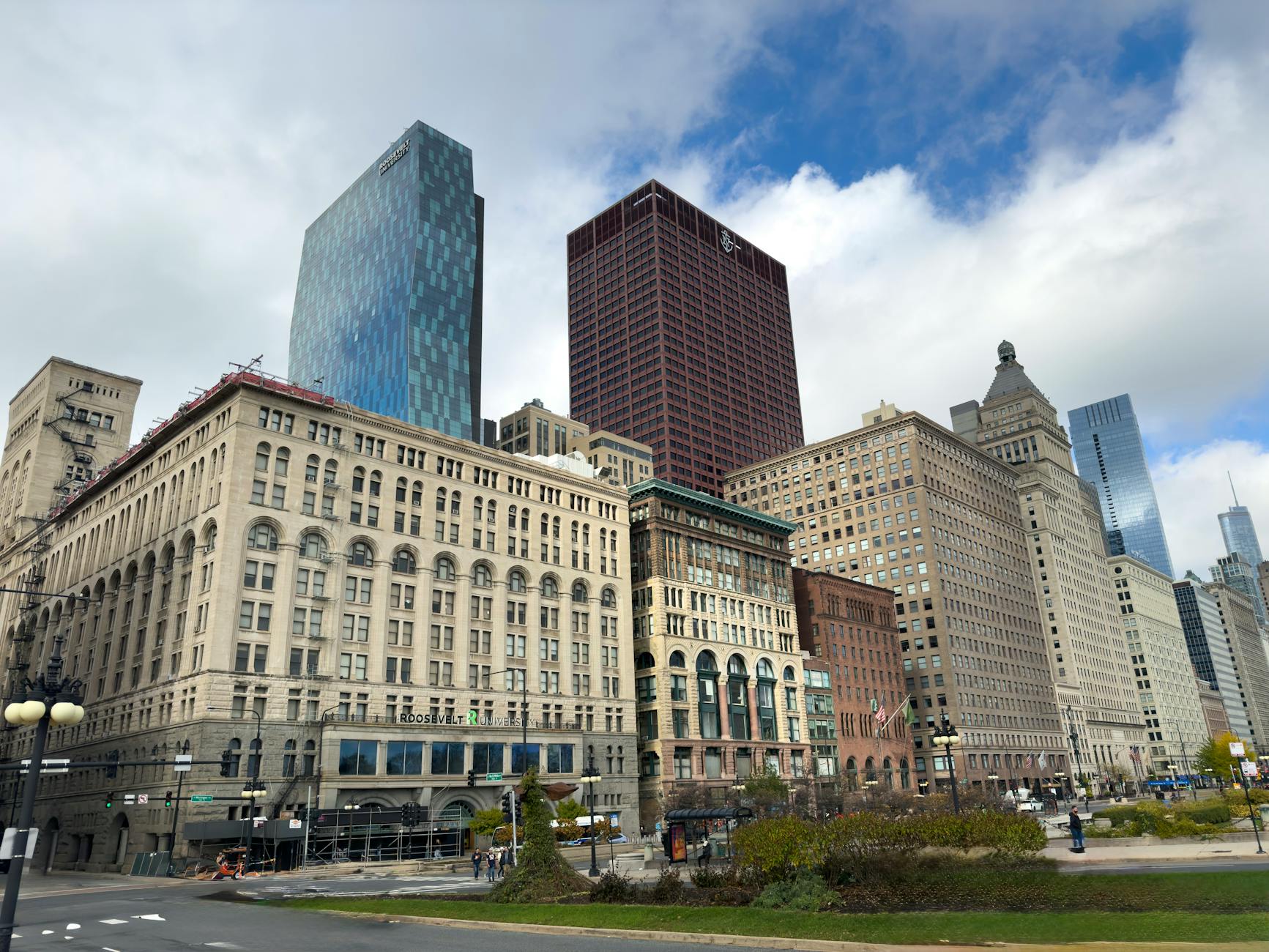
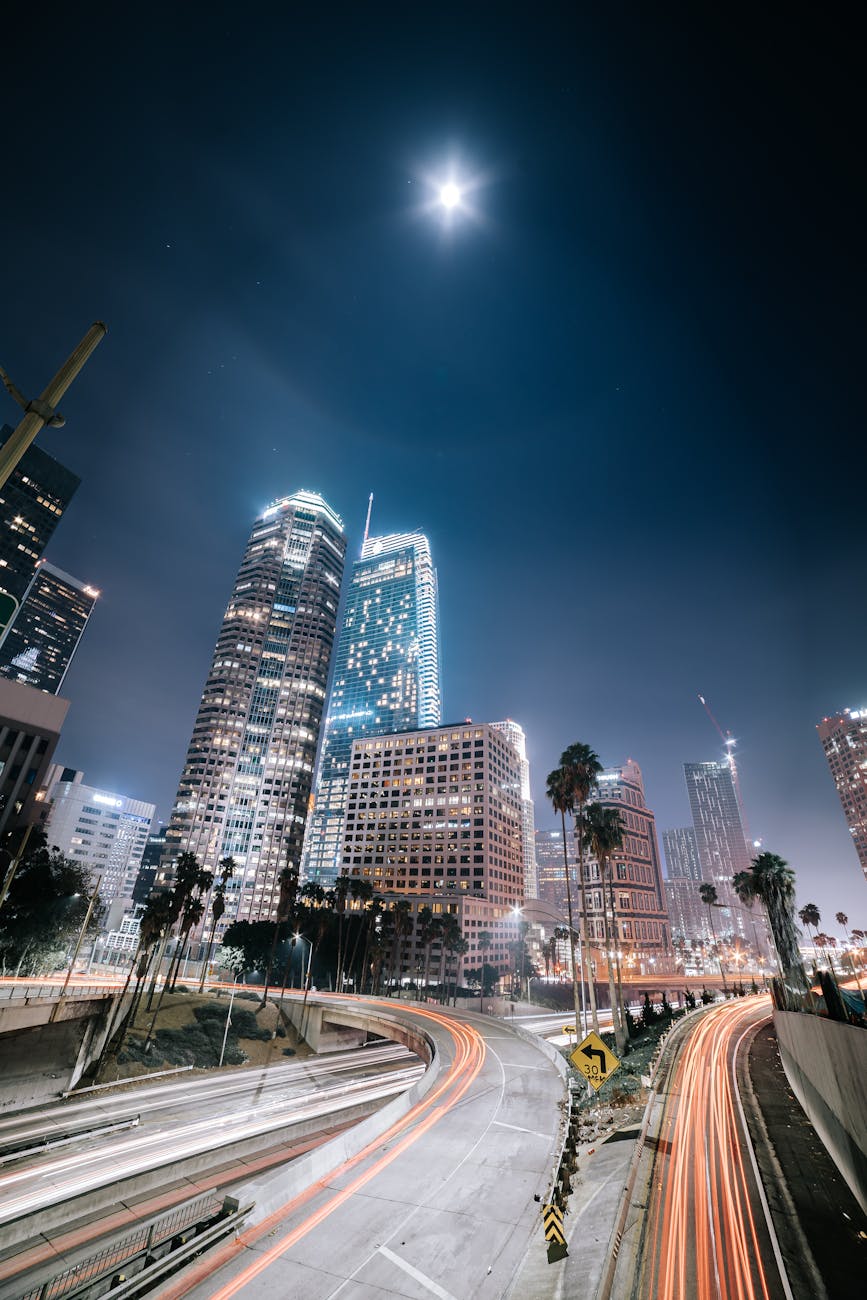
Over a quarter of the office space in Chicago’s Loop is empty:

Photo by Yusuf Mahammed on Pexels.com

The vacancy rate in the Loop was 24.7% in the second quarter of 2025 — a record high, according to research from commercial real estate firm Bradford Allen. That’s up 1.3% from the first quarter, and a 2.7% increase compared to the second quarter of 2024.

The firm said the second quarter was also one of the weakest periods for overall office demand since the beginning of 2024. Direct net absorption, a measure of space that’s been leased versus vacated over a period of time, hit negative 1.5 million square feet. That means more companies vacated than leased office space in the second quarter…

But it’s reassuring to see more foot traffic in the Loop, and he said more companies are requesting office tours for larger spaces, signaling strong interest in the Loop. He also said his firm is doing more office and retail deals downtown.

Leasing activity is starting to return after companies pulled back on signing larger leases during the pandemic. There’s a lot of larger tenants in the office market right now, and it feels promising, DeMoss said.

Each time I teach Urban Sociology, we consider the famous concentric circles map of Chicago produced by the Chicago School. At the middle of the map is the Loop, the central business district. For decades, it has been an economic center for the city. With its placement at the center, it represents the importance of economic activity in the big cities of today.

But what if the Loop became something else? The vacancy rate cited above suggests about one-quarter of the office space is empty. In a setting where there is a lot of office space overall, this adds up to a lot of space. What if this space was used differently?

This could be a shift toward more residential units in the Loop. Mixed-use development is popular in many places as it can help create a 24-hour vibrancy that can be lacking in places primarily consisting of office space used during workday hours.

But it could also mean a shift toward other land uses. More food and retail spaces? More recreational and cultural spaces? More community and municipal spaces? Less need for parking spaces?

While the record vacancy rate gets the headlines, it would be interesting to hear more about people and institutions that could help shape the future. What will the Loop be in 10 or 25 years and does this hint at shifts across many American cities?

The ongoing parking issues at American colleges and universities

New policies about class scheduling at the University of Utah have touched on an important issue for many campuses: parking.

Photo by Kelly on Pexels.com

Debates about parking, of course, have long been frequent and contentious on college campuses. Clark Kerr, who led the University of California system in the 1950s and ’60s, once described colleges as “a series of individual faculty entrepreneurs held together by a common grievance over parking.”

At Utah, an online petition that has received over 7,000 signatures says that “parking congestion is undeniably a concern that needs addressing, but the solution should not compromise educational quality or student well-being.”

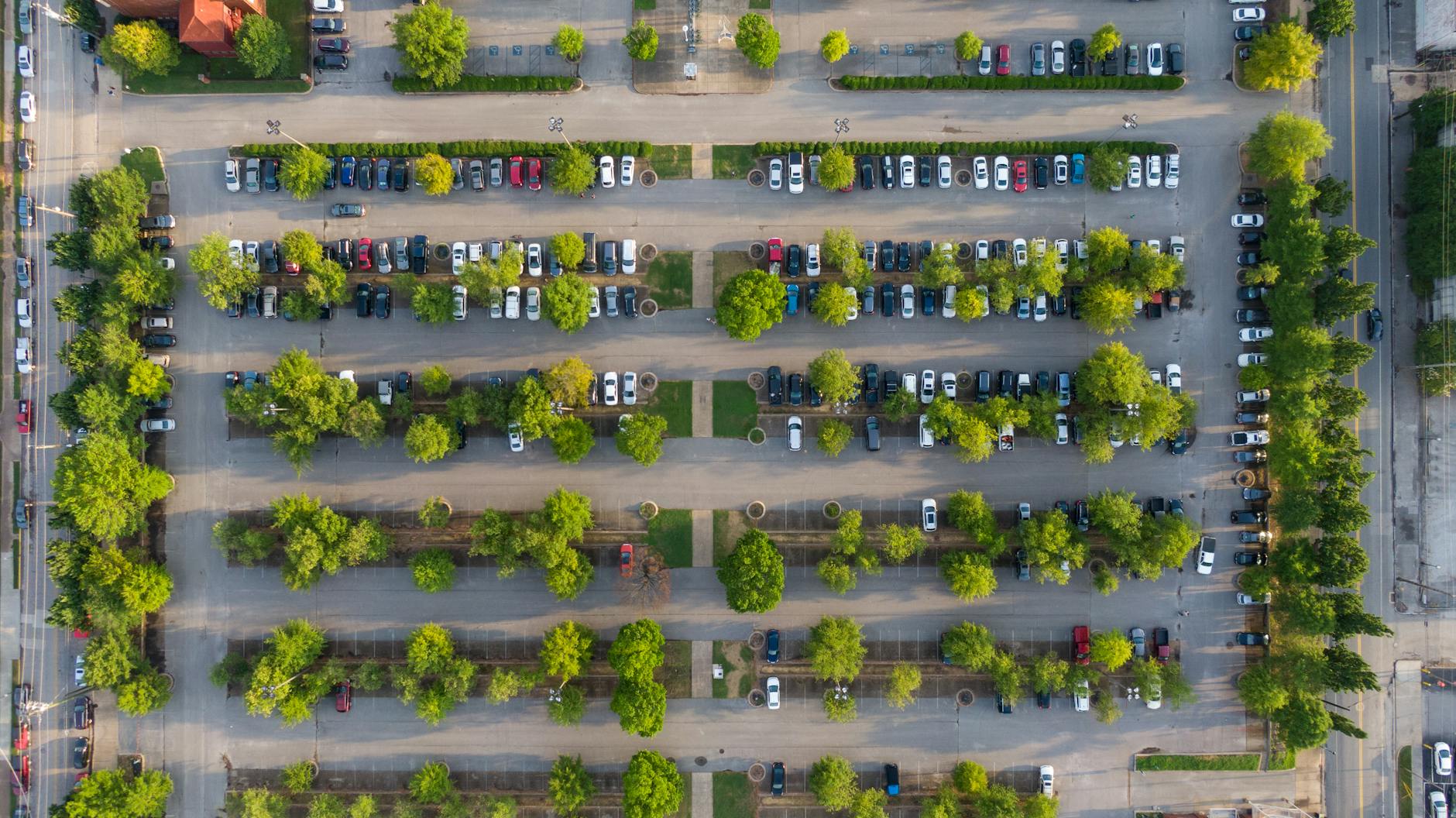
The university, which has 36,881 students and 18,300 full- and part-time employees on the main campus, had a combined 9,314 parking spots in 2024, according to commuter-services data. But the ratio of parking spots to parking permits sold is not one to one. Knowing that not all permit owners will park on campus at the same time, the university sells more permits than they have spots, which aggravates many students. For example, though the campus last year had 5,843 parking spots in “U” spaces that are farther from campus, it sold over 12,000 permits for those spaces, at a price of $345 for the year.

Still, the lots are never at full capacity, said Collin Simmons, executive director of auxiliary services. While spaces in the “A” lots, near the center of campus, are usually full every day, spots can be found on the outskirts of campus, or within a 10- to 15-minute walk to the campus’ center, he said. But these spots can also be scarce, especially between 10 a.m. and just before 2 p.m., when fewer than 10 percent of the U spots are available, leaving parking-permit owners to circle the lots across campus before they can find a spot.

Americans like to drive. So it should not be a surprise that they also like to drive to school campuses. This includes employees who commute to college campuses but also students who may live on or off-campus and want easier access to college buildings.

The description above from one university suggests this is a complex issue to address. I wonder if what every driver wants is this: a close parking spot to where they want to go with little to no cost to the driver. Why should I inconvenienced in reaching my on-campus work or activity?

To provide everyone a great parking spot every time comes with costs. How much does it cost to build and maintain parking lots and structures? A better parking spot for all might cost drivers more money. Would it be worth it? How much land on campus should be devoted to this purpose as opposed to other competing land uses? Colleges have numerous kinds of buildings and landscapes to build and maintain and space can be at a premium for many institutions.

Imagine a different kind of university: all the lower floors of the major buildings are large parking garages. Everyone can park underneath offices, classrooms, dining halls, recreational facilities. While this might get people a parking spot, does it then eliminate the streetscape? Many colleges and universities like to portray a bucolic image of ambling through green trees and lawns surrounded by traditional buildings that look like learning and knowledge.

Not discussed in the case above is whether the University of Utah has alternatives to driving. How many students can or do walk or bike to class? Is there viable mass transit available?

Considering a community’s “moral geography”

A resident of Harrisonburg, Virginia walks through the community and consider the moral implications of its design:

Photo by Natural Beauty on Pexels.com

Today, as in the century-old photo in my hand, the rail bends out of sight just beyond a wooden bridge. A brick warehouse still flanks the right side of the track, though offices now peer through its rows of windows. To my left, the changes are starker. Where the train platform once extended welcome and permitted leave-taking, the blank face of the local jail looms overhead. Razor wire and surveillance cameras stand vigil. The pride of the city at its inauguration in 1911, Union Station is now a faint memory. In its place stands a depot of another infrastructure project: our national network of prisons, jails, and detention centers…

I remember Gilmore and the jail’s residents as I walk toward Court Square, at the heart of this small city. A domed pavilion stands on the corner. The waters that flowed from a spring here made this a place of gathering and relief long before any dream of a city or courts. For generations, many Indigenous peoples, including the Monacan, have made the Shenandoah Valley a place of dwelling and struggle, provision, and exchange. Though European arrival transformed land into possession and fixed new boundary lines upon it and upon our hearts, ancient routes still guide our movement through this valley. Early roads followed the trails of Indigenous peoples, as did the railways. Today, a federal interstate channels commerce and transit along similar paths…

These spasms are more than historical artifacts or chance misfortunes on the road to progress. They shape our national history, the places we live, and how we move. Nearly a century after Harris’s death, the civil rights movement challenged Jim Crow laws and won significant advances toward desegregation and legal equality. Meanwhile, racial and class separation were being further inscribed upon the land itself. Three signature construction projects characterized this reactionary spatial reordering of the postwar and civil rights era: the suburb, the interstate highway system, and the carceral archipelago. Together with their complementary social and physical infrastructure, these institutions map an enduring moral geography that guides how we live and move in the world…

There are no quick fixes or universal remedies. But if we’re willing to dream new dreams together, there are tools we can learn to use to refashion the places we live into places of shared thriving. In the Shenandoah Valley, we are reckoning with our liability for supremacist land use planning and the historic destruction of housing. Community groups are participating in comprehensive zoning and regulatory reviews in hopes of spurring affordable housing and increasing neighborhood economic integration. Networks of mutual aid and community safety are warming up to keep immigration enforcement from tearing us apart. Families are organizing bike buses for schoolkids. Cooperatives, cohousing, bail funds, and community land trusts are forming to practice new ways of being free together in the land. Everyday people are taking risks and making sacrifices to redesign our lives in this place for connection, care, and joy.

Our building and planning choices reflect decisions made by leaders and residents. These decisions have moral dimensions; they are not just practical matters or problem-solving exercises but rather are the result of humans enacting meanings in a setting. Answering “What makes a good community?” is a moral question that then affects all sorts of discussions and decisions.

I appreciate that the article both acknowledges the past processes that led to our settings today and reminds us that we participate in shaping our communities today. If we find that we do not like the moral geography we have today, there are opportunities to develop a different moral geography.

It would also be interesting to hear how others in the community understand and respond to the past and current moral geography. How many people notice these moral dimensions? Who benefits from the existing moral geography? Is there consensus about what the moral geography could be in a decade or 50 years?

Is this “the best city park in America”?

Here is one argument for Griffiths Park in Los Angeles as the best urban park:

Photo by RDNE Stock project on Pexels.com

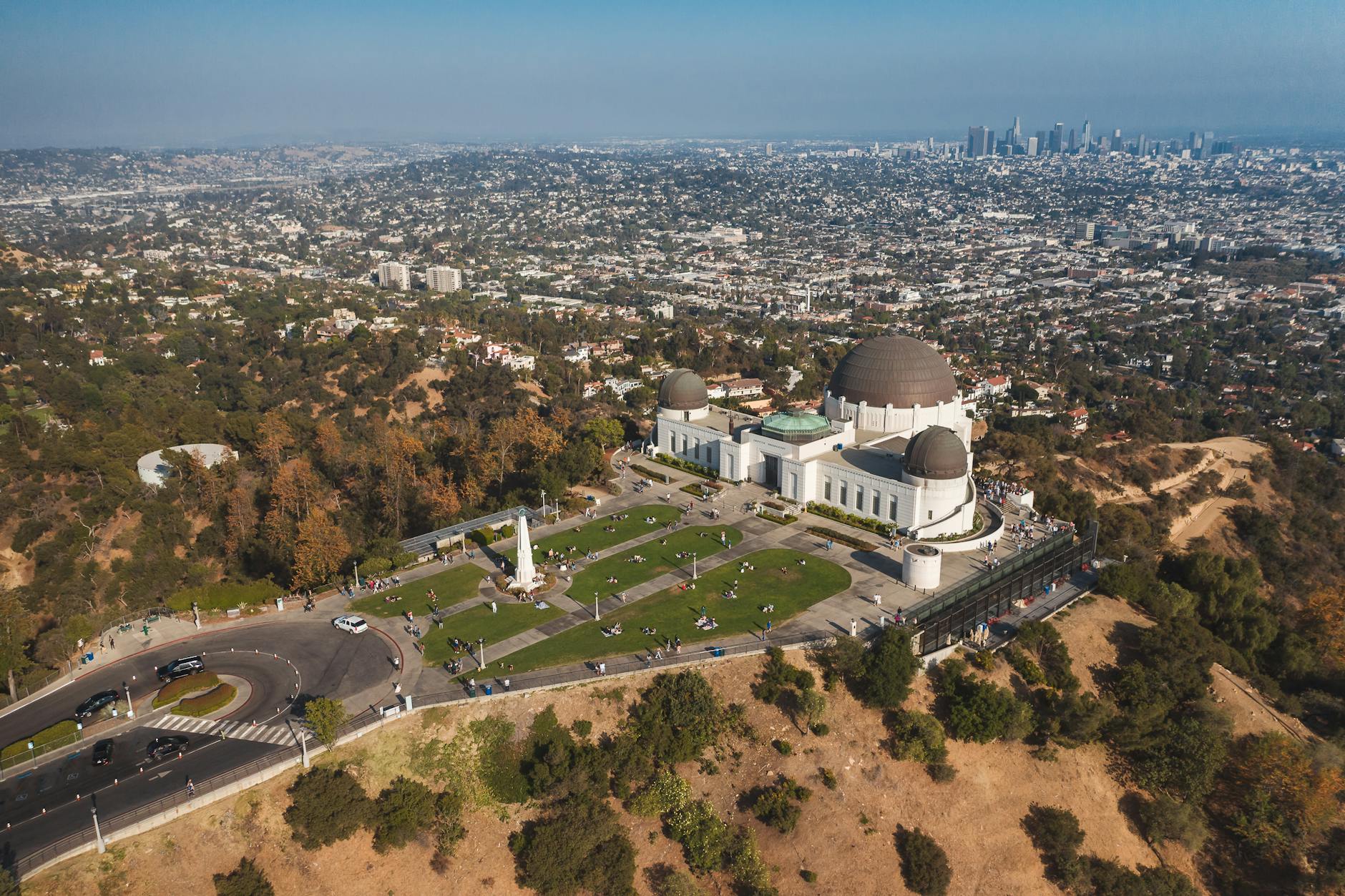
At 4,210 acres, Griffith outshines other extraordinary city parks of the US, such as San Francisco’s Golden Gate, which barely tops 1,000 acres, and New York’s Central Park, a mere 843 acres. Griffith’s peaks tower above those flat competitors too, with nearly 1,500 feet in elevation gain, making it practically vertical in orientation. And LA’s crown jewel of a park is still largely uncut, much of it remaining a wilderness area preserved more than 100 years ago, and barely developed, unlike the pre-planned “wild” designs of Golden Gate and Central Park.

Add its history, views, recreation opportunities, unique and hidden spaces, a free Art Deco observatory and museum, the most famous sign in America and the park’s overall star-power, and you have a compelling case that Griffith is not just epic in scope but the greatest city park in the nation.

There’s something for everyone there: a zoo, playgrounds and an old-timey trainyard for the kids; challenging and steep trails for hikers; dirt paths for equestrians; paved roads for bikers; diverse flora and fauna for nature enthusiasts; and museums for the science and history learners.

Two features stand out in the above description. First, the sheer size of the park. This is very unusual in large cities as they have some space for parks but also have many other land use demands. Second, the variety of features and activities in the park. There is not just one thing to do here; there are numerous options serving different groups.

Given that this is Los Angeles, what might this land be if it had been open to developers? Given what is on some of the other hills, just more expensive houses?

And how much can the claim that the park is “barely developed” matter when it is exposed to the pollution in the region and the activity of many nearby humans?

To settle this, how about a national city park contest? There are a number of important parks and there are a lot of different criteria that could be used.

Efforts toward a pedestrian mall in Wheaton in the 1970s

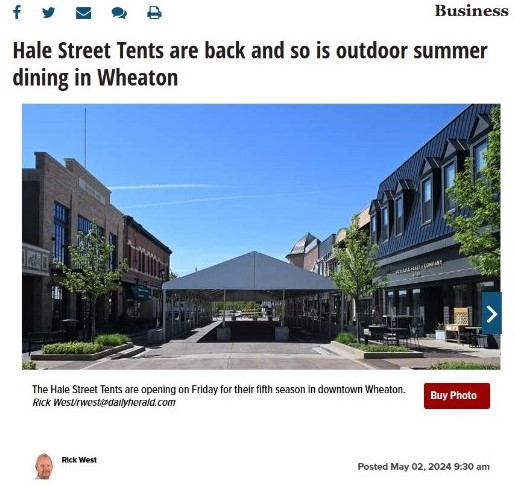
As cities across the United States added pedestrian malls in the 1960s and 1970s, the suburb of Wheaton, Illinois considered developing its own. The efforts began in the late 1960s in the Wheaton Beautification Commission and a semi-mall was created by 1971. Today, Wheaton residents are familiar with summer dining replacing car traffic on Hale Street.

In 1969, Harland Bartholemew and Associates issued The Wheaton Comprehensive Plan for the community which the city adopted in December of that year. Prior to the plan, a survey of residents commissioned by the firm noted the downtown shopping options as both an asset and a potential issue. On one hand, some residents noted: “Shopping facilities need improvement. While there are some fine shopping centers, the facilities in the central area leave much to be desired.” On the other hand, other residents said, “There is a fair level of shopping facilities and parking.”

Among the recommendations in the 1969 report was the closing of downtown Hale Street to pedestrian traffic. Here is the vision the planners provided:

Hale Street should be improved as an attractive pedestrian shopping mall and all vehicular movements – other than emergency or service vehicles – should be eliminated….Areas along each side would receive different treatment. Some would be areas planted with low shrubs, ground cover or flowers, with the latter being changed with the seasons. These would be surrounded by low walls which could be used as seats for resting purposes. Other walks or platform areas would also be slightly raised to assist in defining the service drive. One or more of these could contain benches and simply play apparatus for small children.

The city pursued this in the following years and the City Council on September 20, 1971, adopted this resolution:

Resolution R-48-71. Whereas, the Wheaton Beautification Commission in 1967 proposed the improvement of the central business area by creating a mall-type environment on Hale Street, between Front and Wesley Streets, and Whereas, this proposal was echoed in the Wheaton Comprehensive Plan, adopted in 1969, as one of the several suggested improvements to downtown Wheaton by the business community, and Whereas, with the encouragement and leadership of the Greater Wheaton Chamber of Commerce and the financial backing of the Hale Street property owners and merchants, this proposal can soon become a reality by constructing a semi-mall with trees, planters, benches, attractive brick paving, and curvilinear street alignment and other improvements to this area; Now, therefore, be it resolved by the City Council of the City of Wheaton, Illinois, that wholehearted support be and hereby is given to this project, and that the planning, engineering, parking layout revision and certain sewer changes be the City’s contribution in making the Hale Street semi-mall a reality; Be it further resolved that the proper departments of the City be authorized to proceed with the work upon establishment of an escrow account containing funds sufficient to finance the project…Motion carried unanimously…”

A description from the 1971 annual report sums up the changes made:

They did, however, join in the creation of a major accomplishment of 1971: the Hale Street semi-mall. Proposed by the City’s planning department and endorsed by the Beautification Commission nearly four years ago, the plan was revived with the help of the Greater Wheaton Chamber of Commerce, nurtured with the funds of Hale Street property owners and businessmen, and finally implemented by the City. The mall was officially opened on November 29th, and will provide future shoppers and visitors with an attractive invitation to stroll down Hale Street, browse a bit, and hopefully find what they need in the many quality shops on both sides of the gently-curved street. After shopping the customer can rest a while on one of the attractive planter benches surrounded by an area of paving brick. The Hale Street semi-mall, the first such project in the metropolitan area…

In 1975, a Chamber of Commerce publication said, “The completion of the Hale Street Mini-Mall inaugurated a greater impetus for change and growth in the seventies.”

In 1982, the downtown was struggling. In a local newspaper article discussing concerns, the suburb’s city planner said, “a pedestrian mall such as the one suggested in the early 1960’s, would be “disastrous” to merchants not in the mall.”

COVID-19 led to the complete removal of vehicular traffic on Hale Street in 2020. This continued each summer through 2024 as restaurants and residents enjoyed the extra dining space.

In sum, it appears Wheaton followed the broader patterns regarding pedestrian malls: it saw it as a possible solution to shopping activity moving out of downtowns and to strip malls and shopping malls, it put together a semi-mall with a curved street and limited traffic, and that mall faded away over time. With the onset of COVID-19 in 2020 and revived interest in more places in outdoor dining, a pedestrian mall has returned during warmer months.

When the pedestrian mall swept across American cities

Part of the story of the American shopping mall included in Meet Me at the Fountain is the rise and fall of the pedestrian mall in cities:

Photo by Alexas Fotos on Pexels.com

From 1959 through the early 1980s, more than two hundred American cities closed blocks of their downtowns to car traffic. B 2000, fewer than twenty-four of those original malls remained. (89-90)

As people and shopping moved to the suburbs, larger cities responded by trying to create something like an outdoor mall on busy urban shopping streets. But the experiment did not work:

By 2000, fewer than twenty-four of these original malls remained. The design intervention that was supposed to bring people back from the suburban mall had, instead, exacerbated the very problem it was trying to solve, turning downtown into car-centric, retail-first monocultures rather than pedestrian-first, mixed-use places. (90)

Many cities thought this was the answer but it turned out not to be; few of the pedestrian malls survived even a few decades.

Two thoughts hearing this account:

  1. Cities did not know what to do regarding the millions of Americans who moved out of big cities and to the suburbs after World War Two. Were they moving out of cities in part because of shopping opportunities? This was not the biggest issue but cities hoped they could at least attract more visitors with pedestrian malls.
  2. The copycat nature of retail development across places is interesting to consider. As malls proliferated, often borrowing architecture and techniques regardless of location, many communities also jumped on the pedestrian mall bandwagon. And then when they did not bring about the desired changes, they disappeared en masse as well. It makes sense that cities and developers would look to each other to see what works but it also seems like it can lead to fads and trying to shoehorn generic solutions to what can be complex local settings.

Increasing pedestrian deaths in Chicagoland area

What helps explain a rise in pedestrians deaths in the Chicago region from 2023 to 2024?

Photo by Vladimir Kudinov on Pexels.com

In Cook, DuPage, Kane, Lake, McHenry and Will counties, pedestrian crash fatalities totaled 144 last year, a 6.7% rise from 135 in 2023…

Asked to explain the trend, CMAP Senior Transportation Planner Barrett cited Insurance Institute for Highway Safety research that found SUVs, pickups and vans with hood heights greater than 40 inches are about 45% more likely to cause pedestrian deaths in crashes than vehicles with shorter hood heights. Blunt, vertical front ends also increase risks…

Barrett and Active Transportation Alliance Advocacy Manager Alex Perez also listed distracted driving, COVID-19-era bad habits such as speeding, and traffic enforcement drop-off as contributors to collisions…

Street design also plays a role with busy suburban corridors such as North Avenue — multilane, fast-flowing intersections that are problematic at best for pedestrians and cyclists, he added.

There are lots of factors at play that make walking and biking dangerous in metropolitan areas. Each of the factors listed above – size of vehicles, safer driving practices, and street design – could each be addressed.

But the goal of reducing pedestrians deaths or having safer streets might be best served by reducing driving and encouraging other forms of transportation. Driving is deadly across the board for drivers and pedestrians. Americans accept the risks of driving because they tend to live driving, or at least like driving compared to other options.

Or rather than prioritize safety efforts that try to play around the edges of the dominant system of driving that seems required in almost all American communities, could communities that from the beginning that serve a variety of mobility options do better? Retrofitting existing communities is hard. Adding bike lanes, establishing good mass transit, and prioritizing other uses of streets takes time and money.

Of course, reducing driving might be unpopular. Wildly unpopular. It is often associated (positively) with the American way of life. So if public officials or residents or others want safer roads, they might have to address individual factors that each have limited impact.

Wildfires approaching homes in sprawling suburbia

Wildfires threaten communities and homes fairly regularly in the United States. How often are these wildfires in suburban communities? Here is a current example outside of Los Angeles:

Photo by RDNE Stock project on Pexels.com

Driven by triple-digit heat, gusting winds and tinder-dry vegetation, the three fires burned at speeds firefighters have never witnessed, scorching over 110,000 acres (44,510 hectares) – an area twice the size of Seattle.

The Bridge Fire, California’s largest current wildfire, swept through communities in the San Gabriel Mountains less than 40 miles (65 km) northeast of central Los Angeles, where people priced out of the city have built homes…

Southeast of Los Angeles, the Airport Fire has destroyed homes in the Elsinore Mountains and injured at least 10 people…

“The Airport Fire remains a significant threat to Orange County and Riverside County communities,” emergency agencies said in a statement.

One way to think about this is that metropolitan areas keep spreading outward. This provides more space for fire to threaten and more interaction with space and land less developed.

A second way to address this is to consider how suburban development – housing, roads, land uses, etc. – can encourage or discourage wildfires starting and spreading. Do yards and the ways homes are built contribute to wildfires? Does the design of American suburbs as we know them help fires spread?

Could this also be addressed in terms of financial trade-offs? Some might move to further-flung suburbs or new subdivisions on the edges because housing prices are cheaper. But how much cheaper is it if there are increased threats of wildfires?

It is one thing for wildfires to be in places with few residents and another if they are regularly occurring in suburbs and close to population centers.

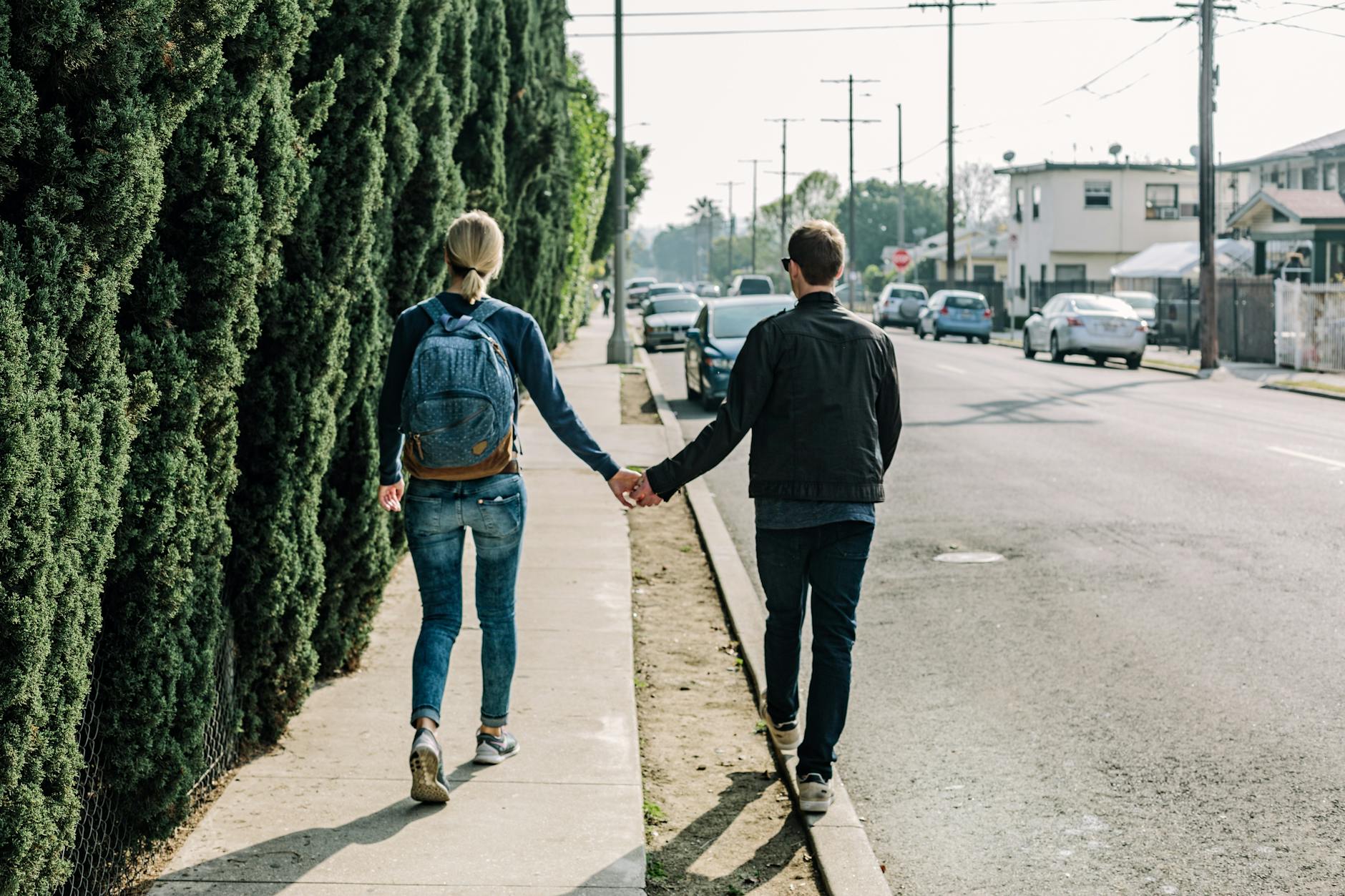
Imagining a car-free Los Angeles and using the coming Olympics to move that direction

The city of Carmageddon is interested in hosting a 2028 Summer Olympics with little car use:

Photo by KEHN HERMANO on Pexels.com

“A no-car Games,” she said.

Doubling down on something she discussed with The Times in April, Bass told reporters at the 2024 Paris Olympics that she envisions expanding public transportation to a point where fans can take trains and buses to dozens of sports venues, from Crypto.com Arena downtown to SoFi Stadium in Inglewood to the beaches of Santa Monica.

“That’s a feat in Los Angeles — we’ve always been in love with our cars,” she said at a news conference Saturday, adding that people “will have to take public transportation to get to all the venues.”

The LA28 organizing committee — a private group charged with staging the Games — prefers to say it is planning a “public-transit-first” Games. Some venues will have ample parking, others will not. Organizers say no one will be told they cannot drive to a competition, but public transportation might be an easier option.

This is a bold vision in a city and region famous for driving, highways, and sprawl. The realism is okay too; trying to do this all in 4 years is a tall task.

But why stop at the Olympics and that several week window? Why not imagine a Los Angeles in ten or twenty years that relies much less on cars? Why not pursue some of the same strategies – working from home, staggered work schedules, more buses – with additional strategies – more mass transit options that do not involve roads, ban planning that does not just keep adding lanes, etc.?

Even if these efforts require the long view and a large amount of resources, the time to start is now. Developing needed infrastructure is costly but pays off down the road. What if the lasting legacy of the Olympics in Los Angeles was not property or stadiums that people do not know what to do with (a common issue in recent Olympic cities) but a new approach to the streetscape and getting around?

Planning for cities with fewer offices

If more employees work from home and AI reduces the number of workers in certain sectors, cities may need to plan for a world with fewer corporate offices:

Photo by SevenStorm JUHASZIMRUS on Pexels.com

Ever since the pandemic, many landlords, mayors, and bosses have been going through what one might call “the five stages of office grief.” First, in 2020, there was denial that working from home would have any lasting impact. Then, in 2021, there was anger at employees who wouldn’t return, followed by bargaining on the exact number of days people would spend at the office. By 2022, depression had set in, and cities seemed ready to accept the need for radical change. Now, however, the country’s economic rebound provides new ammunition for those who wish to slide back into denial.

Our cities will be better served by embracing the transition to a world that is less centered around offices. That will require diversifying their economic base, streamlining the construction and conversion of new housing and mixed-use neighborhoods, enhancing public services, and doubling down on what makes urban life attractive in its own right—not just as an employment destination. And the effort must start with the recognition that, in good times and bad, the relationship between economic activity and office demand has changed forever.

Even as there are good reasons to have districts of business offices, having fewer offices overall means offices might be better served being more spread out throughout a city and region or having more mixed-use neighborhoods. Americans have long separated land uses but fewer offices presents an opportunity to bring other land use into what once were separate business areas.

This might be a more radical idea but what could be possible if some of those office buildings were not there in the future? Could there be other land uses – not just renovated buildings – that future city residents and property owners would desire?

And could fewer offices mean fewer roads or less emphasis on vehicle traffic? If commuting is not happening at the same rate, what could be possible?