
Two scholars describe the possible lead-up to and the aftermath of a Yellowstone volcano eruption. Even as Yellowstone is fairly remote and nearby evacuation could take place if there are clear warning signs, such an eruption would affect bigger cities:
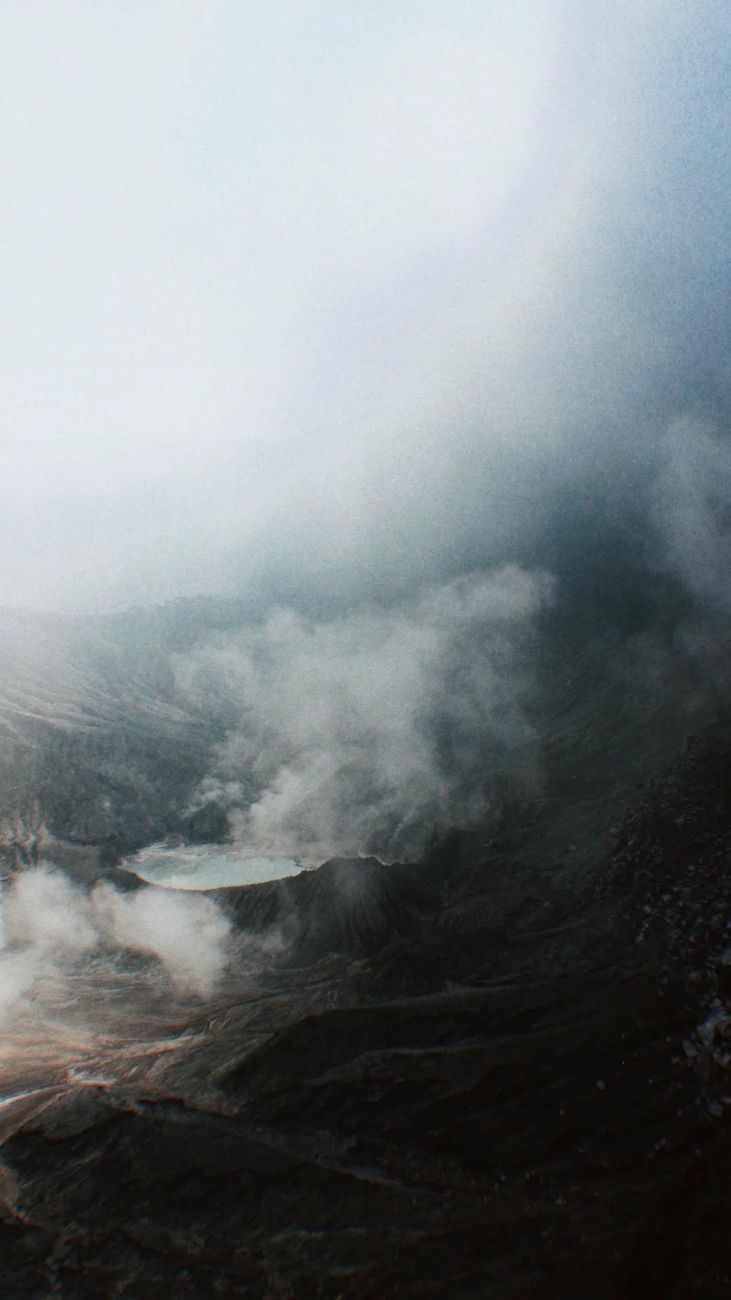
Expanding gases and intense heat drive this material upwards, creating a vast eruption column rising 30–50 kilometres into the atmosphere – far above commercial passenger aircraft, which usually cruise at up to about 13 kilometres. On this clear morning, its upper reaches are visible from Denver, some 800 kilometres away…
As the magma continues to escape, sections of the unsupported ground subside, opening new fractures and vents while feeding further eruptive columns and pyroclastic density currents. Hundreds of kilometres away – in Denver and along the Canadian border – heavy ashfall darkens the sky, obstructs roads and disrupts power, water supplies and communications. This ash devastates farmland across at least eight states…
Within Wyoming and neighbouring states, conditions are catastrophic. Billings, Montana, the nearest large city, is disappearing beneath what will eventually exceed a metre of ash (one published model of a Yellowstone supereruption predicts the city as receiving up to 1.8 metres of ash). Salt Lake City, Utah, and Boise, Idaho, receive tens of centimetres. For southern Canada, much of the US and northern Mexico, day becomes twilight and breathing outdoors without masks becomes increasingly difficult. People on other continents watch in trepidation under vivid, red-orange sunrises and sunsets…
Large areas close to Yellowstone remain evacuated, while across the US, shelter, fuel, food and clean water become increasingly scarce. Some countries airlift or airdrop humanitarian relief supplies, but are also concerned about stockpiling for themselves. Losses to agriculture, transport and insurance – with many other businesses and services closed – could lead Canada, Mexico and most Caribbean and Central American countries to declare states of emergency. This is partly due to direct impacts on those countries and partly due disruption across the USA and people fleeing from it…
In the years following the eruption, the world moves into long-term recovery and rebuilding. People across the world adapt to a more agrarian lifestyle, learning to fill the land with root vegetables, grains and legumes. With far less leisure time and diminished income, recreational facilities are turned over to food production, notably small-scale greenhouses and vertical farming for producing varied fruits, vegetables, nuts and legumes.
It sounds like an eruption would have a major impact on American cities. The focus in the analysis is on civilization more broadly but this often means big cities and their surrounding regions. If infrastructure (water, electricity, gas lines, roads, flights, etc.) and food supplies are severely disrupted, this knocks out some of the key supporters of current urban life. What exactly disappears or changes is less clear here but at the least it sounds like people and communities would need to spend a lot more time acquiring supplies and resources. This would disrupt work, school, local government plus day to day life.
What could realistically be done to prepare for this? Such events are rare. This reminds me of conversations about cities and resilience, the ability to respond effectively to whatever disaster might come. Whether a hurricane or a blizzard or an attack or a breakdown of a major system, cities likely have plans coordinate efforts and address needs.
It would still be hard for many residents of American metropolitan regions to imagine that a volcano far away could seriously disrupt their life. But affect the atmosphere on a global scale and urban and suburban life as we know it might not be the same.


