
How do you know if you are part of the upper middle class? A list of 8 signs includes this:
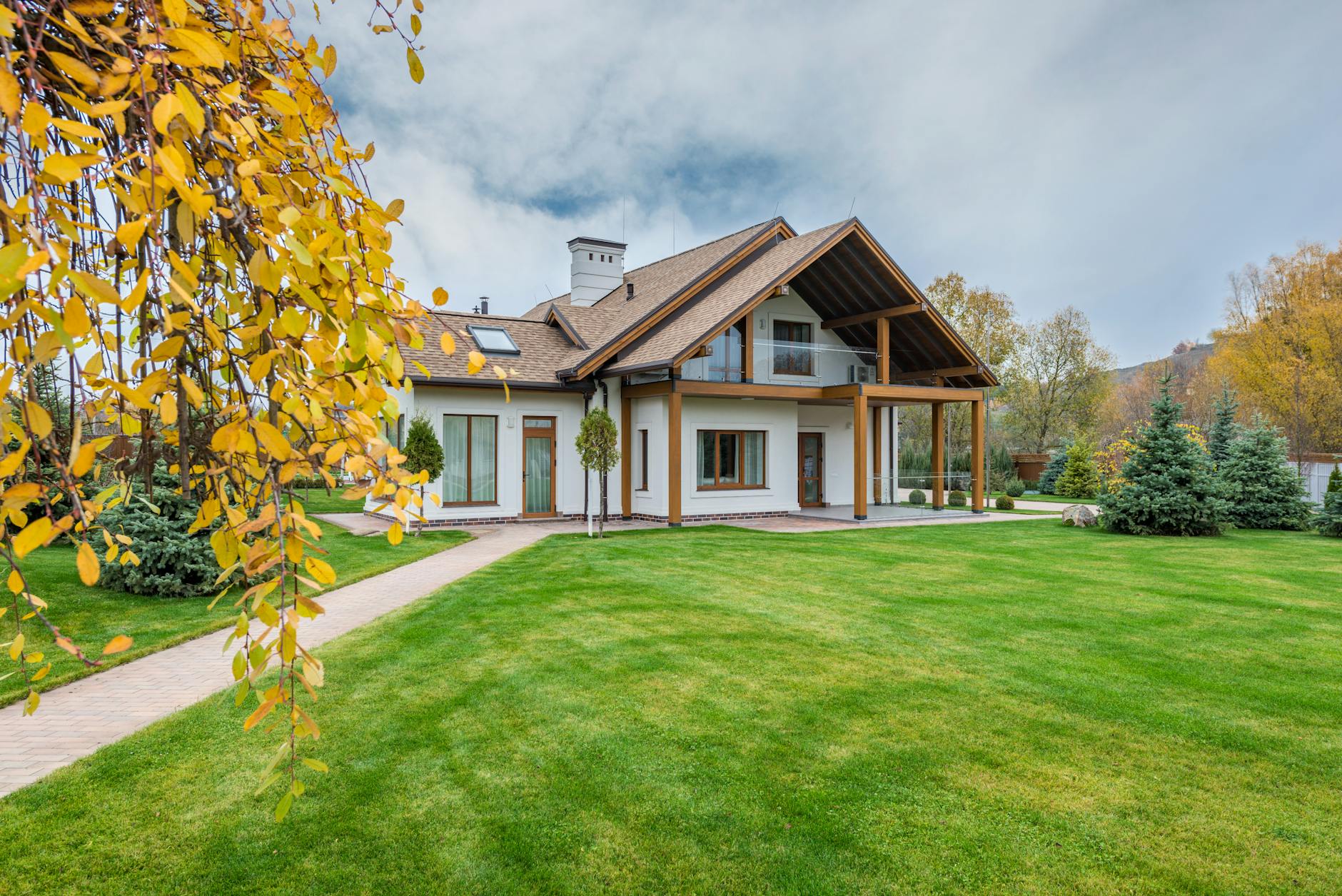
You Live in a More Expensive Neighborhood
Another way to see if you’ve made it to the upper-middle class is to simply look at where you live. According to Rose, if “your home is in a ZIP code where folks want to live,” that’s a good sign that you’re there.
Keep in mind that it’s not all about appearances. People in the middle class might try to keep up with the Joneses — that is, they might compare themselves with their neighbors and try to match their level of wealth or status.
Those in the upper-middle class, however, do not. They don’t need to worry about whether their house is big enough or their car is luxurious enough. They can afford many of these high-end things without stretching their financial means.
Those in the upper middle class have the financial resources to live in places with higher housing prices. This means the houses may be bigger, the local amenities more plentiful, and the population more exclusive.
While the description above hints at this, why not just say that the upper middle class can afford a house that costs more? And how “expensive” is this neighborhood? In a typical metropolitan area, what percent of neighborhoods or communities are upper middle class, beyond the reach of the middle class or those around the median income and below the super wealthy enclaves?
How often then do those in the upper middle class use their community or neighborhood to signal their status? Just as a vehicle driven or a college attended or clothes worn or hobbies engaged in might signal class status, how much do they mention their community to highlight their status? If they say they live in “X,” is such a place widely known as being upper middle class?

 Legally Sociable