Geology and a favorable location for humans in Concord, MA

Why did Concord, Massachusetts, become the site of an opening battle in the American Revolution and later become identified with the transcendentalists? It was a favorable spot for human settlement:

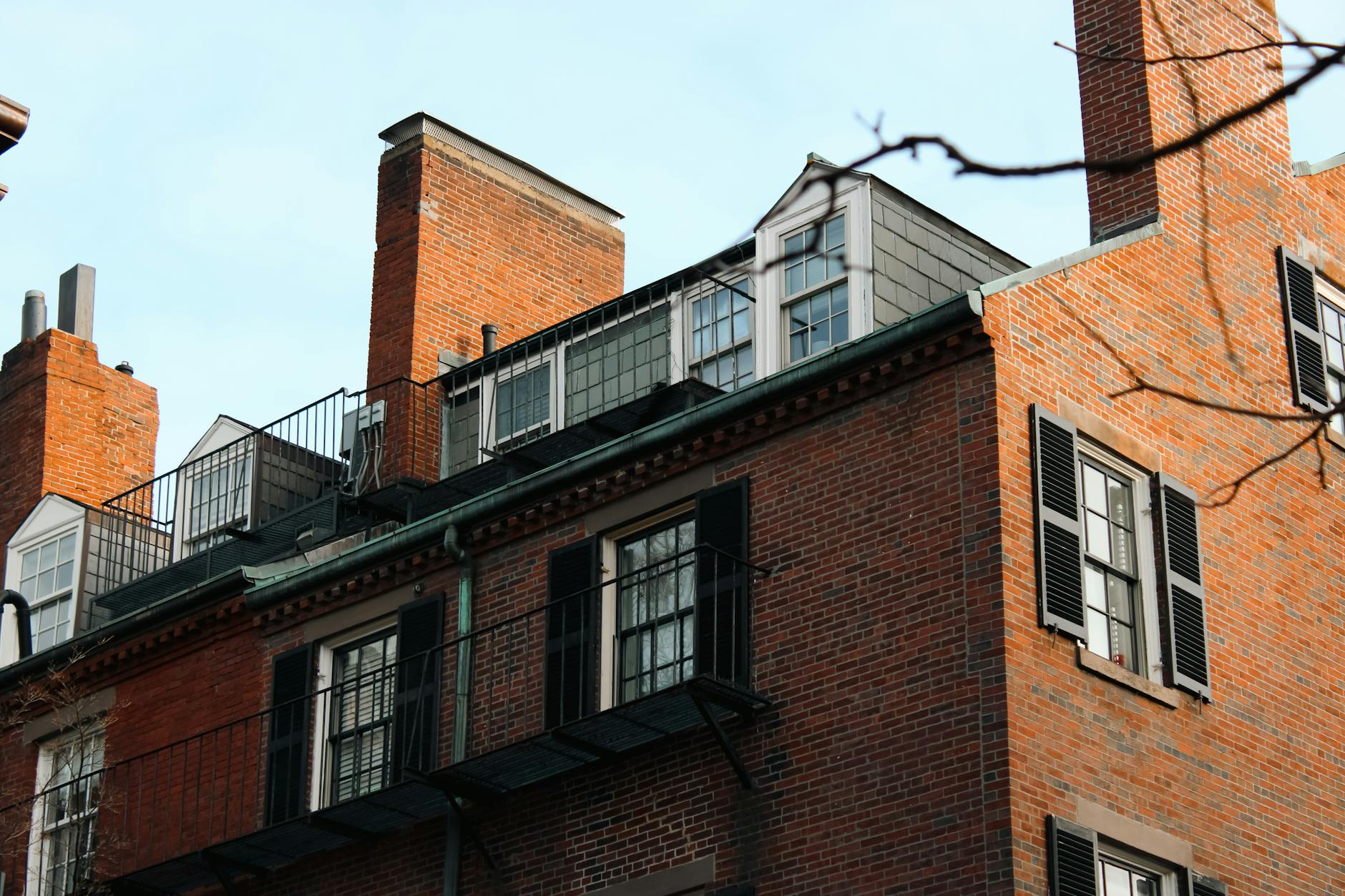
Photo by Phil Evenden on Pexels.com

The Concord River runs north, rather than southeasterly down the regional slope toward the sea. When the edge of the great ice sheet began to retreat from the area about 17,000 years ago, the Concord River was dammed up by the ice to create a ribbon-shaped glacial lake with a muddy bottom. Eventually the lake drained away, allowing the Concord River to cut an inner valley beneath a moist and fertile lowland.

This process set the stage for the creation of what the Indigenous Massachusett, Nipmuc, and Pawtucket peoples called Musketaquid, meaning “grass-ground river,” a marsh about 20 miles long and so flat and so uninterrupted that Thoreau skated the entire round-trip distance one freezing day—January 31, 1855. The languid stream passed through broad meadows to create a northern version of the Everglades (without the alligators). Nathaniel Hawthorne lived along the bank for three weeks before he discerned which way the river flowed.

This riparian ecology attracted colonists: Concord became the first English town in North America above tidewater, beyond the sight and scent of the sea. Here the lush growth of freshwater hay would undergird a system of English husbandry dependent on livestock. Here migrating shad, herring, and salmon thrived in the aquatic richness, furnishing plentiful protein sources, vitamins, and minerals. Here the firm, muddy banks made an ideal habitat for the freshwater mussels on which other animals depended: muskrat, otters, turtles, human beings. On July 3, 1852, Thoreau estimated that more than 16,335 freshwater clams lay along 330 feet of the riverbank. Migrating waterfowl followed the meadows. Songbirds nested along their edges…

The physical separation between Boston and Concord involves more than the linear distance between two points. The population centers occupy different watersheds—the Charles River watershed to the east and the Concord River watershed to the west. In fact, they lie on different bedrock terranes that originated in different places in different eras. The terrane boundary coincides with the Bloody Bluff fault, named for a rocky notch where British troops were trapped by ferocious provincial fire. Here the land leans toward the security of the sea. To the west, it leans toward a hinterland where pioneering residents looked to one another for community support. Without the Lexington Road and its regular stagecoach traffic, 18th-century Concord would have remained an agricultural village. Instead, it became a prominent node in an expanding trade network. The significance of the watershed divide between country and city diminished only after the Fitchburg Railroad reached Concord in 1844.

I cannot remember who said it but I recall a quote where someone says if someone wanted to start a great city today, it would be really hard because all of the good locations have been taken. The geology and ecology of Concord made it good spot for humans to settle.

To take into account the geography and ecology of land and places will continue to be important, even in an era when it is easy to ignore the physical features of places. In the world of Internet and airplanes, everything seems accessible from anywhere. But this is not true: certain places have particular advantages with access to water, protected settings, mineral resources, land for farming and livestock, good spots along trade routes, and more. Some of this can shift over time; does it matter as much today as it did in the past that Chicago was a key portage location between the Great Lakes and the Mississippi River watershed? And this could change in the future: particular locations might have new advantages in the future as the earth and societies around the world change.

If New York City elects a progressive mayor, how many wealthy residents will flee for Westchester County?

With a mayoral election coming up in New York City, some residents are considering moving elsewhere:

Photo by cottonbro studio on Pexels.com

As the reality settles in that Zohran Mamdani — a steadfast Democratic Socialist — may soon become New York City‘s mayor, many city-dwellers are planning their escape route.

This is because the policies at the core of Mamdani’s campaign are largely unpopular with wealthy and upper-middle class New Yorkers…

‘We are absolutely seeing a correlation between Zohran Mamdani’s surprise win in the Democratic primary and an uptick in real estate interest in Westchester,’ Zach and Heather Harrison, real estate agents in the area, noted.

‘Since the summer, nearly every buyer from the city we have taken out to see homes in Westchester has mentioned the mayoral election as one of the drivers for shopping in the suburbs,’ they told Realtor.com.

Since Mamdani won the Democratic primary in June, sales going into contract in Westchester County are up 15 percent compared to the same period last year, according to The Harrison Team…

In comparison to New York City, Westchester offers more space, lower crime rates, and often lower effective taxes.

Several quick thoughts:

  1. The article is vague on numbers. How many people have moved or might move? And separate from how many do move, how many would have to move for it to be meaningful as a media story or make a substantial difference in local activity?
  2. We hear similar claims about political changes or taxes at the state or national level; people with resources will leave if they think they are being targeted and/or conditions are better elsewhere. I do not know if I have heard this before suggesting people will move from the city to that city’s suburbs.
  3. Westchester County could be a paradigmatic suburban county in the United States. It borders New York City and it grew quickly in the early 1900s. It became a wealthy suburban setting with many houses, access to the city via highway and railroad, some green spaces and waterways, and home to major corporations. Would an influx of wealthy New York City residents feed into the character of the county or alter it at all?
  4. At what point would policies or conditions need to change for most of wealthy residents of a city to leave?

Chicago movie theaters converted years ago into churches

After writing Building Faith: A Sociology of Religious Structures with Robert Brenneman, I am always interested to see stories of buildings converted into religious spaces or vice versa. Here is a story about movie theaters that became churches in Chicago:

Photo by Bence Szemerey on Pexels.com

But since 1969, this building has been a church, shepherded by four generations of the same family. The blue part of the façade is their improvement to the building, 56 years of stewardship that extends up to today. They’re making extensive repairs to the roof this fall with a grant from Landmarks Illinois and remodeling the interior…

At 113 years old, the building once known as the Ideal Theatre is one of the oldest purpose-built movie theaters in the city, a rare remnant from before they blossomed into the grand movie palaces we treasure now.

And as the home of New Precious Grove Missionary Baptist Church for more than half a century, it’s a long-tenured piece of a Great Migration phenomenon, where Black people coming up to Chicago from the South created church communities as anchors, either transplanted from their place of origin or planted new…

Although the building’s façade has changed much since 1912, the red brick garland remains, along with one more hint of the entertainment that went on within: Above the door, a terra cotta panel depicts a lyre, the classical musical instrument. A historical photo of the building shows there were at least two more ornamental panels, comedy and tragedy masks on the two upper corners…

The palatial Central Park is also now a church, the House of Prayer Church of God in Christ since 1971. Another movie palace, the Ambassador, later Knute Rockne, about 3.5 miles from New Precious, is also a church now and also in need of protective roof repair.

It sounds like as neighborhoods and consumption patterns changed, at least several movie theaters became available and were converted into churches. Depending on the size and condition of the theater, it may not take much work for a congregation to make it a religious space. The rough structure of a movie theater seems like it could suit religious purposes; a theater would have a lobby at the front and then people would walk into a seating area with a screen and stage at the far end.

From the pictures in the article, it might be hard now for those passing by to see the movie theater in the past of the current structure. This could be due to the changes made by congregations but it may also hint at the ways the architecture of movie theaters has changed. The boxy multiplexes of recent decades look different compared to the ways movie theaters looked more like theaters – places for live stage performances – in the past.

It would be interesting to hear more about the building energy present in these congregations today. As Brenneman and I discussed in our book, we found congregations exhibit an energy about their buildings as they budget, maintain, and plan for their physical spaces.

When a suburb declines a train station along a proposed passenger line

The Chicago suburb of Huntley is a little more than 50 miles from downtown Chicago. With the planned opening of a new passenger rail line from Chicago to Rockford, here is how city officials responded:

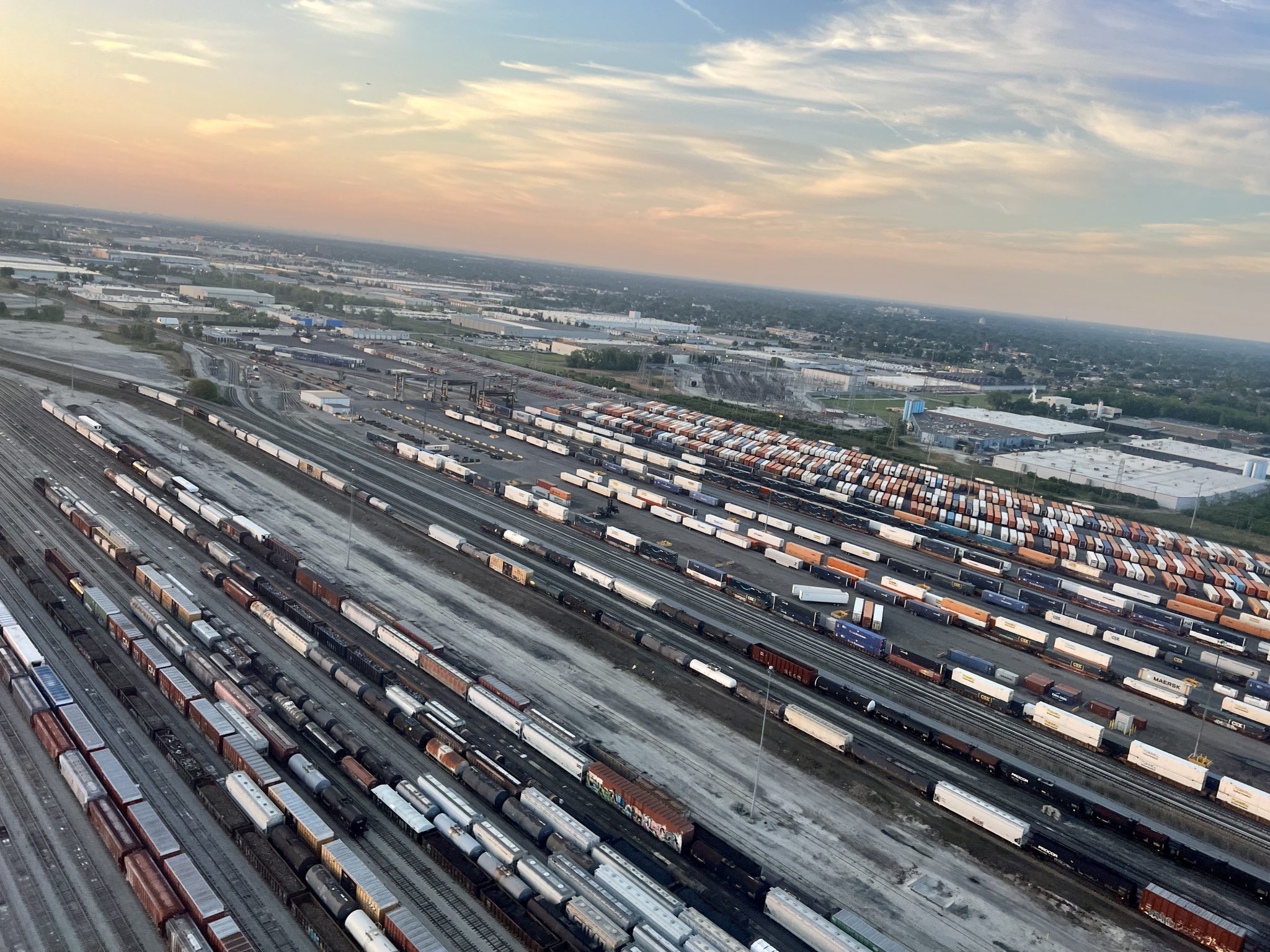
Photo by Cody King on Pexels.com

Huntley officials confirmed Friday that the village has decided against having a train station come to town.

Huntley had been slated to have a stop on the Chicago-to-Rockford rail line that’s expected to start operations by 2027, but the village recently notified project leaders they no longer wanted a station.

Village officials cited potential parking and traffic issues, among other things, downtown as well as uncertainty with ridership numbers and village financial commitments…

In nearby Marengo, which isn’t scheduled to have a train stop despite the rail line going through the center of town, the City Council has expressed its support for having the train stop there.

For a long time, suburbs would have wanted a stop on a commuter rail line. This offers nearby residents – in the particular community with a stop but also residents in nearby communities – opportunities to go to the city. Not having a train station means other communities could benefit from the commuting options and the business and residential opportunities that might go with it.

But the reasons cited above suggest a railroad today might be seen as more trouble than its worth for suburban communities. Parking and traffic concerns come up with any new development. Ridership and money figures could be hard to forecast.

I wonder if another matter at play is the rapid growth of the community in the last few decades. As late as 2000, the suburb had 5,730 residents. In the 2020 Census, the community has 27,740 residents. Would a train line contribute to that change? Might it encourage denser development around a train station, something that has happened near numerous Chicago suburban train stations?

Also, the community already has transportation options. It is along a major highway, I-90, to and from Chicago. Residents can access train lines to Chicago in the nearby suburbs of Elgin or Cary, roughly 25 minutes drive away, if they really want a train.

Still, I wonder if the suburb will regret not having a train stop. The train will run through the community anyway; would a train station disrupt life that much and/or might it add something for residents?

The unusual albums that can move massive quantities in their first week, Taylor Swift edition

We are in an era of fragmented media consumption. Yet, some works can be blockbusters, such as Taylor Swift’s recently released album:

Photo by Vishnu R Nair on Pexels.com

Taylor Swift’s The Life of a Showgirl album is off to a sparkling start in the United States. On its first day of release, Oct. 3, the set sold 2.7 million copies in traditional album sales (physical and digital purchases) across all versions of the album, according to initial reports to data tracking firm Luminate. That marks Swift’s biggest week ever, and the second-largest sales week for any album in the modern era — since Luminate began electronically tracking data in 1991. The only larger sales week in that span of time was registered by the opening frame of Adele’s 25, which sold 3.378 million copies in its first week in 2015…

The sales of The Life of a Showgirl will increase in the coming days, with the current tracking week ending on Thursday, Oct. 9. The album’s final first-week sales number is expected to be announced on Sunday, Oct. 12, along with its assumed large debut on the multi-metric Billboard 200 albums chart (dated Oct. 18). If The Life of a Showgirl debuts atop the Billboard 200, it will mark Swift’s 15th No. 1 album, lifting her past Drake and JAY-Z for the most No. 1 albums among soloists, and becoming the sole act with the second-most No. 1s ever. She is currently tied with Drake and JAY-Z with 14 No. 1s each, and only The Beatles, with 19 No. 1s, have more, dating to when the chart began publishing on a regular, weekly basis in 1956.

So maybe it is not just the album we should be thinking about here; Taylor Swift is a rare artist who consistently sells albums. She has lots of fans and they consistently push her album to #1.

Thinking as a sociologist, here are questions I have moving forward:

  1. At what point does this sales record decline or the support not become as fervent from fans?
  2. What is it exactly about Swift’s music and persona that cuts through this fragmented media landscape? I recently saw some figures about what is popular these days to watch on cable TV; it is basically live sports and cable news as other programming does not draw large audiences. How is she so successful in this particular music and cultural landscape?
  3. Are labels and artists trying to replicate what Swift does – doing what she does for even one or two albums might make for a very successful artist – or do they acknowledge she is a singular artist?
  4. What will we remember about Swift with these massive sales and #1 record after #1 record? What narratives will emerge and how might these differ across different storytellers?

Why so little resistance to license plate cameras across suburbia? Two possible theories

In the last few years, license plate cameras have popped up across suburbs near where I live. It took me a while to recognize what they were, but now that I know what they look like, I see they are in many locations. Why has there been little resistance to the presence of these cameras? I find it hard to imagine suburbanites would have liked this happening several decades ago. Why so little discussion or opposition today?

Photo by Andreas Ebner on Pexels.com

Two conjectures (with no evidence for either outside of my own knowledge of suburbs):

  1. Fear of crime. They see and hear many stories about crime and the role of cars in those crimes. If license plate cameras can track people who commit crimes and do so quickly, that may be a small price to pay to keep their suburban community safe. (See also use of doorbell cameras in efforts to combat suburban crime.)
  2. The surveillance state is already here, whether there are license plate cameras or not. People can be tracked by their phones, their credit card activity, their social media use, through cameras mounted inside and outside buildings. Why fight a system that is already in place and to which we already assented (by using smartphones, social media, etc.)? (See the term “surveillance capitalism” first used in 2014.)

There could be other factors at play. Companies and organizations have pushed these cameras as opportunities and solutions? People haven’t noticed them or don’t know what they are? This is just part of technological and social change?

I will be looking to see if there is more public discussion of their presence and how much information is available about how often they are used.

Record office vacancy rate in Chicago’s Loop

Over a quarter of the office space in Chicago’s Loop is empty:

Photo by Yusuf Mahammed on Pexels.com

The vacancy rate in the Loop was 24.7% in the second quarter of 2025 — a record high, according to research from commercial real estate firm Bradford Allen. That’s up 1.3% from the first quarter, and a 2.7% increase compared to the second quarter of 2024.

The firm said the second quarter was also one of the weakest periods for overall office demand since the beginning of 2024. Direct net absorption, a measure of space that’s been leased versus vacated over a period of time, hit negative 1.5 million square feet. That means more companies vacated than leased office space in the second quarter…

But it’s reassuring to see more foot traffic in the Loop, and he said more companies are requesting office tours for larger spaces, signaling strong interest in the Loop. He also said his firm is doing more office and retail deals downtown.

Leasing activity is starting to return after companies pulled back on signing larger leases during the pandemic. There’s a lot of larger tenants in the office market right now, and it feels promising, DeMoss said.

Each time I teach Urban Sociology, we consider the famous concentric circles map of Chicago produced by the Chicago School. At the middle of the map is the Loop, the central business district. For decades, it has been an economic center for the city. With its placement at the center, it represents the importance of economic activity in the big cities of today.

But what if the Loop became something else? The vacancy rate cited above suggests about one-quarter of the office space is empty. In a setting where there is a lot of office space overall, this adds up to a lot of space. What if this space was used differently?

This could be a shift toward more residential units in the Loop. Mixed-use development is popular in many places as it can help create a 24-hour vibrancy that can be lacking in places primarily consisting of office space used during workday hours.

But it could also mean a shift toward other land uses. More food and retail spaces? More recreational and cultural spaces? More community and municipal spaces? Less need for parking spaces?

While the record vacancy rate gets the headlines, it would be interesting to hear more about people and institutions that could help shape the future. What will the Loop be in 10 or 25 years and does this hint at shifts across many American cities?

The ongoing parking issues at American colleges and universities

New policies about class scheduling at the University of Utah have touched on an important issue for many campuses: parking.

Photo by Kelly on Pexels.com

Debates about parking, of course, have long been frequent and contentious on college campuses. Clark Kerr, who led the University of California system in the 1950s and ’60s, once described colleges as “a series of individual faculty entrepreneurs held together by a common grievance over parking.”

At Utah, an online petition that has received over 7,000 signatures says that “parking congestion is undeniably a concern that needs addressing, but the solution should not compromise educational quality or student well-being.”

The university, which has 36,881 students and 18,300 full- and part-time employees on the main campus, had a combined 9,314 parking spots in 2024, according to commuter-services data. But the ratio of parking spots to parking permits sold is not one to one. Knowing that not all permit owners will park on campus at the same time, the university sells more permits than they have spots, which aggravates many students. For example, though the campus last year had 5,843 parking spots in “U” spaces that are farther from campus, it sold over 12,000 permits for those spaces, at a price of $345 for the year.

Still, the lots are never at full capacity, said Collin Simmons, executive director of auxiliary services. While spaces in the “A” lots, near the center of campus, are usually full every day, spots can be found on the outskirts of campus, or within a 10- to 15-minute walk to the campus’ center, he said. But these spots can also be scarce, especially between 10 a.m. and just before 2 p.m., when fewer than 10 percent of the U spots are available, leaving parking-permit owners to circle the lots across campus before they can find a spot.

Americans like to drive. So it should not be a surprise that they also like to drive to school campuses. This includes employees who commute to college campuses but also students who may live on or off-campus and want easier access to college buildings.

The description above from one university suggests this is a complex issue to address. I wonder if what every driver wants is this: a close parking spot to where they want to go with little to no cost to the driver. Why should I inconvenienced in reaching my on-campus work or activity?

To provide everyone a great parking spot every time comes with costs. How much does it cost to build and maintain parking lots and structures? A better parking spot for all might cost drivers more money. Would it be worth it? How much land on campus should be devoted to this purpose as opposed to other competing land uses? Colleges have numerous kinds of buildings and landscapes to build and maintain and space can be at a premium for many institutions.

Imagine a different kind of university: all the lower floors of the major buildings are large parking garages. Everyone can park underneath offices, classrooms, dining halls, recreational facilities. While this might get people a parking spot, does it then eliminate the streetscape? Many colleges and universities like to portray a bucolic image of ambling through green trees and lawns surrounded by traditional buildings that look like learning and knowledge.

Not discussed in the case above is whether the University of Utah has alternatives to driving. How many students can or do walk or bike to class? Is there viable mass transit available?

Starbucks as a symbol of neighborhood or community success, closing locations edition

Starbucks recently announced they will close some locations:

Photo by Well Naves on Pexels.com

While Starbucks has yet to disclose the total number of closings or the specific locations, Niccol said in his open letter that the company would end the fiscal year with nearly 18,300 stores in North America, which is down from 18,734 at the end of the third quarter, according to financial filings.

This is national news but it also has local ramifications. For several decades, having a Starbucks in a neighborhood or community signals some level of local success. Starbucks does not locate just anywhere – even with over 18,000 locations in North America – and each location hints at the potential local customers who purchase coffee and other goods. And closing locations also involves local jobs.

Workers rallied Thursday at the Starbuck’s store at Clark Street and Ridge Avenue in Chicago’s Edgewater neighborhood, one of the locations targeted for closure, according to the union. The store is set to work its coffee grinders and espresso machines for the last time Saturday…

On a crisp and sunny fall Saturday morning, a few customers filtered into the Glencoe Starbucks to get their last coffee at their local shop, and to say their goodbyes to the baristas. The store was set to close for good that evening. The store employees will find out Sunday if they’ve been transferred to another store or laid off, a barista said while whipping up a coffee.

Even as the number of store closings appears to be relatively small – perhaps several hundred out of more than 18,000 – it will be interesting to see how local communities are affected. If a Starbucks closes in a city neighborhood or in a suburb, does this then mean a loss of status or hint at decline? Some of this might depend on what goes into where the Starbucks was located. Will another national chain move in? Could a local business fill the gap? Will whatever ends up there provide the same status and tax revenue?

On the other hand, some people have concerns about Starbucks. It is a national brand and some prefer to see local businesses do well. Starbucks can be viewed as part of gentrification, changes to communities that displace long-term residents in favor of new residents with more resources and new expectations. A closed Starbucks presents a new opportunity.

Five or ten years from now, following up on these closed locations could provide a look at the brand and communities. Where are they expanding, where are they leaving? If they continue to move to drive-thru locations, how does this affect places?

Considering a community’s “moral geography”

A resident of Harrisonburg, Virginia walks through the community and consider the moral implications of its design:

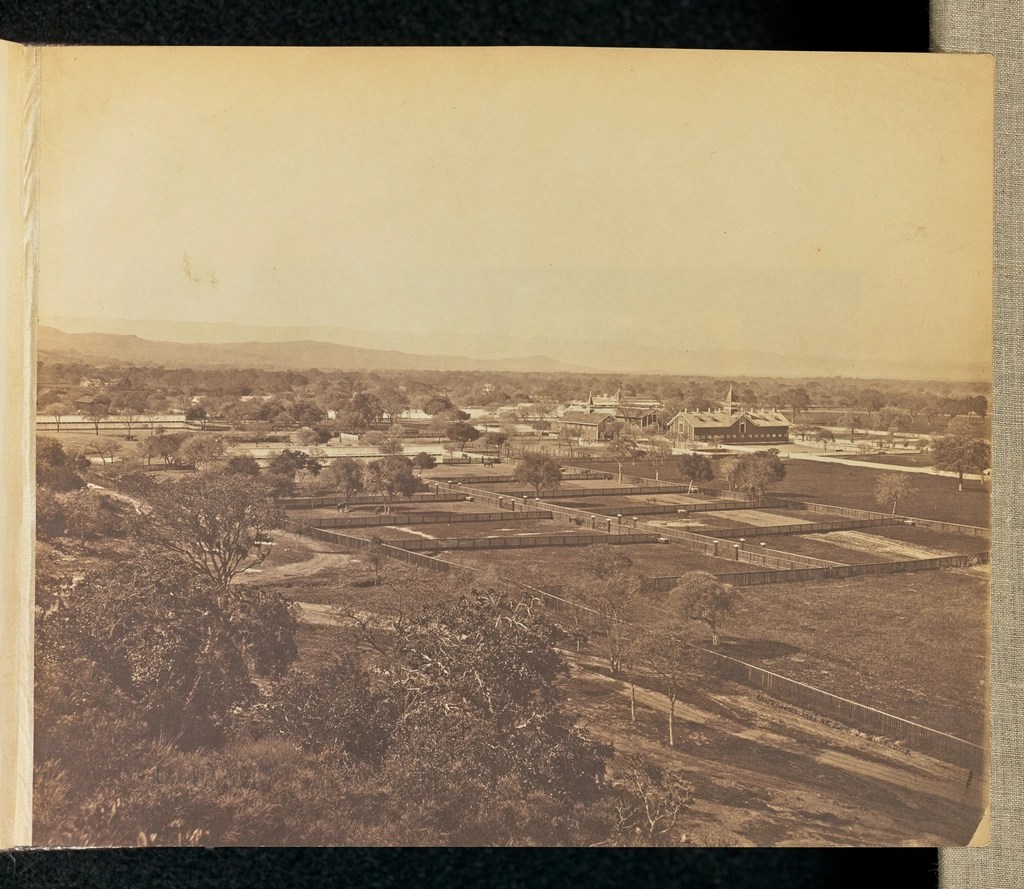
Photo by Natural Beauty on Pexels.com

Today, as in the century-old photo in my hand, the rail bends out of sight just beyond a wooden bridge. A brick warehouse still flanks the right side of the track, though offices now peer through its rows of windows. To my left, the changes are starker. Where the train platform once extended welcome and permitted leave-taking, the blank face of the local jail looms overhead. Razor wire and surveillance cameras stand vigil. The pride of the city at its inauguration in 1911, Union Station is now a faint memory. In its place stands a depot of another infrastructure project: our national network of prisons, jails, and detention centers…

I remember Gilmore and the jail’s residents as I walk toward Court Square, at the heart of this small city. A domed pavilion stands on the corner. The waters that flowed from a spring here made this a place of gathering and relief long before any dream of a city or courts. For generations, many Indigenous peoples, including the Monacan, have made the Shenandoah Valley a place of dwelling and struggle, provision, and exchange. Though European arrival transformed land into possession and fixed new boundary lines upon it and upon our hearts, ancient routes still guide our movement through this valley. Early roads followed the trails of Indigenous peoples, as did the railways. Today, a federal interstate channels commerce and transit along similar paths…

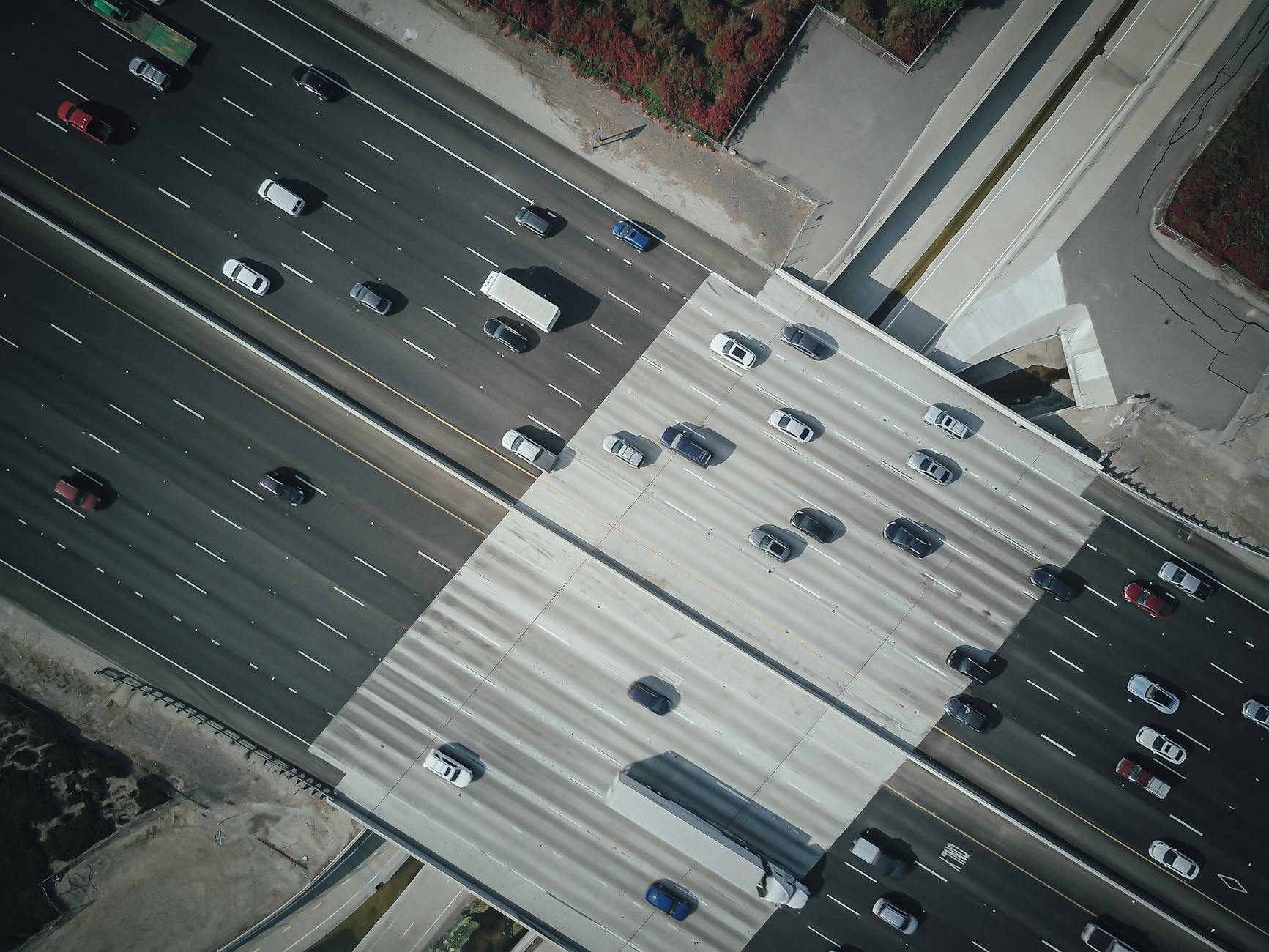
These spasms are more than historical artifacts or chance misfortunes on the road to progress. They shape our national history, the places we live, and how we move. Nearly a century after Harris’s death, the civil rights movement challenged Jim Crow laws and won significant advances toward desegregation and legal equality. Meanwhile, racial and class separation were being further inscribed upon the land itself. Three signature construction projects characterized this reactionary spatial reordering of the postwar and civil rights era: the suburb, the interstate highway system, and the carceral archipelago. Together with their complementary social and physical infrastructure, these institutions map an enduring moral geography that guides how we live and move in the world…

There are no quick fixes or universal remedies. But if we’re willing to dream new dreams together, there are tools we can learn to use to refashion the places we live into places of shared thriving. In the Shenandoah Valley, we are reckoning with our liability for supremacist land use planning and the historic destruction of housing. Community groups are participating in comprehensive zoning and regulatory reviews in hopes of spurring affordable housing and increasing neighborhood economic integration. Networks of mutual aid and community safety are warming up to keep immigration enforcement from tearing us apart. Families are organizing bike buses for schoolkids. Cooperatives, cohousing, bail funds, and community land trusts are forming to practice new ways of being free together in the land. Everyday people are taking risks and making sacrifices to redesign our lives in this place for connection, care, and joy.

Our building and planning choices reflect decisions made by leaders and residents. These decisions have moral dimensions; they are not just practical matters or problem-solving exercises but rather are the result of humans enacting meanings in a setting. Answering “What makes a good community?” is a moral question that then affects all sorts of discussions and decisions.

I appreciate that the article both acknowledges the past processes that led to our settings today and reminds us that we participate in shaping our communities today. If we find that we do not like the moral geography we have today, there are opportunities to develop a different moral geography.

It would also be interesting to hear how others in the community understand and respond to the past and current moral geography. How many people notice these moral dimensions? Who benefits from the existing moral geography? Is there consensus about what the moral geography could be in a decade or 50 years?