
A New York university had a commencement speech – a Q&A with a student leader – delivered by AI:

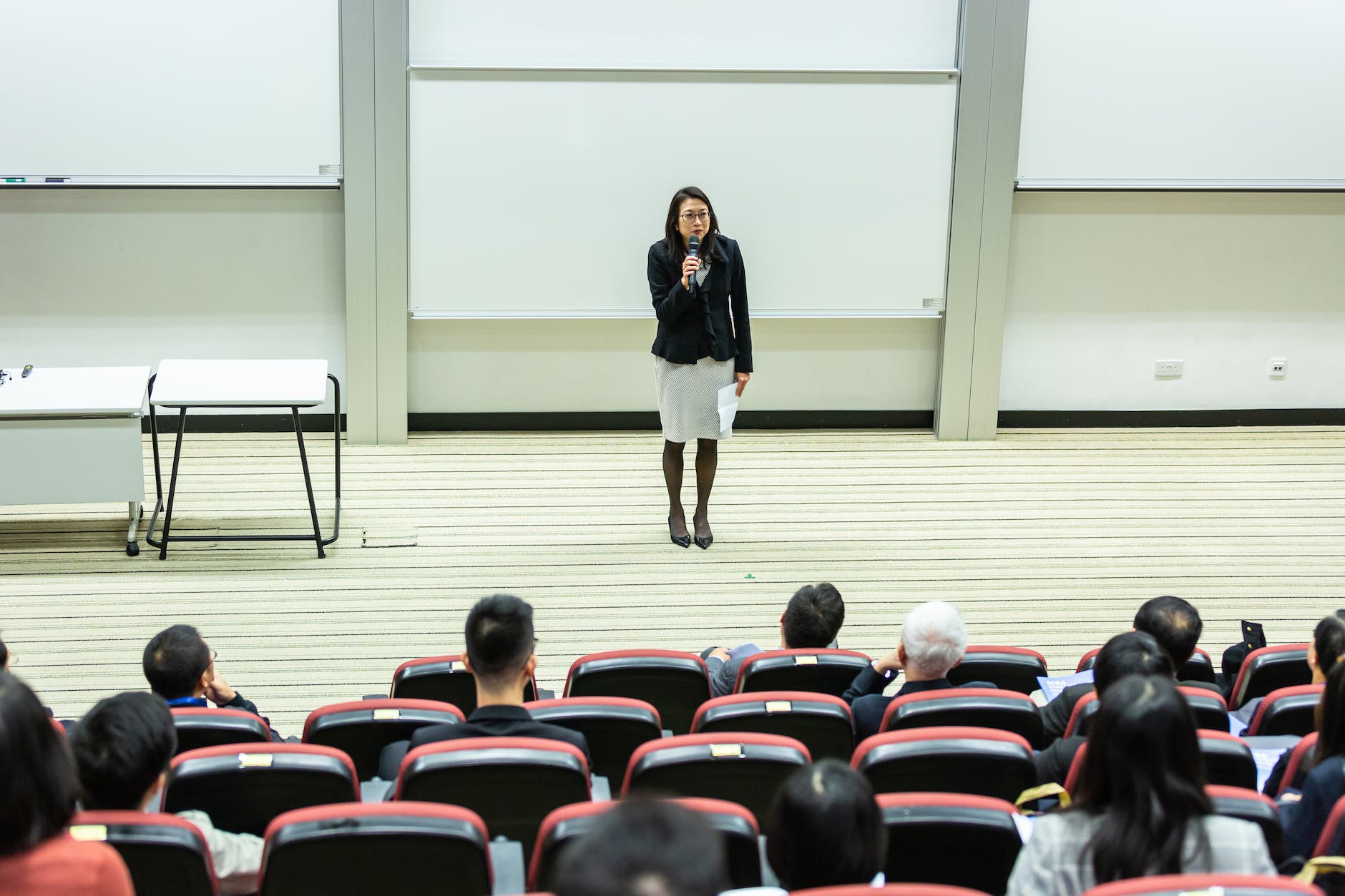
The speaker certainly had the résumé for the job. She’d spoken at the United Nations, graced the covers of Cosmopolitan and Elle, and been a frequent guest on the world’s most-watched talk shows.
But she didn’t feel proud of her achievements. She didn’t feel excited to be speaking to the graduates. In fact, she didn’t feel anything at all.
Her name is Sophia, a human-like robot created in 2016 by Hanson Robotics and a “personification of AI in real life,” according to Lorrie Clemo, D’Youville’s president…
Unable to tell personal anecdotes about overcoming adversity or pursuing success, Sophia instead delivered an amalgamation of lessons taken from other commencement speakers.
“As you embark on this new chapter in your lives, I offer you the following inspirational advice that is common to all graduation ceremonies,” the robot said. “Embrace lifelong learning, be adaptable, pursue your passions, take risks, foster meaningful connections, make a positive impact, and believe in yourself.”
If the goal of commencement is to provide a speech that attendees will remember and look to in the future, that is a high bar.
If the goal of commencement is to provide a memorable experience, having a robot talk might fulfill that (even if the speech itself is not memorable).
It might be a niche market but how long until there is an AI robot that delivers a respectable commencement speech and is available for hire at high school, college, and graduate level ceremonies?






 Legally Sociable