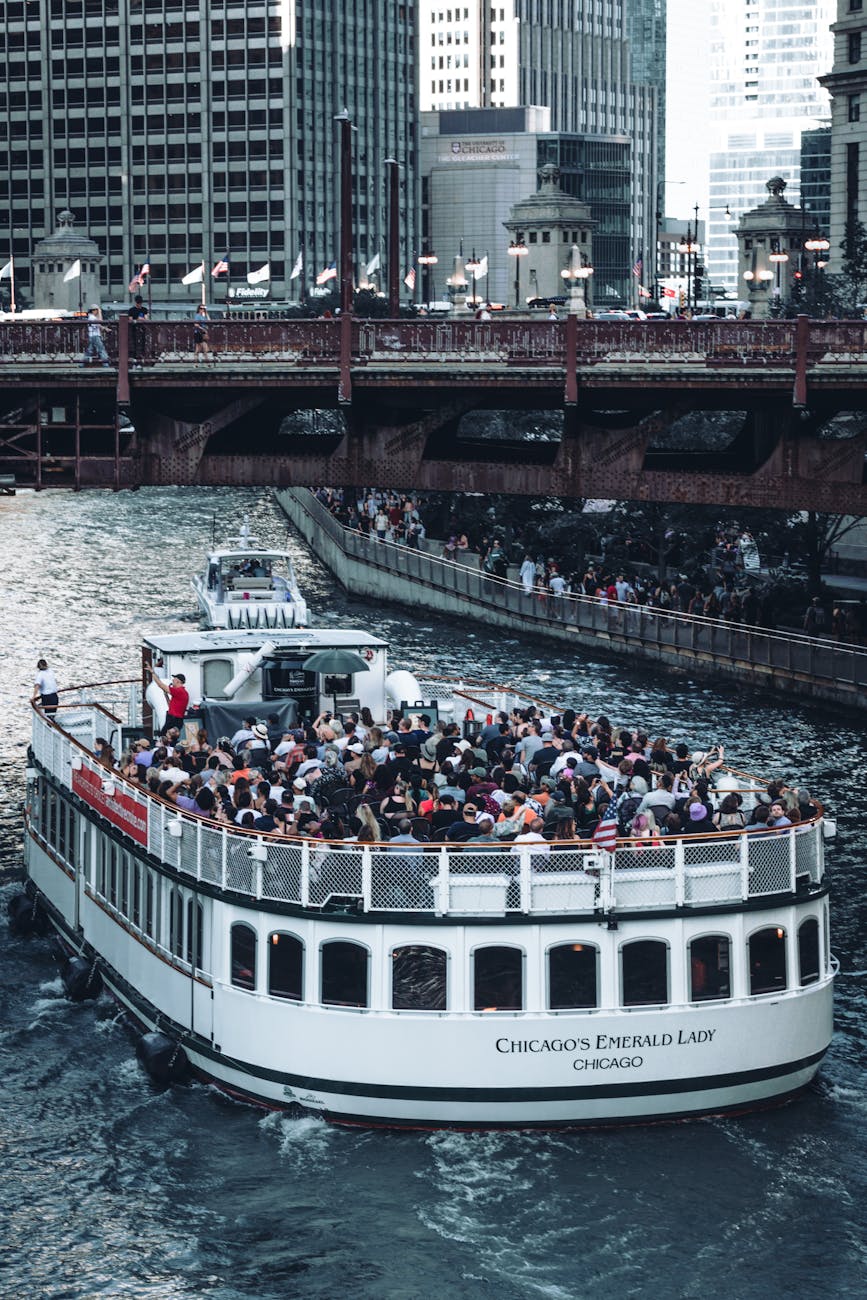
I do not spend a lot of time watching Christmas movies but I know at least a few of the Christmas movies said to involve Chicago are more about the Chicago suburbs. Some evidence…
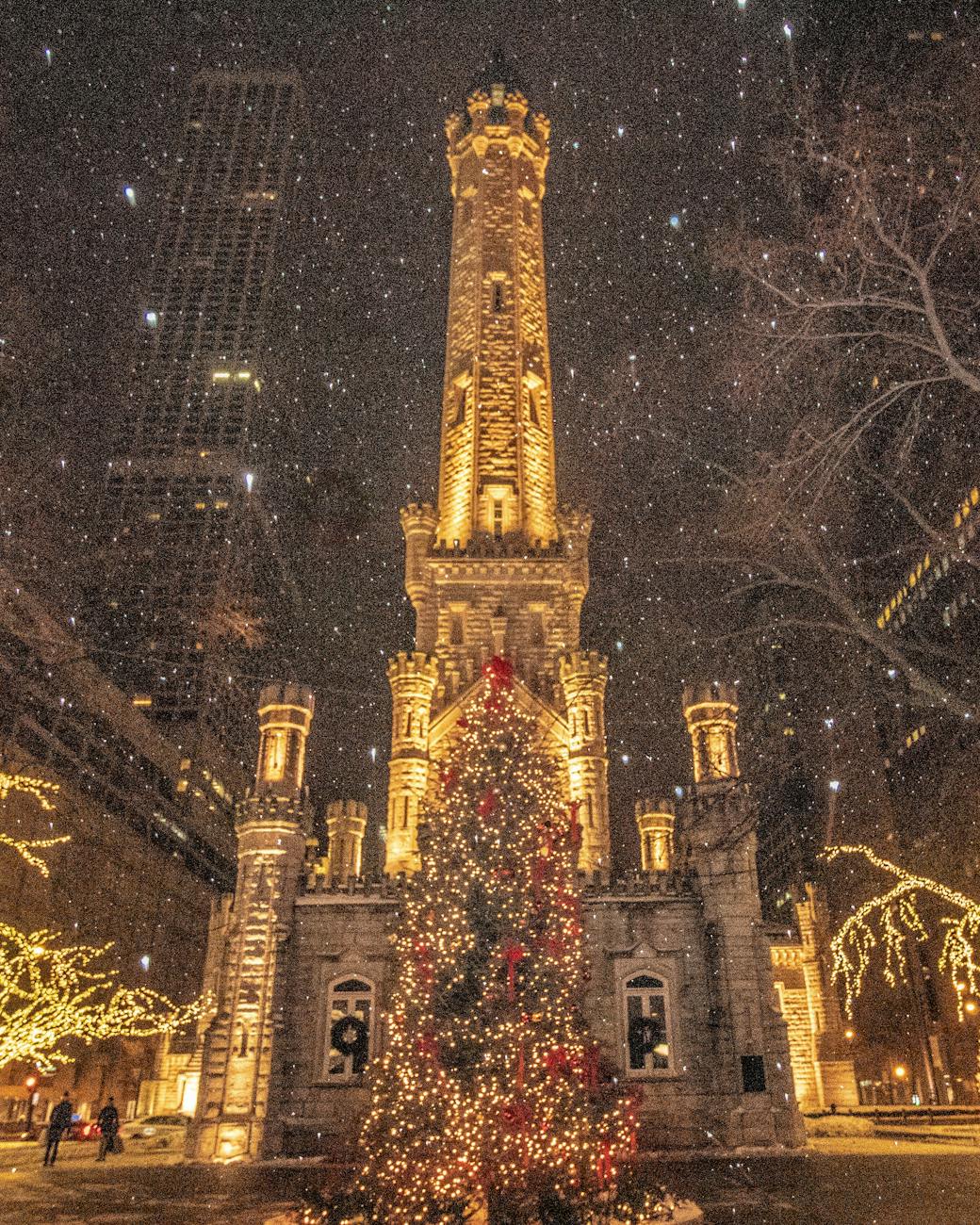
“Home Alone” is set in a fictionalized version of Winnetka, Illinois. “National Lampoon’s Christmas Vacation” takes place in an unnamed suburb outside of Chicago. “The Santa Clause” is set in Lakeside, Illinois. “Christmas With the Kranks” happens in Riverside, Illinois. “Fred Claus,” “The Christmas Chronicles,” “Office Christmas Party,” “While You Were Sleeping,” “A Bad Moms Christmas,” and the early scenes of “A Christmas Story Christmas” take place in downtown Chicago.
“The Polar Express” is initially set in Grand Rapids, Michigan (based on the inclusion of several historic local buildings familiar to the original book’s author). Still, its North Pole sequences are modeled after the Pullman Factory in Chicago.
Many additional films also connect to the greater Midwest. “A Christmas Story” takes place in Northwestern Indiana. “Jingle All The Way” is set in Minneapolis. The Barbara Stanwyck and Fred MacMurray classic “Remember The Night” starts in New York City and moves to Indiana for the holidays.
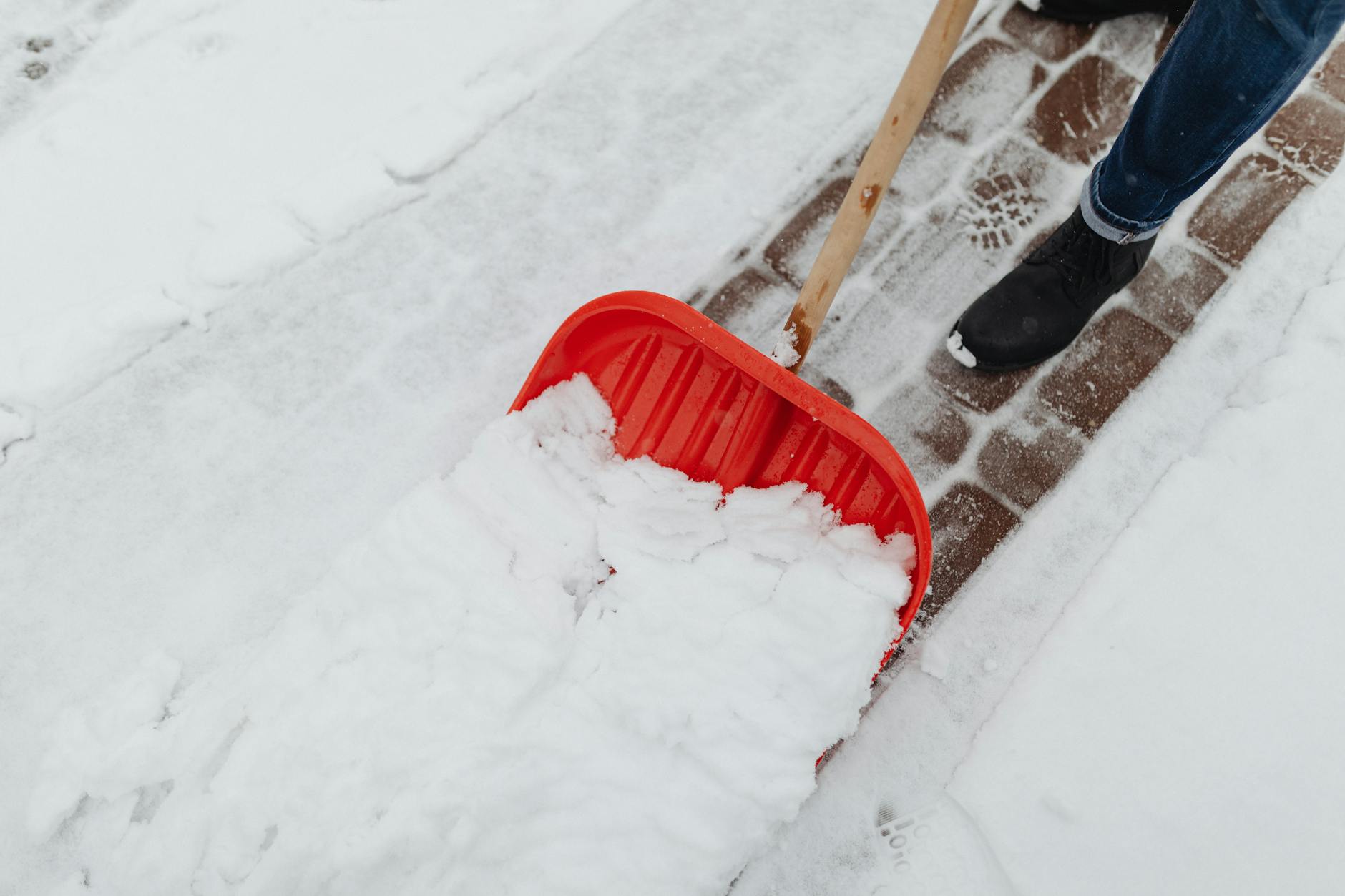
In real life, the home of the fictional South Bend Shovel Slayer — aka OId Man Marley — from the 1990 John Hughes-written holiday classic “Home Alone” is located at 681 Lincoln Avenue in north-shore Winnetka…
It’s right next door to the more famous “Home Alone” house at 671 Lincoln Ave. in Winnetka, which was shown extensively in the film as the home of the McAllisters. That home was listed for sale in May at $5.25 million and, according to its Zillow listing, has a sale pending…
As it turns out, Old Man Marley — played by the late character actor Roberts Blossom — is a kindly neighbor who helps Kevin overcome his fears of going into the basement. Kevin, in turn, helps Old Man Marley reconnect with his estranged son…
According to the Zillow listing, the home was built in 1898 and was a creation of Benjamin Marshall, a major influence on the architecture of modern Chicago. The home sits on two-thirds of an acre in Winnetka and features six bedrooms, six full bathrooms, one half-bathroom, a balcony, a library, a putting green, a large in-ground pool, a half basketball court, and plenty more.
Popular movie + expensive suburban house = story people will click on? Americans like single-family homes and may even like looking at interesting single-family homes more than they like their own.
If you’re nodding, you’ve seen Very Merry Entertainment’s three holiday films shot on location in the Lake County village: “Christmas with Felicity,” “Reporting for Christmas” and “Christmas on the Ranch.” The latter debuted on Hulu in November.
“Once Upon a Christmas Wish,” a Long Grove production starring Mario Lopez, premieres Saturday on the Great American Family network. And two other Illinois-based movies, “Christmas at the Zoo” and “Christmas in Chicago,” will be released in the future.
In recent years, Illinois has emerged as the site of a holiday movie cottage industry. While old big-screen classics like “Home Alone” and “National Lampoon’s Christmas Vacation” are associated with the Chicago area, a crop of newer projects were also shot in the city and surrounding villages and suburbs. Of the Christmas movies released between 2018 and 2023, 12 were at least partially filmed in the Chicago area, including the 2021 Disney+ movie “Christmas Again,” according to the Illinois Film Office…
“The villages that surround Chicago are very bucolic, and have this period architecture and a setting that mimics the ideal that the storytelling for a Christmas film encompasses,” said Louis Ferrara, assistant deputy director at the Illinois Film Office. “If you go to Libertyville or Long Grove, you’ll see the Christmas decorations going up [in early November] and through the holidays. So, these villages exist in this manner every year. And I think producers and filmmakers are really now discovering that aspect of our region.”
In other words, the financial situation in the Chicago suburbs has to be good – aka tax breaks – and the communities fit the aesthetic for a Christmas film. If the goal is to have charming downtowns in small suburbs, the Chicago area has plenty of those. Take the Wikipedia description of Long Grove, mentioned above:
The village now has very strict building ordinances to preserve its “pristine rural charm”,[5] including prohibitions on sidewalks,[6] fences,[7] and residential street lights.[8] The Long Grove area is now known for its historic downtown, its exclusive million dollar homes and the annual events including the chocolate, strawberry and apple festivals that take place in May, June and September, respectively.[9] The Robert Parker Coffin Bridge, on the edge of the city’s downtown, is a historic 1906 bridge that is featured on the Long Grove’s logo and welcome signs.[10] Due to the 8-foot-6-inch (2.59 m) clearance height of its covering, it has been struck by vehicles dozens of times in recent years.[11]
Libertyville’s downtown area was largely destroyed by fire in 1895,[11] and the village board mandated brick to be used for reconstruction, resulting in a village center whose architecture is substantially unified by both period and building material.[11] The National Trust for Historic Preservation, which gave Libertyville a Great American Main Street Award, called the downtown “a place with its own sense of self, where people still stroll the streets on a Saturday night, and where the tailor, the hometown bakery, and the vacuum cleaner repair shop are shoulder to shoulder with gourmet coffee vendors and a microbrewery. If it’s Thursday between 7 a.m. and 1 p.m., it’s Farmer’s Market time (June–October) on Church Street across from Cook Park — a tradition for more than three decades.”[17]
I could imagine some additional Chicagoland suburbs would want to get in on selling themselves as having a charming, Christmas aesthetic that lasts all year long.
The priest who permitted Sabrina Carpenter to film her music video for “Feather” has been stripped of his duties.
On Monday, Nov. 18, Monsignor Jamie Gigantiello was relieved of his role after church officials determined that an investigation revealed other evidence of mismanagement, per the Associated Press.…
Last November, just days after Carpenter, 25, released the visual for “Feather,” Gigantiello was disciplined and stripped of his administrative duties because of the video, per The New York Times.
The Diocese of Brooklyn shared a statement with the Catholic News Agency stating that Bishop Robert Brennan was “appalled at what was filmed at Annunciation of the Blessed Virgin Mary Church in Brooklyn.”
According to the outlet, the Diocese claimed that the Blessed Virgin Mary Church did not follow policy when it came to approving what gets filmed on Church property, and it was Gigantiello who gave Carpenter’s team permission to film the video.
As a researcher who has written about church buildings, I wondered how many churches or congregations would allow a music artist to film within their building. Would it matter what kind of music the video involved? Or if the artist had a personal connection with the faith tradition or the particular building? I would guess many religious congregations would hesitate before approving the filming of a music video in their space.
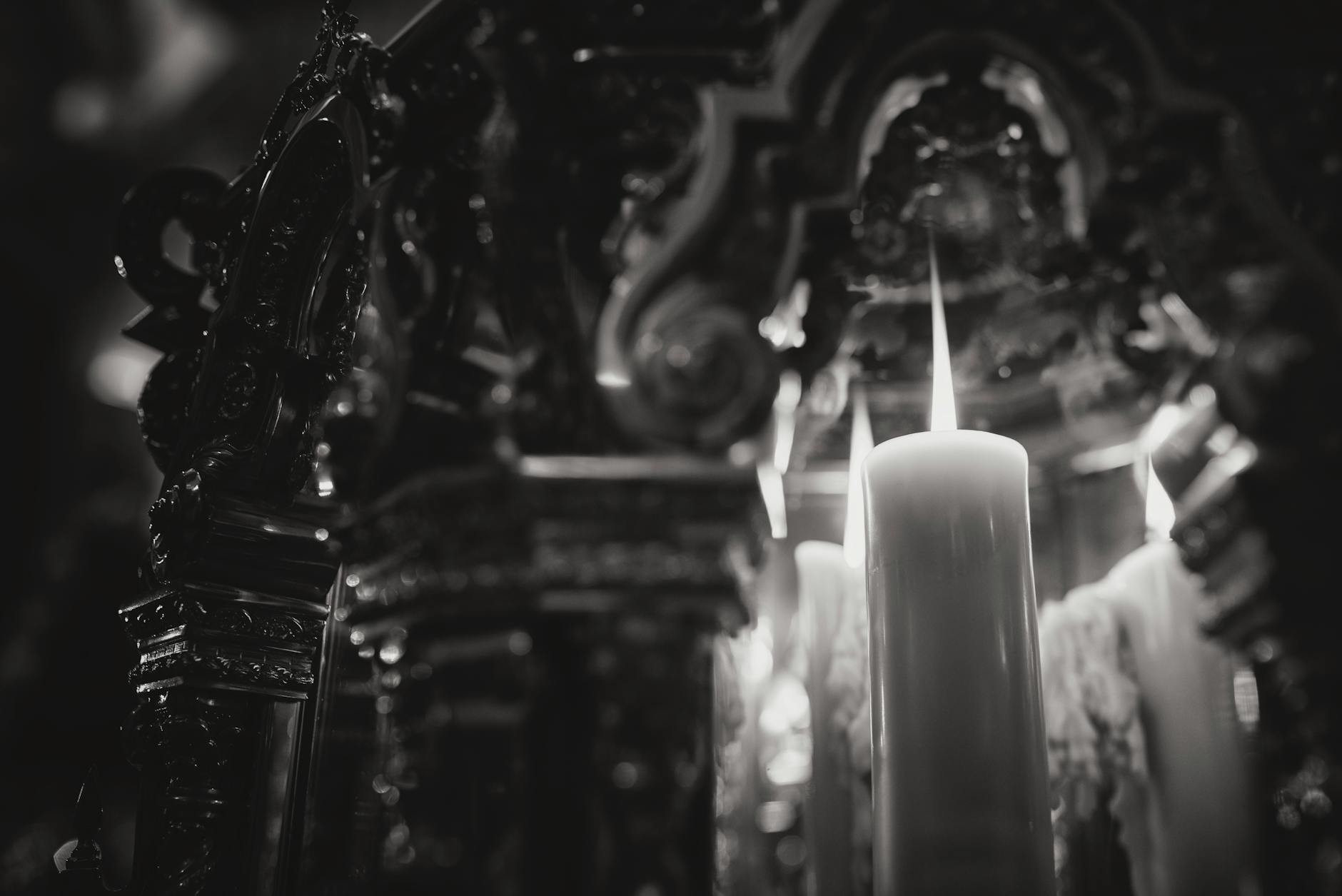
Religious buildings often work to separate profane – everyday – activities from sacred – transcendent – activities. How this is done can vary across religious traditions and spaces. If a congregation is renting space in a high school for services or is meeting in what used to be an Army barracks, how do they do this (see Chapter 6 in Building Faith for these examples and several others)? Or some religious traditions might mark religious spaces by distinct architecture and design while others argue they can do this in a multifunction space that can be a sanctuary at one moment, a gym the next, and a wedding reception space after that.
If this church had turned down the music video filming, where might they have gone next? Another religious building or a sound stage?
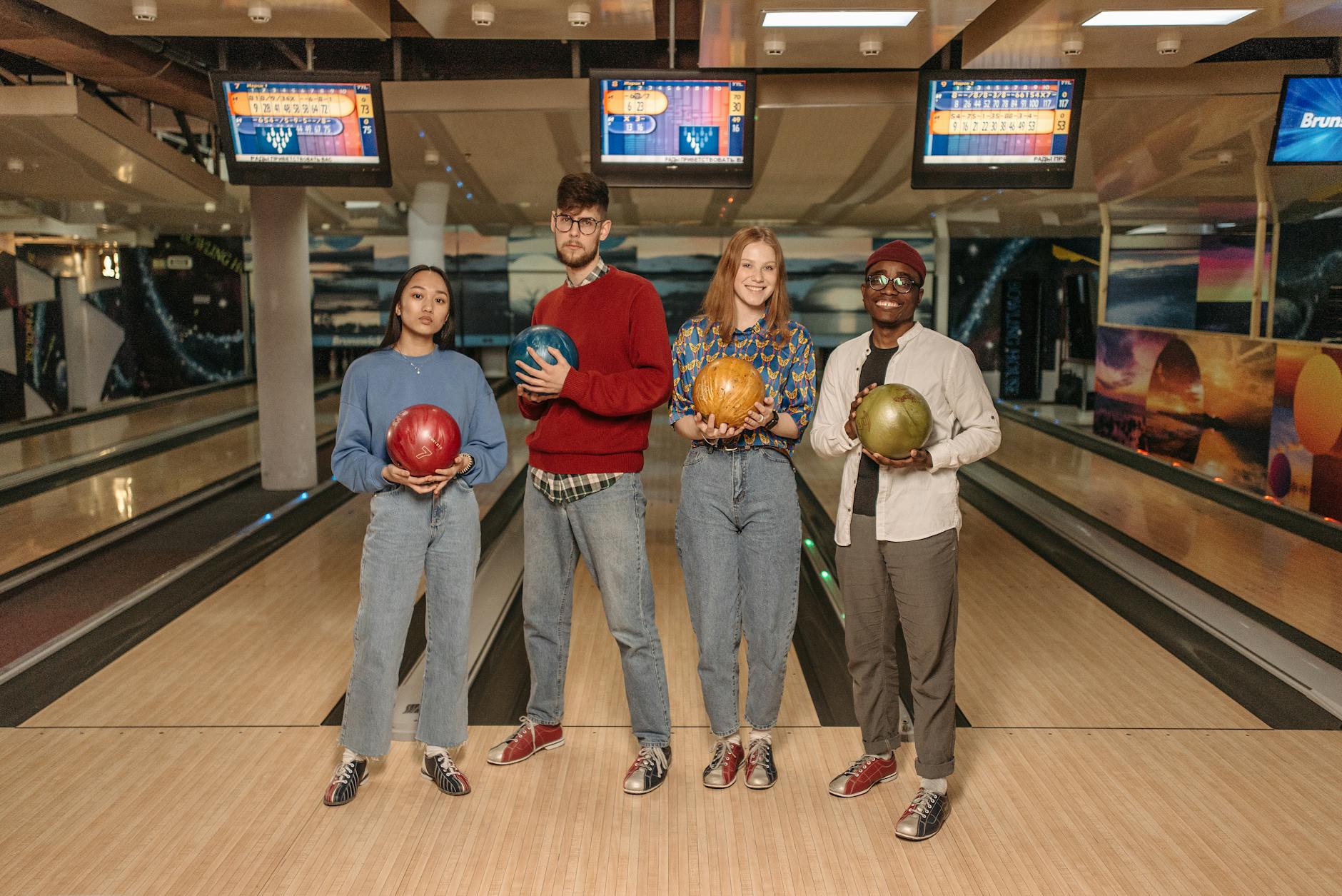
If you’ve been feeling depleted and disconnected from a world of diminished meaningful in-person interactions, “Join or Die” explores one reason why, as laid out by social scientist Robert Putnam. Collectively, we’re less involved in organized gatherings. There are all kinds of reasons for that, but it’s a fundamental shift that’s affected our quality of life, because the social bonds that result when you join a club or organization are not just a matter of “warm, cuddly feelings,” Putnam says in the film. “In area after area of our community life, our communities don’t work as well when we’re not connected.” And that, he says, has far-reaching effects not only on us as individuals, but on democracy itself…
Putnam’s thesis is that communal activities build social ties, which have value beyond the immediate satisfaction of just doing things together. It creates a sense of mutual obligation.
I was thinking about some of these ideas as I was reading an article in the Chicago Reader about dog owners letting their pets run off-leash in city parks. Technically it’s not allowed and the practice can be controversial, but the story focused on an aspect I hadn’t considered: “While proximity and green space may have motivated people to start utilizing unofficial areas, the community that forms within is what keeps them coming back.”
This is more or less Putnam’s theory come to life. According to the story, because of the “community-oriented and unregulated nature of the unofficial dog parks, their patrons feel that they look out for each other’s dogs more than people do when at an official (dog-friendly area). The sentiment that ‘we all look out for one another’ was repeated more times than I could count, whether in the context of cleaning up after dogs, calling dogs that run outside the gates and/or begin to wander off and explore new scents, or maintaining space for other park patrons.”…
Putnam says TV is one of the reasons we’re fractured. He calls it “lethal for social connectedness — basically we’re now watching ‘Friends’ instead of having friends.” But I think it goes even deeper. The kind of stories we see on TV reinforce many of the factors he’s citing. Instead of stories rooted in the idea that life is a group project, we’re fed the message that fixing or changing anything is, as Putnam put it, “the business of somebody else” — and on screen that’s usually the police or superheroes, rather than regular people working together to solve problems.
Another way to think about it is that there are collective and individual benefits to joining a club: it can help one’s well-being and improve social connections. At the same time, the social relationships and social networks formed can help tighten bonds and communities.
In contrast, other common activities may not do the same things. Online or social media activity can bring people together – but it can also lead to atomization and relationships that work differently when not regularly conducted in-person. Television tends to be a more solo activity or occurs with a small group, even as mass media has the potential to bring people together to some degree (common experiences, etc.).
I am curious to hear more about the actual in-person component of joining a club and how much this matters for building social capital. As Randall Collins explains in Interaction Ritual Chains, unique things happen when humans are in physical proximity.
Picture a crowd swaying in unison to a beloved song. Everyone assembled feels the same emotion simultaneously, says Paul Booth, a professor of media and pop culture at DePaul University. The euphoria catches and builds.
The experience, known as “collective effervescence,” can feel transcendent, he says, almost telepathic.
“I think it has to do with wanting something in our lives that we can lose ourselves in,” he says. At a time of increasing polarization and cynicism—not to mention that coming election—it’s an especially wondrous connection, he adds…
Fandom asks us to latch ourselves to something outside of us, to allow a person or object we don’t have control over to become part of our identities. How much easier to stay cool and removed, rather than risk having our enthusiasm batted down or betrayed.
Concerts, conventions, sporting events, etc…gather with thousands of like-minded people and the activity and emotions can move people in unique ways. At one point in The Elementary Forms of Religious Life, sociologist Émile Durkheim asked:
What other name can we give to that state when, after a collective effervescence, men believe themselves transported into an entirely different world from the one they have before their eyes?
It is not just a place where music is playing or a game or a bunch of activities in a convention hall; it is a particular experience that individuals alone have difficulty producing. It is the product of communal energy.
As the article notes, what happens if people experience fewer collective effervescence moments? Do humans need a certain amount to thrive – or do they suffer ill effects with fewer moments of collective effervescence?
Lots of things happen in big cities. Some stories are stranger or more influential than others. But how might one story get commemorated for years? Which cultural narratives last? One non-profit leader described this particular story:
“The incident is woven into the city’s pop culture fabric, and the anniversary seemed like an opportunity to emphasize that the world has to protect our natural resources, but it didn’t work out,” Frisbie said of the effort.
The article on the 20th anniversary provides some hints on how this story caught on and continues to be told. To go beyond a story that the people involved tell over and over, some help is needed:
-Famous people involved. The music group was well-known with multiple #1 platinum albums under their belt. This was not a random tour bus.
-Criminal charges and a court case. This involves different public bodies and can keep a story in the news.
-The media. A strange but true story – bathroom matters! a famous band! charges! – is a good one to get attention. And can we expect stories on the 25th anniversary, the 30th, and so on?
I am sure it would be hard to measure but it would be interesting to look at how this story stacks up against other stories in the city of Chicago. Which ones stand the test of time? Does this one make it into “official” lore (books, museums, memorials, etc.)? What is the half-life of pop culture stories in Chicago?
Music critics are especially ashamed of love songs. Ninety percent of pop songs are about love, as critic Dave Hickey pointed out, but critics prefer to write about the other ten percent.
I would be interested to see quantitative data for this claim. Love is a popular theme – but nine out of every ten songs? Does this mainly involve hit songs, works from major artists and labels and everyone else, and does the pattern hold across time periods? Would the music-selecting algorithms choose love songs across genres and artists? Text analysis of lyrics could look at the presence of certain words and sentiments. Analysis of music could consider whether the musical patterns in songs involving love are unique or follow particular patterns. (And then what is so different in lyrics and/or music in the other ten percent of songs?)
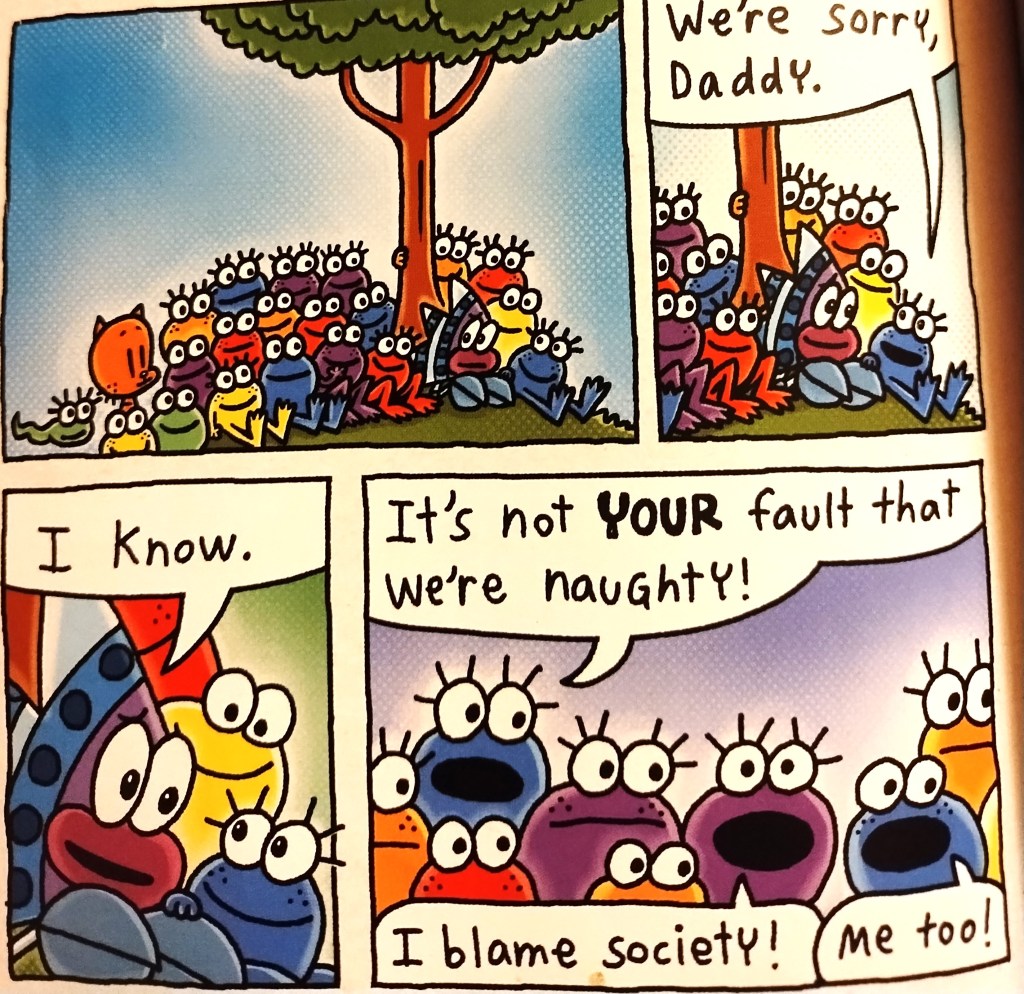
How many children have tried such a line throughout time? And how effective is this blame?
And yet is there some societal or social influence in how kids act? If socialization is an important process in growing up, could society often factor into choices?
How many kids can define society and/or describe it?
This is also a reminder that books for kids offer plenty of social commentary – and are part of the socialization process themselves.
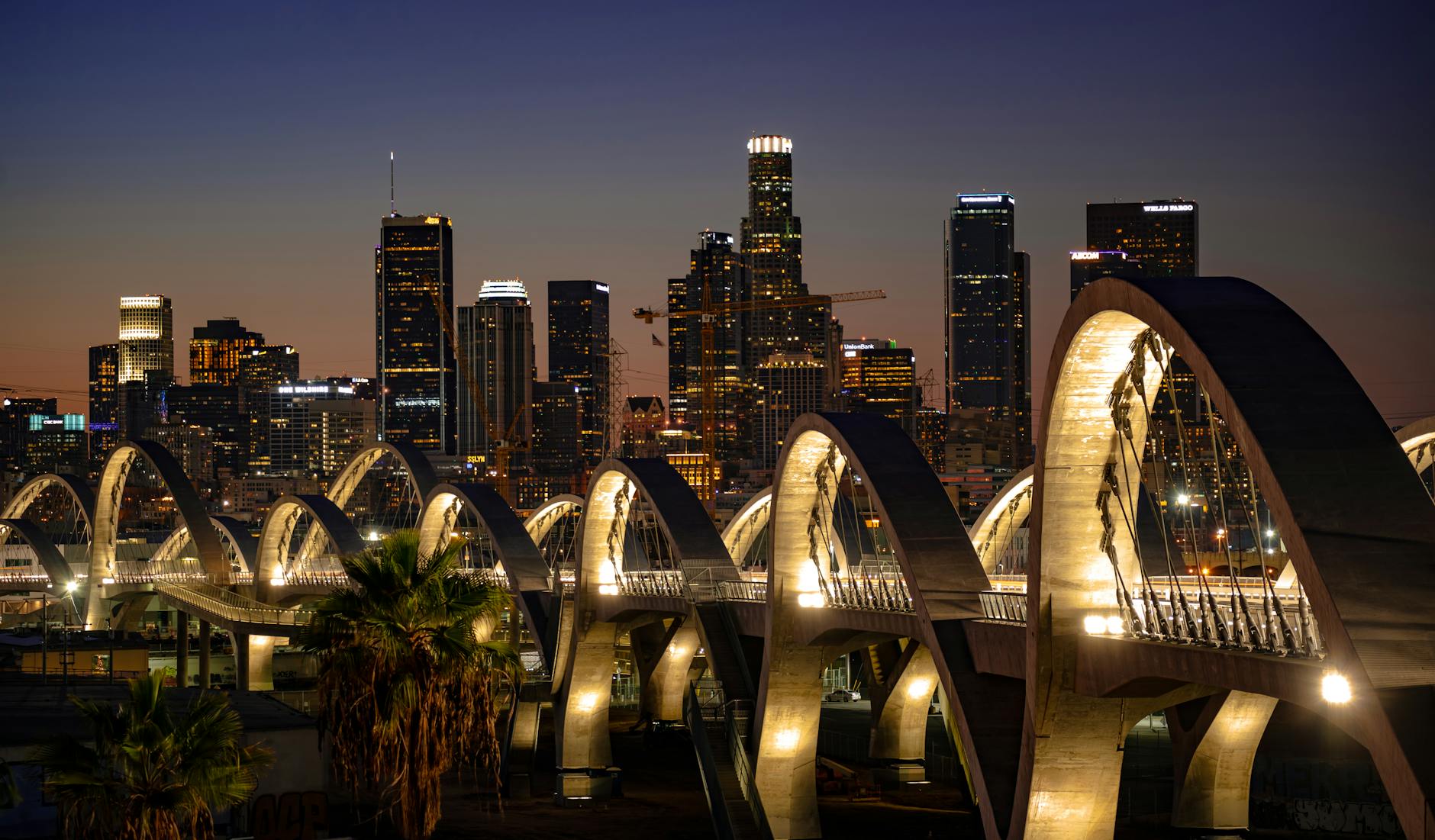
If Chinatown’s ending forces the audience to sit in a feeling of hopelessness, it should also disturb anyone invested in Los Angeles’s future. The history of water in 20th-century California was defined by mammoth feats of engineering and an enduring belief that someone like Mulholland would eventually come along and enable the impossible. Each new dam or aqueduct only guaranteed the arrival of the next one—the population growth allowed by Mulholland’s aqueduct, for example, later resulted in L.A. tapping other water sources, such as the Colorado River. California has had a few good years of rain recently, but the long-term sustainability of the state’s water supply depends on collective conservation efforts: drastically reducing the amount of water used by Big Agriculture, moderating suburban tasks such as watering lawns, regulating the state’s groundwater.
“There is no more water to capture with big projects. There just isn’t. The future is really about much smarter water management,” Stephanie Pincetl, a UCLA professor who specializes in urban policy and the environment, told me. Conservation measures, she argues, are the way forward even if politicians wish they could stump for some grand technological innovation the way their 20th-century predecessors did: “The approach to the 21st century has to be a lot more subtle, a lot more place-based, and a lot more guided by the realization that water is a scarce resource, and so we need to treat it like a scarce resource.”
Finding water in Los Angeles, the Southwest, the West, and the United States more broadly may become more paramount in the coming decades. Which cities and regions would do well in competing for water? Would a lack of water in some places lead to growing populations in places with plenty of water?
While we are at it, why not tell more exciting stories in these categories:
Origin stories of modern places. Take any of the big cities in the United States and put its origin story in a movie or a miniseries. How about the rise of Phoenix?
It would be interesting to popularize more stories about water and other necessary resources in daily life. How about a thrilling tale about concrete? It is hard to imagine modern life without out. Or air conditioning. Can’t have a lot of the global development of the last century without it. Or salt. Where do we get all this salt in our daily lives from?
If Chinatown can entertain and inform about place, why not engage in more storytelling that explains where places have come from and where they might be going?



 Legally Sociable