SF mall’s fate a sign of “urban doom loop” or suffering from what faces many shopping malls?

A review of the issues facing San Francisco includes a bit about the Westfield San Francisco Centre:

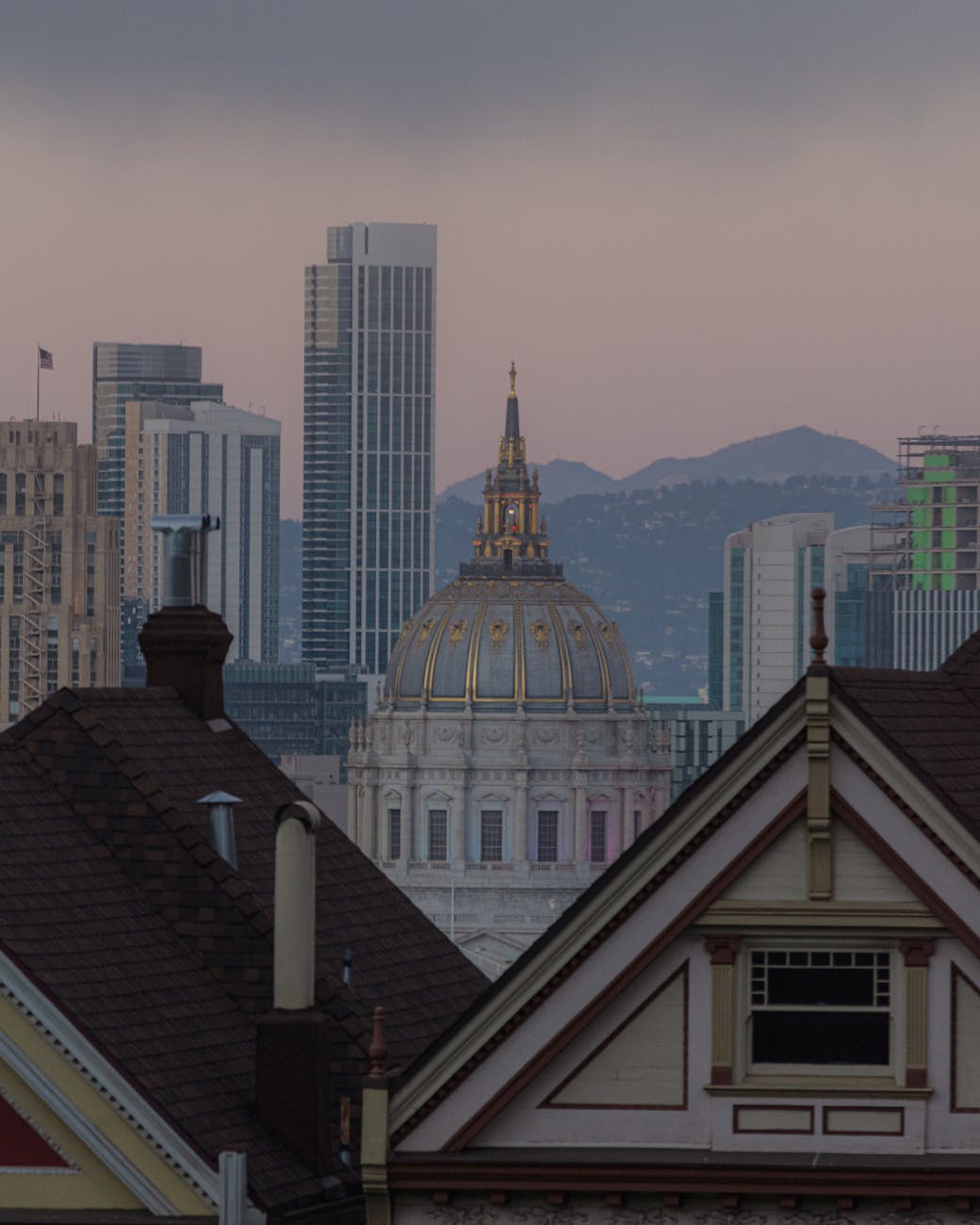
Photo by brokenadmiral_ on Pexels.com

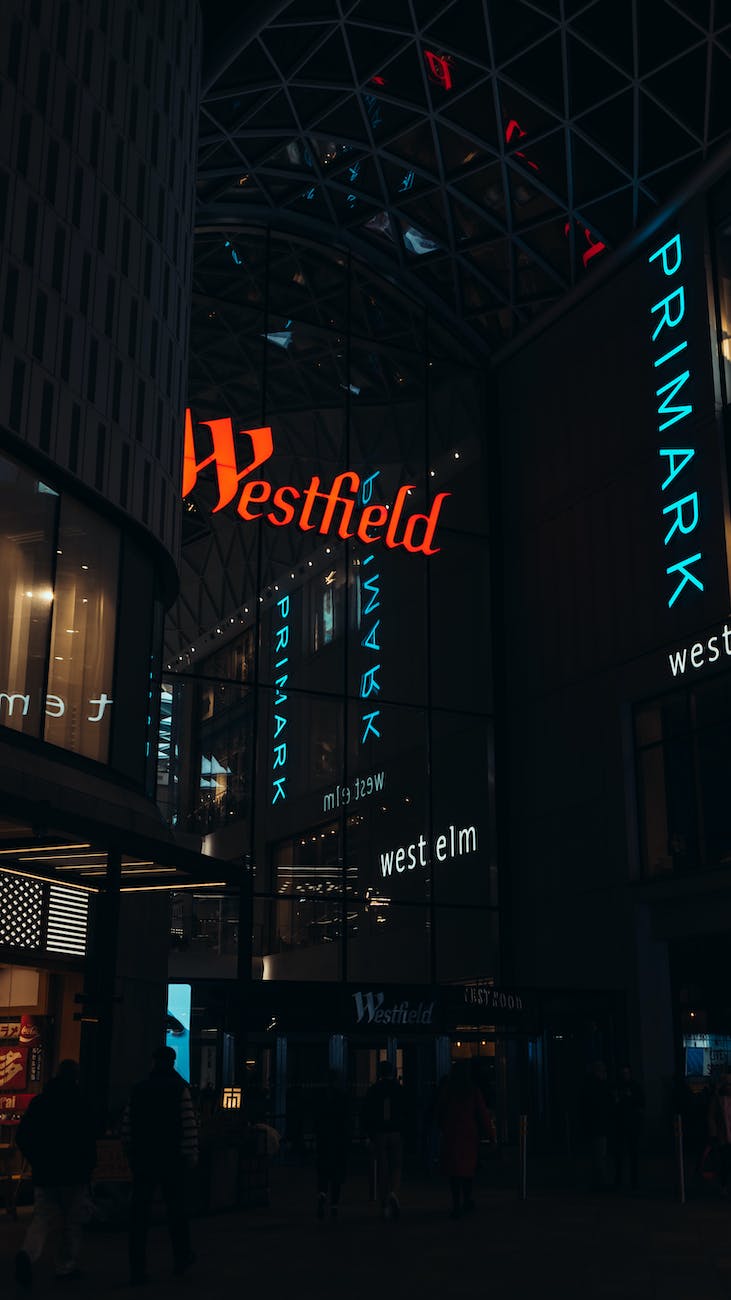
Dennis Phillips had recently taken her staff to tour the Westfield San Francisco Centre. “We have to understand the possibilities of that building,” she explained. The mall loomed so large as a harbinger of San Francisco’s struggles that I decided to see the damage myself. When I was growing up in San Francisco, at the turn of the millennium, the opening of the Westfield mall had seemed like the capstone of the city’s rise. Now I expected a ruin – the remnant of a once triumphal age.

As I approached, I found the stretch of downtown around the mall lively and crowded. People in the local office garb of slacks and zip vests brushed past, thumbing their smartphones. In front of the Dawn Club, a storied jazz bar that Sheehy reopened this year, men in suits were playing a game that they called Doomloopin Bowling on a strip of AstroTurf. Inside the mall, which as of now has no closure date, I saw customers flowing from Bloomingdale’s. To my left, a Michael Kors salesperson chatted with a couple as, on my right, young men studied fancy watches in an I.W.C. Schaffhausen. The food court was noisy, and there were no free tables at Panda Express. The grimmest space was on the top floor: a Cinemark whose lease is up in the fall had gone dark early. “They’re closed,” a bored looking guard announced to no one.

In public declarations, Westfield – like Gump’s – laid the blame for its lack of business on the condition of San Francisco’s downtown. But in the past forty years the number of malls in the United States has declined by nearly three-quarters, and a tour of downtown San Francisco today, its streets packed, its bars busy, can seem an odd me-or-your-lying eyes experience.

The closing of retail shops in San Francisco was easy to see culminating in this mall when the mall operator recently handed back the property to the lender. A once thriving mall suffered from vacant properties. Its location was once a very busy part of the downtown between regular floods of downtown workers, residents, and tourists. I have been to this mall at least a few times and it was generally a lively spot where a cosmopolitan canopy might be possible.

But, as noted above, shopping malls everywhere are facing difficulties. Brick and mortar locations are suffering, even in the most vaunted locations. The outlook for shopping malls is bleak as many will not be needed in the future landscape. Numerous malls are trying to transition by adding housing and/or other entertainment options.

Like many places, urban or suburban, what the mall becomes might be more important than whether the mall survives. What becomes of potentially valuable land near an urban core that once generated property and sales tax revenue? What use could be good for residents and the city long-term? This may be harder to envision in urban downtowns where a lot of property might soon be available for new uses.

Naperville now top trick-or-treating community in the United States

Naperville has accumulated a number of high rankings over the years and now it can claim to be the best place to trick-or-treat in 2023:

Photo by Charles Parker on Pexels.com

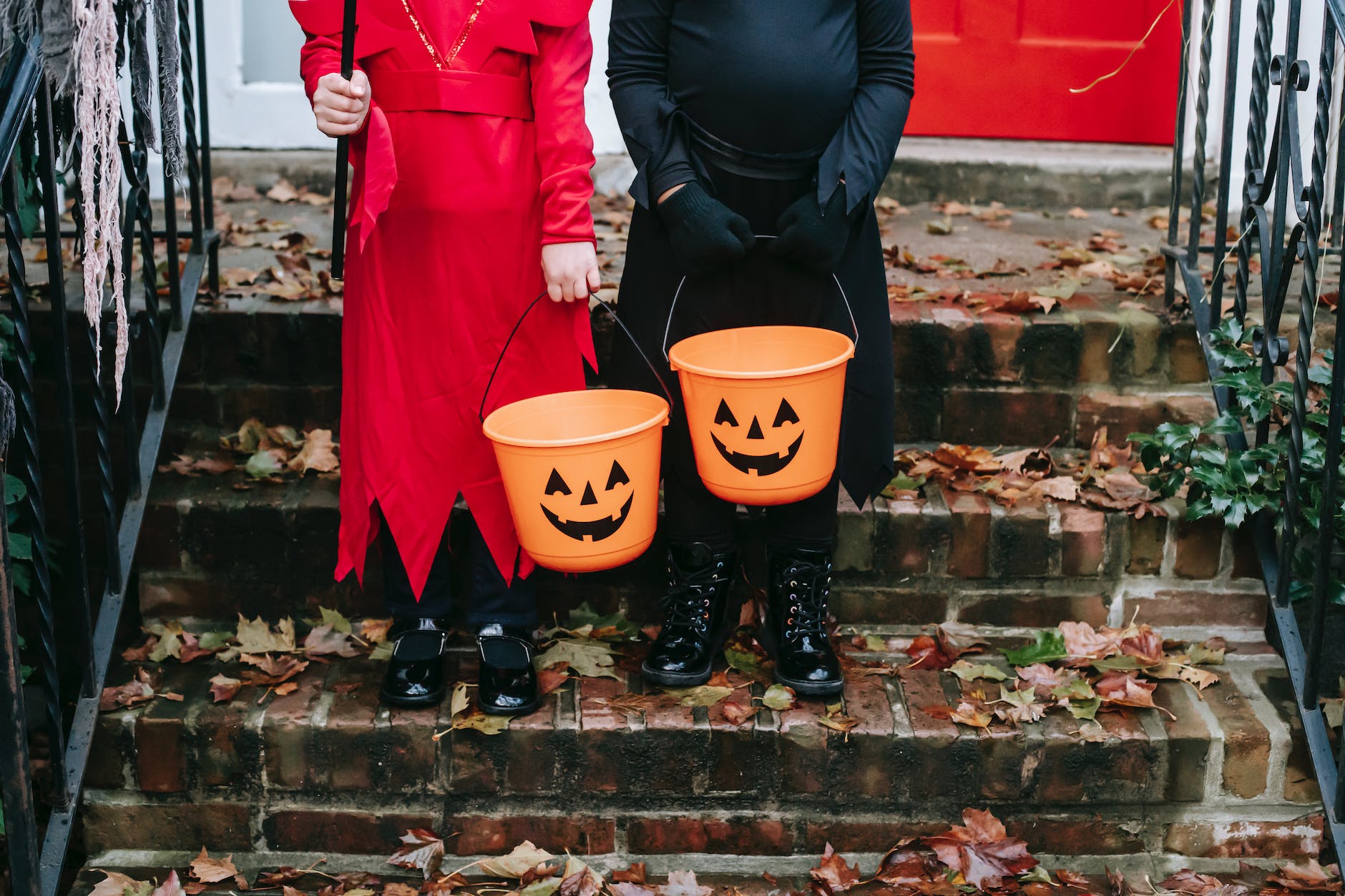
For innocuous thrills and chills, the city is No. 1, according to a recently released study ranking the top safest U.S. cities to go trick-or-treating. The list, compiled by product research company Chamber of Commerce, considers factors like crime, pedestrian deaths and law enforcement presence to determine where a worry-free Halloween is most likely to happen.

Naperville came in first out of more than 300 places evaluated across the country. That’s a step up from even last year, when the city ranked No. 4 on the same tally heading into Halloween 2022…

For Naperville, the company found the city “retains the charm and security of a tight-knit community” with few registered sex offenders, an “excellent record of property crime” and relatively few violent crimes reported across the whole city over the past year.

No word on the quality of candy available among the city’s households and businesses? There has to be some way to get at the experiences of people trick or treating in the community.

This adds to earlier rankings that had Naperville as a best place to live, a good place for families, and high level of wealth within the region.

Taking on the identity of the #1 pumpkin state

What is the state of Illinois known for? Lincoln and Chicago come to mind. But, what if Illinois is the leader in growing pumpkins in the United States – where does this fit?

Photo by James Wheeler on Pexels.com

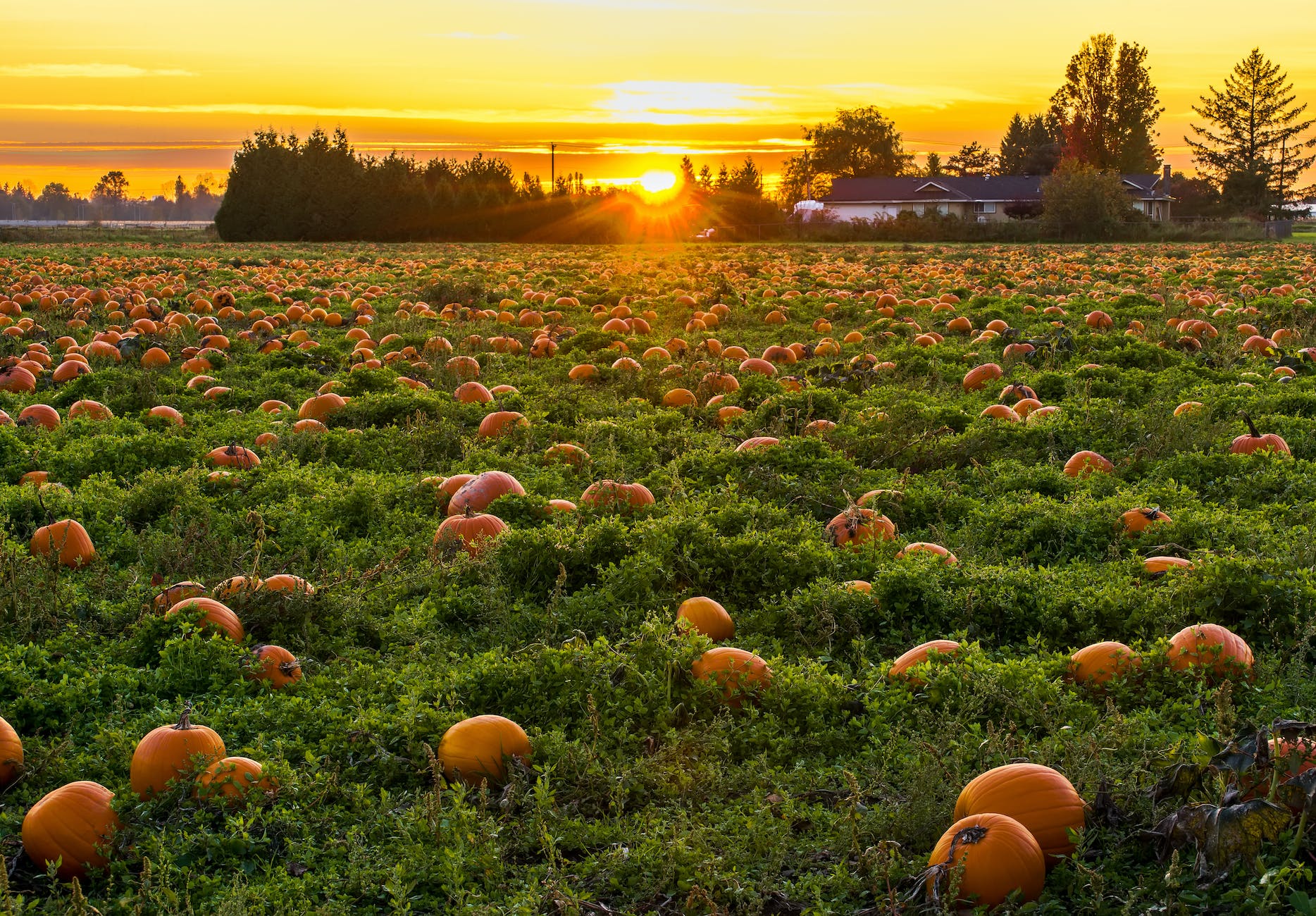
But we can chant, “We’re No. 1!” with pride, as the pumpkin provider to the nation.

And despite a rough start to the season, Illinois is poised to retain the title, according to Raghela Scavuzzo, associate director of food systems development at the Illinois Farm Bureau…

She anticipates this year’s crop will weigh at least 650 million pounds. In 2021, 652 million pounds of the gourd were gathered, according to the Agriculture Department’s Census of Agriculture, more than the next five states combined…

There are two types of pumpkin businesses in Illinois; Those that make money off jack-o’-lanterns, and those that make pumpkin pie possible. Illinois really rules the latter — about 80% of the acreage is devoted to pumpkins for processing.

In a world of place-based marketing and branding, I could imagine a number of different campaigns to highlight this unique feature of Illinois. Lincoln with a pumpkin? Signs welcoming visitors to Illinois include a pumpkin added for the fall season? Pumpkin patches and fall farms covered with all sorts of iconic Illinois images or places?

Beyond marketing, it would be interesting to know how much pumpkins contribute socially and economically to the state. Is the pumpkin growing related to declines in growing other crops? How many jobs does pumpkin growing entail? How does growing pumpkins and selling them compare to other options?

Too bad Charles Schulz, creator of Linus and the Great Pumpkin, was from Minnesota…are there Illinois natives who have creatively invoked pumpkins in works?

From the first post-WWII house constructed in Naperville (by Harold Moser) to today

Can one property help highlight the changes in Naperville, Illinois in the last century? I ran into this news item first published May 30, 1946 in The Naperville Sun:

The Moser Fuel and Supply company has just completed the first new house to be built in Naperville since the outbreak of the war in 1941. This “No. 1” house, as it is referred to by Moser employees, is at 417 S. Sleight St., and is a little dream in brick veneer with chocolate-color mortar. Ten other Moser houses are going up around No. 1, eight of which are in the 400 block of south Sleight Street and two on South Wright Street.

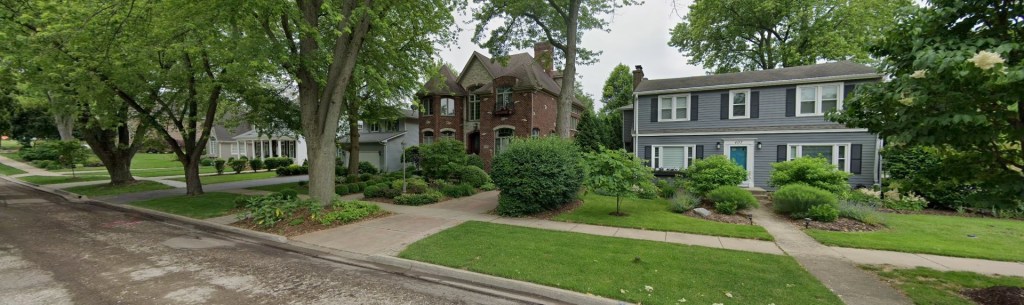
According to multiple real estate websites, the current house on the property was constructed in 2004 and is worth over $1 million. Here is a June 2019 Google Street View image of the block, including the newer home on the property:

Several patterns worth noting:

-Naperville was a different place after World War Two: much smaller in population, lots of farms and agriculture around.

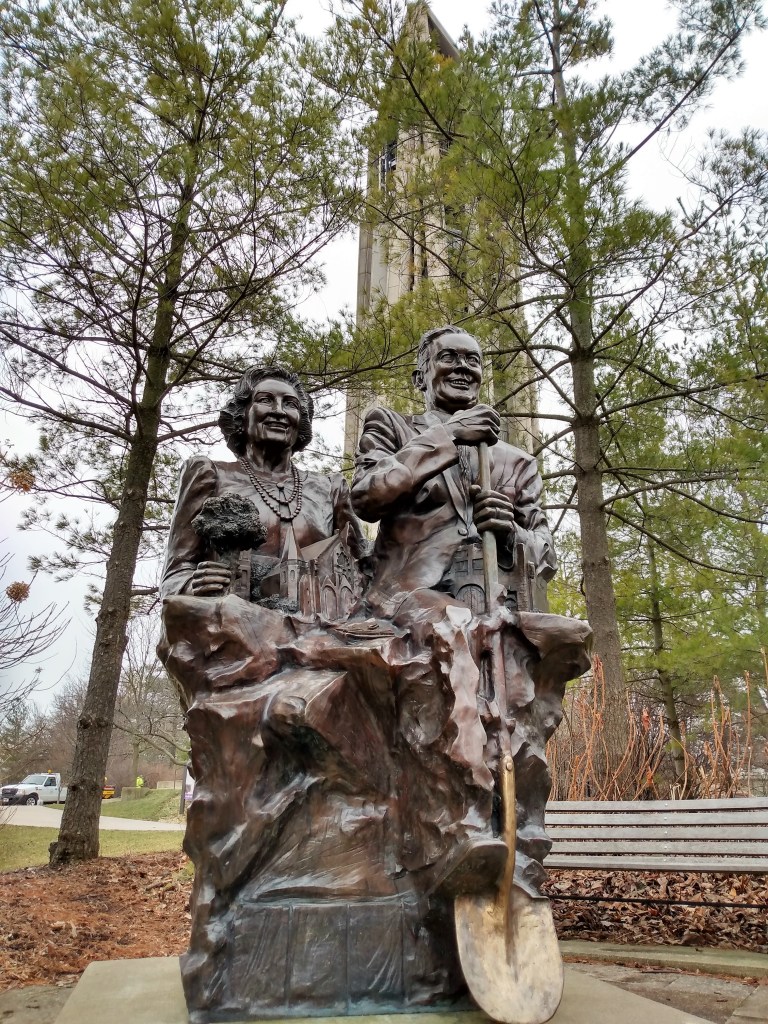
-Harold Moser and his firm ended up building thousands of units in Naperville. Moser Highlands, one of his first subdivisions, is just south of this location. He and his wife are honored in a statue along the Naperville Riverwalk:

-There are lots of teardown homes in Naperville, particularly near the downtown. As Naperville expanded in population and its status grew, some of the older suburban homes built decades earlier gave way to larger structures. I studied patterns in some of these new homes in a 2021 article.

In other words, this was not just one home constructed by a resident who owned a local business; it was part of larger changes to come in a suburb that became large and wealthy.

The ongoing transformation of the Bell Labs site that helped create modern Naperville

A large office building is coming down at the northwestern corner of Naperville and Warrenville Roads in Naperville. This is not just any office building; this is the site that helped jumpstart Naperville’s growth and status. Here are some details on the changes:

Constructed in 2000 at the northwest corner of Naperville and Warrenville roads, the five-story glass and steel complex at one time was touted as a technological hub with the potential to sustain thousands of jobs.

But with the recent arrival of cranes, excavators and other heavy equipment, a new era is beginning for the 41-acre site that’s part of the city’s Interstate 88 corridor.

Oak Brook-based Franklin Partners — which in April finalized the purchase of 1960 Lucent Lane for $4.75 million — in June received a demolition permit from the city to raze the 500,000-square-foot building and the three-story parking garages on either side…

Discouraged by city officials to develop warehouses on the property, Franklin Partners replied by saying it would seek a technology-based alternative.

I describe this property’ contribution to Naperville in a 2016 article titled “A Small Suburb Becomes a Boomburb” in the Journal of Urban History:

The arrival of a high-status tech company on this suburban plot helped give rise to more white-collar employers in Naperville plus numerous subdivisions.

This property has been ripe for change for a while now. Last year, I noted the amount of available parking behind the facility and a new subdivision back there as well (sign for the development, a new park).

It is too simple to say that the fate of this land could do much to affect Naperville’s future trajectory. At the same time, it is a large parcel of land that once helped affect Naperville’s future. It sounds like the city clearly does not want the property to become warehouses, but what could arise here that contributes to a vibrant future?

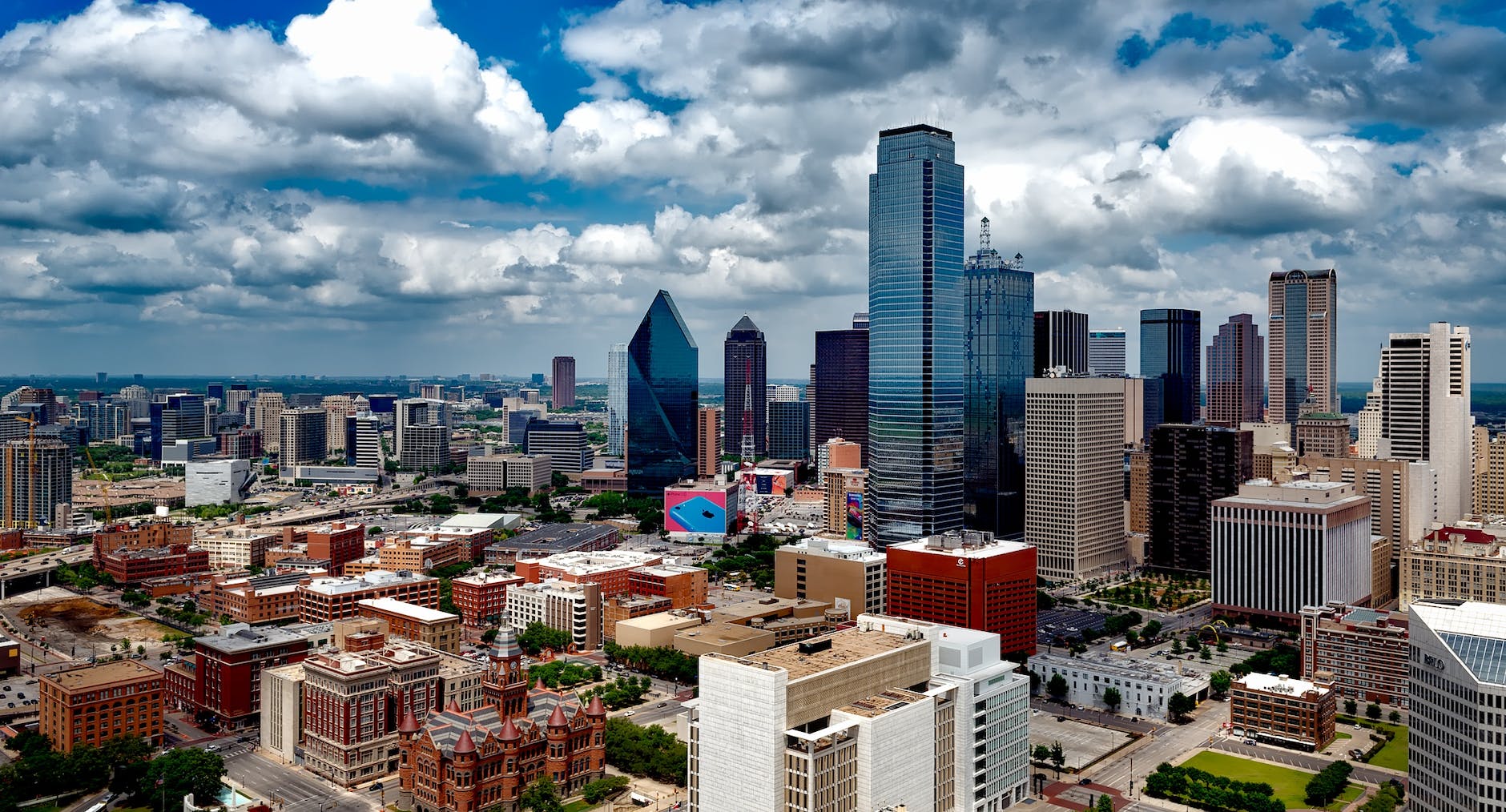
Dallas-Fort Worth metro area predicted to pass Chicago area in population in roughly a decade

Which American metropolitan areas are poised for large population gains in the coming years? One prediction says Dallas-Fort Worth will soon be the third largest metro area:

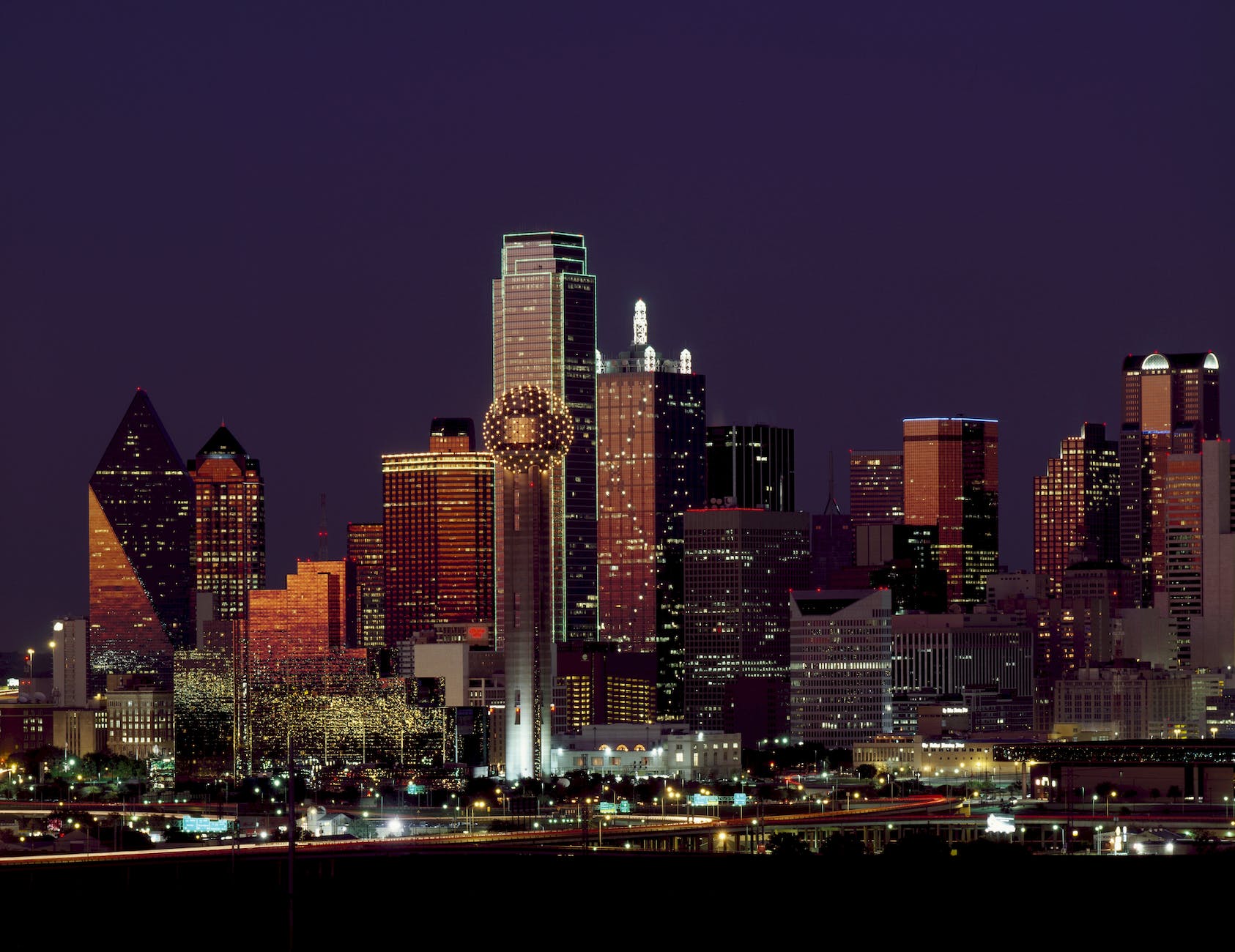
Photo by Pixabay on Pexels.com

Dallas-Fort Worth is one of the country’s fastest growing metropolitan areas…

Business expansion and relocations are fueling the Dallas region’s growth, putting it on track to overtake the Chicago area and become the third-most-populous metro within the decade…

Dallas-Fort Worth is on track to be the only U.S. metropolitan area to house two cities with populations over 1 million in the next five years, as people and companies seek profit, opportunity and room to grow.

The population shift to the Sunbelt continues.

As for Chicago, it was passed by Toronto in population, Houston might pass it soon, and Dallas-Fort Worth pass the metropolitan area population. How far will the city and metropolitan area be down lists in a few decades?

Cities and metropolitan areas rise and fall in population over time. Chicago was once smaller than St. Louis than shot past it with the latter losing a lot of population in the 1900s. Where will the new boom cities be?

“While in the Chicago area, Naperville is a must-see tourist destination”

Naperville is the third largest city in the Chicago region and in Illinois. It is wealthy and has a thriving downtown. Is it also a tourist destination?

Photo by Tim Gouw on Pexels.com

Naperville, a charming western suburb of Chicago, Illinois, offers many activities catering to locals and visitors alike. Illinois is a well-known destination for tourists, but this area of the state has more to offer than meets the eye…

While in the Chicago area, Naperville is a must-see tourist destination. From beaches to museums to parks, and tasty pizza, Naperville, Illinois, can’t be beaten.

The ten recommended things to do are: Naper Settlement, the DuPage Children’s Museum, Morton Arboretum, the Millennium Carillon, iFly indoor skydiving, McDowell Grove Forest Preserve, BrightSide Theatre, Centennial Beach, Hollywood Palms Cinema, and RiddleBox Escape Room.

Several quick thoughts in response to this list:

-Nine of the ten are in Naperville while Morton Arboretum is outside city limits in Lisle.

-I am surprised the Riverwalk is not a must-see on its own. It is not along the biggest river but it is a popular spot with food, music, civic buildings, and people-watching all available.

-Of the ten things to do, some are more unique to the community than others. For example, escape rooms can be unique but they are available in lots of places. It is harder to find the particulars at Naper Settlement or a carillon tower or a large public pool near downtown made out of a quarry.

-How many people each year visit Naperville to see the suburb?

-More broadly, how many suburbs in the United States are tourist destinations?

Chicago (the big city) vs. Naperville (the suburbs)

Thanks to a recent local news segment that asked people in Naperville about Chicago politics, the two communities are being compared. Why?

Let’s be real, though: The mayor was also taking a dig at Naperville. It’s become a Chicago tradition. Whenever a Chicagoan complains about the proverbial suburbanite who claims to be from Chicago, it’s always someone “from Naperville.”…

I really wasn’t finding anything in Naperville that I couldn’t get in Chicago. That explains why I only visited every 10 years. I could live a complete life without ever going to Naperville, especially since it’s such a long haul on the train. But I’m sure that’s also true of Lemont or Schaumburg or Libertyville. Of all suburbs, why do Chicagoans single out Naperville for scorn? At the Naper Settlement, I met a woman who offered an answer. Jeanne Schultz Angel grew up in Naperville, went to Waubonsie Valley High School, then moved to Norwood Park, from which she commutes back to her hometown to work as associate vice president of the history museum. That evening, she was helping set up for a Weezer tribute concert.

“Speaking both languages, I think there’s this perception and then there’s the reality,” Angel said. “People in Chicago might think they know the brand, which is idyllic suburban. We always make the top lists of where to live. Chicagoans tend to get beaten up about living in Chicago. There’s a lot of learning curve that can increase understanding. People who think Naperville is this very idyllic, very American place, it does surprise. We have a Patel Brothers. Naperville has a constant transient population, but I think a lot of people who grew up in Naperville had their careers here and bought homes here. I love the city. I love Naperville, too. It’s a different kind of life.”

Chicagoans need to respect Naperville’s differences and stop cracking jokes at its expense. Stop thinking about Naperville altogether. It’s so far away. Why let it bother you? I just spent a day in Naperville and I probably won’t think about it for another decade, when I find a reason to visit again.

On one hand, these explanations make some sense. Naperville is a successful suburb. It is the second largest suburb – after Aurora – in a sprawling region of over six million suburbanites. Chicago is a big city whose big city problems can often be in the news or political conversations. Residents of the two communities might have different ideas about the kinds of lives they want to live. Thus, the two places serve as shorthand for a long-standing American competition between cities and places outside of them.

On the other hand, there are plenty of stories and reports that take a similar tack to this piece. The journalist or researcher from the city comes out to the suburbs to examine the life they find unusual. What do those suburbanites actually do day-to-day? How do they survive in such a place devoid of culture and sophistication?

The two municipalities might do better to cooperate more as leaders within a metropolitan region that could better coordinate its efforts to help all in the region thrive.

Selling suburbs where the daytime population swells

I recently heard a radio advertisement for the suburb of Schaumburg, Illinois. The pitch included this fact: the suburb has a daytime population of 150,000 people.

According to the Census Bureau, the population of Schaumburg is over 76,000 people.

Photo by Ingo Joseph on Pexels.com

A suburb that almost doubles in population during the day is not the typical image of suburbs in the United States. Yet, it is one part of the increasingly complex suburbia where some communities are the stereotypical bedroom suburbs and others are office and retail centers.

Schaumburg was an “edge city” as identified by Joel Garreau in 1991. These suburbs have lots of retail and office space and more workers than residents.

Why advertise the number of people in Schaumburg during the day even if they are not there overnight? The daily population presents a business opportunity. What might all those workers, shoppers, and visitors be interested in? Perhaps they need food or a particular good or certain services. In a region with over nine million residents, being able to reach 150,000 each day could be attractive.

(On the other hand, do residents of Schaumburg want more businesses or office space? The suburb is not a small one in terms of population. Is the brand residents want to promote? See previous posts on advertisements for Schaumburg here and here.)

“DuPage County is becoming remarkably cool” is an outcome of complex suburbia

The Editorial Board of the Chicago Tribune recently noted the opportunities available in DuPage County, Illinois:

Photo by Brett Sayles on Pexels.com

If you’re not doing anything Thursday evening, swing by the park for a bit of Shakespeare, a signature cocktail and an interesting bite or two from a selection of food trucks. What park? Why, Cantigny Park, in DuPage County, of course. Where else would anyone go for a hip summer evening out in the Chicago area?

Long overshadowed by Cook County when it comes to cool stuff to see and do, DuPage County is starting to change its image as a boring suburban haven for people intimidated by life in the big city.

The editorial also notes the “good government” and diversity of the county:

The occasional scandal aside, we think of DuPage as being a haven for good government compared with the rest of the state, owing in no small part to the 12-year tenure of Dan Cronin as chair of the DuPage County Board. Cronin, a native of Elmhurst, set a singular example for reducing the size and cost of county government and we were sorry to see him step down.

Democrats have turned the tables in this longtime GOP bastion, holding a majority on the board for the first time in decades. In November, voters elected the county’s first woman as board chair to replace Cronin. After her election, longtime Illinois state Rep. Deb Conroy noted that her predecessors on the board had been white men. “And today that is not the face of DuPage County,” she said. “DuPage County today is richly diverse.”

As chair, Conroy should aim to extend Cronin’s proud legacy of efficient government, while ensuring this important part of the state is inclusive and equitable.

The contrast in this editorial is the city of Chicago and Cook County. The city is supposed to be the place of cool scenes, art exhibits, and exciting entertainment options. These are now available in the suburbs?!

I would put this recognition as part of a longer process of suburban development. At this point, DuPage County has had over seven decades of suburban postwar growth. It is a wealthy suburban county with plenty of jobs and economic opportunities. Before the postwar era, the county had roughly one hundred years of history involving the arrival of white settlers and the removal of Native residents, the coming of the railroad that connected the county to Chicago and other parts of the Midwest, the founding of small towns throughout the county, and the start of suburbanization on the eastern edges of the county.

This means the county has had plenty of time to mature and develop. Suburban greenfield growth is pretty much done and the population has grown less than 2% each decade since 2000. More communities have focused on infill development, redevelopment, and enhancing their downtowns (or trying to create community nodes if they did not have a downtown). There are plenty of institutional and community resources to draw on and wealthier residents to spend money. The demographics and social priorities of county have changed.

Additionally, people can live, work, go to school, find interesting restaurants and shopping spots, and more all within the suburbs. Chicago does offer unique opportunities and places but many suburbanites spend a majority of their time closer to home.

Is DuPage County cool? Or, are the suburbs more complex than an image of quiet and staid communities that provide bedrooms for urban jobs and exciting city opportunities?

(One note: the coolness the Editorial Board cites does not likely extend to all suburbs. The piece notes particular communities and opportunities. How many entertainment centers can the suburbs have? Suburbia is full of uneven development and inequalities.)