According to this map, most stadiums are pretty close to downtown. Some are further away – Texas, Kansas City – while others are close to ten miles away but still in the city (both New York teams).
My suspicion – without looking hard at the data – it that this may not be true of all of the major sports leagues in the United States. Baseball stadiums are often close to downtown but this may not hold across other sports. At least a few NFL stadiums are in the suburbs.
Do cities believe baseball stadiums are economic engines? Do teams closer to downtowns draw more fans? Do team owners see locations closer to downtown as more desirable, particularly with the trend to make money on developing land around the stadium?
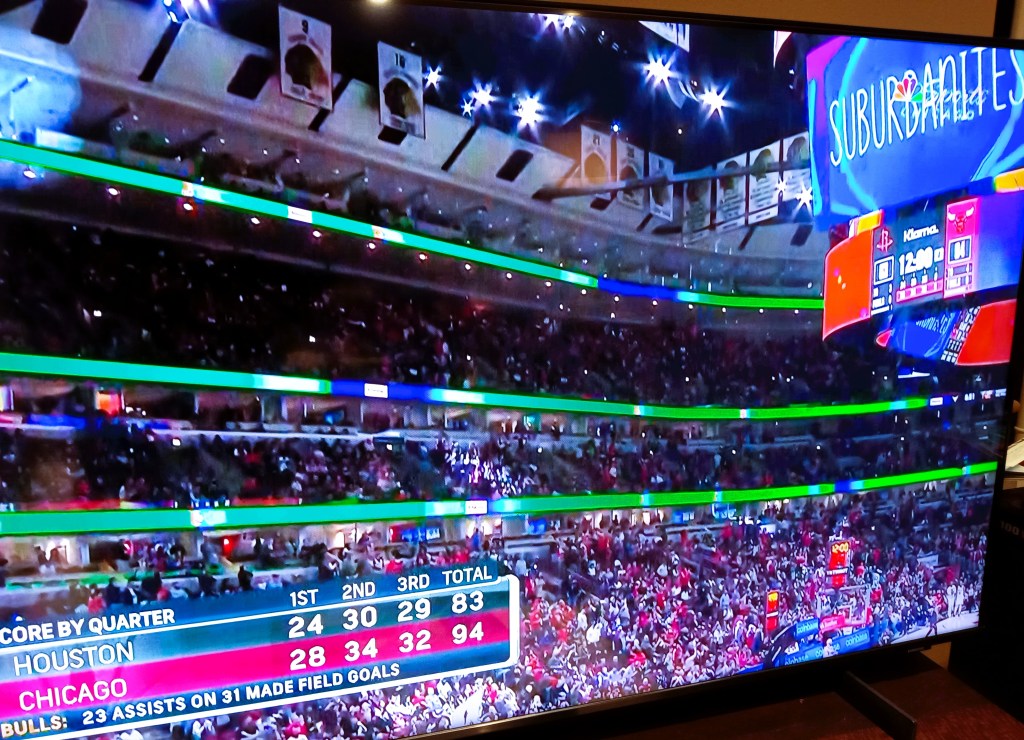
I could not tell exactly what was happening because I caught this recently on TV but I was still interested to see what was on the scoreboard at the United Center during a Bulls game:
Was this a cheering contest between Chicago residents and suburbanites? Some camera shots on the big screen? A trivia contest?
Given the population of the Chicago region, there were probably a lot of suburbanites at the game. In 2020, Chicago had 2.74 million residents and the region had 9.61 million residents. This puts the suburban population at 6.87 million. This means over 71% of people in the region live in the suburbs.
The Chicago Bulls tend to have good attendance, even if the team is not doing great. This year, the team is under .500 and the team is second in the league in home attendance. (They also have one of the largest arenas.)
Suburbanites have ideas about Chicago and its residents and vice versa. Does identifying the two groups at a Bulls game exacerbate these differences or help bring them together around their common Bulls fandom? (I am guessing it is the second as Bulls games usually are good experiences, even if the home team is not great.)
“I live near a paddle tennis court, which is basically tennis but on a small court. And at these courts, I saw this big sign that said, ‘Pickleball players, go home’ or ‘Pickleball was not welcome here.’ And I was like, What is going on? What happened was that pickleball players were sneaking onto the courts when they were open and playing pickleball when this was supposed to be a court for paddle tennis only,” Koebler said. “When I saw that sign, I was like, I bet these people are complaining to the government about the pickleball people.”
It turns out that these people were complaining. A lot. And not just in Koebler’s neighborhood. The city of Dallas told him that it had more than 100,000 emails mentioning the word pickleball. They couldn’t even begin to forward them all. The city of Fort Lauderdale said it would need $10,000 to produce all of its pickleball discourse.
These emails are about who can take up public space, and whether pickleballers are taking up too much of it. And if you’re thinking, Who cares?, Koebler says that the fight over who can take up space in this country—it’s kind of at the heart of the whole American project…
I’m going to generalize here and stereotype. But pickleball players are far more organized than other players of other sports, based on thousands of emails that I read. There are these people in city after city who are “pickleball ambassadors.” And they are given a tool kit from this group called USA Pickleball about how to talk to local government to gain access to more public spaces. And USA Pickleball’s strategy is to try to convince city council or the parks department or your local politician to build new pickleball courts. But because of this NIMBY aspect where homeowners don’t want pickleball in their backyard, it’s really hard to build new pickleball courts in certain places. And so what is happening is pickleball players have to use already-existing public infrastructure. This means basketball courts, hockey courts, tennis courts, of course. And if there’s a permitting system, they’re organized and they make sure to book out all of the permits. If there is not a permitting system, I saw emails where it’s like, I will bring my net for crack of dawn to the tennis court and set up my pickleball net. And then we will play in shifts all day so that we keep the court and the tennis players can’t get on here.
I am surprised that taxes did not come up in the conversation. Americans pay property taxes to local government bodies that, among other things, build and maintain parks and public spaces. Homeowners, renters, and businesses contribute these taxes. They can all make requests or demands about how this public space is used. In this case, there is a limited public good – courts where people can play tennis or pickleball or in engage in other activity – and people could claim they are paying to provide space for the activity they want to pursue.
Given how American space is used, is this a zero-sum game: if pickleball players play, does that mean other sports must lose? Can tennis courts and pickleball courts stand side by side and be available to players of each sport? Will private pickleball facilities or clubs help alleviate these issues?
Why Naperville? Two quick theories. First, Amin announces a lot of games in Chicago due to being the play-by-play guy for the Chicago Bulls. He would be more familiar with the region and local communities. The Bulls do not have many ties to Naperville but it is the third largest community in the region (after Chicago and Aurora).
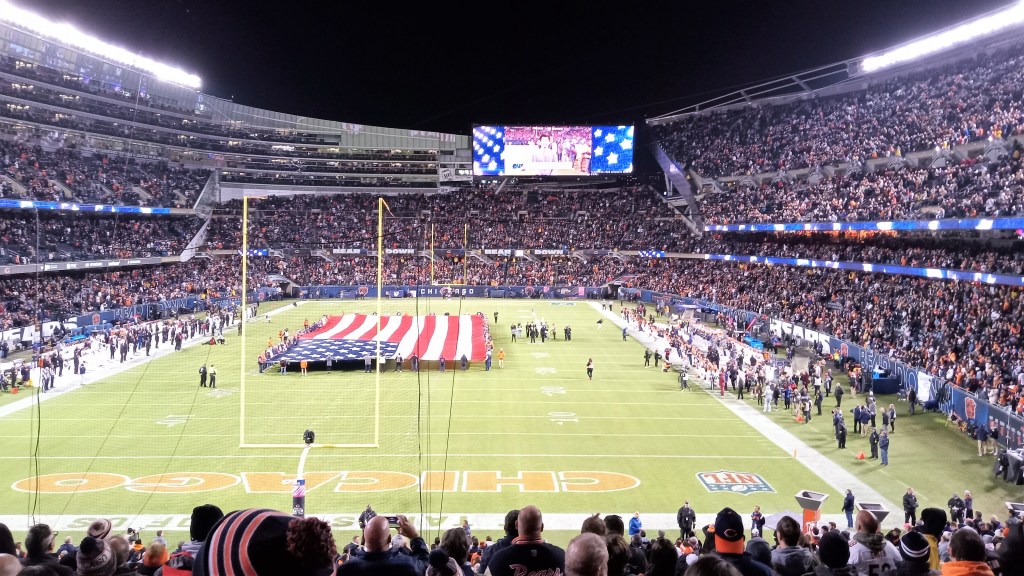
Second, Naperville is sufficiently far from Chicago and Soldier Field to be the distance equivalent of needing 29 yards for a first down. Naperville is roughly 30 miles southwest of downtown. Fourth and 40 might get you to Elgin and Fourth and 45 might get you to Joliet. I am up for more yard-to-mileage comparisons in Bears broadcasts though it might work better on a local radio call than a national broadcast.
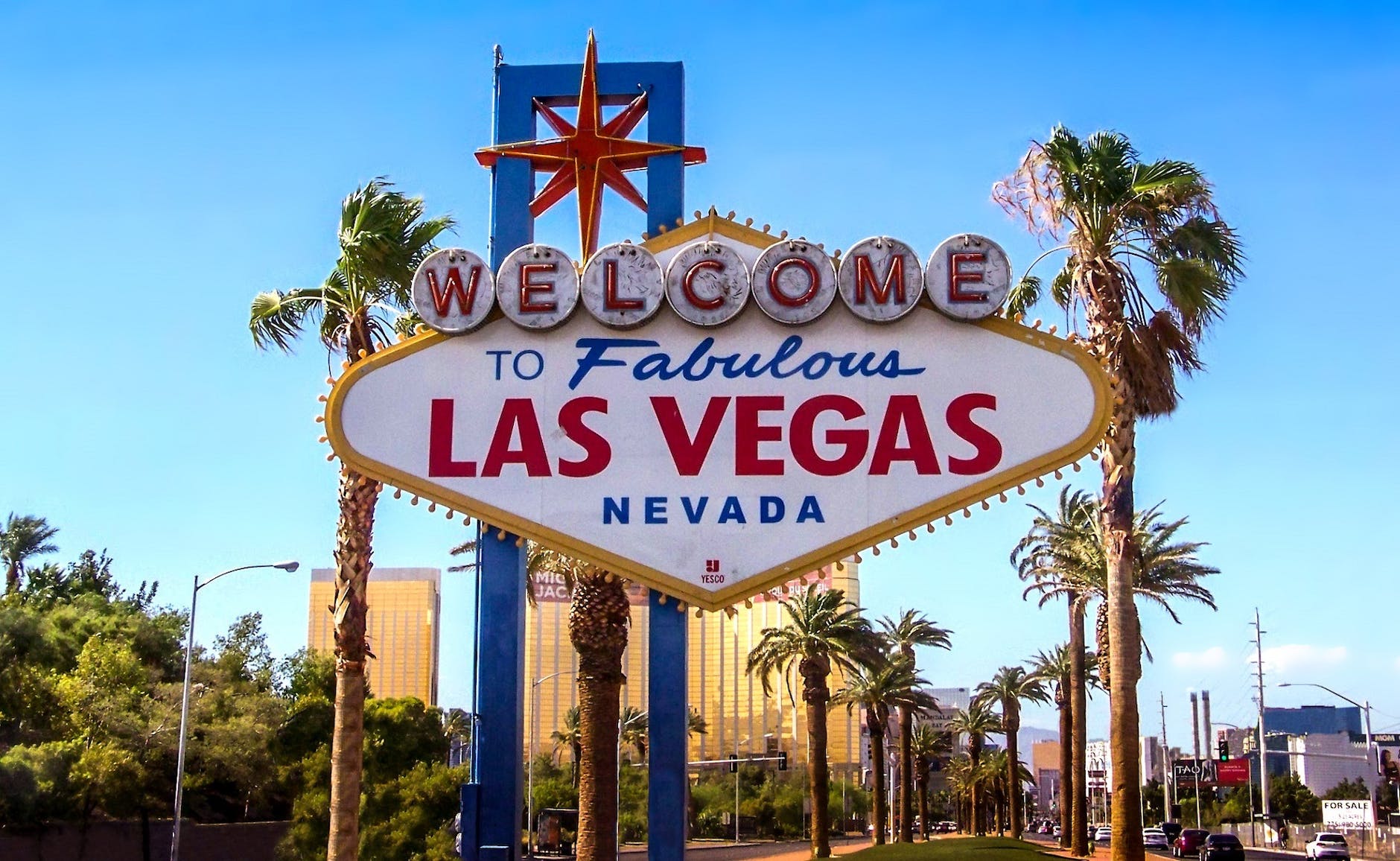
In under a decade’s time, the desert city long known for its casinos, food and live entertainment has become the home to fourmajorleague sports teams (the latest being MLB’s Athletics), six minor league teams, a major sports organization in the Ultimate Fighting Champion, and four large sports venues playing host to events such as NCAA tournament games, NFL Pro Bowls, and, coming this February, Super Bowl LVIII.
At least a half-dozen more venues are in the planning stages, and the city appears poised to be one of the top picks for an NBA expansion team and an MLS team, as well…
The initial economic impact estimates for Sunday’s Formula 1 Las Vegas Grand Prix and the February 2024 Super Bowl were $1.3 billion, and $500 million, respectively. (But this was before ticket prices slid for F1 when the championship was won earlier in the season).
That total would match the estimated $1.8 billion contributed to the metro area by all sporting events from July 2021 to June 2022, according to an economic impact study released this summer by the Center for Business and Economic Research at UNLV’s Lee Business School.
Perhaps the pitch with Las Vegas is that it has the added bonus of lots of tourists. If some of them can be enticed to sporting events and other local attractions, this is extra money. This might work for major events, but I would guess it is harder for a regular season MLB game.
Here is just one guess of how this all might look in 10-15 years: local officials will say that sports helped enhance the city’s status, the team owners will be happy with their facilities and revenues, and the local economy will not be enhanced much just because of sports (when accounting for the debt and costs associated with sports).
Even though I like football, I would not have been at any of these games unless I had to be. And I saw many of the games in the 4-32 record over four seasons because I was in the pep band. Usually playing alto saxophone (and one season on the sidelines playing keyboards), I was at every home game and a few of the away games. I remember some of the halftime scores where the other team had thirty points or more, we had none, and we had a halftime show to do.
What happens to the pep band amid these results? We did not pay much attention to the football action. We played our parts loudly. The crowds at football games – and those who might hear us – were limited. We did our thing and did not think much about football.
Since I also had some pep band experience in college, I can compare and safely say that it was more enjoyable to play upbeat music when your team could regularly win. Someone has to lose the game and those teams have bands, cheerleaders, and fans as well. Trying to enjoy the music and band experience is harder when it occurs during loss after loss.
Put this together with my Cubs and Bears fandom and I am used to lost games and seasons. I wish teams who tend not to have success over time do at least occasionally have times of winning. Even just a year or a few games of success can help sustain enthusiasm and hope.
The company plans to repurpose vacant big-box retail spaces in Mundelein, Naperville and Villa Park with openings anticipated in December.
Nine courts are planned in Naperville with eight each in Mundelein and Villa Park as the first entries in the Midwest.
The 80 planned facilities are being pursued by 13 new franchisees in the first part of the expansion. More than 300 locations across the U.S. are envisioned, according to Schubiger…
Bringing in pickleball could help address these problems. The building is kept up. It can bring people in and out of the building. Pickleball is on the rise and can bring new energy to an older structure. New revenues might be generated.
Is a pickleball facility on par with the large-scale retail efforts that generated lots of tax revenues? Maybe not but the alternative of empty big box stores is not desirable.
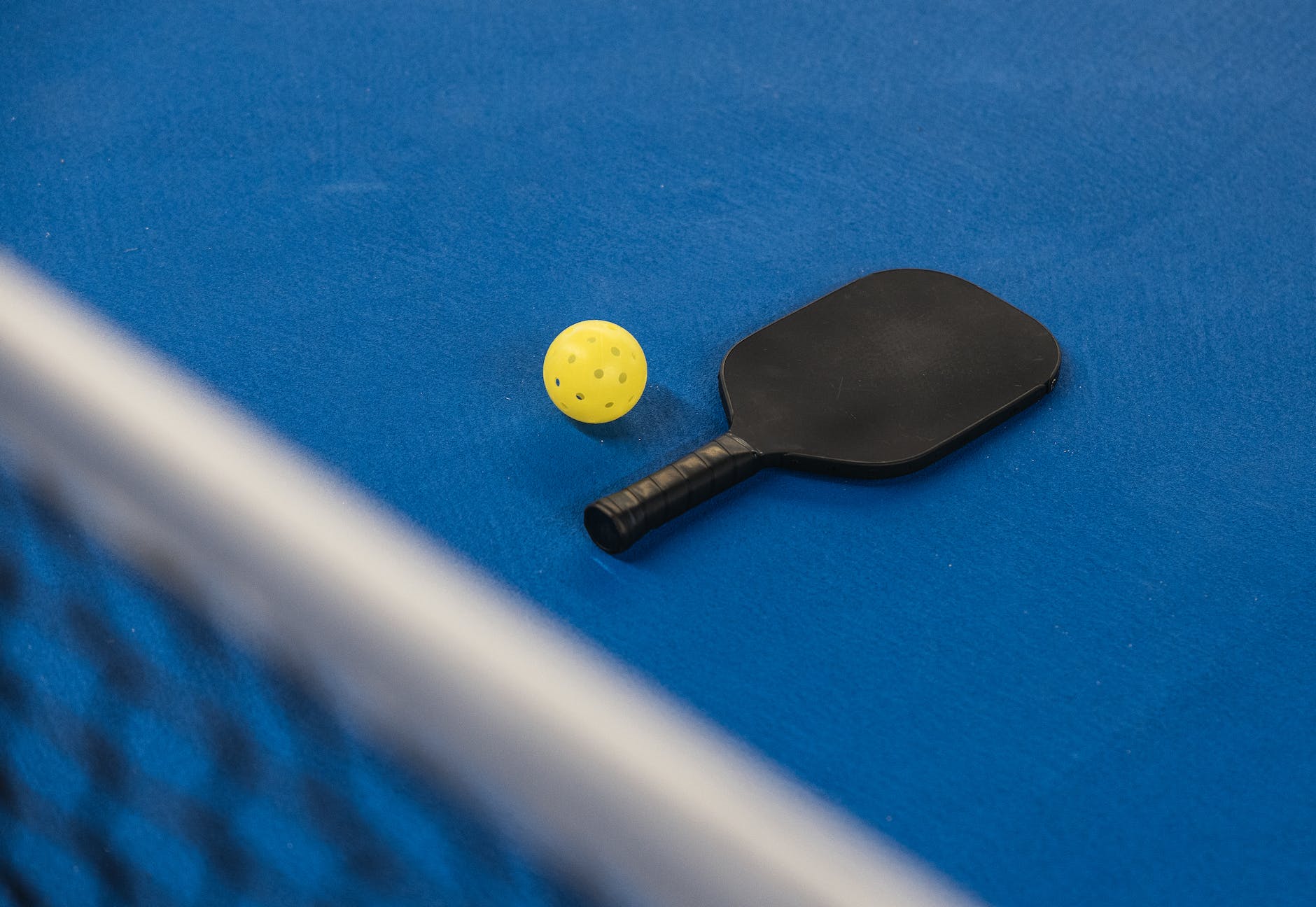
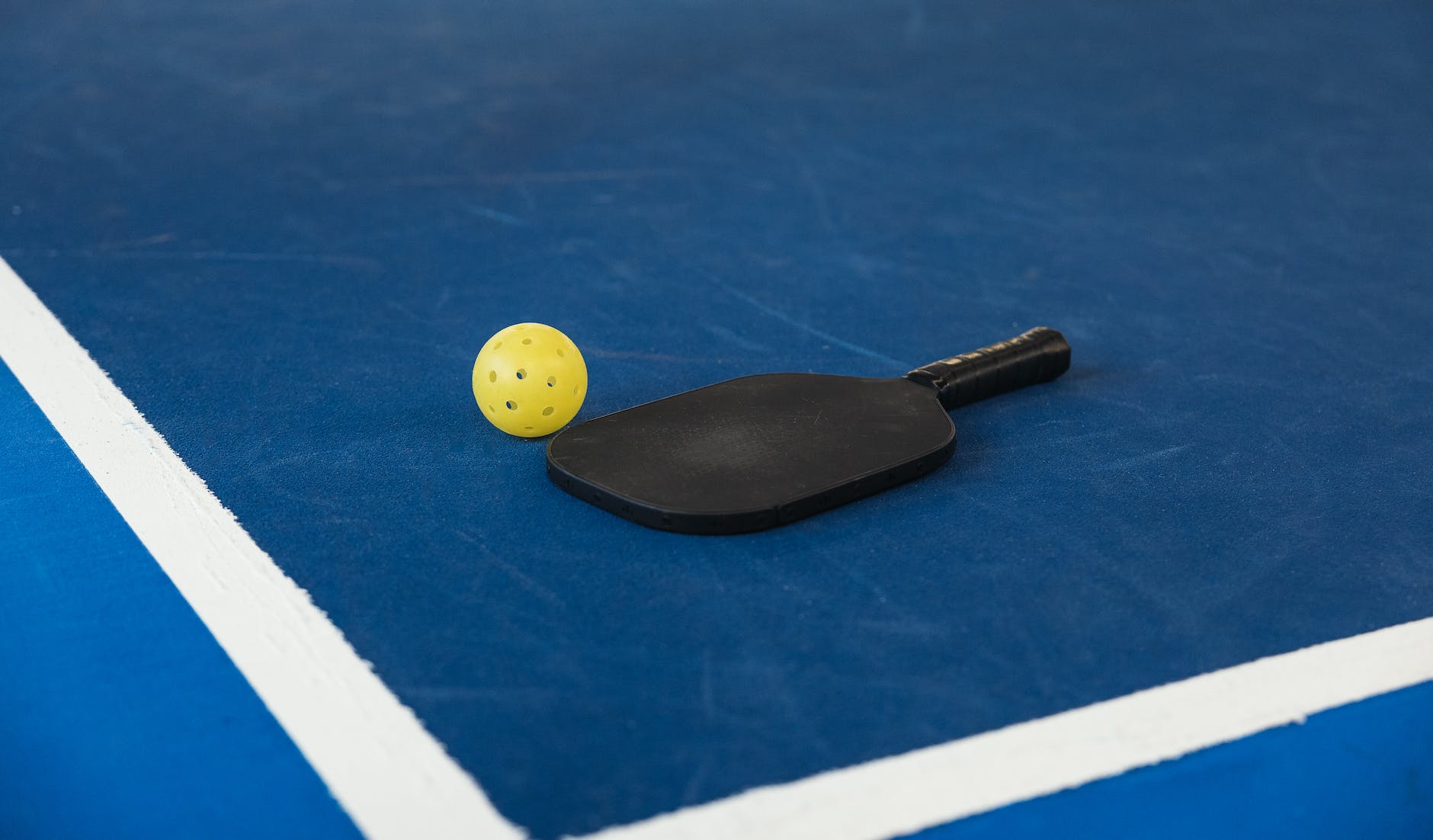
Sports can produce all kinds of unpleasant noises: referees’ whistles, rancorous boos, vuvuzelas. But the most grating and disruptive sound in the entire athletic ecosystem right now may be the staccato pop-pop-pop emanating from America’s rapidly multiplying pickleball courts.
The sound has brought on a nationwide scourge of frayed nerves and unneighborly clashes — and those, in turn, have elicited petitions and calls to the police and last-ditch lawsuits aimed at the local parks, private clubs and homeowners associations that rushed to open courts during the sport’s recent boom.
The hubbub has given new meaning to the phrase racket sport, testing the sanity of anyone within earshot of a game.
People from a number of communities are interviewed about the noise. The suburbs figure prominently in this list of the communities cited:
Will this continue to be a suburb-by-suburb problem, is there a solution that can be effective across suburbs, and/or will this problem spread to kinds of American communities?
The game, a mixture of tennis, badminton and pingpong, is the fastest-growing sport in America, but it requires a large court and finding space to play has become a problem.
Enter Pickleball America, which is building an 80,000-square-foot pickleball court in what used to be a two-story Saks OFF 5th at the Stamford Town Center in Connecticut.
The group is also looking at transforming other retail spaces in New Hampshire and New Jersey.
The idea seems a perfect marriage for a sport that needs massive spaces and a dying form of retail business replaced by online shopping...
“The mall just needed little bit of a boost, so with the idea of the space, it was a perfect fit,” said Pickleball America co-owner Jay Waldner of the 28-court Stamford facility. Waldner also said pickleball at the mall could annually attract 500,000 players, who could also shop during their visits.
I assume this new pickleball space is a for-profit enterprise. Do Americans want to pay to play pickleball or would they prefer local park districts pick up the bill for these courts? Is the indoor court enough to entice people to play? Residents may prefer that pickleball noise is contained to an indoor space at a shopping mall.
Which shopping malls could support a large pickleball facility? It is not a surprise to see this attempted in wealthier suburban communities.
The Chicago area has several hundred suburbs. Why not have dozens of them submit proposals to the Chicago Bears for a stadium and surrounding development? If the goal is to get the most tax breaks and make the most money, this is how Amazon and other large firms operate.
Cheap Uber rides to the stadium for the McCaskeys from their North Shore abodes. Every dollar saved counts…
Blue Island
A local referendum changing the town’s name to “Black and Blue Island” could seal the deal. Fans would travel from remote parking lots to the stadium via a scenic barge ride on the Little Calumet River…
Batavia
In conjunction with nearby Fermilab, America’s particle physics and accelerator laboratory, the Bears could find the answers to two of life’s eternal questions: How did the universe begin? and Why can’t the Bears win another Super Bowl?…
Downers Grove
The Bears already have been a downer for many years. Just make it official by building a retractable DownersDome.
The Chicago area is large and there are plenty of possible sites for a stadium. And for most fans, the view of the game on TV will look the same regardless of where the stadium is located.



 Legally Sociable