Increased demand for airport lounges is a sign of elite overproduction?

More travelers want to use airport lounges. Does this signal a broader problem in society?

Photo by Download a pic Donate a buck! ^ on Pexels.com

In the context of airport lounges, the “elite” are not just the ultra-wealthy, but the vast upper middle class—armed with a combination of higher degrees, status, and premium credit cards—now jostling for the same perks. But what if much of society has been turning into some version of an overcrowded airport lounge?

In an interview with Fortune Intelligence, Turchin said this theory makes sense and fits with his thesis when presented with the similarities. “The benefits that you get with wealth are now being diluted because there are just too many wealth holders,” he said, citing data that the top 10% of American society has gotten much wealthier over the past 40 years. (Turchin sources this statement to this working paper from Edward Wolff.)…

When asked where else he sees this manifesting in modern life, Turchin said “it’s actually everywhere you look. Look at the overproduction of university degrees,” he added, arguing that declining rates of college enrollment and high rates of recent graduate unemployment support the decreasing value of a college diploma. “There is overproduction of university degrees and the value of university degree actually declines. And so the it’s the same thing [with] the lounge.”

Noah Smith argues that elite overproduction manifests as a kind of status anxiety and malaise among the upper middle class. Many find themselves struggling to afford or access the very symbols of success they were promised—be it a prestigious job, a home in a desirable neighborhood, or, indeed, a peaceful airport lounge. He collects reams of employment data to show that Turchin’s theory has significant statistical support from the 21st century American economy.

The article suggests an increased number of travelers can access airport lounges and this hints at more people with money to spend. But I wonder how these other factors play in:

  1. Different standards of living. How do expectations shift over time about accessing airport lounges or other luxury goods? How many other goods or services over time have moved from luxury goods to being available to masses of people?
  2. Expectations about travel. A standard Internet narrative goes like this: airplane travel was once luxurious (forget the slow speeds). Then it became a mass phenomena and customers were treated poorly. Are airport lounges a way travelers are reclaiming a better travel experience?
  3. The airlines helped create this demand by introducing this perk; now they are surprised it is popular? Do they want it to remain exclusive or do they want more travelers to access lounges (and then the airlines benefit further)? Put another way: did customers want this first or did airlines push the lounges?
  4. Why not offer an upgraded experience for all travelers? Does this not generate as much revenue or status for the airlines?

If Delta is able to figure out how to make the lounge “work,” would their practices then translate to other areas of society?

Chicago has at least 250 traffic circles

Chicago’s road grid is interrupted at least 250 times for traffic circles:

Photo by Tuesday Temptation on Pexels.com

The Chicago Department of Transportation reports it’s aware of 250 that appear on landscaping lists. The department is currently not clear on the likely sizable number of circles that require no landscaping.

One of the best features of traffic circles is that they force drivers to slow down and pay attention. They cannot blow through a stop sign or traffic light or unmarked intersection. If they can successfully yield and do not need to stop, they can keep their momentum going at a more reasonable speed.

This is an interesting way to count road features: those that need landscaping need to be on some list so that maintenance can be done. Those without the landscaping need would have to be on some other list to be counted. Is this the sort of task AI could do in the future with access to websites with satellite imagery?

Teenagers, e-bikes and scooters, and suburban laws

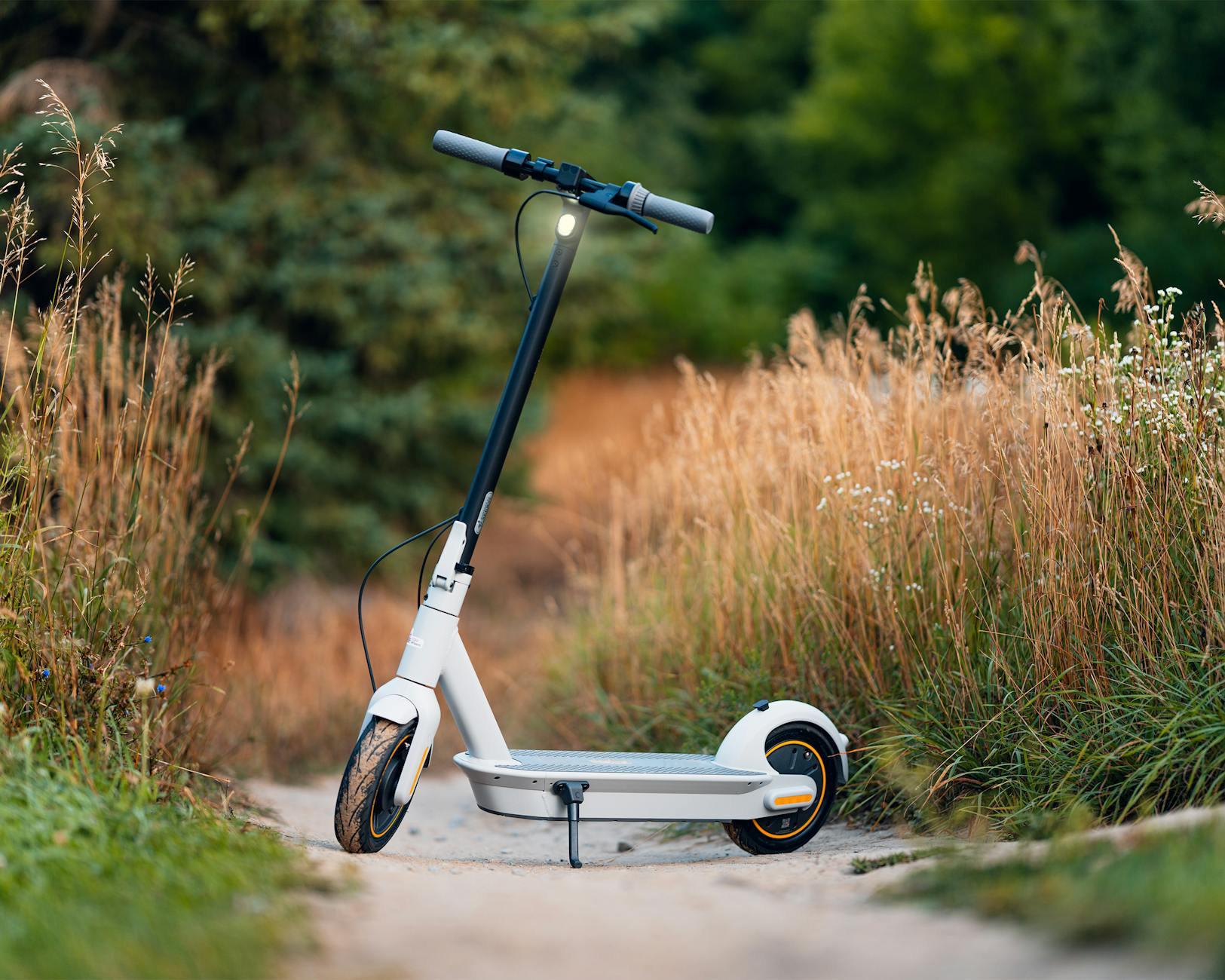
Suburban teenagers and others have taken to e-bikes and electric scooters to get around communities which often require a vehicle to get from place to place. But now some suburbs have responded with new rules:

Photo by JONATHAN PAGAOA on Pexels.com

In passing the new rules, Elk Grove has joined a growing list of Chicago suburbs that have enacted tougher e-bike regulations due to growing safety concerns. Several communities — including Highland Park, Schaumburg, Glen Ellyn and Lombard — have recently imposed age limits on riders, while Burr Ridge has banned e-scooters from its streets.

Illinois law divides e-bikes into three classes based on their maximum assisted speed and whether the motor requires the rider to pedal. No one under 16 is allowed to ride a bike that can reach more than 20 mph under Illinois law.

State regulations also require riders to label their bikes with the motor wattage and classification type. Elk Grove Village officials, however, believe it’s more important for riders to follow the rules of the road, said Scott Eisenmenger, the deputy police chief…

Under the town’s rules, anyone younger than 16 can ride less powerful Class 1 and Class 2 e-bikes without motor assistance, relying on pedal power alone. Like Illinois law, Roselle ordinance prohibits anyone under 16 from riding a Class 3 bike, which reaches up to 28 mph before the motor cuts out. Additionally, no one under 18 can operate a low speed electric scooter.

Suburbs are built around cars and driving. It is part of living in a single-family home, having a suburban lifestyle, and is often necessary from getting from place to place because of the size of communities and limited additional transportation options.

Teenagers are often in a particular predicament. Herbert Gans noted this in his book The Levittowners: in new sprawling suburban communities, what could teenagers do and where could they go? With subdivisions and homes structured around private family life and cars necessary to get places, what could teenagers seeing independence do? Americans see teenagerdom as a life stage of trying out independence but without viable transportation this may be hard to do.

Enter e-bikes and electric scooters. They are now widely available. They are easy to operate. The local infrastructure is set up for cars, not pedestrians, bicyclists, or others. Vehicles are large. Safety can be an issue for anyone else trying to use a roadway.

Perhaps the bigger question is not about e-bikes and scooters; it is about possibilities for transportation options across suburbs. Teenagers may have their own interests but they are not the only ones limited in suburbia if you do not have a car.

“Little Boxes” song critiquing suburbia now used to sell SUVs to suburbanites

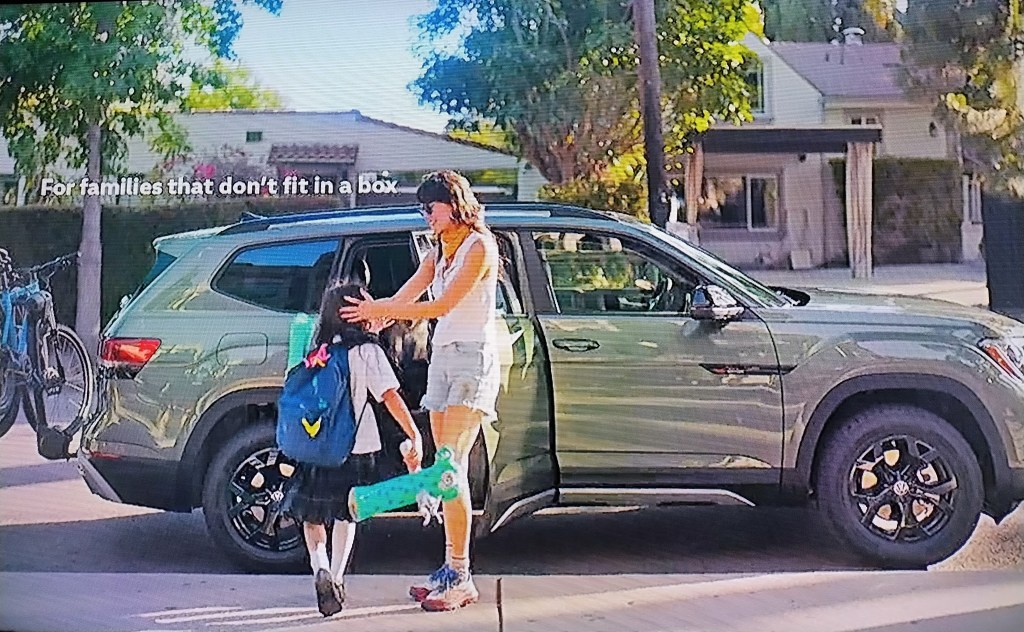
A new Volkswagen TV commercial features the song “Little Boxes” sung by Malvina Reynolds. This song originally critiqued the sprawling mass suburbs of the postwar United States but now is used – and in a remixed version! – to sell an SUV:

Four thoughts related to this advertising campaign:

  1. The song was protesting conformity in sprawl. Does buying a particular SUV counter conformity and sprawl?
  2. The tagline above – “For families that don’t fit in a box” – seems to suggest that people who own this vehicle are doing things outside the box. This vehicle allows you to escape the normal suburban life. Can this happen when almost everyone has an SUV already?
  3. The song said houses were boxes; are SUVs boxes? This particular model might be less boxy than some others but it still looks like a box. Are SUVs cool boxes where as suburban ranches houses were considered by some to be uncool boxes?
  4. If the primary target of this campaign is suburbanites, then a song critiquing suburbia is being used to sell products suburbanites. We have come full circle: do what you can to sell SUVs to suburbanites!

Is mass transit best pitched to Americans through comparisons to places where it is plentiful and works well?

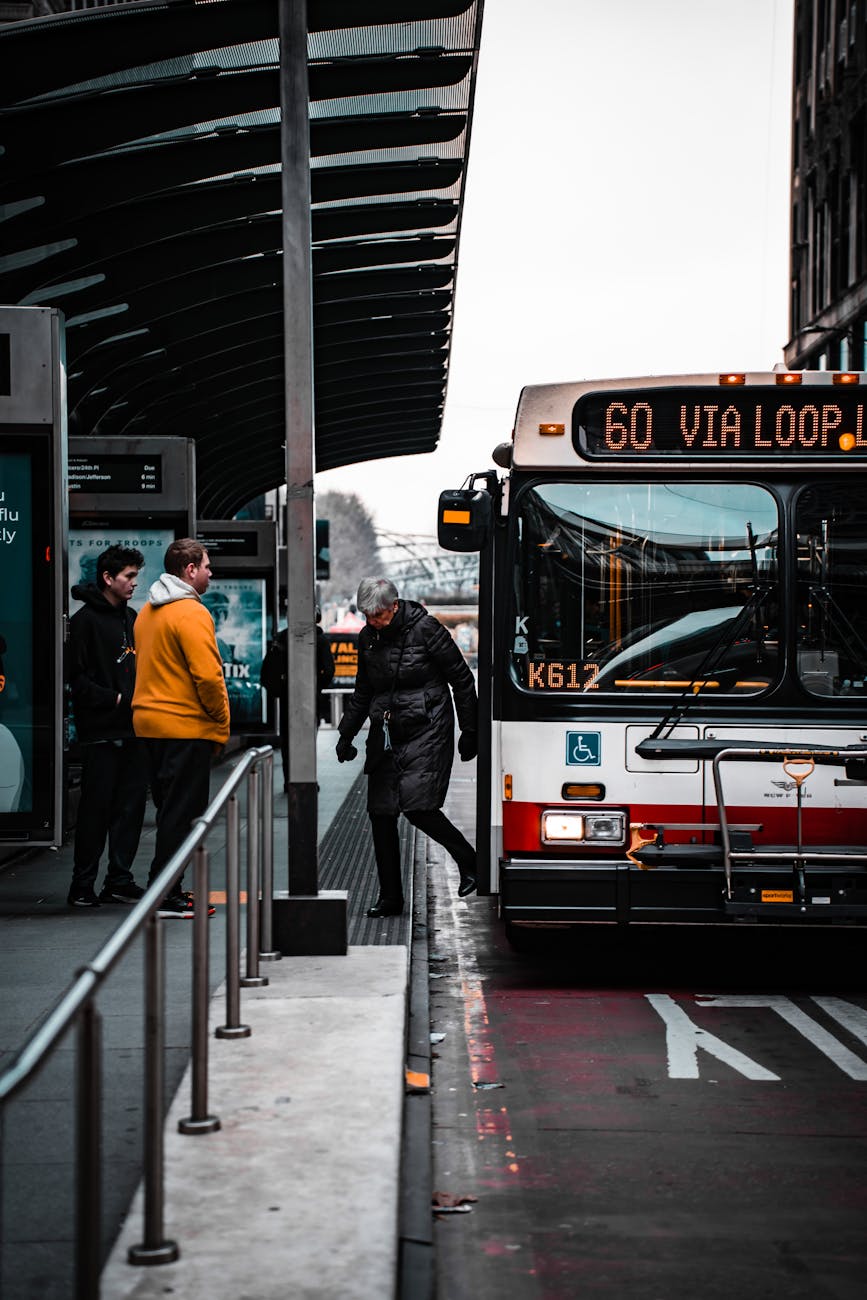
Many Americans and American communities have resisted using mass transit or devoting more money to mass transit. In reading a recent pitch for Americans to prioritize it more, I was struck by one line of argument: describing places where it worked well. Might this help convince people?

Photo by Alec Adriano on Pexels.com

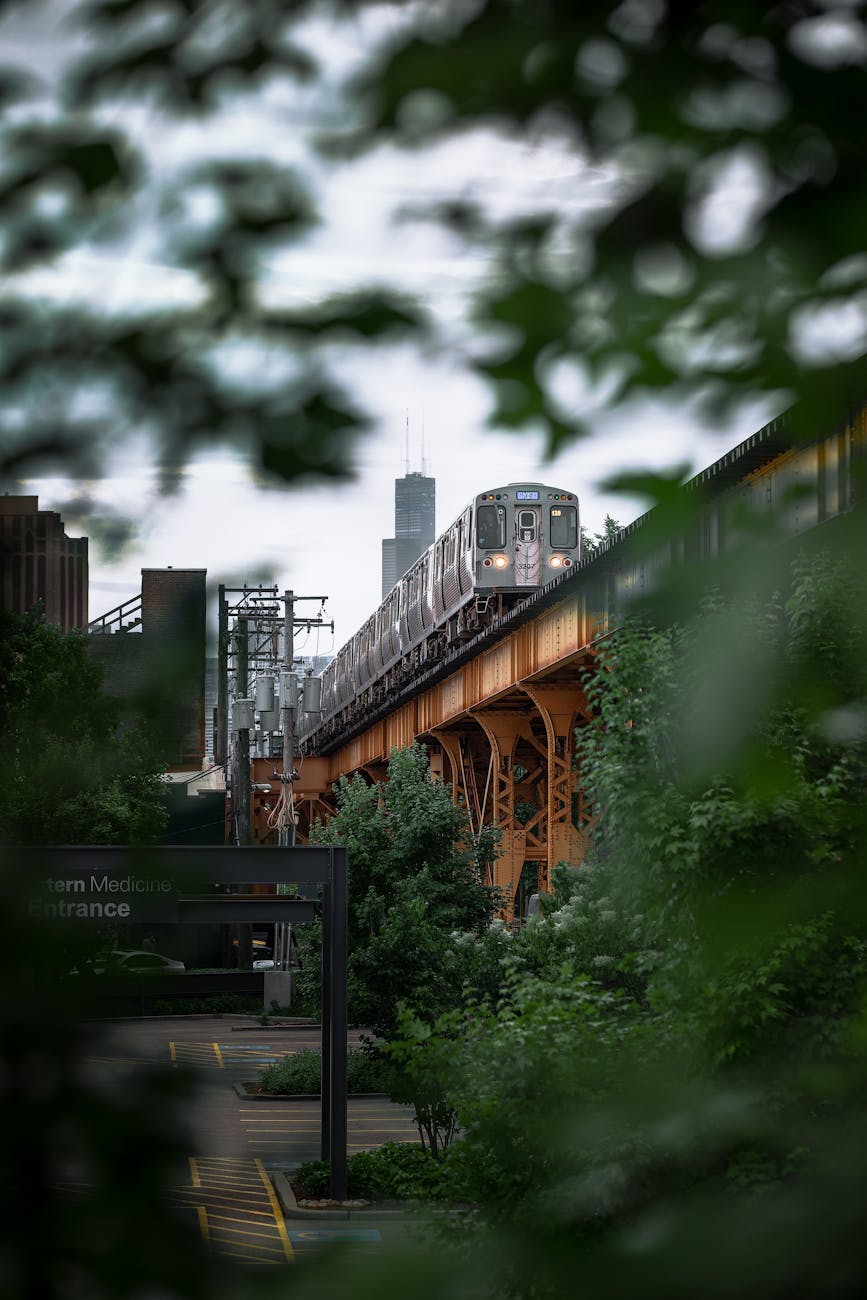
The discussions of the possibilities and perils of mass transit in the Chicago region included these comparisons. First, a contrast to another American city:

One of my stepdaughters recently relocated to Atlanta and returns home with a greater appreciation of our transit system.

A sprawling region like Atlanta can highlight how places with more transit in place – like Chicago – are appealing.

Second, comparisons to other major cities shows how far Chicago and other American cities can go:

“My wife had to go to Japan for work earlier this year. She was blown away that the train was 20 seconds behind schedule and how effusively the people apologized for it. I’m like 20 seconds?” Buckner said.

On vacations, Buckner subjects family to his transit nerdiness. Istanbul’s train terminal has a library inside. London has one of the best in the world. Beijing’s rapid transit is top-tier. Paris’ is fantastic. Seamless, quick and clean.

There are all world-class cities, like Chicago. If have efficient and elegant mass transit, why shouldn’t Chicago?

One issue might be whether a sufficient number of Chicagoans have been to these places. How many have gone to Atlanta, driven around the metro area, and found the traffic and experience worse than getting around Chicago? Or gone to Beijing or Paris and used the mass transit.

Another issue is that these comparisons may resonate and still pale to the issues of mass transit in Chicagoland or the liking people have for driving.

Overall, it appears to be hard to convince Americans to move away from driving. Whether they deeply like it or not, it is often the default after decades of policy decisions, cultural narratives, and choices made by numerous actors,

In a metropolitan transit system, should the city or suburbs get more votes?

As actors in the Chicago region consider the possibility of consolidating multiple transit agencies, the issue of voting members came up:

Photo by Alex Qian on Pexels.com

The MMA would have three directors appointed by the governor, five by Chicago’s mayor, five by the Cook County Board president and five by the chairs of the DuPage, Kane, Lake, McHenry and Will county boards.

Republican Rep. Dan Ugaste of Geneva said, “what’s very important to us in the collar counties and probably in some suburban Cook, as well, is how is this going to work? If we’re talking simple majorities, once we get to the voting structure — that’s going to effectively allow all these five other collar counties to be silenced if Cook and Chicago work together.”

Democratic state Rep. Eva-Dina Delgado of Chicago, who is sponsoring the MMA bill, countered that “for a long time it has been city versus suburbs. We have to change our mindset around that, as well, and see this as a regional issue.”

There could be many different ways to figure out the formula for the number of votes from each part of the region. Some options:

  1. Equal number of suburban and city votes, meaning an equal number from Chicago and equal number from the suburbs (with some way of figuring out which suburban areas are represented).
  2. More votes from Chicago compared to the suburbs. City residents may use transit more.
  3. More votes from the suburbs compared to Chicago. There are many more residents overall in the suburbs compared to the city.
  4. Wild card: more appointees at the state level than either local interests such that the governor or state leaders retain control over which way votes might go.

Beyond the complications of local Illinois politics, the broader issue is that American cities and the suburbs around them do not always see eye to eye on transit and other regional issues. If either side feels that they have to “win” this portion of the negotiations, does this limit what can be accomplished? Or if one side does not really want to participate but also may not want to be locked out of the political process, where does that lead?

Illinois considering testing “road usage charge”

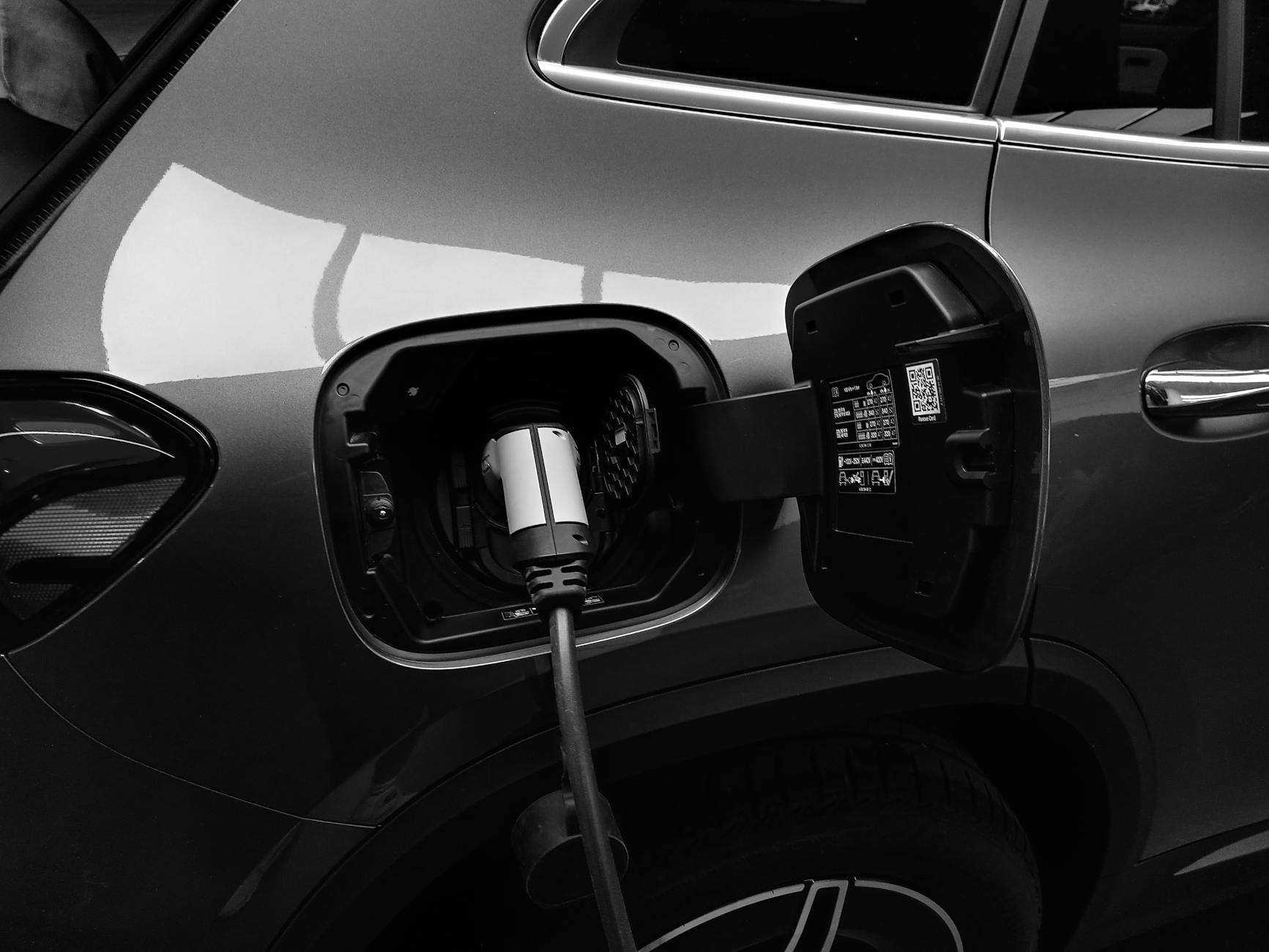
If more vehicles now require less gas, Illinois is considering making up the funding lost through the gas tax through another means:

Photo by Cu00e9sar Baciero on Pexels.com

Legislation proposed by state Sen. Ram Villivalam, D-Chicago, takes aim at that problem by creating a pilot program to explore the viability of establishing a “road usage charge,” essentially a tax on miles driven…

Under the current tax structure, vehicles that don’t rely on gasoline, such as electric vehicles, do not pay the gas tax that helps maintain state infrastructure, said Marc Poulos, executive director of Operating Engineers Local 150, which strongly supports the proposed legislation…

On Illinois toll roads , drivers pay approximately seven cents per mile, according to Poulos. With a mileage-based system, drivers could expect to pay three to four cents per mile. That would come on top of any tolls already being paid, similar to the gas tax.

Participants in the pilot would report their car’s fuel efficiency and mileage to the Illinois Department of Transportation. Roughly 1,000 motorists could sign up for the program with the Illinois Secretary of State’s office, Poulos said.

As the article goes on to note, more states and municipalities are looking for ways to recover revenues that come through the gas tax.

Given the current economic situation – many Americans feeling anxious about higher prices and less certain about their economic future – how might people in Illinois and elsewhere respond to these proposals? Americans generally like to drive and generally do not like the idea of new taxes. But if they are paying less at the pump, would they be willing to pay for driving through a different method?

More broadly, how much would Americans be willing to pay for driving? At what point do the costs of energy to drive (gas or electric) or the price of vehicles or tolls and congestion taxes push them too far? Or at what price do they switch to alternative forms of transportation or no transportation (making fewer trips)?

Orlando planning to add flying car vertiport by 2028

Flying cars could soon come to Orlando:

Photo by Guilherme Rossi on Pexels.com

The Greater Orlando Aviation Authority on Wednesday took steps toward that future by seeking partners to develop and operate a flying car landing pad — called a vertiport — at the airport. The invitation is expected to publish in March with a 2028 target for a finished product.

The airport expects to put the vertiport on land in the East Airfield region on the northeast side or land on the south side near the train station, according to a news release…

Orlando Mayor Buddy Dyer, a member of the aviation authority, said the city is a global leader in Advanced Air Mobility (AAM) — the technology behind flying cars — and having the hub at the airport makes sense…

He said vertiports may help manage the city’s growth, but that’s much farther off. He envisions starting with a four- to six-passenger vehicle operating out of the airport and eventually corridors for flying cars will follow. The small aircraft are expected to use electric power, and take off and land vertically.

Three thoughts on these plans:

  1. It sounds like Orlando wants to pursue this to contribute to its economic growth. It could become a leader in flying cars. How big of an industry could this be? Americans like cars, Americans dislike traffic…could this be a big growth industry in the coming decades?
  2. The connections between this and the numerous theme parks in the area are intriguing. Would visitors be willing to try these because this is an exciting place to visit? Could the flying cars be linked to Disney or Universal or other partners?
  3. Flying car corridors will be interesting to see. How will they work and where will they be? How visible will they be from the ground? Will they also have gridlock?

Flying cars could be cool but if they lead to similar problems plaguing cars at the moment – traffic, expensive to buy a vehicle and maintain it, etc. – it may not get off the ground.

The limits in Chicago on a lower city speed limit

Chicago’s City Council disagreed on whether to lower the city’s default speed limit and ultimately voted against it:

Photo by Airam Dato-on on Pexels.com

The 28-21 vote against lowering the speed limit followed a spirited and emotional debate that pitted traffic safety advocates, many of them on the North Side, against African-American alderpersons concerned about uneven enforcement and a surge in pretextual traffic stops targeting Black drivers.

West Side Ald. Jason Ervin (28th), Mayor Brandon Johnson’s handpicked Budget Committee chair, led the charge against the lower speed limit.

Ervin said he “understands the logic that, if you go slow,” there will be fewer traffic fatalities and serious injuries. But when Johnson’s 2025 budget is balanced, in part, by installing more speed cameras, he is concerned about an avalanche of speeding tickets that struggling Chicagoans cannot afford to pay…

Wednesday’s vote was a bitter and emotional disappointment to Ald. Daniel La Spata (1st), an avid cyclist who represents Bucktown, Wicker Park, West Town and Logan Square, where several fatal accidents have occurred…

La Spata has estimated the lower speed limit could save the lives of more than 300 Chicagoans over the next decade.

The summary of the discussion hints at the meaning of speed limits. Are they about safety and discouraging higher speeds? A good number of American roads are built to be wide and straight such that the design itself can help drivers feel comfortable in going faster. And since many drivers go above whatever speed limit is posted, is a lower limit necessary to reign in the higher speeds?

Or are they about police enforcement? Are they about collecting revenue? Whether administered via law enforcement personnel or a speed camera, there is a legal process at work. In a society where driving is often required, the enforcement element matters.

Trying to think outside the box a bit, couldn’t the Council meet in the middle and settle for a 28 mph speed limit? Do all speed limits need to be in 5 or 10 mph increments?

This likely will be an ongoing discussion given the amount of driving in Chicago, interest in biking and pedestrian options in the city, and concerns about police activity.

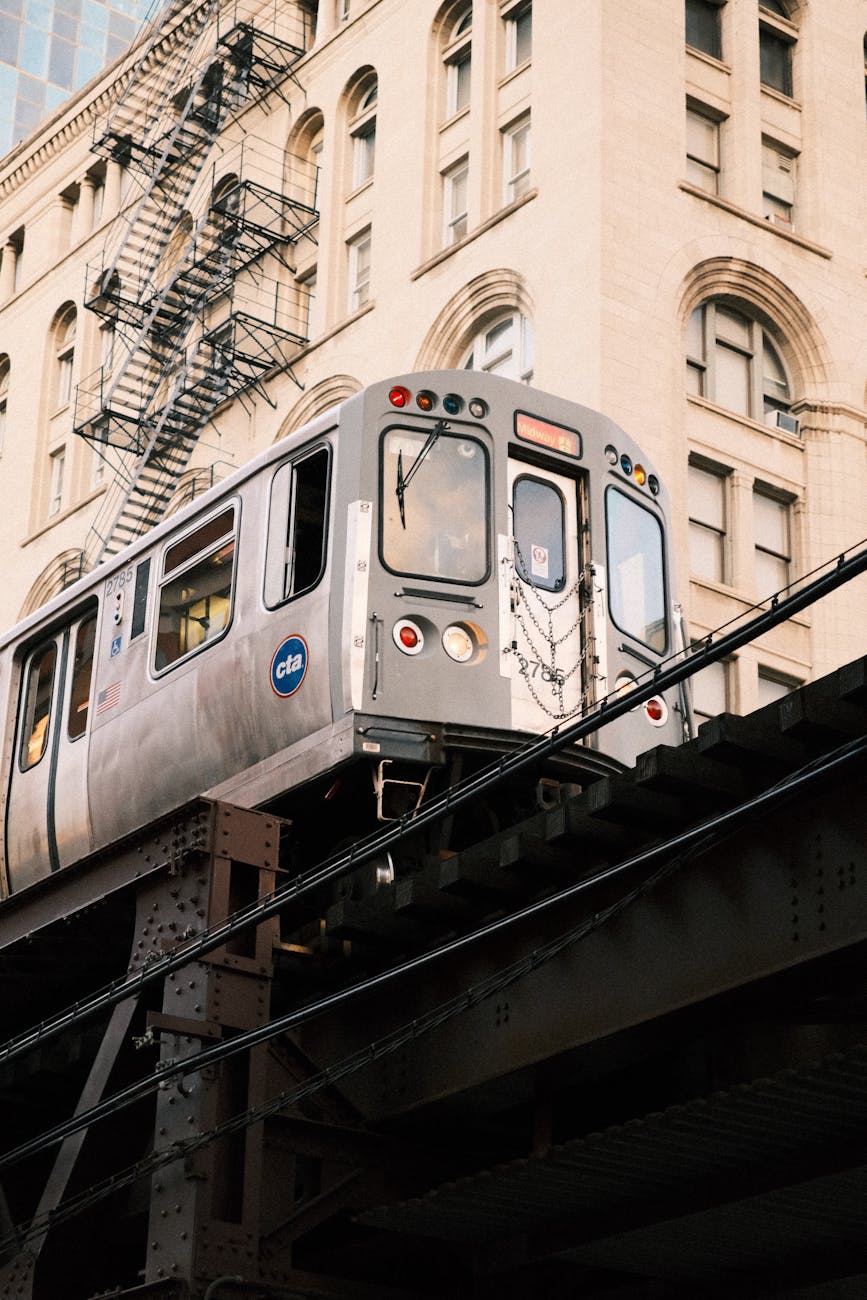
One thousand trains in and out of Chicago each day at the peak of train travel

The book Forgotten Chicago includes the claim that at Chicago’s railroad peak, 1,000 trains daily moved in or out of the city. One chapter of the book details the numerous train stations that are no longer standing that serviced these trains.

Photo by Josh Sorenson on Pexels.com

Chicago continues to be a railroad center in the United States even if the volume of trains is not close to the peak numbers.

And as train travel declined, the Chicago region became home to other transportation options. Two of these are worth considering after the golden age of railroads passed (and Chicago’s port activity also declined). As people used trains less to travel between cities and used trains less within the region as commuting between suburbs picked up,

First, O’Hare Airport is one of the world’s busiest. Today it has over 900 daily flights (mostly domestic, some international). By number of passengers, it is in the top ten among global airports. I do not know how many people moved through Chicago via train at the peak but the flight numbers are large.

Second, many people travel throughout the region and to other regions via highways. For example, one interchange of two interstates roughly 20 miles west of the city has about 300,000 vehicles daily. Numerous highways throughout the metropolitan area have daily traffic counts of over 100,000 vehicles. That is a lot of cars and trucks moving people and goods around.