Q: Speaking of “SNL,” that famous sketch for Chris Farley you wrote, about him living in a van down by the river — were you writing with Naperville in mind?
A: There is the DuPage River, and when I was writing that I did picture the bridge in Naperville over the DuPage. It was a bridge for stoners when I was a kid. Stoner kids hung out there. So this guy parking his van by a river — yes, that was the image I had.
There are several bridges Odenkirk could be referring to. Could it be this bridge (in a picture from nearly a decade ago)? This is a little removed from the busier downtown area and the more manicured areas of the lively Riverwalk.
Naperville has a reputation as a wealthy and large suburb with a thriving downtown and numerous high-status jobs. Does the image of a guy living in a van down by the river fit this or kids smoking pot by the DuPage River? Probably not and the city in recent years was not interested in marijuana dispensaries.
I cannot imagine a statue of Matt Foley near the DuPage River in downtown Naperville among the suburb’s collection of public art...but perhaps Odenkirk could eventually make the cut?
We recently tried HelloFresh when just needing to pay shipping for three meals. The food tasted good and the prep time was at or close to their projections. The experience also caused me to think about social class, food, and who exactly HelloFresh is aiming for as their customers. A few thoughts:
The food is delivered fresh and it is in exactly the correct proportions for the recipes. Yet, it requires prep time. This appeals to people who like the idea of fresh food and the work that puts the food together. What is really cut out is the planning for meals and shopping for food.
Because of just needing to pay shipping on an introductory deal, we paid something like $5+ for each 4 person meal. That is a good price. Looking at their longer subscriptions or packages, the food turned to be more like $8-10 per portion. This is closer to the price of fast casual restaurants. This money toward fresh ingredients and still needing to put the meal together would add up.
If we paid a little bit more than normal Hello Fresh rates, we could have full meals delivered from restaurants. The prep time would disappear. I would be out more money.
All of this requires a decent amount of money to start with. That money purchases ingredients, recipes, and time not having to plan or shop. But, if I paid a little more I could have full meals with no prep.
So how does HelloFresh connect to social class? I suspect they are aiming for middle to upper-middle class families that want to provide a more traditional meal time – healthier food! real labor! – at a certain price point. Given the aggressiveness of advertising, I would guess HelloFresh thinks it has a big enough market to really make some money. This is about market segmentation but also about particular food practices tied to social class in the United States.
Griffith: There is no easy answer. There are different NIMBYs at play. There are “No wind turbines off my coastline!” NIMBYs. There are “No gas line running through my backyard!” NIMBYs. There are “I don’t like the look of solar cells!” NIMBYs. For those complaining about the view, I would remind them that a huge amount of land is already taken up by our energy-transmission systems. Millions of miles of dedicated coal rail lines and natural-gas pipelines are already strewn across the landscape. They only seem invisible because they’ve blended in over the past century.
Thompson: Okay, if there’s no easy answer, what’s the hard answer?
Griffith: I’m going to give you an answer that I’ve only been thinking about for a few weeks. I think the argument will be won on local economics. If you take a suburb with a thousand homes in it, those families might spend $3.5 million a year on gasoline. When those families fill their car with gas, the money immediately leaves the community and goes to Texas or Saudi Arabia. But if the cars are run on electricity that comes from their own rooftops and houses, then no money is leaving the community. You can take that $3.5 million and build new classrooms. That’s really exciting to me…
Griffith: Electricity literally is the network that connects every home. You are connected to everybody through this thing in your community. And it really might be the opportunity for community renewal that America needs. It might be the thing that binds us back together again. Because it saves us money and has a damn good chance of being bipartisan.
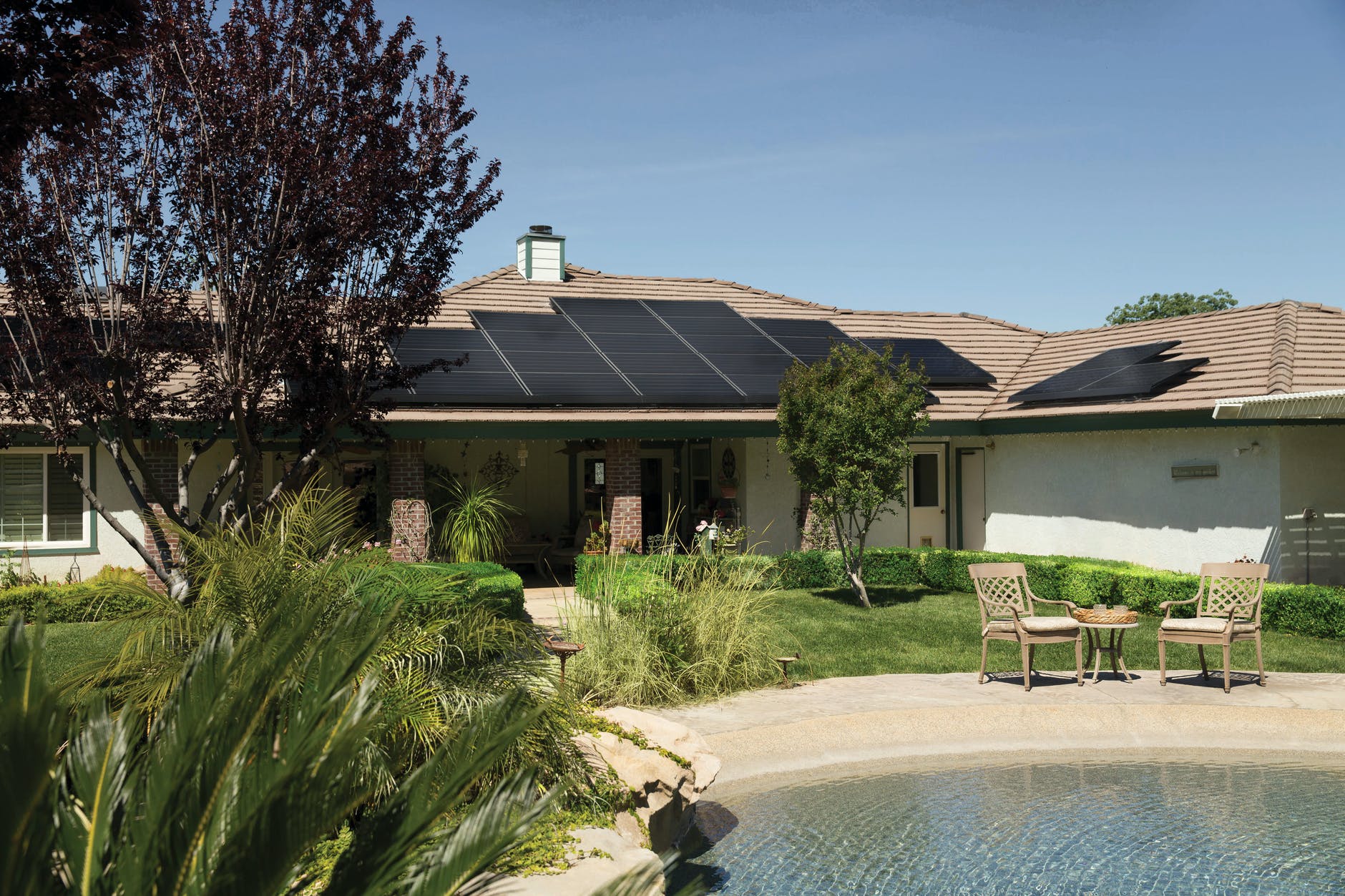
This does seem to be the trick: how to convince the majority of Americans that green energy benefits their daily lives. And if they actually gain money for their own households or for goods they want in their community, this would help. If individual homeowners do not want to take more responsibility for generating electricity (solar panels on the roof), it could devolve into arguing which less fortunate suburb should be home to the solar panels, wind turbines, etc.
Climate activists on Wednesday blocked roads leading to Germany’s three biggest airports, gluing themselves to the ground before police arrived.
Members of the group Uprising of the Last Generation said they wanted to disrupt cargo and passenger traffic at the airports in Frankfurt, Munich and Berlin.
The group has demanded that the government take measures to end food waste. It argues that throwing away vast amounts of usable food contributes to hunger and climate change.
The last sentence in the portion above is telling. This particular technique draws criticism from all sides because it effectively complicates one of the most important assumptions of Western life: drivers should be able to get where they want with minimal disruption.
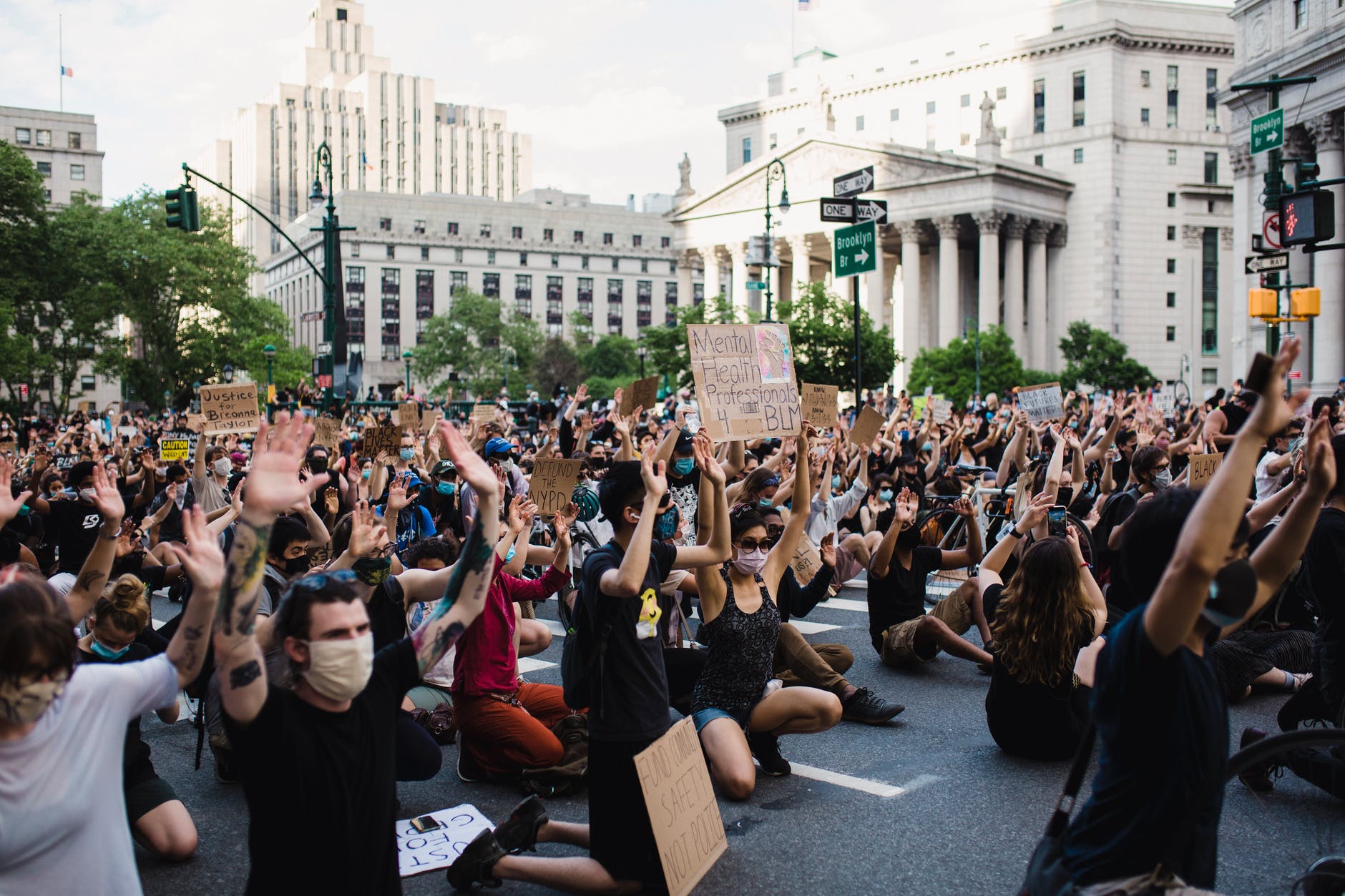
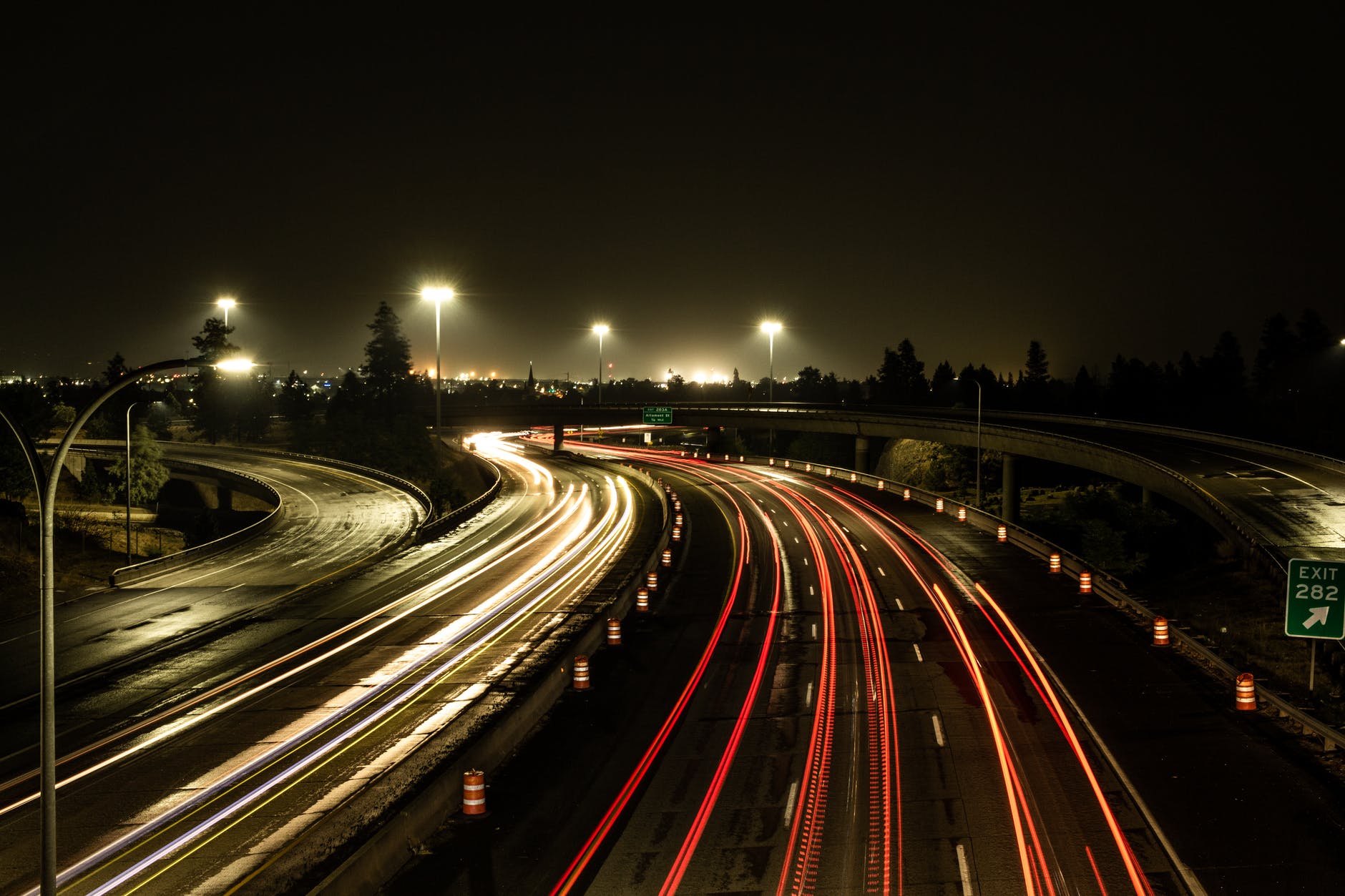
It may be one thing to have a crowd or protest so large that it takes over streets and roadways. It is another matter to more deliberately block main arteries and highways. Residents depend on these, truckers depend on these, emergency vehicles depend on these. Whether it is Black Lives Matters protestors or truckers in Ottawa, Canada or climate change activists, interrupting the normal flow of people and goods “works.”
I put “works” in quotes because it is less clear that this tactic leads to significant change. It may draw attention and disrupt daily life. If it angers many of the people who might align with the movement, is this helpful? Is media attention the primary focus? If governments find ways to clear roadways – and many communities have guidelines about applying for permits to hold parades/rallies/protests and this includes where these can take place – is this a win in the end?
As the spring home-selling season gears up, homeowners who installed temporary or permanent amenities to accommodate COVID-19-era living now must navigate a maze of no-win decisions. Should they leave as-is the bedrooms converted to offices, the chest freezers parked in the garage, the bidet toilet seats warming their bathrooms, the bulky exercise equipment flexed in the basement — in hopes that buyers can look past the COVID clutter to see the bones of the house? Or must they dismantle it all, potentially subjecting themselves to additional chaos if another virus variant forces yet another retreat?
According to an analysis released in April by construction equipment firm Bid-on-Equipment, 89% of homeowners nationally have tackled home improvement projects since the COVID-19 virus began forcing many Americans to spend more time at home for work and leisure. The average cost of those projects was $3,797. Illinois residents made bathroom renovations their top priority, the analysis found…
Now, all that extra gear is part of their everyday lives and they have no intention of letting a new buyer have it, she said. Customers would rather put their top-end appliances in storage and swap in new, but lower-end, appliances, for the duration of a sale, Hood said. Then, they reinstall their coveted appliances in their new houses…
The pandemic also amplified the long-term preference for flexible rooms that can be easily be devoted to a single purpose, such as a second home office or even an isolation bedroom for a quarantined family member.
For sellers, it seems like a key would be to present the kinds of flexible options with the space that buyers might want. Do they want an office setup? A workout space? This might requires playing to some categories but I would guess that the price of the residence and the surrounding community provide plenty of clues about what potential buyers might want.
More broadly, if homes and residences need to be more flexible in the future, this could lead to significant changes. Imagine less permanent walls and more dividers. Or, fixtures, appliances, furniture, and rooms that can be more easily altered by the typical resident. This does not necessarily mean people will live in the larger equivalent of a studio apartment – or the giant kitchen/living space combo – but many rooms may also not be the answer.
These ghost storefronts—often called “dark stores”—are warehouses in all but name, yet they look markedly different from the gargantuan spaces where older online grocery companies like FreshDirect store their goods. Traditional warehouses are zoned to regions outside of commercial districts, meaning they will be set apart from areas with lots of walking traffic. Dark stores are located in retail storefronts on main streets, near the heart of busy neighborhoods, but they serve only ecommerce customers. And they’ve gone from a niche phenomenon discussed largely in retail industry circles to a feature of major American cities.
The rise of dark stores directly parallels the acceleration of ecommerce as a whole, especially in the grocery industry. Online sales represented 13 percent of all grocery spending in 2021, a new high, and dark stores are designed to make the delivery process smoother…
Dark stores—sprouting up in former butcher shops, convenience stores, gyms, and mattress retailers—are taking up spaces once designed to be open to the public. That shift from far-flung warehouses to accessible retail storefronts has city planners on edge. Because dark stores sit at the confusing intersection of being technically occupied, but functionally empty, they risk entrenching the worst impacts that vacant real estate can have on a community.
The fear is that dark stores, like vacant storefronts, could puncture a hole in the social landscape of a neighborhood. Vacant storefronts are bad for cities. When there are a lot of them in a tight vicinity, they mean that fewer people will walk down the street, and fewer connections between neighbors will happen. “Having people out on the street increases public safety, because more people see things that are happening,” said Noel Hidalgo, executive director of BetaNYC. “That level of social engagement makes cities safer and makes places safer.” Accordingly, neighborhoods with high numbers of vacant storefronts see increased crime rates, fire risks, and rodent activity.
I wonder how municipalities will respond to this because of the revenues such dark stores might generate. It is one thing if other retailers or businesses want to use these spaces. But, if dark stores are occupying commercial space and generating money through paying property taxes and sales taxes plus adding jobs, will they be as concerned about the social fabric? It can be difficult to fill vacant commercial properties, particularly spaces like grocery stores.
So out of the concerns expressed above, I could imagine cities limiting the number or density of dark stores within different kinds of zoning. Or, what if there was a whole block of dark stores and then none for a decent distance from there? If e-commerce is here to stay and needs to be close to those who order, perhaps warehouse districts need to be spread throughout communities at regular intervals or near transportation hubs.
Weinstein engaged with Twitter users after posting the photo, responding to comments about the rarely seen “rumpus room” on the main floor’s northeast corner, the “mystery door” in the entryway, and other inquiries…
“Simpsons” fans may notice the layout doesn’t include the basement — a frequent location for various Simpson shenanigans. Twitter users chimed in, noting the different spots the show has placed the basement staircase.
Here is my interpretation of this “flexible” floor plan. On one hand, television shows need a predictable set of spaces. The audience needs to be able to recognize quickly where a scene is taking place. The behavior of the characters connects to where they are. In many shows, a residence, whether a single-family home or an apartment, is one of the most important settings as this is where the characters eat, sleep, and interact.
On the other hand, a rigid floor plan limits what can be done. Most homes and apartments would make bad television sets due to walls and angles not conducive to filming and/or particular activities. Parts of the home of the Simpsons family are fixed and predictable: the TV is in the same place, the kitchen looks the same, the stairs go upstairs from the front door, etc. But, other portions allow for some creativity. A mystery room? A basement that can turn into all sorts of things (I am recalling what happened there in the episode “Homer vs. the Eightenth Amendment”). An animated show does not suffer from the same camera issues but it too could benefit from slight changes to the floor plan that enable all sorts of plot lines.
Whether it’s Boise, Idaho, or Reno, Nevada, or Portland, Oregon, or Austin, Texas, the American housing market is caught in a vicious cycle of broken expectations that operates like a food chain: The sharks flee New York and Los Angeles and gobble up the housing in Austin and Portland, whose priced-out homebuyers swim to the cheaper feeding grounds of places like Spokane. The cycle brings bitterness and “Don’t Move Here” bumper stickers — and in Spokane it has been supercharged during the pandemic and companies’ shift to remote work.
No matter how many times it happens, no matter how many cities and states try to blunt it with recommendations to build more housing and provide subsidies for those who can’t afford the new stuff, no matter how many zoning battles are fought or homeless camps lamented, no next city, as of yet, seems better prepared than the last one was…
All of this happened fairly recently. In the years after the Great Recession, when homebuilders were in bankruptcy or hibernation, migration to the Spokane area plunged. That pattern shifted in 2014 when, as if a switch had been flipped, waves of migrants started arriving as already high-cost cities like Seattle and San Francisco saw their housing markets go into a tech-fueled frenzy…
Five years ago, a little over half the homes in the Spokane area sold for less than $200,000, and about 70% of its employed population could afford to buy a home, according to a recent report commissioned by the Spokane Association of Realtors. Now fewer than 5% of homes — a few dozen a month — sell for less than $200,000, and less than 15% of the area’s employed population can afford a home. A recent survey by Redfin, the real estate brokerage, showed that homebuyers moving to Spokane in 2021 had a budget 23% higher than what locals had…
Last year, Woodward declared a housing emergency, and her administration has put in place initiatives that mirror those of housing-troubled cities on the West Coast. The city has built new shelters, is encouraging developers to repurpose commercial buildings into apartments, is making it easier for residents to build backyard units, and is rezoning the city to allow duplexes and other multiunit buildings in single-family neighborhoods.
The primary focus here is on housing and the increase in prices. From what is described above, a good number of long-time residents now struggle to find decent housing. This is indeed a problem to consider.
I would guess there are other changes as well: increased business activity, more traffic, newcomers operating in local civic organizations and institutions. Many of these changes are assumed to be good in most communities: growth means status, activity, and increased tax revenues. Sure, there are some externalities – sprawl and what comes with it, changes to how things have been – but these are often viewed as growing pains. Growth is good.
The implication in this story is that this could happen to any community: people from the outside discover an undiscovered location and their moves drive up housing costs. Yet, I wonder how true this is. Will people in overheated housing markets really go anywhere or only to certain locations? Spokane is within a particular region plus has its own features and its own history. Would people from the coasts end up in Youngstown, Ohio or Fargo, North Dakota, Jackson, Mississippi, or Detroit, Michigan where there is plenty of cheaper housing and distinct local character? The housing game may not just be an endless one where those with resources are always searching out the next cheaper market; there are limits to where people go and invest their resources.
Targeted incentive programs – described here – might help with this issue as communities seek out particular kinds of residents they would like. If those programs turned into floods of people, how many would really want to turn that down?
Both experiences were disorienting in multiple ways. They required time that I did not necessarily have in my schedule to acquire the new device and set it up in ways consistent with the old devices. Because they are newer machines, they have some new options to consider. I was temporarily without access to each and what they provide access to in parts of the setup.
And the transition process went rather smoothly. Copying over contacts, apps, and files just took some time. I had to tweak a few settings but they now look and operate similarly (with some nice upgrades) to what I was used to before.
These are not just machines. For many daily tasks, they are extensions of my self. They enable my work and embody my work. They are distributed cognition devices – extending my ability to think, reason, and write – and portals to interactions with people and systems. For them to be altered or unavailable, even for a short time, shakes up my day.
Ultimately, I am glad to have the new devices. My daily activities are back on track. Almost all of the wrinkles of adjusting to new machines has happened. And I hope I do not have to do it again for a while.
Residents have been fleeing states like California with high taxes, expensive real estate and school mask mandates and heading to conservative strongholds like Idaho, Tennessee and Texas.
More than one of every 10 people moving to Texas during the pandemic was from California, according to the Texas Real Estate Research Center at Texas A&M University. Most came from Southern California. Florida was the second biggest contributor of new Texans…
Political scientist Larry Sabato posted an analysis on Thursday that shows how America’s “super landslide” counties have grown over time.
Of the nation’s total 3,143 counties, the number of super landslide counties — where a presidential candidate won at least 80% of the vote — has jumped from 6% in 2004 to 22% in 2020…
Bishop’s book explains how Americans sorted themselves by politics, geography, lifestyle and economics over the preceding three decades. Sitting in a Central Texas café, Bishop says that trend has only intensified in the 14 years since the book’s publication.
I have read a lot of similar stories in recent years. All of this data, at face value, seems to make some sense: population flows from one set of states to another, the concentration of politically similar people in certain locations, and an ongoing sorting by politics.
At the same time, I am not completely convinced that it is politics driving moves. How often does a person, family, or business move solely because of politics or politics is the clear #1 reason? Politics might factor in an ultimate decision but I suspect jobs, retirement, and the locations of family are more often prime movers and/or large factors. Plus, the organization or sorting or residents has been going on for decades due to race/ethnicity (see the example of the suburbs) and social class (again, the suburbs). And could we consider how political patterns are related to race and class?
We can always find at least a few people who will describe moves undertaken to be closer to their political allies. I am not sure we are at the point where many are moving primarily or solely because of politics.







 Legally Sociable