These figures were part of a story about AI farming technologies:
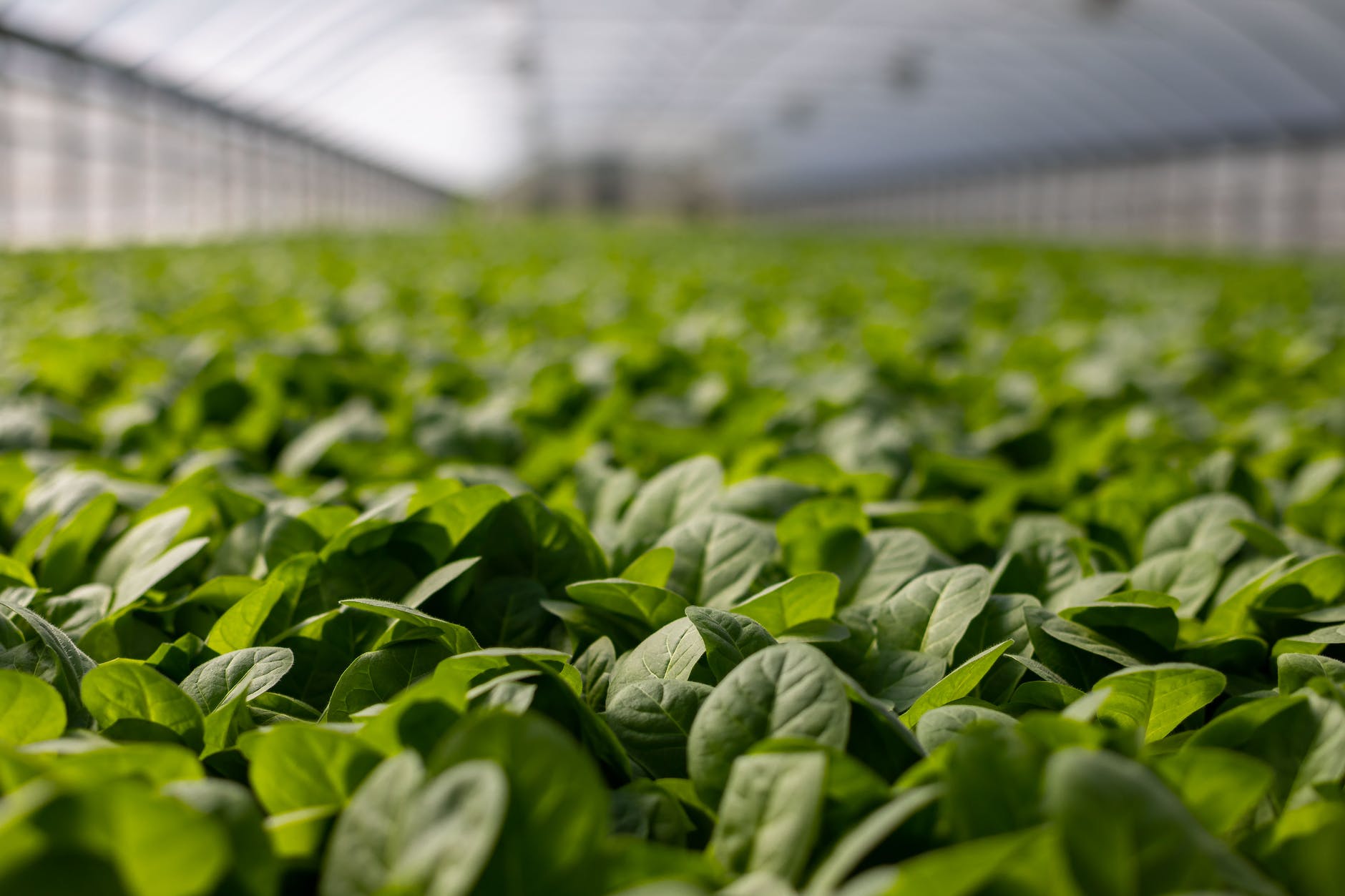
In general, technology is further along for row crops because hundreds of acres of corn and soybeans are relatively simple to tend to en masse. Ag-tech conglomerates such as John Deere and CNH Industrial have also historically catered to the needs of row crop operations since they’re such a large share of the nation’s agricultural sector, accounting for $21 billion of agricultural production in Illinois alone. Specialty crops haven’t received as much attention from corporate America.
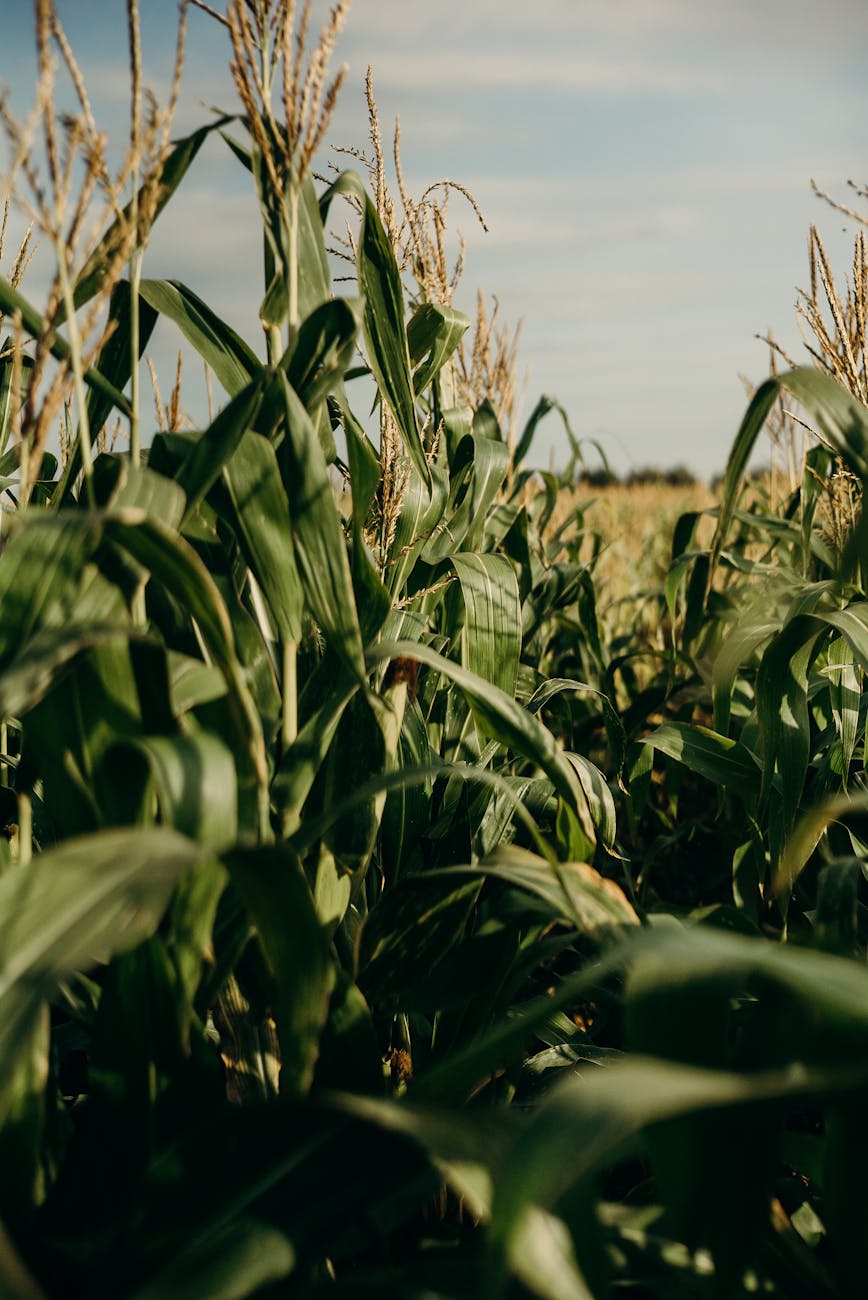
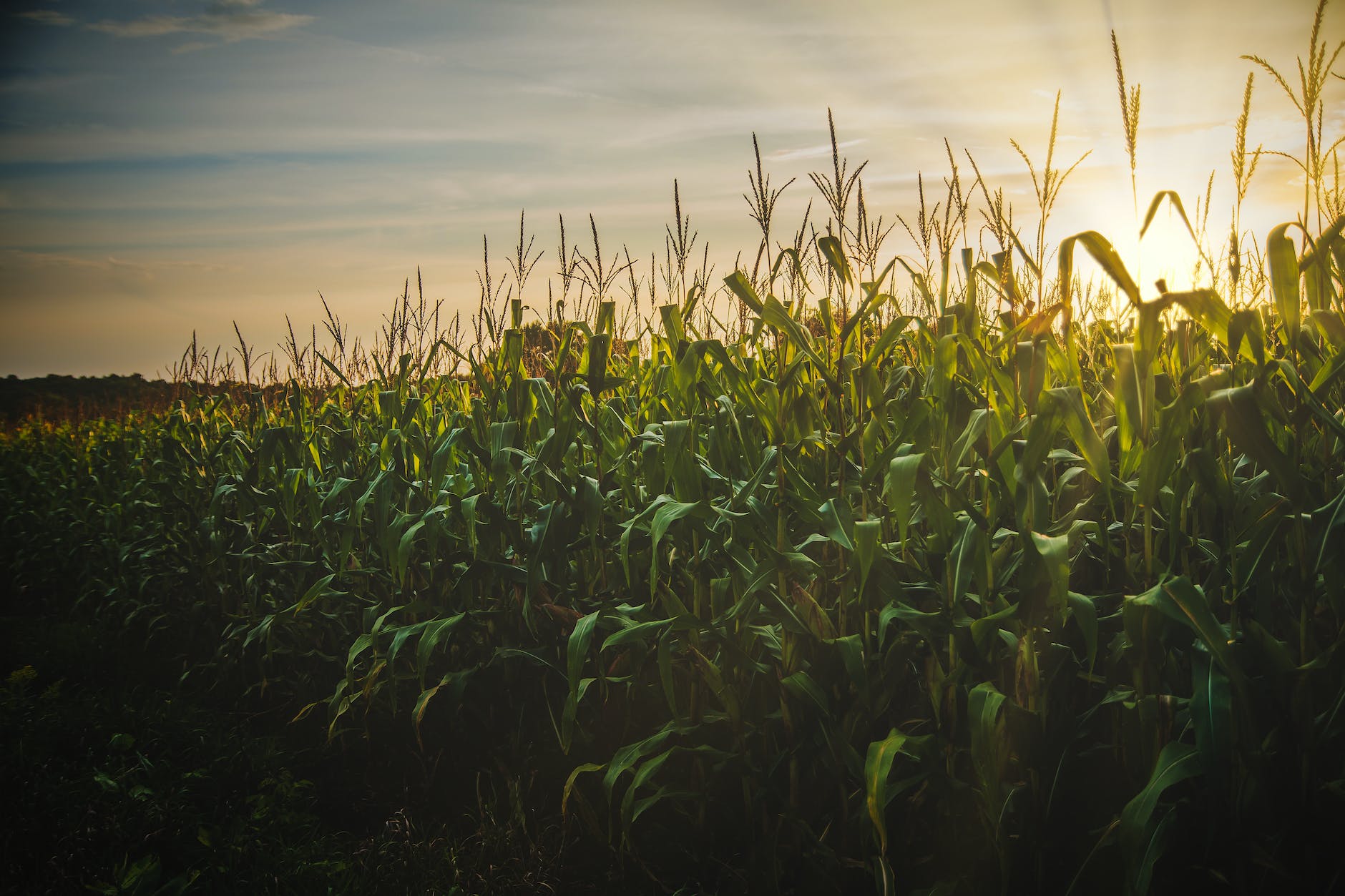
When you drive out of the Chicago area, you can see what appear to be endless fields of these two crops. Illinois may lead the country in pumpkin production but the amount of corn and soybeans grown is much higher. These may not be “exciting” crops but they are used in many ways.
Put it another way: what would Chicago area residents think if “Land of Lincoln” was changed “Land of Corn and Soybeans”? Would they associate those crops with other places (like corn with Iowa)?
And would being a state that leads in corn and soybean AI be an advantage? If so, how much so and where would the benefits go?
“As advertised, your on-site, outdoor, retail business use of Property is strictly prohibited and must immediately cease,” the May 16 letter read. Small, at-home businesses are allowed under the village’s House Occupation Code. The catch is they must operate indoors.
Yamamoto has been appealing for about a year, hoping to work with the village to update the zoning code and allow for the farm. He even submitted three separate proposals. The first aimed to tweak the code so that residents can apply for special use permits for agrotourism. The second changed “agrotourism” to “agricultural experiences” and limited what could be sold and the number of people who were allowed on the property. The last proposed a change in the village’s definition of “agricultural activities” — which are already allowed — to include on-site sales…
“The Village’s Zoning Board of Appeals was particularly concerned that under these various proposals, similar outdoor commercial operations could be allowed to occur on every residential single-family property in the Village,” Paul wrote.
But Little Ducky still has support in the community. Several residents showed up to Yamamoto’s first proposal hearing in August 2024, and many more wrote letters. In all, 133 written comments were submitted, with 129 in support and four in opposition. Of those who spoke in person, 16 supported the farm, while three opposed it…
Yamamoto isn’t giving up. He’s already submitted two more applications and has been waiting for a response since February. In the meantime, he and his wife are picking and delivering tulips themselves.
The catch in this case seems to be that indoor businesses are allowed – imagine something involving a home office or a service that can be provided in a home – versus an outdoor operation. That outdoor business could create noise or be unsightly or disrupt the character of a single-family home neighborhood. Residents might be willing to put up with loud power equipment to keep their landscaping looking good (or not) but an outdoor business is a threat.
It will be interesting to see if support from local residents could shift the outcome. Could a one-time variation in the zoning be granted? Or the zoning guidelines changed to allow clearly-defined agricultural uses?
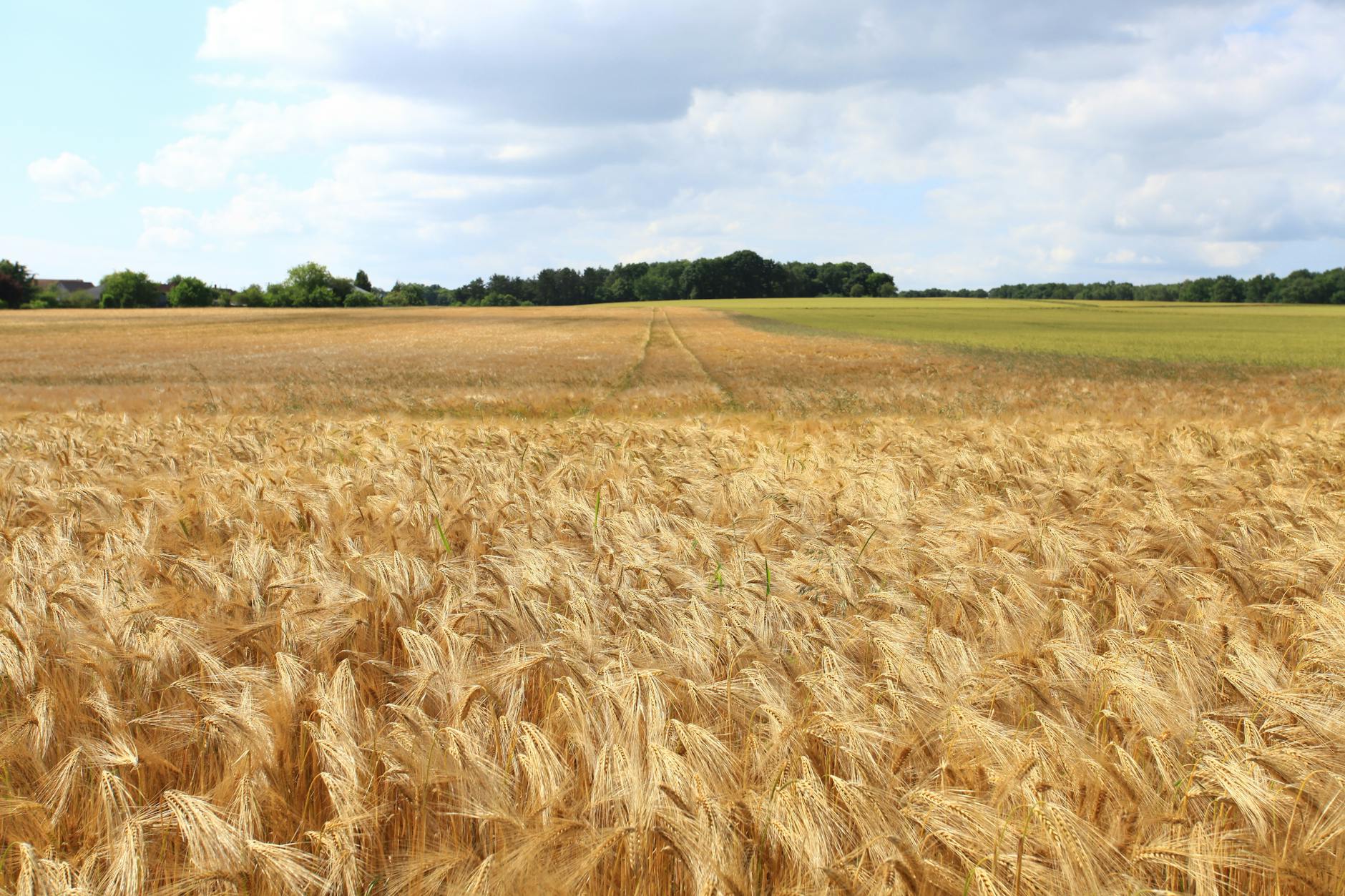
Between 2017 and 2022, the number of farms in the U.S. declined by 141,733 or 7%, according to USDA’s 2022 Census of Agriculture, released on Feb. 13. Acres operated by farm operations during the same timeframe declined by 20.1 million (2.2%), a loss equivalent to an area about the size of Maine. Only 1.88% of acres operated and 1% of farm operations were classified under a non-family corporate farm structure…
In addition to Ag Census data, USDA releases survey-based estimates on farm numbers once every year. Using this annual survey data dating back to 1950, the trend of fewer operations farming fewer acres becomes even more obvious. Since 1950, the number of farm operations has declined by 3.75 million (66%) and the number of acres farmed declined by 323 million (27%) – slightly less than twice the size of Texas. Technological advancements that have increased productivity, such as feed conversion ratios in livestock and yield per acre in crops, have allowed farmers and ranchers to produce more with less even as the U.S. population more than doubled, going from 159 million in 1950 to 340 million in 2023, and the global population more than tripled (2.5 billion to 8 billion) during the same period.
Add to this the drop in the number of people involved in farming or agricultural work over the last century. This all adds up to more and more people living in urban areas, particularly in suburbs where over half of the American population lives.
Even with all of this, the United States produces more food in the long run. Efficiency and innovation mean more can come from the same amount of land. This frees up people and resources for other activities.
The numbers cited above also mean there are still a lot of farms in the United States. The country may no longer be anchored in small towns and family farms – if is ever was – but many continue on with food produced for the country and world.
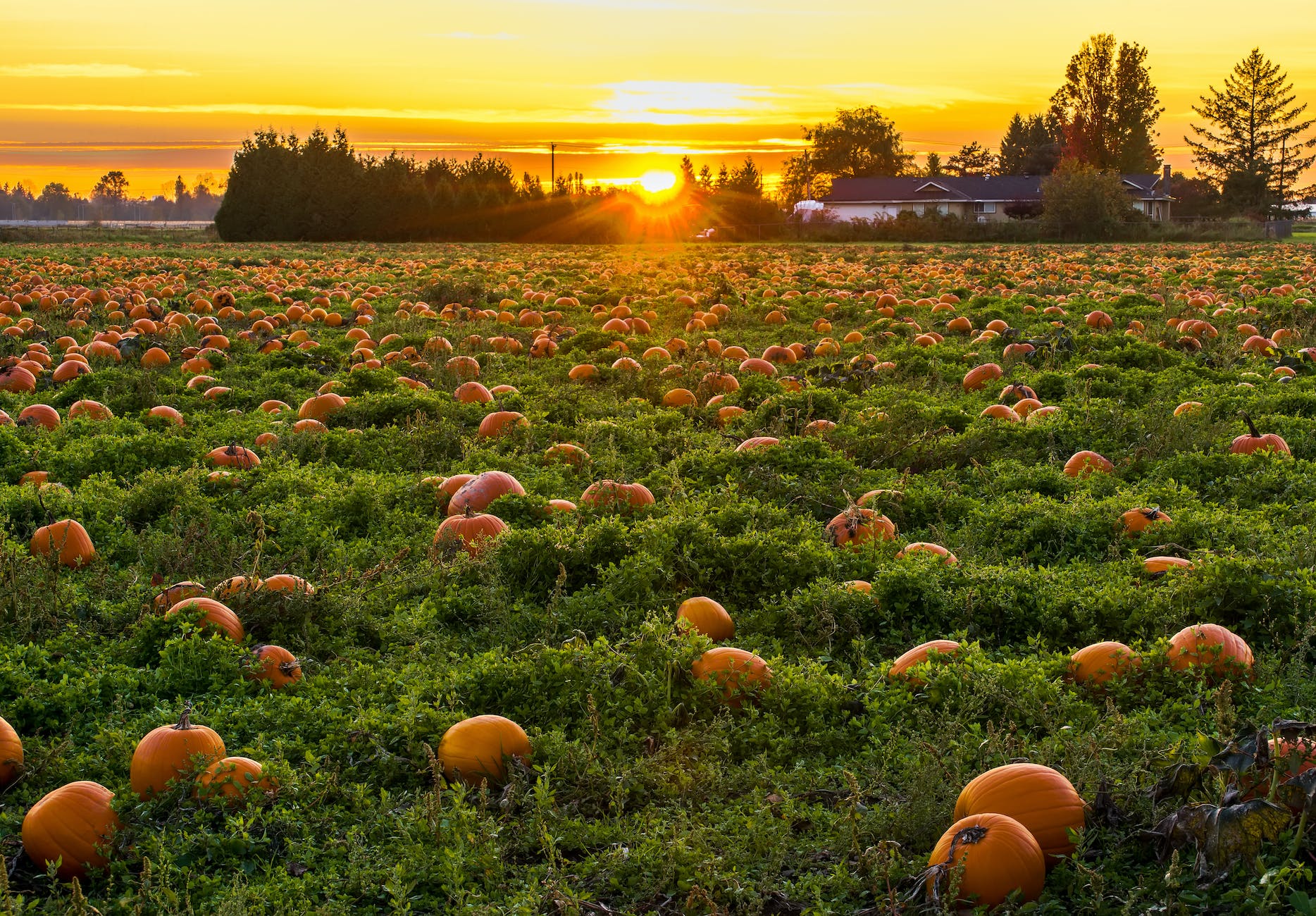
But we can chant, “We’re No. 1!” with pride, as the pumpkin provider to the nation.
And despite a rough start to the season, Illinois is poised to retain the title, according to Raghela Scavuzzo, associate director of food systems development at the Illinois Farm Bureau…
She anticipates this year’s crop will weigh at least 650 million pounds. In 2021, 652 million pounds of the gourd were gathered, according to the Agriculture Department’s Census of Agriculture, more than the next five states combined…
There are two types of pumpkin businesses in Illinois; Those that make money off jack-o’-lanterns, and those that make pumpkin pie possible. Illinois really rules the latter — about 80% of the acreage is devoted to pumpkins for processing.
In a world of place-based marketing and branding, I could imagine a number of different campaigns to highlight this unique feature of Illinois. Lincoln with a pumpkin? Signs welcoming visitors to Illinois include a pumpkin added for the fall season? Pumpkin patches and fall farms covered with all sorts of iconic Illinois images or places?
Beyond marketing, it would be interesting to know how much pumpkins contribute socially and economically to the state. Is the pumpkin growing related to declines in growing other crops? How many jobs does pumpkin growing entail? How does growing pumpkins and selling them compare to other options?
Too bad Charles Schulz, creator of Linus and the Great Pumpkin, was from Minnesota…are there Illinois natives who have creatively invoked pumpkins in works?
This post-agrarian look is the defining style of the current era — dominating renovations, new construction and subdivisions in communities with no connection to farming, with interiors that have open concept floor plans, wide plank wood floors, plenty of shiplap, and kitchens with apron sinks and floating shelves made of reclaimed wood. Even multifamily homes are getting the modern farmhouse treatment, falling into the barndominium category, as they embrace vertical siding, gables and tin roofs, giving a folksy nod to apartment complexes…
Modern farmhouse, a contemporary style that bears a passing resemblance to a traditional farmhouse, first entered the American lexicon a decade ago on “Fixer Upper,” the HGTV sensation that catapulted the hosts, Chip and Joanna Gaines, onto the national stage, and persuaded homeowners to decorate their walls with enormous clocks and word art proclaiming the banal — Family! Eat! Coffee!…
The National Association of Home Builders does not track the popularity of the style. But Deryl Patterson, the president of Housing Design Matters, which designs homes for builders, says the look accounts for more than a quarter of her company’s work. “If a builder says, ‘I need three elevations,’ one will always be modern farmhouse,” she said…
Now, at a moment when populism has taken hold amid deep political divisions, the style of the day is one that imagines a romanticized and fantastical agrarian past — a real farmhouse doesn’t have a walk-in shower with a waterfall showerhead or a sliding barn door to hide a well-appointed laundry room with a weathered placard that says “wash and dry.” As the country grapples with existential questions about its identity and its future, the house of choice makes you think about spinning wool into yarn.
Several thoughts come to mind:
-The suggestion here is that housing design trends come in waves. The McMansions of the 1990s and early 2000s have largely come and gone. They are driven by social, cultural, and economic changes. What comes after modern farmhouse? (Just as an example of a housing style that has not had such a large wave, modernist structures have had their proponents for decades and have not caught on in a large way – even if elements end up in new homes today).
-The connection in the headline to McMansions means that homes in this style may not be long-lasting. Is the quality of the modern farmhouse in question? Are they just imitating other homes?
-How much of this is driven by particular real estate owners? The examples in this story involve fairly expensive homes and renovations. HGTV appeals to particular audiences. There are examples in this story of less expensive modern farmhouse items but purchasing a modern farmhouse can require a lot of resources.
We will see how many modern farmhouses are built and/or created and what then happens to them down the road.
Brazil is set to overtake the U.S. this year as the world’s top corn exporter, reflecting both a bumper harvest and logistical breakthroughs such as the consolidation of northern export routes, which are boosting the competitiveness of the South American grains powerhouse.
Corn exports through Brazil’s northern ports, which use the waterways of the Amazon River basin to ship grains globally, are on track to beat volumes via the most traditional port of Santos for a third consecutive year, according to a Reuters analysis of grain shipping data.
The shift underscores how Brazil, which churns out three corn crops per year and still has huge expanses of under-used farm land, is finally overcoming some of the infrastructure bottlenecks that have long made it hard to get its bountiful harvests to global markets.
That and a new supply deal with China announced last year suggest Brazil may be opening a longer era of supremacy over U.S. corn exports, unlike the last time the Brazilians briefly grabbed the global corn crown during North America’s drought-hit 2012/13 season.
Three thoughts connected to this shift:
-The image of the Midwest in the United States often involves corn. Corn mazes, corn palaces, endless fields of corn. Does this diminish anytime soon in the Midwest? Does Brazil have similar regional and cultural connections to corn?
-One of the reasons Chicago grew rapidly and became a global city is because it became a center for buying, selling, trading, and shipping commodities like corn. Corn poured into the city and helped make it wealthy and influential. Now, activity involving commodities has increased elsewhere. Will the traders in Chicago be betting on Brazilian corn?
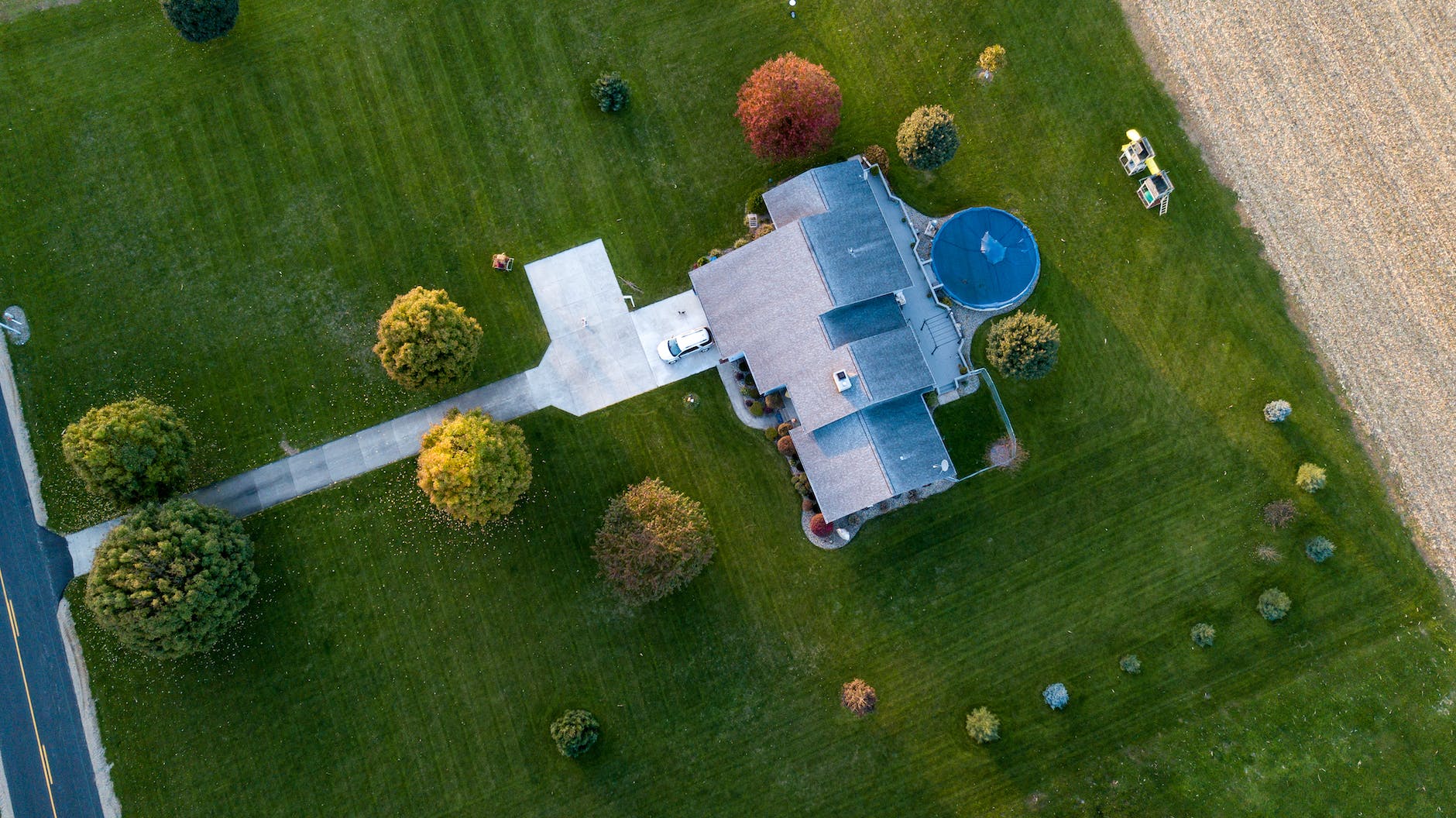
When they bought the house, it was surrounded by a picturesque, but ecologically unproductive, lawn of green grass. Building out a homestead that uses available space for growing food almost always means disrupting the lawn, and McClelland and O’Neill dispatched theirs quickly.
The American lawn is often a symbol of social class. But, what if it not just an ornament or a testament to money and effort but is instead a clear suggestion that the property owners do not need to use their land for other uses? What if a green and well-kept lawn is not about presenting a particular verdant image but rather shows that the owner is so wealthy that they acquire their food – and other things they might acquire from the land – elsewhere?
American lawns could be devoted to native plants or covered in stones. They could also be used to grow food. Imagine even half of the lawn space in the United States used to grow food. How much could be produced? Could this help people eat healthier? Could being involved in gardening have positive individual and social outcomes?
Yet, the green lawn says, “I am not needed for food. I am here to look pretty.” Perhaps it is even a form of conspicuous consumption; it broadcasts that the owner can waste the lawn on green grass.
As more people pour into metropolises—urban populations are projected to double in the next three decades, according to the World Bank—scientists like Bousselot are investigating how designers and planners can ruralize cities, greening roofs, and empty lots. The concept is known as “rurbanization,” and it could have all kinds of knock-on benefits for ballooning populations, from beautifying blocks to producing food more locally. It dispenses with the “city versus country” binary and instead blends the two in deliberate, meaningful ways. “You don’t have to set this up as a dichotomy between urban and rural, really,” says Bousselot. “What we should probably focus on is resilience overall.”…
But while rurbanization has enticing benefits, it has some inherent challenges, namely the cost of building farms in cities—whether on rooftops or at ground level. Urban real estate is much more expensive than rural land, so community gardeners are up against investors trying to turn empty spaces into money—and even against affordable developments aimed at alleviating the severe housing crises in many cities. And while rooftop real estate is less competitive, you can’t just slap a bunch of crops on a roof—those projects require engineering to account for the extra weight and moisture of the soil.
But the beauty of rurbanization is that agriculture and buildings don’t have to compete for space. Urban land is limited, which means that high-yielding, fast-growing, space-efficient crops work great, says Anastasia Cole Plakias, cofounder and chief impact officer of Brooklyn Grange, which operates the world’s largest rooftop soil farms. “That said, we approach the design of our own urban farms, as well as those we build for clients, with the consideration of the unique character of the community in which we’re building it,” says Plakias. “Urban farms should nourish urban communities, and the properties valued by one community might vary from another even in the same city.”
The primary dividing line referenced here is the presence of agriculture: this happens in rural areas, not so in cities. Bring agriculture to denser population centers, and important lines are crossed.
Maybe? Adding agriculture may or may not affect some of the key features of cities and rural areas: population, population density, land use (not just agriculture), amenities, and ways of life.
Perhaps this is more of an experiment that is just starting up. What are the effects of introducing significant amounts of agriculture plots in major American cities?
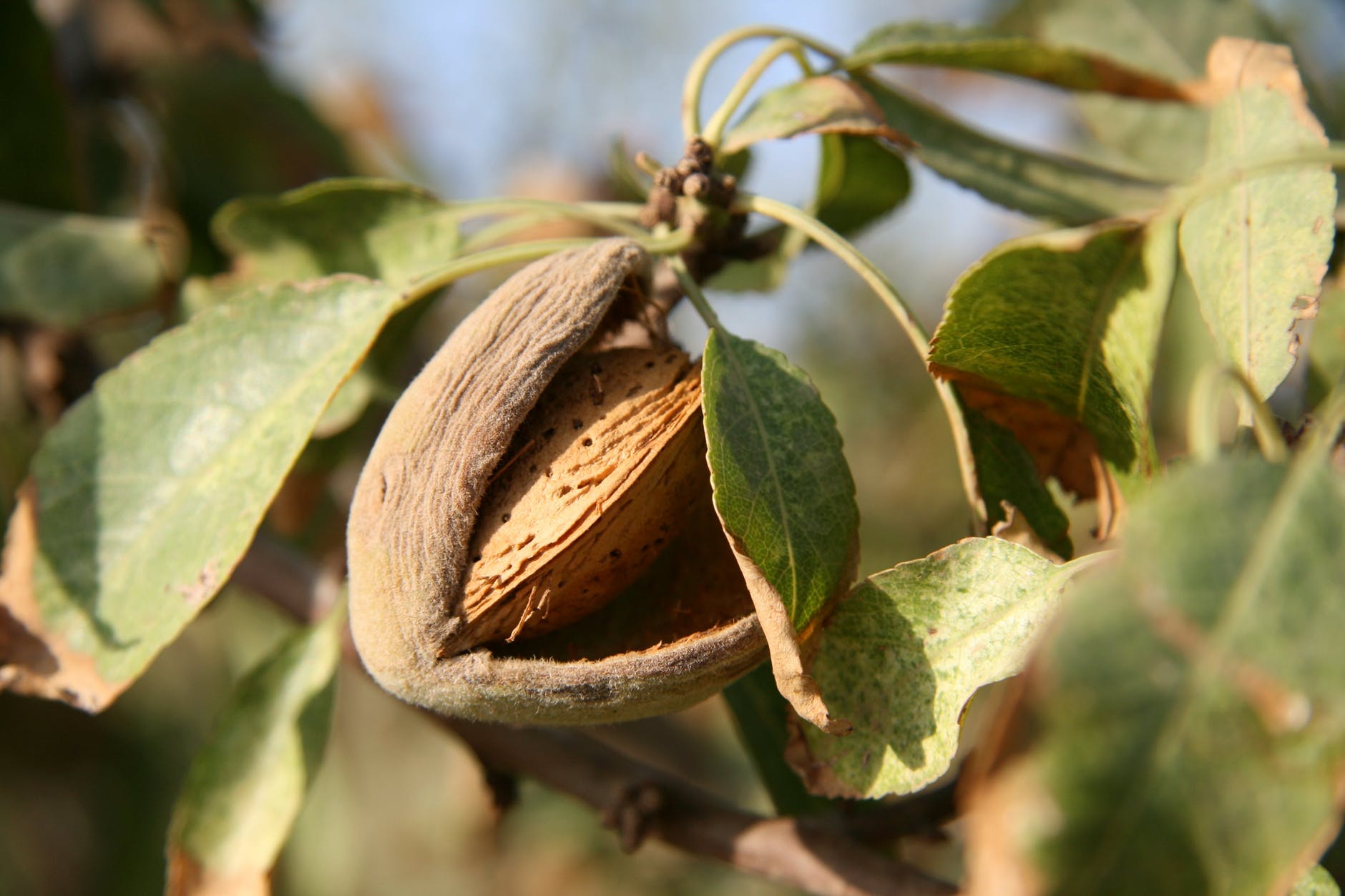
The stakes are high: California grows more than a third of the vegetables and two-thirds of the fruits and nuts eaten in the United States, dominating production of artichokes, avocados, broccoli, cauliflower, carrots, celery, dates, grapes, garlic, olives, plums, peaches, walnuts, pistachios, lemons, sweet rice, and lettuce. The Central Valley is America’s agricultural heartland, crucially important to the state’s economy and the groceries of the nation. More wine grapes are grown there than in California’s wine country, more almonds than anywhere else on earth. There are more than a quarter of a million acres devoted to tomatoes, which when plucked, weighed, canned, and shipped add up to around a third of all the processed tomato stuff eaten worldwide. And that’s not to mention all the region’s livestock—chickens, pigs, cows.
When I go to the grocery store, I am not thinking about what goes into all of the food there and instead just enjoy the many options I have within and across stores. When I have a little more time to consider the process, two thoughts come to mind:
The amazing ability for humans to produce this amount of food from this amount of land. I know California is a big state and a lot of people live there and it is still astounding how much food is produced.
The complexity to pull this all off plus the burden on the natural systems that make this all possible. If one piece gets out of whack or the climate changes or human patterns change, the whole system needs to adjust.
It will take significant work to keep the system going and the food growing. While many dystopian works hint at the trouble that would come when normal food systems are disrupted, there would be serious problems if California cannot produce food in the way it does now.
Such gangbusters growth is unlikely to continue, with the pandemic easing. But the rush to the country that underpins it is less an anomaly than a speeding up of a long-tern trend, as more people – notably millennials yearning to become homeowners – look to adopt quasi-rural lifestyles. Being priced out of urban living is one driving factor; interest in healthier and more sustainable diets, including homegrown vegetables and home-harvested eggs, is another. Whatever is motivating them, Tractor Supply sees an opportunity in these “ruralpolitans” – and the COVID-driven shift toward remote work will help sustain their numbers.
Lawton, who became CEO in early 2020 after two years as the No. 2 at Macy’s, says millennials’ willingness to move farther from city centers is a “game changer”: “We seeing a new kind of shopper in our stores,” he tells Fortune. Now Tractor Supply is adapting to cater to both its established customer base and these younger space-seekers, following a strategic road map with the folksy title “Life Out Here.”…
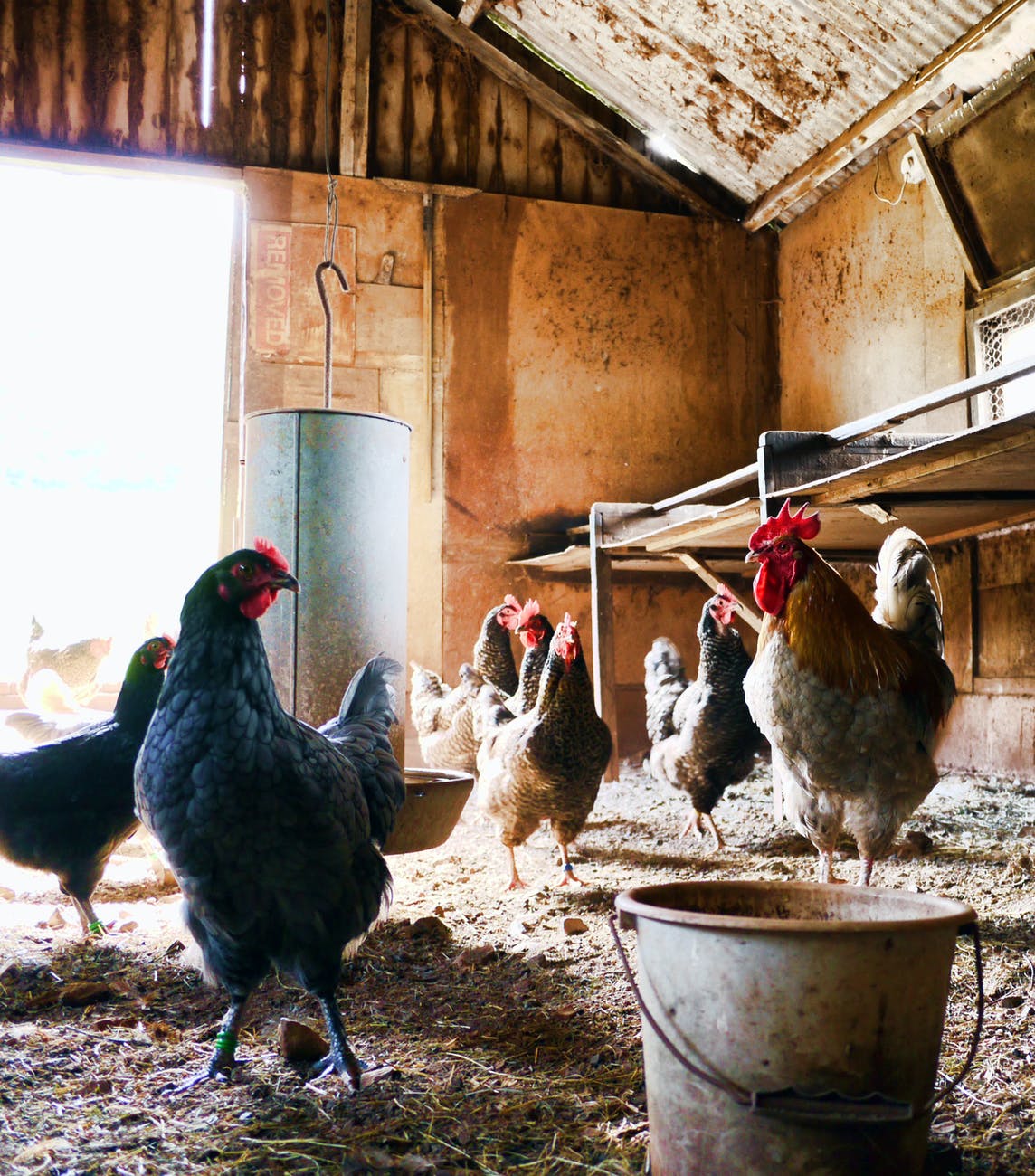
The fast-growing cohort that Tractor Supply is cultivating, she says, are “beginning to learn how to garden. They have this passion for poultry.” Call them the “country suburban” customers.
The company is strategic about where it meets these customers. Its stores are almost all located in mid-size or small towns – communities that are often too small to support a Home Depot, Petco, or Walmart.
The economic impact of COVID-19 has hit some businesses very hard while others, like Tractor Supply, have found opportunities. From the sound of this article, they had locations in numerous places that received new residents during COVID-19 and had the right mix of products and service that appealed to them.
I wonder about the class dynamics of all of this. How do the new “ruralpolitans” who want to raise chickens or have a small farm and have moved from the city compare to the other shoppers at Tractor Supply or to long-term residents in the community?
Another question to ask is whether these newer residents with these interests in food and farming are in it for the long haul or not. On one hand, if remote work is more viable than ever, perhaps people will stay in smaller communities outside cities and pursue this. On the other hand, if companies ask more workers to return or if small-scale agriculture and animal husbandry is not appealing in the long run, this may be more of a flash in the pan. Industry-wide shifts in agriculture could have an impact as well.
Finally, the move to a more rural life has implications for private lives and community life. Many Americans say they like the idea of living in a small town but this is different than actually living in one. What is the tipping point where an influx of new residents changes the character of the community (or is change somewhat inevitable)? How involved will these new residents be in local organizations, religious congregations, local government, and in local social affairs?



 Legally Sociable