“We’re not New York. We’re not L.A. We’re sure not Chicago. We fix our problems.”
Quick quiz: Who recently said that? Ron DeSantis? Greg Abbott? Nikki Haley?
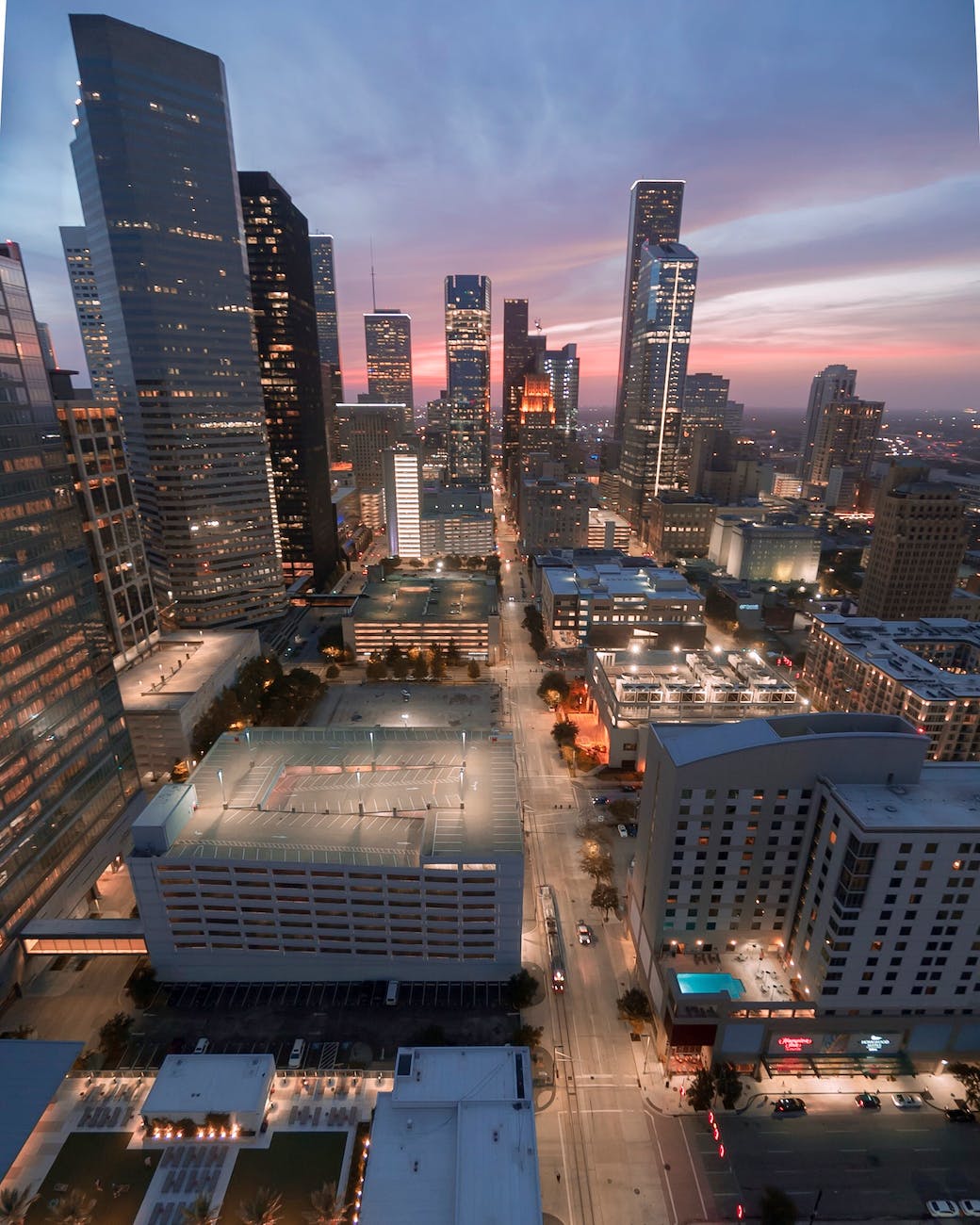
The answer is John Whitmire, a Democrat who over the weekend resoundingly won election as mayor of Houston, the nation’s fourth largest city and on track to overtake Chicago as third largest if present demographic trends continue…
Politically, Chicago comes across to much of the rest of the country as a city that’s off course, focusing not on the issues at the top of residents’ priority list (public safety, jobs, public transit, for example) but on progressive to-do lists. Not only are Johnson and his City Council allies choosing to spend their time and political capital on issues the majority of Chicagoans view as less than pressing, they’re doing a poor job even when it comes to their own priorities.
Several factors appear to be at work. First, as noted, Houston is approaching Chicago’s population. Chicago was once the second city, then became the third city, and likely will soon be the fourth city. This means a decline a status, both internally and from the outside.
Second, Chicago has long had a reputation as “the city that works.” It might have all sorts of problems but things got done. If the perception inside and outside is that things do not get done, then people might have concerns.
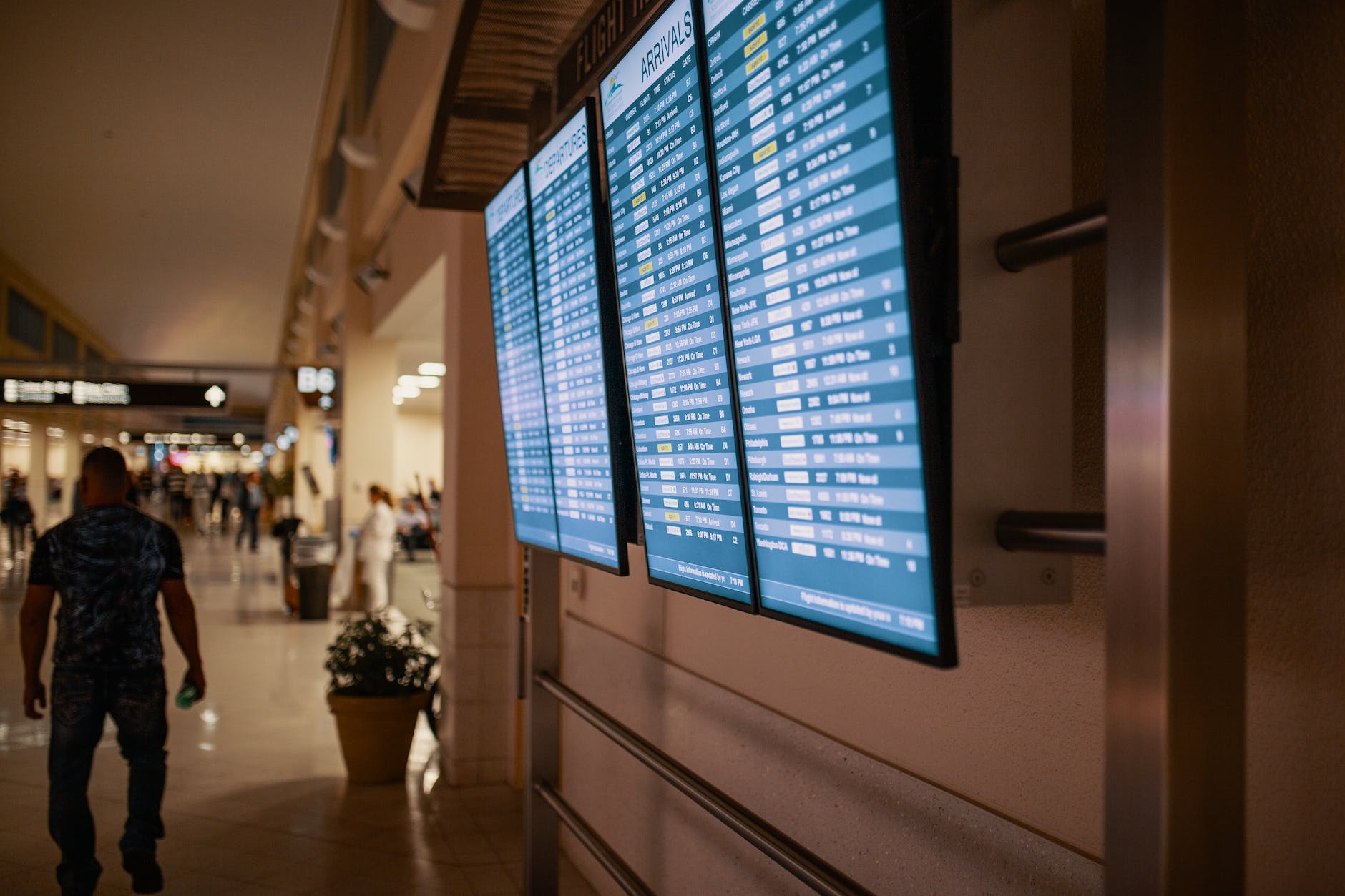
The Chicago Department of Aviation projects 1.65 million passengers will stream through O’Hare and Midway airports this Thanksgiving season, surpassing 2022 totals. Sunday will be the busiest day at both airports with nearly 300,000 people expected, the CDA reported.
I do not think I have ever flown during the Thanksgiving week due to having a lot of family within driving distance. But, I have been to these airports during Thanksgiving week to pick up and drop off people. There are a lot of cars and big crowds. One memorable trip included a two hour return drive – typically a 35 minute journey – because of lots of traffic and heavy snowfall.
I suspect airports need to be built kind of like big box store or shopping mall parking lots: enough capacity to handle the busiest days of the year but usually not near full use. If airports did not have room for Thanksgiving week travel, people would be upset and airlines would not be able to move as many people as they do. In the times with fewer passengers, everyone can adjust staffing and resources.
For all of those making their way through O’Hare and Midway this week, best wishes to you. Hopefully, the weather here does not wreak havoc on schedules.
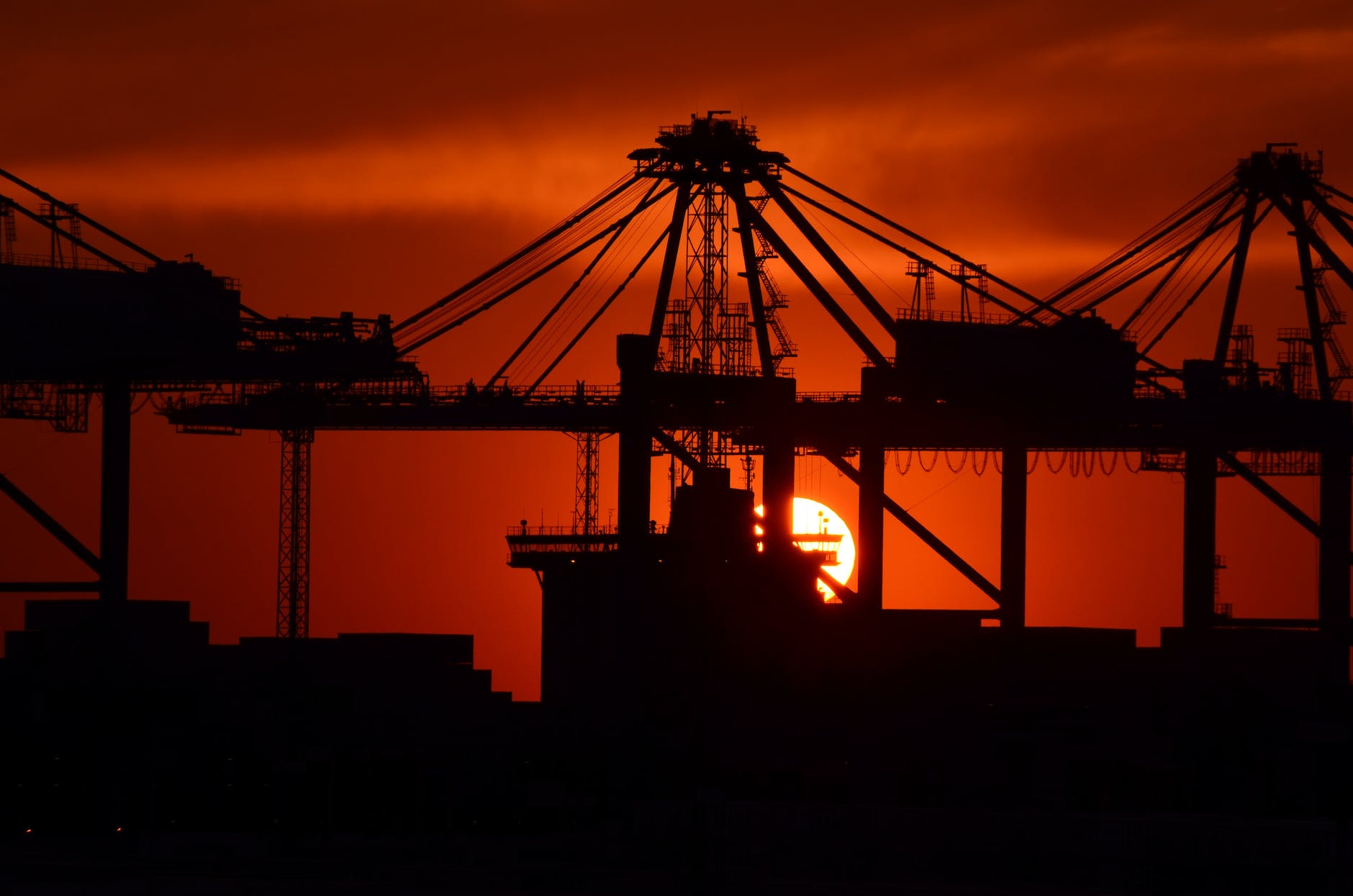
Brazil is set to overtake the U.S. this year as the world’s top corn exporter, reflecting both a bumper harvest and logistical breakthroughs such as the consolidation of northern export routes, which are boosting the competitiveness of the South American grains powerhouse.
Corn exports through Brazil’s northern ports, which use the waterways of the Amazon River basin to ship grains globally, are on track to beat volumes via the most traditional port of Santos for a third consecutive year, according to a Reuters analysis of grain shipping data.
The shift underscores how Brazil, which churns out three corn crops per year and still has huge expanses of under-used farm land, is finally overcoming some of the infrastructure bottlenecks that have long made it hard to get its bountiful harvests to global markets.
That and a new supply deal with China announced last year suggest Brazil may be opening a longer era of supremacy over U.S. corn exports, unlike the last time the Brazilians briefly grabbed the global corn crown during North America’s drought-hit 2012/13 season.
Three thoughts connected to this shift:
-The image of the Midwest in the United States often involves corn. Corn mazes, corn palaces, endless fields of corn. Does this diminish anytime soon in the Midwest? Does Brazil have similar regional and cultural connections to corn?
-One of the reasons Chicago grew rapidly and became a global city is because it became a center for buying, selling, trading, and shipping commodities like corn. Corn poured into the city and helped make it wealthy and influential. Now, activity involving commodities has increased elsewhere. Will the traders in Chicago be betting on Brazilian corn?
In 1871, the city’s one-of-a-kind water link between the Great Lakes and the Mississippi River helped make it the country’s busiest port, one that lured more ships than New York, San Francisco, Philadelphia, Baltimore, Charleston and Mobile combined, according to the Encyclopedia of Chicago…
Intriguingly, Chicago still has access to major bodies of water. Whether they are in as much demand as the past and whether they are in good enough shape to handle more traffic (the subject of the article cited above) are other matters. Could there be a future world where more goods and materials go by ship and Chicago benefits from its location that can link the Atlantic, the Great Lakes, and the Mississippi?
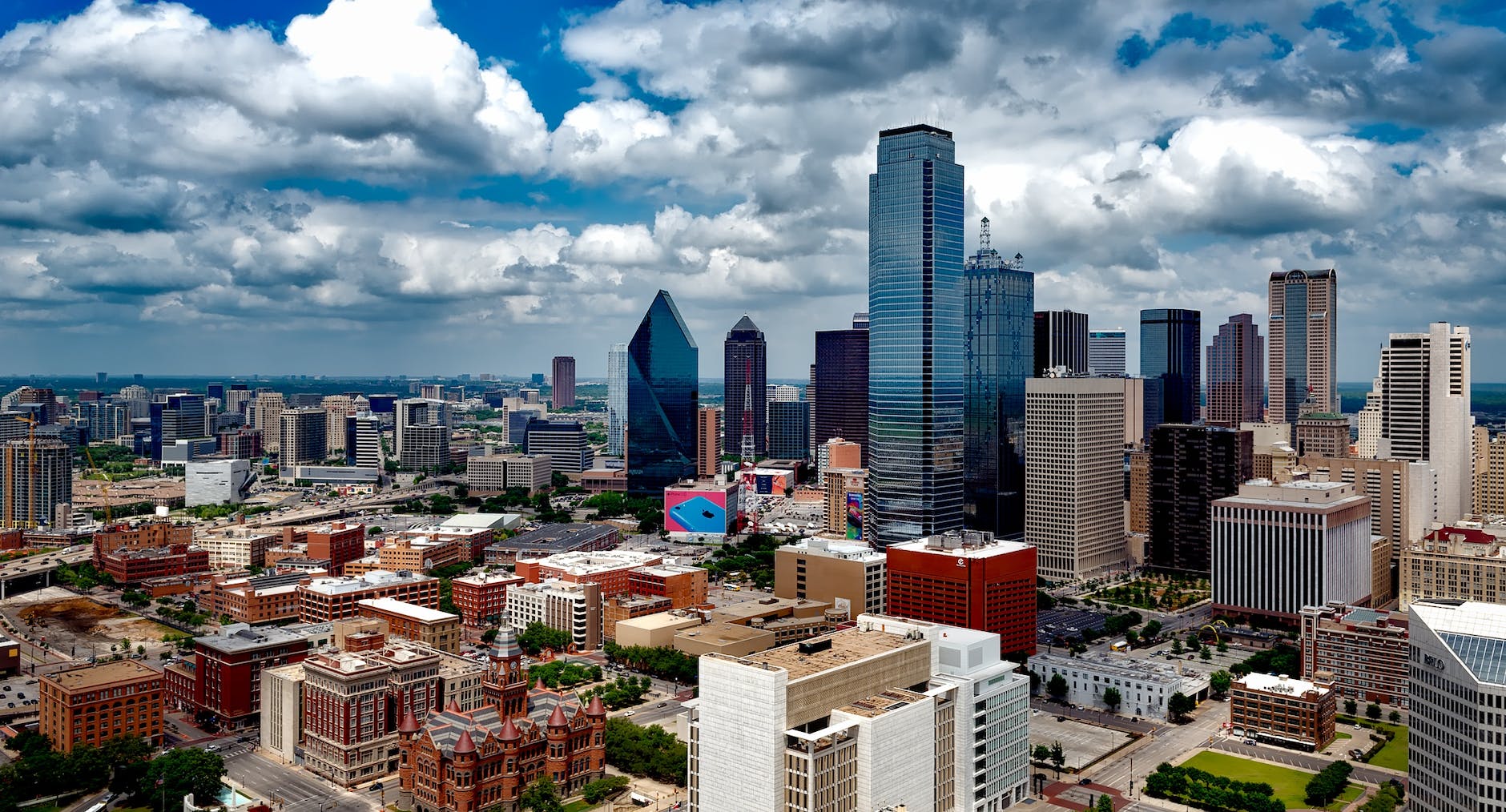
Dallas-Fort Worth is one of the country’s fastest growing metropolitan areas…
Business expansion and relocations are fueling the Dallas region’s growth, putting it on track to overtake the Chicago area and become the third-most-populous metro within the decade…
Dallas-Fort Worth is on track to be the only U.S. metropolitan area to house two cities with populations over 1 million in the next five years, as people and companies seek profit, opportunity and room to grow.
Cities and metropolitan areas rise and fall in population over time. Chicago was once smaller than St. Louis than shot past it with the latter losing a lot of population in the 1900s. Where will the new boom cities be?
Participatory budgeting involves community members in discussions of and decisions about local monies. While this is not a widespread process, it started in this country in Chicago:
Participatory budgeting, in which members of the public get a direct vote in how tax dollars are spent, has been around in Chicago for more than a decade, and made its U.S. debut here in the North Side’s 49th ward in 2009, led by then-Ald. Joe Moore.
The concept was born in Porto Alegre, Brazil in 1989 and is now used in cities across the world. In Chicago, residents vote on how to spend the majority of the $1.5 million in “menu money” City Council members are allotted for infrastructure projects each year — in the handful of wards that choose to use it. It’s also utilized in a handful of Chicago Public Schools as a form of civic education.
But despite its special ties to the city, participatory budgeting, or PB, has failed to launch on the scale advocates envision, lagging other U.S. cities such as New York and Boston that have implemented different versions of citywide programs. Now, proponents of participatory budgeting see an opportunity with Chicago’s newly elected mayor, who has vowed collaboration with residents, and whose transition report calls for Chicago to be “real pioneer” in participatory democracy.
Many local issues involve money. Where is it coming from? Where is it being spent? Who is benefiting and who is not? One local expert describes the benefits of participatory budgeting:
“That’s what our research shows is that over and over again, people who participate talk about how they learn more about what their needs are in their community, that they meet more neighbors, they feel more positively about their aldermen, they learn more about how government works, they’re more comfortable contacting government agencies and officials,” said Crum, whose group also helps alderpersons facilitate ward-level participatory budgeting processes each year.
Would doing more participatory budgeting help restore public faith in government? If a good number of residents feel that elected people or appointed officials are not using money in ways that are good for the community, it can be easy to criticize the whole system. At the least, participating in budget conversations can help reveal all of the possible priorities and how decisions might be made.
Thanks to a recent local news segment that asked people in Naperville about Chicago politics, the two communities are being compared. Why?
Let’s be real, though: The mayor was also taking a dig at Naperville. It’s become a Chicago tradition. Whenever a Chicagoan complains about the proverbial suburbanite who claims to be from Chicago, it’s always someone “from Naperville.”…
I really wasn’t finding anything in Naperville that I couldn’t get in Chicago. That explains why I only visited every 10 years. I could live a complete life without ever going to Naperville, especially since it’s such a long haul on the train. But I’m sure that’s also true of Lemont or Schaumburg or Libertyville. Of all suburbs, why do Chicagoans single out Naperville for scorn? At the Naper Settlement, I met a woman who offered an answer. Jeanne Schultz Angel grew up in Naperville, went to Waubonsie Valley High School, then moved to Norwood Park, from which she commutes back to her hometown to work as associate vice president of the history museum. That evening, she was helping set up for a Weezer tribute concert.
“Speaking both languages, I think there’s this perception and then there’s the reality,” Angel said. “People in Chicago might think they know the brand, which is idyllic suburban. We always make the top lists of where to live. Chicagoans tend to get beaten up about living in Chicago. There’s a lot of learning curve that can increase understanding. People who think Naperville is this very idyllic, very American place, it does surprise. We have a Patel Brothers. Naperville has a constant transient population, but I think a lot of people who grew up in Naperville had their careers here and bought homes here. I love the city. I love Naperville, too. It’s a different kind of life.”
Chicagoans need to respect Naperville’s differences and stop cracking jokes at its expense. Stop thinking about Naperville altogether. It’s so far away. Why let it bother you? I just spent a day in Naperville and I probably won’t think about it for another decade, when I find a reason to visit again.
On one hand, these explanations make some sense. Naperville is a successful suburb. It is the second largest suburb – after Aurora – in a sprawling region of over six million suburbanites. Chicago is a big city whose big city problems can often be in the news or political conversations. Residents of the two communities might have different ideas about the kinds of lives they want to live. Thus, the two places serve as shorthand for a long-standing American competition between cities and places outside of them.
On the other hand, there are plenty of stories and reports that take a similar tack to this piece. The journalist or researcher from the city comes out to the suburbs to examine the life they find unusual. What do those suburbanites actually do day-to-day? How do they survive in such a place devoid of culture and sophistication?
The two municipalities might do better to cooperate more as leaders within a metropolitan region that could better coordinate its efforts to help all in the region thrive.
When a large amount of rain is dumped on the Chicago region in a short amount of time, the infrastructure cannot keep up. The swamps underneath the third largest metropolitan region in the United States continue to influence everyday life:
The region’s struggle with chronic flooding begins with its location. Chicago and many of its suburbs were built on swamps, and storm runoff has become more difficult to manage as the region has been paved over.
These swamps had at least one advantage. The area between the Chicago River and the Des Plaines was swampy and this portage helped lead to Chicago’s growth as the Great Lakes and Mississippi could be connected.
But, think of all the effort required initially to drain the swamps or fill them in or build on and near them. Some early settlers built plank roads to try to stay above the mud. Then, there are consequences still today with major rains leading to flooded basements and sewage released into waterways. Planning for dealing with water requires resources and time, ranging from retention ponds to dealing with the effects of new nearby development to cleaning up after floods to building the massive Deep Tunnel project.
The article notes the decades-long efforts to address this. Communities within metropolitan regions might not like to pool resources but this seems like an issue that should bring together everyone to make serious headway on solutions in the next few decades.
If you’re not doing anything Thursday evening, swing by the park for a bit of Shakespeare, a signature cocktail and an interesting bite or two from a selection of food trucks. What park? Why, Cantigny Park, in DuPage County, of course. Where else would anyone go for a hip summer evening out in the Chicago area?
Long overshadowed by Cook County when it comes to cool stuff to see and do, DuPage County is starting to change its image as a boring suburban haven for people intimidated by life in the big city.
The editorial also notes the “good government” and diversity of the county:
The occasional scandal aside, we think of DuPage as being a haven for good government compared with the rest of the state, owing in no small part to the 12-year tenure of Dan Cronin as chair of the DuPage County Board. Cronin, a native of Elmhurst, set a singular example for reducing the size and cost of county government and we were sorry to see him step down.
Democrats have turned the tables in this longtime GOP bastion, holding a majority on the board for the first time in decades. In November, voters elected the county’s first woman as board chair to replace Cronin. After her election, longtime Illinois state Rep. Deb Conroy noted that her predecessors on the board had been white men. “And today that is not the face of DuPage County,” she said. “DuPage County today is richly diverse.”
As chair, Conroy should aim to extend Cronin’s proud legacy of efficient government, while ensuring this important part of the state is inclusive and equitable.
The contrast in this editorial is the city of Chicago and Cook County. The city is supposed to be the place of cool scenes, art exhibits, and exciting entertainment options. These are now available in the suburbs?!
I would put this recognition as part of a longer process of suburban development. At this point, DuPage County has had over seven decades of suburban postwar growth. It is a wealthy suburban county with plenty of jobs and economic opportunities. Before the postwar era, the county had roughly one hundred years of history involving the arrival of white settlers and the removal of Native residents, the coming of the railroad that connected the county to Chicago and other parts of the Midwest, the founding of small towns throughout the county, and the start of suburbanization on the eastern edges of the county.
This means the county has had plenty of time to mature and develop. Suburban greenfield growth is pretty much done and the population has grown less than 2% each decade since 2000. More communities have focused on infill development, redevelopment, and enhancing their downtowns (or trying to create community nodes if they did not have a downtown). There are plenty of institutional and community resources to draw on and wealthier residents to spend money. The demographics and social priorities of county have changed.
Additionally, people can live, work, go to school, find interesting restaurants and shopping spots, and more all within the suburbs. Chicago does offer unique opportunities and places but many suburbanites spend a majority of their time closer to home.
Is DuPage County cool? Or, are the suburbs more complex than an image of quiet and staid communities that provide bedrooms for urban jobs and exciting city opportunities?
(One note: the coolness the Editorial Board cites does not likely extend to all suburbs. The piece notes particular communities and opportunities. How many entertainment centers can the suburbs have? Suburbia is full of uneven development and inequalities.)
For almost three hours, crews from Fernandez Tree Service hacked away at one of Chicago’s oldest trees, a centuries-old, sprawling bur oak that had reached the end of its life span. The nearly 70-foot giant was here long before the zoo was built in 1868, when the area was just a lakeshore covered with tall grass, and possibly even predating the incorporation of the city of Chicago.
Director of horticulture at Lincoln Park Zoo Katrina Quint said the tree is 250 to 300 years old. The caramel cross-sections of the trunk have diameters of 60 inches…
Scott said that in northeastern Illinois, about 1 million acres of land used to be oak forests. There are only 17% of those oak ecosystems left, and 70% are in private ownership, meaning that they’re not in protected status, she said…
Morton Arboretum’s Robert Fahey wrote about this native species loss in the 2015 Oak Ecosystems Recovery Plan, led by the Chicago Wilderness and the Oak Ecosystems Recovery Working Group. Fahey overlaid 1830s public land survey data with 1939 aerial photography and 2010 analysis to see where oak ecosystems used to exist and where they exist now.
The Chicago area now has many trees, but losing one of its oldest trees both harms the ecosystem and severs a connection to the past. Trees are an important part of the landscape and can outlive development and people.
One thing that cities and suburbs tend to do is level the landscape, plop buildings, roads, and more on the ground, and place all sorts of infrastructure underground. It is hard to imagine that prior to the Chicago region, there existed sand dunes, waterways that operated differently (the Chicago River, in particular), groves of trees, swamps, and prairie spaces. The growth of Chicago was bad news for these natural settings as the city consumed land and resources, produced much pollution, and recreated “nature” along the lakefront and in parks.
I hope more people can see what areas looked like before mass development in the United States. This can help prompt thinking and action about what we might do with land beyond building houses and providing pathways for vehicles.






 Legally Sociable