River deltas in miniature, sandy form

With river deltas providing rich farm land plus access to other places via the river and what the river connects to, deltas around the world have been important sites for human settlements.

On a recent trip, I found a spot where water flows down a bluff before heading for a large lake. Here is what it can look like:

The image shows how even a small flow of water, strengthened by recent rains, can push sand in a distinctive pattern. With enough water, the delta would grow and the stream would cross the beach and make it to the lake.

Even in a world devoted to technology and online activity, how many major cities and nations continue to rely on deltas and settlements at the mouth of rivers?

(See an earlier post about another depiction of a delta – this depiction made by humans.)

Proximity to population centers means warehouses for rural areas

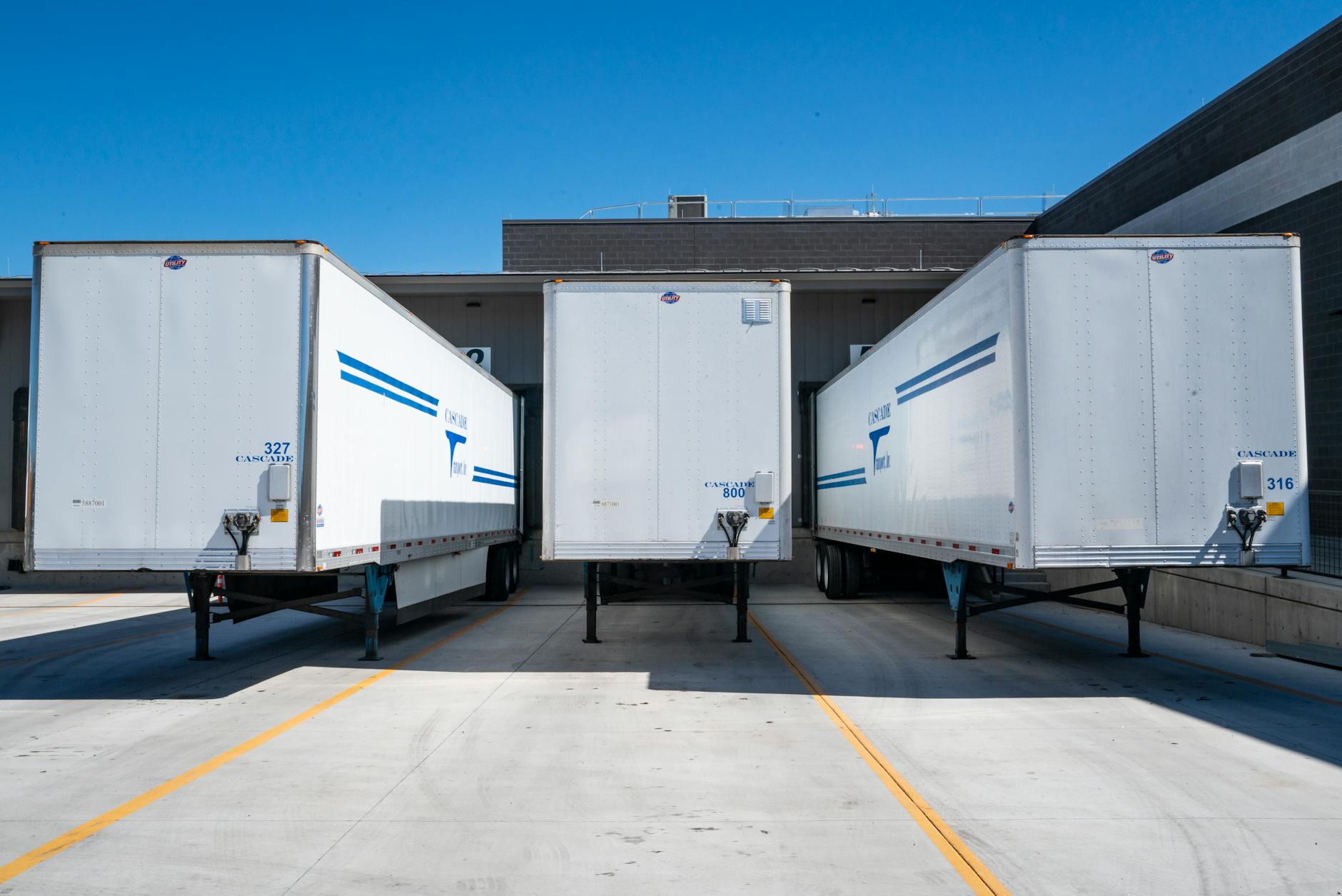
If you live in a rural town in the United States that is close to a number of population centers, warehouses may be in your future (if they are not already):

Photo by ELEVATE on Pexels.com

Shippensburg, Pennsylvania, and nearby rural towns like it are being drastically transformed into distribution hotspots for major retailers like Amazon and Walmart – to the dismay of some longtime residents.

With its endless acres of farmland, the tiny town is seemingly the perfect location for huge warehouses – and it is at most a day’s drive away from one-third of the US population and half of Canada‘s, making it the ideal delivery truck epicenter…

P&G, which owns Charmin, Crest, Gillette and Pampers, was one of the first to do so in 2014, followed by Amazon.com, DHL, FedEx, Home Depot, Kohler, Lowe’s, Office Depot, Pepsi, SC Johnson, Staples, Target, Ulta Beauty, Unilever and UPS, among many others…

What’s happening in Shippensburg is similar to what’s already happened to California’s Inland Empire, which used to be a major center of agriculture. Now, this area of southern California is the nation’s warehouse capital, home to Amazon and Walmart facilities.

Take out a map, draw circles around major population centers, and see the places where these circles intersect. That places like Shippensburg could be so close to so many people marks it for these changes.

This could help remind people of the ongoing connections between cities and rural areas. In today’s changing world, it is not just about farming versus commercial and industrial activity; the two spaces are tied together by trade, social networks, and an awareness of each other.

A big city as “sociological soup”

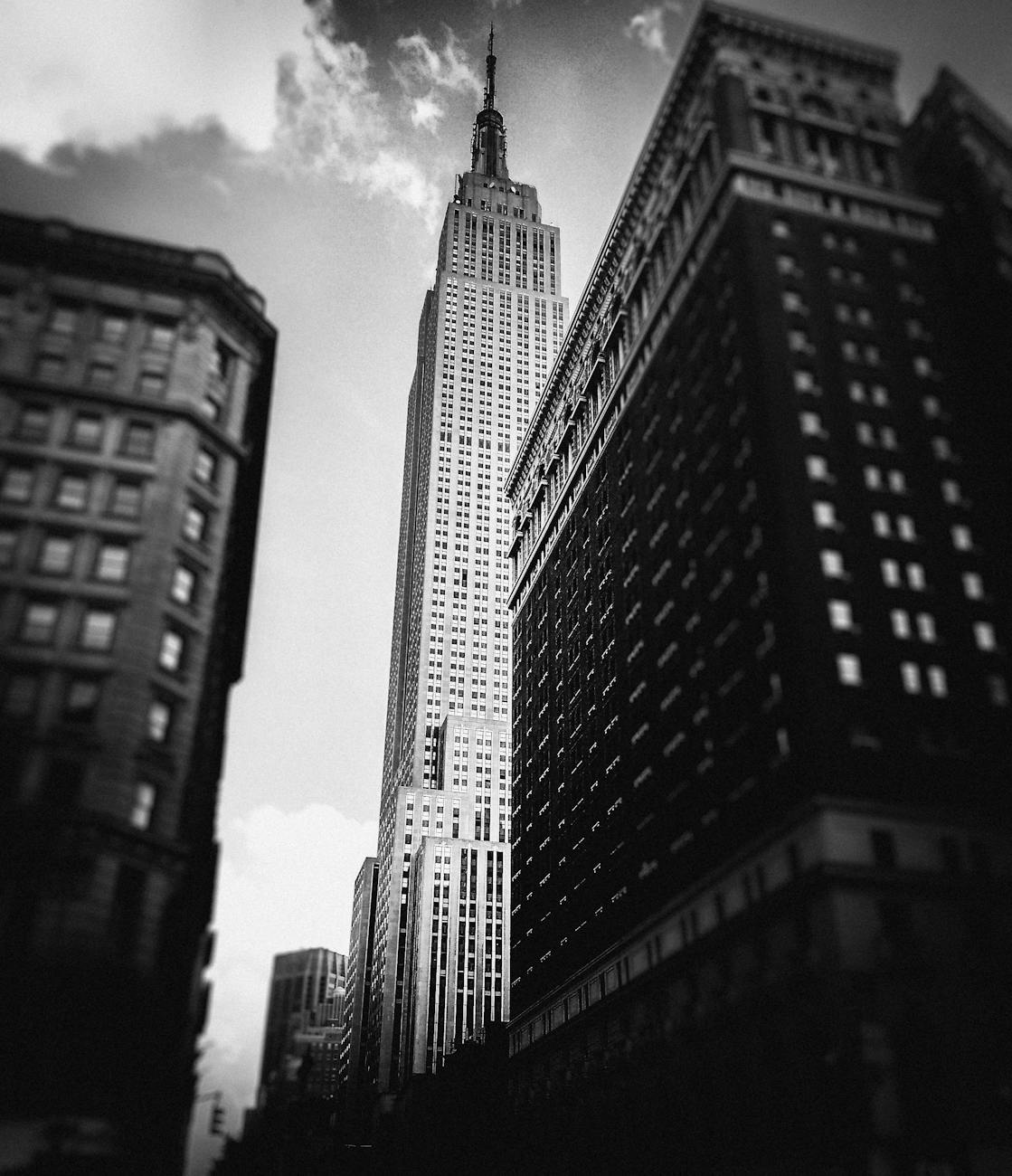
An economist writing about skyscrapers describes seeing New York City from the Empire State Building in a unique way:

Photo by Nextvoyage on Pexels.com

Together, the center becomes a chaotic yet controlled sociological soup: the mix of the mundane with the mighty. Looking down from the Empire State Building, I can see it all.

Is this a different version of the salad bowl metaphor for society (opposed to a melting pot)?

This reminds me of sociologist Robert Park calling the city a laboratory. Does suggesting it is a soup imply different things about the city?

I wonder if anyone has compiled a large or comprehensive list of metaphors for big cities. Given that they are relatively rare and in human history (a few large cities in the past not withstanding), what are frequent or unique images used to try to understand them? How many metaphors invoke food?

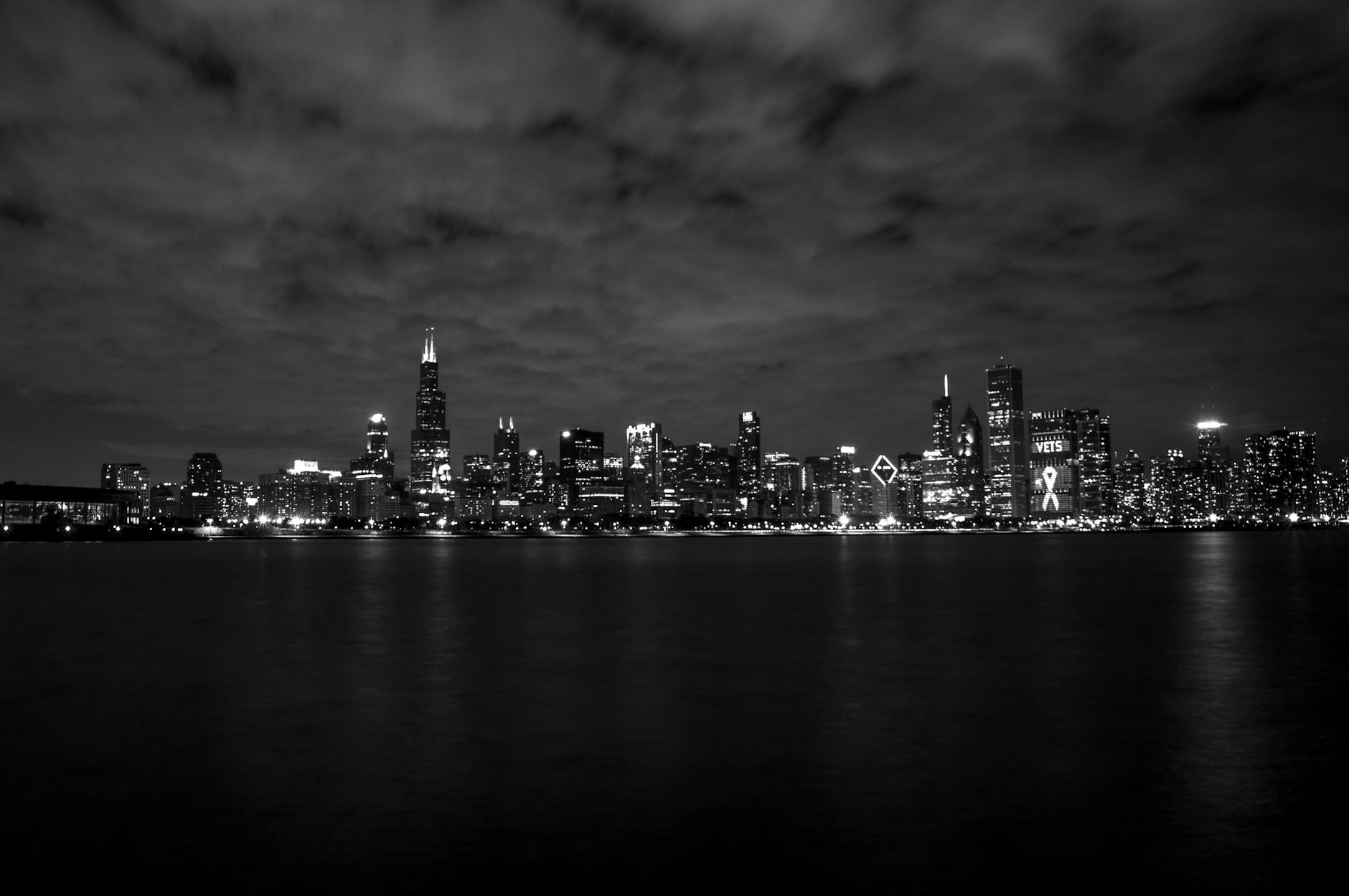
How to rank skylines – with Chicago finishing 3rd in the world

Architectural Digest has a new ranking of city skylines. Here is their methodology:

Photo by Pixabay on Pexels.com

The world’s most beautiful skylines are more than just collections of buildings placed close together: They’re the façades of entire cities, the front doors to many of the earth’s most vibrant metropolises. It’s these man-made horizons that often offer the first impression to visitors and imbue a sense of home to returning locals. But what exactly makes a beautiful skyline? One that is immediately recognizable? Those that are the most harmonious? The cities with the greatest number of individually striking buildings? The answer, is of course, some collection of all of the above. Like when discussing most aesthetic disciplines, visual examples are far more powerful than description will ever be. To that end, AD has rounded up 17 of the world’s most beautiful skylines, covering notable favorites like New York City and Shanghai as well as some lesser-known stunners that deserve more acclaim.

I do not know if it is better to simply make a subjective ranking or to have a pseudo-scientific ranking of weighted factors. As noted above, there are at least a few factors that could be considered. Here is what I might include:

  1. The most tall buildings. Would places with more tall skyscrapers automatically rank higher?
  2. The most lauded buildings. Does this come back to you particular architectural styles? Or the architects connected to them? Or the number of social media images with each building in them?
  3. The setting of the skyline. Does the view of the buildings include water or mountains or another impressive natural feature or other built features (the rankings above mention bridges)?
  4. The age of the skyscrapers. Does it matter if many of the buildings are older or if many are newer?
  5. The tourism connected to the skyline. Do people come to this place to see the skyline? Would someone go out of their way on a visit to try to take in the whole skyline?
  6. The opinions of a range of experts. What do they see as the best skylines? It could be interesting to see who is considered a skyline expert.

And among these possibilities, Chicago ranks #3. Here is the description:

Hugging the shores of Lake Michigan, Chicago is the third most populated city in the United States. The Midwest metropolis is made famous by many striking supertalls, such as Willis Tower, Vista Tower, and Marina City.

Several factors stand out: a setting on a vast body of water, a large population center, and multiple “striking supertalls.” Does Chicago get more points because of the number of tall buildings or the architects and styles connected to the skyscrapers or the longevity of the skyline or the tourism in the city?

The future of driving beneath cities

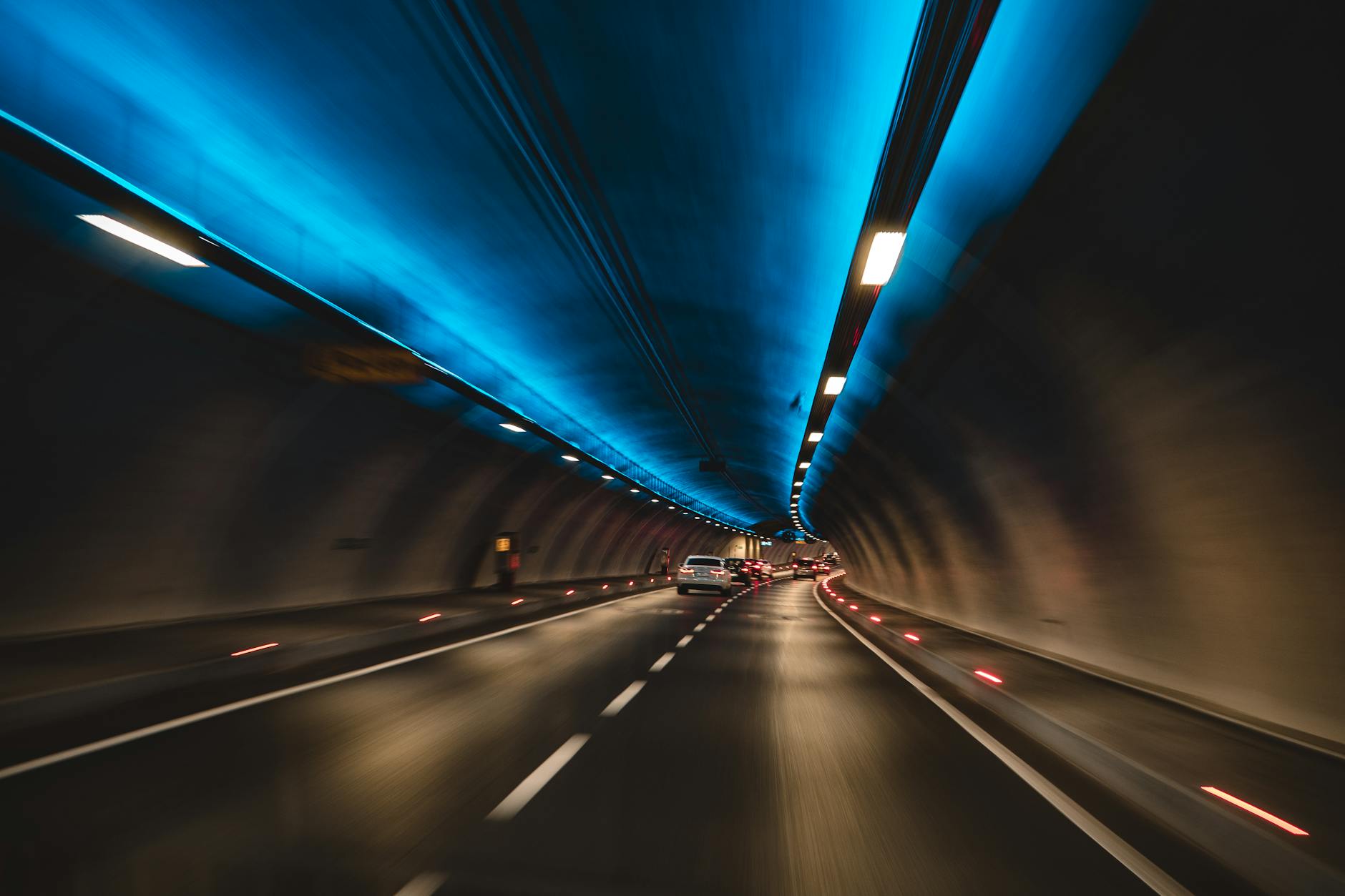
Might a short roadway under Las Vegas built by The Boring Company hint at a future of underground urban driving?

Photo by Burak The Weekender on Pexels.com

Tunnels allow more hybridization of ground-level activities, he said. Pedestrians on the earth’s surface can more easily walk without car infrastructure.

Menard added that residents can look to Singapore, a country that has heavily invested in tunneling, as an example.

On the ground, the country has developed a strong recreational economy with expansive pedestrian walkways.

Underground, citizens can easily transport from one area of the country to another.

For those who would like cities to be less oriented around cars, could this be a solution? Moving cars and trucks underground would open up space, move the noise and traffic out of sight, and make the surface safer.

From an infrastructure standpoint, in how many cities would this be possible? Can tunnels underground work in every city given conditions underground and what may already be down there? (And then there is the potential cost to get it all up and running – I assume this is a large cost.)

Finally, how would drivers react to moving mostly underground? This can be done now in some places but it is certainly a different environment to drive in. (Experiencing Lower Wacker Drive in Chicago is instructive.) Imagine underground traffic. Or being down there for half an hour or more before emerging to daylight.

When major water pipes break in a major American city

Water is generally taken for granted in American cities and metropolitan areas. So when major pipes break in Atlanta, it has major ramifications:

Photo by Nithin PA on Pexels.com

Atlanta’s Department of Watershed Management announced water service would be halted at 5 p.m. Friday in much of Atlanta, including all of downtown, so crews can work to repair breaks on a 48-inch and 36-inch transmission line “that carries large volumes of water to the metropolitan area.”

Just after 2 p.m., the Watershed Management Department issued a boil water advisory “out of an abundance of caution.” The advisory affects any Atlanta water customers who have experienced a water outage or low water pressure. The order was still in place on Sunday afternoon, even though repairs were completed on the major break near Joseph E. Boone Boulevard. Other repairs were continuing.

More details on water main breaks and pipes in Atlanta:

The problems began Friday morning where three large water mains intersect just west of downtown. Wiggins said at a Saturday news conference that at least some of the pipes that burst were old and corroded. With pipes coming together in a confined area, it was a tight squeeze to make repairs, with only one worker at a time working in the manhole accessing the junction. Repairs were completed Saturday evening, officials said.

Another water main later burst in the city’s Midtown neighborhood, which is studded with new office, hotel and apartment towers. Wiggins said Saturday that officials weren’t sure yet why that pipe had broken. That leak continued to gush through the city streets Sunday. City officials said Saturday that they were working on ways to isolate the leak from the larger water system and were awaiting a part needed to repair to the pipe. Dickens declared a state of emergency so the city could buy materials and hire workers without following the normal purchasing laws.

Faltering infrastructure is a common story in older parts of American cities. Atlanta has spent billions in recent years to upgrade its aging sewer and water infrastructure, including a tunnel drilled through 5 miles of rock to provide the city more than 30 days of stored water. Last month, voters approved continuing a 1-cent sales tax to pay for federally mandated sewer upgrades. The city at one time routinely dumped untreated sewage into creeks and the Chattahoochee River.

What are the odds of multiple major breaks in one weekend? Is the best way to address this to completely update the system?

Vital infrastructure is not just built once and then runs forever. It needs to be maintained. Expanding regions and changing conditions may require major updates. Constructing these systems in the first place required a lot of work; keeping these systems fit for the future may require even more.

Some stories in recent years have drawn attention to urban water issues. Water problems in Flint. Lead pipes throughout Chicago. Drought in California. Addressing these issues might not be exciting but it is essential to current residents, let alone visions of a bright future.

I imagine there is some sort of story that already tackles this but what happens in a large city if there is no water for more than a few days. What happens? Who is prepared?

Cities and metro areas like growth – but do not necessarily like the changes it brings

Growth is good in the United States for cities and metropolitan regions. But, the changes that come with growth is not always viewed fondly by the people already there. The most recent example: Nashville.

Photo by Isaac Loredo Vargas on Pexels.com

Remacia Smith watches her children play in a grassy park by the Cumberland River, not far from where software giant Oracle said last week it would base its new headquarters. It is bittersweet—her hometown is thriving, but it has reached a point where it no longer works for her…

“There are pain points of this growth,” said Kate Webster, a 35-year-old real-estate agent who has lived in Nashville for 14 years. “But at the end of the day, I’d rather live in a city that is growing than one that is declining.”…

The region needs to focus on improving transit options and traffic flow, and on more housing options, Gaughan said. Many neighborhoods need to rezone for construction that allows more people to live there, he said.

John Michael Morgan, a lifelong resident of the area, said he remembers when Nashville’s prospects weren’t so hot. The growth is exciting, he said, but he worries about Nashville losing some of its personality.

“Nashville’s always been a big town that felt like a small town,” said Morgan, who is 44 years old. “Now we’re a big town that feels like a big town.”.

Change can be hard for residents of a community. They are used to the way things were. They may have moved there for particular features of the community.

Increased population growth tends to lead to more construction, higher housing prices, more traffic, and different streetscapes.

However, the United States tends to treat growth as a good thing. What community wants to stagnate or decrease in terms of population and business activity? How many people want to be in an undesirable community?

At some point, the growth in Nashville will level out and that will offer an opportunity to assess what has changed. Is the city and metropolitan region now a different place? What has fundamentally (and perhaps unalterably) changed?

Setting The Matrix in Chicago – sort of

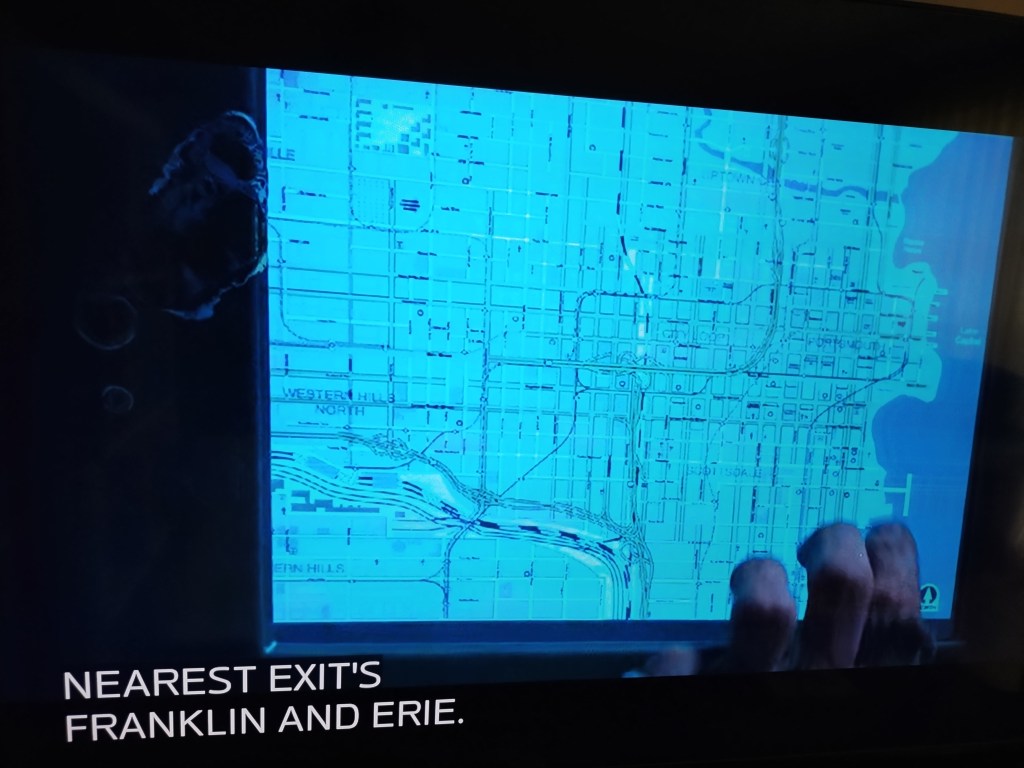
While recently rewatching The Matrix, I noticed multiple references to Chicago streets. And then there is a map in the second half of the film:

Looking closely, this is not exactly Chicago. But, the waterfront kind of looks like Chicago, there is a neighborhood on the map marked “City Loop,” the city has a river, and things do appear to converge in the district next to the waterfront.

Why the resemblance? One source suggests this is deliberate in the depiction of Mega City:

Early drafts of the screenplay identified the city as Chicago, and most of the street and landmark names referenced in the films are from Chicago,[4] such as Wabash and Lake, Franklin and Erie, State Street, Balbo Drive, Cumberland Ave, the Adams Street Bridge and the Loop Train.[5] Some street names, such as Paterson Pass and Wu Ping Ave., are derived from names of production staff.

In a brief screenshot of the first movie, wherein Tank zooms in a map on the screen to give Cypher directions to the telephone, the map of the city shows a coastline similar to that of Chicago’s Lake Michigan Coastline.

The creators have connections to Chicago:

Sure, most of the trilogy’s urban scenes were shot in Sydney, and close watchers of the first movie can spot several Sydney landmark buildings. But creators Larry and Andy Wachowski were raised in Chicago and drop at least five references in the first script…

The Wachowskis attended Whitney Young High School and spent two years in small liberal arts colleges before they each dropped out and started a construction business. Then the quirky film resume began to take shape.

This is not unusual in today’s filming of movies and shows: creators are from certain places, scenes may be shot in a variety of places, and the name of the place in the film or show may or may not align with the places that are depicted on screen. In The Matrix, a combination of modern cities produce a soulless but recognizable setting.

The American middle class and a high salary to “live comfortably” in a city with a 50/30/20 budget

SmartAsset recently looked at the salary needed to “live comfortably” in American metro areas. The numbers are pretty high:

Photo by Vecislavas Popa on Pexels.com

Key Findings

  • On average, an individual needs $96,500 for sustainable comfort in a major U.S. city. This includes being able to pay off debt and invest for the future. It’s even more expensive for families, who need to make an average combined income of about $235,000 to support two adults and two children without the pressure of living paycheck to paycheck.
  • A family must make over $300k to raise two kids comfortably in six cities. Two working adults need to make a particularly high combined income in San Francisco ($339,123); San Jose ($334,547); Boston ($319,738); Arlington, VA ($318,573); New York City ($318,406); and Oakland, CA ($316,243) to raise two children with enough money for needs, wants and savings.
  • It takes the most money to live comfortably as a single person in New York City. This breaks down to $66.62 in hourly wages, or an annual salary of $138,570. To cover necessities as a single person in New York City, you’ll need an estimated $70,000 in wages. 

Here are the budget calculations:

SmartAsset used MIT Living Wage Calculator data to gather the basic cost of living for an individual with no children and for two working adults with two children. Data includes cost of necessities including housing, food, transportation and income taxes. It was last updated to reflect the most recent data available on Feb. 14, 2024.

Applying these costs to the 50/30/20 budget for 99 of the largest U.S. cities, MIT’s living wage is assumed to cover needs (i.e. 50% of one’s budget). From there the total wage was extrapolated for individuals and families to spend 30% of the total on wants and 20% on savings or debt payments.

I would be interested to see how this compares with how different people or groups over time have defined the American middle class. Is it a particular income band or an ability to have certain kinds of experiences? Do Americans in the middle class interpret their own lives as living comfortable?

Since most residents in cities do not have the salaries listed above, one conclusion is that many people are not able to live comfortably. Do these numbers mean that people below these salary points are living paycheck to paycheck (or think they are)?

This could lead to helpful discussions of social class, pay, and conditions in American cities. If Americans should be able to live on a 50/30/20 budget, what could be changed to help people achieve this?

Chicago as a laboratory – for residential segregation?

A quote discussing a new documentary about residential segregation in Chicago reminded me of imagery used by sociologist Robert Park about seeing a city as a laboratory for study:

Photo by Karl Solano on Pexels.com

“This documentary really shows that Chicago is not just a place where segregation happened, but in some ways the intellectual and bureaucratic headquarters for thinking about how to carry it out,” Brown said. “It was a real brain trust in Chicago starting at the very turn of the 20th century, thinking about the problems that Blacks posed for real estate values and coming up with different ways of thinking about that as salesmen from the realtor point of view, as an intellectual problem being studied at UChicago, and the way the different neighborhood associations were also trying out different ways of keeping Blacks out of their neighborhoods.”

In other words, at official, neighborhood, and organizational levels, Chicago worked out how to practice residential segregation. Over the years, Chicago has ranked high on measures of residential segregation. A quick visual of the situation – such as a dot map showing race and ethnicity of residents – shows the differences in residences in Chicago today. And did other places follow the lead of Chicago?

I look forward to seeing this documentary.