
One issue that affects American housing is the lack of efficiency in the construction industry:
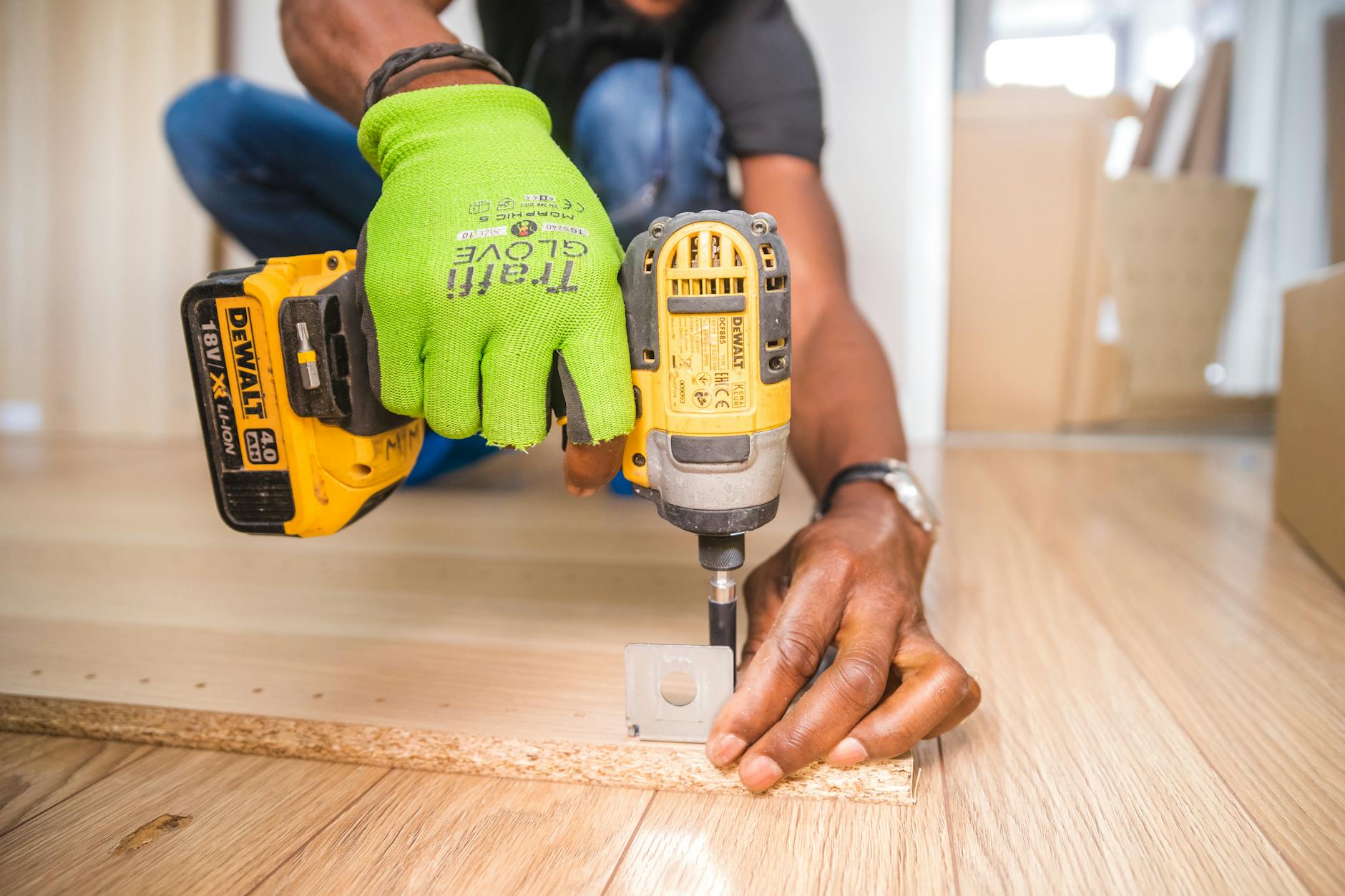
Companies like Reframe are trying to solve a conundrum scholars call the construction crisis. Although most sectors of the economy have gotten more efficient over time, construction has moved in the opposite direction—construction sites are less productive today than they were 50 years ago. It’s a genuine mystery, and everyone has their own pet theory about what’s to blame.
Efficiency is the answer to numerous perceived social issues in the United States. Make government more efficient. Make the distribution of resources or services more efficient. Get things done faster and at lower cost. And in the business world, who would be opposed to more efficiency?
I also recall some of the concerns expressed by critics about efficient home building operations. Take the Levitts mentioned in this article. Amid the various concerns expressed by many was a concern about the quality and character of homes that were mass produced. Would such homes stand for a long time? What does it do to community life when there are so few models available?
The example given in the article of efficient housing is modular housing. Part of this involves logistics; can it be produced at particular quantities and price points that makes it viable. But there will also be architectural and community questions. Will neighbors want to live next to it? Do early residents find it comparable to housing built by other methods? How does it stand up over time?
It would be interesting to ask Americans if they want “an efficient house.” Is the opposite of this “an inefficient house”? I’m not sure many think about in terms of efficiency when thinking about their residence.



 Legally Sociable