
Could political polls be replaced by political betting markets?

The rise of political betting is not just lucrative for the bettors and the platforms. Its advocates also hope that one day, it can replace the political prediction industry generally and remake the larger political media ecosystem. “[Traders are] incentivized with cold, hard cash to separate the emotion, to make a bet with their head rather than the heart,” said John A. Phillips, the CEO of the betting platform PredictIt. That means, the boosters argue, that they are more accurate than traditional polls and analyses of those polls…
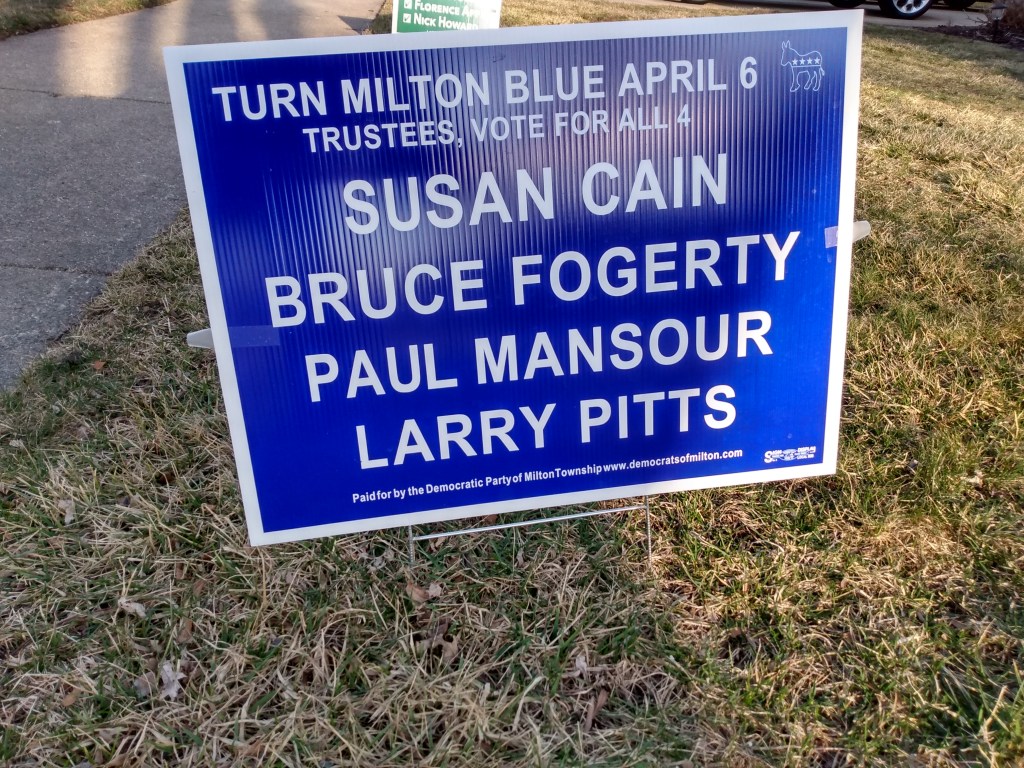
But another group is paying attention to these platforms’ rise: those who have a special interest in political predictions, from campaigns to journalists to any number of groups and individuals who might be affected by the outcome of an election. Rather than relying solely on polling, punditry or counting yard signs, in advance of big election nights, the markets put together all available information and spit out a number that looks like the collective wisdom of a lot of people with money on the line. That can often lead to a number that is a more comprehensive reflection of a certain candidate’s chances of winning than any single poll or piece of political analysis…
While these markets’ long-term prediction capabilities can often equal or beat the predictions of most conventional polls, where they really have an edge is in rapidly responding to events…
But 2024 is just a single data point. In 2016, for example, prediction markets underrated Trump’s chances compared to the 538 model. With few major U.S. elections that have a lot of betting volume to study, the truth is that it’s still not possible to know for certain whether prediction markets can consistently outperform polling averages.
I wonder how much of this optimism about political betting is more about the perceived and real downsides of polling as of 2025. It has not preformed well in the last decade or so. Response rates are not good. There are lots of polls and polling companies claiming they can get a good poll. At what point does polling become so inadequate that media and others stop sponsoring polls and/or using the information? Or I could imagine a point in the next few years where a number of polls stop operating as several organizations show they get more accurate results.
It would also be interesting to know how much money there is to be made in prediction markets versus what is invested in the polling industry. Who wins when lots of actors are involved in either polls or predictions? Or when do regular Americans participate in political prediction markets?
And let’s see how academic studies of polls and prediction markets help shape the upcoming narratives about each. How much will careful studies help identify the strengths and weaknesses of each approach or are there are forces at work that will shape how people view these options?
 Legally Sociable