You can find great restaurants in the suburbs?!?

The New York Times reports on good restaurants in unexpected locations:
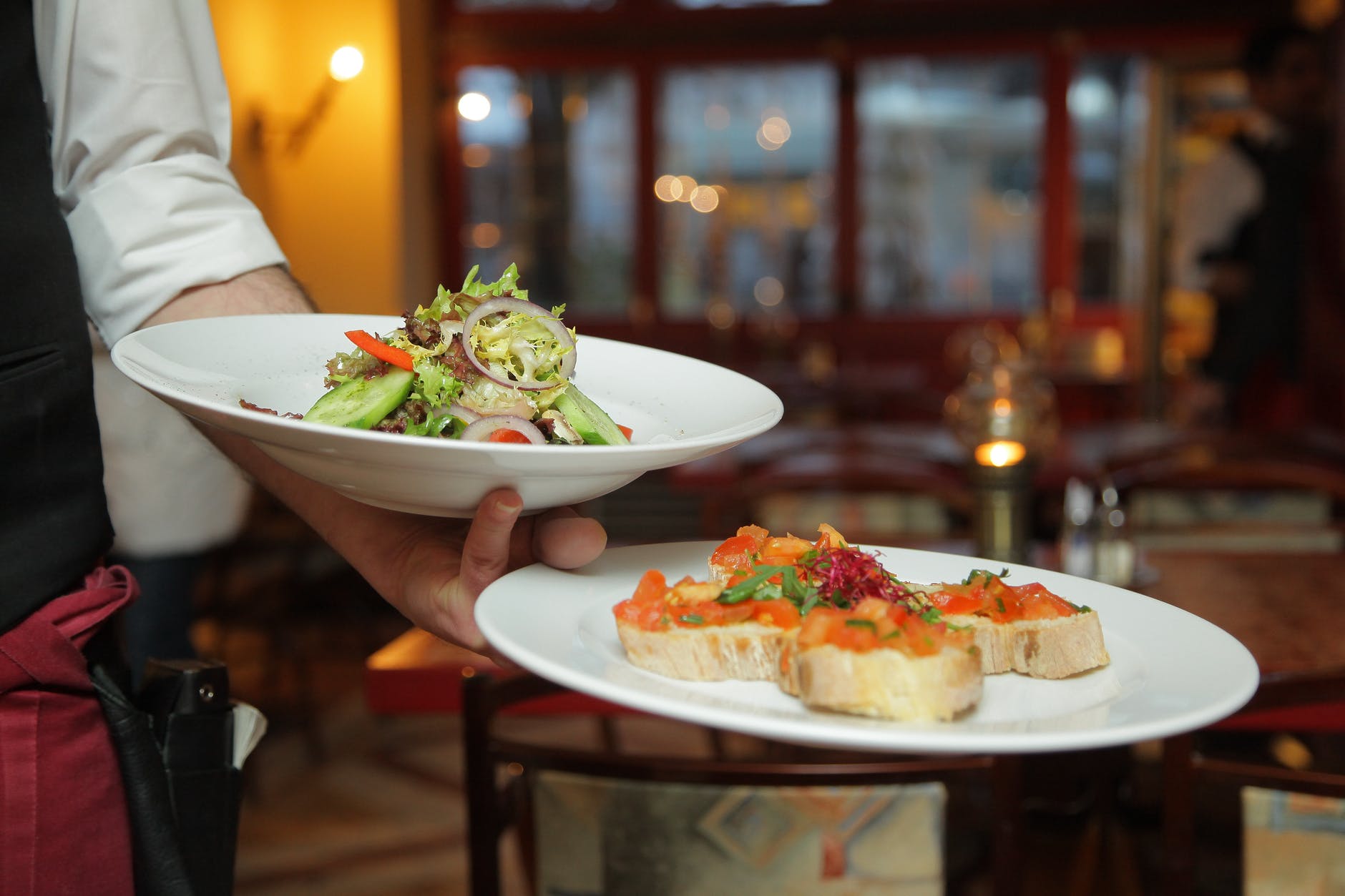
Photo by Pixabay on Pexels.com

Jalea’s owners, the siblings Mimi and Andrew Cisneros, recognized the risk in choosing this quaint street over a city known for its vibrant restaurant scene. But they saw opportunities in the suburbs that they wouldn’t find in St. Louis. Yes, the rent was lower. And St. Charles, where the Cisneroses spent their teenage years, is also one of the fastest-growing counties in Missouri…

There is also less competition than in the city, they said. Because St. Charles is a small community, the two believe they can make a bigger impact here. With the lower overhead costs, Mr. Cisneros, 29, said he felt much freer to experiment with flavors. (He runs the kitchen, and Ms. Cisneros, 30, oversees operations.) Since the restaurant opened in December, they have been encouraged to see that locals are eager to try Peruvian food.

Media coverage of restaurants in the United States has long centered on cities, while suburbs are most often associated with restaurant chains. But Jalea is one of many independent restaurants — including Roots Southern Table in Farmers Branch, Texas; Travail Kitchen and Amusements in Robbinsdale, Minn.; and Noto in St. Peters, Mo. — that are raising the collective aspirations of the local culinary culture and turning suburbs into dining destinations…

While not all suburbs are alike, in general, suburban planners are not well versed in how best to support independent restaurants, said Dr. Samina Raja, a professor of urban planning at the University at Buffalo.Because they don’t understand that these businesses often have a shorter financial runway than large restaurant groups or chains, the planners are less likely to provide economic development grants or loosen zoning restrictions.

So suburban eating is not all Olive Garden and Chik-Fil-A and whatever other chain restaurant, fast causal, or fast food place is on the nearest main road?

This article attributes much of the change to what the suburbs have become in recent decades: complex suburbia with more diversity, more cultural and entertainment options, and growing populations. And there are concerns about whether suburbs are well-suited for fine dining in terms of regulations and

My biggest question upon reading this story is how long it might take to develop new narratives about where great restaurants are located. If there are indeed fine dining establishments in suburbs across the United States, does this become recognized or are city restaurants still drawing the bulk of attention? This could depend on a lot of factors – where are restaurant critics based, stereotypes about cities and suburbs, the number of independent restaurants per capita in different locations, etc. – but I imagine it would take some time to shift. Even as the article recognizes significant shifts in suburbs that mean they are no longer just retreats of white and wealthy people, is this widely known and told?

Driverless trucks, dark stores, and getting groceries

How Americans get their groceries might be on the edge of a big change with the introduction of autonomous vehicles and dark stores into the mix:

Photo by Quintin Gellar on Pexels.com

Walmart and Silicon Valley start-up Gatik said that, since August, they’ve operated two autonomous box trucks — without a safety driver — on a 7-mile loop daily for 12 hours. The Gatik trucks are loaded with online grocery orders from a Walmart fulfillment center called a “dark store.” The orders are then taken to a nearby Walmart Neighborhood Market grocery store in Bentonville, Arkansas, where Walmart is headquartered…

Walmart, the nation’s biggest seller of grocery items, is testing the Gatik autonomous vehicles as part of its transition to a “hub and spoke” model for grocery delivery where dark stores are closer to the consumer and used to serve several retail stores. Walmart said the use of automated vehicles will also allow store associates more freedom to perform “higher level” tasks, including picking and packing online orders and customer assistance.

“The old architecture of delivery where you have a giant distribution center four or five hours away from the end consumer does not work anymore. Grocers are forced to set up these fulfilment centers close to the customer, and once you get close to the customer you have to shrink the size of your warehouse,” Narang said. “As the size shrinks there is a growing need for doing repeated trips from the fulfillment centers to the pickup points. That’s where we come in.”

The Kroger supermarket chain has tested autonomous delivery with start-up Nuro since 2018 and said it’s now completed thousands of “last mile” deliveries in the Houston, Texas area. Kroger is also using automated warehouses to launch online grocery delivery in Florida and other states where it does not have brick and mortar locations.

The driverless trucks are interesting in their own right. The United States needs a lot of trucks to move goods all over the place. They are a familiar sight on both local roads and highways. Would it matter much to the typical driver if the semi next to them had no driver?

Additionally, it would be worth hearing more about fulfillment centers/”dark stores.” Where are they located? How do they operate? How many of them are needed in a sizable metropolitan region to fulfill orders? Depending on some of these answers, this could change where warehouses are located (can they be as concentrated, such as in Will County?) How much more efficient is this system compared to now? Somewhere, a particular community could figure out how to maximize dark stores and reap the benefits.

Flamin’ Hot Cheetos: from urban corner stores to suburban corporate headquarters back to cities

Where exactly did Flamin’ Hot Cheetos come from? According to Frito-Lay, the impetus for the popular Flamin’ Hot Cheetos came from Northern cities and Plano, Texas:

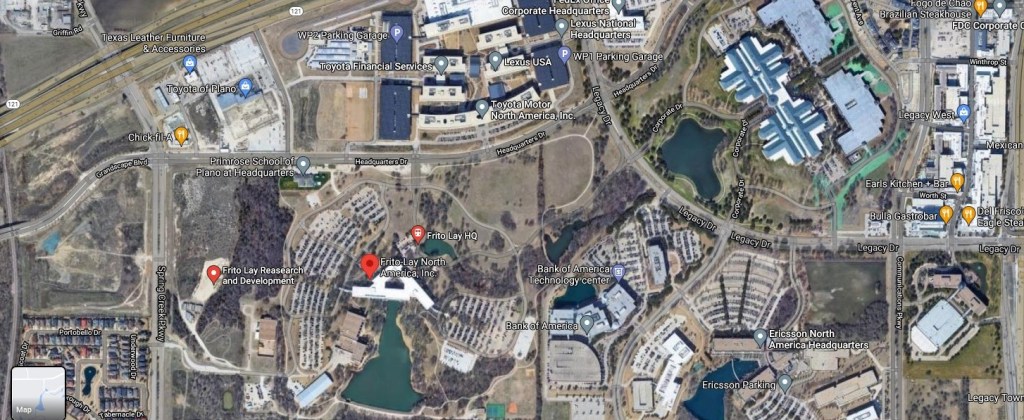
Flamin’ Hots were created by a team of hotshot snack food professionals starting in 1989, in the corporate offices of Frito-Lay’s headquarters in Plano, Texas. The new product was designed to compete with spicy snacks sold in the inner-city mini-marts of the Midwest. A junior employee with a freshly minted MBA named Lynne Greenfeld got the assignment to develop the brand — she came up with the Flamin’ Hot name and shepherded the line into existence…

Six of the former employees remember inspiration coming from the corner stores of Chicago and Detroit. One of the earliest newspaper articles about the product corroborates that detail: A Frito-Lay spokesperson told the Dallas Morning News in March 1992 that “our sales group in the northern United States asked for them.”…

Over the next few months, Greenfeld went on market tours of small stores in Chicago, Detroit and Houston to get a better feel for what consumers craved. She worked with Frito-Lay’s packaging and product design teams to come up with the right flavor mix and branding for the bags. She went with a chubby devil holding, a Cheeto, Frito or chip on a pitchfork, depending on the bag’s contents, she recalls, a memory independently corroborated by newspaper archives…

“In response, Frito-Lay launched a test market of spicy Lay’s, Cheetos, Fritos and Bakenets in Chicago, Detroit and Houston” beginning in August 1990, the company wrote in a statement.

The article focuses more on the controversy of exactly how Flamin’ Hot Cheetos came about but I think the geography is pretty fascinating. Here is why I think the geography matters:

  1. The impetus were existing products in urban stores. Even as more Americans lived in the suburbs than cities by the 1980s, a large company like Frito-Lay cannot ignore consumers in the city.
  2. The product was developed in the Dallas suburbs. Plano is a notable suburb because of its growth and wealth (and McMansions). But, there are plenty of suburban office parks where ideas are discussed. Who knew the snacking fate of America was decided in a relatively anonymous suburban facility by business professionals? (And how many other products have a similar story?) Across the street is Toyota American Headquarters and then each direction on major roads leads to strip malls, fast food, and highways.
  3. The product was tested in cities and the idea developed in the suburbs took flight. Now, Flamin’ Hot Cheetos are widely available (though it would be interesting to see the sales breakdown by geography).

Modern capitalism was able to span these disparate locations and churn out a product loved by many. From a suburban office park to snack aisles everywhere…

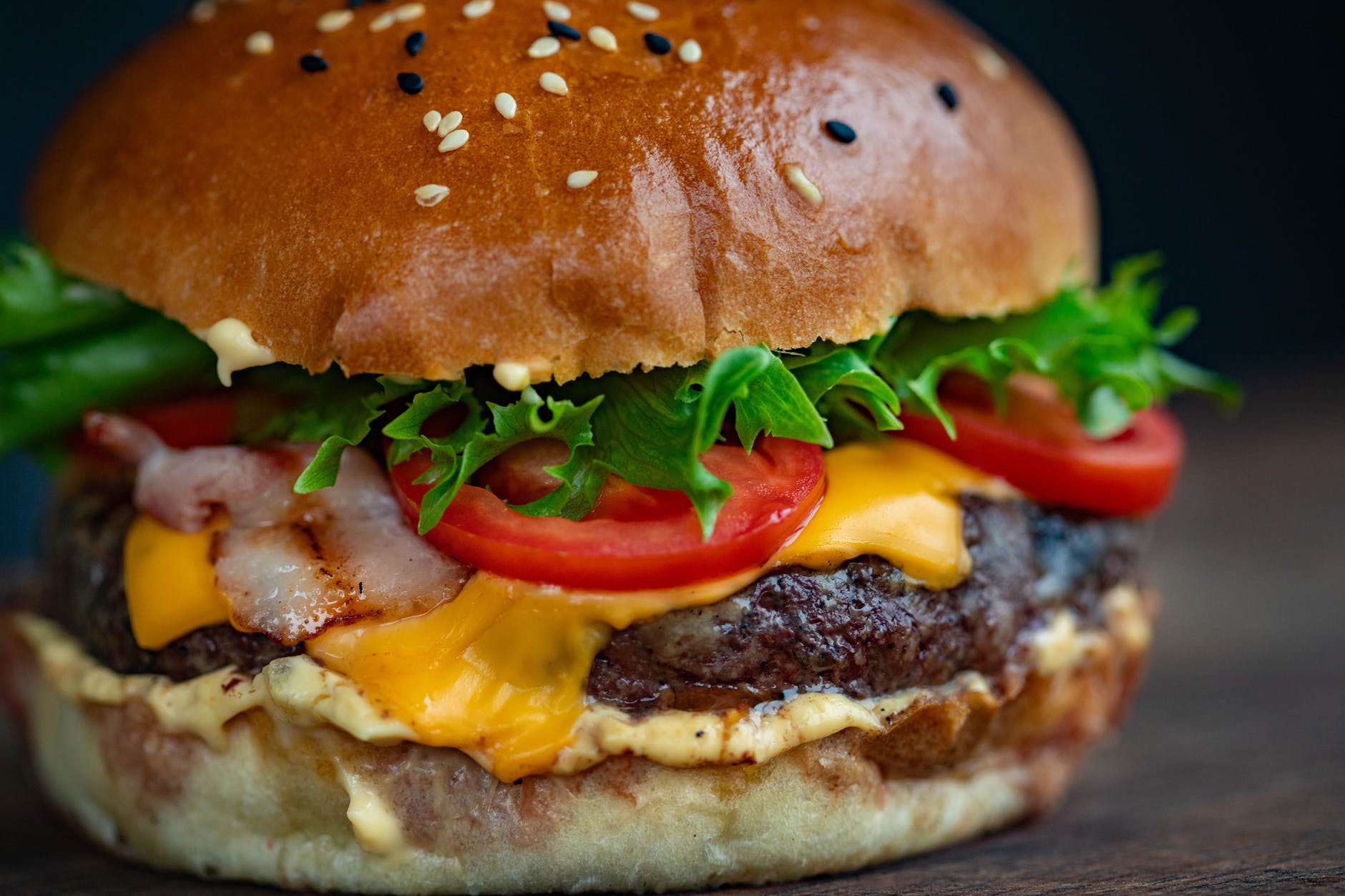
Basic sociology in the story of a fancy burger from cattle breeding to plate

The story of a $20 hamburger in Washington, D.C. reminded me of several basic sociology concepts from Introduction to Sociology:

ham burger with vegetables

Photo by Valeria Boltneva on Pexels.com

But for months, the burger had been traveling through a complex supply chain crippled by the novel coronavirus. Now it was about to end up in a takeout box…

On the burger’s journey from a Kansas farm to the engineer’s dinner plate, every person had a story like Solano’s. A rancher with five children who lost thousands every week. A factory worker who brought the virus home to her son. A courier who calculated the true cost of every delivery not in profit, but in the risk it required her to take.

To follow the burger is to glimpse the lasting toll of this pandemic: on the beef supply chain, on the restaurant industry, on the people who were struggling before this catastrophe began, kept going to work throughout it and are still waiting to see what their lives will become when it ends.

A few of the sociological concepts in the story:

  1. The miracle of modern systems. The number of people involved, the travel, and the meanings and social policy it play all hint at the complexity and ability of rationalized processes to bring a burger to the home of city residents. Reminds me of Durkheim’s organic solidarity and division of labor as well as Ritzer’s McDonaldization.
  2. The human involvement and costs all along the way. Producers and workers struggling, consumers eating the product with little idea of how it all happened, and an economic and social system that tried to make it as profitable as possible. Furthermore, many of the people are faceless and their personal and collective circumstances – whether race, class, or gender – are obscured or ignored. Reminds me of Marx and alienated workers as well as consumption patterns within modern capitalism.
  3. I am struck by two additional factors that perhaps could be hinted at during Intro to Sociology: does this story illustrate urban-rural divides? The city residents, young 30-somethings order fancy burgers after a week of white-collar work, ranchers raise cattle in the middle of the country, and faceless workers in between facilitate the exchange. And does this illustrate how broad social change is within the United States over the last century? Some aspects of this story could fit 100 years ago – the shipment of beef and other agricultural commodities helped make Chicago and other places – while other aspects would be unheard of. People need to eat and make money but how this happens evolves over time.

Gendered McMansions, Part 2: large kitchens and attached living areas

The size of McMansions provides a lot of interior space. How is it used and how does this relate to gender?

If the exterior of the McMansion is imposing and garish, the interior provides room for family activity. The ubiquitous open concept kitchen and living area with updated appliances, surfaces, and island provide space for social gatherings, storing stuff, family interaction, and solitary time for residents. This is private space par excellence in the United States.

The interior emphasis on kitchens and living space can be connected to norms and expectations regarding women, home, and family life. If the large and flashy exterior of the McMansion leans toward notions of masculinity in the United States, the roomy interior leans toward the work of women serving as supporters, wives, and mothers. The men may seek escape in a “man cave” (which suggests the rest of the interior space is not for men) and children may seek solace in their large bedrooms but the center of the home in terms of time and activity still generally involves the kitchen and attached living spaces. Even with a shift away from cooking food at home, there is still much sentiment and many expectations attached to women working in the kitchen.

Going back to the McMansion of The Sopranos, the big suburban home may represent something different for Tony’s wife Carmela. While Tony wants to come home and relax and bask in his success (including running his nuclear family), the McMansion offers Carmela space to entertain and show others that she is taking care of her family. Through gatherings and food as well as the size and location of the home, Carmela can show she is ensuring the success of her husband and children. See the two cookbooks published with Carmela’s imprint on them. Her kitchen is open to an eating area as well as a family room where the family can watch TV (though there are other spaces to escape to or that are used for more formal gatherings). Toward the end of the show, she pursues work outside of the home – though that work is still connected to houses – and encounters difficulty convincing her own family that this work outside the home is worthwhile.

Similarly, many an HGTV episode features a reveal of an open concept kitchen and living area that is often said to be for a female resident. This can be the case even if the people on the show admit that they do not cook often; the kitchen is seen as the primary gathering space. Thus, if McMansions strive to provide sizable and gleaming kitchens and living spaces and such spheres are often associated with women, the primary family and social areas in the McMansion are gendered.

A restaurant smaller than a McMansion dining room

McMansions are known for having a lot of space; certain restaurants try to keep the dining room very small. Thus, the comparison between an Omaha cafe and a McMansion dining room might not seem out of place:

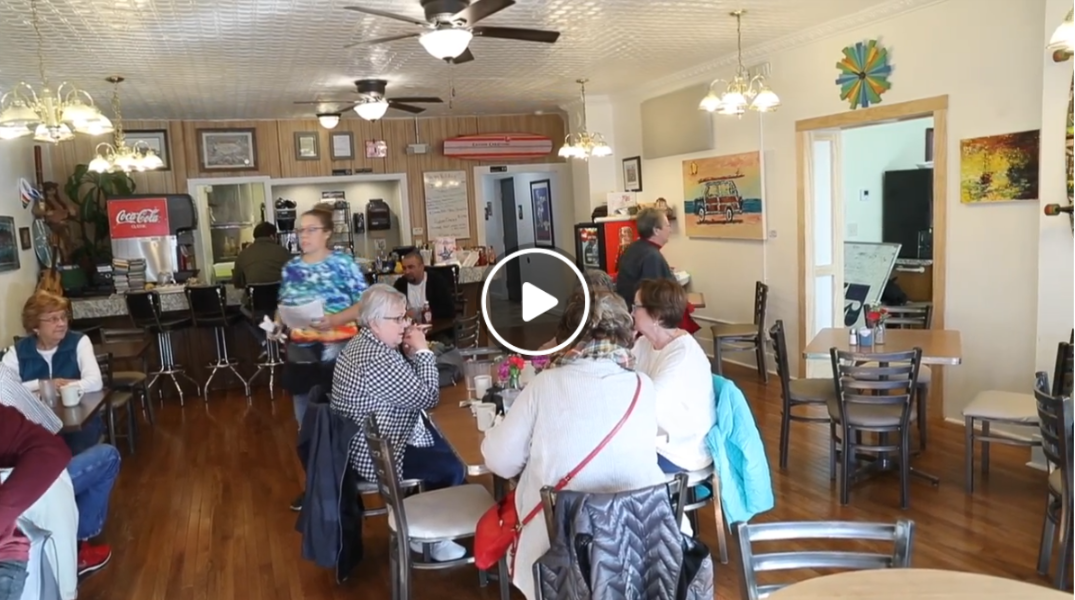
You feel at home in Sojourn the minute you walk in the door and down a hall that’s separated from the eating area. When you reach the cafe, it’s much like you’re entering your own dining room. The serving area, with 12 tables for four, is smaller than some dining rooms in suburban McMansions.

OmahaRestaurantDiningRoom

However, this appears to be a decent-sized space with room for twelve tables, 48 customers (plus the small countertop in the back), and still some room for people to get by. And if this estimate of 12 square feet per diner is anywhere close, this space has roughly 570 square feet.

This would make for a very large McMansion dining room. Even with the interest Americans might have in always having some extra space, how many times does a McMansion owner need to seat 48 people? A 20 foot by 20 foot square McMansion dining room comprising of 400 square feet would be smaller than this space. A 40 foot by 15 foot rectangular dining room would be slightly larger than this. The size of this cafe is probably more akin to a great room or family room in a McMansion rather than a dining room.

So why the comparison here to a McMansion? Two guesses. First, the emphasis is on the relatively small space of the cafe. While the video does not suggest the space is too tight, the dining room would certainly be lively with a half full or more dining room. This is not a suburban chain restaurant with tables upon tables; this is a limited space. Second, the description attempts to highlight the coziness and warmth of the space. McMansions have plenty of space as well as limited charm due to their cookie-cutter nature and cavernous rooms.

Bringing grocery stores to rural areas and considering free markets

Declining populations in some rural areas means it is more difficult to sustain grocery stores:

Some states are trying to tackle their rural grocery gaps. Supporters of such efforts point to tax incentives and subsidies at various levels of government that have enabled superstores to service larger areas and squeeze out local independent grocers. Now, dollar stores are opening in rural regions and offering items at lower prices, posing direct competition to local groceries.

Critics see that development as a threat to public health, since dollar stores typically lack quality meat and fresh produce.

But every town and every store is different, making statewide solutions elusive. Some legislators say they are reluctant to intervene too heavily because the market should close the gaps…

In rural areas, the poor tend to live farther from supermarkets than residents with more resources. The median distance to the nearest food store for rural populations in 2015 was 3.11 miles, and a shade farther for rural households enrolled in the Supplemental Nutrition Assistance Program (SNAP), better known as food stamps, according to a May 2019 report by the U.S. Department of Agriculture, which oversees the program.

Providing a range of social services and cultural services is an increasing issue, ranging from medical care to religious congregations to food.

While there are logistical issues in how to run, supply, and sustain organizations across such broad distances with limited participants, the political approach cited in this article is interesting. Should more conservative states provide government assistance for grocery stores? The article suggests there is some reluctance for state governments to step in. But, this might be exactly a good case where free markets simply cannot work well: there are not enough people in certain areas to generate profits or efficiencies. Plus, the federal government over the decades has helped rural areas, such as through rural electrification projects. Will state lawmakers refuse help just because of commitment to certain ideologies?

This situation also suggests Americans could think more about providing services in ways that do not have to generate profits. Instead, the services exist to serve the community. Think cooperatives. Think community-based organizations meant to help sustain each other rather than make a profit.

Grow fruits and vegetables in the front yard instead of a lawn

One journalist discusses alternatives to the grass lawn that dominates the front yard of suburban homes:

Every summer, I imagine a different landscape, one that I do not have to mow. My sunny front lawn would be a great place to grow a vegetable garden: tomatoes, peppers, cucumbers and maybe some chard. But if my dandelions raise eyebrows, imagine the reaction I would get to a raised garden bed just a few feet from the sidewalk…

Ms. Bordessa sees room for edible experimentation, even in the front yard. A clever homeowner could tuck food-bearing alternatives like basil, peppers, eggplant and blueberries into the flower beds without disrupting the neighborhood aesthetic. Grow a fruit tree and the neighbors might even come knocking for a free peach…

But this spring, I decided to plant more and mow less. A local landscaper who specializes in native plants stopped by my house to offer advice. When I suggested the possibility of a vegetable garden in the front, she steered me to the backyard instead, pointing to a narrow swath near the driveway that gets full light. And I could shrink the rest of the back lawn with native plants like sweet fern, sweetbells, witch hazel and silky dogwood that thrive without full sun. In the front, we could expand the existing flower bed and add new ones. She glanced at me and said, “Of course, you’d need to take care of all this.”…

That first crop was so tasty that each season the couple expanded their patch, planting beets, squash, cantaloupe, kohlrabi, chard and peppers. The plants filled the backyard and wrapped around the side of the house, generating enough produce to feed five food-insecure families in the area every week. Their ambitions grew with the crops. “If we’re going to do 10 plants, why not 20?” Ms. MacLagan said. “Why not the whole seed packet?”

Since the front lawn is part of the important display from the homeowners to the street, any effort to do something different than normal – grass and some bushes, flowers, and trees within reason – might catch attention. These suggestions about growing food in the front go even further as they alter the front lawn from a symbol of normalcy or class status and change the focus to production. Then, the conversation is not just about aesthetics or fitting in with surrounding lawns; it is about cultivating the land for a more practical rather than symbolic use.

I wonder how many comments or concerns are tied to different aspects of having a front yard garden:

1. Does it matter how much of the lawn is a garden? Is a small garden more acceptable compared to 50% or the full land?

2. Do the kind of fruit and vegetables plants/trees planted matter? Some might be more visible as food producers.

3. Is it better to have all garden plants or would including flowers and other non-producing plants help soften the shock of a garden?

Food delivery services and restaurants aiming for the unsaturated suburban markets

Skift Table suggests the suburbs are ripe for increased restaurant and food delivery activity:

Outside the urban cores, things get interesting. Earnest Research shows that in the rest of the U.S. market, it’s a head-to-head battle between DoorDash (31 percent market share) and Uber Eats (with 30 percent). In third place is Grubhub, coming in at 27 percent…

“Many suburban areas tend to have a larger number of chain restaurants than independent mom and pop restaurants, making it advantageous for Grubhub to offer takeout from these familiar chains to local residents who may not be accustomed to the idea of ordering delivery,” says Katie Norris, Senior Manager of Communications at GrubHub…

But not all restaurants need to be located on Main & Main to succeed, thanks to the ever-expanding reach of digital marketing and social media. And raising capital might also be within closer reach than once thought. “To mitigate high rents, many brands are opening in second-tier locations and that’s very attractive to investors,” says Chad Spaulding, Managing Director at the U.S.-based investment firm Capital Spring. “We spend more of our time seeking low-rent, low-investment type opportunities that provide a value to the consumer that you can count on in tougher times in the wider economy.”

Suburban locations not only fit this bill, they also solve the urban issue of oversaturation. There is simply less competition the farther afield you go. And now, you can actually go further than before. Because Uber Eats drivers and DoorDash dashers can soon be there to meet you — in 30 minutes or less.

There may be less competition and cheaper rents but there are certainly other costs such as increased driving distances to deliver food and finding ways to attract suburbanites to a physical location.

In the long run, it would be interesting to consider what it would take to raise the level of suburban food to that of major cities where awards, interest, and big name chefs seem to be much more common. Does fine dining and innovation in food require a density of restaurants, food workers, and well-heeled customers or could this all come together in some way in the suburbs? Could the suburbs of today who are often interested in developing entertainment and cultural districts really go after high-end and innovative food as a strategy to successfully compete against suburban fast food and chain restaurants?

Only McMansion owners want expensive deliveries of stone crabs

One Miami business owner describes his business and customers:

The process is simple. State law declares that stone crabs have to be cooked with six hours of being caught. For Abramowitz, there are about fifty fisherman and fifty boats who rake in thousands of pounds of stone crabs every morning. The crabs are then dunked for three minutes in boiling water, and placed in ice, where they will stay fresh for over three weeks. Then Abramowitz places them in boxes and ships them nationwide, using FedEx…
The average Fresh Stone Crabs order is over $400. His customers are mostly doctors, lawyers and CEOs with McMansions, all looking for someone to cater a party with fresh crabs. “It’s like a caviar business,” Abramowitz says.

The national shipping ability seems like a recent move for this business. Thus, it may be possible that the owner knows whether Miami area customers actually lived in McMansions.

At the same time, this description seems a little too convenient because of the two pieces of information provided about potential customers. First, we hear that the orders are typically pricey. A $400 price is a little different than ordering McDonald’s or ice cream delivered to your door. Second, we are told about the occupations of those doing the ordering: professionals who tend to have larger salaries. Who fits this bill (and could also desire caviar)? McMansion owners!

It sounds like the use of McMansion here is part of a description for people with money. Since McMansions are also often criticized for their architecture, this is not a positive term. Would a business owner want to say to people spending $400 on crabs, “Nice McMansion you have here?” Or, is it more likely that he is saying that the kinds of people who can afford and like to order stone crabs are people who live in larger houses in ritzier areas? And one way to say that quickly is to call their homes McMansions.