
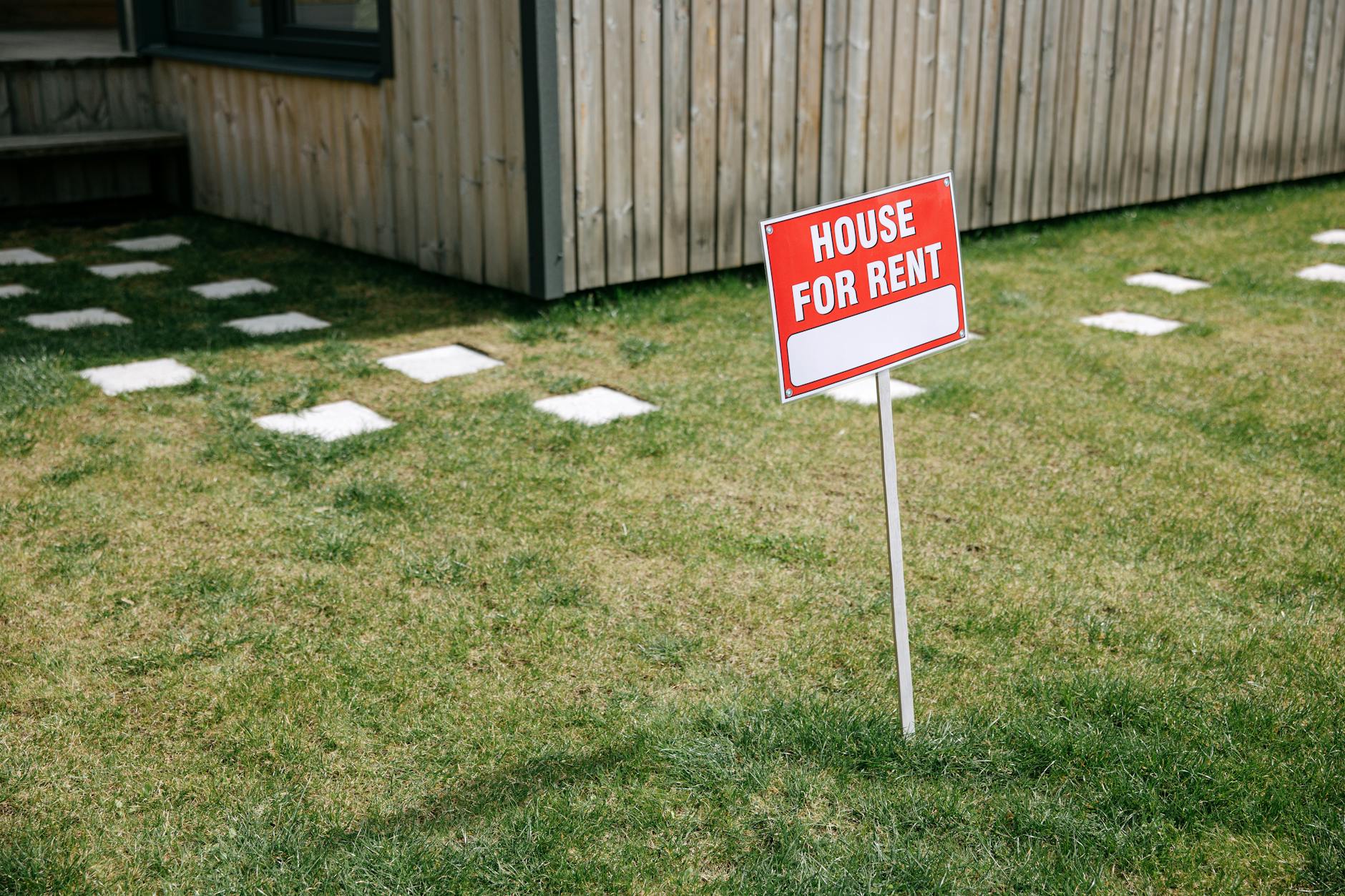
Nationally, Wall Street landlords that have more than 1,000 units in their portfolios own just 1% of all of America’s family homes and 4% of all of the houses that are rented out. In most areas, their presence is still too small to have much effect on local housing dynamics. If current trends continue, though, their share of the market for single-family rentals could increase 10-fold by the end of the decade, MetLife Investment Management estimates.
There are a handful of U.S. neighborhoods where investors are densely clustered, particularly in Georgia, North Carolina, Florida and Texas. They have bought more than 1,000 homes in 53 zip codes, putting their ownership of the local housing stock anywhere from 4% to 12%, according to data from real-estate analytics firm Parcl Labs. The data includes some houses temporarily owned by builders, as well as foreclosed properties on banks’ books, but most are held by institutional landlords.
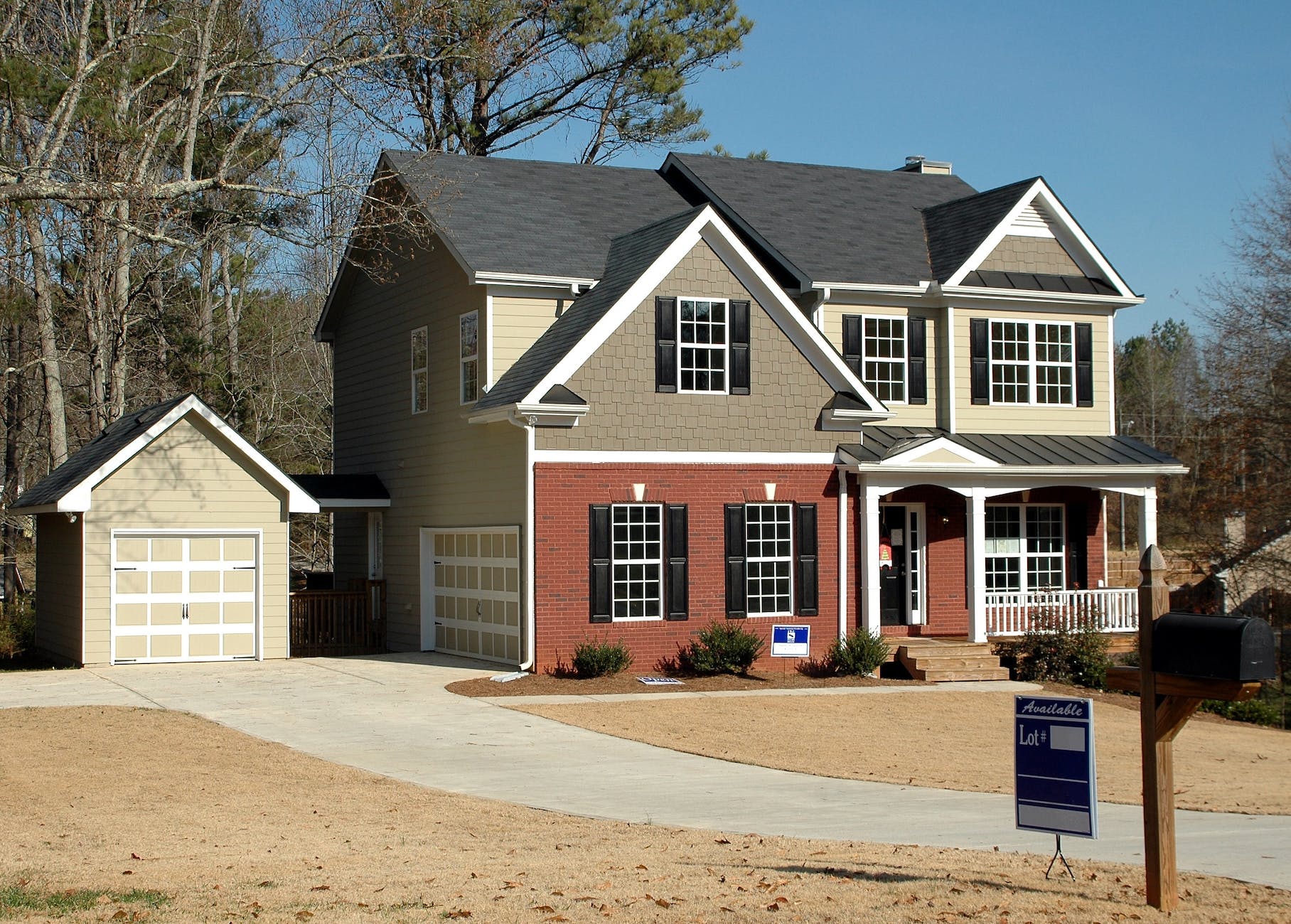
Wall Street housing investors tend to herd into the same neighborhoods because their algorithms spot the same opportunities. They screen the country for cities and towns with population growth and job openings—places where there is likely to be competition for homes. They prefer to own three-bedroom, suburban properties that are around 1,500 square feet in size and offer a convenient commute downtown. Young parents like these kinds of homes, and landlords like to rent to families because they become sticky tenants once their children enroll in local schools.
Big landlords are also able to sift through reams of data to spot bargains. The 53 zip codes where they are most densely clustered offer cheap housing. The median single-family home price in these areas is $345,400, based on Redfin data—around a fifth below the national level. Rents, however, are only 3% below the national median.
It sounds like they have bought more in places where there are deals and money to be made relatively quickly. If unchecked, would they then uncover more places that offer deals and just keep going until there are no deals left?
Or might conditions and the approach of landlords change in the future. Some communities might restrict who can purchase residences. The landlords might be willing to hold on to properties for longer, particularly if higher rents are sustainable. Or the broader housing market twists and turns (currently few sales) might affect how landlords and communities act.
At the moment, I am most intrigued by the numbers: 1% of single-family homes, 4% of rented homes. Are these large enough percentages to fundamentally alter housing? I could see how there would be effects in clusters of owned properties and these clusters could introduce spillover effects to nearby locations or the broader market.



 Legally Sociable