The prevalence of industry in 19th century American suburbs

In recently reading The Working Man’s Reward: Chicago’s Early Suburbs and the Roots of American Sprawl, I noted this in a chapter on the Town of Lake which was annexed into Chicago in 1889:

Photo by Jon on Pexels.com

The U.S. census reported that the number of suburban jobs rose after 1850 and accelerated after 1880, so that, in the second half of the nineteenth century, suburban employment constituted one-third of all manufacturing employment in America. Ignoring those jobs beyond the central business district means ignoning blue-collar workers and ignoring one of the leading forces for suburbanization in America. (75)

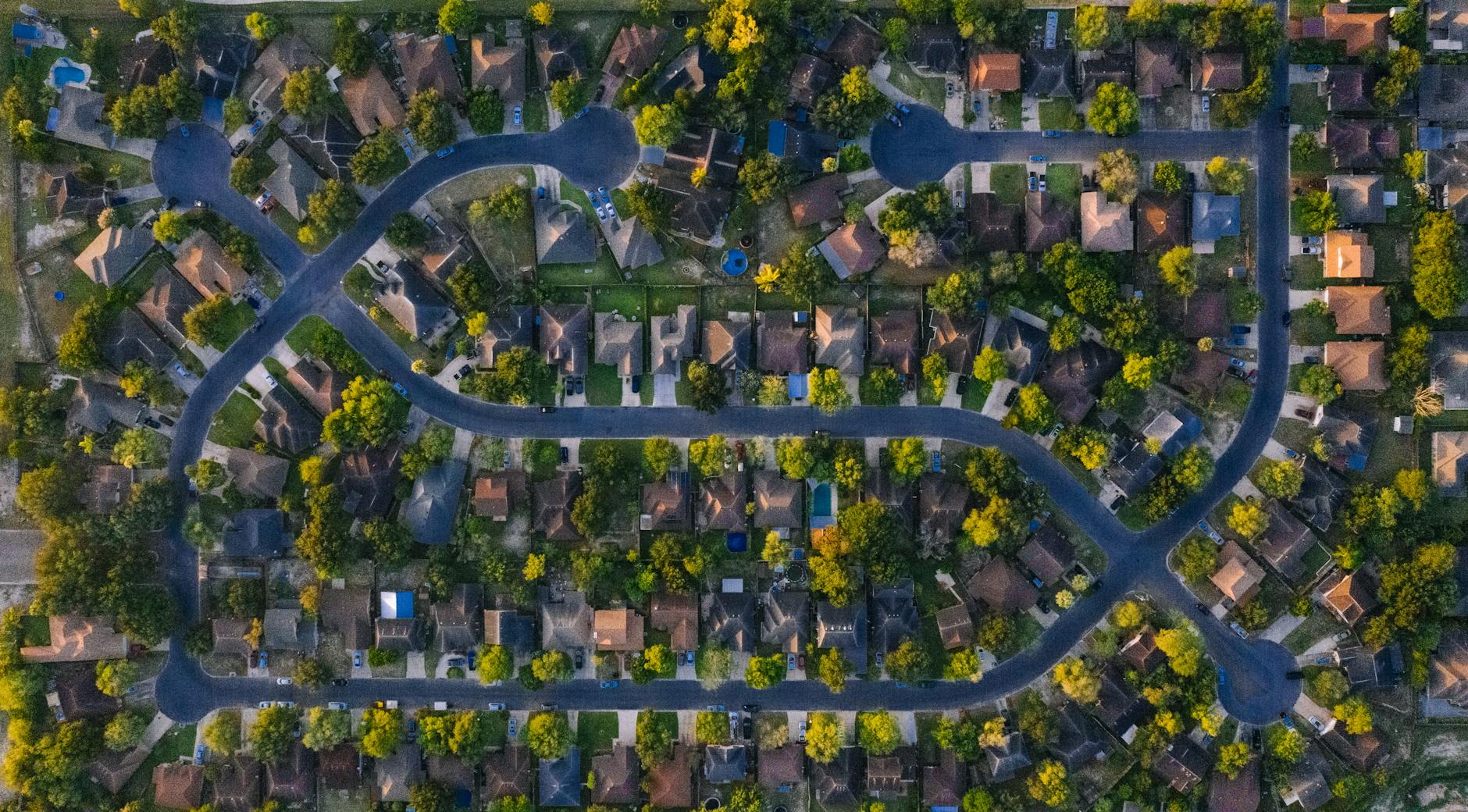
A large part of the American Dream of suburbia involves single-family homes. But the story of suburbia also includes industry and jobs. In this book, historian Elaine Lewinnek highlights the move of industry to suburban areas outside of what was then the Chicago city limits and how working people followed those jobs. They often ended up in small, single-family homes close to new factories and meatpacking facilities.

Why did industry move to the suburbs? Land was cheaper. They could build large facilities. The downsides of industry – noise, smells, pollution – affected fewer people and the land uses faced fewer regulations in suburban areas.

The one statistic that jumped out at me in the paragraph above was that “one-third of all manufacturing employment” was in the suburbs. Some of those suburban areas became part of the city, as they did in Chicago. But industrial suburbs continued, such as in places like Gary, Indiana, as did suburban employment. When the most common commuting trip in the United States today is suburb to suburb, this is part of that legacy of suburban industry and work.

Some suburbs are indeed bedroom communities with limited or no commercial and industrial land uses but the suburbs as a whole have lots of business activity.

How about creating suburban communities that only contain data centers?

With some suburbanites concerned about data centers proposed for their communities, I have a possible solution: why not create new suburban communities that only contain data centers?

Photo by Josh Sorenson on Pexels.com

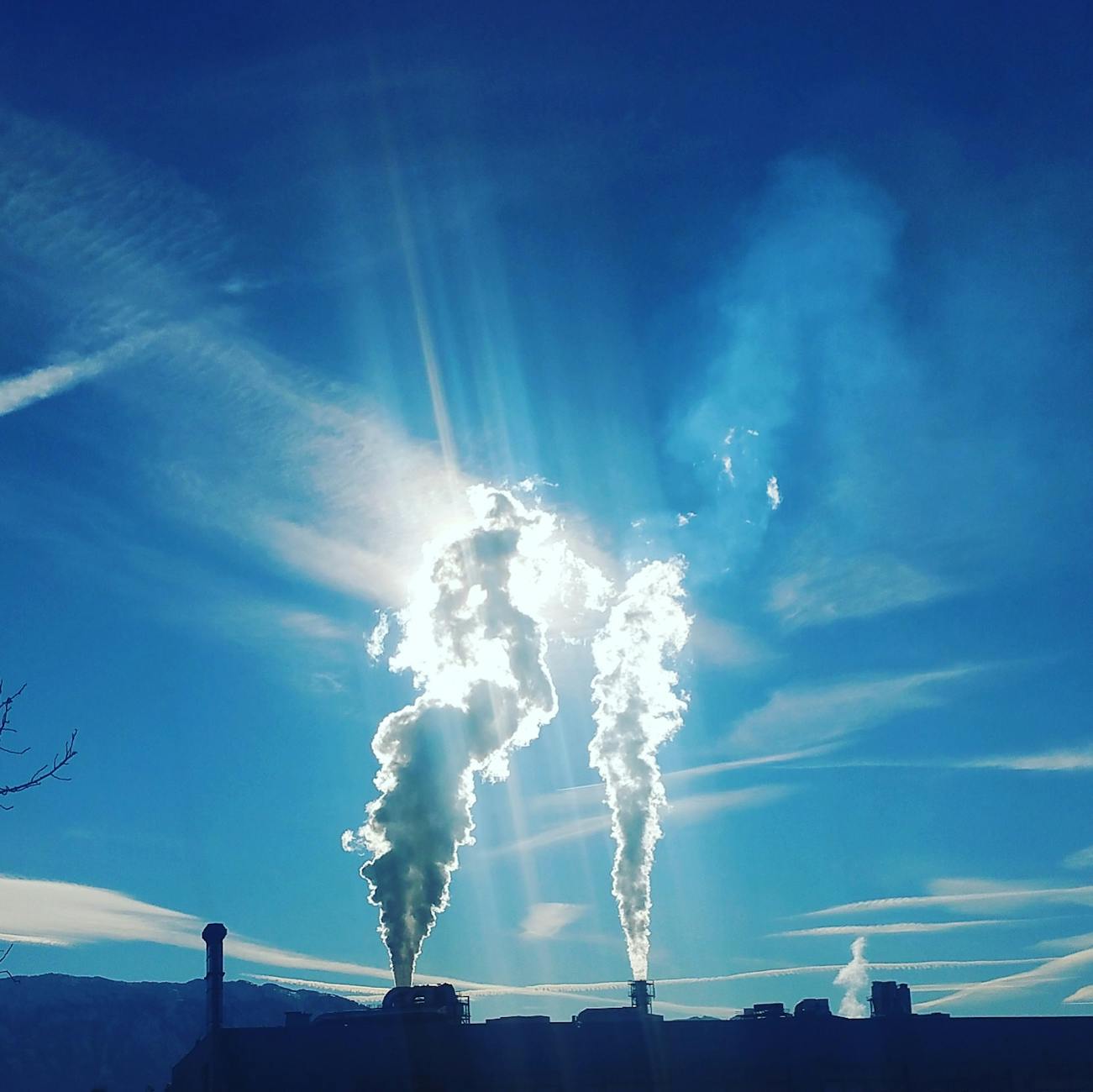
Imagine a suburban municipality full of data centers. It could help serve the needs of the surrounding region. It could draw on its own water and electricity supply (or make its own deals for these resources). It would not have to worry about being located near residences or other land uses where residents feel threatened.

This is not the first time I have thought of this idea. It could work for waste transfer sites. Landfills. Warehouses. Industry. Marijuana dispensaries. Religious congregations (see examples of opposition from my own research here and here)? This could work for the multiple land uses that suburban residents often object to or communities see as threats to their established way of life.

Creating such communities could be difficult. Given that many metropolitan areas are full of development, there might be three primary options to find land for such an endeavor:

  1. Locate the new municipality on the fringes of the region. This has the advantages of not changing densely developed land and it is already located further away from residences.
  2. Convert an existing suburb into such a place. While the image of American suburbs is often that of wealthy and exclusive communities, industrial suburbs have also been around for a long time. There are already suburbs with fewer residents that might be willing to take on more data centers.
  3. Take a bit of land from several existing communities and create this new municipality. This could be hard to do as suburbs are likely to resist losing land. But if the tradeoff is giving up land so that the perceived threat of a data center is not their responsibility, perhaps a conversation can start.

Any of these are unlikely. Not impossible. But suburban leaders and residents have resisted certain land uses for decades. The hope seems to be in each community that if they can successfully keep the land use out, that is success and good luck to other communities in addressing the issue.

The reasons Americans give for fighting against data centers in their communities

As the number of data centers in the United States is growing, some residents are fighting back:

Photo by Brett Sayles on Pexels.com

Meanwhile, grassroots resistance to unchecked growth is on the rise. In Memphis, locals are trying to shut down an xAI facility powered by turbines they say are polluting the air in a historically black community that already suffers high rates of respiratory illness. A couple in Georgia told reporters their water taps went dry after Meta broke ground on a $750 million development in Newton County. In suburban northern Virginia, where the massive warehouses have become a fixture of everyday life, citizens complain that the developments are encroaching on neighbourhoods and homes at an alarming rate. In Prince William County, locals have even coalesced to try to change local ordinances and put an end to the incessant low-grade roar produced by data centre cooling systems.

In Alabama, residents in McCalla and in the City of Bessemer are united against Project Marvel. “We might be fighting an uphill battle,” David says, “but we’re going to fight it to the very end.” Locals have spent months pouring over academic reports and technical documents, trying to understand how data centres have been received in other communities and what risks might attend the development. They’ve also built a substantial coalition of allies in opposition to the project location, if not to the project itself, including Jefferson County Commission President Jimmie Stephens, State Representative Leigh Hulsey, and a wide range of environmental and other public advocacy organisations.

Generally, American communities think growth is good but they do reserve the right to try to have growth on their terms.

Reading this article and seeing online conversation opposed to data centers near me, I wonder which if these factors is more influential in the concerns people have:

  1. The environmental costs of data centers including high water and electricity usage plus possible pollution and noise.
  2. The sense that a community could find or approve better uses for the land rather than for a data center. How many jobs will actually be generated? Will the community actually see some benefits?
  3. A sense that tech and/or certain companies are dangerous or they could corrupt communities.
  4. Resistance to a potential change in local character that having a data center might represent.

Some of these are common responses in American communities to proposals for land use and others are more specific to data centers.

According to this article, there are already over 5,000 data centers in the United States. How many communities will say no to data centers and which ones will say yes?

Trying to remember the farm life that came before today’s suburbia

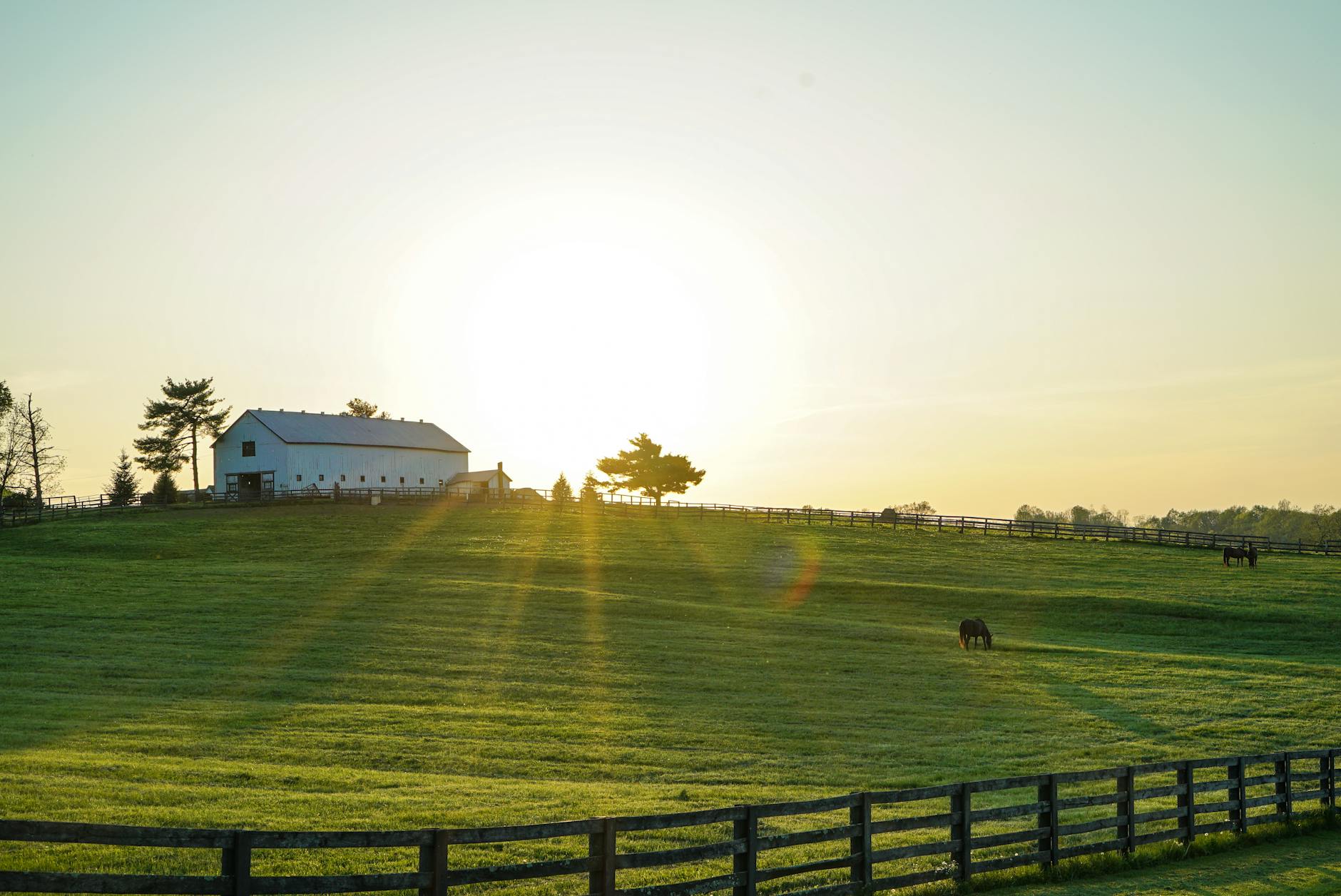
I was recently looking at aerial photographs of our suburban area from nearly 100 years ago. The outline of suburban communities were there – small sets of houses clustered around railroad lines – but much of the land use involved farming plots. Today, hardly any of that farm land can be seen, let alone evidence of farming life. How can suburban communities remind people of that past?

Photo by Brandon Randolph on Pexels.com

An editorial in the Daily Herald suggests preserving an old farmhouse and providing exhibits and demonstrations can help suburbanites today:

The Forest Preserve District of DuPage County is seeking formal statements of interest from individuals or organizations with a vision for rehabilitating and reusing the 1850s farmhouse at the southeast corner of Greene and Hobson roads…

Our hope is that it could pave the way for Oak Cottage — and a neighboring barn — to someday become an educational resource similar to Kline Creek Farm, a forest preserve district-owned living history museum in West Chicago that depicts what local farm life was like in the 1890s…

Restoring the farmhouse — along with opening the Greene Barn to the public — could help educate future generations about DuPage County’s farming past. We applaud forest preserve officials for at least being open to one of those ideas and wanting to partner with a group to breathe new life into Oak Cottage.

Such efforts can have multiple benefits:

  1. It helps people know their local history. If suburbs are sometimes characterized as “no places” as people move in and out or the landscape looks similar to any other suburbs in the US, such sites can remind people of a particular local history.
  2. It could remind people of a particular connection to land and nature beyond that of suburban lawns. Farming can involve intense agricultural and livestock activity but this is a different interaction with soil and creatures than what suburbanites typically experience.
  3. Land and places go through change. Prior to farming, Indigenous groups lived in the area. White settlers starting in the 1830s cleared much of the land for their preferred methods of subsistence. Sprawling suburbia picked up in the postwar era, leveling the landscape for single-family homes and roadways. The future use of land does not necessarily have to look like it does now.

How long zoning disputes can take in court, Haymarket and Itasca edition

I have been following the efforts of Haymarket Center to open an addiction treatment facility in the suburbs of Wheaton and then in Itasca. Haymarket filed a lawsuit in federal court and the case is ongoing. Here is where it stands now:

Photo by KATRIN BOLOVTSOVA on Pexels.com

Nearly six years after Haymarket Center announced a plan to open an addiction treatment facility in Itasca, the nonprofit remains locked in a legal fight with the DuPage County town.

Itasca trustees unanimously voted in November 2021 to reject Haymarket’s request to convert a former Holiday Inn into a 240-bed facility for patients with substance use and mental health disorders. In response, Haymarket filed a federal lawsuit against the village in January 2022, arguing that Itasca officials violated antidiscrimination laws.

In the latest twist, a federal judge has ruled the U.S. Department of Justice cannot join Haymarket’s lawsuit against Itasca…

According to the court docket, the two sides continue to depose witnesses and experts and exchange documents. The next court hearing is in July.

Sometimes zoning issues can be resolved fairly quickly. A change is proposed, decisions are made quickly at the municipal level, and matters are concluded.

But this case shows what can happen if the process goes to court. The article says the lawsuit was filed in early 2022. The next hearing is in July 2025. We are three and a half years in and it is not clear when it all might end in court (or be resolved otherwise).

This has consequences for both parties. They have to pay lawyers. The process takes twists and turns. The company and municipality have to keep an eye on everything. They have to commit money and time to an ongoing process with no clear end date.

Is it worth it? I would guess both sides are convinced of their own cause. Is this more of an issue of how courts operate that this amount of time can go by?

The amount of grass lawn in the US matches the size of this state

The United States has a lot of grass lawns. What does this add up to?

Photo by rovenimages.com on Pexels.com

Lawns represent one of the largest, fastest growing landscapes in the U.S. These ecosystems — water-hungry, energy-intensive monocultures — extend far beyond the picket fence, including highway medians, cul-de-sacs, corporate office parks. De facto lawns also exist under solar arrays, on soccer fields, and in city parks. In the U.S., it’s a landmass that, by some estimates, covers an area about the size of Iowa.

I am not sure if this sounds like an impressive comparison or not. How big is Iowa? It is the twenty-sixth largest state by land area. That’s a good amount of space. Yet Iowa accounts for roughly 1.5% of the land area in the United States so lawns account for a small percentage of the total area.

Perhaps here is a way to put this into perspective: the United States idealizes single-family homes and the lawns around them. Those lawns get a lot of attention in terms of time and resources (and natural opportunities lost). But those lawns do not take up a huge percentage of space, even if their concentration in certain areas can cause issues.

What used to be in suburban downtowns: banks, grocery stores, churches, and more

I recently read about redevelopment plans in part of a suburban downtown in the Chicago area: a shift from banks to other land uses. Here is what would be built in the future:

Photo by John Guccione http://www.advergroup.com on Pexels.com

Hundreds of apartments, a 600-vehicle parking garage and new retail and entertainment space are among an array of possibilities for the redevelopment of a key area of downtown Mundelein known as the “Bank Triangle.”

Suburban downtowns served different purposes in the past. They were economic and social centers in the midst of less developed suburban territories. Businesses located there sold more everyday goods including food and clothing. Banks and churches were there.

Now, suburban downtowns want mixed-use properties that match up downtown residents with restaurants, particular kinds of retailers, and entertainment and cultural options. These land uses bring in residents and money. They are perceived to be vibrant land uses. The other land uses have moved elsewhere or have downsized; banks have consolidated and have fewer branches, retailers are in strip malls and shopping malls, and more people moved to sprawling subdivisions further removed from downtowns.

This shift highlights a new version of suburban downtowns. They are now places to live and go to, not necessarily centers of community life. They have particular land uses and not others. And these will likely to continue to change in the future.

Addiction treatment center sign goes up but lawsuit with suburb continues

The saga of Haymarket Center attempting to open an addiction treatment facility in the suburbs of DuPage County continues:

Photo by EKATERINA BOLOVTSOVA on Pexels.com

Although the lawsuit remains unresolved, Haymarket has installed a new sign with its logo of a deep-rooted tree in the center of the east side of the building, facing I-290. Haymarket, one of the largest addiction treatment providers in the region, owns the property…

After two years and more than 35 public hearings, Itasca trustees in November 2021 unanimously voted against the project. The subsequent lawsuit alleged officials violated the Fair Housing Act and other laws prohibiting discrimination against people with disabilities, including patients in treatment for substance use and mental health disorders.

Village officials, however, are adamant that Itasca, a town of less than 10,000, lacks the infrastructure to support a treatment center that would serve more than 4,700 patients a year…

The lawsuit argues that Itasca violated the Americans with Disabilities Act and other anti-discrimination laws when it required that Haymarket submit a zoning application as a planned development rather than as a health care facility. As a result, Haymarket was held to a “higher and more onerous standard than would have been required had it been allowed to apply for a special use as a health care facility.”

This is a case I have followed as I think about undesirable land uses within suburban areas. (See earlier posts here, here, and here on this particular case and a recent post on undesirable land uses in suburbs.) I would guess many suburbanites would see such treatment centers are needed within a reasonable drive of themselves – from the article: “Last year, 150 people died from overdoses in DuPage, compared to 137 in 2021” – but few want it in their community.

As the lawsuit unfolds, is the suburb losing out by having an empty building? Suburbs also do not like vacant structures.

And if Haymarket loses, where do they go next to try to open a facility? Do they try a new strategy to sweeten the pot for a community?

The sorting of suburban residents either far or near to undesirable land uses

Ongoing concerns from residents about a possible second waste transfer station in the suburb of West Chicago highlights the issue of which suburbanites live further from or closer to undesirable land uses:

Photo by zydeaosika on Pexels.com

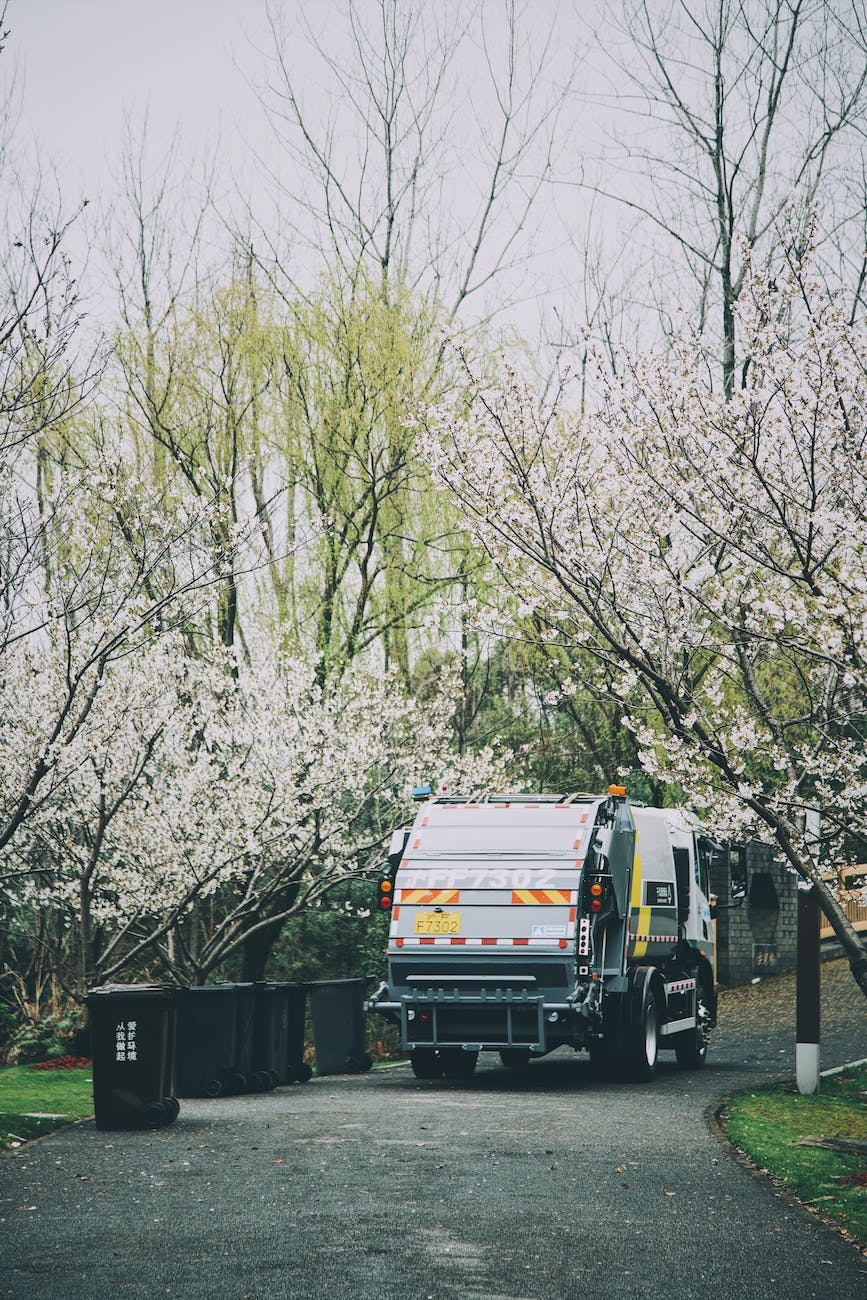
West Chicago is home to the county’s only garbage-transfer station — an in-between location before waste is hauled to a landfill. Earlier this year, city officials gave the green light to add a second facility that would be run by trash hauler LRS and bring 650 tons of solid waste a day and air pollution from hundreds of large garbage and semi-trailer trucks weekly to the city of 25,000…

On Thursday, lawyers for Alcántar-Garcia will argue to state officials that the trash facility should be blocked. 

The Illinois Pollution Control Board has the final say in the matter, and a panel of Gov. J.B. Pritzker’s appointees will be asked to decide whether the city of West Chicago met all the criteria to determine that the new garbage site will not harm the health of nearby residents. That final decision is expected early next year. 

West Chicago is around half Latino, and that raises questions for Alcántar-Garcia’s legal team as to why it is the only DuPage County community targeted for two of these waste sites. Other municipalities, including those that are largely white and affluent, would benefit. 

Perhaps a thought experiment might shed some light on this problem. Imagine a metropolitan region where land uses were randomly distributed. The land uses suburbanites tend not to like, those that generate noise, traffic, and are perceived to threaten property values are randomly placed. Airports, garbage facilities, apartments, drug treatment facilities, railroad tracks, warehouses, and more are spread out. What would happen?

Assuming this is a blank landscape beyond these land uses, where would development pop up? Those with resources and influence might just happen to live and congregate in places away from those land uses. If locations are at least in part determined by the ability to purchase and develop land, those with more resources can better compete for desirable land. And those with fewer options might live closer to those less desirable land uses.

Of course, we do not have random metropolitan landscapes or centralized bodies that could make wise choices about where less desirable but necessary land uses should go. Instead, we have ongoing patterns by race, social class, and durable local history that help guide land uses to certain locations and not others.

Quickly describing the worst-case scenario of “the urban doom loop”

What might an urban doom loop look like? Here is one brief description:

Photo by Stas Knop on Pexels.com

The worst-case scenario would go like this: With more people working from home, companies from Milwaukee to Memphis are rethinking their leases or pulling out of them altogether. That drives vacancy rates up and makes it harder for landlords to attract new tenants or sell buildings for a healthy price.

Then property owners might struggle to pay off their mortgages or clear other debt. Business districts would dry up, stifling tax revenue from commercial properties or employee wages. Shoppers and tourists would have fewer reasons to venture downtown to eat or shop, choking off spending and forcing layoffs at restaurants and retail stores.

“Once those offices are empty, there are few alternatives and not a lot of life after hours,” said Stijn Van Nieuwerburgh, a professor of real estate and finance at Columbia University’s Graduate School of Business who is one of the authors of a paper that coined the “urban doom loop” phrase. Midsize cities “have a much bigger chasm to cross than what New York City has to go through. The situation is worse in those places with so little else in place.” He added, “It is a train wreck in slow motion.”

Once the primary use of a district starts disappearing, it can be hard to reverse the pattern. This is true in downtowns where much of the space is used for offices. It can be true for other uses as well, such as when retail dries up at shopping malls or a particular industrial activity slows down in a one industry place.

Is the primary way of addressing this right now simply to hope it the doom loop does not get too far? Are there any interventions that could help protect against worsening conditions? This could be an interesting time for experimentation across American cities as places and firms adjust to less need for permanent office space.