An NFL team owner living in a suburban subdivision

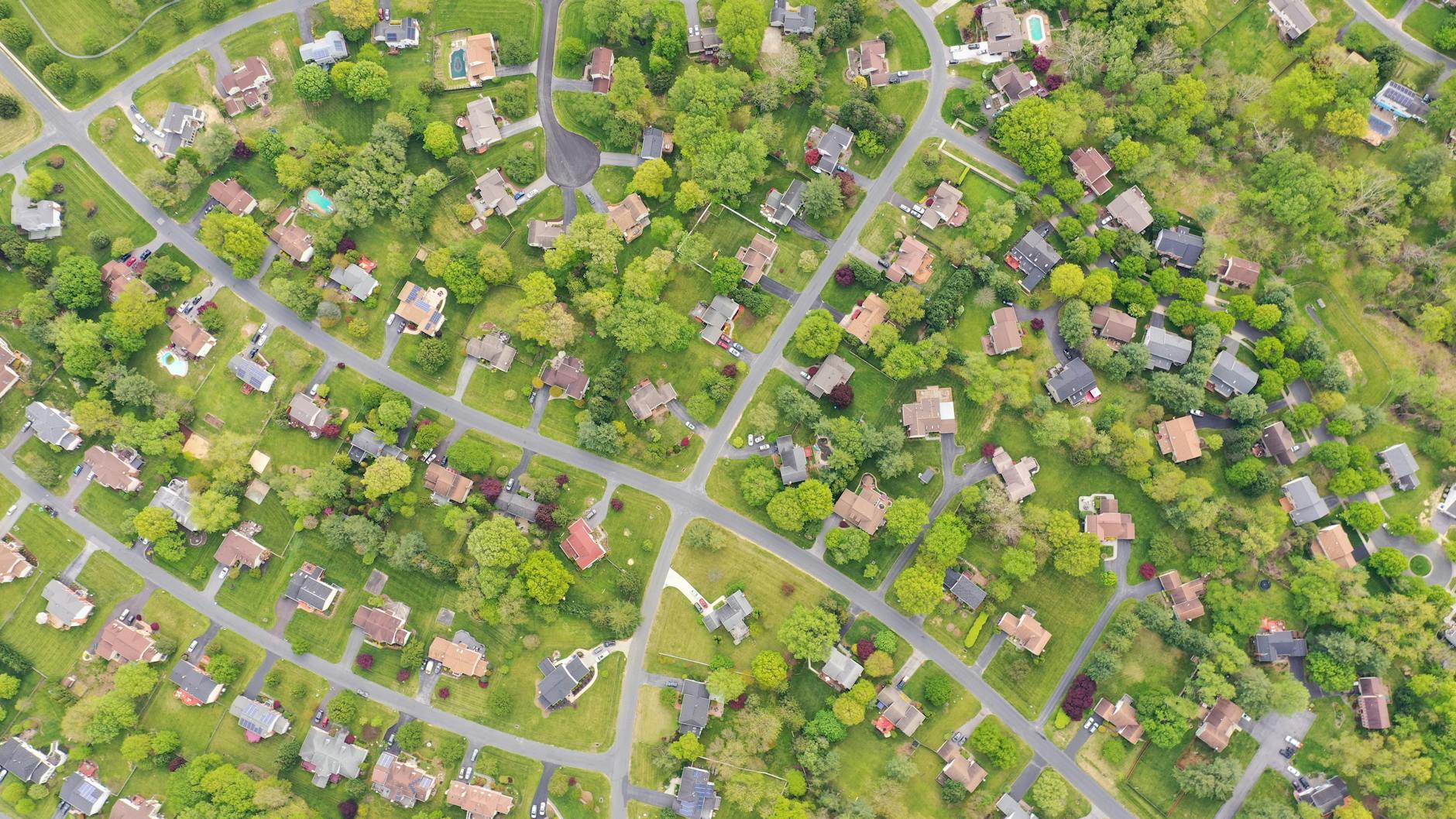
Virginia McCaskey, long-time owner of the Chicago Bears, lived for many years in a suburban subdivision:

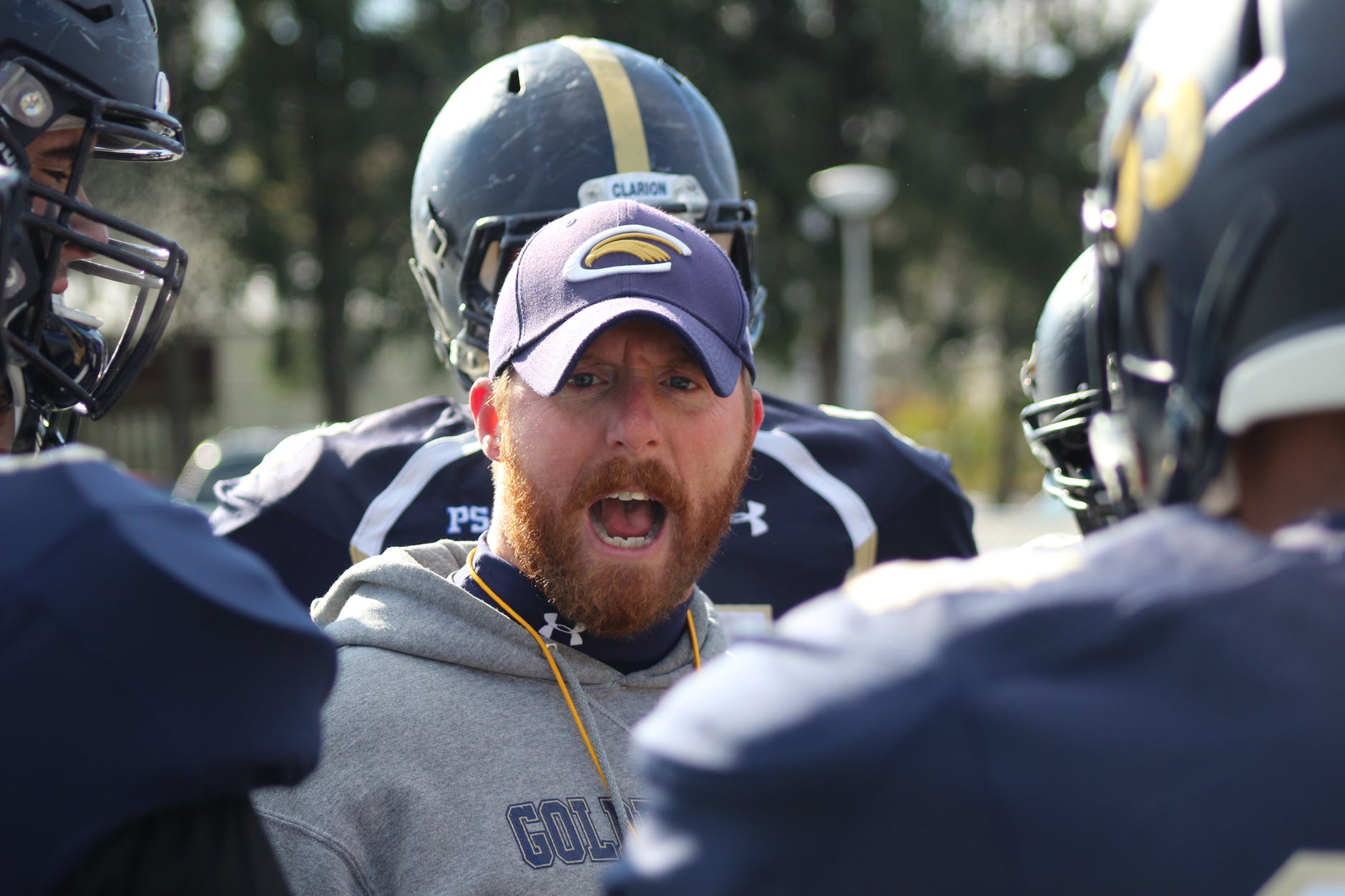
Photo by IVProduced MUSIC|MOODS|MEDIA on Pexels.com

She and her husband raised a family of 11 — the logical number for a huddle in the home — in a modest house in Des Plaines. Tim, a Bears vice president, died in 2011 and Michael died in 2020, both of cancer. In 1994, the McCaskeys moved to a ranch home one block away. Daughter Anne Catron moved into the old house.

“I probably live in the smallest house of any NFL executive, but that’s what Ed and I were comfortable doing,” McCaskey said. “That was our lifestyle and now I’m able to stay in that house by myself with wonderful neighbors and Anne is a block away.”

Imagine you are moving into a suburban neighborhood. As you meet the neighbors over time, you get a sense of what they do. One neighbor says they “own an NFL team.” Wait, what? What are the odds of this happening? There are only 32 NFL teams so there are a limited number of owners. And how many owners live in a “modest house” in the suburbs?

Two additional thoughts:

  1. This may point to a different era of ownership of pro sports teams. Franchises today are worth billions. This was not always the case. McCaskey’s father helped found the NFL when college football was more popular. Even in 1979, when McCaskey took over ownership, the Bears were not worth over $6 billion (their value now).
  2. The owner of the Chicago Bears, a team associated with the third largest city in the country, lives in the suburbs. How many pro sports team owners live in the suburbs (where a majority of Americans live)? (See this earlier post on how many baseball teams have stadiums in downtowns.)

Nashville, you do not have to commit $1.2 billion in public financing for a new Titans stadium

Leaders in Nashville approved a lot of public financing for a new dome for the Titans and other uses:

Photo by Pixabay on Pexels.com

The Metro Nashville City Council approved by a 26-12 vote early Wednesday morning on the final reading to allow its sports authority to issue $760 million in bonds. That combines with $500 million in state bonds for more than $1.2 billion in public financing committed to the Titans’ enclosed stadium…

The stadium’s total cost is estimated at $2.1 billion. The Titans, with help from the NFL and personal seat licenses, will provide the remaining $840 million. The new stadium will feature a translucent roof with a capacity of approximately 60,000.

This stadium will allow Nashville and the Titans to bid for a Super Bowl, Final Fours, College Football Playoff games and more. Burke Nihill, the Titans’ president and CEO, said they are excited at the chance to host some of the world’s best events…

A new 1% hotel/motel tax, all of in-stadium sales tax and 50% of sales taxes from 130 acres around the stadium will pay off the bonds. The Titans and city officials announced an agreement in December that includes a new 30-year lease. The team agreed not to leave Nashville during that lease.

If I am reading this correctly:

  1. More than half of the costs of the stadium are coming through public financing.
  2. A number of new revenue sources – hotel tax, sales taxes from the stadium and the surrounding property – will pay off the bonds.
  3. The city thinks this deal will be good because it keeps the team and allows for additional events in Nashville.

My question: who benefits the most from this arrangement? The Titans and their owners. One source has them valued at $3.5 billion August 2022. This puts them toward the bottom of the NFL rankings. A new stadium boosts their value.

Research shows that while political and business leaders tout the advantages of new stadiums (jobs, status, energy, events, tourists, etc.), the money spent at the stadium would be spent elsewhere in Nashville. The city already has a lot going for it. The Titans and the stadium are part of the scene but they are relatively new in the city and there are plenty of other entertainment and tourist options for residents and visitors. Were the Titans really going to leave? (Of course, this is a team that left their previous city…)

But, the NFL generally gets what it wants for its owners. Nashville will try to sell this as a win for the city and region but the ultimate winners are the team owners.

Sports teams want the state-of-the-art stadium – and all of the nearby mixed-use development – to profit

The conceptual plans released earlier this week from the Chicago Bears about what they might construct in Arlington Heights follows a recent trend: sports teams are interested in stadiums and all the other development around those facilities.

Photo by Mikael Blomkvist on Pexels.com

The plans revealed Tuesday by the Bears call for a multipurpose entertainment district anchored by a stadium that could host the Super Bowl, college football playoffs and college basketball Final Four, with an adjoining commercial/retail and housing district. While cautioning that the long-term vision for the entire property is a work in progress, the team said the site could include restaurants, offices, a hotel, fitness center, parks and open spaces.

The team’s open letter provided a series of economic projections, saying the large-scale redevelopment would provide “considerable” economic benefits to Cook County, the region and state.

For instance, construction would create more than 48,000 jobs, result in $9.4 billion in economic impact in the region, and provide $3.9 billion in labor income to workers, the team said.

The development would generate $16 million in annual tax revenue for the village, $9.8 million for the county and $51.3 million for the state, according to the Bears.

Yes, a stadium is necessary for football but teams now want to develop more land and generate additional revenues adjacent to the sports playing surface. If they help generate such development and/or retain an ownership stake in the surrounding development, this can both bring in significant annual revenue and further boost the value of their franchise.

This also follows on-trend development ideas where a mixed-use property helps ensure a regular flow of activity. Instead of separating land uses in different places, putting them all together can create synergy and additional revenues.

Another way to think about it is that a lot of sports teams are in the land development business. How exactly this fits with a goal of fielding a winning team might get complicated.

10 of 32 NFL teams play in the suburbs of the city whose name they hold

Ten NFL teams have a big city in their name but play in the stadiums located in the suburbs of that big city. Here are the 10 (sourced from here and here):

Photo by Robert Hernandez Villalta on Pexels.com

-Buffalo Bills play in Orchard Park

-Dallas Cowboys play in Arlington

-Los Angeles Chargers play in Inglewood

-Los Angeles Rams play in Inglewood

-Miami Dolphins play in Miami Gardens

-New York Giants play in East Rutherford (New Jersey)

-New York Jets play in East Rutherford (New Jersey)

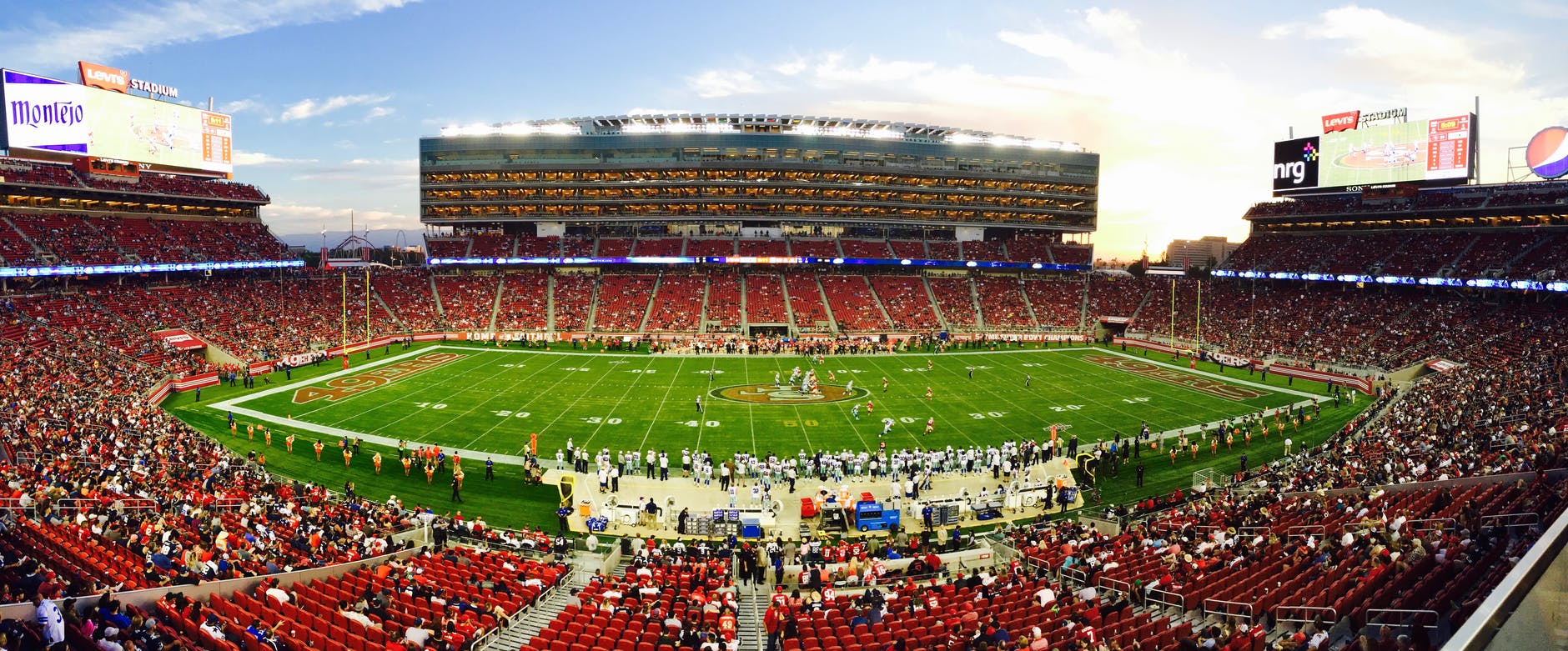
-San Francisco 49ers play in Santa Clara

-Washington Commanders play in Landover (Maryland)

Two bonus suburban teams: the Arizona Cardinals, not named after a city but a state, play in suburban Glendale and the New England Patriots, named after a region and not a city, play in suburban Foxborough.

If the Bears end up in Arlington Heights, that would push the number of suburban NFL teams up to 13 total.

How much the big city mayor needs to fight to keep the major league team

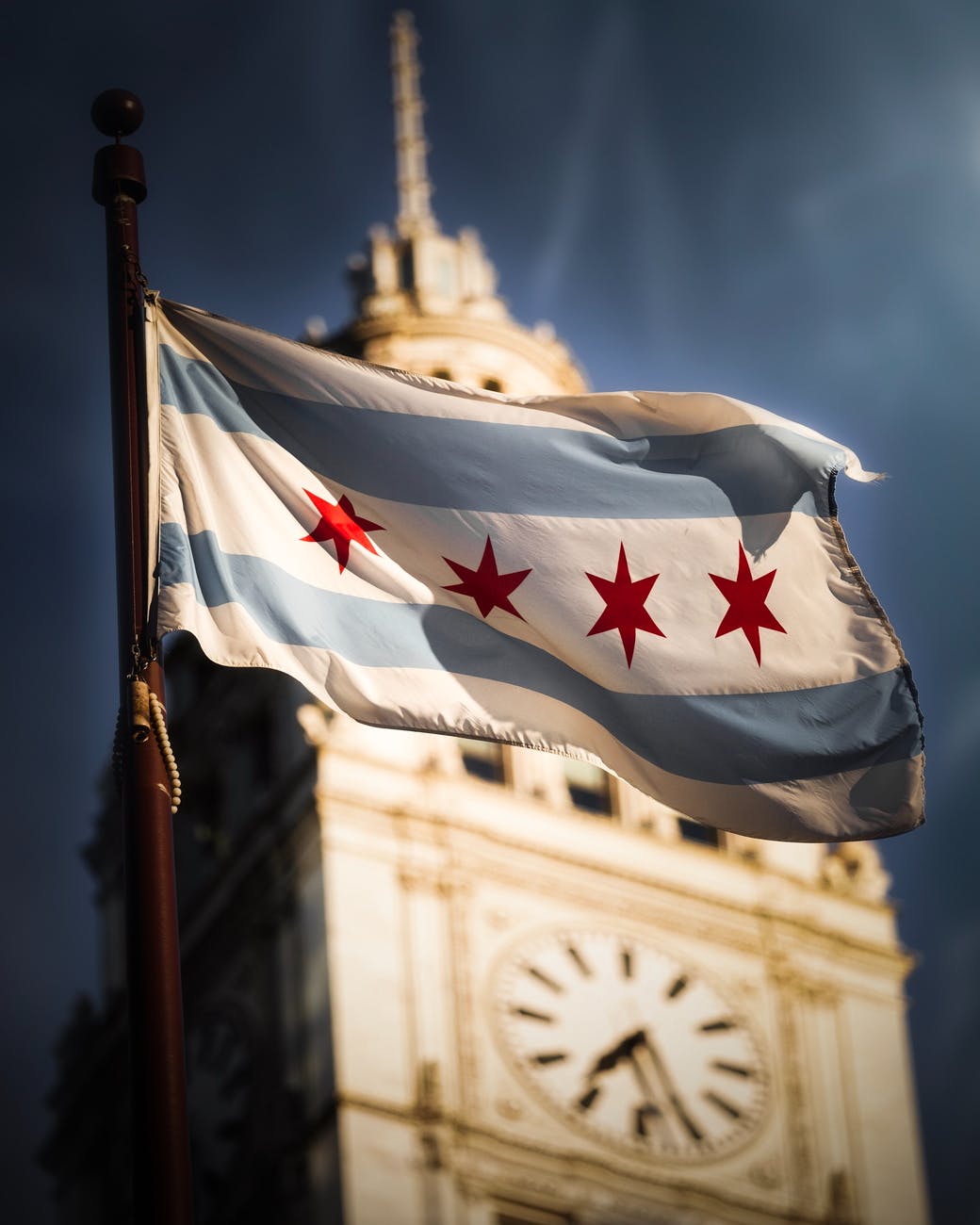
Chicago Mayor Lori Lightfoot has publicly stated what the city could do to keep the Chicago Bears:

Photo by Trace Hudson on Pexels.com

Via Sports Business Journal, a Chicago mayoral committee will recommend that the city consider the feasibility of putting a dome over Soldier Field.

A dome, as reported by Crain’s Chicago Business, could cost between $400 million and $1.5 billion.

Other possibilities include upgrades to the stadium (including significant rebuilding of certain parts of it) and selling naming rights to generate revenue for improvements.

The Bears are most interested in pursuing plans for suburban Arlington Heights.

In the long run, it is not probably not worth it for the city and the others to spend hundreds of millions to keep the Bears. The team would benefit the most from new arrangements. The money spent on eight Bears home games a year will be spent elsewhere in the city. The team is not leaving for another market but just for the suburbs.

At the same time, losing the biggest team in town to a suburb is not a good look for leaders. The Bears have played in the city for a century. They are the most popular sports team in town. Soldier Field hosts other events but it has been the home of the Bears for decades. The loss of the Bears could be added to the narrative of losing companies and residents.

Discounting whether the offer from the city is a viable one – putting a dome on Soldier Field is no easy task – I think this is a necessary political move. The mayor and city leaders need to make a good offer to save face. The big city leader cannot let the big team leave without a fight. And ten years from now, when the Bears are playing in a suburban property that earns the team even more money and the city of Chicago has moved on, there may still be lingering blame for those who let the Bears leave no matter what offer or public statements they made.

What happens to an athlete’s McMansion when they go to a new team?

Quarterback Matt Ryan is now a member of the Indianapolis Colts after a trade from the Atlanta Falcons. What happens now to Ryan’s suburban McMansion outside Atlanta?

At the least, Ryan can enjoy lounging outside his large dwelling by a ping-pong table and think about handing it off to Jonathan Taylor?

I wonder what the market is for large houses of former athletes. I know of some high profile houses in the Chicago region where pro athletes sell their homes to other athletes who are coming to town. Some big houses, such as Michael Jordan’s mansion, languish for years.

From what I saw, Ryan’s home is not a mansion or a megamansion. Because it is more of a McMansion, it likely will find a buyer in a growing metropolitan region among those with resources to purchase such homes and who like such homes. Perhaps it might depend on how much football the house reflects; for example, see former Bears coach Matt Nagy’s house listing.

Of course, it will also be interesting to see where Ryan settles in the Indianapolis region. Will he settle in the wealthy suburban communities of Carmel or Fishers where I would guess some McMansions can be found?

Charismatic authority and football coaches as “leaders of men”

The Chicago Bears hired a new head coach this week. Prior to the hire, the conversation about what qualities the new coach should have reminded me of sociologist Max Weber’s definition of charismatic authority. Here is how one scholar summarizes the concept:

Photo by football wife on Pexels.com

According to Max Weber’s concept of “charismatic authority,” charisma is based on a social relationship between the charisma holder and the charisma believer. The Weberian perspective is not focused on analyzing the personality of the charismatic leader, but rather on the structure of the charismatic social relationship. The social structure that comes out of a charismatic relationship represents an emotional collectivization held together by an emotional bond with the leader. A charismatic leader is not only a person who is given great expectations and trust and to whom special skills are attributed. A charismatic leader constitutes a new leadership, a new structure of social relationships, and a new cognitive definition of the situation of social action.

Contrast this with some of what I heard a successful coach should be able to do:

-connect with players

-hold players accountable for performance

-have a track record of success

-help players develop and grow

-command any situation

-show confidence

-have a plan and execute it

-build and sustain a (successful) culture

-WIN!

Many of these traits can be expressed in different ways. Measuring some of them is difficult. Can a number of them only be ascertained by having a close relationship with the coach and/or being in the same room and experiencing the charisma and magnetism of that coach?

To some degree, these traits apply to numerous leadership roles. The football coach as a “leader of men” is glamorized and masculinized but business, civic, and political leaders are supposed to embody at least a few of these these traits as well. Those who do well might have the charismatic authority, those who do not make it do not.

Trying to add round-the-clock, year-round activity at a suburban football stadium

If the Chicago Bears are to move to the suburbs, the change would not just include a stadium: the land all around would be valuable and needed to generate the kind of revenues the team and community would hope for:

Photo by Juan Salamanca on Pexels.com

SoFi Stadium was built on the former site of Hollywood Park racetrack, presenting a solid comparison to Arlington Park. According to Noll, the reason SoFi Stadium is in position to be financially successful is the mixed-use development also being built on the property.

Noll believes a stand-alone stadium is no longer a realistic option for NFL franchises because a $5 billion stadium can’t be financed by eight football games a year and the random big-name concert. Year-round revenue must be part of the package…

Glendale city officials, for example, added residential neighborhoods to the area so the entertainment establishments would be frequented at night and on weekends when no game is in town. They added office space so workers would patronize the restaurants in the daytime and not take up parking at night.

“If you’re not able to capture benefit in a meaningful way outside of the football games, it’ll be an expensive proposition,” Phelps said. “We’re seeing tremendous growth in and around the stadium, kind of creating this sports and entertainment hub. I think that’s the future where these kinds of venues are going.”

Creating this sort of suburban entertainment center is a dream of many larger suburbs. Not only would this boost the status of the community, it would add jobs and tax revenues. Metropolitan areas only have so many stadiums and major revenue generators and this could be viewed as a once-in-a-lifetime opportunity (or gamble).

But, this would also be a major change. The article noted that this site in Arlington Heights is surrounded by residences; would a mixed-use area of denser housing, restaurants, and entertainment venues be welcomed? Can Arlington Heights go full[speed into such a project?

As the article notes, it could turn out poorly. There is a lot of money at play. Getting any taxpayer dollars involved could be a risk. It all could take time to develop fully into a true center for suburban football as opposed to a football stadium stuck in the middle of single-family homes near highways.

Given all the history of the Bears in the city, I would be more than 50% confident that they stay in Chicago. The allure of a new, large stadium that could serve other uses much of the years is incredibly appealing. There is money to be made in the suburbs. But, it would certainly be a change for all involved, including Chicago leaders who would have much to answer for if the Bears become the Chicagoland Bears.

Asking tough questions of American athletes

The story of a Danish journalist who covers the NFL and asks certain questions of players hints at cultural differences in approaching both sports and important social issues:

Photo by Lucas Andrade on Pexels.com

Back in 2016, Kjærsgaard-Rasmussen lived in Burbank, Calif., for a year with his wife and son. It had always been his dream to spend some time in the States, so when his parent company asked him to help its esports arm transition from Twitch streaming to television studio production in Los Angeles, he jumped at the opportunity. He had a great house and a pool. He had friendly colleagues at work.

But what he noticed over time is that he’d end up having a version of the same conversation every day, one that never broke beneath the surface. He remembered, for example, being confused about a situation involving how to get the local water authority to turn the water on at his house and wanting to ask someone about it—a step beyond hello and how are you. He felt like there was an immediate recoil…

It shines a light on something that seems to permeate culturally, reverberating from the sporting world that Kjærsgaard-Rasmussen finds himself thinking so much about. Maybe it’s the end result of widespread, rigorous media training, which creates a fast-food experience of well-meaning words pieced nicely together but ultimately containing no substance, an appeal to our innate desire to move on. In some unconscious way, does our lack of exposure to actual humility and openness inform our default setting, which is to simply wince through the tough stuff and avoid it in real life, too?…

The phenomenon is not necessarily unique to the U.S. Kjærsgaard-Rasmussen saw, for example, the further any players drifted from Denmark (perhaps to the English Premiere League) the less likely they were to be interested in answering difficult questions or exhibiting any kind of remorse for something negative that had happened. It creates a situation where it feels for Kjærsgaard-Rasmussen like he is doing something wrongwhen he’s merely asking fair questions.

At the least, this story sheds light on how others in the world can view what many Americans would take as normal. The NFL is the NFL. Except when you are viewing it with a different lens. Americans also have the ability to watch many sports around the world through an American lens with an American network and broadcasters providing the commentary and interpretation.

At a deeper level, this asks what we expect to hear from athletes and others regularly in the public eye. Does it generally ring true that Americans just want to stick to sports, rather than consider the actions of athletes and those associated with teams? Probably, even as sports has been an important social scene regarding social change (and resisting it).

Finding the second cities in tickets sales for NFL teams

Vivid Seats looked at ticket sales for NFL teams by location and found the place with the second-most ticket sales could vary:

Naperville represents the No. 2 most popular market for the fan base of a certain team from a certain town, known as Da Bears, according to ticket sales from Vivid Seats

It should come as no surprise that outside Green Bay, Milwaukee has the biggest fan base of Packers fans…

According to Vivid Seats, the second city with the highest overall percentage of ticket orders for its team was Colorado Springs, Colorado…

The Patriots’ fan base spans across New England, and Vivid Seats reports Quincy, Massachusetts, is the team’s second city. Providence, Rhode Island, isn’t far behind, and Nashua, New Hampshire, and Saco, Maine, are other hotbeds of Patriots fans…

For the Oakland Raiders, its No. 2 city is Sacramento, California, and Erie, Pennsylvania, comes in second to Pittsburgh for the Steelers.

A quick hypothesis: the distribution of ticket sales by NFL team is largely a function of the population of communities and distance from the home city of the team or the city where the team’s stadium is located.

These factors could be mediated by other influences. The relative wealth of communities could matter as NFL tickets are not cheap. The distance from the stadium may not be the best measure compared to access or time needed to get to the venue. Furthermore, the analysis suggests some fan bases draw from secondary cities in a region, like Providence for the Patriots or Sacramento for the Raiders.

With these factors at play, would the distribution of NFL ticket buyers largely reflect inequality across metropolitan regions or do ticket sales cut across racial, ethnic, and class divides?