When you can build a suburban warehouse where an office building used to stand

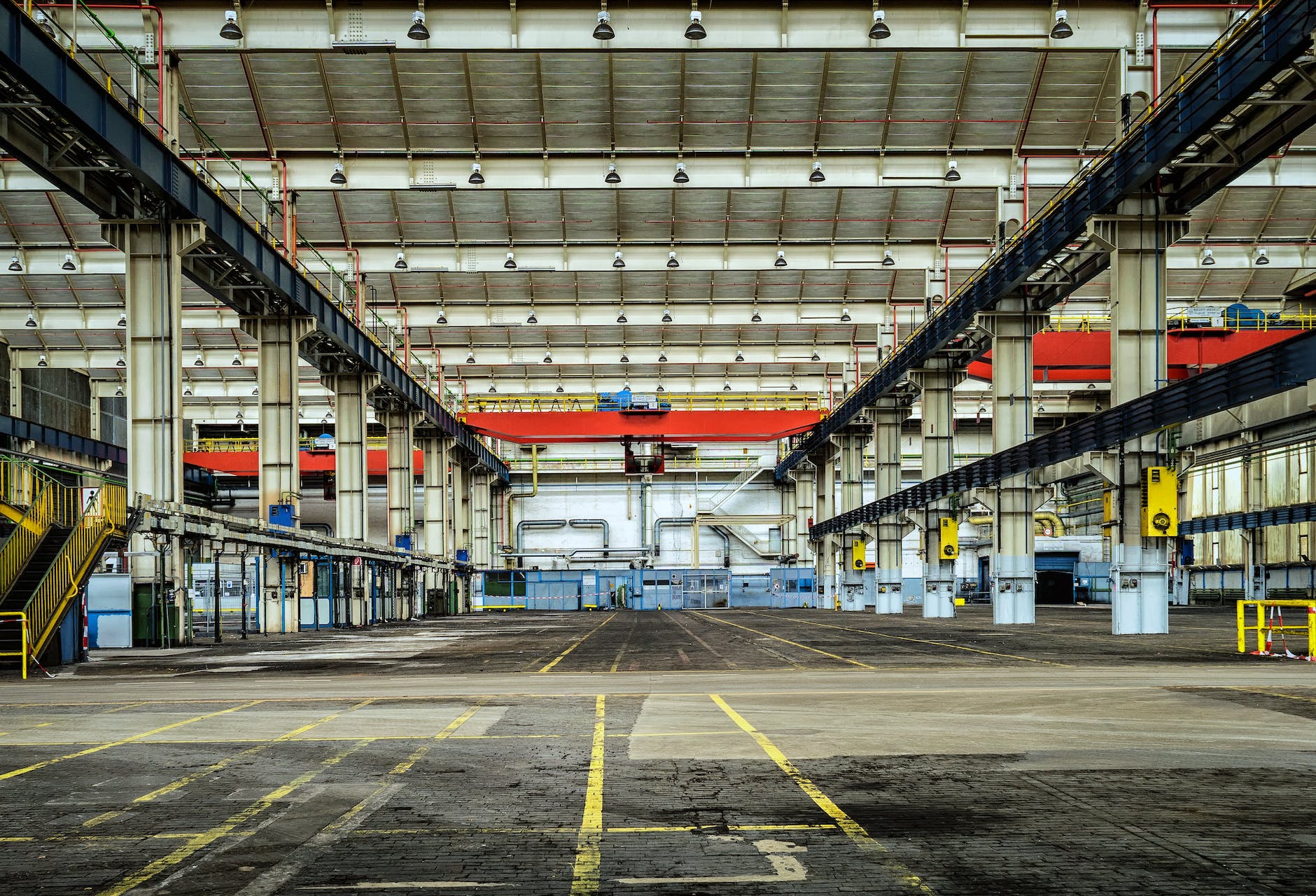
With less demand for suburban office buildings, the void is being filled with warehouses. One example from the northern suburbs of Chicago:

Photo by Pixabay on Pexels.com

The old Allstate campus was a traditional suburban office environment with lush landscaping, reflecting ponds and thousands of workers. That property now is called the Logistics Campus, a massive industrial development underway in Glenview…

“The ability to put modern industrial in the middle of an established community — it’s unique in the sense that there will be very few other sites of this size that can replicate what we’re doing,” said Neal Driscoll, Dermody’s Midwest region partner.

Development of big-box industrial space in the Chicago region set a record in 2023 with construction of 70 buildings totaling nearly 33 million square feet, according to a recent report by commercial real estate company Colliers International.

The shift to warehouses in the suburbs has been going on for a while. What I noticed in this story was this thought: the unique opportunity to put warehouses (“modern industrial”) in “an established community.” Translation: many upscale suburbs would not chose to put in warehouses. They might generate noise and traffic. They do not provide many white-collar jobs. They are not attractive buildings.

But, empty office parks are also not desirable. Suburban offices or headquarters for Fortune 500 companies are attractive: quality jobs, status, most likely a glass building. No one working in these buildings and companies leaving these spaces leads to issues.

Thus, warehouses might now be found in communities that would not necessarily select them if they had such options. A set of warehouses might be preferable to vacant office buildings or unwanted office buildings. Figuring out the best land use or zoning in a suburb can be less about the most ideal use of land but rather about the possible alternatives at that moment.

Companies want less office space – and better quality space

Office space patterns in the Chicago suburbs suggest two trends at work: companies occupying fewer square feet but wanting to have higher-quality square footage.

Photo by . . on Pexels.com

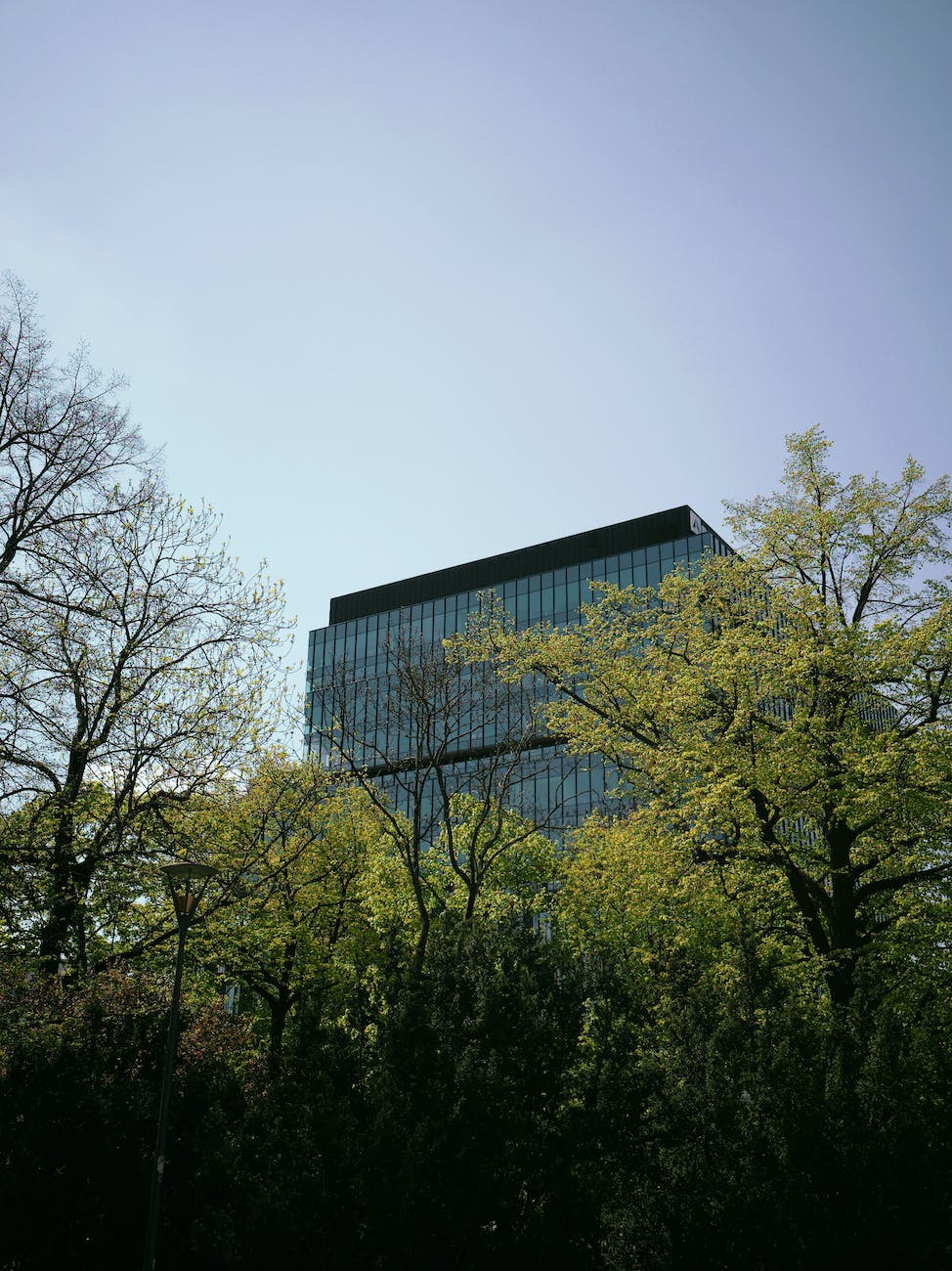
The moves reflect an overall trend of tenants looking for higher-quality properties with financial stability, said Savills Regional Research Director Anders Klein…

Throughout 2023, trends saw office tenants move from larger spaces in older and more bare-bones Class B and C office properties to smaller spaces in well-maintained Class A buildings with more amenities.

Several thoughts about this:

  1. It would be interesting to see how much less companies pay for office space if this is the trade-off.
  2. Having a nicer location and more amenities on-site might also help companies make the pitch to have employees in the office.
  3. What are the new trends for nice office spaces? We have had a few decades now of gyms, meals, on-site services, etc.
  4. What happens to the less desirable office space? The article suggests some is converted to other uses, like for data centers. other properties might be redeveloped for housing or mixed-use projects.
  5. Could these opposing trends mean office space will look significantly different in the United States in a few decades or will offices still be the offices we know today?

What will nearby suburban residents accept for redeveloped office parks?

Suburban residents often do not like the idea that a nearby office park will soon be a warehouse or logistics center. But, what will they accept?

Photo by Egor Komarov on Pexels.com

If I had to guess, I would go with open space or park space. Suburbanites would like this for multiple reasons: little noise and traffic, increased recreational opportunities, this limits future development on the location, and improved property values. Suburban homeowners do not want properties next to them to have more intensive land uses; they would prefer less activity.

At the same time, this puts communities and these suburbanites in a predicament. These office parks served particular purposes. They brought in tax revenues. They provided jobs. They provided status (particular if a big name company occupied the offices). Empty buildings are an eyesore and wasted opportunity. Warehouse and logistic parks would bring in money and jobs. Parks and open space do not generate their own revenues.

Before resisting everything that could replace suburban office parks, the suburban neighbors might want to consider what they would be willing to accept. Are there land uses that could aid the community and preserve some semblance of residential suburban life? Is there any room for compromise?

Call them “logistics centers” rather than warehouses and I do not think suburbanites will like trading suburban HQs for them

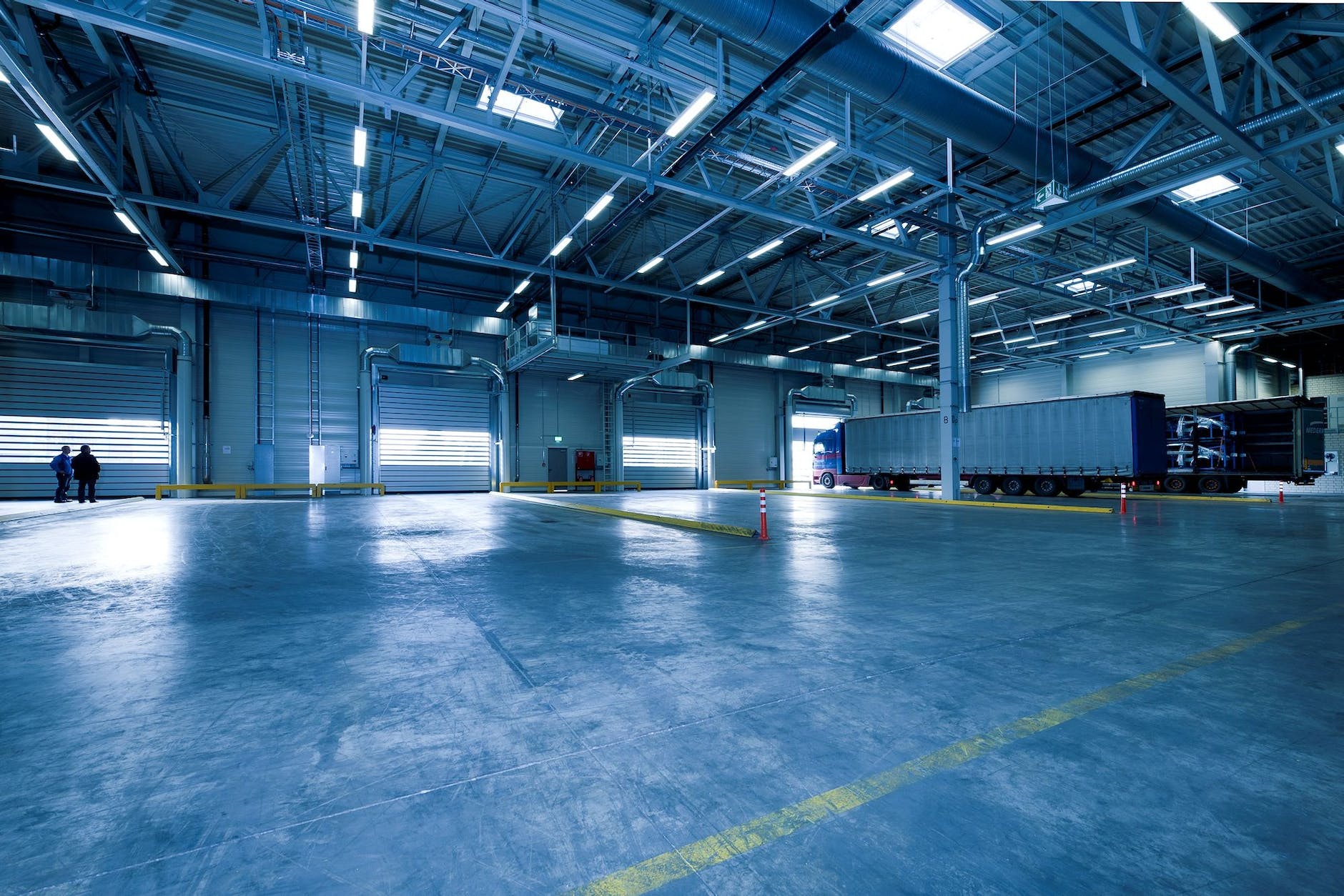
With reduced demand for large suburban office buildings and headquarters, properties around the Chicago region are turning into logistic centers:

Photo by Pixabay on Pexels.com

Catalyzed by the pandemic, the demise of corporate campuses has created a development explosion, as dormant office space is transformed into industrial use for the digital age. Data centers provide the infrastructure for online commerce, while logistics centers deliver the goods to your doorstep.

The warehouse facilities also deliver tax revenue for municipalities, construction jobs and depending on the use, some permanent jobs as well. But the economy-boosting days of 5,000 employees descending on a community may be a thing of the past…

Chicago has the most transportation, distribution and logistics firms in the U.S., and Illinois ranks No. 4 among states with 20,500 companies employing more than 331,000 people, generating nearly $39 billion in annual economic output, according to Intersect Illinois.

In October, with many of its 5,400 Chicago-area employees working remotely, Allstate sold its north suburban corporate campus along the Tri-State Tollway for $232 million to Dermody Properties. The Nevada-based developer is turning the 232-acre property, which was annexed by Glenview, into a 10-building, 3.2 million-square-foot logistics park…

The project, which is expected to cost more than $500 million including land acquisition, will be one of the largest urban logistics developments in the U.S., bringing a projected 1,900 jobs, a new streetscape and vastly different traffic patterns than the former insurance headquarters.

It is best to state this at the outset: empty properties are not desirable in suburbs. Even if something is paying the property taxes, empty properties decrease the status of a community and do not bring in additional benefits like jobs and tax revenues.

That said, many communities and suburbanites would see the trade from a prestigious headquarters or office park to warehouses as a big downgrade. They will not be fooled by calling them “logistics centers.” Gone are white-collar jobs and a Fortune 500 company. In are trucks, traffic, and blue-collar jobs. Gone are steel and glass buildings that signify progress and higher status. In are preformed panels and boxy structures. Residents like having goods delivered to them quickly but they do not necessarily want to see the fulfillment and delivery process happen next door.

The truth is that not every community will attract developers who want to build a large mixed-use development. Or, waiting for a developer who has an attractive idea and does not want too much public money might take a long time. Some communities will move faster than others to turn vacant structures into working properties. Others will resist and be able to turn down these options.

But, the spread of warehouses in suburban areas to even middle- and upper-class suburbs means changes for these communities. Once marked by pristine offices serving as status symbols, some of these communities will now be home to logistics centers sending out goods far and wide.

How suburbs can lose millions in revenue when office parks sit empty

The changes to offices in one Minneapolis suburb illustrate the money at stake for suburban communities:

One surprising victim might be the Twin Cities suburbs. Take the 64,000-person suburb of Eagan, Minnesota where, earlier this year, two announcements upended the commercial landscape. Two of the city’s largest employers terminated leases at massive office parks, both of which served as local corporate headquarters…

Because commercial property is taxed at a higher rate than residential, for a city like Eagan, with a $42 million budget, the loss of two large corporate headquarters is a hit to its bottom line. In 2022, the two office parks provided about $3 million in tax dollars to the city, county and school board. (The city of Eagan’s cut of the tax revenue sits at around a third of that total.) 

Whatever happens to these two sites, they’ll likely be assessed at much lower values moving forward, likely swaying the rest of the suburban commercial real estate market. This puts pressure on Eagan’s single-family residential property to make up the difference, shifting the low-tax balance that draws people to live second-ring suburbs in the first place.

For their part, Eagan city leaders say these kinds of economic changes are nothing new, and the city is well-positioned to survive…

She cited the changing loss of previous corporate headquarters in the city, including Lockheed Martin and Northwest Airlines, both of which disappeared due to mergers or outsourcing.

Multiple forces are at work:

  1. Corporate offices change over time, before and after COVID-19. This suburb has seen companies go before and they found different businesses to lease office space.
  2. It is less clear the direction of the current office space market and financial markets are nervous. With more work from home and more Internet business, how much physical office space is necessary in the coming years?
  3. Filled office parks can help suburbs generate significant revenues and reduce tax burdens for others. Vacant buildings do not this at the same rate.
  4. Buildings that are vacant long-term are negative symbols. Communities want to have thriving businesses, not empty buildings. The longer the vacancy stretches, the bigger the consequences.
  5. Communities can redevelop such properties but this requires money, proactive local officials, and partners.

If we could come back to Eagan in a decade or two, will these properties be redeveloped mixed-use properties, vacant sites, or office parks operating at a decent capacity?

An influential Naperville office building now with plenty of available parking

In 1964, Bell Labs announced plans to construct a new building just north of Naperville, Illinois and near an interchange on the East-West Tollway. That facility would later come to contain thousands of workers; “about 11,000,” according to Wikipedia. As I discuss in “A Small Suburb Becomes a Boomburb: Explaining Suburban Growth in Naperville, Illinois,” this suburban property helped set Naperville on a particular trajectory.

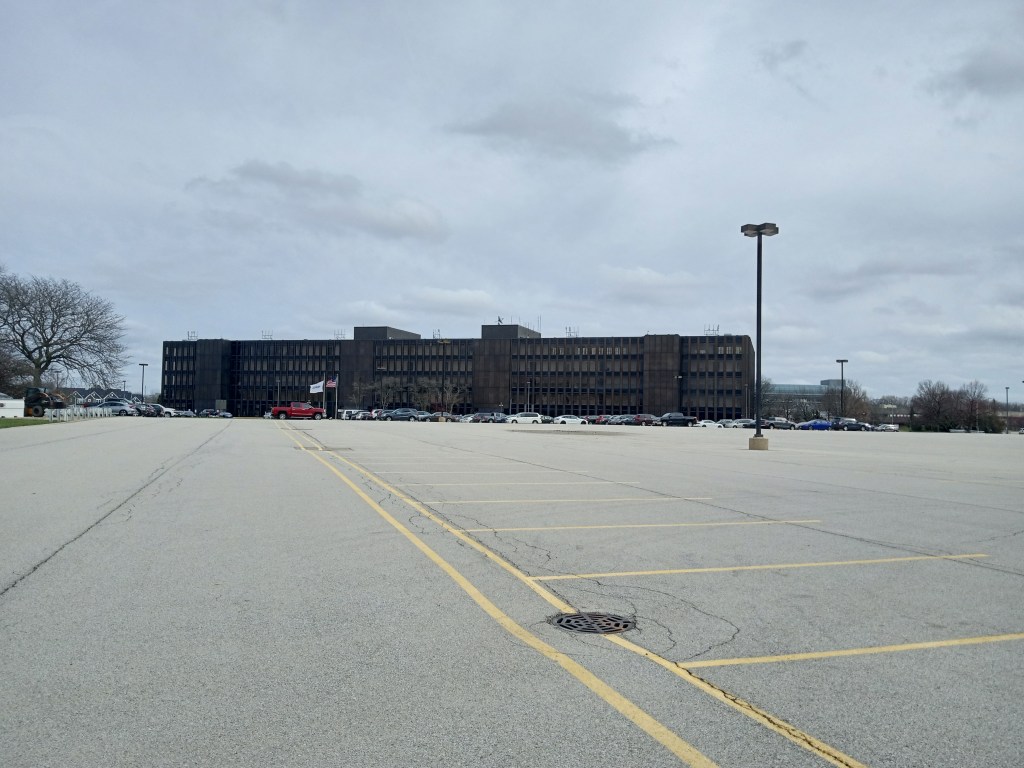
Here is a recent view of the back parking lot:

I know this is a far out view of the parking lot but it struck me that there were a limited number of cars here for such a large set of buildings. The number of workers on site is a lot smaller in recent years:

The 175-acre property near the intersection of Naperville and Warrenville Roads has the address of 1960-2000 Lucent Lane.

Nineteen-sixty Lucent Lane includes a vacant five-story 613,620-square-foot steel and glass office building, two three-story parking decks and surface parking lots. Nokia has consolidated its offices into the five-story 1-million-square-foot steel and glass building at 2000 Lucent Lane. The company occupies about 33% of the building, according to city documents.

At the north end of this property, behind where this picture was taken, is a new residential neighborhood of townhouses and single-family homes from Pulte.

What will become of this full property in the next few decades? Could it become a “metroburb” like another Bell Labs facility in a northwest Chicago suburb? The same property that helped lead Naperville to white-collar jobs and office buildings could become part of numerous transformations of suburban office parks into new uses.

How many suburbs will be willing to replace suburban office parks with denser housing?

If the golden age of the suburban office park has passed, what will some of the empty properties be used for? One option is denser housing:

Photo by Pixabay on Pexels.com

It will mean taking land long zoned for offices, and allowing townhomes to be built among them, or permitting apartments or industrial-scale warehouses for the first time. Amid a nationwide housing crisis, many obsolete office parks could be ideal sites for denser housing.

However, this is a very pertinent issue:

The problem for some suburban officials: “It’ll be, ‘Oh, what do you mean we can’t just zone for single-family homes and offices? That’s our thing. That’s why we exist,’” said Tracy Hadden Loh, a researcher at the Brookings Institution. “So now it’s like an existential crisis.”

This is an issue that comes up for numerous kinds of large suburban properties, whether they are shopping malls, golf courses, or grocery stores: how to convert a vacant property into a useful long-term use? The number one goal is probably to generate significant property tax and sales tax revenue. In other words, to keep it at its original as approved by the community years before.

But, if that is not possible – and communities might go years trying to fulfill this vision – then the discussions get interesting. Expensive single-family homes, fitting with the upscale suburban character of some suburbs, would fit in. Zoning protects single-family homes for a reason: suburbanites and suburban communities prefer these homes and their lifestyle.

However, single-family homes can bring more children to local schools and add to the loads of local services. They do not necessarily produce the revenues that offices and retail do. Denser housing is even less desirable because it adds even more residents, which can add to community services and traffic, and some suburbanites are concerned with apartment dwellers.

My guess is that mixed-use redevelopment will be a popular path a number of these communities will try to pursue. Replace that office park with a “metroburb.” But, it remains to be seen how many such developments are viable and how eager suburban leaders and residents are to pursue them.

Sears in decline leads to another large available suburban office campus

Sears recently closed its last department store in Illinois and just announced that their large suburban campus will soon be up for sale:

Photo by Hugo Magalhaes on Pexels.com

The Hoffman Estates campus features a 2.3 million-square-foot corporate office and 273 acres, including 100 acres of undeveloped land. It was home to more than 4,000 Sears employees as recently as 2017, according to company filings…

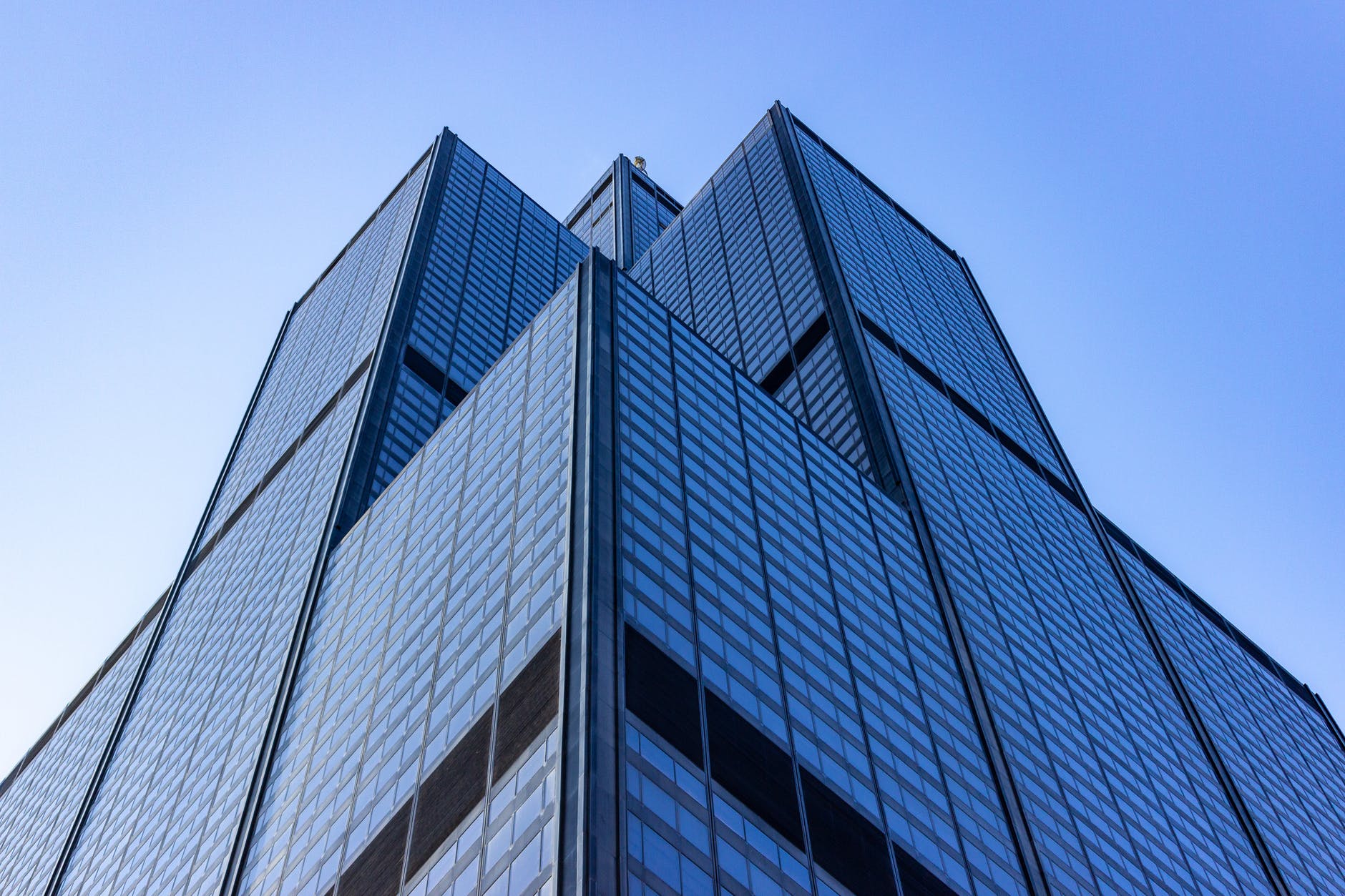
When Sears Tower opened in 1973, it was the world’s tallest building, a fitting corporate home for the nation’s largest retailer. Sears left its namesake home in 1992, moving its corporate headquarters to Hoffman Estates and selling the tower two years later. In 2009, the name of the building was changed to Willis Tower as part of the deal for the London-based insurance firm to lease office space there.

Sears is not the only corporate mainstay to pull up stakes recently and put its suburban campus on the market.

Last month, insurance giant Allstate reached an agreement to sell its longtime headquarters in unincorporated Northbrook for $232 million to an industrial developer that plans to turn the 232-acre corporate campus into a massive logistics facility.

And what will happen to these properties? There are multiple options including:

  1. Staying as office or corporate space. Could there be another company or organization who would want this property? A suburb can spend a long time looking for a comparable replacement.
  2. Redevelop the land as a mixed-use development. See “The Metroburb” not too far way created from a former Bell Labs facility. This is a trendy approach that mixes commercial or office uses with residences.
  3. Convert the property to housing. There is demand for new housing in attractive suburbs and large tracts of land do not come open often.

Making this choice will require negotiation and conversation between the parent company of Sears, potential buyers, municipal leaders, residents, and others (which could include regional officials and actors in the real estate world). The whole process could take years and the outcome might retain some hint of the Sears headquarters or it might not.

Flamin’ Hot Cheetos: from urban corner stores to suburban corporate headquarters back to cities

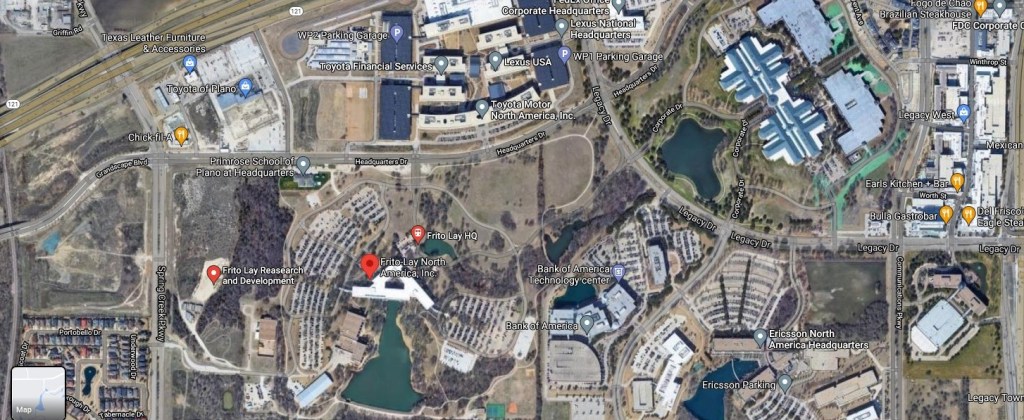
Where exactly did Flamin’ Hot Cheetos come from? According to Frito-Lay, the impetus for the popular Flamin’ Hot Cheetos came from Northern cities and Plano, Texas:

Flamin’ Hots were created by a team of hotshot snack food professionals starting in 1989, in the corporate offices of Frito-Lay’s headquarters in Plano, Texas. The new product was designed to compete with spicy snacks sold in the inner-city mini-marts of the Midwest. A junior employee with a freshly minted MBA named Lynne Greenfeld got the assignment to develop the brand — she came up with the Flamin’ Hot name and shepherded the line into existence…

Six of the former employees remember inspiration coming from the corner stores of Chicago and Detroit. One of the earliest newspaper articles about the product corroborates that detail: A Frito-Lay spokesperson told the Dallas Morning News in March 1992 that “our sales group in the northern United States asked for them.”…

Over the next few months, Greenfeld went on market tours of small stores in Chicago, Detroit and Houston to get a better feel for what consumers craved. She worked with Frito-Lay’s packaging and product design teams to come up with the right flavor mix and branding for the bags. She went with a chubby devil holding, a Cheeto, Frito or chip on a pitchfork, depending on the bag’s contents, she recalls, a memory independently corroborated by newspaper archives…

“In response, Frito-Lay launched a test market of spicy Lay’s, Cheetos, Fritos and Bakenets in Chicago, Detroit and Houston” beginning in August 1990, the company wrote in a statement.

The article focuses more on the controversy of exactly how Flamin’ Hot Cheetos came about but I think the geography is pretty fascinating. Here is why I think the geography matters:

  1. The impetus were existing products in urban stores. Even as more Americans lived in the suburbs than cities by the 1980s, a large company like Frito-Lay cannot ignore consumers in the city.
  2. The product was developed in the Dallas suburbs. Plano is a notable suburb because of its growth and wealth (and McMansions). But, there are plenty of suburban office parks where ideas are discussed. Who knew the snacking fate of America was decided in a relatively anonymous suburban facility by business professionals? (And how many other products have a similar story?) Across the street is Toyota American Headquarters and then each direction on major roads leads to strip malls, fast food, and highways.
  3. The product was tested in cities and the idea developed in the suburbs took flight. Now, Flamin’ Hot Cheetos are widely available (though it would be interesting to see the sales breakdown by geography).

Modern capitalism was able to span these disparate locations and churn out a product loved by many. From a suburban office park to snack aisles everywhere…

Considering Jane Jacobs’ advice for parks when planning a major suburban park

Jane Jacobs is famous for her observations regarding sidewalks in the opening chapters of The Death and Life of Great American Cities. Right after this is a chapter on parks. In summary, she suggests are not automatically good as they can easily become problem areas if there is not regular foot traffic in and through the park.

Photo by Felix Mittermeier on Pexels.com

I thought of this when seeing a plan of how the former Motorola Campus in Schaumburg might be turned into “a Millennium Park for suburbs”:

Schaumburg trustees Tuesday will consider approving a $1.1 million bid for construction of the first phase of a 12-acre, urban-style park ultimately envisioned as a sort of Millennium Park for the suburbs.

Planned for the former Motorola Solutions campus, the park when completed could house such amenities as a large outdoor performance venue, a sculpture garden, a dog park and a winter ice rink.

Phase one, however, will focus on the basic outline of the park and providing passive recreation opportunities to serve residents of the area, before the next set of upgrades are budgeted and built.

A suburban park, no matter how beautiful it is or how many amenities it has, could easily fall prey to the issues that Jane Jacobs describes. Do people live around the park? Will there be people regularly walking through the park? Will it have the same kind of lively pedestrian activity and interaction that she recommends for sidewalks?

A park built on a former office park campus might not have any of these. Located in a sprawling suburb, would the majority of users have to drive here? Would people be there just for the park and its particular amenities or are there nearby activities that would keep them in the area such as shops or restaurants? Are there enough residents within walking distance who can informally help keep an eye on the park and those who use it?

This could all be in the eventual plans. In the Chicago suburbs it is currently popular to suggest mixed-use developments to replace office parks, shopping malls, and other large properties. But, it takes time for such developments to happen and for community to arise. Parks do not automatically work like they do in Simcity where placing a park next to commercial or residential property boosts property values. Just because there is a pristine park in the plans does not mean that the park becomes the kind of asset Jacobs suggests they can be in the right conditions.