Having a team in Moline would not fit in the modern NBA where teams are located within the largest cities in the United States. Even at the start of pro basketball, many teams were in large cities. But, Moline was not alone in having an early pro basketball squad. Here are some of the other Rust Belt cities that had early teams:
-Providence
-Pittsburgh
-Fort Wayne
-Rochester
-Syracuse
-Anderson, Indiana
-Sheboygan, Wisconsin
-Waterloo, Iowa
What does it mean that all of these cities are out of the NBA within a few years? It could be part of a larger restructuring and expansion of professional sports around this period. More cities in the West and South gained teams. I recently read that the St. Louis Cardinals were the furthest south and west team in baseball for a long time; this is hard to remember when all pro leagues stretch coast to coast.
But it could also be partially due to the relative decline of the Rust Belt. These places that were once sizable and/or important places fell behind as other cities grew in population and status. Or the region itself, stretching from the middle of New York and Pennsylvania through the eastern Great Plains, fell on harder times.
Pro basketball may have started in small big cities in the Midwest but it did not stay there long as the sport and other places grew.
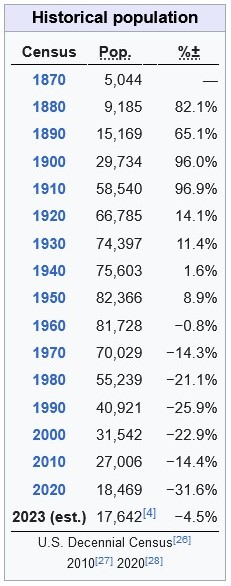
As an industrial suburb across the Mississippi River from St. Louis, the community grew from a very small community to over 82,000 residents in 1950. Then came population decreases, leading to a population of under 18,000 today.
In the United States, population growth is good. It signals success and status. East St. Louis had this for the first eighty years or so of its history. But population loss is then bad. It hints that there are problems, that the community is losing status. A number of American cities and communities have experienced this since the middle of the twentieth century, often in the Northeast and Midwest and connected to the loss of manufacturing jobs. Think Detroit or Cleveland or Baltimore.
For a suburb to lose this many people also cuts across a narrative of suburban success. The endlessly growing suburbs does not apply to all communities. In inner-ring suburbs, communities with growing numbers of Black residents, and suburbs facing other concerns, the population could drop over time. Suburbs elsewhere might be growing but not in all suburbs.
How many suburbs have similar stories to East St. Louis and how do these narratives get told alongside the typical stories of suburban growth?
If climate change prompts people to move, could the Rust Belt provide good places to live?
Photo by Miguel u00c1. Padriu00f1u00e1n on Pexels.com
Gibbons, who now works at the climate consulting firm Farallon Strategies, sees Michigan’s future in the Californians unsettled by wildfire. Those people are going to move somewhere. And so they should be persuaded to come to Michigan, she says, before they move to places like Phoenix or Austin. The Great Lakes region should market itself as a climate refuge, she thinks, and then build an economy that makes use of its attributes: the value of its water, its land, its relative survivability. In her vision, small northern cities, invigorated by growing populations, somehow manage to blossom into bigger, greener, cleaner ones.
“There’s no future in which many, many people don’t head here,” Gibbons told me. The only question is whether “we don’t just end up being surprised by it.” And so Gibbons wants to see the Great Lakes states recruit people from around the country, as they did during the Great Migration. Back then, recruiters spread across the South to convince Black people there that opportunity awaited them in the factories of the North: That’s what helped make Ypsilanti.
Internal migration has shaped the United States before, such as in the Great Migration cited here and the move of many West in different waves. But, has decades of decline in an entire region been reversed by internal migration?
Later in the article we read that some residents would not be thrilled with the idea of lots of outsiders moving in. I wonder how this might play out. Take a city like Detroit. Once one of the most populous American cities, the city lost hundreds of thousands of residents. The city’s status has dropped precipitously. Lots of people moving in could change things but don’t Americans tend to see population growth as a sign of health and vitality?
One last thought: would Rust Belt communities be willing to offer climate-related incentives to further entice people to move? A number of American communities already offer incentives. Imagine a “green moving package” that provides some assistance in finding affordable housing and work with limited climate impact.
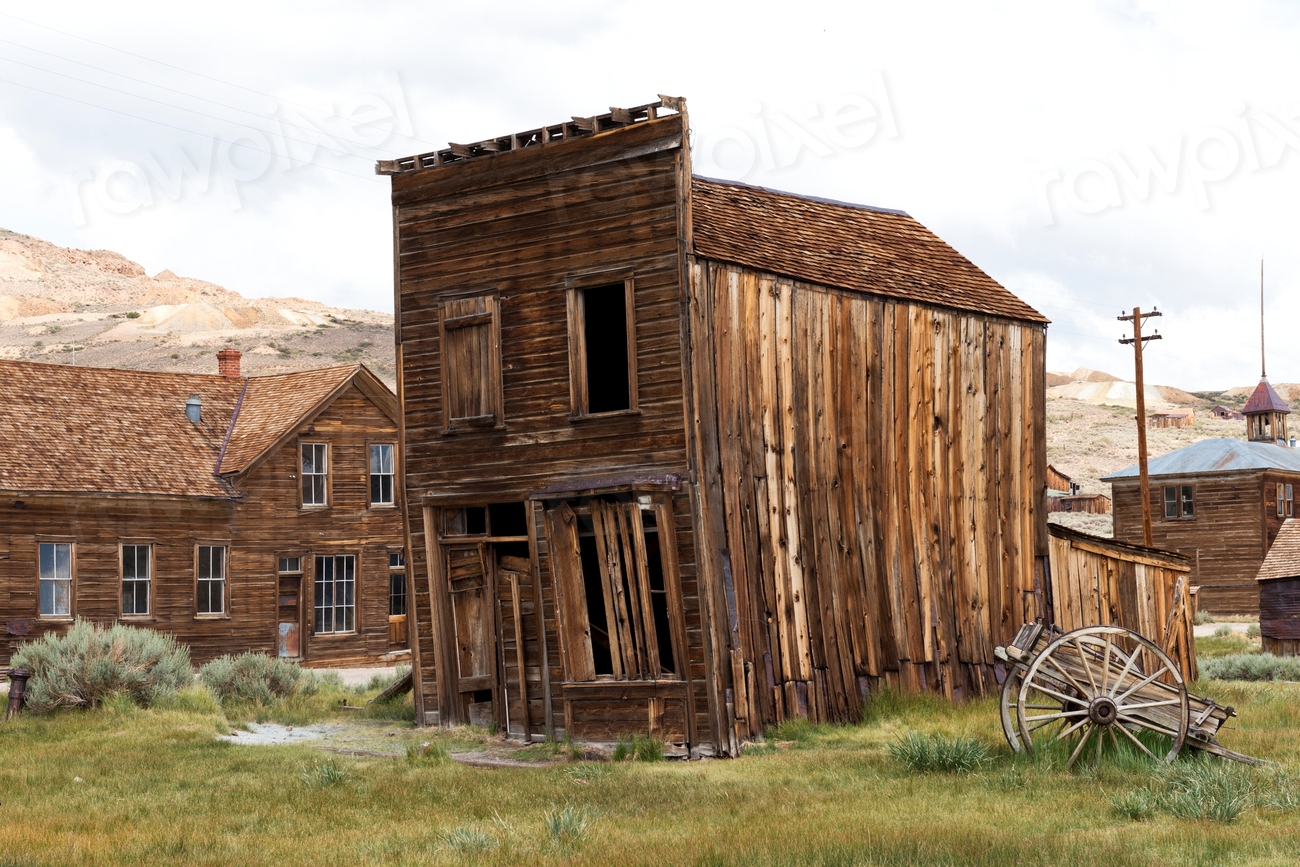
Many cities across the United States could become ghost towns by 2100, according to new research published Thursday.
“Close to half of the nearly 30,000 cities in the United States will face some sort of population decline,” researchers from the University of Chicago in Illinois wrote in a journal article published in Nature Cities.
Major cities in the Northeast and Midwest are already slowly losing population. While cities in the South and West regions are experiencing a population increase, some major cities in Alabama, Georgia and Tennessee are slowly depopulating, the researchers found.
Cleveland, Buffalo, and Pittsburgh could see depopulation of 12 to 23 percent by 2100 while cities like Louisville, New Haven and Syracuse — not currently showing declines – likely could soon.
But, even more interesting is the use of the term “ghost town” in the headline and opening paragraph. Losing 20% of residents over the next 80 years is undesirable but this is different from making these communities a ghost town. These are typically empty communities. Perhaps they are communities wiped off the map.
Take Cleveland since it is cited above. If it loses 20% of its population by 2100, it would lose 75,000 residents. Even after these loses, roughly 290,000 residents would still live there. Is this a ghost town or a significantly changed city? Cleveland will continue to be a major regional center and the region has over 2 million people.
I wonder if being less sensational about population loss figures and exhibiting willingness to be adaptable to changing conditions could go a long way toward adjusting to these realities. Some cities will lose people and some will grow. Both kinds of changes mean communities change.
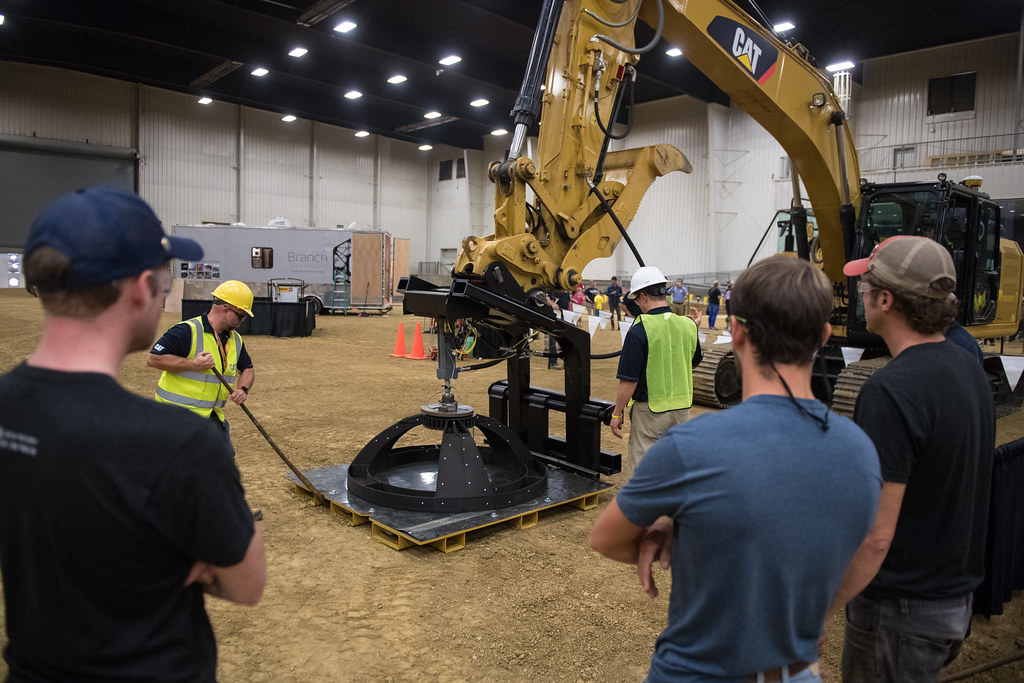
My guess at how Peoria or a similar city could truly boom is that a major, well-known company moves its operations to the city. While the opposite might seem to be happening in cities like Peoria – such as Caterpillar moving out – imagine a Silicon Valley company making Peoria home. Such a move could be good for its employees and help improve the fortunes of a different area.
Buffalo, New York is projected to be the hottest housing market of 2024, according to an analysis from real estate company Zillow.
Zillow called affordability the “most powerful force driving real estate,” bringing lower-cost markets in the Great Lakes, Midwest and South regions to the top of the company’s 2024 rankings.
“Housing markets are healthiest where affordable home prices and strong employment are giving young hopefuls a real shot at buying and starting to build equity,” said Anushna Prakash, data scientist for Zillow Economic Research…
According to Zillow’s analysis, Buffalo has the highest number of new jobs per home permitted – a measure of expected demand, as new jobs often mean new residents.
The key seems to be the expected job growth in Buffalo. Yes, there is cheaper housing in the region but a growth in jobs means more people which means more demand for housing. How many people would choose a job in Buffalo because of the cheaper housing instead of going elsewhere where housing would be more expensive?
On the list of the predicted top ten housing markets are 6 regions in the Midwest or Northeast – the Rust Belt. This includes Buffalo, Cincinnati, Columbus, Indianapolis, Providence, and Cleveland. If this prediction comes true, would this help create more momentum in these places for a brighter future?
For example, Buffalo’s population peaked in 1950 with over 580,000 residents. In the 2020 Census, Buffalo had over 278,000 residents. The metropolitan region peaked in population in 1970. Similarly, Cincinnati (#2 on the predicted list) peaked in population in 1950 and has lost nearly 200,000 residents since (even as the metro area has grown slowly since then).
While this fits one narrative of Chicago, the region, and Illinois losing residents and companies to places with growing populations and more conservative business climates, this is not the only move Caterpillar has made in recent years. The company started in 1910 in Peoria and stayed there for a long time before relocating to Deerfield in 2017. Here is how the Chicago Tribune described that move:
Caterpillar will take over the former headquarters of premium spirits maker Beam Suntory, which announced plans last year to move its 450 employees and global headquarters to Chicago’s Merchandise Mart, joining corporations including McDonald’s, Motorola Solutions, Kraft Heinz, Wilson Sporting Goods and Conagra Brands that have recently moved or made plans to relocate downtown. Beam Suntory’s move will be completed by the end of June.”
“Following a thorough site selection process, we chose this location because it is approximately a 20-minute drive to O’Hare airport and convenient to the city of Chicago via commuter train, achieving our goal to be more accessible to our global customers, dealers and employees,” Caterpillar CEO Jim Umpleby said in a news release Wednesday. “This site gives our employees many options to live in either an urban or suburban environment. We know we have to compete for the best talent to grow our company, and this location will appeal to our diverse, global team, today and in the future.”…
In 2011, Caterpillar’s then-CEO Doug Oberhelman talked of moving jobs out of Illinois because of the state’s tax and spending policies. But in 2015, the company said it would stay in Peoria and build a new corporate headquarters, reassuring employees worried about a move. That changed again in January, when the company said it was abandoning plans for the new downstate headquarters.
So is this a story about Chicagoland and Illinois losing important companies or a broader example of companies responding to global markets and leaving behind long roots? Caterpillar is a company started and based in a smaller Rust Belt city for decades and now will move to two of the biggest metropolitan areas in less than a decade. How long will it be in Irving, Texas before again seeking greener pastures and business advantages?
Home prices and incomes vary widely, and there are oases of affordability, mainly in the Rust Belt and Midwest. The top five most affordable places among metro areas with population of 500,000 or more:
Lansing, Michigan: As a result of modest home prices, 90.6 percent of all new and existing homes sold in the fall months were affordable to families earning the area’s median income of $79,100. The median home price was $155,000 in the fourth quarter of 2021, the builders’ index says.
Scranton-Wilkes Barre-Hazleton, Pennsylvania: Wages here are below national levels, but so are home prices — the median sale price was $150,000 in the fourth quarter. As a result of rock-bottom prices, 88.5 percent of all new and existing homes sold in October, November and December of 2021 were affordable to families earning the area’s median income of $70,600.
Pittsburgh: This metro area has a median family income of $84,800 and a median home price of just $166,000. As a result, 88.4 percent of homes were affordable for typical earners.
Indianapolis. This metro area has a median family income of $81,600 and a median home price of $215,000. As a result, 87.6 percent of homes were affordable for typical earners.
Akron, Ohio: With a median family income of $83,300 and a median home price of $165,000, fully 86.5 percent of homes were in reach of median-income families in the state capital.
Two features quickly stand out: the homes in these regions really are cheap (particularly when compared to local earnings) and they are all in the Midwest/Rust Belt.
Still, I have seen some version of this list many times now and I am not sure what to make of them. Why aren’t people moving to these locations?
The most obvious answers to me: it is not necessarily easy to move and these cities are perceived to have a lack of opportunities (economic, cultural, housing, etc.). American geographic mobility as a whole is down but do people actually move just for cheaper housing? What this list does is highlights that median income families can access median level housing in these five places. Get a decent job and owning a house is possible.
There are other possible answers that get more complicated:
People just do not think of the Midwest/Rust Belt when thinking of places to live. Lack of opportunities, the weather, the middle of the country, a Midwestern blah-ness, etc.
It is not just about a lack of opportunity; these are places seen as on the decline. Even if they are cheaper, who wants to live in a place that has already seen its best days when “growth is good” is a key marker of communities?
In sum: some American metropolitan areas are much cheaper than others, they have common characteristics, and there are a number of compelling reasons why people do not move to the places with cheaper housing.
Small U.S. cities dominated The Wall Street Journal/Realtor.com Emerging Housing Markets Index in the third quarter, as high housing costs and remote-work opportunities drive many home buyers to seek out more living and outdoor space…
Elkhart, Ind., which bills itself as the RV capital of the world because its region is the country’s leading manufacturer of recreational vehicles, topped the housing index this quarter, followed by Rapid City, S.D., Topeka, Kan., Raleigh, N.C., and Jefferson City, Mo…
The recreational-vehicle industry is a major player in Elkhart’s economy. The Covid-19 pandemic spurred more RV demand, as households wanted to travel while keeping their distance from others. Wholesale RV shipments in the first eight months of 2021 rose 53.8% from the same period in 2020, according to the RV Industry Association…
The median home-sale price in Elkhart County rose 12.3% in August from a year earlier to $209,900, according to the Indiana Association of Realtors. There were 163 homes for sale that month, down from 220 a year earlier.
I am glad that Elkhart appears to be doing well at the moment. Having lived nearby for five years, the area has a lot to offer and economic development would be welcomed.
At the same time, it was not so long ago that Elkhart faced a difficult time. When the economy is not doing so well, such as in the late 2000s with a burst housing bubble, fewer people had money for RVs. Demand shrunk. Jobs disappeared. Before that, this area and South Bend were home to numerous manufacturers who went out of business or left. The homes have been cheaper here for a long time because few people want to move in.
It is good that this community in the Rust Belt at least has the opportunity to at times benefit from upticks in RV sales. Such industries and jobs could leave completely. But, having so many fates tied to one industry that can go up and down is trying in the long run. Numerous communities in the United States have looked to diversify their economic base – see the recent rush to add tech companies to their portfolios – even as they might have local economies based around a few companies or a few sectors. RVs may sell well one day and then conditions change and demand drops or new technology moves in. May Elkhart take some of this positive momentum and add to lineup of industries and services.
The study showed the Chicago region as a whole was estimated to have lost 4,279 people between 2010 and 2019, a 0.05% decrease. The region, with a population of nearly 8.5 million, includes Cook and the five collar counties plus Kendall County.
Over the same time period, DuPage County grew by 2,575 people, or 0.28%. Will County grew by 7,207, or 1.06%, and Kane County grew by 9,502 people, or 1.82%.
Kendall County saw the highest rate of increase of any Illinois county, growing by 6.65%, or 7,860 people…
Growth in Kane, DuPage, Kendall and Will is likely tied to people already in the region moving farther into the suburbs, he said, and to better job growth in the Chicago area than elsewhere in the state.
If one was just reading headlines, this sounds like a big contrast: Chicago is losing residents and suburban counties are gaining them.
Even though this is not a story of massive population loss in recent years in the Chicago region, stagnant populations are usually not regarded as positive. For American communities, growth is good. And populations are not stagnant or declining everywhere; people in Illinois and other locations with population issues can see that other parts of the country are booming. In particular, Sunbelt metropolitan areas are growing at rapid rates.
This is not a new position for the Chicago region. For decades, the city and suburbs have considered the effects of a decline in Chicago’s population (and a rebound for a while) and a growing metropolitan region. Yet, other places are growing faster. Chicagoland is not in the same category as some other Rust Belt metropolitan areas but it is not exactly the attractive location that some other places are.








 Legally Sociable