
Add another redevelopment option for suburban communities: large parcels of land, like former college campuses – Trinity International in Bannockburn, Illinois in this example, can become youth sports sites:

Now he has pivoted from that proposal to a larger one on the Trinity campus, which already includes about 60 acres of sports fields and facilities. Donato said he will run indoor youth sports leagues immediately at an existing Trinity athletic center, but will ultimately raze the building and replace it with an indoor sports complex as large as 400,000 square feet. That building would combine with adjacent outdoor athletic fields to create what he envisions as a destination for area youth sports leagues and camps.
The project — which is subject to approval from the Village of Bannockburn — stands to breathe new life into a large suburban property that has been underutilized since Trinity closed in-person undergraduate programs there in 2023. The religious school announced in April that it would vacate the property entirely after the 2025-26 school year, adding it to the list of sprawling suburban properties in need of revitalization following the COVID-19 pandemic.
Donato said his planned indoor complex would include a professional-size soccer field, a gym with eight basketball courts and a portion of the building with “kids-oriented” activities such as bowling, miniature golf, an arcade, a restaurant and other attractions that could host as many as 5,000 kids on a given weekend. A portion of the existing grass field area would be converted into artificial turf fields.
As the college was shutting down there was one other redevelopment option that fell through:
Trinity had been working on a deal in 2024 to sell its campus to Dallas-based developer Hillwood, which publicly shared plans at the time to turn the site into a biotechnology and pharmaceutical research and technology park. A unit of Takeda Pharmaceuticals operates out of a building next to the campus along Lakeside Drive.
The option in the last paragraph is one that many suburbs would like: research and technology jobs in suburban offices. These are good jobs with high status companies.
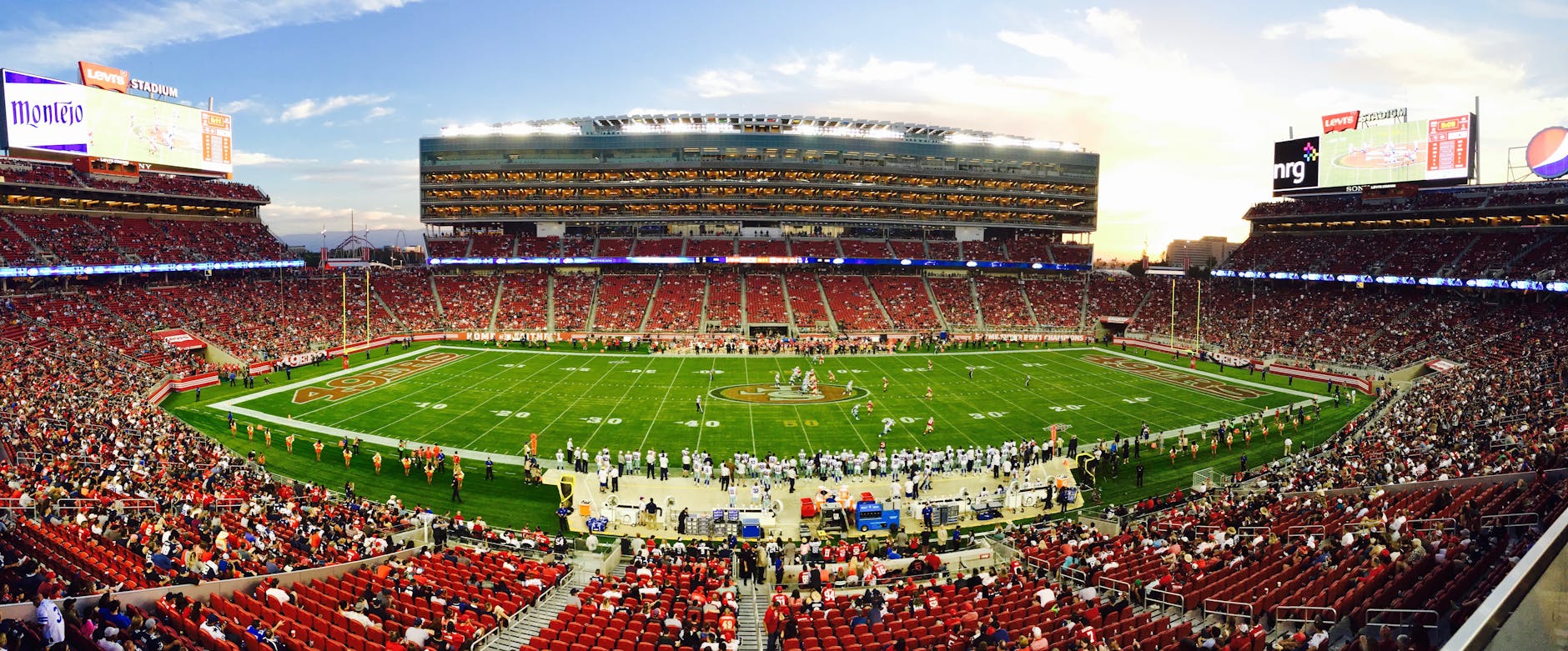
Youth sports facilities are something else. They are part of a growing industry. (College and universities may be going the other way.) Suburban families and kids can have a lot of interest in sports. Such a facility can provide options for year-round activity.
And perhaps key to this: the youth sports facilities can generate revenue. Tax monies. Companies will be interested. Training kids in sports and providing sports entertainment can involve a lot of money.
A change in property status could bring out objections from neighbors. People get used to being near a college, now that property could become something else. But suburbanites like the idea that their kids are going to get ahead, suburban communities do not like vacant properties, and Americans like sports. And there is money to be made…







 Legally Sociable