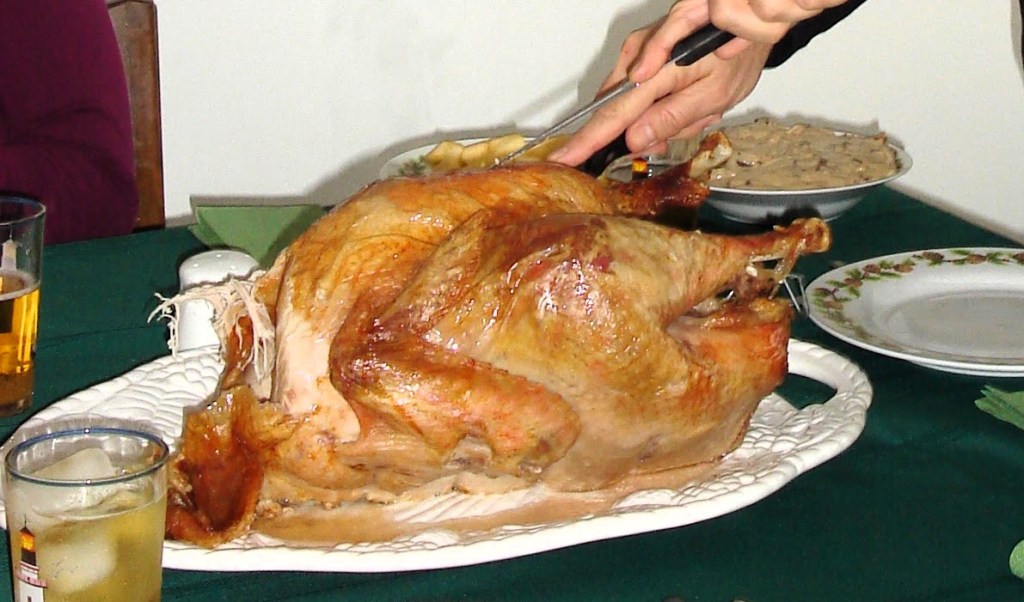
When many people in the United States prepare a turkey today, do they get the turkey ready to cook alone or with other people? How about when carving the turkey?
How many people gather around the turkey preparing it to go into the oven or onto the grill or into a fryer? Or is this more commonly a solo activity?
It might be different for the carving. Does this take place at the table or off in the kitchen? Does just one person get to wield the tools to carve the turkey?
Gathering for the meal is more communal. Thanksgiving is pitched as a family holiday. Does that familial interaction extend to the food preparation? Is it different for the turkey compared to other food items on the Thanksgiving table?
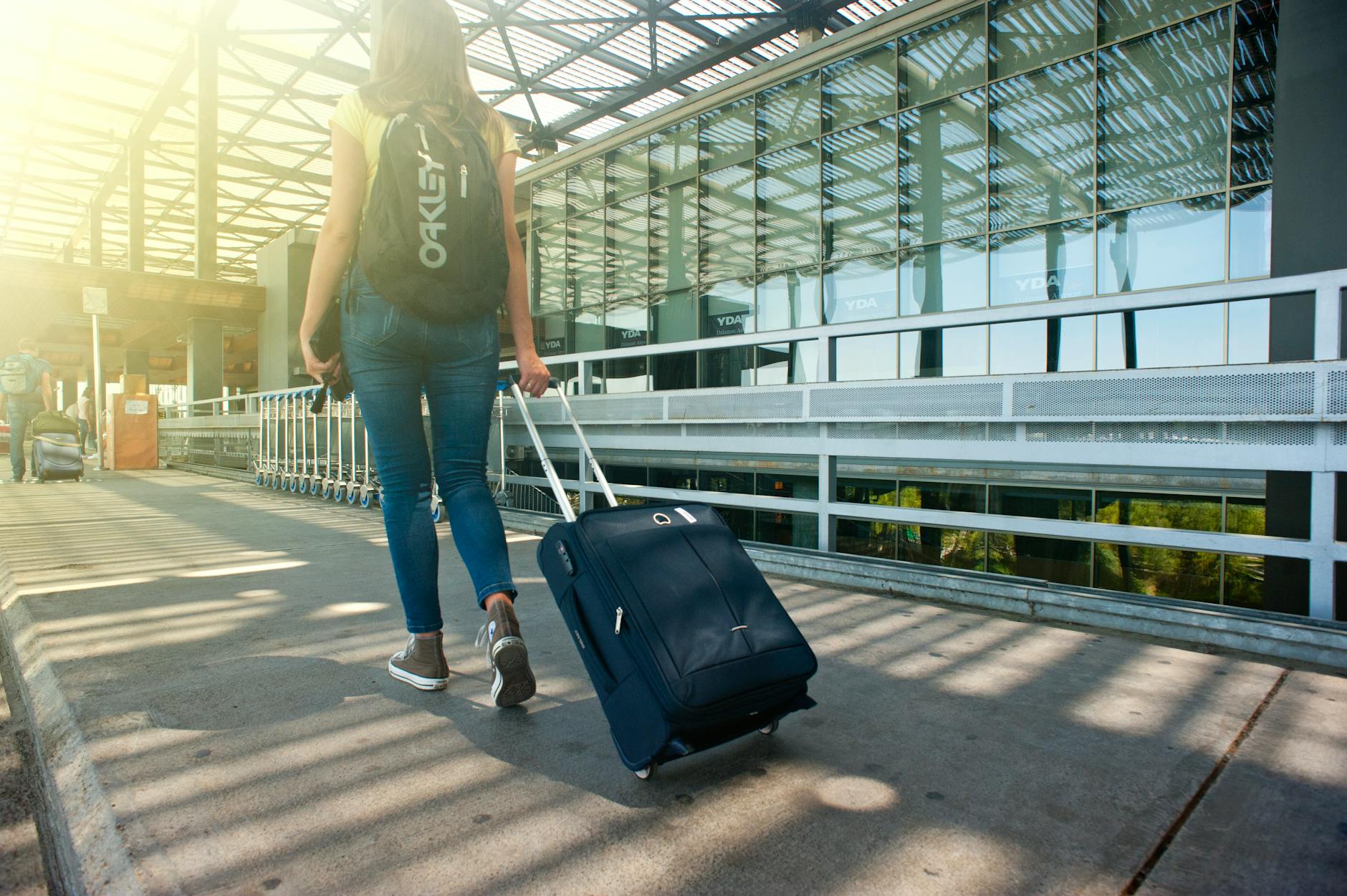
At Thanksgiving each year come the stories about how many millions of Americans are going to travel for the holiday. But is this partly because there are more people in the country? From the story first:
Just as sure as the turkey will taste dry, airports and highways are expected to be jam-packed during Thanksgiving week, a holiday period likely to end in another record day for air travel in the United States…
Auto club and insurance company AAA predicts that nearly 80 million Americans will venture at least 50 miles from home between Tuesday and next Monday. Most of them will travel by car…
The Transportation Security Administration expects to screen 18.3 million people at U.S. airports during the same seven-day stretch. That would be 6% more than during the corresponding days last year but fit a pattern set throughout 2024.
The TSA predicts that 3 million people will pass through airport security checkpoints on Sunday; more than that could break the record of 3.01 million set on the Sunday after the July Fourth holiday. Tuesday and Wednesday are expected to be the next-busiest air travel days of Thanksgiving week.
What could be other possible reasons for increased travel? Some options:
Cheaper prices to travel and/or more money travelers are putting toward it. Are flights cheaper this year than in the past?
The timing of Thanksgiving. The article hints that it might be different this year because Thanksgiving is so late. Does this happen every time Thanksgiving is later?
An increased emphasis on or interest in visiting family.
If the media is going to report that more people are traveling, how do we know it is not just because there are more people? The US Census Bureau population clock says there are more than 337 million people in the United States now and there were more than 331 million in 2020.
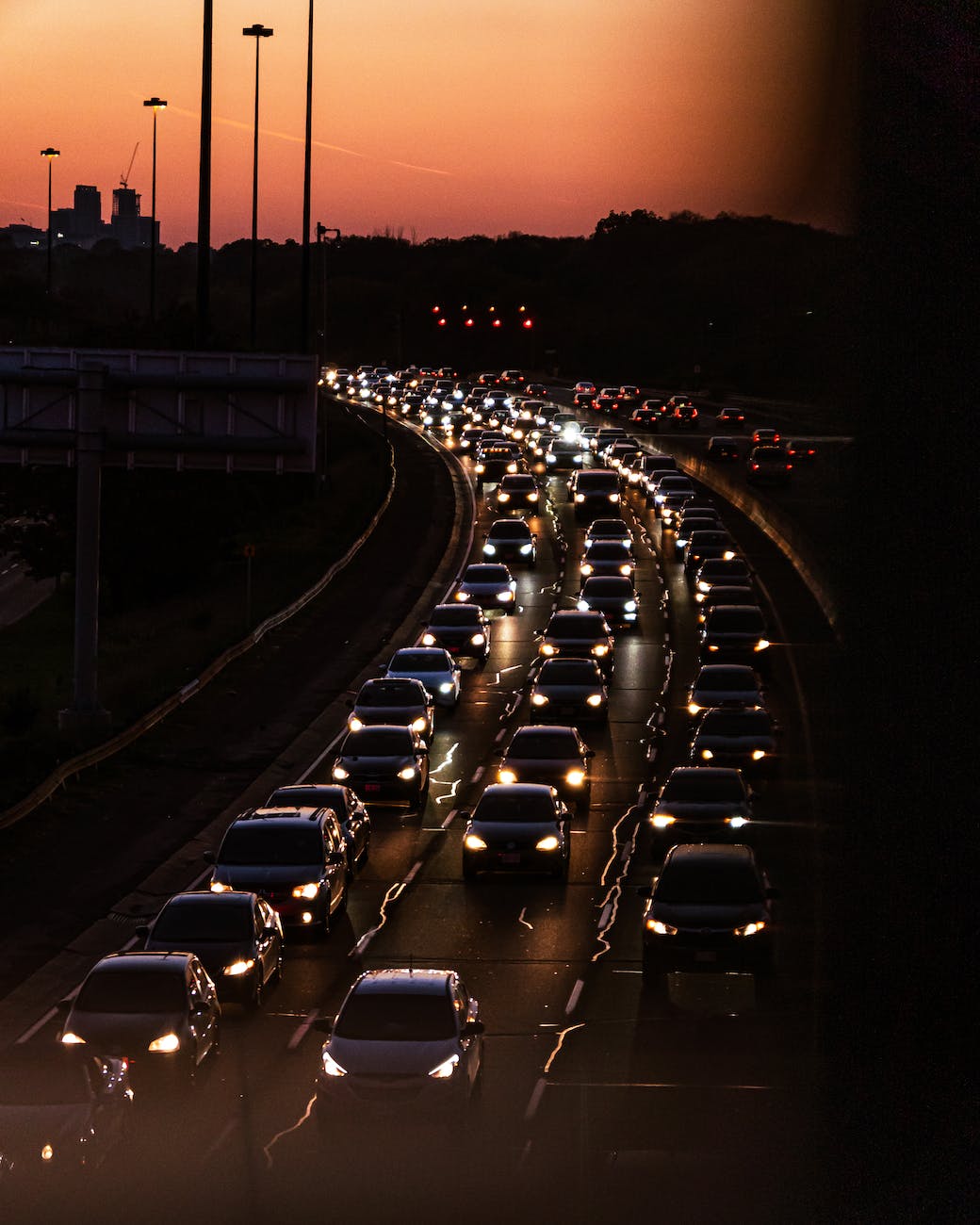
Along with Chicago, highways in Atlanta, New York City and Los Angeles will be the busiest, according to data analytics firm INRIX. To avoid the worst congestion, INRIX recommends traveling early Wednesday, or before 11 a.m. Thanksgiving Day…
The report predicts almost double the typical traffic along a westbound stretch of Interstate 290 from Chicago’s Near West Side to suburban Hillside, peaking between 3 and 5 p.m. Wednesday. Significant additional congestion is expected Wednesday along the same stretch of eastbound I-290, with an anticipated 84% spike in traffic…
The outlook isn’t much brighter for travelers flying out of the city. Chicago-based United Airlines expects O’Hare to be its busiest airport, with more than 650,000 customers anticipated for the holiday. It reports Sunday, Nov. 27, will be its busiest travel day since before the pandemic, with 460,000 travelers taking to the skies. Nationwide, the airline awaits more than 5.5 million travelers during the Thanksgiving travel period, up 12% from last year and nearly twice as many as in a typical November week…
“Regardless of the transportation you have chosen, expect crowds during your trip and at your destination,” Twidale said. Travelers with flexible schedules should consider off-peak travel times to avoid the biggest rush.
The last paragraph quoted above might be key: given the predicted congestion, will people choose different times and days to travel? And, if enough people do this, will the model be wrong?
Transportation systems can only handle so many travelers. Highways attempt to accommodate rush hour peaks. Airports try to handle the busier days. Yet, the systems can become overwhelmed in unusual circumstances. Accidents. Pandemics. Holiday weekends where lots of people want to go certain places.
If enough people hear of this predicted model, will they change their plans? They may or may not be able to, given work hours, school hours, family plans, pricing, and more. These are the busiest times because they are convenient for a lot of people. If all or most workplaces and schools closed for the whole week, then road and air traffic might be distributed differently.
I would be interested in hearing how many people need to change their behavior to change these models. If more people decide they will leave earlier or later Wednesday, does that mean the bad traffic is spread out all day Wednesday or the predicted doomsday traffic does not happen? How many fliers need to change their flights to Saturday or Monday to make a difference?
If people do change their behavior, perhaps this report is really more of a public service announcement.
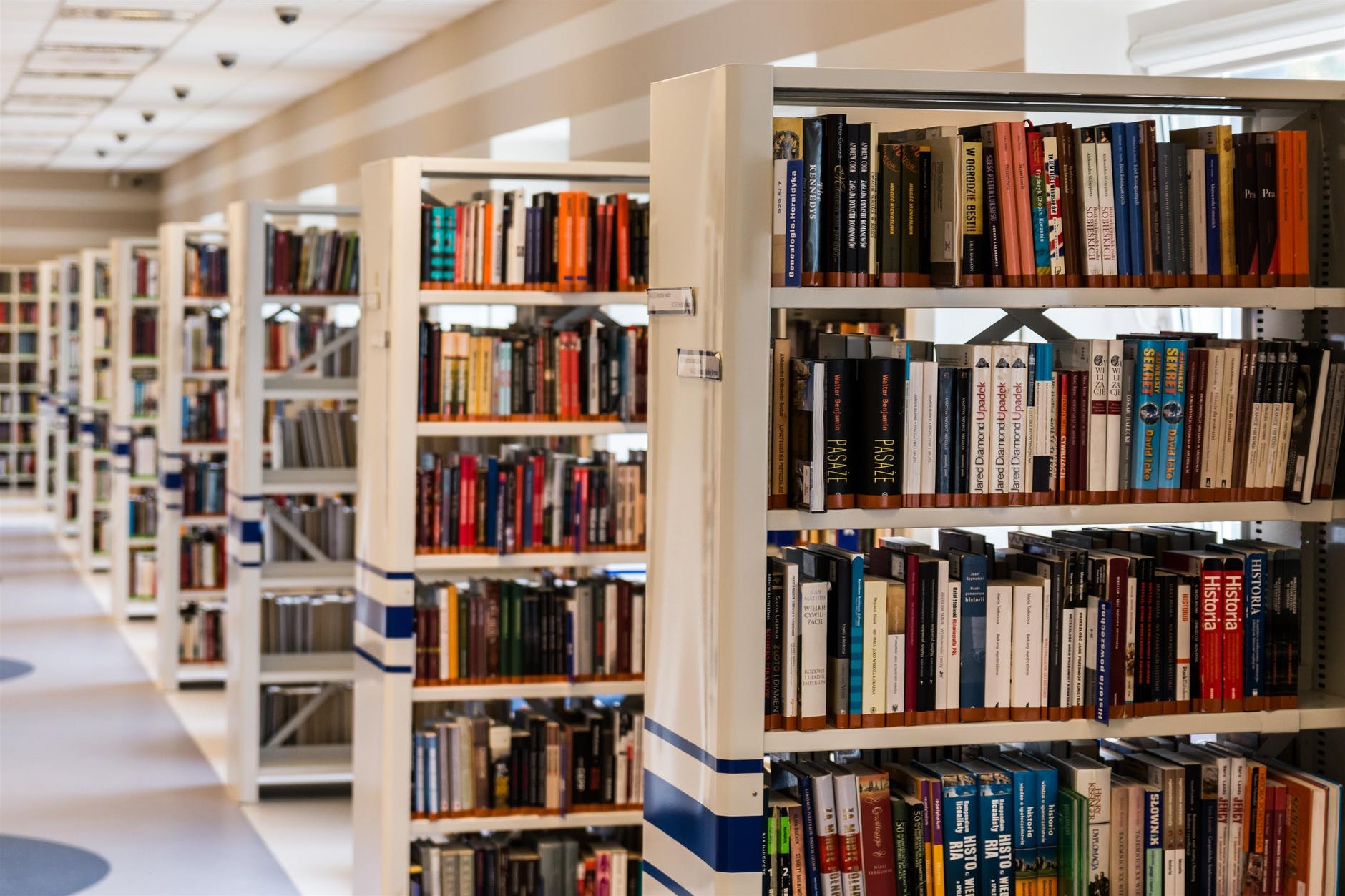
This Thanksgiving, I am thankful for libraries. Throughout my life, public libraries and school libraries have provided endless hours of reading, learning, entertainment, and programs. While sociologist Eric Klinenberg celebrates libraries as important public spaces, I am grateful for their physical presence as well as the knowledge they contain and provide for users in a variety of formats. Here are some ways libraries have mattered in my life:
-As a kid, my family would go to the public library in our community once a week. The first public library was a home that had been converted into a library. It had did not have much open space but there were plenty of books to pique my interests. I recall leaving with large stacks of books to read. The second and current public library was a completely new space with more openness that enabled larger collections, providing plenty of material for me to find.
-I have experience with two academic libraries and have benefited greatly from my interactions with both. One of the underestimated perks of involvement with colleges and universities is the ability to access so much material, both on-site and from other libraries. I have used these borrowing privileges a lot, enabling research and learning from thousands of materials that would have been difficult or impossible to obtain otherwise. While I have not used library space for studying as much as some, it is always helpful to have a place to go where learning is encouraged.
-Now with my own kids, the library provides learning, opportunities, and materials to enjoy at home. The fun it is to browse through books, new areas of knowledge, and activities all in one building. I hope they enjoy both the library as a space different than other spaces and a place to enjoy learning.
In sum, I think libraries are worth every penny of my individual tax dollars as well as deserve the support of the full community. Even in a world of smartphones and computers that can provide you access to information and material in no time, having a physical space dedicated to learning and books remains very important.
(One note: none of my school libraries pre-college stand out to me. This could be partly due to my reading choices when younger which veered more toward non-fiction. Or, perhaps because of my time in them was part of organized activity as opposed to operating on my own.)
Yet, I would guess that many of the features of modern life that people enjoy are the result of these complex systems. Streaming Netflix to a screen. The availability of modern health care. Being able to get fast food. Modern transportation systems. Widespread social change. All of these require the working together of numerous systems, organizations, and people. All might have been hard to imagine even just a century ago.
Additionally, this complexity is a boon for social scientists and researchers trying to get a handle on it all. The discipline of sociology arose in the nineteenth century as numerous changes – urbanization, industrialization, migration, modern nation-states, ways of thinking based on rationality and science, and more – came together. The modern university also developed relatively recently. The complexity of society plus the speed of social change begs for analysis, looking at patterns, trying to understand what we have helped create.
For now, we can give thanks for what complex society does bring – and work to address its many ills.
If people gather for Thanksgiving, experts are advising they meet and eat outside. Here is one example:
How much safer is an outdoor meal than an indoor meal?
Much, much safer. Almost all transmission of this virus happens indoors.
Even if people are close together?
Eating outdoors doesn’t mean you’re invincible. Still try to stay six feet apart. If you huddle together around a cramped table and have close, face-to-face conversations with the people next to you, you could absolutely infect them.
This is time for the patio or lawn, found in millions of single-family homes and in many suburbs, to shine. The lawn does not just have to be a status symbol; it can confer health benefits by allowing people to spread out.
This is not the first time that the suburban lawn was said to boost health. In the gathering urbanization of the nineteenth century, suburban lawns provided space away from polluted and noisy cities. Listening to the radio the other day, I again heard mentioned how River Forest, Illinois was intentionally built with features meant to highlight nature.
Before COVID-19, the suburban lawn was also said to aid good health. It helps people get outside to work and move around (canceled out by the use of gas-powered equipment?). It encourages kids to play in a safe space. Depending on the season and/or weather, the patio and yard can act as an outdoor extension of private living space.
Now, the lawn and patio can be a private spot away from COVID-19. Outsiders are not welcome. The fresh air, breeze, and distance can limit transmission. Nature, or “nature” in many suburban settings, can serve as an oasis. All that lawn and patio maintenance can be put to use. And, hopefully, people can stay COVID free.
I recently watched Kate Wagner, of McMansionHell.com fame, deliver a TED Talk titled “I hate McMansions – and you should too.”
Yet, with Thanksgiving here, I thought about all the Americans who live in such homes. How many of them are giving thanks today for their McMansion?
On one hand, the McMansion is viewed as a monstrosity, a destroyer of neighborhoods and land, a caricature of quality architecture, and perhaps the ultimate symbol of American turn-of-the-21st-century greed and consumerism. On the other hand, the McMansion is a shelter and genuine home for millions of Americans. This is a tension that is not easy to resolve. There are numerous critics of McMansions and a variety of reasons to dislike the homes (and prefer other kinds of dwellings). And numerous Americans might enjoy their McMansion (and perhaps for the same reasons critics dislike them).
Perhaps we can be thankful for the free discussion about McMansions and having the resources that would make a McMansion purchase possible (even if we personally would not make such a choice). On a related note, with all of the advice this year about how to avoid turning Thanksgiving dinner into a political battle, I would recommend that everyone celebrating Thanksgiving in a home that could be considered a McMansion would be better off not commenting on the faults they see in such a home while they are there. Of course, if while they find themselves later in the day traveling somewhere in a SUV to acquire Black Friday items, making a connection between McMansions, shopping, and American acquisitiveness might be apropos…
Over a week ago, predictions by AAA about record Thanksgiving driving traffic started circulating. However, the reports did not add much useful information. Here is how the Chicago Tribune summarized it:
In fact, Chicago is expected to log one of the worst traffic jams of any big city during the Thanksgiving holiday season on Tuesday afternoon, according to an analysis by AAA and global transportation analytics company INRIX. Motorists should beware that the worst time will be between 5 p.m. and 6 p.m. Tuesday, when holiday travelers are expected to join post-work commuters on Chicago-area interstates. Already long travel times could quadruple, according to AAA…
In Chicago, area interstates may not only see one of the worst traffic jams over the holidays, the city also may come in second place for longest commute times to a major airport, analysts predict. The absolute worst time to take the Kennedy Expressway between downtown and O’Hare International Airport is 4:30 p.m. to 5:30 p.m Tuesday, when it could take an hour and 14 minutes, the analysis shows. Only a trip to New York’s Kennedy International Airport — the same day and around the same time of day — is longer at nearly two hours.
And from aaa.com:
Based on historical and recent travel trends for the holiday week, INRIX, in collaboration with AAA, predicts drivers will experience the greatest amount of congestion during the early evening – as early as Tuesday of Thanksgiving week – as commuters mix with holiday travelers. At its peak, drivers on Chicago’s interstates, for example, could see a delay of nearly 300 percent over the optimal trip.
“Thanksgiving has historically been one of the busiest holidays for road trips, and this year we could see record-level travel delays,” says Bob Pishue, transportation analyst at INRIX. “Knowing when and where congestion will build can help drivers avoid the stress of sitting in traffic.”
Two quick thoughts regarding this data. First, traveling during rush hour is a bad idea in any major American city. There are simply too many vehicles on the highways at these times and the traffic flows everywhere these days, not just into the city in the morning and out in the evening. Whether planning relatively short or long drives, it is necessary to plan to avoid rush hour.
Second, saying that the delay in Chicago could be “nearly 300 percent over the optimal trip” or the trip from downtown to O’Hare will take slightly over an hour is really not that abnormal. Perhaps the key is the comparison to the “optimal trip” which in metropolitan areas tends to be somewhere between 8 PM and 6 AM when truck and car travel is limited. I have this optimal trip in mind all the time when I make a drive to the local airports: without traffic, the trip takes this amount of time but adjustments need to be made for any daytime or early evening hours. In the Chicago area, all it takes is a little rain or snow or an accident and the Thanksgiving travel times predicted here are fairly normal occurrences.
All that said, this is good PR for AAA. Americans may like driving but they do not like traffic.
AAA’s projections are based on economic forecasting and research by IHS Markit. The London-based business information provider teamed with AAA in 2009 to jointly analyze travel trends during major holidays. AAA has been reporting on holiday travel trends for more than two decades. The complete AAA/IHS 2016 Thanksgiving holiday travel forecast can be found here.
When numbers like this are used in public and reported on by the media, I would guess many Americans expect these figures to be based on surveys. So what is this projection based on? Surveys (probably via phone calls)? Historical models (based on factors like gas prices and broader economic indicators)? Certain retail and tourism figures like hotel and airfare bookings?
What makes this more complicated is that AAA is an organization that could benefit from increased travel, particularly driving. And as they note on the press release, their organization can provide benefits to travelers:
AAA will rescue thousands of motorists this Thanksgiving AAA expects to rescue more than 370,000 motorists this Thanksgiving, with the primary reasons being dead batteries, flat tires and lockouts. AAA recommends that motorists check the condition of their battery and tires and pack emergency kits in their vehicles before heading out on a holiday getaway. Drivers should have their vehicles inspected by a trusted repair shop, such as one of the nearly 7,000 AAA Approved Auto Repair facilities across North America. Members can download the AAA Mobile app, visit AAA.com or call 1-800-AAA-HELP to request roadside assistance.
This does not necessarily mean that the data is inaccurate. At the same time, it would help to make the methodology of their projections available.
Another thought: are Americans helped or hindered by these broad projections of holiday travel? If you are traveling, does news like this change your plans (i.e., leave earlier)? If AAA projects more drivers, do traffic delays increase (such as on the 405 in Los Angeles)? If the BBC links the incidents, perhaps people take these figures seriously…
But Black Friday is also, as pseudo-holidays go, more class-conscious than most. It is thus more divisive than most. If you can’t normally afford a flat-screen/iPad/Vitamix/Elsa doll/telephone, Black Friday discounts could offer you the opportunity to purchase those items. If you can normally afford those things, though, you may well decide that the trip to the mall, with its “throngs” and its “masses” and its sweaty inconvenience, isn’t worth the trouble.
Which is another way of saying what a headline last week, from the Los Angeles Times, summed up well: “Black Friday highlights the contrast between rich and poor.” As a spectacle, it may be celebrated by all, but it is participated in, increasingly, by a few. Black Friday stands, both temporally and culturally, in stark contrast to Thanksgiving, which is not a Hallmark holiday so much as a Williams-Sonoma one, and which involves, at its extremes, people who can afford heritage turkeys/disposable centerpieces/vessels designed solely to pour gravy congratulating themselves on how wonderfully non-commercial the whole thing is. With stomachs full of bird and broccolini and bourbon-ginger-apple pie, they settle in to watch the news stories that come out of Black Friday—the stampedes, the stabbings—and gawk in amusement and amazement. “All that for a flat screen,” they say, drinking their wine and clucking their tongues.
Perhaps this helps explain something I saw in a number of news stories about shoppers going out to line up for Thanksgiving evening store openings. A number of those interviewed suggested they didn’t like the idea of having to leave home to shop (some foregoing their family meals) or having retail workers put in holiday hours. Yet, they felt compelled to shop because the deals were too good to pass up.
This all sounds like Bourdieu’s lifestyle differences through class distinctions. How do you celebrate Thanksgiving? It should be little surprise that food and entertainment choices that day are guided by class-influenced tastes. When do you shop and how do you do it? It is all likely (from brands to time you have to spend on it) influenced by class.
I remember one professor of mine suggesting to the class that they needed to go to Walmart to find real (implied: average) Americans. At least one student seemed aghast. Perhaps the peak of that would be to go to Walmart on Thanksgiving and Black Friday…



 Legally Sociable