
I have read a number of local and metropolitan histories recently and some of these books include driving or walking tours. The tours guide readers through several hours of driving across suburban communities to see key sites and scenery or along walking paths through a community or neighborhood.
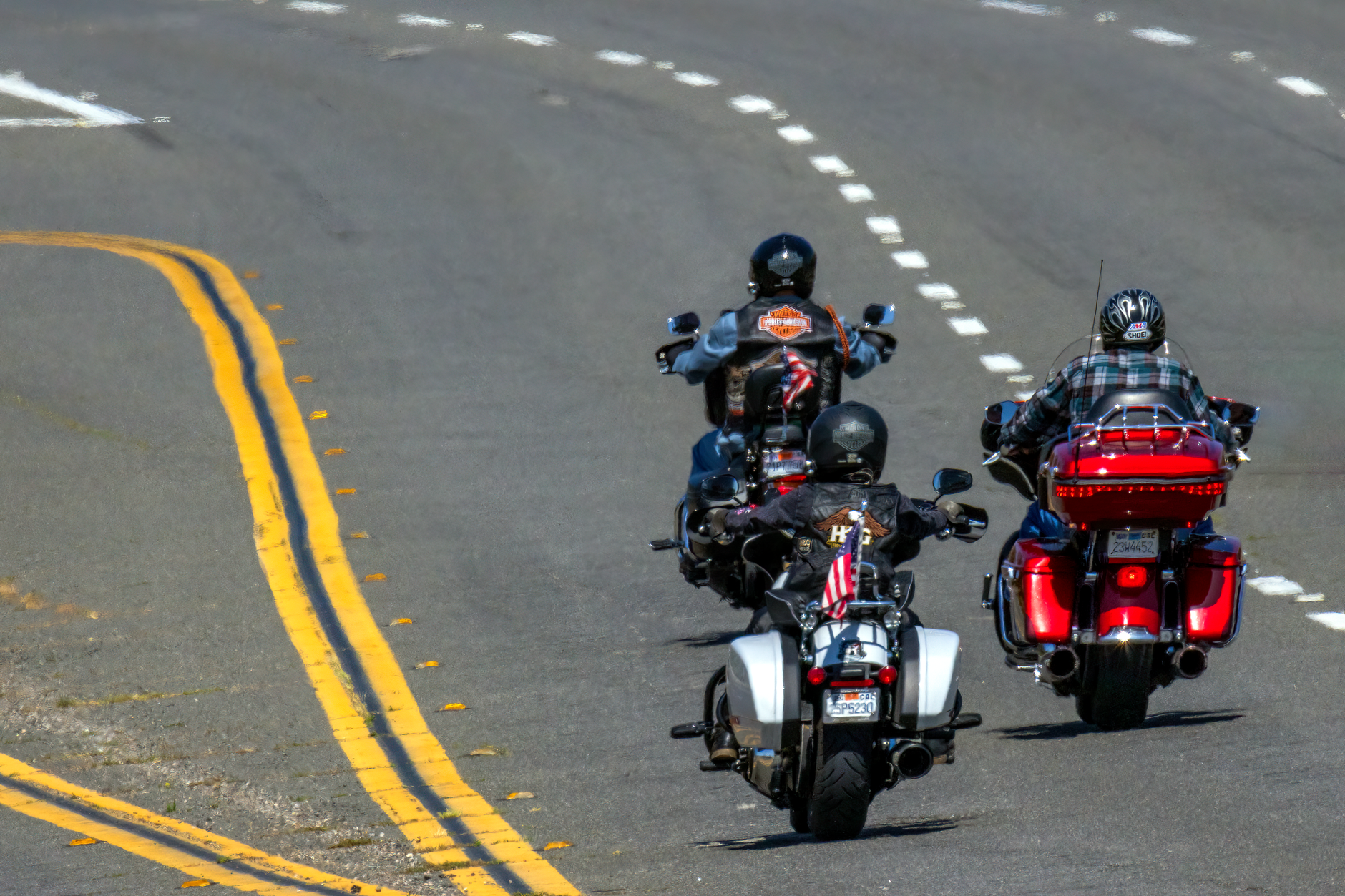
To direct people on the tour and help them understand the local landscape, the texts rely on local landmarks. See an important civic building or a church or cross a river and then turn. They mark important memories or groups or features of a community. Even someone unfamiliar with the community might get a sense of a landmark’s importance from its prominence or scale or the way people interact with it. There are mileage markers – such as travel 1.3 miles on a particular road – and some wayfaring via finding particular roads and intersections. But the tour is geared around meaningful local places and buildings. The landmarks are an important part of the tour and they help the touring party make it to the next stage. Without such landmarks, what would people on the tour pay attention to and how would they know where to go?
This way of navigating was not confined only to tours. If you needed to get from place to place, you could work with landmarks, signs, and people to get where you needed to go.
This strategy of finding one’s way through a place via landmarks is gone. A good road map with local roads – and not one that primarily relies on major highways and interstates – could replace a step by step tour guide.
But a GPS system really ends it. If the goal is the quickest or most efficient route, that path may or may not pass by local landmarks. Because many important buildings or local places are located along major roadways, you might still see landmarks. But you do not really need to pay attention. A driver can focus on the map screen and the next direction given. It almost does not matter what is going by outside the vehicle windows; it is what is happening on the way to the next step.
Automated driving or touring could free up people to be better observers of the world around them. I am not sure it has worked out that way.
ADDED 10/1/26
Thinking more about this post, I was reminded of a scene from Season 4 of The Office:
GPS: Make a right turn.[Michael starts to turn right]
Dwight Schrute: Wait, wait, no no no, it means “bear right.” Up there.
Michael Scott: No, it said right. It said take a right.
Dwight Schrute: No, no. Look, it means go up to the right — bear right — over the bridge, and hook up with 307.GPS: Make a right turn.
Michael Scott: Maybe it’s a shortcut, Dwight. It said go to the right.[he turns right]Dwight Schrute: It can’t mean that, there’s a lake there!
GPS: Proceed straight.
Michael Scott: I think it knows where it is going.
Dwight Schrute: This is the lake! THIS IS THE LAKE!
Michael Scott: The machine knows! Stop yelling at me! Stop yelling!
Dwight Schrute: NO! IT’S UP THERE! THERE’S NO ROAD HERE![It’s too late. Michael drives right into the lake]
Dwight Schrute: Remain calm, I have trained for this![he unbuckles his seat belt]
Dwight Schrute: Okay. Exit the window! Here we go![Dwight and Michael climb out the windows]
GPS: Make a u-turn, if possible.
You do not need landmarks, like lakes, if the GPS voice is telling you where to go.


