
What happens in American communities when schools close because there are fewer kids?
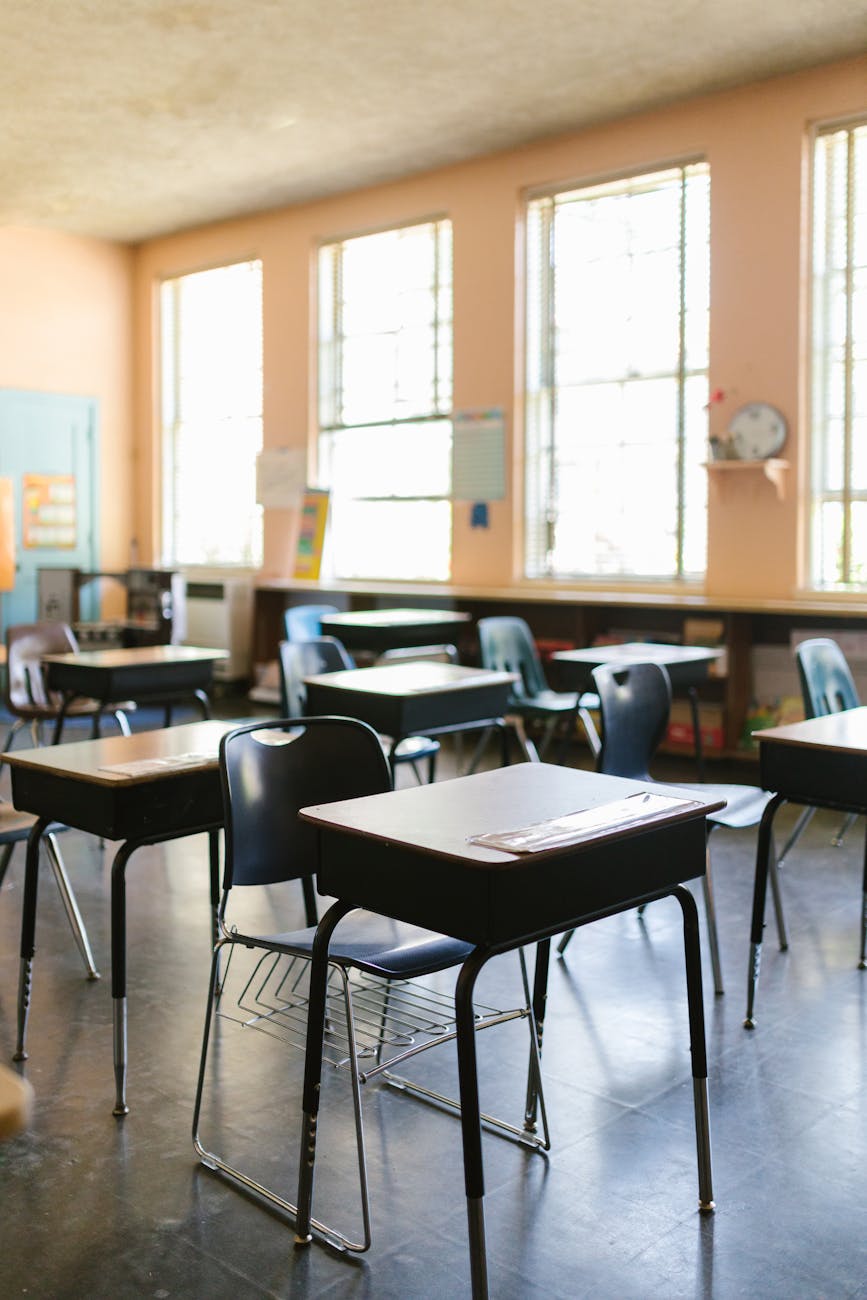
The district is one among many in the United States that have closed schools and are considering closing more. One of the primary reasons is that many adults in the US are simply not having kids, or having fewer of them. And an increasing number of those who do are instead sending their kids to private schools or homeschooling them.
That trend, experts say, means that more US schools are becoming underenrolled, which places school districts in a difficult financial situation because that decline in students means they get less public funding. They must then decide between uprooting students from familiar surroundings and friends or keeping those institutions open even if it doesn’t make fiscal sense…
While districts had planned for fewer students in the coming years, the Covid-19 pandemic and the associated virtual learning accelerated that downturn, Dee said. In fall of 2020, enrollment in US public schools decreased by 1.1 million, according to a study co-authored by Dee.
This trend could have lots of different effects. What happens in communities where schools brought people together and also served like community centers? There might be other settings that could serve this purpose but schools have a way of bringing parents, students, and community members together. What happens to the school properties; how will they be used in the future? A school may have been there for decades and the neighbors might not like what is proposed next for the land. Or they may not like a vacant building if the property is not sold or there is limited interested in redevelopment.
Since Americans tend to think growth is good, do these changes also lead people to think schools are failing or doing worse? If the cause of closing schools is primarily having fewer schools, will people perceive schools are not doing what they should? Even more complicated: local populations could be growing or not declining and schools could still close if fewer people are having children.
Finally, what are good ways to memorialize or celebrate a school and what it meant when it closes? Even if the building is no longer there or it is no longer home to students, there are ways to keep its memory alive.






 Legally Sociable