
How would Americans prefer to pay for the highways and roads they use? The Chicago Tribune suggests raising tolls perpetually is not a good way to go:
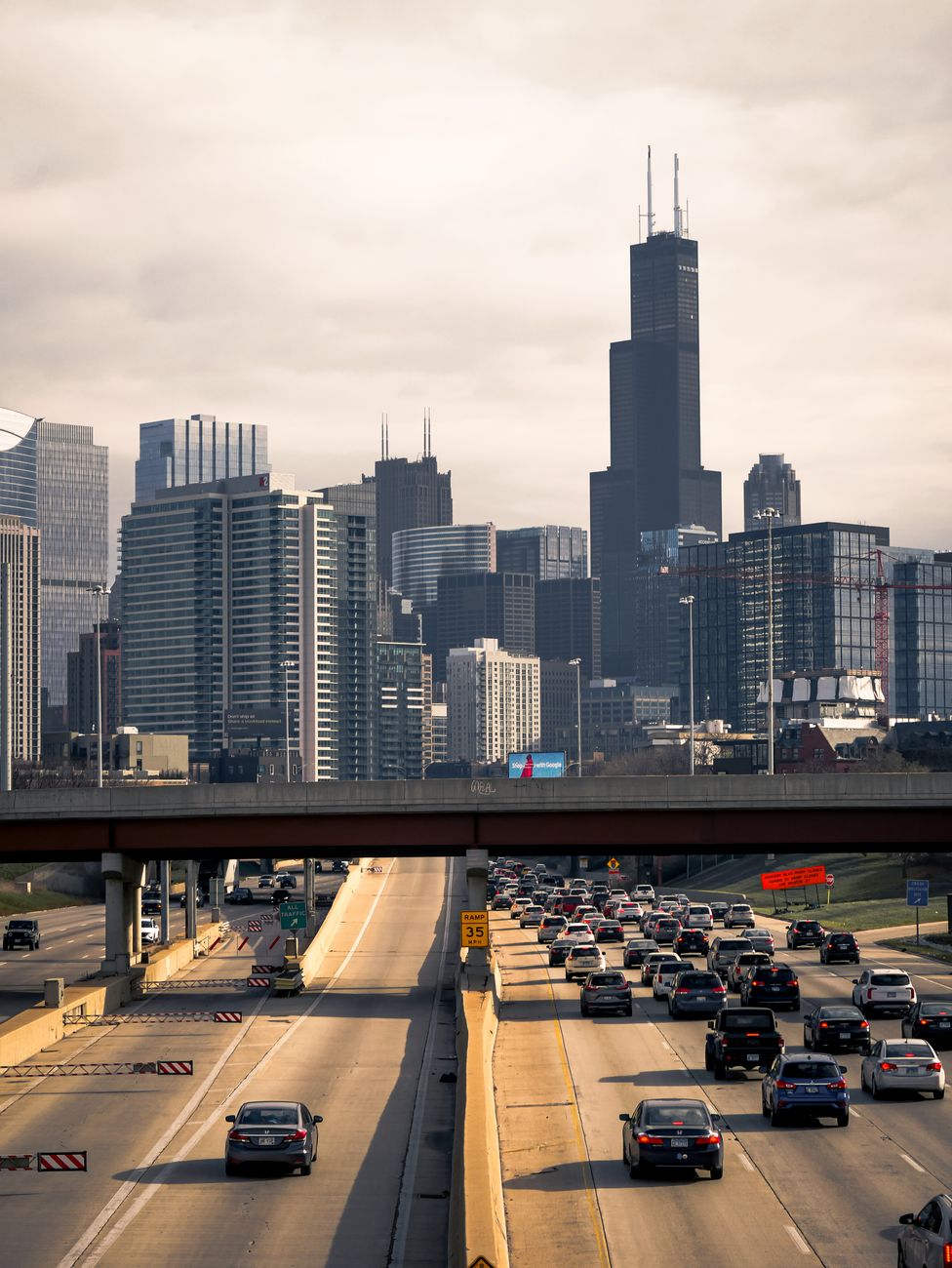
The Illinois Tollway board is in the process of implementing a 45-cent toll increase for I-Pass users, meaning a 70-cent toll today could become $1.15 in 2027.
And the toll hikes won’t stop there. Starting in 2029, the proposal to be considered by the Illinois Tollway board sets up CPI-indexed toll hikes every two years.
Wait a minute.
Transit fares aren’t being indexed to inflation. Why tolls? Even if this is allowed by the state, ongoing toll hikes should not be part of the tollway’s plan right now.
Tolls may not be a favored funding method in general but even worse in Illinois is the original promise that highway tolls would go away once the bonds that helped fund construction were paid off.
The editorial also mentions the gas tax which helps fund roads. But with high gas prices, having a higher gas tax in Illinois compared to other states is not popular.
How about funneling more road money to mass transit? This is a popular idea among some who argue mass transit can more efficiently move larger numbers of people and reduce the need to drive. But the American public tends to drive and not use mass transit.
Highways and roads do not just appear. The federal government provided a lot of money to fund the interstate system. Roads need to be built and maintained. The old Chicago joke regarding the two seasons of winter and construction requires money.
Should driving be free? Are tolls offensive because they make obvious that driving is costly? Drivers know their personal costs for driving – gas, insurance, maintenance – but may not think much about infrastructure costs. Drivers may not like tolls, particularly ones that increase in price, but they will likely pay for roads one way or another.

