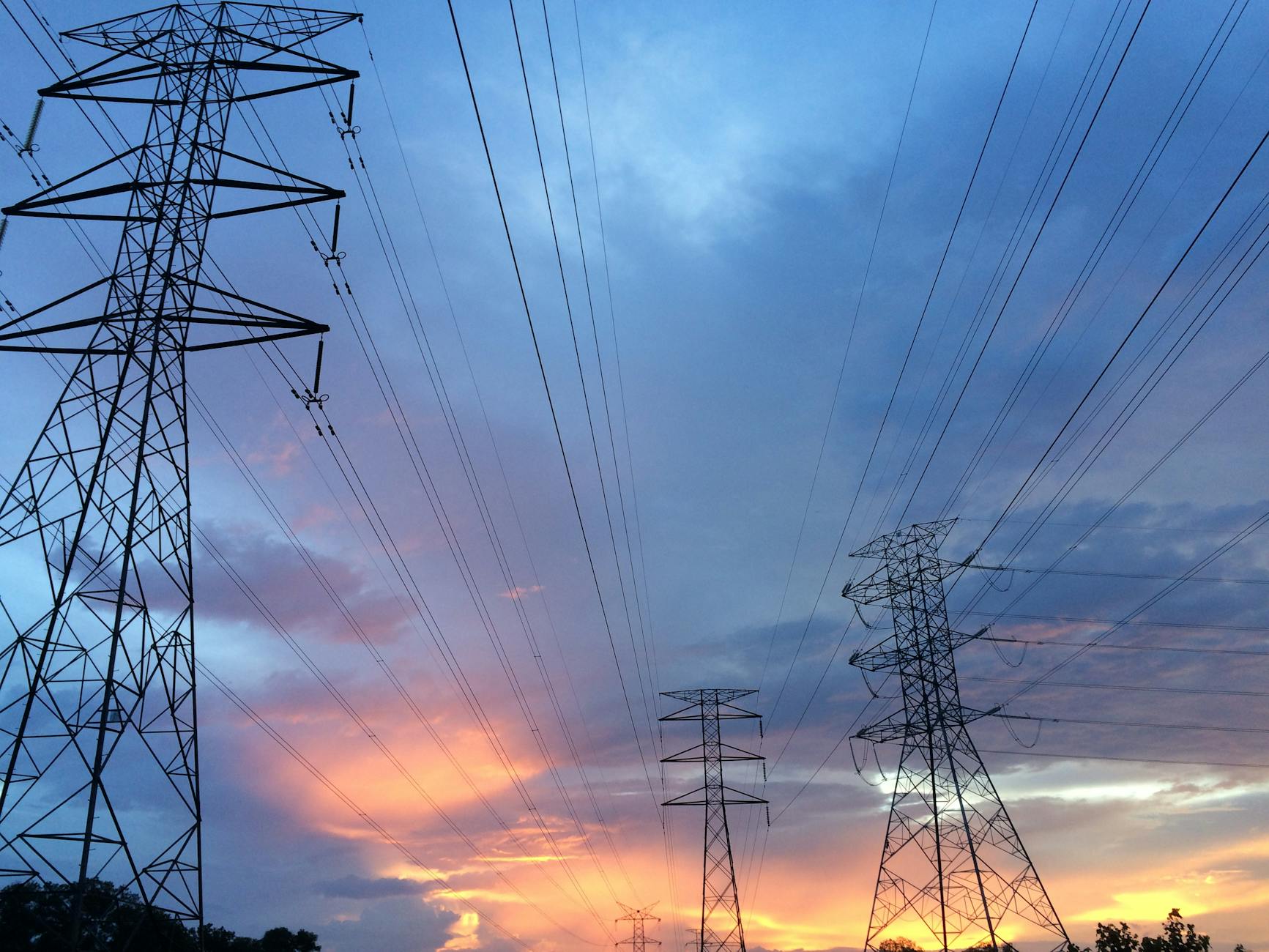
As the Sun-Times reported in November, the demand for power from big data centers and a delay connecting new power sources, such as solar and wind, to the electric grid is resulting in ComEd customers seeing their monthly bills go up $10.60 a month on average…
Power demand across the country has skyrocketed as big data centers and artificial intelligence operations have created huge demand. Meanwhile, new sources of “renewable” energy, including wind and solar power, have been slow to get connected to an electric grid that spans from Northern Illinois to the East Coast, said Jim Chilsen, a spokesman for the consumer watchdog Citizens Utility Board.
How much will this register with Illinois customers – will they have no problem paying roughly $10 more a month to help support what they expect on their smartphone and online activity? Technology tends to have costs, even if people tend to think the benefits outweigh the downsides, but it can be hard to pin down. While all of the increased rates may not be due to computing activity, at least some is.
Considering indirect costs may just be difficult to do. Having direct feedback with technology probably elicits different reactions than these more indirect costs. Imagine the new AI feature on your phone comes with a $5 a month surcharge on your phone bill to cover its costs. Or each time you do an AI search you incur a charge. Contrast that with the costs of driving. Automobiles opened up all kinds of new opportunities but driving comes with numerous costs, some direct (like paying for gas, insurance, and maintenance) and some more indirect (taxes for infrastructure, changes in land use, pollution).
If asked how much they would be willing to directly pay for AI, what would Americans say?
Demsas: How does this compare to the level of partisan segregation that we observe in other places? We know, for instance, that there’s partisan segregation happening in schools or in dating markets and churches and stuff like that. Is the workplace the most segregated based on party in America, or is this in line with other places?
Chinoy: Yeah, so it’s hard to answer this directly for every other social environment or every other group of people. I can tell you a couple things. So one is: I think a natural comparison is residential partisan segregation. This is something that people study a lot, right—the extent to which Democrats live on the same block as Democrats, and Republicans live next to other Republicans. And so we can sort of compare what I told you—that 10 percent number, that overexposure ratio—against partisan segregation across neighborhoods.
And you can define neighborhoods in different ways. One way to do it is a zip code. And when we do that, we find that partisan segregation at work is pretty similar. So, like, a little bit less than but overall pretty similar to partisan segregation across zip codes. We can go one step further and say, you know, maybe the zip code is a little bit bigger than what you have in mind when you think of neighborhood-level sorting. And so we have individual addresses in our data, and so we can say, you know, You have 15 co-workers. Let me figure out how many of them share your party affiliation, and let me look at our sample of the 15 people who live closest to you and figure out how many of those people share your party affiliation.
And when we do that, we find that workplace-level segregation, workplace-level overexposure ratio is a little bit less pronounced than that sort of nearest neighbor level of segregation, but still pretty similar, not so different. It’s not orders of magnitude different. So that’s kind of why we say that it’s a little less pronounced than residential segregation as a whole but still pretty sizable.
It sounds like the levels of political sorting are similar: what people tend to experience where they live is similar to what they experience at work.
I wonder how much it is experienced differently at work compared to a neighborhood. Where are politics more visible? In a neighborhood, a resident may have different indicators of political affiliation. It could come through conversation or yard signs or particular behaviors. At work, people might interact with each other or be in physical proximity more. Would political ties then be more apparent through conversation? Or are people sharing other signs of political leanings (things at a desk/cubicle/office, etc.)? Across both settings, are political views most visible on social media or online activity? Are people more comfortable with partisan sorting with neighbors or coworkers?
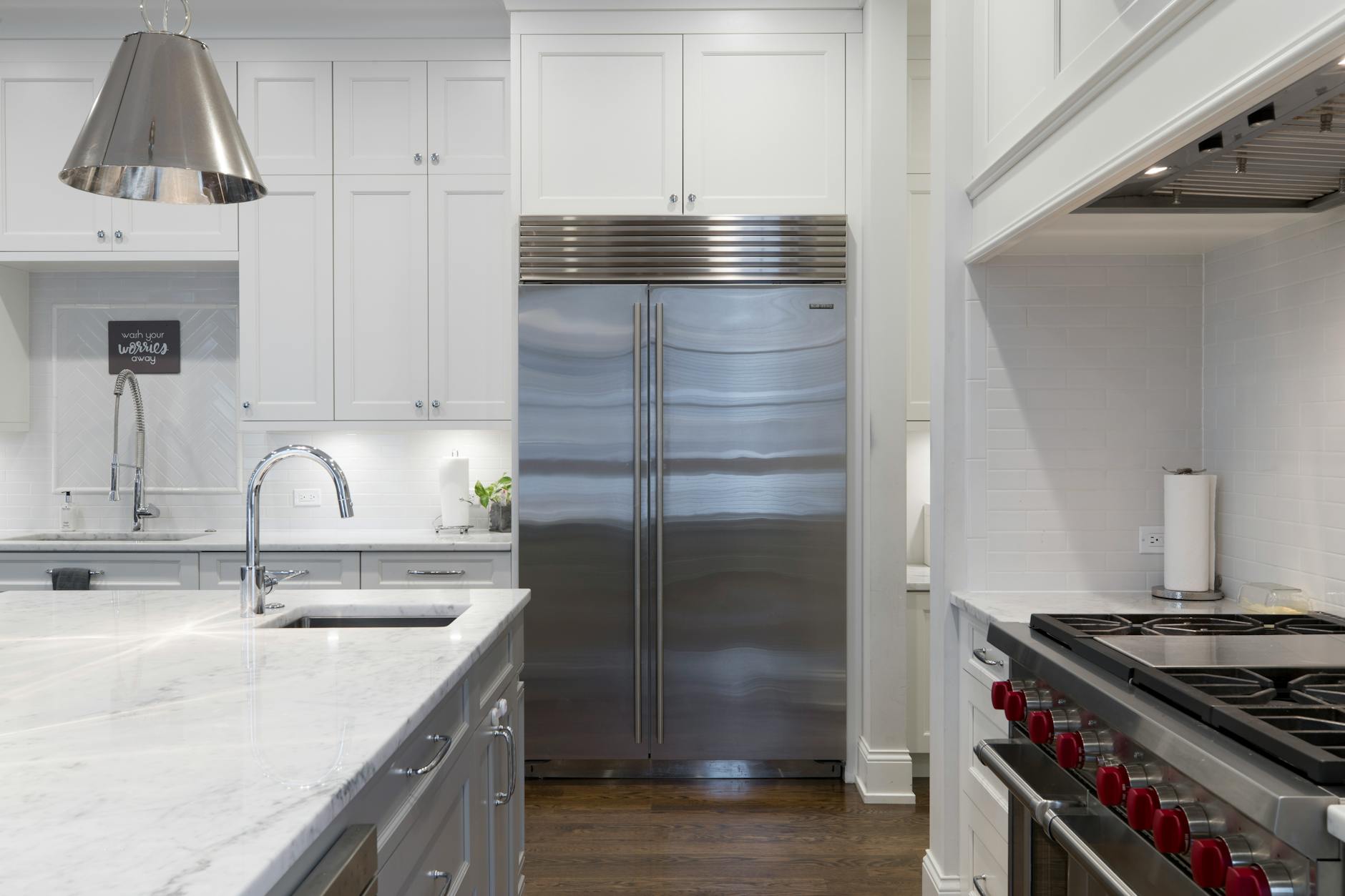
The more vulnerable sectors include hobbies and crafts retailers, as well as middle-market apparel sellers, said Brandon Svec, head of U.S. retail analytics at CoStar Group. Home goods stores also face challenges, Svec said, because a sluggish housing market decreases consumer demand for refrigerators, couches and large TVs. And high interest rates are dissuading lower-income consumers from making big-ticket purchases on their credit cards, Cohen said.
This can help explain some of the encouragement businesses offered for homeownership throughout the twentieth century. There is money to be made in the development and sale of houses but there is also money to be made in all the goods people think the house should have. Residents need to have particular items in their kitchens, living rooms, dining rooms (maybe not as much now), bedrooms, yards, and so on. If fewer houses are sold, fewer people will buy items for their new spaces.
On the homebuyer side, this sometimes shows up in advice about financing a purchase. Yes, there is money to be delivered at purchase in the down payment and regular mortgage and tax payments. But do people also budget for changes they want to make? This could include certain consumer goods or broader renovation projects.
I wonder how much of these particular items listed – refrigerators, couches, and large TVs – are purchased because of moving. All of these items could break at some point. Or a person might want to upgrade what they have. How many consumer goods are bought just due to moving?
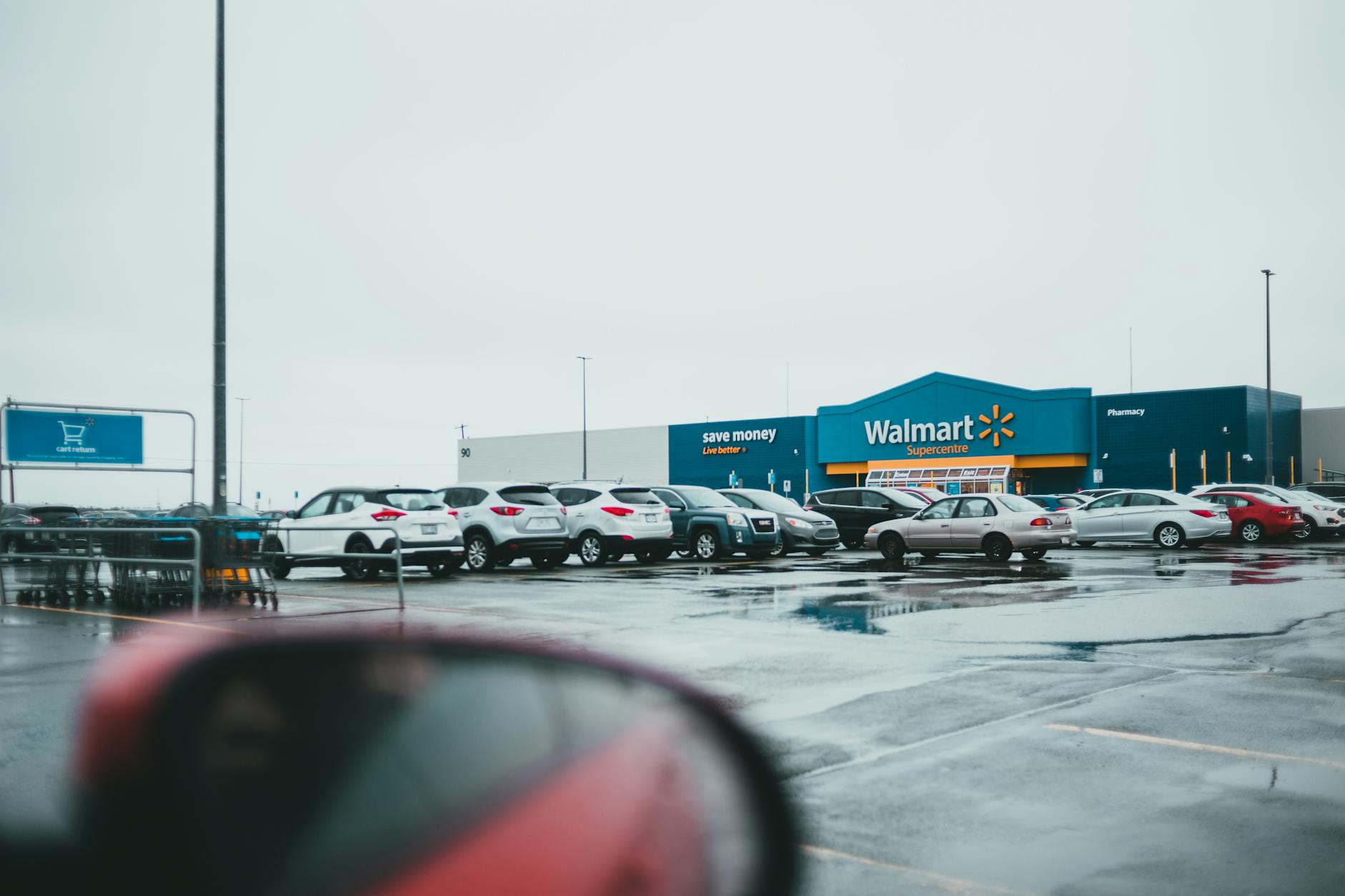
Walmart is excited to announce a comprehensive brand refresh that reflects its evolution as a people-led, tech-powered omnichannel retailer. From its humble beginnings in Bentonville, Arkansas, in 1951, Walmart has grown into a global leader dedicated to helping people save money and live better.
This is the opening paragraph of a press release that has more details. But this first section has a lot of ideas. Walmart is:
people-led
tech-powered
omnichannel
from humble beginnings
global leader
helps people save money
helps people live better
There is a lot here. Probably too much for a slogan or advertising campaign. And how many line up with how the public sees Walmart?
When I think of Walmart throughout most of my life, I think of #6 above. It has pitched as the place for low prices. When they first arrived in the Chicago suburbs, I found that their CDs were much cheaper than the music stores in the area. Compared to other big box stores or grocery stores selling the same or similar items, Walmart often has lower prices.
What does it mean to be “people-led”? As opposed to AI led or driven by numbers? Is “global leader” referring to revenues or practices or name recognition?
The last one might be most interesting. Is the American good life partly dependent on Walmart? If Walmart was not around, would American lives be better or worse? Would this alternate universe just remove Walmart locations or all Walmart is connected to (supply chains, approach to retail, the growth of Bentonville, etc.)? If lots of Americans think Walmart does help them save money and given the role of money and wealth in American life, many might answer “yes” to this.
But in a very real sense, salesmen built the American economy and, by extension, America itself. In his book, Friedman notes that in the mid-19th century, more than half the U.S. population lived on a farm. Consumer markets were nonexistent. Salesmen went out and made them from scratch, a sale at a time, and not simply by bringing quality goods to eager buyers; they took them by their lapels and didn’t let go until they signed on the dotted line. Fortune magazine observed, in the mid-20th century, “Mass production would be a shadow of what it is today if it had waited for the consumer to make up his mind.” But because of what scholars call “supply-side bias,” we regard 19th-century tycoons like Rockefeller, Carnegie, and Vanderbilt as Übermensch, while erasing the accomplishments of the legions of lowly salesmen. Why? Economists, generally insulated from the dirty realities of turning a buck by tenure and/or wealth, think of demand as a vast natural force to be harnessed, like wind or oil—a conception that fits hand in glove with the equally simplistic “great man” theory, which posits that some people (men) are just born great. Sounds nice, but things look a little less elegant to the salesmen in the trenches. They know: Demand is more like blood, and it has to be mercilessly extracted, drop by drop, by an army of sweaty little goblins who don’t eat unless they hit their quotas. Suddenly, the economy looks more like an infinite series of tiny frauds than a harmonious ecosystem. And if the Greatest Economy in the World is little more than a shill mill, the implications for the Greatest Country in the World are dismaying, to say the least.
For this argument to work, what social conditions were present?
The United States is more rural, or at least non-urban. A lot more people are engaged in farming or agricultural work.
Brands, mass production, and access to information do not exist in the same way as today.
Might there have been a different response to interacting with strangers or visitors or sales people? Today, people might be nervous about opening their doors but in the 1800s would a visitor prompt hospitality and/or interest in hearing about the broader world?
Another way to put this: how does the role of sale person shift as social conditions change? If telemarketers of the 1990s used phones and machines to rapidly call people in the United States and those in the mid-1800s traveled to farms and small towns, what do sales people look like in the 2030s? Or are there ebbs and flows in the activity and influence of sales people?
But perhaps the broader picture is this: o Americans – as individuals, communities, a country – embody the spirit an activity of sales people more than other countries? Are we always selling something, even when we are not?
The night of the shooting, Dalia Karim locked the doors of her family’s 7-Eleven for the first time in 17 years. “We never close,” she told me. As owners of one of the few businesses in Lewiston, Maine, that remains open 24 hours a day, seven days a week, the Karims built a livelihood and a reputation by serving customers from all walks of life at all hours. Since 2007, save for a brief afternoon to complete floor repairs, Karim’s store has provided what she calls the “everyday purchases” of life: milk, cereal, soda, donuts, cigarettes, chips, beer. Nearly half of the purchases at her registers are made by EBT cards, she said, and many of her patrons lack the resources to drive to or shop at conventional grocery stores and arrive on foot. To them, the Karims’ 7-Eleven is often a singular source of sustenance…
It was the quietest Friday night Buck and April had ever worked. “The place was like a ghost town,” April said. Though the shooter still hadn’t been found, they both figured that by then, he’d either fled town or taken his own life. At one point, Buck saw police officers tackle a man on a motorcycle driving down Main Street—but it was the wrong guy…
Instead, her mourning took place behind the counter. One night, a woman came in and showed Dalia her wedding ring. “My fiancé is dead,” she said. Karim left the register to give her a hug. Another night, a man came into the store in search of a print copy of that day’s Lewiston Sun Journal. He wanted the paper to memorialize the loss of his brother. As he left, the back of his sweatshirt offered his brother’s name and the dates of his birth and recent death…
When the lunch rush came, Dalia attended to the register. The typical chitchat—about the Celtics, about the weather—came and went. Several customers wore blue Lewiston Strong T-shirts, but no one said anything in particular about the anniversary itself. Then a woman bought a copy of Uncle Henry’s sell-and-swap magazine. Beneath the magazine stood a small stack of print copies of that day’s Lewiston Sun Journal, devoted to stories about the anniversary of the shooting. One story was about a group of cornhole players who’d once played at Schemengees but had since found a new place to gather. Another story was about the resilient children who, despite the memory of the shooting, continued to bowl at Just-in-Time Recreation Center. A final story detailed the efforts of several organizations to come up with a design for a public memorial. When the lunch rush was over, Dalia took a moment to scan the front page of the paper. “I keep thinking: Maybe he will come back?” she said, straightening the papers. “But then I tell myself: It’s OK. It’s OK. He’s gone now.” She looked across the aisles. Soon, night would fall, and the crowds would arrive for the busiest night of the week. But for now, in the convenience store that had given her family a life in this city, and a future in this country, Dalia Karim had a few quiet hours to herself.
I assume there are sociological studies of such spaces. I would be interested to know:
How do the stories, meanings, and relationships generated at 7-11 compare to the same generated in more “official” locations like City Hall or schools? Or to other social spaces/businesses in Lewiston?
How does the 7-11 factor in the social networks of the community? Do people see it as a node important to them or not? Who in the town wouldn’t go to the 7-11?
If the 7-11 were to disappear for some reason, what could take its place (if anything)?
After COVID-19, how many 24 hour a day places are no longer and what does this mean for communities and people within them?
In a society where life seems polarized and atomized, could certain businesses offer room for relationships to form and people to get what they need when they want it? 7-11 and similar stores can offer particular goods for people at all hours and can provide opportunities to share small conversations and information about the town.
That all adds up to more than $264 billion spent on groceries at Walmart US locations in 2023, up from $247 billion and $219 billion in the preceding two years.
Not only are top-line sales growing, their percentage of total division revenues is ticking up from about 55% three years ago to roughly 60% last year. And these numbers don’t even include Walmart-owned Sam’s Club.
I remember the first Walmart that opened near us in the Chicago suburbs when I was a kid. It was not a Supercenter and it was not as big as today’s stores. There were some food items there but no fresh groceries. You could buy all sorts of stuff there, from CDs to clothes to auto care items. Buying groceries often required a trip to the major grocery chains in the Chicago area, Jewel and Dominick’s at the time.
The Walmart today is a different experience. One side of the store is devoted to groceries. There are many options available for all sorts of food items. A buyer could go just for groceries and make a choice about whether to add other items to their carts from the other parts of the store.
From these experiences and their revenue streams, it sounds like Walmart is a grocery store first. It is not a conventional grocery store but as the comparative numbers indicate, its grocery sales dwarf other competitors. For younger generations of Americans, they may see Walmart as the prototypical place to get groceries as opposed to supermarkets or neighborhood grocery stores.
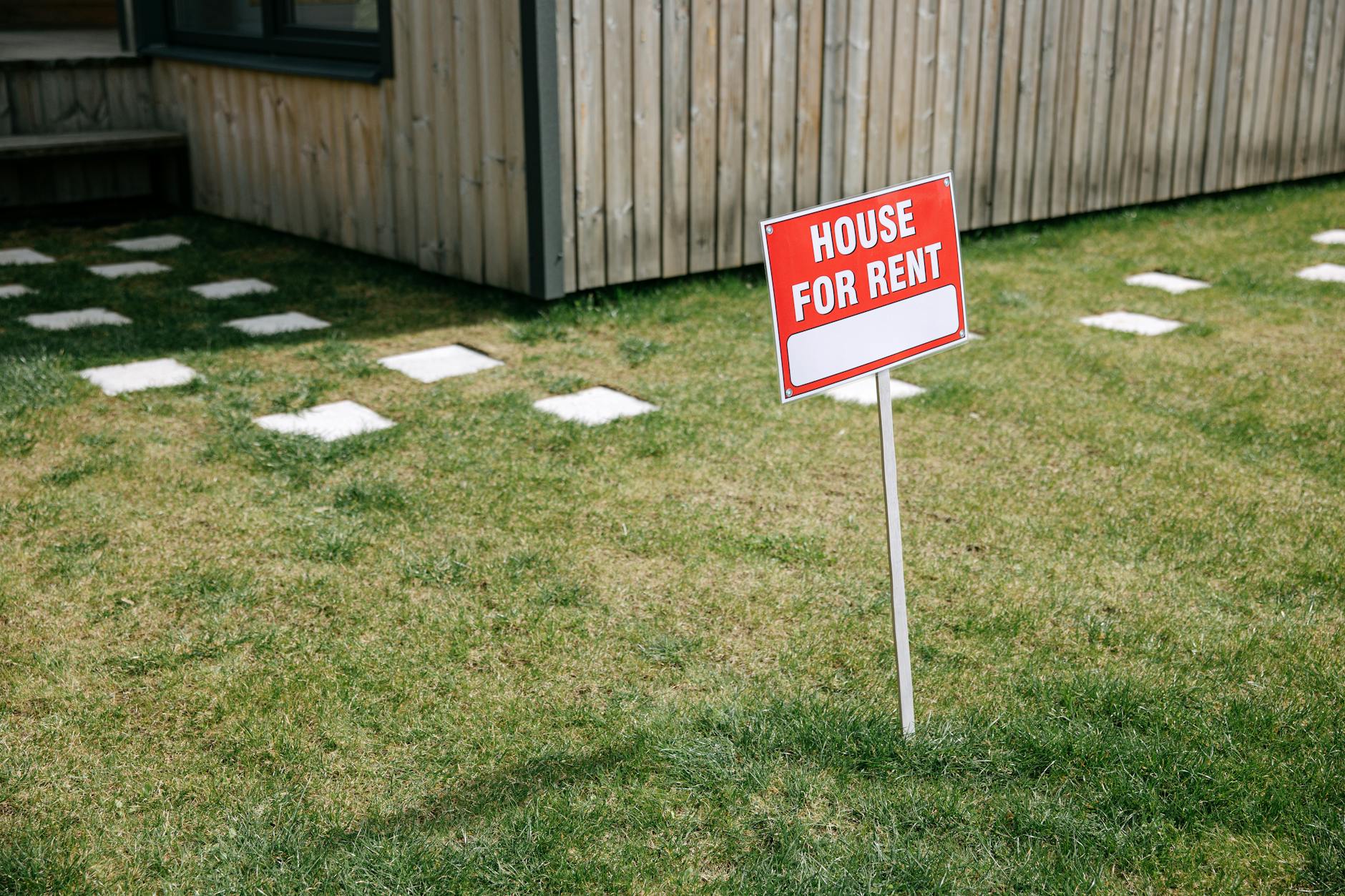
Nationally, Wall Street landlords that have more than 1,000 units in their portfolios own just 1% of all of America’s family homes and 4% of all of the houses that are rented out. In most areas, their presence is still too small to have much effect on local housing dynamics. If current trends continue, though, their share of the market for single-family rentals could increase 10-fold by the end of the decade, MetLife Investment Management estimates.
There are a handful of U.S. neighborhoods where investors are densely clustered, particularly in Georgia, North Carolina, Florida and Texas. They have bought more than 1,000 homes in 53 zip codes, putting their ownership of the local housing stock anywhere from 4% to 12%, according to data from real-estate analytics firm Parcl Labs. The data includes some houses temporarily owned by builders, as well as foreclosed properties on banks’ books, but most are held by institutional landlords.
Wall Street housing investors tend to herd into the same neighborhoods because their algorithms spot the same opportunities. They screen the country for cities and towns with population growth and job openings—places where there is likely to be competition for homes. They prefer to own three-bedroom, suburban properties that are around 1,500 square feet in size and offer a convenient commute downtown. Young parents like these kinds of homes, and landlords like to rent to families because they become sticky tenants once their children enroll in local schools.
Big landlords are also able to sift through reams of data to spot bargains. The 53 zip codes where they are most densely clustered offer cheap housing. The median single-family home price in these areas is $345,400, based on Redfin data—around a fifth below the national level. Rents, however, are only 3% below the national median.
It sounds like they have bought more in places where there are deals and money to be made relatively quickly. If unchecked, would they then uncover more places that offer deals and just keep going until there are no deals left?
Or might conditions and the approach of landlords change in the future. Some communities might restrict who can purchase residences. The landlords might be willing to hold on to properties for longer, particularly if higher rents are sustainable. Or the broader housing market twists and turns (currently few sales) might affect how landlords and communities act.
At the moment, I am most intrigued by the numbers: 1% of single-family homes, 4% of rented homes. Are these large enough percentages to fundamentally alter housing? I could see how there would be effects in clusters of owned properties and these clusters could introduce spillover effects to nearby locations or the broader market.
Goldman Sachs Group Inc. and Wells Fargo & Co. economists expect the government’s preliminary benchmark revisions on Wednesday to show payrolls growth in the year through March was at least 600,000 weaker than currently estimated — about 50,000 a month.
While JPMorgan Chase & Co. forecasters see a decline of about 360,000, Goldman Sachs indicates it could be as large as a million.
These are not just numbers; this data has implications for policies and economic conditions. Why are they being revised?
Once a year, the BLS benchmarks the March payrolls level to a more accurate but less timely data source called the Quarterly Census of Employment and Wages, which is based on state unemployment insurance tax records and covers nearly all US jobs. The release of the latest QCEW report in June already hinted at weaker payroll gains last year…
For most of the recent years, monthly payroll data have been stronger than the QCEW figures. Some economists attribute that in part to the so-called birth-death model — an adjustment the BLS makes to the data to account for the net number of businesses opening and closing, but that might be off in the post-pandemic world…
Ronnie Walker at Goldman Sachs says the QCEW figures are likely to overstate the moderation in employment growth because they will strip out up to half a million unauthorized immigrants that were included in the initial estimates.
In other words, this is a measurement issue. The first measure comes from a particular set of data and the revision utilizes a different set of data that takes more time to put together. There might also be discrepancies on what is included in each set of data, not just differences in the sources of data. This mismatch leads to later revisions.
Given our data and analysis abilities today, isn’t there some way to improve the system? Could we get (a) more complete data quicker or (b) better estimates in the first place or (c) even new data sources that could provide better information? To have an initial set of figures that people respond to and then a later set of figures that people respond to seems counterproductive given the stakes involved. .
Some Wall Street banks, worried that landlords of vacant and struggling office buildings won’t be able to pay off their mortgages, have begun offloading their portfolios of commercial real estate loans hoping to cut their losses…
But these steps indicate a grudging acceptance by some lenders that the banking industry’s strategy of “extend and pretend” is running out of steam, and that many property owners — especially owners of office buildings — are going to default on mortgages. That means big losses for lenders are inevitable and bank earnings will suffer.
Banks regularly “extend” the time that struggling property owners have to find rent-paying tenants for their half-empty office buildings, and “pretend” that the extensions will allow landlords to get their finances in order. Lenders also have avoided pushing property owners to renegotiate expiring loans, given today’s much higher interest rates.
But banks are acting in self-interest rather than out of pity for borrowers. Once a bank forecloses on a delinquent borrower, it faces the prospect of a theoretical loss turning into a real loss. A similar thing happens when a bank sells a delinquent loan at a substantial discount to the balance owed. In the bank’s calculus, though, taking a loss now is still better than risking a deeper hit should the situation deteriorate in the future.
Four questions come to mind:
How long will banks wait before aggressively working to drop these loans? It sounds like this is happening a little bit. Is there a possible tipping point? In other words, how much “extend and pretend” is doable?
How much does this behavior toward commercial tenants reflect how the same lenders or other banks treat residential loan holders? If a homeowner is not making their mortgage payments, do they get treated the same? Is the issue more of the size of these loans and not necessarily what kinds of properties are involved?
Given the foreclosure crisis of the late 2000s and the COVID-19 pandemic, is it safe to assume there are plans in place if banks need to move a lot of these loans at once? Who would benefit the most from aid to get out from under a lot of commercial property losses in a short amount of time?
What happens to these vacant properties in the short and long-term? How quickly can they be filled by other uses? How do these vacancies affect the communities in which they are situated?







 Legally Sociable