The series was filmed largely in Toronto, though the sets bear a striking resemblance to Chicago’s suburban sprawls in the 1970s. Macmanus works with a private researcher, Patrick Murphy, on most projects; Murphy scoured local reports from the Chicago Sun-Times and the Chicago Tribune, as well as news footage, and produced a “great bible of photos” that was passed off to the production team to scout and replicate.
And they needed the scenes to look like a particular Chicago neighborhood (Norwood Park):
“I didn’t realize how close he was to O’Hare. That was just shocking, in the sense that he truly was hiding in plain sight. The house wasn’t in some remote area, it was a suburban street like so many other suburban streets, with houses right next to each other, right next to the airport,” Chernus said in a recent chat over Zoom.
Will the average viewer be able to tell that the filmed scenes are in Toronto and not actually in Chicago? Probably not. If the production team found similar settings and then adds a combination of establishing shots and internal sets (that could be located anywhere), it may be hard even for people with lots of Chicago experience to spot differences.
I have heard people suggest Toronto and Chicago are similar in character (and population). How much harder would it be to make it look like Chicago if it were filmed in Vancouver (a common Canadian setting for American production) or Atlanta (still in the same country but different landscape) or another American city with bigger tax breaks?
Is there any evidence that filming in the actual location improves the final product? If filming elsewhere is about saving money, what could be gained by filming on location in Chicago? Are there particular producers or networks that prioritize filming in the actual location?
Town to City, developed by Galaxy Grove and published by Kwalee, is a cozy, casual city-builder that focuses on developing a small town, decorating buildings with small dynamic details, and providing a beautiful suburban environment for our voxel citizens. The game was released into Early Access recently with a decent amount of content and a relatively polished experience.
Build an idyllic 19th century Mediterranean town and help it flourish into a prosperous city. Freely place and customise each element to create the perfect home for your growing population in this cozy city builder from the creators of Station to Station.
Town, city, community, suburb. Is there a big difference in what these places look like in this game? These are not always interchangeable terms and using them hints at their overlap and their distinctions.
The majority of my experience in city-building games comes years ago with various iterations of Simcity. The goal there seemed to be to create a large city. You could build lighter density residential units but the push was to keep increasing your population, which could lead to redeveloping those lighter residential areas.
If this game is truly about creating a suburb or small town, it would be interesting to consider how the game experience could be different. How might the unique features of a small town or suburb translate into different decisions to make about development? Does this game or other games incorporate the kinds of zoning issues that come up in suburban communities? Or can players feel the reasons Americans love suburbs while they oversee the construction and maintenance of a suburban community? Do they get to consider the increasing diversity in suburbia?
And if there was a game that simulated building suburban communities in the United States, how many people would be willing to play? The majority of Americans live in suburbs but would they want to play in them, as opposed to building massive cities or playing Farming Simulator.
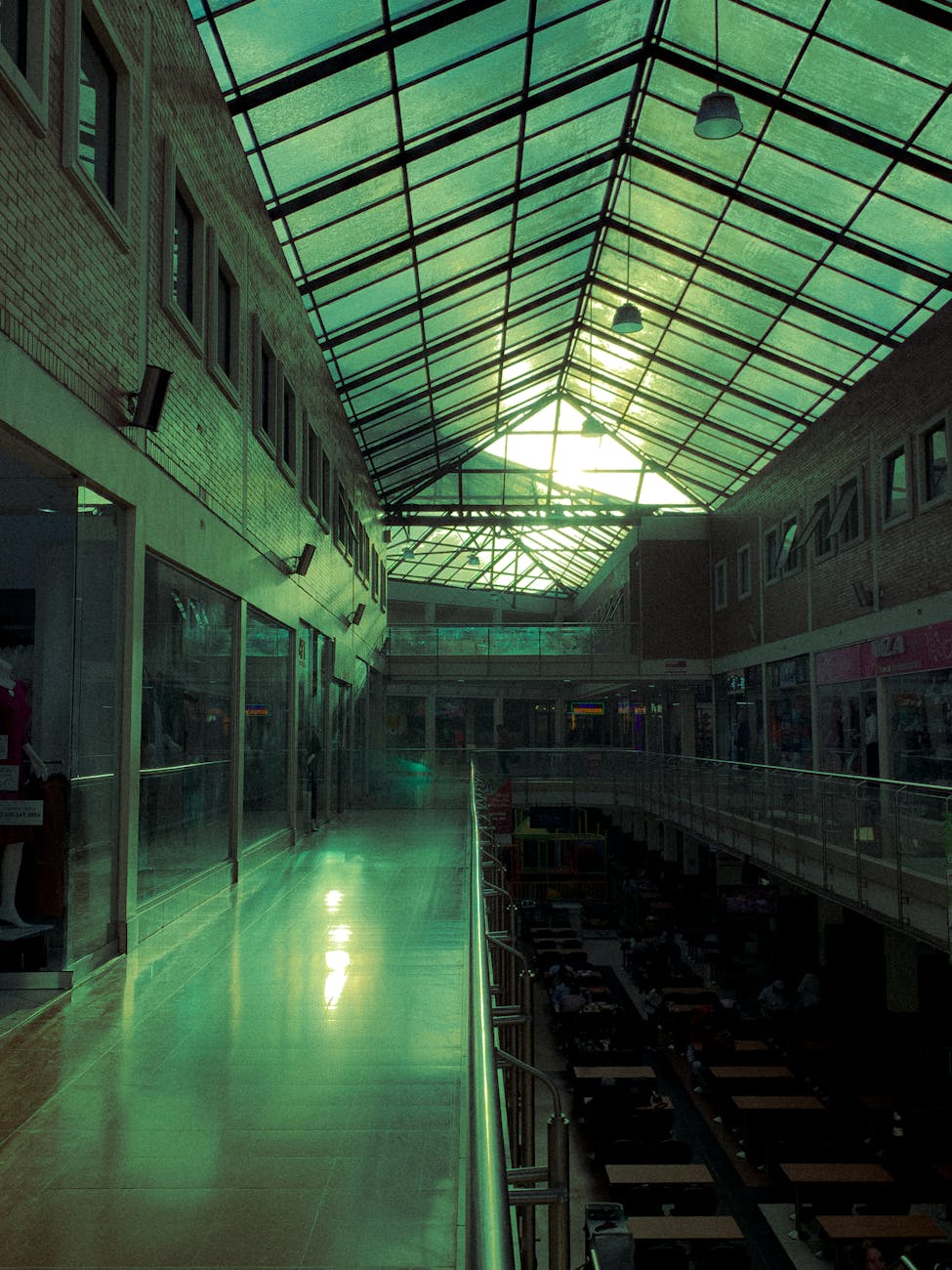
Thinking about two suburban shopping malls recently demolished in the western suburbs of Chicago (here and here), how might a suburb go about marking – if at all – where the shopping mall once stood?
Both malls operated for over four decades. People from the suburb in which they were located and nearby suburbs shopped and gathered there. The communities in which they were located gathered and used the tax revenue generated by the mall.
As redevelopment plans get underway, is it worth marking where the mall once stood? Imagine a roadside marker that says “Former site of the Stratford Square Mall.” Or within the new development some indication on the ground of the footprint of the mall. Or naming some part of the new development after the mall that was once there.
Perhaps marking the former mall site in some way is going too far. Plenty of suburban redevelopment happens without much concern with what was there before. Historic preservation groups and efforts can save or identify properties worth holding on to. But it takes money and local will to remember past land uses and buildings. Would there be enough interest in remembering these shopping malls?
One feature I like about Google Streetview is that with over a decade of streetscape images, you can go back and see what an address looked like years ago. This might be possible to do with other mediums, such as overlaying older photographs or drawings over current images, but it can be difficult to track down such images. The malls will live on in Streetview, even as the sites are transformed.
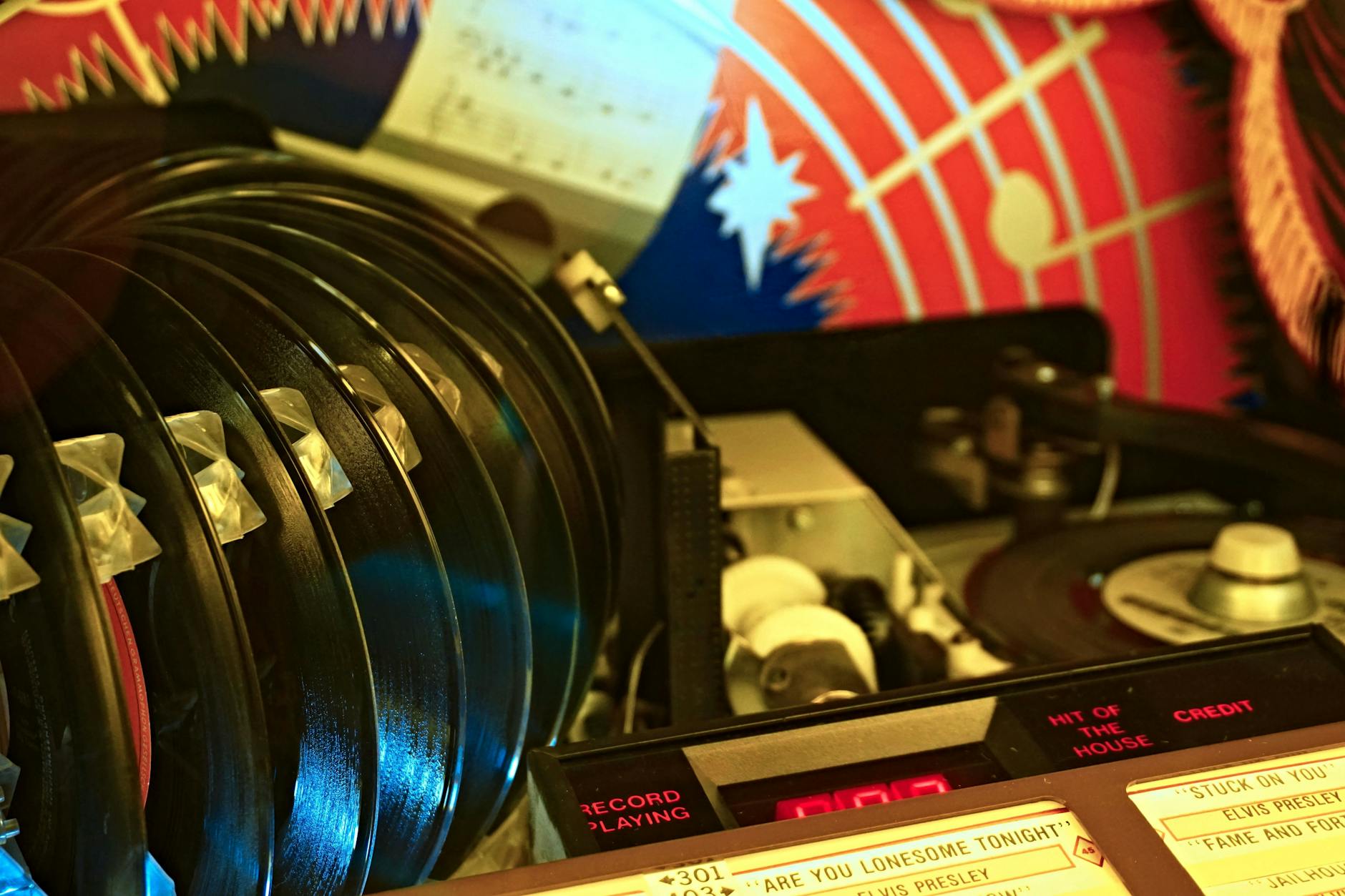
By the early 1940s, about 500,000 jukeboxes dotted the country, sometimes inspiring too much of a ruckus: Newspapers frequently reported on bar fights over music selections and complaints about noise. Snootier critics, meanwhile, voiced more petulant grievances: “The contrivance is everywhere and is always booming its inanities,” one Los Angeles Times writer lamented in 1941.
Private spaces have multiple options for providing music. They could use a speaker system to play music (radio, recordings, etc.). They could have live music. They could go with silence. A jukebox puts the control of the music into the hands of the visitor or customer, letting them select songs.
Alternatively, consider the options visitors to spaces have in more recent decades. Each person can choose their own music without subjecting others to it. A Walkman allowed for hearing the radio or a cassette, a portable CD player for a CD. The spread of digital music – MP3 player, smartphone with built-in storage or streaming music – provided even more private options. Go with headphones or earbuds and someone could be in their own aural world even with a blaring jukebox.
Could having a common aural experience bring people together in ways that separating them into their podcast/music/Youtube streams does not? Not everyone would necessarily like what was playing on the jukebox near them but they would be exposed to the same music as everyone else. And then they could put something on the jukebox for others to hear. Of course, the limited selection of the jukebox and the processes that go into getting records into the jukeboxes might lead to a more homogeneous musical experience.
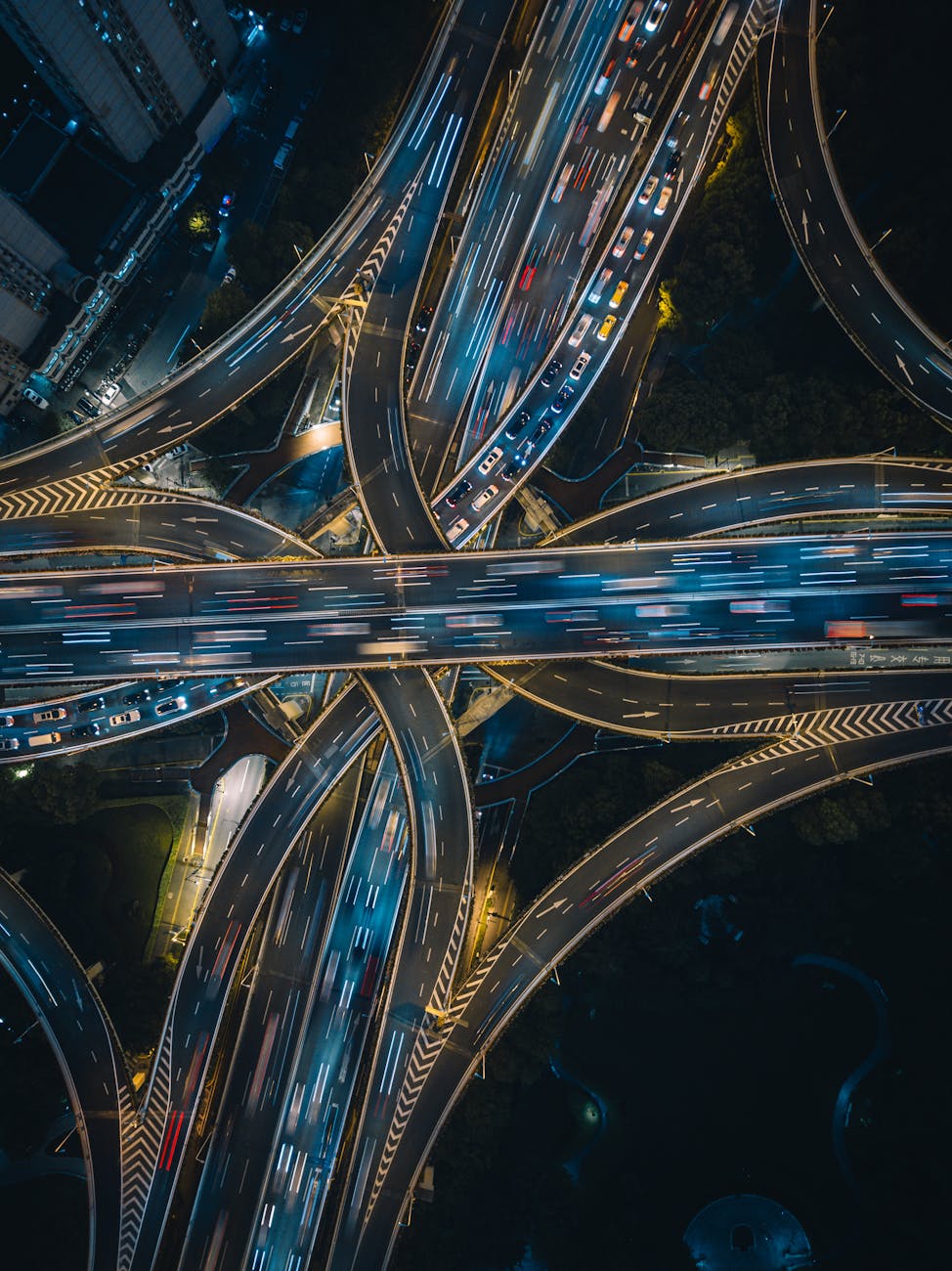
China boasts more than 100,000 miles of motorways – more than any other country in the world.
A staggering achievement, considering the country had no motorways at all in 1988.
And one city recently hosted a large traffic jam:
Footage shows the 24-hour traffic jam at Wuzhuang toll station, which left thousands stranded with “no way out”…
According to authorities, roughly 120,000 vehicles passed that day.
The unusually long queues were caused by millions of locals returning home after a national holiday, which spans across eight days from October 1 to October 8.
Do highways inevitable lead to traffic? Or would any amount of planning be able to avoid having traffic jams?
It would be interesting to consider how traffic jams are perceived around the world. I am familiar with the American experience and glad to not have to commute via highway every day.
And in today’s world of social media, is there a point where a traffic jam – typically regarded as an annoyance, an unhappy time – could become a chance to gain status and followers? The absurdity of being stuck for hours could lead to commentary and interaction.
But let’s be honest: this news stings. The city loses many hundreds of workers who are downtown most days of the week. Grabbing lunch. Shopping. Going out after work.
And it loses just a little bit more prestige.
Jobs are often thought of in terms of their economic benefits. A company is hiring and paying people. Those employees then spend money in the community. Having lots of good-paying and/or stable jobs can be a sign of a strong local economy.
But jobs are also about prestige for cities. In this case, the jobs are attached to a large company founded in the city. Having jobs of prominent companies in a community suggests the community is a desirable place to be.
Politicians and leaders love to talk about gaining jobs. “We added this many jobs.” Or “major corporations added jobs here.” It is partly about economics but it is also about status; they can claim to be the one who brought the jobs to the community or they created the conditions that led to the jobs.
In other words, a region may have lots of jobs but if there are constantly stories – or even just perceptions – that companies are eliminating jobs in a city, this can be a blow to the place’s prestige. To lose jobs to another community hints that the place losing the jobs is not as desirable.
Why did Concord, Massachusetts, become the site of an opening battle in the American Revolution and later become identified with the transcendentalists? It was a favorable spot for human settlement:
The Concord River runs north, rather than southeasterly down the regional slope toward the sea. When the edge of the great ice sheet began to retreat from the area about 17,000 years ago, the Concord River was dammed up by the ice to create a ribbon-shaped glacial lake with a muddy bottom. Eventually the lake drained away, allowing the Concord River to cut an inner valley beneath a moist and fertile lowland.
This process set the stage for the creation of what the Indigenous Massachusett, Nipmuc, and Pawtucket peoples called Musketaquid, meaning “grass-ground river,” a marsh about 20 miles long and so flat and so uninterrupted that Thoreau skated the entire round-trip distance one freezing day—January 31, 1855. The languid stream passed through broad meadows to create a northern version of the Everglades (without the alligators). Nathaniel Hawthorne lived along the bank for three weeks before he discerned which way the river flowed.
This riparian ecology attracted colonists: Concord became the first English town in North America above tidewater, beyond the sight and scent of the sea. Here the lush growth of freshwater hay would undergird a system of English husbandry dependent on livestock. Here migrating shad, herring, and salmon thrived in the aquatic richness, furnishing plentiful protein sources, vitamins, and minerals. Here the firm, muddy banks made an ideal habitat for the freshwater mussels on which other animals depended: muskrat, otters, turtles, human beings. On July 3, 1852, Thoreau estimated that more than 16,335 freshwater clams lay along 330 feet of the riverbank. Migrating waterfowl followed the meadows. Songbirds nested along their edges…
The physical separation between Boston and Concord involves more than the linear distance between two points. The population centers occupy different watersheds—the Charles River watershed to the east and the Concord River watershed to the west. In fact, they lie on different bedrock terranes that originated in different places in different eras. The terrane boundary coincides with the Bloody Bluff fault, named for a rocky notch where British troops were trapped by ferocious provincial fire. Here the land leans toward the security of the sea. To the west, it leans toward a hinterland where pioneering residents looked to one another for community support. Without the Lexington Road and its regular stagecoach traffic, 18th-century Concord would have remained an agricultural village. Instead, it became a prominent node in an expanding trade network. The significance of the watershed divide between country and city diminished only after the Fitchburg Railroad reached Concord in 1844.
I cannot remember who said it but I recall a quote where someone says if someone wanted to start a great city today, it would be really hard because all of the good locations have been taken. The geology and ecology of Concord made it good spot for humans to settle.
To take into account the geography and ecology of land and places will continue to be important, even in an era when it is easy to ignore the physical features of places. In the world of Internet and airplanes, everything seems accessible from anywhere. But this is not true: certain places have particular advantages with access to water, protected settings, mineral resources, land for farming and livestock, good spots along trade routes, and more. Some of this can shift over time; does it matter as much today as it did in the past that Chicago was a key portage location between the Great Lakes and the Mississippi River watershed? And this could change in the future: particular locations might have new advantages in the future as the earth and societies around the world change.
This is because the policies at the core of Mamdani’s campaign are largely unpopular with wealthy and upper-middle class New Yorkers…
‘We are absolutely seeing a correlation between Zohran Mamdani’s surprise win in the Democratic primary and an uptick in real estate interest in Westchester,’ Zach and Heather Harrison, real estate agents in the area, noted.
‘Since the summer, nearly every buyer from the city we have taken out to see homes in Westchester has mentioned the mayoral election as one of the drivers for shopping in the suburbs,’ they told Realtor.com.
Since Mamdani won the Democratic primary in June, sales going into contract in Westchester County are up 15 percent compared to the same period last year, according to The Harrison Team…
In comparison to New York City, Westchester offers more space, lower crime rates, and often lower effective taxes.
Several quick thoughts:
The article is vague on numbers. How many people have moved or might move? And separate from how many do move, how many would have to move for it to be meaningful as a media story or make a substantial difference in local activity?
We hear similar claims about political changes or taxes at the state or national level; people with resources will leave if they think they are being targeted and/or conditions are better elsewhere. I do not know if I have heard this before suggesting people will move from the city to that city’s suburbs.
Westchester County could be a paradigmatic suburban county in the United States. It borders New York City and it grew quickly in the early 1900s. It became a wealthy suburban setting with many houses, access to the city via highway and railroad, some green spaces and waterways, and home to major corporations. Would an influx of wealthy New York City residents feed into the character of the county or alter it at all?
At what point would policies or conditions need to change for most of wealthy residents of a city to leave?
But since 1969, this building has been a church, shepherded by four generations of the same family. The blue part of the façade is their improvement to the building, 56 years of stewardship that extends up to today. They’re making extensive repairs to the roof this fall with a grant from Landmarks Illinois and remodeling the interior…
At 113 years old, the building once known as the Ideal Theatre is one of the oldest purpose-built movie theaters in the city, a rare remnant from before they blossomed into the grand movie palaces we treasure now.
And as the home of New Precious Grove Missionary Baptist Church for more than half a century, it’s a long-tenured piece of a Great Migration phenomenon, where Black people coming up to Chicago from the South created church communities as anchors, either transplanted from their place of origin or planted new…
Although the building’s façade has changed much since 1912, the red brick garland remains, along with one more hint of the entertainment that went on within: Above the door, a terra cotta panel depicts a lyre, the classical musical instrument. A historical photo of the building shows there were at least two more ornamental panels, comedy and tragedy masks on the two upper corners…
The palatial Central Park is also now a church, the House of Prayer Church of God in Christ since 1971. Another movie palace, the Ambassador, later Knute Rockne, about 3.5 miles from New Precious, is also a church now and also in need of protective roof repair.
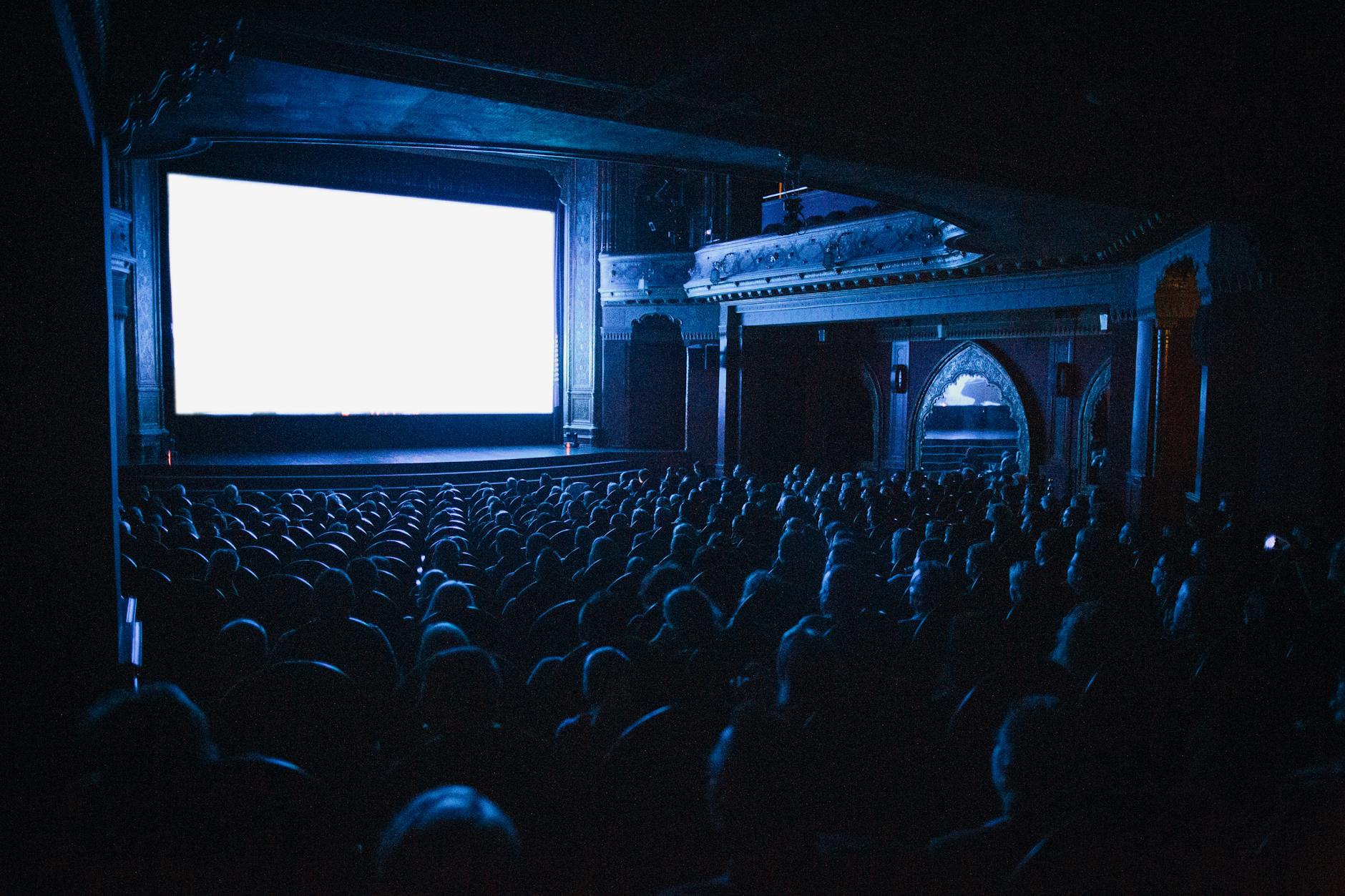
It sounds like as neighborhoods and consumption patterns changed, at least several movie theaters became available and were converted into churches. Depending on the size and condition of the theater, it may not take much work for a congregation to make it a religious space. The rough structure of a movie theater seems like it could suit religious purposes; a theater would have a lobby at the front and then people would walk into a seating area with a screen and stage at the far end.
From the pictures in the article, it might be hard now for those passing by to see the movie theater in the past of the current structure. This could be due to the changes made by congregations but it may also hint at the ways the architecture of movie theaters has changed. The boxy multiplexes of recent decades look different compared to the ways movie theaters looked more like theaters – places for live stage performances – in the past.
It would be interesting to hear more about the building energy present in these congregations today. As Brenneman and I discussed in our book, we found congregations exhibit an energy about their buildings as they budget, maintain, and plan for their physical spaces.
The Chicago suburb of Huntley is a little more than 50 miles from downtown Chicago. With the planned opening of a new passenger rail line from Chicago to Rockford, here is how city officials responded:
Huntley officials confirmed Friday that the village has decided against having a train station come to town.
Huntley had been slated to have a stop on the Chicago-to-Rockford rail line that’s expected to start operations by 2027, but the village recently notified project leaders they no longer wanted a station.
Village officials cited potential parking and traffic issues, among other things, downtown as well as uncertainty with ridership numbers and village financial commitments…
In nearby Marengo, which isn’t scheduled to have a train stop despite the rail line going through the center of town, the City Council has expressed its support for having the train stop there.
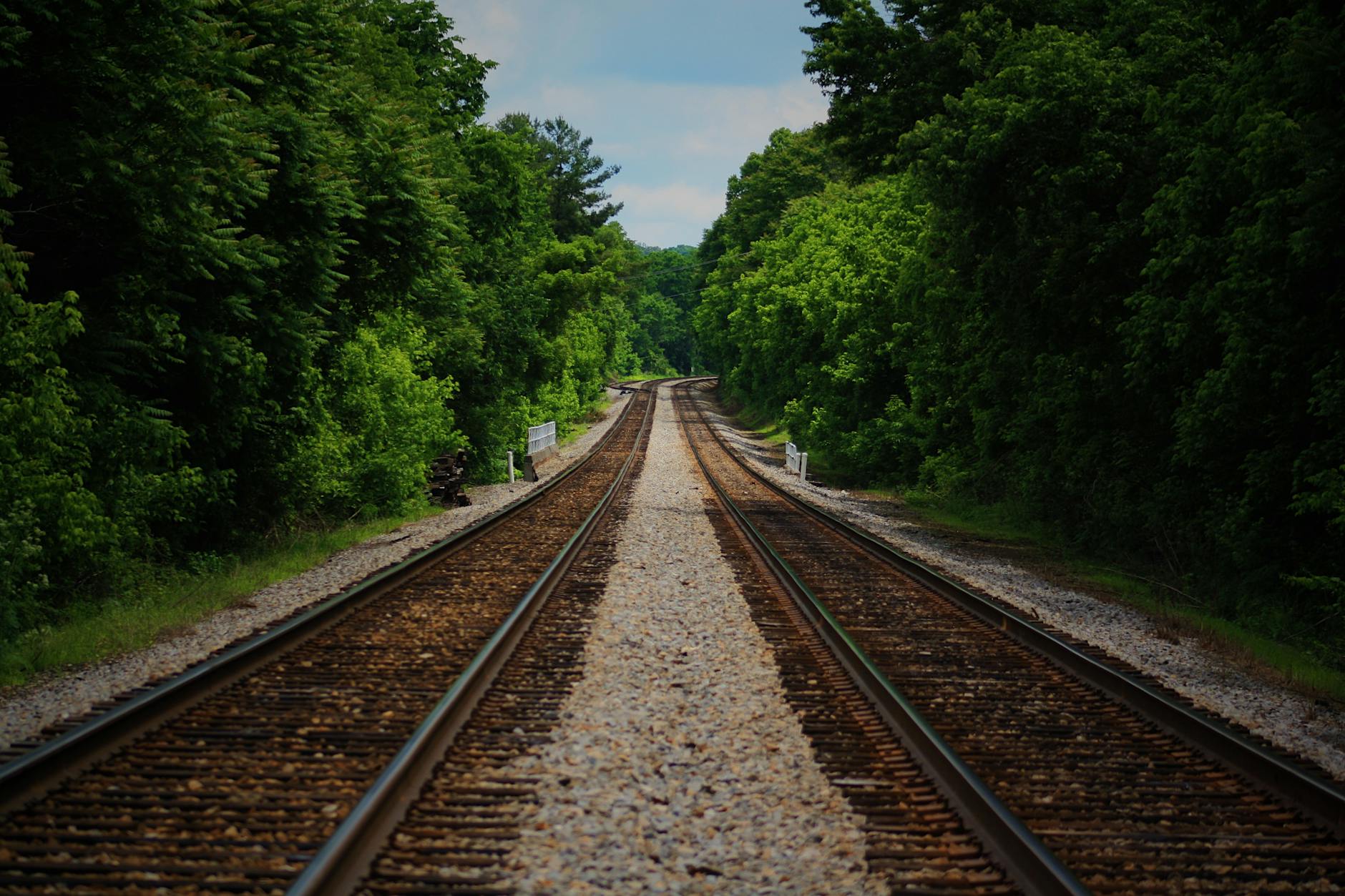
For a long time, suburbs would have wanted a stop on a commuter rail line. This offers nearby residents – in the particular community with a stop but also residents in nearby communities – opportunities to go to the city. Not having a train station means other communities could benefit from the commuting options and the business and residential opportunities that might go with it.
But the reasons cited above suggest a railroad today might be seen as more trouble than its worth for suburban communities. Parking and traffic concerns come up with any new development. Ridership and money figures could be hard to forecast.
I wonder if another matter at play is the rapid growth of the community in the last few decades. As late as 2000, the suburb had 5,730 residents. In the 2020 Census, the community has 27,740 residents. Would a train line contribute to that change? Might it encourage denser development around a train station, something that has happened near numerous Chicago suburban train stations?
Also, the community already has transportation options. It is along a major highway, I-90, to and from Chicago. Residents can access train lines to Chicago in the nearby suburbs of Elgin or Cary, roughly 25 minutes drive away, if they really want a train.
Still, I wonder if the suburb will regret not having a train stop. The train will run through the community anyway; would a train station disrupt life that much and/or might it add something for residents?





 Legally Sociable