On a recent trip to Los Angeles, I saw a part of urban life I primarily read about: the proliferation of electric scooters.
The scooters were all over the place. There were more scooter users in the bike lanes than bicycles. Scooters of multiple services zoomed by. They could be parked anywhere.
They make a lot of sense in a place with good weather, limited mass transit, and a good number of visitors. (On the other hand, they do not make as much sense right next to the large vehicles Americans often drive.)
One additional thought: are these scooters doing what the Segway was supposed to do or could have done?
Anyone can catch a walleye with a few bucks’ worth of basic gear, some practice and a little luck, Roach said, though that doesn’t stop some Midwesterners from dropping the equivalent of several years’ salary on boats, McMansion-grade ice-fishing trailers and sophisticated electronics designed to better target the finicky fish.
Follow the link for the trailers and you can see large ice-fishing trailers. I assume that is the primary use of McMansion here: these trailers are large. They offer a lot of interior space. Maybe they are mass-produced or architecturally dubious but the size of these trailers is bigger than just a little ice fishing hut.
At the same time, the use of the term suggests that the ice-fishing trailers are over the top or unnecessary or undesirable thing. McMansion is an evocative term that is usually linked to negative judgments.
The lingering question here: is the large McMansion trailer a worse choice than a more modest ice-fishing dwelling?
(This is not the first time McMansions have been linked to transportation. See earlier posts here and here about McMansions and SUVs. Those ice fishing trailer need a sizable vehicle to tow them into place.)
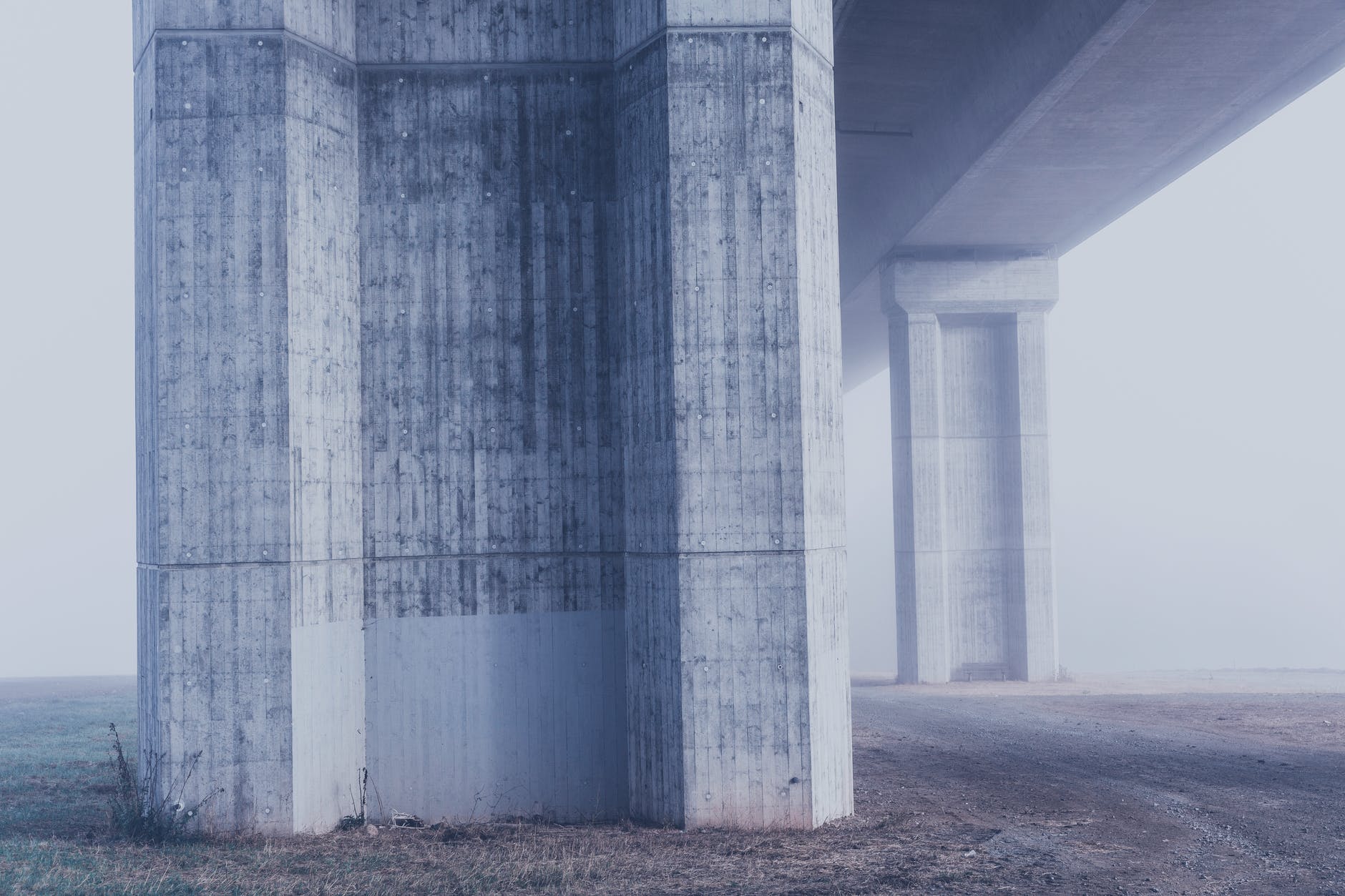
The bridge opened to the public back on July 10, just over two weeks ago, but in that brief time, it’s been the center of attention in Los Angeles for all the wrong reasons. Street takeovers, graffiti, and crashes have plagued the bridge since its reopening. The LAPD has given out 57 citations on the bridge over the last four days, according to LAPD Chief Michel Moore.
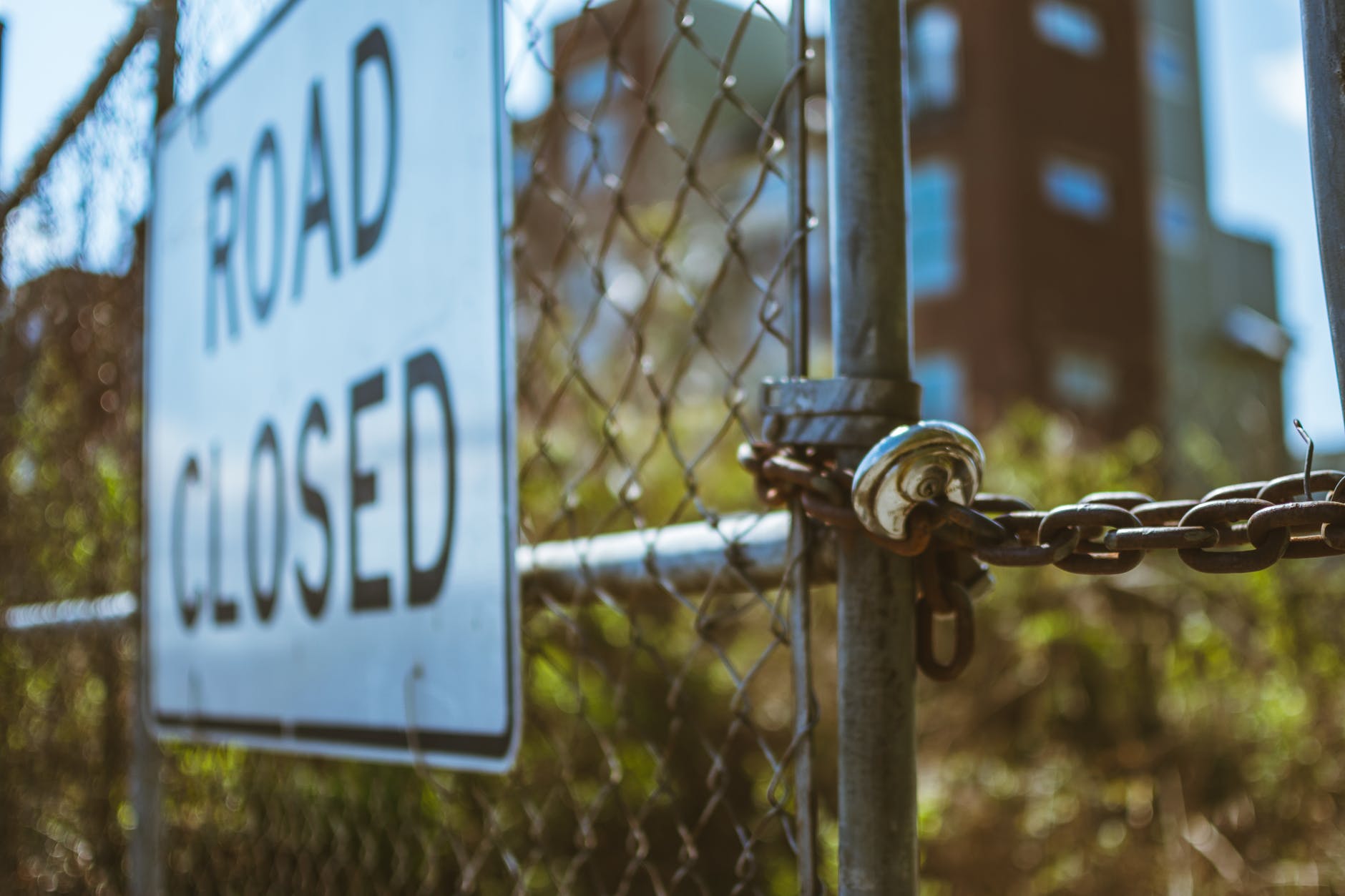
“The 6th Street Bridge will be closed until further notice due to illegal activity and public safety concerns,” the LAPD posted on Twitter Tuesday night.
The construction of the bridge took six years and cost nearly $600 million. Ahead of its grand reopening, LA city Councilmember Kevin de León said the bridge would “rival the Hollywood Sign and Griffith Park as iconic images of our city.”
The bridge has been closed multiple times, most recently every night this past weekend for what LAPD called “questionable activity.” On Tuesday, Moore announced that speed bumps were being installed on the bridge to deter street takeovers and that a center median and fencing to discourage people from scaling the archways could also be installed soon on a temporary basis.
I imagine the city will want to channel the attention for the new bridge in positive directions. They can highlight the new infrastructure, road, and design. Here is a city getting things done and in style. How about harnessing that energy for exciting yet legal TikTok and social media videos?
This is an unusual situation but it hints at the intertwining of trains and communities. This would be a strong reminder of the goods moving across the landscape and how it intersects with traffic, pedestrians, buildings, and residents. Many might prefer that freight just shows up where it needs to – usually at the point of use or access by consumers – but it has to come from and to somewhere first.
Now I wonder how many American communities have this particular situation. This might be more common in big cities or in cities in other countries where mass transit lines run on roadways. Or, this could encourage remembrances of the extensive streetcar systems in many American communities that utilized local roadways.
The price of a foot of water pipe in Tucson, Arizona: up 19%. The cost of a ton of asphalt in a small Massachusetts town: up 37%. The estimate to build a new airport terminal in Des Moines, Iowa: 69% higher, with a several year delay.
Inflation is taking a toll on infrastructure projects across the U.S., driving up costs so much that state and local officials are postponing projects, scaling back others and reprioritizing their needs.
The price hikes already are diminishing the value of a $1 trillion infrastructure plan President Joe Biden signed into law just seven months ago. That law had included, among other things, a roughly 25% increase in regular highway program funding for states.
“Those dollars are essentially evaporating,” said Jim Tymon, executive director of the American Association of State Highway and Transportation Officials. “The cost of those projects is going up by 20%, by 30%, and just wiping out that increase from the federal government that they were so excited about earlier in the year.”
Because a number of these projects have to get done, it sounds like the primary effect of inflation is to delay projects. This has a cascading effect on getting better infrastructure in place, jobs, construction and its consequences, and more.
Five students from a Peace and Conflict Studies class at Naperville Central High School researched electric buses from various angles. They told the school board about the potential health benefits, the grants available to mitigate the costs, and the long-term financial benefits. They also provided examples of surrounding districts currently investing in electric buses.
“Through conversations with experts and subsequent research, it is evident that electric buses are vital to our future,” student Emma Orend said. “We must implement them into our school district’s transportation fleet to benefit both the environment and ourselves.”
While school board members and Superintendent Dan Bridges didn’t respond to the students during Monday’s meeting, the issue arose on March 21 when the board approved the purchase of 17 diesel-powered buses at a cost of $1.8 million. Board members Donna Wandke and Joe Kozminski voted no, with Wandke expressing frustration at the lack of urgency in shifting to electric buses.
District Chief Financial Officer Michael Frances said a shift was difficult because the district didn’t qualify for grants that would make the transition affordable. The standard 71-passenger diesel-powered buses purchased by the district cost $108,497, but the electric equivalent costs anywhere from $200,000 to $500,000.
-A few influential districts in each region are the early adopters, other surrounding districts are interested observers, and when the electric buses work out, they gain market share.
-Districts wait to see if there is more money available – grants, other sources – before spending a lot more upfront for electric buses.
-Certain districts might experience more pressure from students, parents, members of the community, and board members to purchase electric buses as part of broader efforts to be more environmentally sustainable.
-The electric buses might not run on diesel but they might look very similar on the exterior and interior. Absent the black smoke, will they present a better experience for riders?
My heyday of riding a school bus started over three decades ago and lasted for about 9 years. I do not remember many specific moments from those rides, usually short ones in a suburban setting, but I could easily describe the interior of the bus. Steep steps up. A domed ceiling. Lots of brown or green rows on metal frames. Metal windows that fogged up often and required pinch tabs at the top to slide down. A long and narrow aisle. A wide rear-view mirror for the driver to watch the back of the bus. A particular smell.
This interior has not changed for decades. As an adult, I have been on a school bus a few times in recent years and it looked almost exactly the same. It felt very familiar very quickly.
Why haven’t buses changed in decades? A few possible reasons:
-They require a significant monetary investment so they continue because they cost a lot to replace.
-It works as a long box on wheels. Why make changes to what “works”?
-There are few innovators in this space. What would be a game-changer in the school bus industry? Increased efficiency? More safety features? A significantly lower cost?
-People want future generations to have the same bus experiences they had as kids? (On the opposite end of speculation, do experiences on school buses while kids discourage American adults from choosing buses?)
Perhaps like the vehicles of the United States Post Office, school buses are destined to live forever.
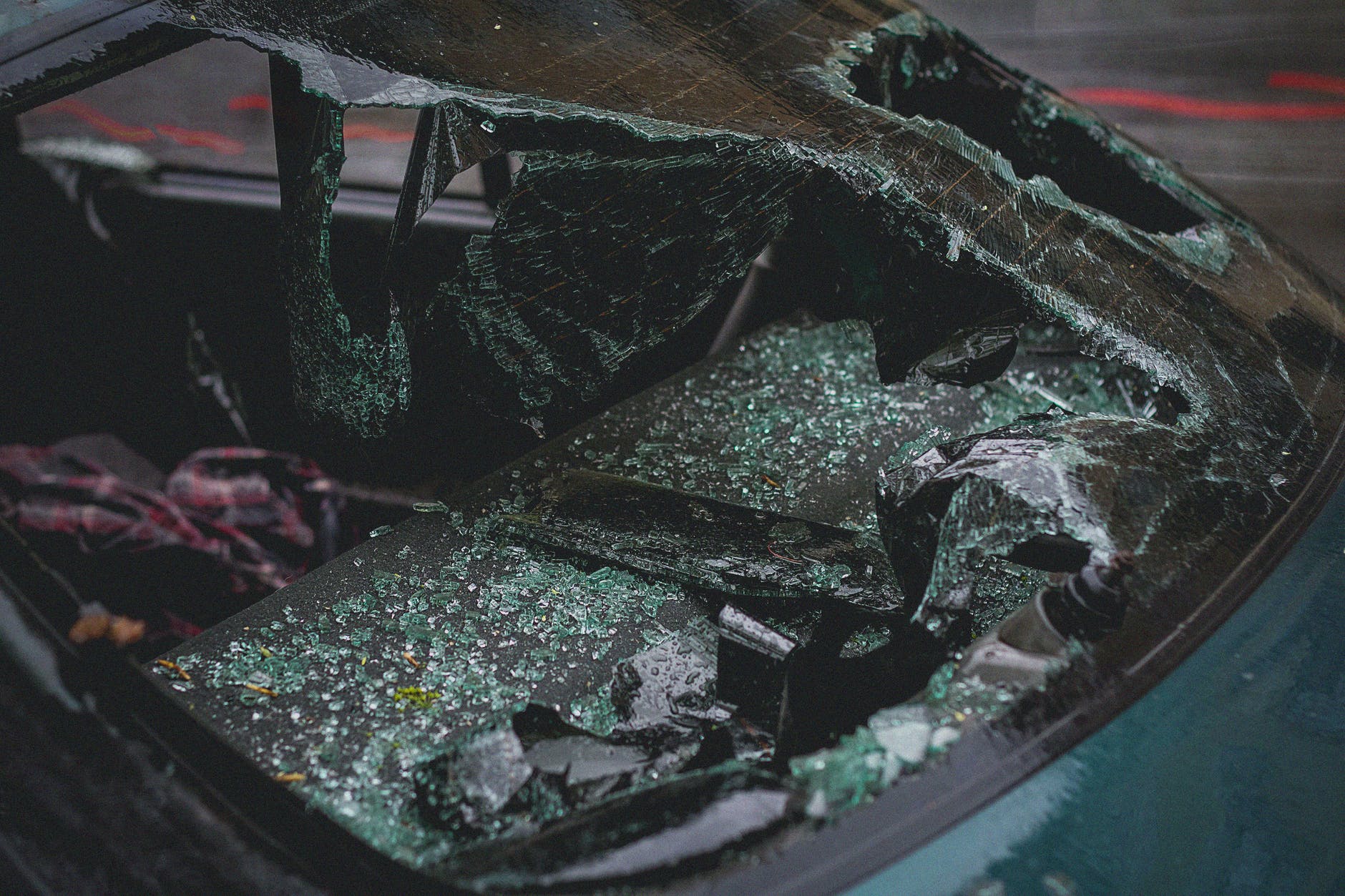
Nearly 43,000 people were killed on U.S. roads last year, the highest number in 16 years as Americans returned to the roads after the coronavirus pandemic forced many to stay at home.
The 10.5% jump over 2020 numbers was the largest percentage increase since the National Highway Traffic Safety Administration began its fatality data collection system in 1975. Exacerbating the problem was a persistence of risky driving behaviors during the pandemic, such as speeding and less frequent use of seat belts, as people began to venture out more in 2021 for out-of-state and other road trips, analysts said.
Transportation Secretary Pete Buttigieg said America faces a crisis on its roads. The safety administration urged state and local governments, drivers and safety advocates to join in an effort to reverse the rising death trend…
Buttigieg pointed to a national strategy unveiled earlier this year aimed at reversing the trend. He said earlier that over the next two years his department will provide federal guidance as well as billions in grants under President Joe Biden’s new infrastructure law to spur states and localities to lower speed limits and embrace safer road design such as dedicated bike and bus lanes, better lighting and crosswalks. The strategy also urges the use of speed cameras, which the department says could provide more equitable enforcement than police traffic stops.
Americans like driving and all that comes with driving. Because of this, Americans generally accept the risks of driving. While people may have fears of airplanes crashing or being hit by lightning or other improbable occurrences, the regularity of vehicle accidents does not seem to bother many.
Would a big jump in roadway fatalities catch people’s attention in a way that a typical year-to-year change would not? That this jump is tied to COVID-19 is also an interesting twist; driving might be more dangerous during and after a deadly pandemic. Also in the article, officials note the difficulty of quickly reducing roadway deaths. When do such deaths become an acknowledged crisis or a serious social problem?
The Times found that more than 200,000 people nationwide have lost their homes because of federal road projects during that time, and that some of the country’s largest recent highway expansions, including in California, have forced out residents in Black and Latino neighborhoods at disproportionately high rates. And that’s in addition to the more than 1 million people pushed out during the initial period of freeway building in the mid-20th century via routes that often targeted Black communities for demolition.
That is a lot of people moved just for highways. In addition to affecting particular groups at higher rates, highways broke through established neighborhoods with existing ways of life.
This does not mean highways are on the way out. However, it does mean that constructing a new highway or widening a highway in densely settled locations is not a foregone conclusion.
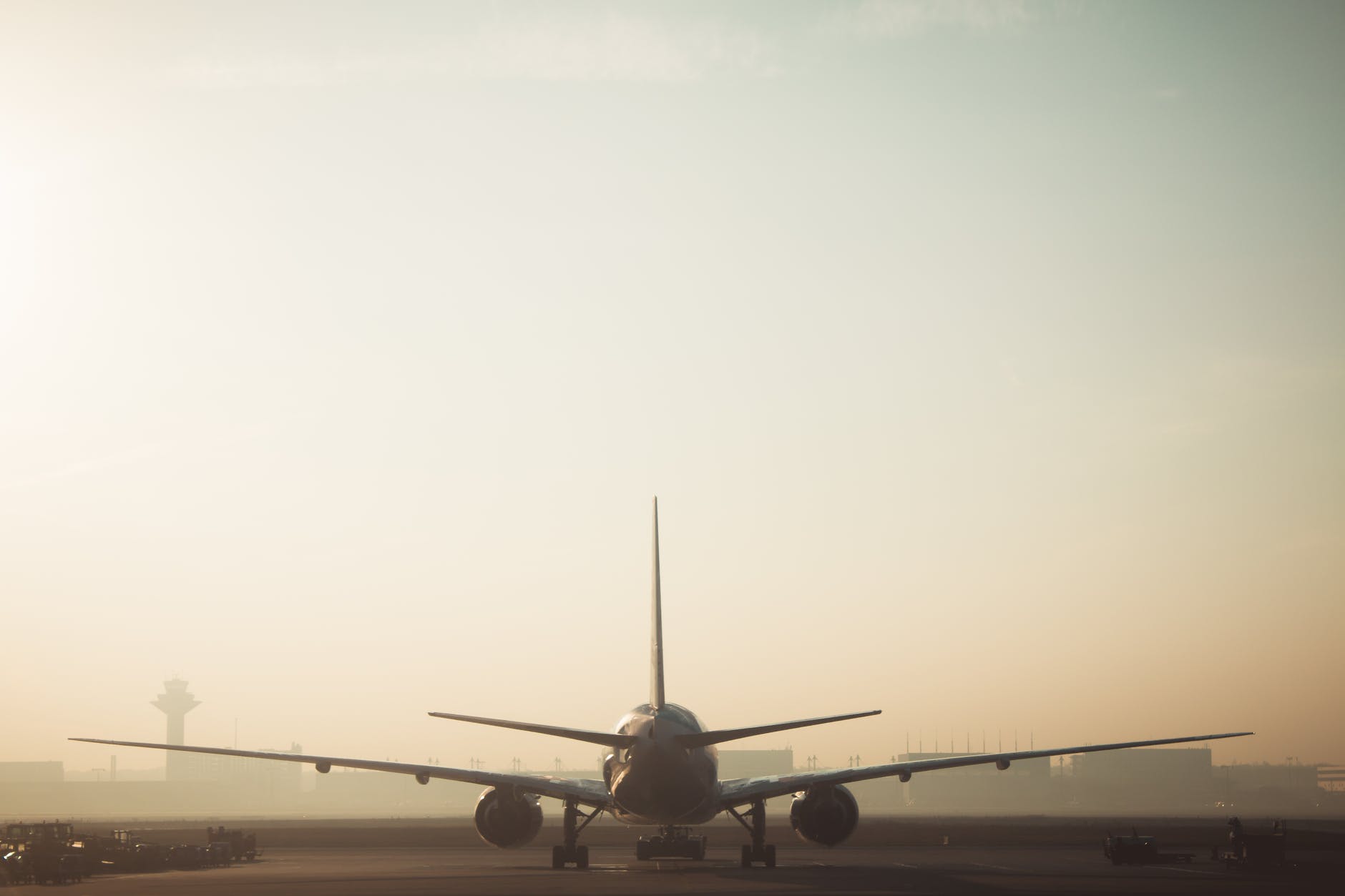
O’Hare International Airport remained America’s second-busiest hub behind Hartsfield-Jackson Atlanta International Airport in 2021, but experts say the number to watch is a 27% rebound in flights compared to a dismal 2020…
At the same time, O’Hare continues to climb out of a pandemic slump of 538,211 arrivals and departures in 2020. To put that in context, operations totaled 919,704 in 2019 when O’Hare held the title for most U.S. flights…
What other airports are bustling? The third-most voluminous was Dallas Fort Worth International Airport, followed by Denver International Airport, Charlotte Douglas International Airport and Los Angeles International Airport in sixth place.
I have been to the Chicago airports one time for a flight in the last two years and that visit in October 2021 seemed fairly close to normal. Theoretically, the pandemic provided a little space to make improvements or tackle projects at airports. I saw some improvements underway. At least a few big projects are in process at O’Hare:
An expansion of Terminal 5 is in full swing, with more than $1 billion earmarked to modernize the global facility.
At the same time, plans for major airports like O’Hare likely take place on the scale of decades, not necessarily a year at a time. For example, discussions regarding adding a new western terminal and entrance to O’Hare have gone on for years with some progress toward that goal.
It will also be interesting to see how the role of airports changes as the United States shifts to more electric vehicles. If longer road trips are different, will more people want to fly to destinations more than a few hours away? Flights are not exactly green but the transportation landscape could change in the next few decades.







 Legally Sociable