
Some American cities are predicted to lose residents in the coming decades:
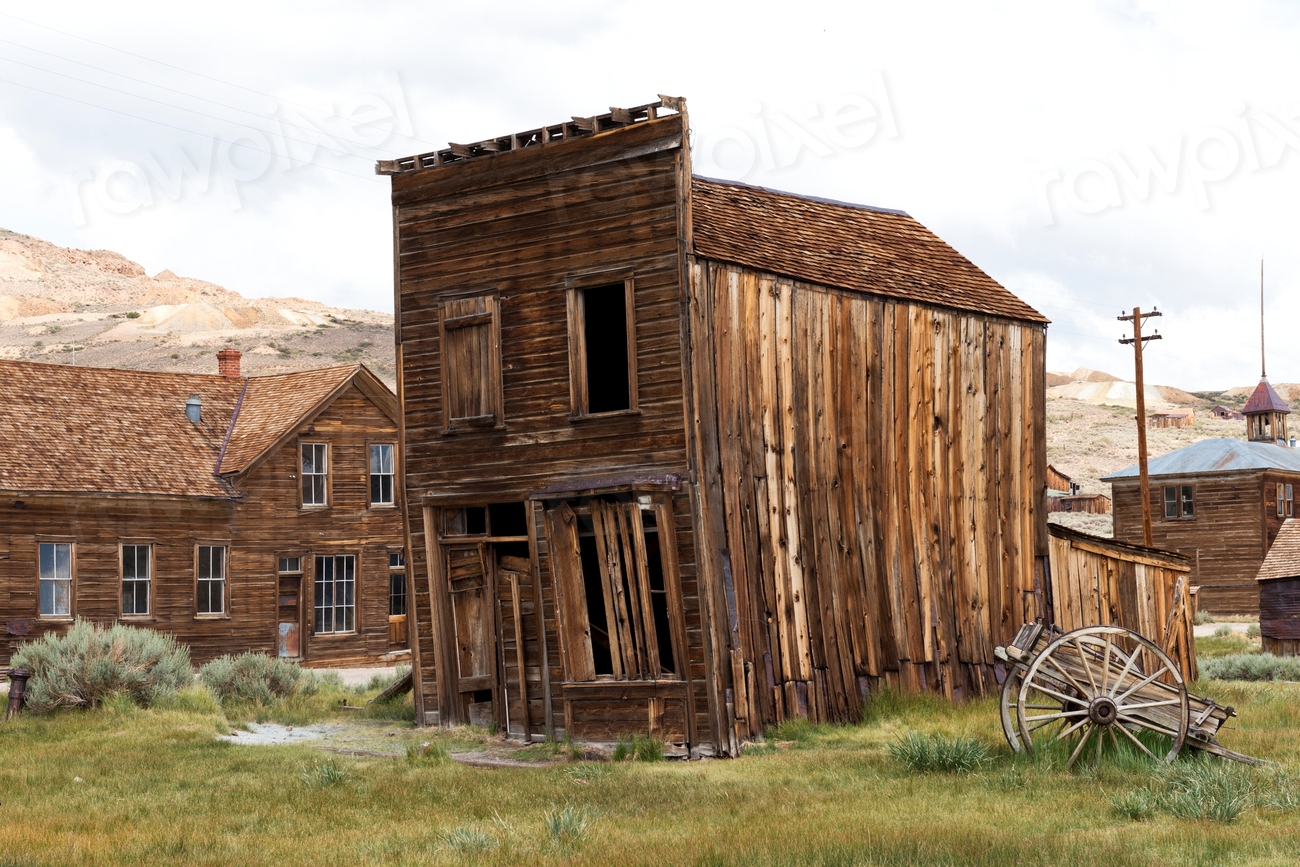
Many cities across the United States could become ghost towns by 2100, according to new research published Thursday.
“Close to half of the nearly 30,000 cities in the United States will face some sort of population decline,” researchers from the University of Chicago in Illinois wrote in a journal article published in Nature Cities.
Major cities in the Northeast and Midwest are already slowly losing population. While cities in the South and West regions are experiencing a population increase, some major cities in Alabama, Georgia and Tennessee are slowly depopulating, the researchers found.
Cleveland, Buffalo, and Pittsburgh could see depopulation of 12 to 23 percent by 2100 while cities like Louisville, New Haven and Syracuse — not currently showing declines – likely could soon.
Many cities in the Northeast and Midwest peaked in population decades ago. This is not good for communities in the United States; population loss or even stagnation is viewed as a problem or failure. The reminder here that there are some cities with growing populations could feed into this. (Extrapolate from here and Dallas-Fort Worth will lead the country in residents soon!)
But, even more interesting is the use of the term “ghost town” in the headline and opening paragraph. Losing 20% of residents over the next 80 years is undesirable but this is different from making these communities a ghost town. These are typically empty communities. Perhaps they are communities wiped off the map.
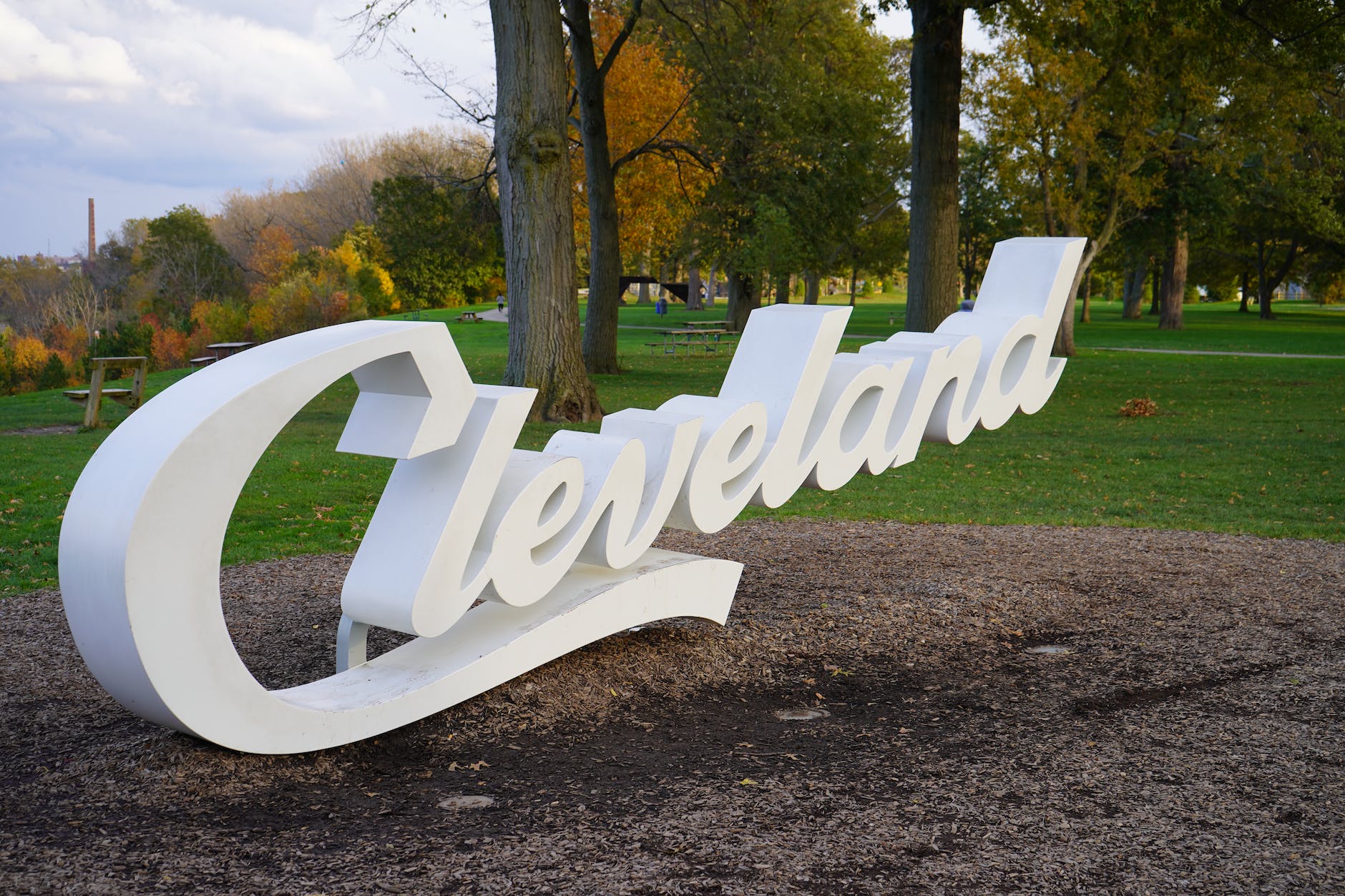
Take Cleveland since it is cited above. If it loses 20% of its population by 2100, it would lose 75,000 residents. Even after these loses, roughly 290,000 residents would still live there. Is this a ghost town or a significantly changed city? Cleveland will continue to be a major regional center and the region has over 2 million people.
I wonder if being less sensational about population loss figures and exhibiting willingness to be adaptable to changing conditions could go a long way toward adjusting to these realities. Some cities will lose people and some will grow. Both kinds of changes mean communities change.


 Legally Sociable