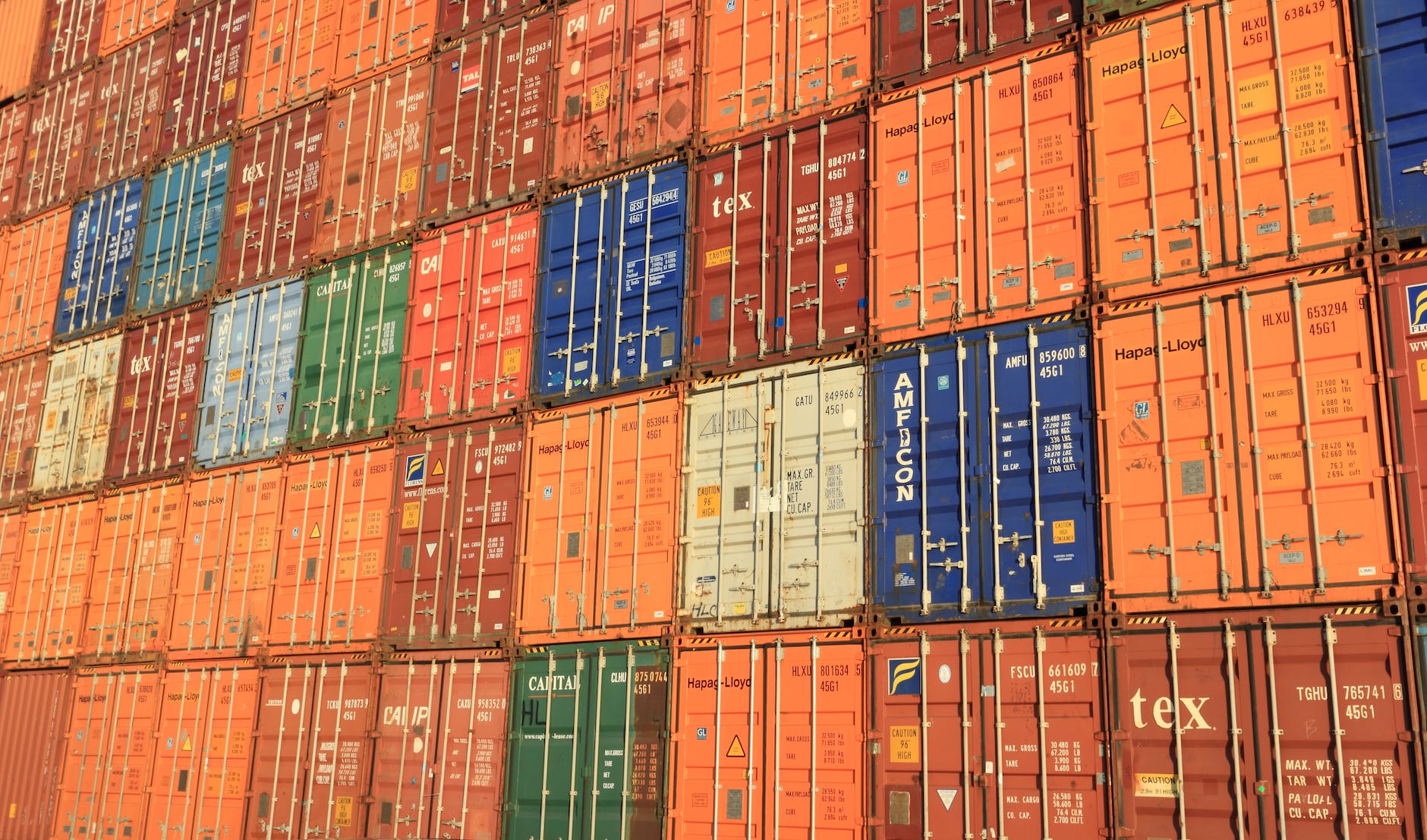
Chicago is still the country’s largest freight hub, handling half of all U.S. intermodal trains and a total of $3 trillion worth of cargo each year, according to the Chicago Metropolitan Agency for Planning.
That is a lot of money and traffic.
Whether the Chicago region is acting as a good steward of all of this is another matter. The figures come from an article about pollution from idling trains and truck plus increased freight traffic. Additionally, is the Chicago area prepared to be a freight leader in the future? If so much traffic passes through the region, there is a lot riding on facilities and infrastructure making sure everything gets to its destination.
Cattoor said the plan will not impose regulations on local municipalities but will instead provide programs and data that communities could benefit from…
The recommendation for this issue is to provide localized information to the public on anticipated changes in storm intensity and frequency. According to the document, this is particularly important in communities with combined storm sewer drainage systems, which carry sewage and stormwater runoff in the same piping system.
In Des Plaines, planning is critical to mitigate and reduce floods from large rainstorms that result in the Des Plaines River overflowing its banks.
Floods in 2008 and 2013 caused widespread damage to the city’s Big Bend Drive neighborhood, prompting the demolition of nearly 90 structures to permanently remove them from the floodplain. Most recently, a heavy rainstorm in 2020 left many of the city’s streets underwater…
Duddles said the Metropolitan Water Reclamation District requires that municipalities use an Illinois State Water Survey document referred to as “Bulletin 75” as a source of precipitation frequency data for stormwater infrastructure projects such as detention ponds.
It sounds like this can be helpful for future planning. For those pursuing new development, updated guidance on water and flooding could help limit future issues.
At the same time, work will be needed to adjust existing infrastructure. This is a harder task. In the example cited above, floods led to removing homes. In many suburbs, old systems may not work well as conditions change. Or, new conditions mean that systems that were already taxed or not working well may need severe overhauls.
Where will the resources come from to undertake such projects? Significant pipe, sewer, and water projects are not cheap. Aging infrastructure is a problem in numerous suburbs where the spurt of rapid development decades before leads to routine and unexpected maintenance and replacement.
This all means it could be decades before significant changes occur in suburbs regarding water and flooding. Yet, starting now in communities is better than waiting to address issues.
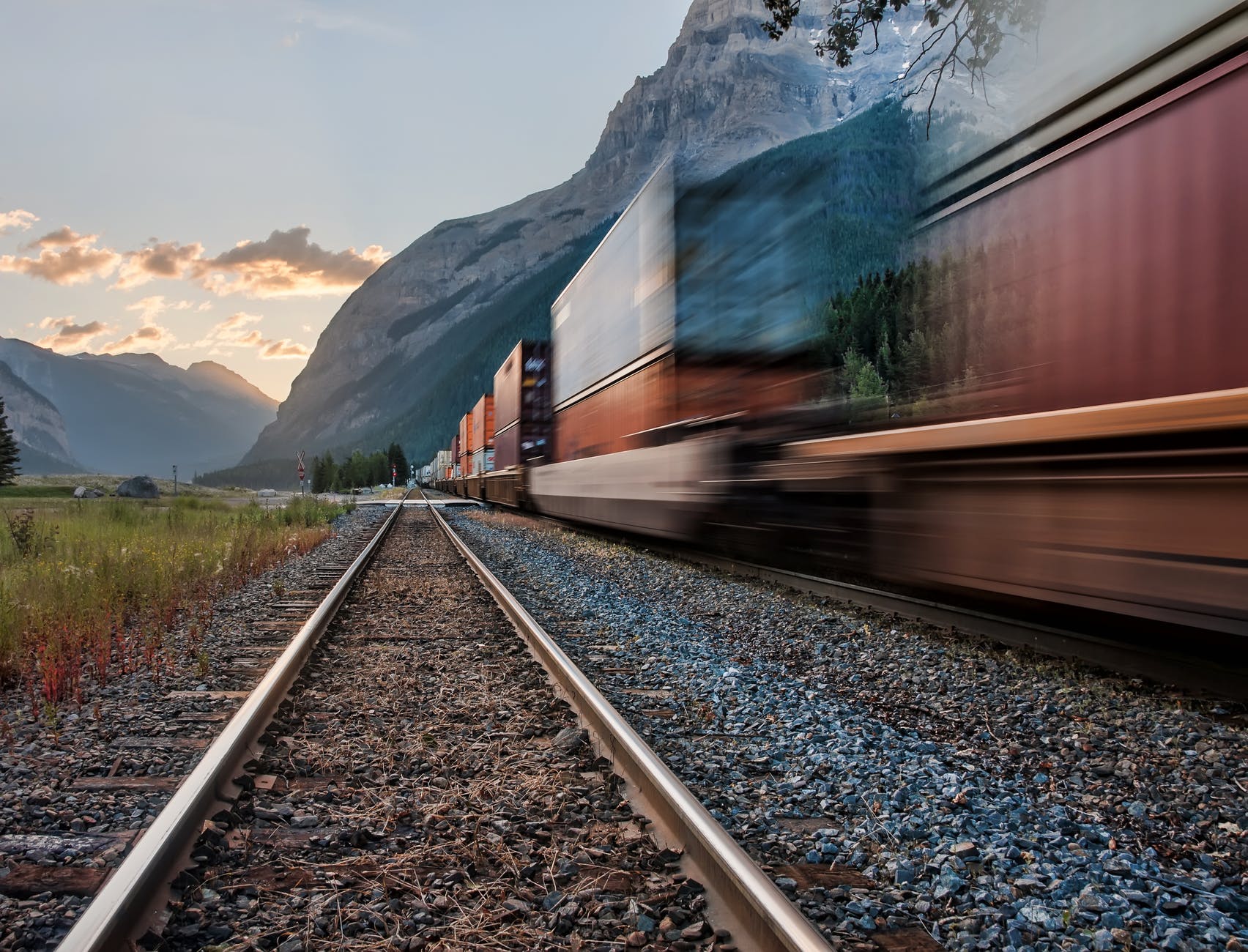
In April, the STB held hearings on the meltdown, where representatives from sectors including agriculture, energy, and chemicals joined trade unions to complain of poor service and working conditions. STB data says railroads cut their workforce by 45,000, or 29 percent, over the past six years, with pandemic furloughs pushing staffing levels past a tipping point. By late May, only 67 percent of trains arrived within 24 hours of their scheduled time, down from 85 percent pre-pandemic, according to data submitted to the STB by the four largest US freight railroads.
Worse, the US freight rail system is now poised on the brink of total paralysis because of a contract dispute between 115,000 rail workers and their employers. Negotiations have dragged on since the last contract expired in 2019, during which time rail workers have not had a raise. Under the Railway Labor Act, federal government mediators try to prevent railroad work stoppages, in this case to no avail. On August 16, a three-member presidential emergency board appointed by President Biden issued recommendations for the basis of a new contract. If the sides don’t reach agreement by September 15, rail workers can strike—a scenario that Rick Paterson, a rail analyst at the investment firm Loop Capital Markets who testified during the STB hearings, calls “economic WMD.”
The fallout of a prolonged strike would likely eclipse those from pandemic delays to ocean shipping because a foundational component of many supply chains would see its labor supply evaporate overnight, says Paterson. Ports would jam; trucking rates would soar; livestock would run out of feed. For that reason, Congress would likely intervene to delay or quickly end a strike, as it did during the last railroad strike in 1991. But lawmakers may not have much time: The deadline is just three days after the House of Representatives returns from recess…
US freight railroads cut staff in recent years as part of a shift toward a leaner and more profitable operating model dubbed Precision Scheduled Railroading (PSR). It was invented by a Canadian railroad executive and later replicated in the US, with the intention of simplifying a complex rail network by running fewer, longer trains, replacing single-commodity trains with mixed freight, and slashing labor. US freight trains grew 25 percent in length between 2008 and 2017 and now sometimes reach 3 miles long. And while the profits materialized, the promised service improvements have not always followed.
As with much critical infrastructure, relatively few Americans pay attention to its operation outside of the ways it might affect their daily life. See one recent example involving freight lines from the Chicago suburbs. If the trains keep running on time – or close to on time – it will not attract much attention.
But, a day without freight trains would quickly lead to big issues. Some might notice it quicker than others; perhaps they are associated with a certain industry or business or they live in a community where freight trains are ever-present and/or vital.
Given the stakes described above, I assume the crisis will be addressed and the trains will keep running. However, getting past this moment is not necessarily the same as setting up a structure that works for an extended period of time.
The bridge opened to the public back on July 10, just over two weeks ago, but in that brief time, it’s been the center of attention in Los Angeles for all the wrong reasons. Street takeovers, graffiti, and crashes have plagued the bridge since its reopening. The LAPD has given out 57 citations on the bridge over the last four days, according to LAPD Chief Michel Moore.
“The 6th Street Bridge will be closed until further notice due to illegal activity and public safety concerns,” the LAPD posted on Twitter Tuesday night.
The construction of the bridge took six years and cost nearly $600 million. Ahead of its grand reopening, LA city Councilmember Kevin de León said the bridge would “rival the Hollywood Sign and Griffith Park as iconic images of our city.”
The bridge has been closed multiple times, most recently every night this past weekend for what LAPD called “questionable activity.” On Tuesday, Moore announced that speed bumps were being installed on the bridge to deter street takeovers and that a center median and fencing to discourage people from scaling the archways could also be installed soon on a temporary basis.
I imagine the city will want to channel the attention for the new bridge in positive directions. They can highlight the new infrastructure, road, and design. Here is a city getting things done and in style. How about harnessing that energy for exciting yet legal TikTok and social media videos?
The price of a foot of water pipe in Tucson, Arizona: up 19%. The cost of a ton of asphalt in a small Massachusetts town: up 37%. The estimate to build a new airport terminal in Des Moines, Iowa: 69% higher, with a several year delay.
Inflation is taking a toll on infrastructure projects across the U.S., driving up costs so much that state and local officials are postponing projects, scaling back others and reprioritizing their needs.
The price hikes already are diminishing the value of a $1 trillion infrastructure plan President Joe Biden signed into law just seven months ago. That law had included, among other things, a roughly 25% increase in regular highway program funding for states.
“Those dollars are essentially evaporating,” said Jim Tymon, executive director of the American Association of State Highway and Transportation Officials. “The cost of those projects is going up by 20%, by 30%, and just wiping out that increase from the federal government that they were so excited about earlier in the year.”
Because a number of these projects have to get done, it sounds like the primary effect of inflation is to delay projects. This has a cascading effect on getting better infrastructure in place, jobs, construction and its consequences, and more.
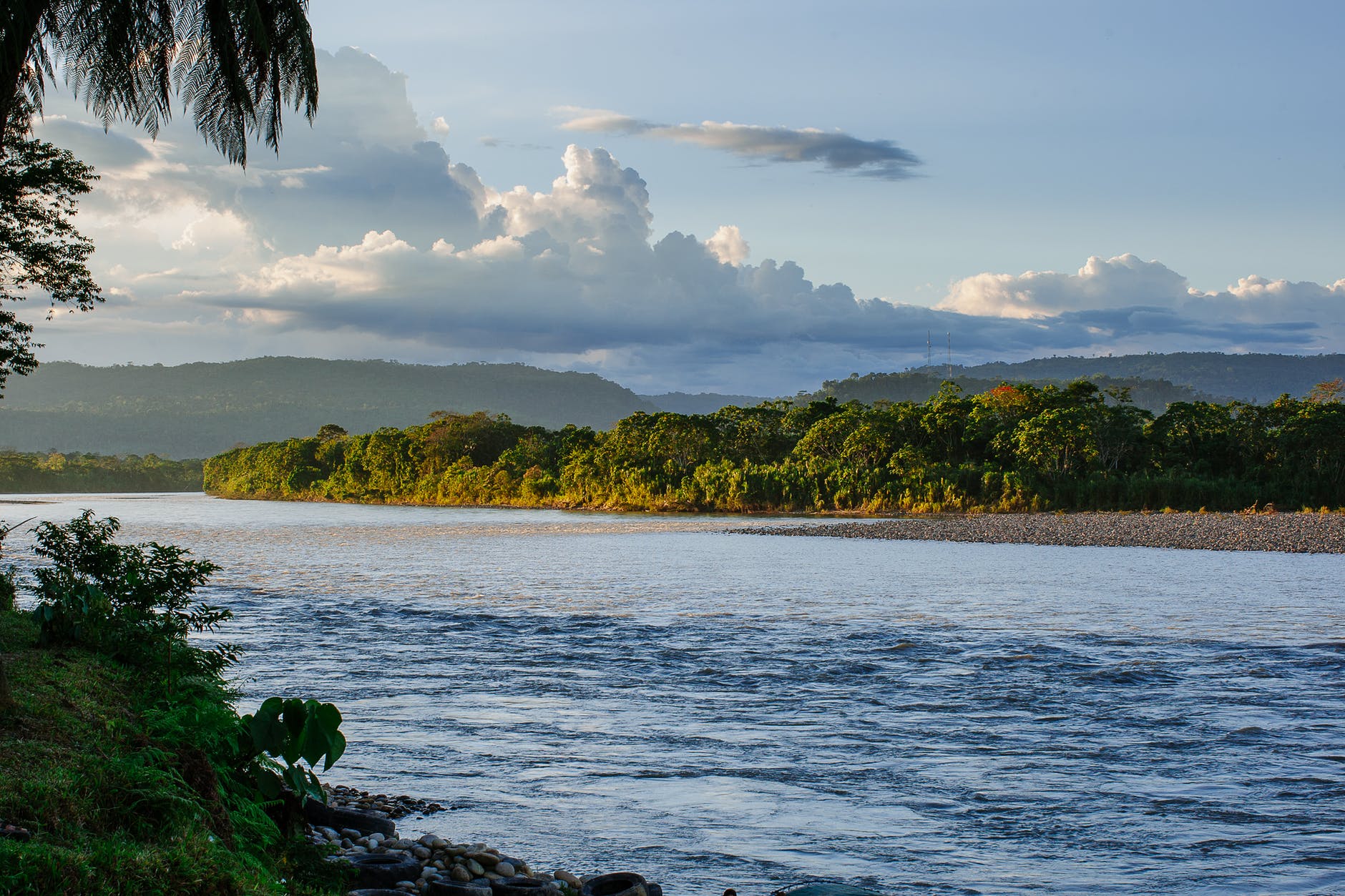
The Amazon, for much of its 4,300-mile (6,920 kilometers) length, meanders through areas that are sparsely populated, meaning there are very few major roads for any bridge to connect to. And in the cities and towns that border the river, boats and ferries are an established means of moving goods and people from bank to bank, meaning there is no real need for bridges to be built, other than to make trips slightly quicker…
For example, its extensive marshes and soft soils would necessitate “very long access viaducts [a multi-span bridge crossing extended lower areas] and very deep foundations,” and this would require hefty financial investment, Kaufmann said. Additionally, the changing positions of the river’s course across the seasons, with “pronounced differences” in water depth, would make construction “extremely demanding.” This is due, in part, to the river’s water level rising and falling throughout the year and the soft sediment of the riverbanks eroding and shifting seasonally, according to the Amazon Waters initiative (opens in new tab)…
Pontoons, or floating structures, are not a solution that would work in most parts of the Amazon, Kaufmann said, because the river is hugely impacted by seasonal variances, which adds an additional layer of complexity. For instance, during the dry season — between June and November — the Amazon averages a width of between 2 and 6 miles (3.2 and 9.7 km), while in the wet season — December through April — the river can be as wide as 30 miles (48 km), and the water level can be 50 feet (15 meters) higher than it is during the dry season, according to Britannica (opens in new tab)…
“I think a bridge would only be built if the need dominates over the difficulties and cost,” Kaufmann said. “Personally, I doubt that this will happen soon, unless there are unforeseen economic developments in the region.”
These are significant challenges, including engineering concerns and the lack of economic justification. Money always matters in big infrastructure projects as the costs can add up and the current system can be deemed okay and more cost-efficient.
So how might this change? I can imagine two scenarios:
A leader, political or otherwise, wants to make a big splash and attach their name to a significant civic project. Government officials often like this as infrastructure lasts a long time and is viewed as furthering the public good. Additionally, attaching their name to a significant structure means they can be recognized longer.
An architect or engineer or related firm wants to make a big splash. Perhaps the bridge is a unique design for the particular environmental conditions or perhaps it is especially green, particularly if there are fears that a bridge would negatively impact the environment.
In either case, to be part of the first bridge over the Amazon would be a notable achievement.
I recently noticed what looks like plans to replace nearby poles for above-ground power lines:
I look forward to seeing the way these poles are replaced. I would guess that this does not happen very often and these poles need to stand straight through all kinds of weather to do their job and keep power moving. This transmission line running north-south down an important two lane road through residential areas clearly brings the power.
Seeing this also reminded me of something else: the relatively lack of visible power lines near where I live. This is not the case in other nearby places; older neighborhoods in my suburb have power lines on each street with an attachment to each single-family home. In contrast, most of the streets near me are unmarred by power lines. I primarily see buildings, grass, and roads without seeing power lines.
Additionally, we rarely experience power disruptions. Through rain, snow, and high winds, the power stays on. Presumably, the path our power takes the power plant to our house includes above-ground lines, supported by metal towers or wood poles. A few miles away is a major transmission line running north-south with its own right-of-way and lines several stories in the air.
When I do not see power lines, I rarely think about them. Or, I do not think about sewers that channel waste and water away from suburban homes unless something bad happens. Or, the wifi in the house silently disperses digital bits and I do not need to think about it.
The hidden infrastructure of our lives brings us much. I will watch for the replacement of the power line poles and then I will likely go back to not thinking about how the electricity that makes so much of modern life go around reaches me as much of the infrastructure is out of sight.
The Chicago area is tied with Atlanta as the fourth-largest data center market in the world, behind Northern Virginia, Silicon Valley and Singapore, according to a new study by Cushman & Wakefield. The study cites low cost of land, a robust development pipeline and lower power costs than most large data centers as advantages for Chicago.
The study also notes that Chicago-area sites come with “sizable incentives,” a factor that helped bring Facebook/Meta to DeKalb.
In 2019, Illinois created the Data Center Investment Program, offering an exemption from state and local sales and use taxes for companies that invest at least $250 million and create 20 new operational jobs in a data center. The program also requires the data center to be carbon-neutral.
In other words, there is money to be made by putting data centers in the Chicago region.
But, what do data centers offer back to the community? They might sit in buildings that the public does not know are data centers. They may not offer that many jobs; the data center under discussion in DeKalb in the article cited above is a more than 2.3 million square foot facility on 505 acres that will employ 200 people. They are getting tax incentives.
Of course, this is the way the development game is played in the United States. If these deals are not cut, companies will claim they will go elsewhere and they can find more favorable conditions elsewhere. The new data center will end up in Iowa or a “business-friendly climate.” The tech companies are desired by many communities so they will get good offers.
More positively, part of Chicago’s strength over the decades is its position in key infrastructure. The center of important railroad routes. Busy airports. The convergence of commodities from the whole Midwest. The creation of financial instruments. And now data centers.
Village trustees Monday voted 4-2 to approve the 5% entertainment tax as part of its upcoming budget. The tax would take effect July 1.
Village officials budgeted $25,000 in revenue from the new tax, which would tack 77 cents onto a standard monthly Netflix subscription costing $15.49 or 15 cents to an Amazon video rental costing $2.99.
“This is a modern version of the original telecommunication tax,” Village Administrator Erika Storlie said, adding that the village has seen a decrease in taxes collected from cable subscribers as more people drop cable television in favor or streaming services…
Chicago adopted an entertainment tax charging 9% on streaming services in 2015. In March, a judge dismissed a lawsuit filed by Apple Inc. challenging the tax. Though Apple’s complaint was dismissed, the judge left the door open for Apple to file an amended complaint.
Evanston, where Storlie served as city manager before coming to East Dundee, has charged a 5% entertainment tax on streaming services since October 2020.
Several thoughts about this:
-This is a relatively small tax in this community: the story above suggest its will generate $25k in revenue. Even in a small suburb, the money this generates will only do so much?
-I could imagine the argument that infrastructure is required to provide streaming services and taxes like these would help communities cover these costs. (I could also imagine – very faintly – the logic of a vice tax to limit the hours upon hours that Americans spend in front of televisions and screens…but limiting television watching via taxation seems somehow un-American. )
-I do not recall seeing much about public discussions of such taxes within communities. Is the tax so small that it does not attract much attention? Do residents not have a compelling argument against a streaming tax?
-Entertainment taxes are sometimes used for visitors or more public activities such as tickets for sporting events or theater shows. A streaming tax is aimed more at residents than visitors.
Many municipalities need consistent tax revenue streams as they look to provide services and balance budgets. This is one way to help achieve that goal.
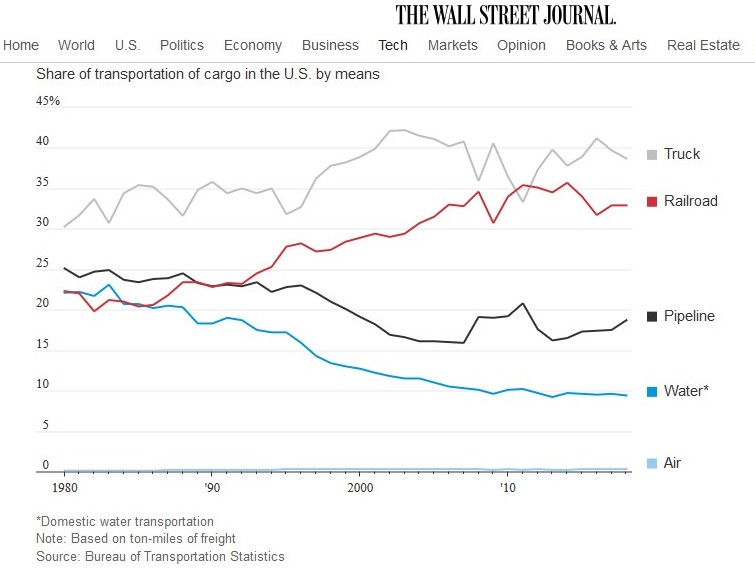
At this point, railroad shipping is very important: roughly one-third of cargo goes via train. This only follows trucks. And I wonder how this data works when cargo goes much of the way via train but then needs to make it “the last mile” from the railyard to specific locations.
So how much might autonomous railroads help? Here is some suggestive data:
A European Union-funded study published in 2020 found that moving to newer systems for managing trains could increase the capacity of existing rail networks by up to 44%. An internal study by Wabtec indicates in the U.S. the increase could be even higher, up to 50%. An increase of that magnitude in the ton-miles carried by America’s rail network would be the equivalent of moving approximately one million fully loaded Boeing 747-10 passenger jet planes from coast to coast every year.
Combine this with autonomous trucks (which, according to this piece, may take longer than moving to autonomous trains) and drones and perhaps more future goods could be moved even more quickly.