The ongoing parking issues at American colleges and universities

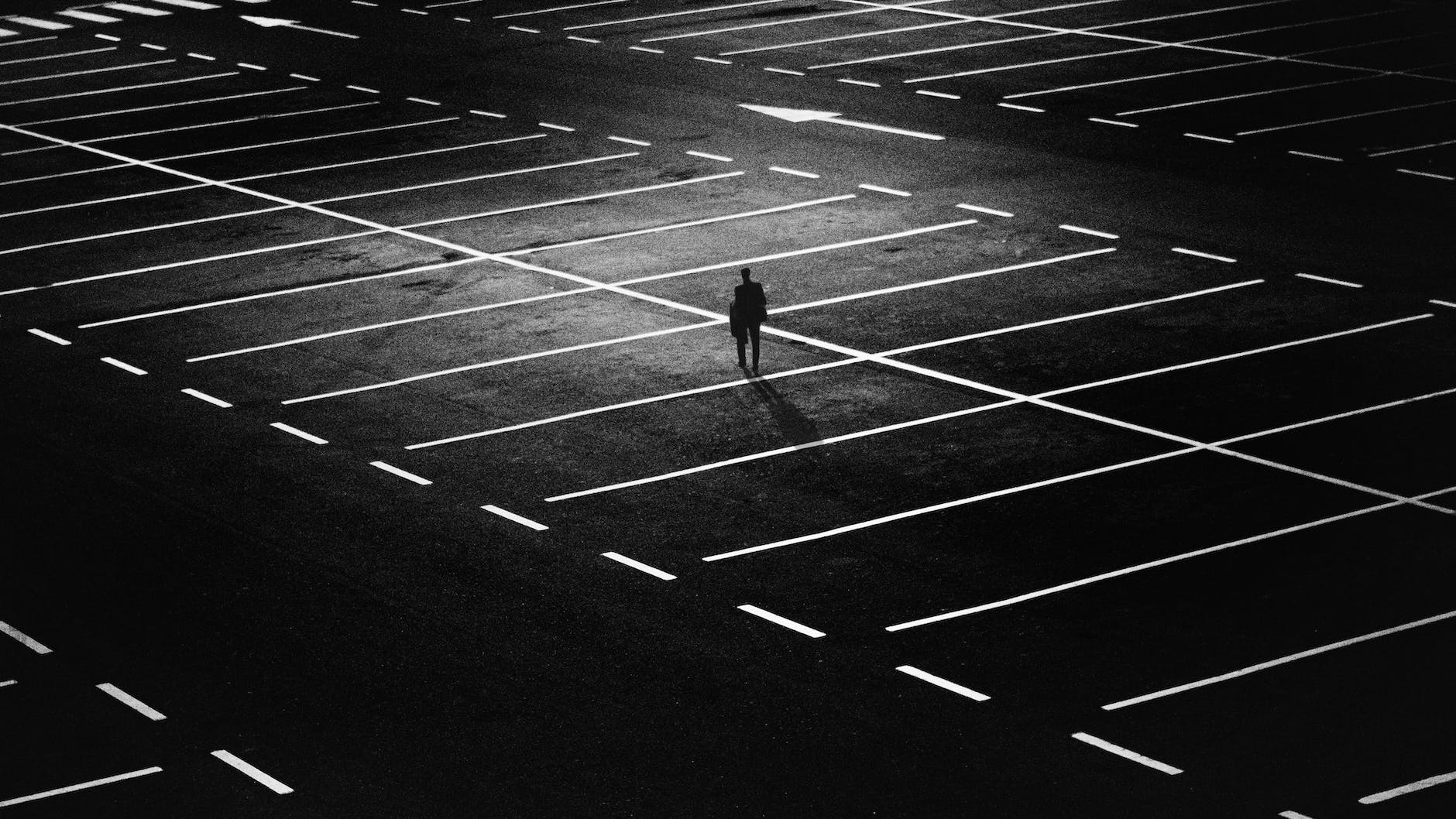
New policies about class scheduling at the University of Utah have touched on an important issue for many campuses: parking.

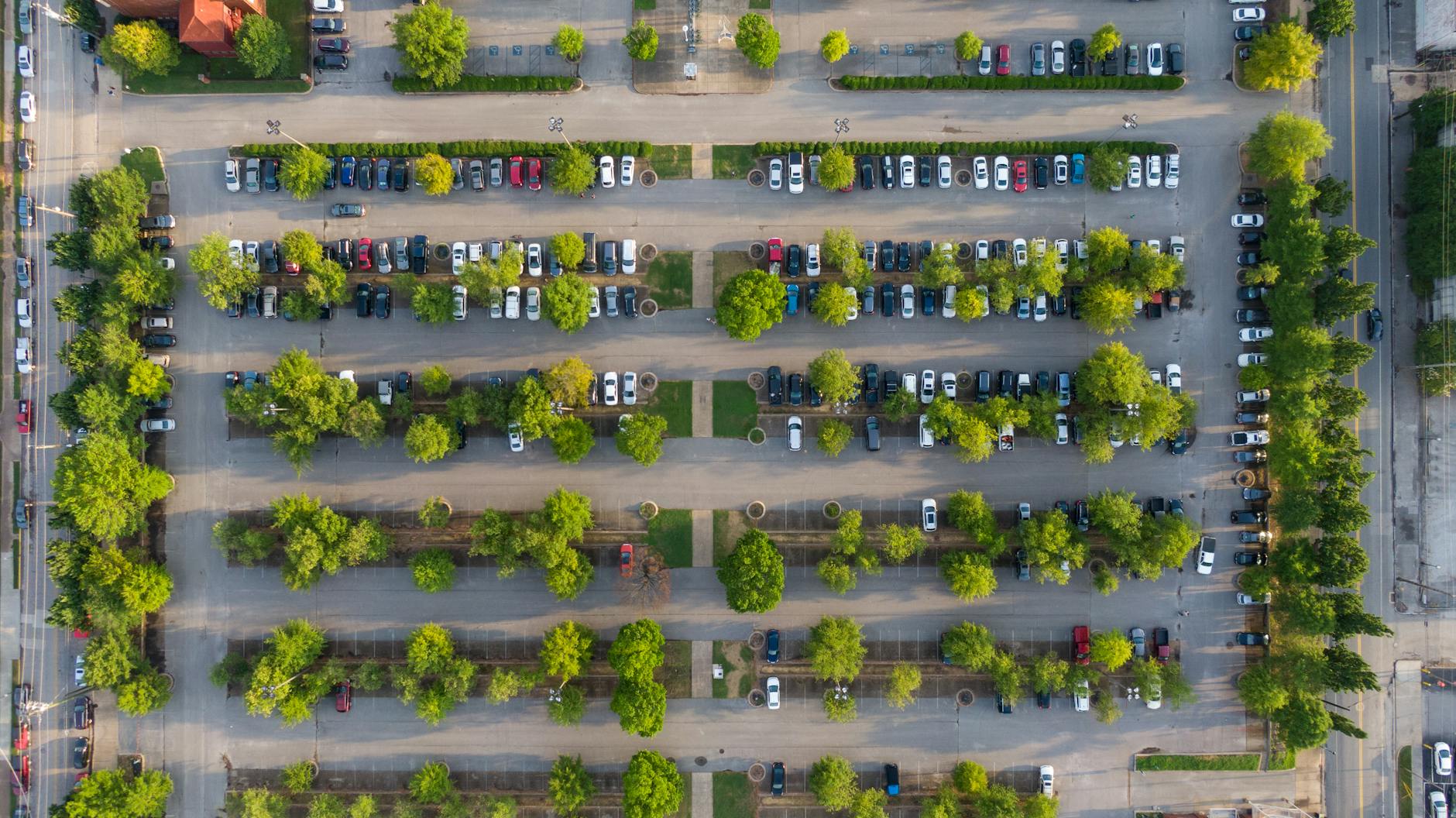
Photo by Kelly on Pexels.com

Debates about parking, of course, have long been frequent and contentious on college campuses. Clark Kerr, who led the University of California system in the 1950s and ’60s, once described colleges as “a series of individual faculty entrepreneurs held together by a common grievance over parking.”

At Utah, an online petition that has received over 7,000 signatures says that “parking congestion is undeniably a concern that needs addressing, but the solution should not compromise educational quality or student well-being.”

The university, which has 36,881 students and 18,300 full- and part-time employees on the main campus, had a combined 9,314 parking spots in 2024, according to commuter-services data. But the ratio of parking spots to parking permits sold is not one to one. Knowing that not all permit owners will park on campus at the same time, the university sells more permits than they have spots, which aggravates many students. For example, though the campus last year had 5,843 parking spots in “U” spaces that are farther from campus, it sold over 12,000 permits for those spaces, at a price of $345 for the year.

Still, the lots are never at full capacity, said Collin Simmons, executive director of auxiliary services. While spaces in the “A” lots, near the center of campus, are usually full every day, spots can be found on the outskirts of campus, or within a 10- to 15-minute walk to the campus’ center, he said. But these spots can also be scarce, especially between 10 a.m. and just before 2 p.m., when fewer than 10 percent of the U spots are available, leaving parking-permit owners to circle the lots across campus before they can find a spot.

Americans like to drive. So it should not be a surprise that they also like to drive to school campuses. This includes employees who commute to college campuses but also students who may live on or off-campus and want easier access to college buildings.

The description above from one university suggests this is a complex issue to address. I wonder if what every driver wants is this: a close parking spot to where they want to go with little to no cost to the driver. Why should I inconvenienced in reaching my on-campus work or activity?

To provide everyone a great parking spot every time comes with costs. How much does it cost to build and maintain parking lots and structures? A better parking spot for all might cost drivers more money. Would it be worth it? How much land on campus should be devoted to this purpose as opposed to other competing land uses? Colleges have numerous kinds of buildings and landscapes to build and maintain and space can be at a premium for many institutions.

Imagine a different kind of university: all the lower floors of the major buildings are large parking garages. Everyone can park underneath offices, classrooms, dining halls, recreational facilities. While this might get people a parking spot, does it then eliminate the streetscape? Many colleges and universities like to portray a bucolic image of ambling through green trees and lawns surrounded by traditional buildings that look like learning and knowledge.

Not discussed in the case above is whether the University of Utah has alternatives to driving. How many students can or do walk or bike to class? Is there viable mass transit available?
The United States has somewhere between 700 million and 2 billion parking spots. Is that enough? (/s)

One expert recently put some numbers to the amount of parking in the United States:

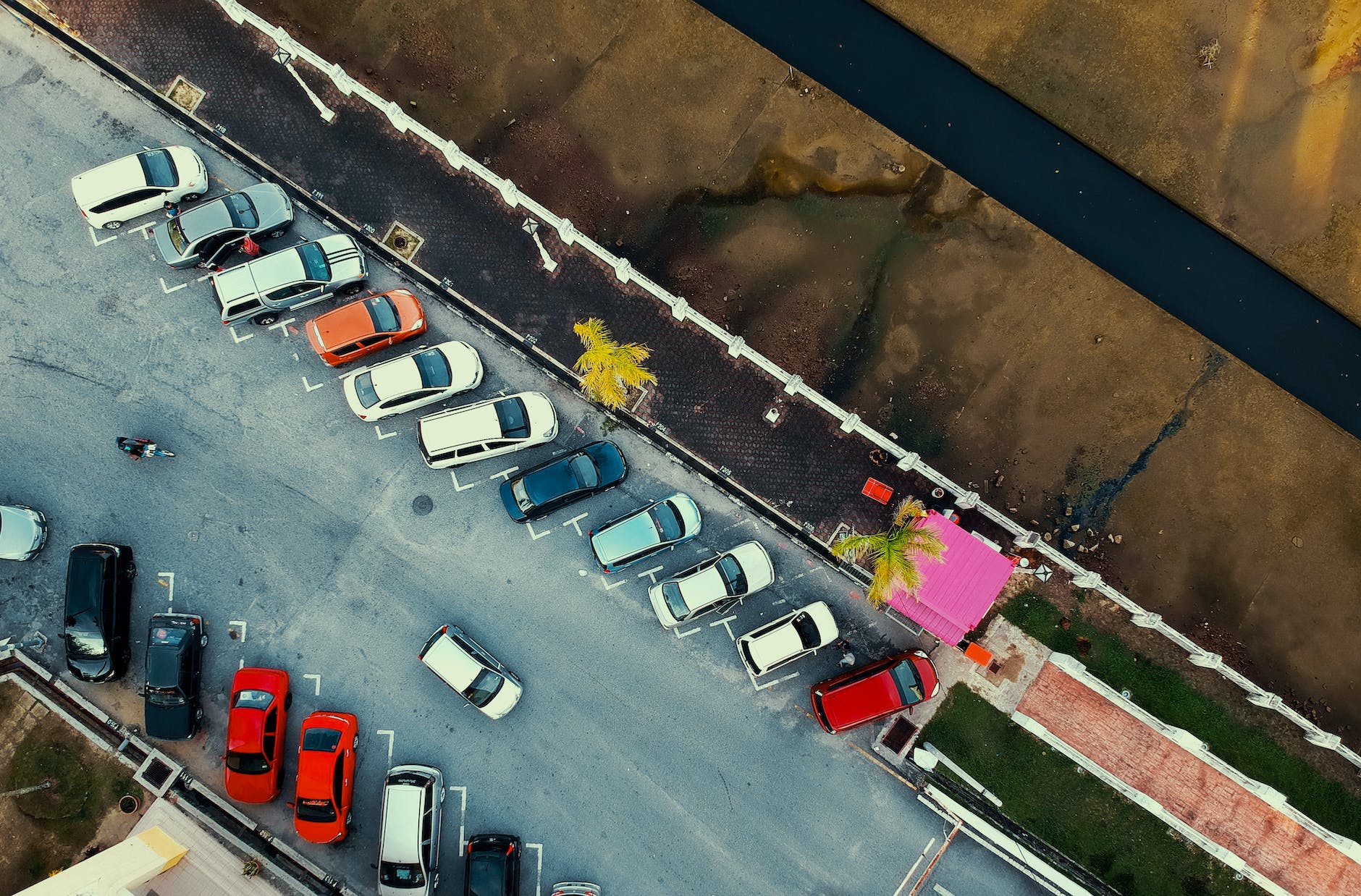
Photo by Pok Rie on Pexels.com

According to Donald Shoup, an urban planner and parking research pioneer at the University of California, Los Angeles, the government doesn’t track the number of parking spaces. But speaking with WSJ, he estimates that on the low end, the U.S. has at least 700 million parking spaces, and on the high end, the estimate is more like 2 billion. That works out to somewhere between 2.5 and 7.0 parking spaces per registered vehicle in America.

As this article goes on to note, some believe that is way too many parking spots. (Hence, the /s tag on the post title.) All of that parking takes up a lot of space, continues to further the commitment in communities to driving, and has negative environmental consequences.

At the same time, I could imagine many drivers in the United States like having all of this available parking and might even want more spots. In a car-dependent society, people need a place to park. People expect to be able to find parking quickly and close to their destination. If parking is limited and/or costly, drivers will express frustrations. Some might note that even if they wanted to use other forms of transportation (and avoid parking issues), these are not always available or convenient.

Commitments to reduce the number of parking spots in the United States long-term probably requires a lot of small changes to different parts of planning and communities. Just as a quick example, increased mass transit use and service would help reduce the number of drivers and reduce the need for parking spots. But, that chain does not happen quickly and there are multiple levers to move. I wonder if one of the important moves would be for some key communities to change their parking guidelines, find that it works or is successful (and also enables other good opportunities for land use), and this becomes a model for others to follow.

Two numbers that show how much space the United States devotes to parking

The United States has a lot of parking:

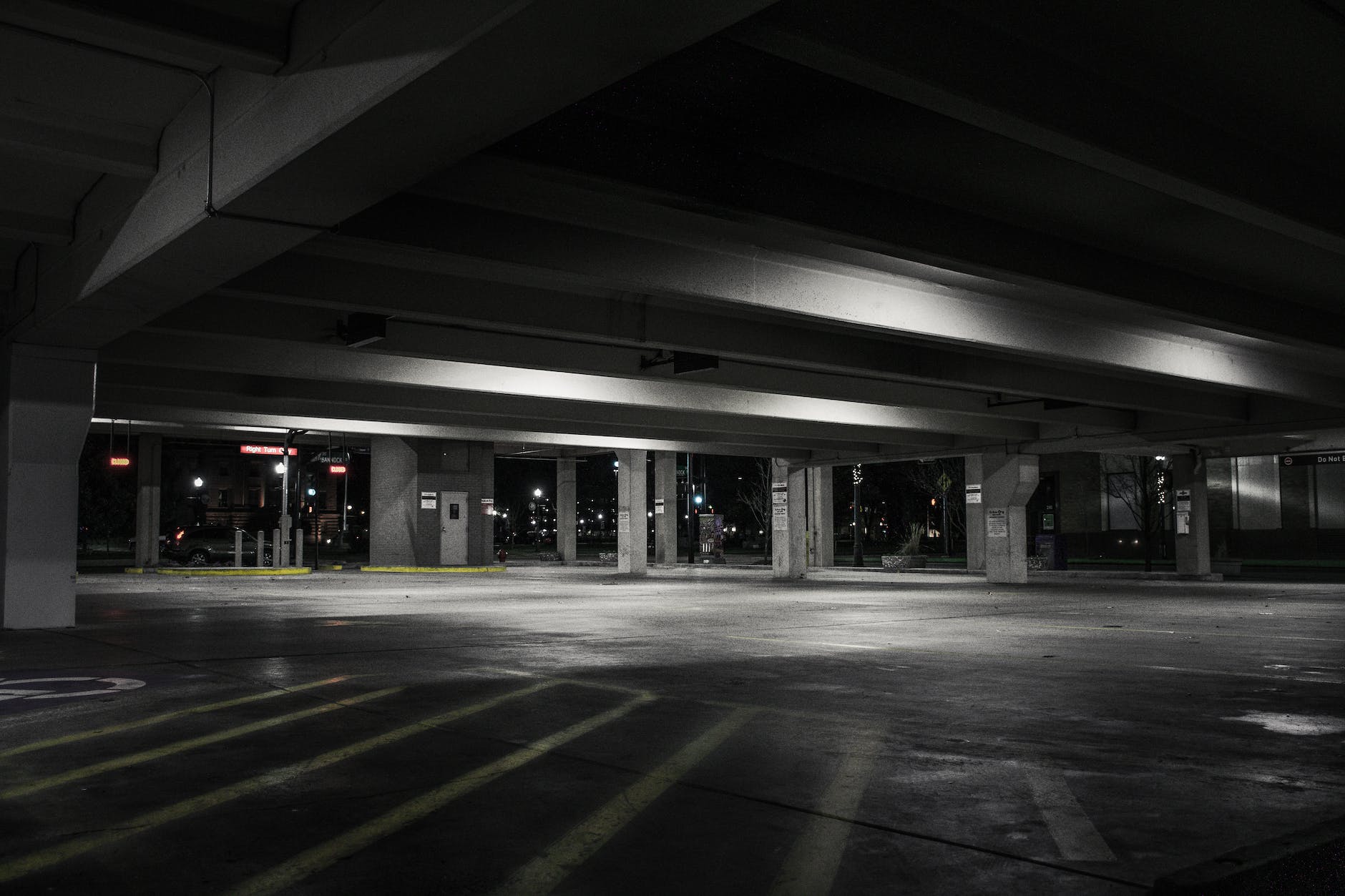
Photo by Brett Sayles on Pexels.com

The United States has about two billion parking spots, according to some estimates — nearly seven for every car. In some cities, as much as 14 percent of land area is covered with the black asphalt that engulfs malls, apartment buildings and commercial strips.

In a country where driving is an essential part of the regular and idealized way of life, space is required for vehicles when they are not in use. Most locations requires parking so people can drive and park there. Communities accrue a lot of parking, sometimes for parking that serves multiple locations (such as a downtown parking garage) and sometimes for a single use (like a parking lot in front of a big box store).

Increased density would help solve this problem without necessarily asking for people to drive less. Put desirable locations near each other and then centralize parking or share parking facilities so that parking is not unnecessarily duplicated. If “surban” developments are more popular or “fifteen minutes cities” emerge in greater numbers, perhaps this might help.

Less driving could also help. As could expectations about how much parking is needed; it is for peak and unusual times that rarely occur?

If enough places and concerned actors are able to slow the growth of parking lots and/or eliminate some, it is interesting to imagine communities with fewer parking spaces in the future. How might such land be positively used?

The long wait for a train station parking permit in Naperville is ending

The busy Metra commuter rail train stations in Naperville meant that it could take years to get a parking permit. That is no longer true:

Photo by Pixabay on Pexels.com

All parking spaces in Naperville commuter rail lots will transition to daily fees in the coming months.

The Naperville City Council Tuesday voted to eliminate the parking permit system at the Route 59 and Naperville/Fourth Avenue Metra rail stations and require commuters to pay only for the days they park…

Even before the COVID-19 pandemic changed the frequency people commute to Chicago, city staff was working to address the problem of spaces not be used in permit lots.

Effective immediately, no new permits will be issued for any Naperville commuter parking lots.

In the coming months, staff will modify the municipal code for council consideration with a goal implementing the daily pay-by-plate fee model in July…

When demand does return, the city can look into implementing more technology, such as parking guidance and reservations systems, Louden said.

This is a big change in a community where finding parking at the train station was difficult for years. Suburbanites are often used to plentiful and cheap parking so both a waiting period for a permit and a shift to a first-come-first-served model can irk different people.

It would be interesting to hear more about how changing work patterns – more work from home, perhaps more suburb to suburb commuting over time compared to trips into Chicago – affect suburban life. Are we in for a significant reckoning with commuter rail and mass transit when fewer people use it regularly for work? How about big parking lots: do they survive? Or, do suburban schedules change when fewer people work 9-5 shifts?

Americans fight for the right to have cheap or free parking

One columnist uses a story of obtaining a parking ticket on vacation to argue Americans like cheap parking:

I finally paid my parking ticket last week, but only because my wife reminded me. The ticket arrived unbidden on my windshield while we were on vacation. I parked too long in what I should have recalled but didn’t was a one-hour zone. I had no defense and sought none. As one who tries to be a good citizen, I stuck the small manila envelope above the visor on the driver’s side of the car, planning to pay up as soon as possible … and immediately forgot its existence. We arrived home from vacation with the ticket still hidden above the visor…

Indeed, the fact that the city increased the fines by only $5 helps illustrate the uneasy relationship between drivers and urban planners. Planners hate cars; drivers love them. Drivers have more votes than planners, so parking stays cheap…

Which brings us back to my parking ticket. Nobody has more status and power than the state, so why didn’t I pay my ticket at once? Because the state’s status and power are not strongly signaled. The face value of the ticket was relatively low — $20 — and paying late increased the fine only by $5. Now imagine increasing both by a factor of 100. Were the fine $2,000 and the late fee $500, most of us would pay on time. As a matter of fact, we’d go out of our way never to be ticketed. We might even forego our beloved cars and turn to public transportation.

Except that we wouldn’t. We’d rise in revolt instead, demanding a return to cheap parking. We’d be wrong, but we’d win.

For many urbanists, the car is the antithesis of urban life. To have thriving street life, the sort of streetscape described by Jane Jacobs in The Death and Life of Great American Cities, people need to be walking rather than seeing places go by at 30 mph and above. Perhaps cars should be banned all together in some places. Reliance on the car ends up shifting resources to having wide and efficient roads rather than the traditional style and walkable neighborhoods New Urbanists tout. The sprawl of the suburbs is only possible because cars enable wealthier residents to leave the city and its residents behind for the night.

On the flip side, American love cars. Arguably, the suburbs are the prime illustration of a life built around and enabled by personal vehicles. The federal government largely funded interstates, allowing more workers to move to the suburbs. The new shopping malls of the postwar era included many indoor stores at once but also free parking. Communities, both suburban and urban, fought over whether to compete with the shopping malls with free street parking or continue to use parking meters. If owning a car is expensive enough, does the average user want to also have to pay for parking?

Outside of the densest areas in the United States, such as Manhattan where parking can go for a premium, parking will likely remain rather cheap. It would be interesting to see one or two cities really try to go after cheaper parking to push mass transit or other transportation options. Could places like Seattle or Austin get away with it? Maybe but even there many people in the region need a car. Perhaps significantly raising parking prices would have to go hand in hand with constructing and pushing transit options to truly change behaviors.

Finding more open space in NYC by using parking spots

Eliminate parking along streets and there is more room for people:

The repurposed parking spots are the latest effort to carve out more open space on New York City’s crowded streets and sidewalks. These blink-and-miss-them bits of greenery — called “street seats” — have spread along commercial corridors, though they are often overlooked or overshadowed by sprawling pedestrian plazas. In contrast, street seats are tiny and temporary, returning to parking spots come winter…

There are 18 pop-up street seats this summer, double the number from 2015, according to the city. They range from one in TriBeCa that attracts moms and tots in strollers to another in Brownsville, Brooklyn, that has become popular for alfresco dining. In a hands-on lesson in urban planning, students at the Parsons School of Design at The New School in Greenwich Village have designed a street seat with drought-resistant plants and solar-powered LED lights that draws about 250 people daily…

The street seats grew out of a national movement that began in San Francisco in 2005 when members of an arts collective called Rebar transformed a parking spot with grass turf, a bench and potted tree, and invited passers-by to feed the meter. The experiment inspired a daylong celebration, known as Park(ing) Day, in which people took over parking spots. Later, a new generation of curbside micro parks, or “parklets,” was born…

While each street seat typically takes up two parking spots, the benefits of serving hundreds of people a day — versus a handful of cars — have outweighed any concerns over lost parking, said Shari Gold, a senior manager in the transportation department’s public space program. She added the department approves a street seat only with the agreement of the local community board, and nearby businesses and property owners.

I like the idea: when the weather is nicer, turn some of the street space back to the people. In fact, I would love to see this come to the suburbs, not just on streets but also in parking lots. It would be a little more difficult in locations that are highly dependent on people driving but why not have more outside dining, shopping, and socializing?

A longer-term question about this practice is whether it leads to the permanent loss of parking space and addition of public space. Once people get used to fewer parking spots, can they adjust all year long? I don’t know if proponents have this in mind but it seems like a genius way to reduce the size of roads and parking.

The origins of Chicago’s residents-only parking

An article on rethinking Chicago’s residential parking permits system reveals how it all started in the first place:

The first residents-only parking signs were put up in 1979 to protect North Side bungalow-belt homeowners who were tired of fighting Northeastern Illinois University students for spaces. Since then they’ve proliferated across the city, with 1,466 zones currently on the books. Aldermen often don’t want to say no to residents who ask for a parking zone, fearing the political backlash.

Two quick thoughts:

  1. It is not surprising that such a program might spread. What was intended for one particular problem suddenly appeared appealing to all sorts of people and before you know it, permits were applied everywhere. This is a good example of the ease of creating such regulations – they spread really quickly – but the difficulty of putting the cat back into the bag when such regulations become normal and institutionalized.
  2. Chicago is often touted as a city of neighborhoods but what this means is that a lot of people are able to keep cars as the neighborhoods have plenty of lower density residences as well as single-family homes. The underlying issue here isn’t necessarily whether there are permits or not; rather, how do encourage people to have fewer cars? Is this even possible in a city that wants people to be able to own detached homes?

Coming soon: more fully automated parking garages

Adding more automated parking garages could lead to more saved time and space:

Right now in the U.S., 22 garages already are using automated systems to store and retrieve vehicles, and it’s starting to scale up. Ground is breaking soon on a parking structure for a mixed-use development in Oakland, California, and it is claimed to be the newest such fully automated structure in the San Francisco Bay Area—and one of relatively few to allow public access (it will be visitor parking) and to be unmanned. The structure’s footprint is just 1600 square feet, the size required by seven surface-parking spots, yet it has 39 parking spaces over seven levels.

What it amounts to is virtually a dumbwaiter for cars. You drive the vehicle past a height sensor, then through a garage doorway and onto a platform—which itself is on what look like the tracks you’d find at an automatic carwash. Following instructions on a screen, you exit your vehicle, and visit a kiosk to get a ticket that you use to retrieve the vehicle upon your return. The system rotates the vehicle, loads it onto an elevator, and then stores it away on the appropriate shelf, potentially several stories up or down in a narrow-footprint building.

Retrieval, according to CityLift, the company behind the development, takes less than two minutes after inserting the ticket.

This summary is missing one key piece of information: how does this work financially? Putting more cars into less space should generate more revenue but this technology could be costly to purchase and maintain. In other words, how attractive would this option be to developers and owners of parking lots and garages?

I wonder how this might alter an experience I had in an underground garage in Chicago earlier this year. This particular garage was long and narrow with the lengthy side going away from the entrance. When we drove into the garage, it wasn’t much of a problem: we found the attendant and he had plenty of time to go find a spot further back in the garage. However, our return after a large sporting event concluded was more problematic. One side of the garage had cars stacked two deep, the other side had them stacked three deep, and the one attendant was running back and forth to bring cars up to the front of the garage. We were fortunate to be closer to the front of the line but I’m sure others behind us waited over an hour to have their car retrieved. Two minutes retrieval would be a significant help in this situation as would having fewer cars total in the garage (this helps with a rush of people coming in or out at the same time).

Study suggests Chicago has too much apartment parking

A new study finds there are too many parking spots for Chicago apartments:

A single underground parking space can cost $37,000 or more to build, Smith said. Developers in Chicago are generally required to build one parking space for every apartment unit, which has led to a gap between supply and demand, and a fixed cost that is passed on to renters, he said…

As part of its yearlong study, Smith and two colleagues visited 40 residential parking facilities in the middle of the night last summer to survey occupancy. The properties ran the gamut from affordable to luxury rental apartments in Chicago and suburban Cook County and included some older buildings that predated the parking requirements ordinance. The research team discovered lots of open spaces.

On average, the buildings supplied .61 parking spaces for every unit, but used only .34 spaces per unit. Adjusted for occupancy — vacant apartments that don’t need parking — the lots were about two-thirds full, according to the report…

In the suburbs, where public transit is less accessible and car travel is a way of life, municipalities often require developers to provide more than one parking space per apartment unit. The study found the parking oversupply extends to the suburbs as well.

As Americans drove more – even in cities – local officials tried to keep up by building roads and highways, planning communities around automobiles, and writing regulations that provided plenty of parking. All those giant parking lots outside of big box stores or shopping malls are the result of planning for once-a-year parking needs while the rest of the year those lots sit empty, look ugly, and contribute to water runoff issues.

But, what happens if driving habits change? Or, planning as a field changes from emphasizing cars to greener options? As the article notes, Chicago has changed regulations for new apartment developments near mass transit. This seems like a win-win for developers: they have to devote less space for parking which can then go toward units and this may even drive up the price of the parking they do build because there is a tighter supply. At the same time, I wonder if this appeals to certain urban homeowners – particularly younger residents rather than all those Baby Boomers supposedly moving to cities – and not others.

Bad suburban parallel parking

In a nearby town hosting a festival, I observed the inability of suburbanites to parallel park.

SuburbanParallelParking

The problem was not that the cars were too far from the curb or protruding at odd angles. Rather, the amount of space left between the cars meant that numerous cars had to park further out. The space was used inefficiently; on this block alone (and numerous other nearby blocks), at least two or three more cars could have fit in and everyone still would have had some space between their cars.

Why does this regularly occur? There are several possible factors at work:

  1. Suburbanites just don’t get much practice in parallel parking. Most parking spots in the suburbs are straight in or angled. Parallel parking requires some skill and practice would help.
  2. Drivers are afraid to harm their cars. Note the picture above: the cars aren’t the most expensive yet they are not cheap or old and all appear to be in very good shape. Parking close to others means the possibility that bumpers can be scratched. And given the plastic yet expensive nature of bumpers, no one wants to mess with this.
  3. There is little to no social pressure to park any closer. In this situation, no one wants to be the driver who suddenly gets really close to the other cars. Protect the other cars and they will protect yours.

Until some things change, this suburban parking situation is likely to be repeated time after time.