
Political changes in recent election cycles in the United States include the voting patterns of suburbanites:
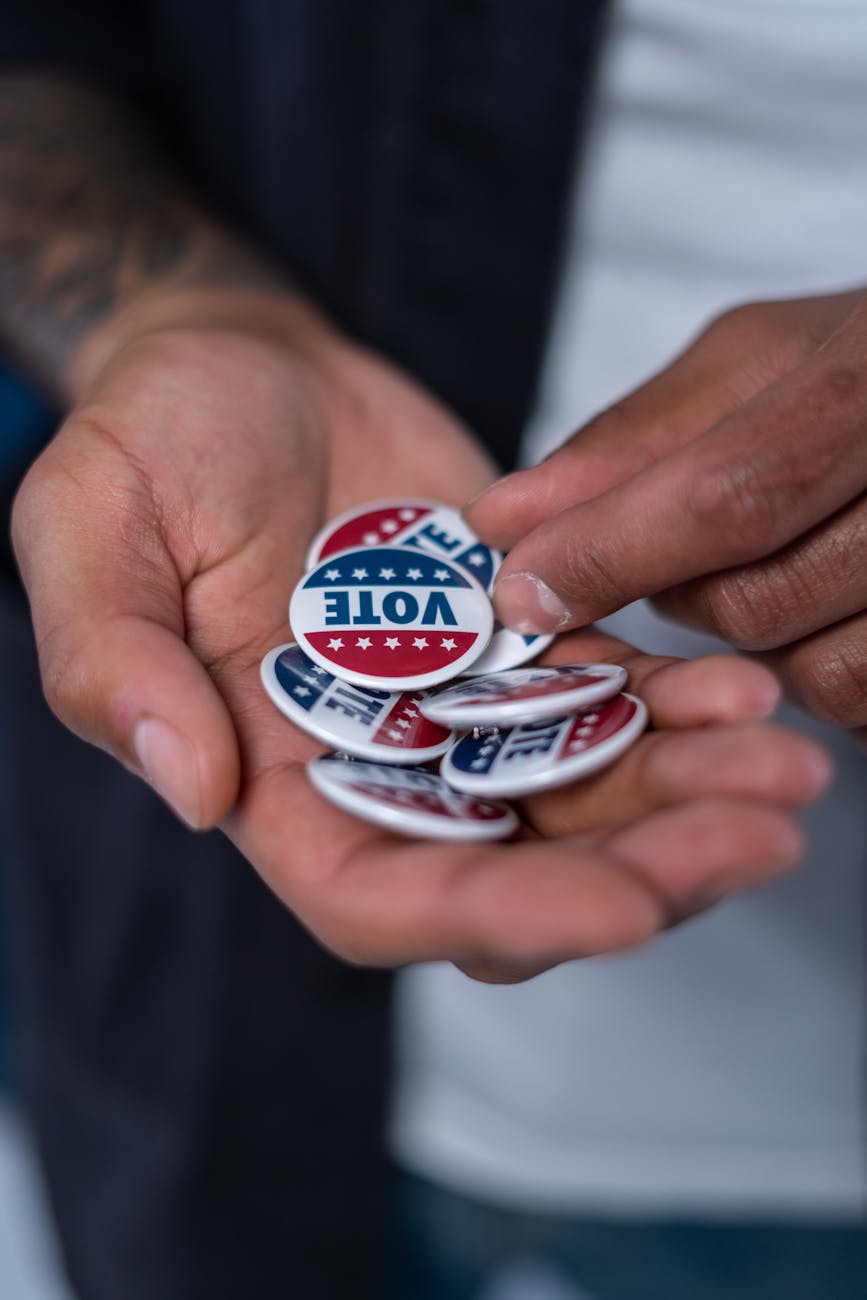
The realignments of recent years—the midwestern white working class toward Trump’s GOP and the suburbs toward the Democrats—can be understood as the process of ideological and education sorting coming for groups that were the most out of place in the new political realm: rich suburban Republicans and culturally conservative working-class Democrats. In 2020 and 2024, this realignment came for the nonwhite voters once at the center of Barack Obama’s coalition, especially working-class Hispanics, and most especially those in the rural outskirts of the Rio Grande Valley.
Starr County’s tradition of machine politics, manifest in an unusually strong preoccupation with local elections, marked a place ripe for a sudden political shift. Not unlike the Democratic majorities in the big cities of mid-century, which continue at some level into the present day, political dominance in the region was built not through allegiance to liberal ideals but through political machines that delivered tangible benefits and shaped the political identity of new immigrant groups. This is evident in polling today showing that nonwhite Democrats are much more moderate and conservative than their white counterparts. For a time, ideological differences were subsumed to the work of advancing group interests through machine politics. But in an era of declining party organization and an emptying out of majority-minority cities in favor of more integrated suburbs, the tide of ideological voting could be held at bay for only so long. Once it poured in, America shifted into a new era of politics, from one forged by social connections at the neighborhood level to today’s cultural and ideological polarization, where you vote Republican if you have conservative cultural beliefs, regardless of race.
Two claims here stand out:
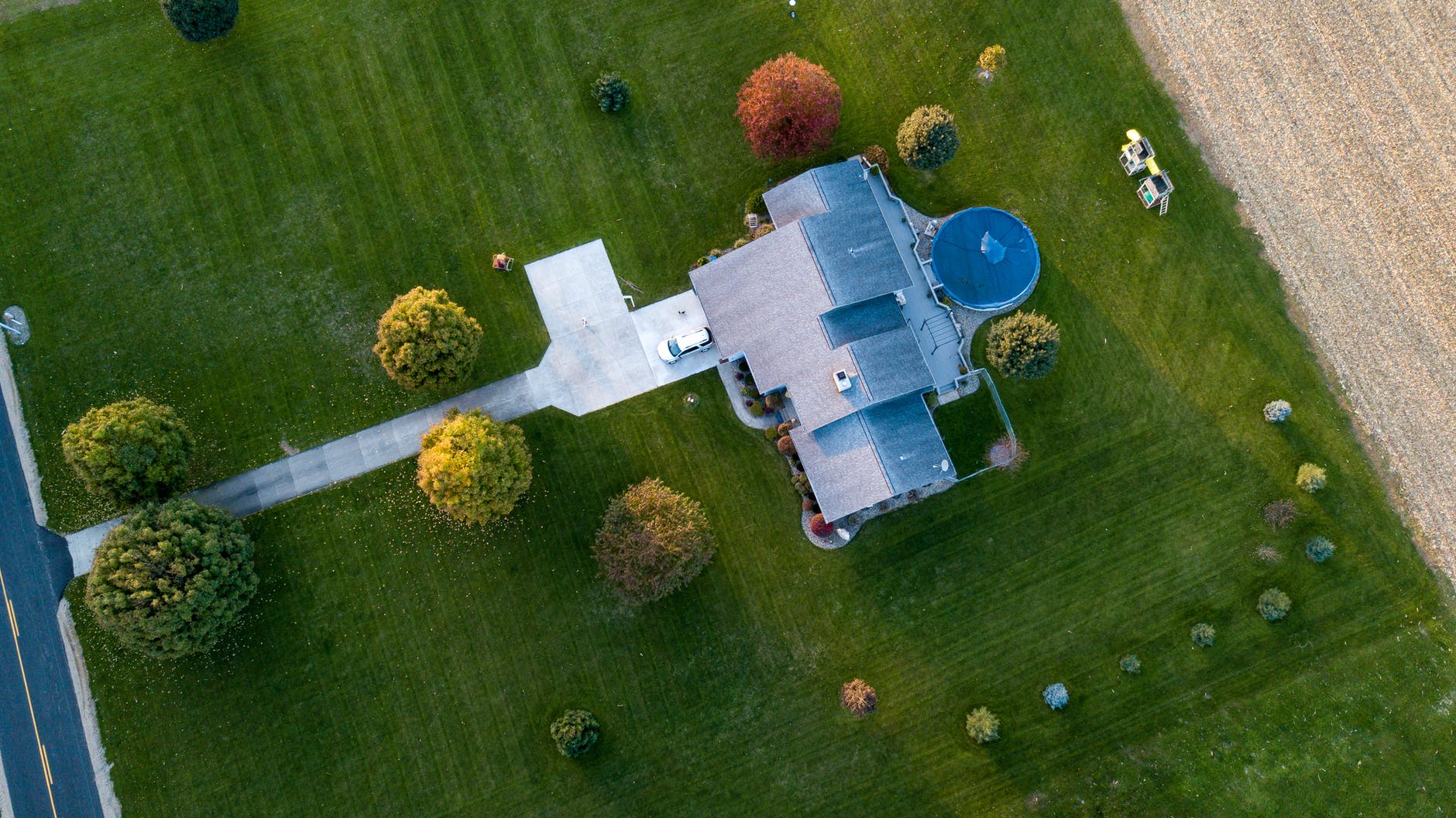
- “Rich suburban Republicans and culturally conservative working-class Democrats” shifted in recent decades. As the suburbs grew quickly after World War Two, those new suburbanites were assumed to be Republicans. Now, college-educated suburbanites tend to lean toward Democrats. And it also matters where in the suburbs someone lives; those closer to big cities tend to vote Democratic and those more on the metropolitan edge tend to vote Republicans.
- The connection made between “more integrated suburbs” and increased polarization. Did the people moving to the suburbs lead to polarization – more residents of different racial, ethnic, and social class backgrounds living in suburbs – or did people moving out lead to polarization? What exactly changed and what led to what? How did suburbs over time become different social and political places?
The pattern seems well-established now: the political state of suburbia has changed. The reasons for it and the long-term consequences are still to be worked out.


 Legally Sociable