Increased demand for airport lounges is a sign of elite overproduction?

More travelers want to use airport lounges. Does this signal a broader problem in society?

Photo by Download a pic Donate a buck! ^ on Pexels.com

In the context of airport lounges, the “elite” are not just the ultra-wealthy, but the vast upper middle class—armed with a combination of higher degrees, status, and premium credit cards—now jostling for the same perks. But what if much of society has been turning into some version of an overcrowded airport lounge?

In an interview with Fortune Intelligence, Turchin said this theory makes sense and fits with his thesis when presented with the similarities. “The benefits that you get with wealth are now being diluted because there are just too many wealth holders,” he said, citing data that the top 10% of American society has gotten much wealthier over the past 40 years. (Turchin sources this statement to this working paper from Edward Wolff.)…

When asked where else he sees this manifesting in modern life, Turchin said “it’s actually everywhere you look. Look at the overproduction of university degrees,” he added, arguing that declining rates of college enrollment and high rates of recent graduate unemployment support the decreasing value of a college diploma. “There is overproduction of university degrees and the value of university degree actually declines. And so the it’s the same thing [with] the lounge.”

Noah Smith argues that elite overproduction manifests as a kind of status anxiety and malaise among the upper middle class. Many find themselves struggling to afford or access the very symbols of success they were promised—be it a prestigious job, a home in a desirable neighborhood, or, indeed, a peaceful airport lounge. He collects reams of employment data to show that Turchin’s theory has significant statistical support from the 21st century American economy.

The article suggests an increased number of travelers can access airport lounges and this hints at more people with money to spend. But I wonder how these other factors play in:

  1. Different standards of living. How do expectations shift over time about accessing airport lounges or other luxury goods? How many other goods or services over time have moved from luxury goods to being available to masses of people?
  2. Expectations about travel. A standard Internet narrative goes like this: airplane travel was once luxurious (forget the slow speeds). Then it became a mass phenomena and customers were treated poorly. Are airport lounges a way travelers are reclaiming a better travel experience?
  3. The airlines helped create this demand by introducing this perk; now they are surprised it is popular? Do they want it to remain exclusive or do they want more travelers to access lounges (and then the airlines benefit further)? Put another way: did customers want this first or did airlines push the lounges?
  4. Why not offer an upgraded experience for all travelers? Does this not generate as much revenue or status for the airlines?

If Delta is able to figure out how to make the lounge “work,” would their practices then translate to other areas of society?
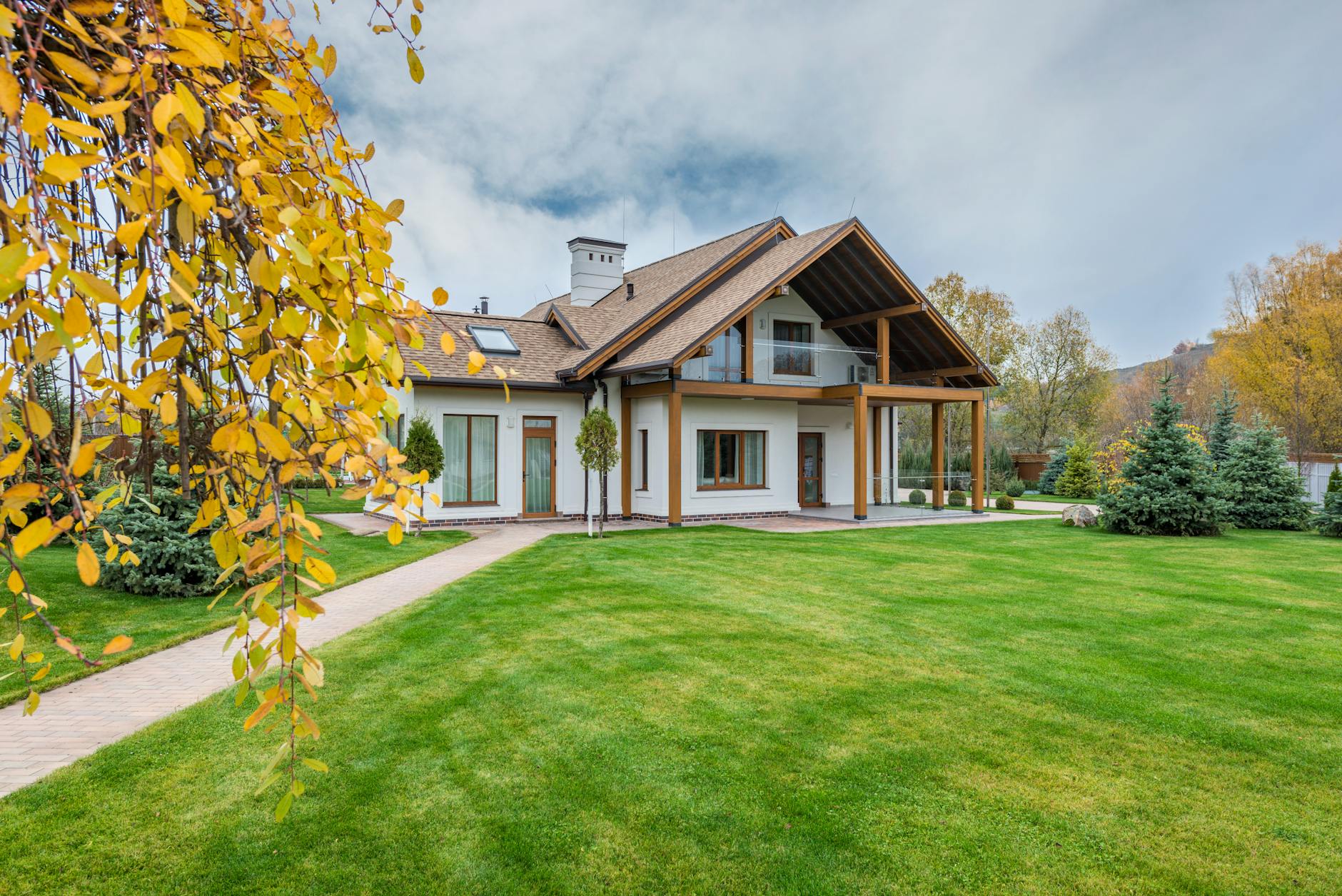
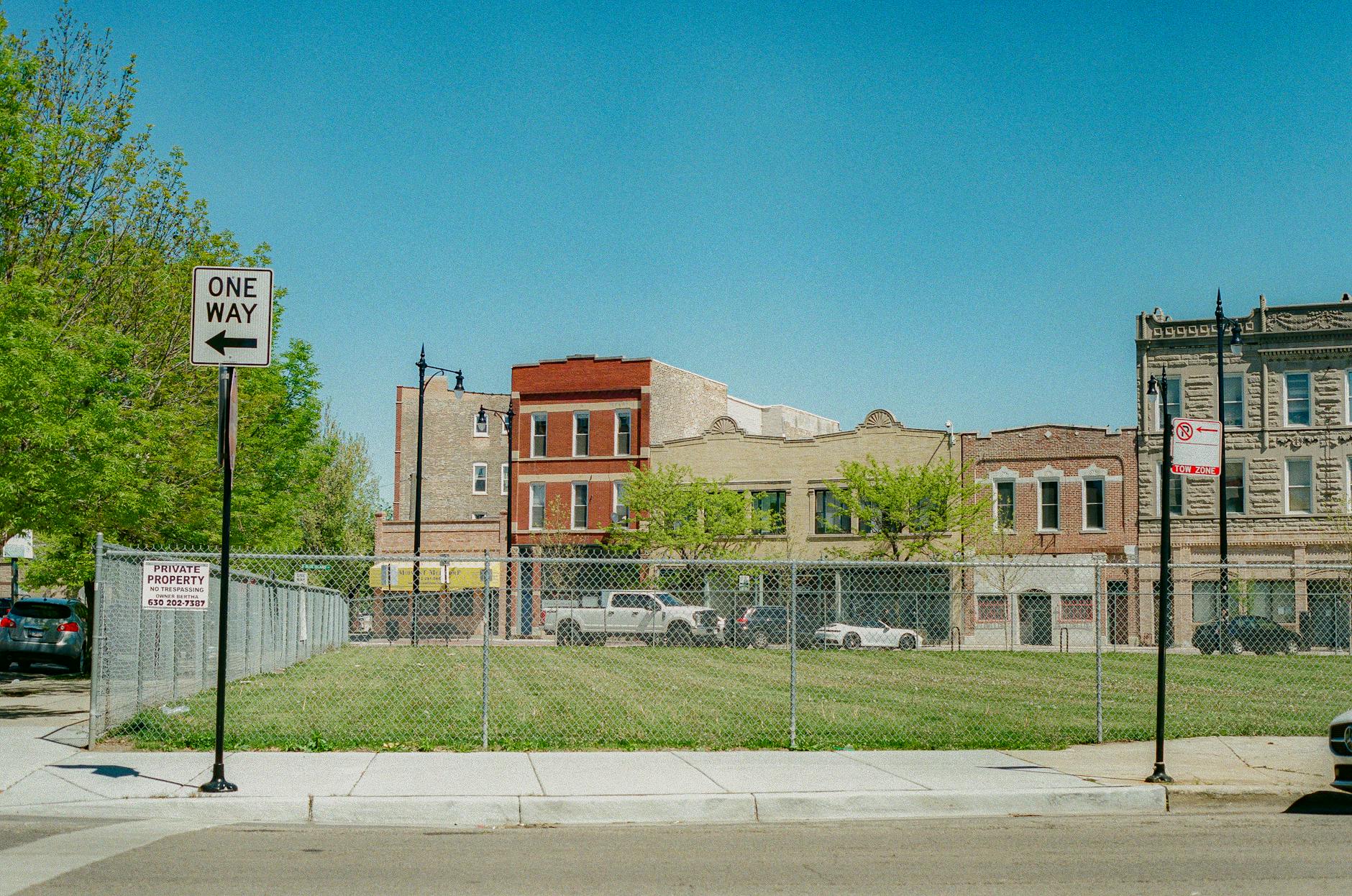
Upper middle class defined in part by living “in a more expensive neighborhood

How do you know if you are part of the upper middle class? A list of 8 signs includes this:

Photo by Max Vakhtbovycn on Pexels.com

You Live in a More Expensive Neighborhood

Another way to see if you’ve made it to the upper-middle class is to simply look at where you live. According to Rose, if “your home is in a ZIP code where folks want to live,” that’s a good sign that you’re there.

Keep in mind that it’s not all about appearances. People in the middle class might try to keep up with the Joneses — that is, they might compare themselves with their neighbors and try to match their level of wealth or status.

Those in the upper-middle class, however, do not. They don’t need to worry about whether their house is big enough or their car is luxurious enough. They can afford many of these high-end things without stretching their financial means.

Those in the upper middle class have the financial resources to live in places with higher housing prices. This means the houses may be bigger, the local amenities more plentiful, and the population more exclusive.

While the description above hints at this, why not just say that the upper middle class can afford a house that costs more? And how “expensive” is this neighborhood? In a typical metropolitan area, what percent of neighborhoods or communities are upper middle class, beyond the reach of the middle class or those around the median income and below the super wealthy enclaves?

How often then do those in the upper middle class use their community or neighborhood to signal their status? Just as a vehicle driven or a college attended or clothes worn or hobbies engaged in might signal class status, how much do they mention their community to highlight their status? If they say they live in “X,” is such a place widely known as being upper middle class?

The Chicago bungalow as a symbol of early 20th century success

Living in a Chicago bungalow became a symbol of a successful life:

Photo by Haley Cao on Pexels.com

The humble bungalow made it possible for Chicagoans to realize the American Dream of home ownership. In the first part 20th century, between 80,000 and 100,000 bungalows were built in Cook County. The majority went up between the end of World War I and the beginning of the Great Depression, making many about 100 years old. Many were home to first-generation immigrants. They formed an arc around the city’s center known as the Bungalow Belt.

It “stretches all around the city, from South Shore to Marquette Park, out west to Austin to the Northwest Side and West Rogers Park,” Dominic Pacyga, a Columbia College urbanologist, told the Tribune in 2000…

In 1997, a Tribune declared: “Bungalows Were Better Than A Place To Live. They Told The World Who You Were” over a story that declared the humble home to be “an idea, a symbol, a trophy, a style, an approach to life.”…

Chicago’s bungalow builders left that idea behind, while appropriating the concept that the middle class deserved homes with little artistic touches, like those the wealthy took for granted: leaded window glass, red or yellow brick with checkerboard patterns, bay fronts either octagonal, squared or rounded.

Three quick thoughts:

  1. This highlights the coming and going of residential architectural styles. This design emerged in a particular era, took off, and now has been replaced by other designs that address the wants of residents and builders and that also became symbols of joining the middle class. (See the suburban ranch home or the McMansion.)
  2. How exactly does a particular home style become a status symbol? The article hints at the role of developers (selling the image that goes with this particular home), politicians (promoting the style and protecting the homes in later decades), and residents. Could we add in famous cultural works that take place in or highlight or celebrate the bungalow? The role of zoning officials and historic preservationists?
  3. How many of these homes initially were owned by white residents of Chicago and how much has this changed over time? How much did bungalows contribute to long-standing patterns of residential segregation and differences in wealth among homeowners?

Declining status when Oakland loses three pro sports teams in less than 10 years?

Professional sports teams in the United States can and do move from place to place. But how often does a city lose three teams in less than 10 years? Here is what happened in Oakland:

Photo by Albee K on Pexels.com

Oakland appeared to be on solid sports footing several decades ago, with the NFL’s Raiders back in town, the A’s approaching their “Moneyball” greatness and the Golden State Warriors enjoying a renovated state-of-the-art arena.

The A’s will be the last of those three to leave a city that once inspired a young Gertude Stein, played a key distribution role in World War II and gave rise to the Black Panthers.

The Raiders left for Los Angeles in 1982, came back to Oakland in 1995 and then uprooted for Las Vegas 2020.

The Golden State Warriors moved across the bay to San Francisco’s Chase Center starting in the 2019-20 season after having played in Oakland since 1971.

Oakland even briefly had an NHL team: the California Golden Seals, which entered as an expansion franchise in 1967 and played nine seasons in Oakland before moving to become the Cleveland Barons, which ceased operations after two seasons.

What might this signal about Oakland? Pro sports teams can be a status symbol, indicating a particular population size and reputation. Losing a team can be viewed as a loss to a different place.

At the same time, there seem to be some unique factors at work. Oakland is across the bay from San Francisco and is close to San Jose, two other big cities that also have pro sports teams. One team, the Warriors, went across the bay. Additionally, the rise of Las Vegas meant teams could move without going all the way across the country from Oakland. Two teams went there. Finally, all three of these teams were in other cities before leaving Oakland: the Raiders spent time in Los Angeles (though started in Oakland), the A’s came from Philadelphia and Kansas City, and the Warriors started in Philadelphia and played in San Francisco before playing in Oakland for several decades.

The A’s leaving means this big city has no pro teams within city limits. The region still has pro teams – the 49ers, Giants, Warriors, and Sharks – but none are located in a city that had teams in each of the four major leagues.

If Americans own a home, they are very likely to own a grill

Americans value homeownership. And along with having a home goes having a grill:

Photo by Lukas on Pexels.com

At least, that’s according to statistics from the Hearth, Patio & Barbecue Association that reported 80% of U.S. homeowners owned a grill or smoker in 2023 — up from 64% in 2019.

And having more time at home might go along with purchasing and using a grill. Or so it appears that way during the recent pandemic:

Most grill makers and retailers seem to agree that the pandemic pulled forward demand for grills and other long-lasting home equipment as people searched for ways to fill their days and entertain their families at home.

Is the appeal about being outdoors, cooking directly with fire, liking to eat grilled meat and other grilled items, or having this as a status symbol? A quick discussion of each of these:

  1. Homeownership often comes with a small yard or outdoor space. Grilling could provide another reason to be outside. Enjoy the outdoors while cooking rather than cooped up inside the kitchen.
  2. Cooking outside with fire has appeal for some people. It is a different experience compared to using the microwave or stove or oven where there is something in between what is cooked and the food. This is more direct. (Of course, there is both direct and indirect grilling so time with direct fire may vary.)
  3. Grilled food has a particular taste that is hard to replicate elsewhere. Yes, you can purchase an inside grill or you could add smoke flavoring or use techniques to get grill lines on food. But does it taste the same?
  4. Having a nice grill could be another part of showing the homeowner has made it. Not only do they have a nice house; they have a stainless steel eight burner grill or a Big Green Egg or a fancy pellet smoker setup. The value is in having and showing off the grill.

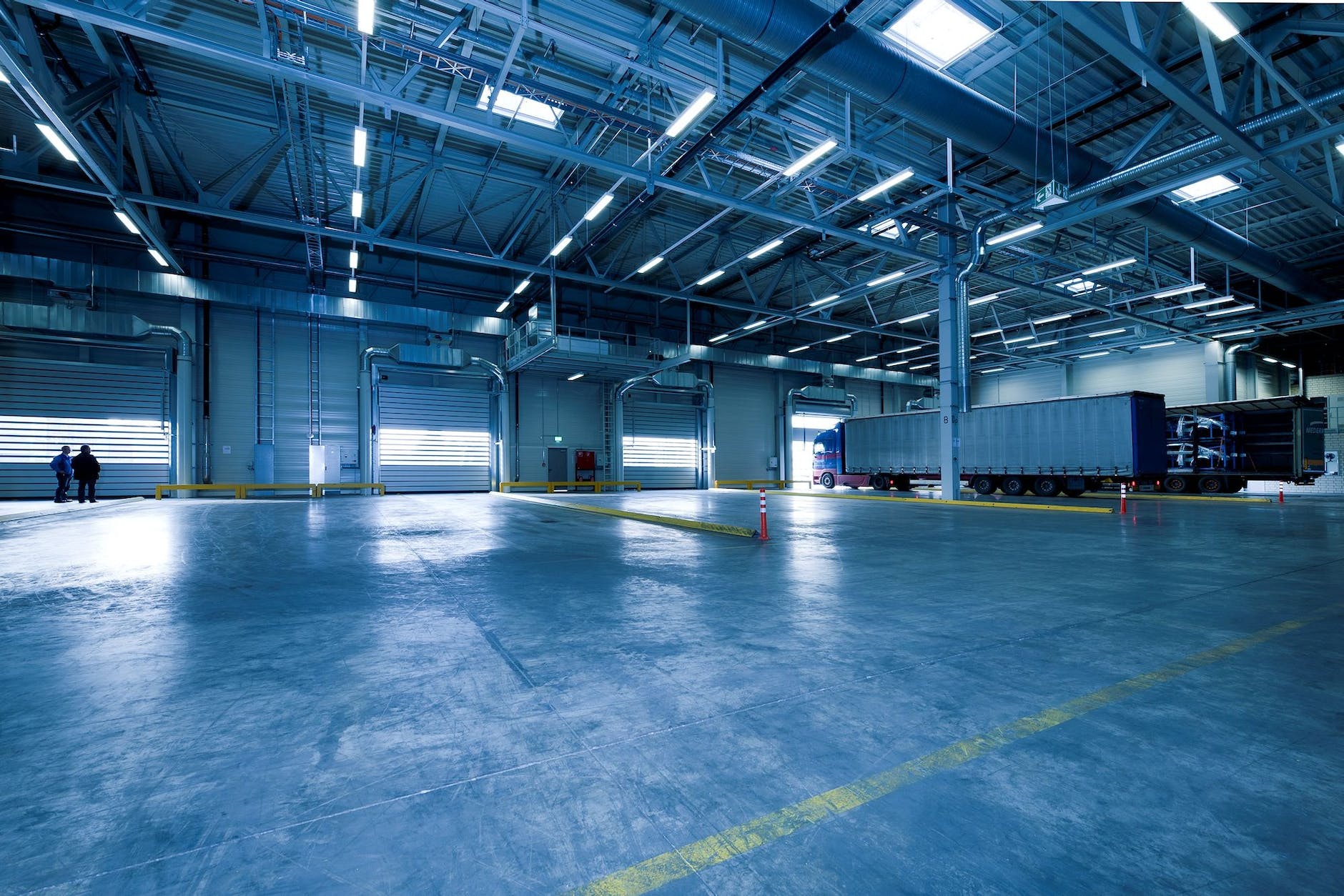
Call them “logistics centers” rather than warehouses and I do not think suburbanites will like trading suburban HQs for them

With reduced demand for large suburban office buildings and headquarters, properties around the Chicago region are turning into logistic centers:

Photo by Pixabay on Pexels.com

Catalyzed by the pandemic, the demise of corporate campuses has created a development explosion, as dormant office space is transformed into industrial use for the digital age. Data centers provide the infrastructure for online commerce, while logistics centers deliver the goods to your doorstep.

The warehouse facilities also deliver tax revenue for municipalities, construction jobs and depending on the use, some permanent jobs as well. But the economy-boosting days of 5,000 employees descending on a community may be a thing of the past…

Chicago has the most transportation, distribution and logistics firms in the U.S., and Illinois ranks No. 4 among states with 20,500 companies employing more than 331,000 people, generating nearly $39 billion in annual economic output, according to Intersect Illinois.

In October, with many of its 5,400 Chicago-area employees working remotely, Allstate sold its north suburban corporate campus along the Tri-State Tollway for $232 million to Dermody Properties. The Nevada-based developer is turning the 232-acre property, which was annexed by Glenview, into a 10-building, 3.2 million-square-foot logistics park…

The project, which is expected to cost more than $500 million including land acquisition, will be one of the largest urban logistics developments in the U.S., bringing a projected 1,900 jobs, a new streetscape and vastly different traffic patterns than the former insurance headquarters.

It is best to state this at the outset: empty properties are not desirable in suburbs. Even if something is paying the property taxes, empty properties decrease the status of a community and do not bring in additional benefits like jobs and tax revenues.

That said, many communities and suburbanites would see the trade from a prestigious headquarters or office park to warehouses as a big downgrade. They will not be fooled by calling them “logistics centers.” Gone are white-collar jobs and a Fortune 500 company. In are trucks, traffic, and blue-collar jobs. Gone are steel and glass buildings that signify progress and higher status. In are preformed panels and boxy structures. Residents like having goods delivered to them quickly but they do not necessarily want to see the fulfillment and delivery process happen next door.

The truth is that not every community will attract developers who want to build a large mixed-use development. Or, waiting for a developer who has an attractive idea and does not want too much public money might take a long time. Some communities will move faster than others to turn vacant structures into working properties. Others will resist and be able to turn down these options.

But, the spread of warehouses in suburban areas to even middle- and upper-class suburbs means changes for these communities. Once marked by pristine offices serving as status symbols, some of these communities will now be home to logistics centers sending out goods far and wide.

What it might mean to have a house sticker on the back window of my car

Stickers on the back windows of cars can signal all sorts of things. The number of family members. A favorite vacation spot. A beloved car brand or sports team.

What would a house sticker in the back window mean?

I recently saw a SUV with a two-story house sticker. The sticker looks similar to a drawing a child might make of a house. The picture below has such an image; this sticker had much cleaner lines but had a similar shape.

Photo by Maria Mileta on Pexels.com

Here are some options for what the driver of the vehicle might want others to know:

  1. They own a home. Americans value home ownership.
  2. They value home. Like others might include stickers of family members and pets, this house signals the importance of home and what happens there.
  3. They work in real estate or a related industry. However, wouldn’t they want to put their name or company to make this clear?
  4. Someone in their household or a friend drew this picture and they made a sticker out of it. It is easy to order stickers online.

Put together a home and an SUV (with a sticker of a home) and you have the American Dream?

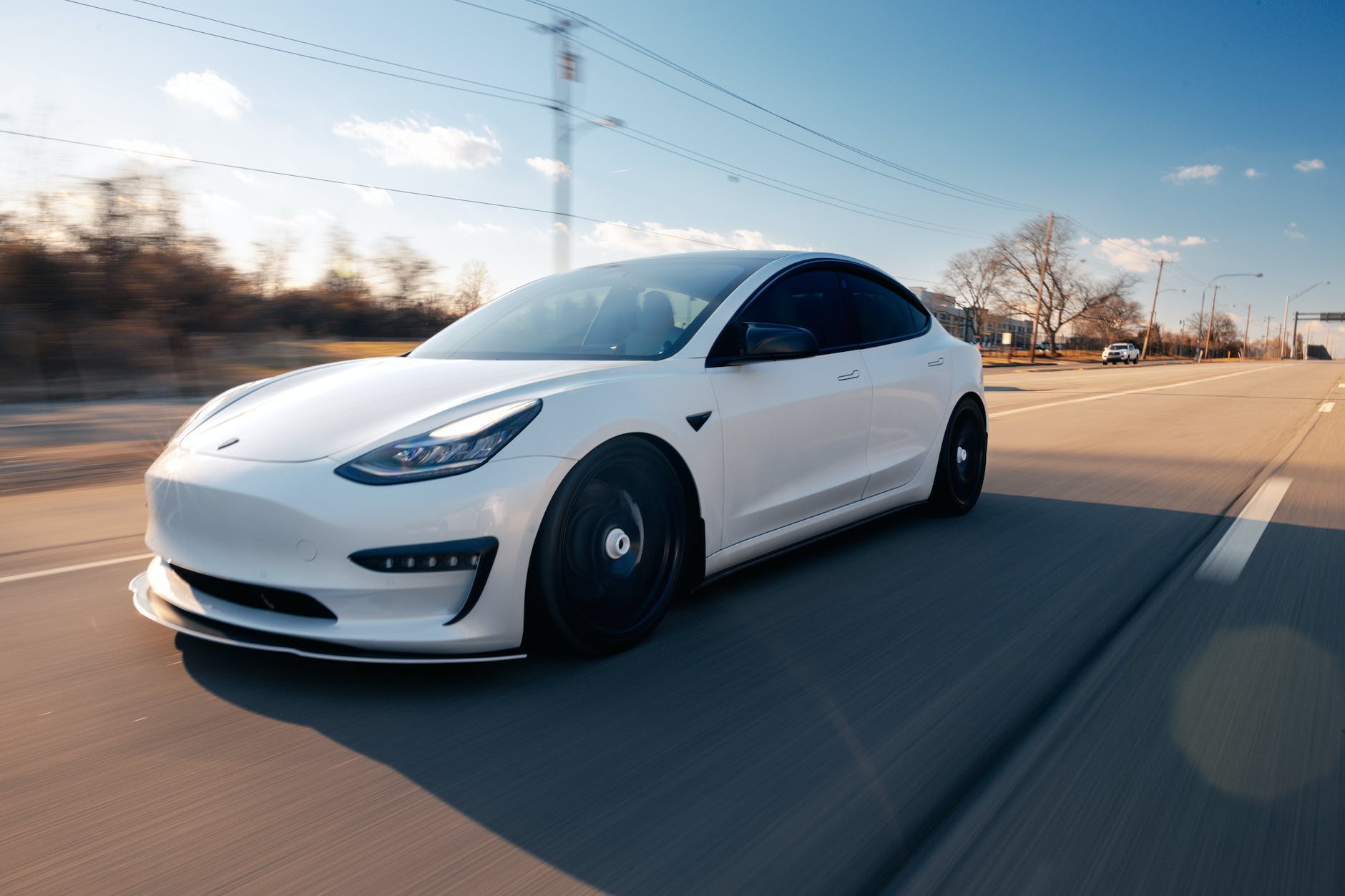
A marker of a certain kind of community: lots of Teslas on suburban roads

I believe I have seen a growing number of Teslas on local suburban roads. How much is this tied to the kind of community I live in plus the character and demographics of nearby communities? A few thoughts:

Photo by Matt Weissinger on Pexels.com
  1. Teslas are not cheap. There is not a big used market. People need money to purchase Teslas. (New cars are not cheap in the US overall.)
  2. Teslas are electric and electric car owners may have particular political and social patterns. This area has leaned slightly Democratic in recent national elections. As a company, Tesla itself may be more aligned with libertarian or conservative causes, but I do not see large numbers of other electric vehicles. (There are plenty of Prii.)
  3. Teslas are a particular status symbol. They are cool. Some have a cool matte finish or special trim levels. Particular suburbanites want to have one. (Particularly compare them to other “cool” suburban driving options, whether the latest SUV or a sports car.)
  4. The people here take a lot of shorter trips and/or have access to electric chargers. Even the vacation destinations of many in this area – whether Wisconsin or southwest Michigan – are within a single charge.
  5. They are available at local showrooms and dealers. One can go to a nearby suburban shopping mall and check out a Tesla.

If it is true that you can tell something about a community by looking at what cars are in parking lots or driveways, all of these Teslas say something.

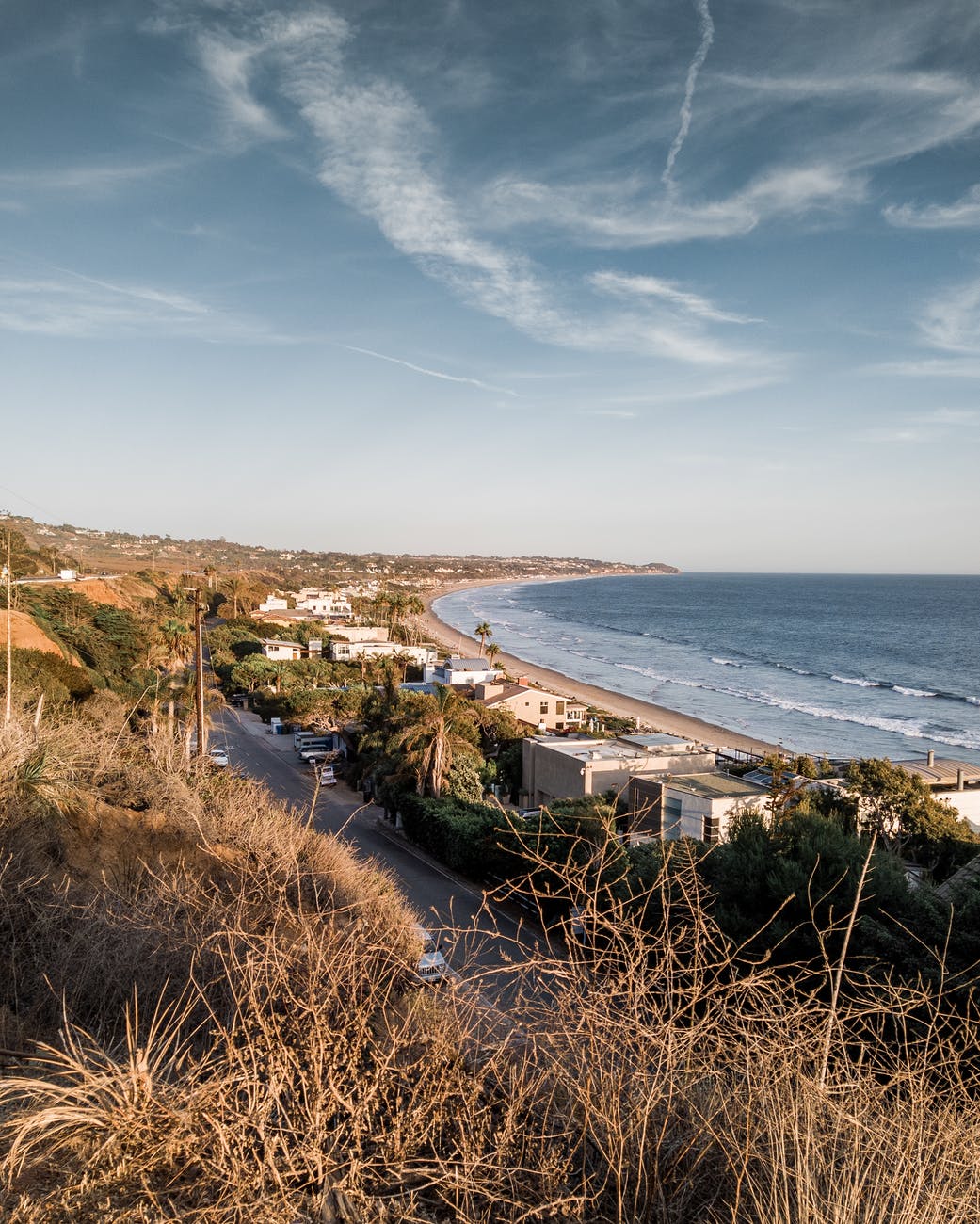
Get a house that is zero-carbon over its lifetime…for $32 million in Malibu

It will take a little money to acquire the first zero-carbon home in California:

Photo by Vinicius Maciel on Pexels.com

The roughly 14,400-square-foot modern ranch-style house has all electric appliances and mechanical systems, and comes with an organic vegetable garden, orchard and apiary, according to marketing materials. In addition, the develop said it reduced carbon emissions during construction by using alternative building materials.

“This home will have zero [carbon] emissions throughout its lifetime,” said Scott Morris of Crown Pointe Estates, developer of the home. The average U.S. home emits 8.3 metric tons of carbon dioxide a year, according to U.S. Environmental Protection Agency data…

Until recently, developers have focused on reducing energy use in homes, but attention is expanding to include cutting embodied carbon, the greenhouse gases that are emitted during the manufacturing, transportation and disposal of building materials, said Cliff Majersik, a senior adviser at the Institute for Market Transformation, a Washington, D.C., think tank with public and private funding that promotes investment in low-energy building. If the developers rigorously reduced and measured embodied carbon, and offset the remaining carbon, it would be a “very impressive achievement,” he said.

According to Mr. Morris, Crown Pointe reduced the embodied carbon in this home’s construction by replacing 80,000 pounds of steel in the original home design for sustainable timber. It says it slashed its concrete usage by 14% by replacing a concrete-slab foundation with a crawl-space foundation. And rather than place a concrete subfloor beneath the wood and stone floors, it used a rubber underlay made from recycled tires. Around 25% of the concrete used is recycled, the developer said.

This is a cool feat and yet it is not exactly anything close to an average home. The irony here is that this zero-carbon home both costs so much – it is a luxury in a premium location to be zero-carbon – and it is such a big house – a reduced environmental footprint yet still taking up a lot of land and having a quintessentially American square footage. Does this make being zero-carbon a status symbol?

How long until this kind of home is within reach of more homeowners? Some of this technology would be possible in much smaller homes but it could still be costly to eliminate carbon from all the other materials.

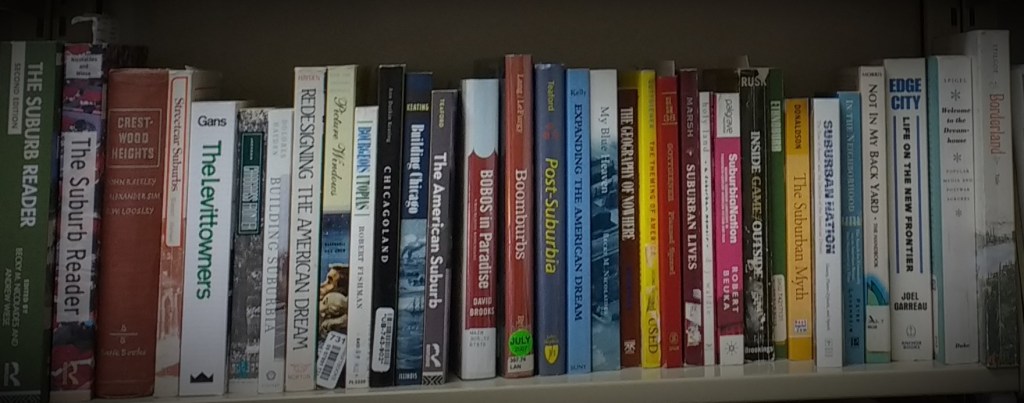
Selling the perfect bookshelf to Zoom users

With all the videoconferencing taking place during COVID-19, the business of selling books to people for their backdrop picked up:

Books by the Foot, a service run by the Maryland-based bookseller Wonder Book, has become a go-to curator of Washington bookshelves, offering precisely what its name sounds like it does. As retro as a shelf of books might seem in an era of flat-panel screens, Books by the Foot has thrived through Democratic and Republican administrations, including that of the book-averse Donald Trump. And this year, the company has seen a twist: When the coronavirus pandemic arrived, Books by the Foot had to adapt to a downturn in office- and hotel-decor business—and an uptick in home-office Zoom backdrops for the talking-head class.

The Wonder Book staff doesn’t pry too much into which objective a particular client is after. If an order were to come in for, say, 12 feet of books about politics, specifically with a progressive or liberal tilt—as one did in August—Wonder Book’s manager, Jessica Bowman, would simply send one of her more politics-savvy staffers to the enormous box labeled “Politically Incorrect” (the name of Books by the Foot’s politics package) to select about 120 books by authors like Hillary Clinton, Bill Maher, Al Franken and Bob Woodward. The books would then be “staged,” or arranged with the same care a florist might extend to a bouquet of flowers, on a library cart; double-checked by a second staffer; and then shipped off to the residence or commercial space where they would eventually be shelved and displayed (or shelved and taken down to read)…

Located in Frederick, Wonder Book’s 3-acre warehouse full of 4 million books is a short jaunt from the nation‘s capital. While the company ships nationally, it gets a hefty portion of its business from major cities including Washington. And, over the past two decades, Books by the Foot’s books-as-decor designs have become a fixture in the world of American politics, filling local appetite for books as status symbols, objects with the power to silently confer taste, intellect, sophistication or ideology upon the places they’re displayed or the people who own them…

Another force at work, however, was the rise of the well-stocked shelf as a coveted home-office prop. When workplaces went remote and suddenly Zoom allowed co-workers new glimpses into one another’s homes, what New York Times writer Amanda Hess dubbed the “credibility bookcase” became the hot-ticket item. (“For a certain class of people, the home must function not only as a pandemic hunkering nest but also be optimized for presentation to the outside world,” she wrote.) And while Roberts makes an effort not to infer too much about his clients or ask too many questions about their intent, he did notice a very telling micro-trend in orders he was getting from all across the United States.

A lot could be said about books as status symbols. In certain circles, books imply a certain level of education, curiosity, and acquisition. Books and refinement and culture go together. Just having the books present is meant to impress in the same way a flashy car might be impressive driving down the street or the same way a McMansion looks to impress people passing by with its facade.

Think about the supply side of these books. There are companies that can acquire many many titles for relatively cheap. They can store all of these books until someone is willing to pay a decent price to put those books in their spaces. These books with all of their accumulated knowledge and status are simply another commodity that can be moved around to boost someone’s status when needed. And when COVID-19 ends or video conferencing slows down? The books can be discarded until needed again as a status symbol.

An interesting contrast would be between certain commentators and networks. I have seen at least a few bookshelves behind sports commentators. They often have a few books but also more prominently features sports equipment or trophies. The bookshelf is not just about education; the books are mixed with symbols of achievement or fandom.

Without asking how the books in the backdrop were acquired, viewers or other participants might ask about favorite books or how many books have been read. I have been asked this multiple times in the last few years, whether with bookshelves in my office and at home. It could be interpreted as an invasive question – taken as a challenge about whether the books are just there as status symbols – or provide an opening for the person to explain more about their reading (and the connected education and status) and/or share about books that really matter to them.