If New York City elects a progressive mayor, how many wealthy residents will flee for Westchester County?

With a mayoral election coming up in New York City, some residents are considering moving elsewhere:

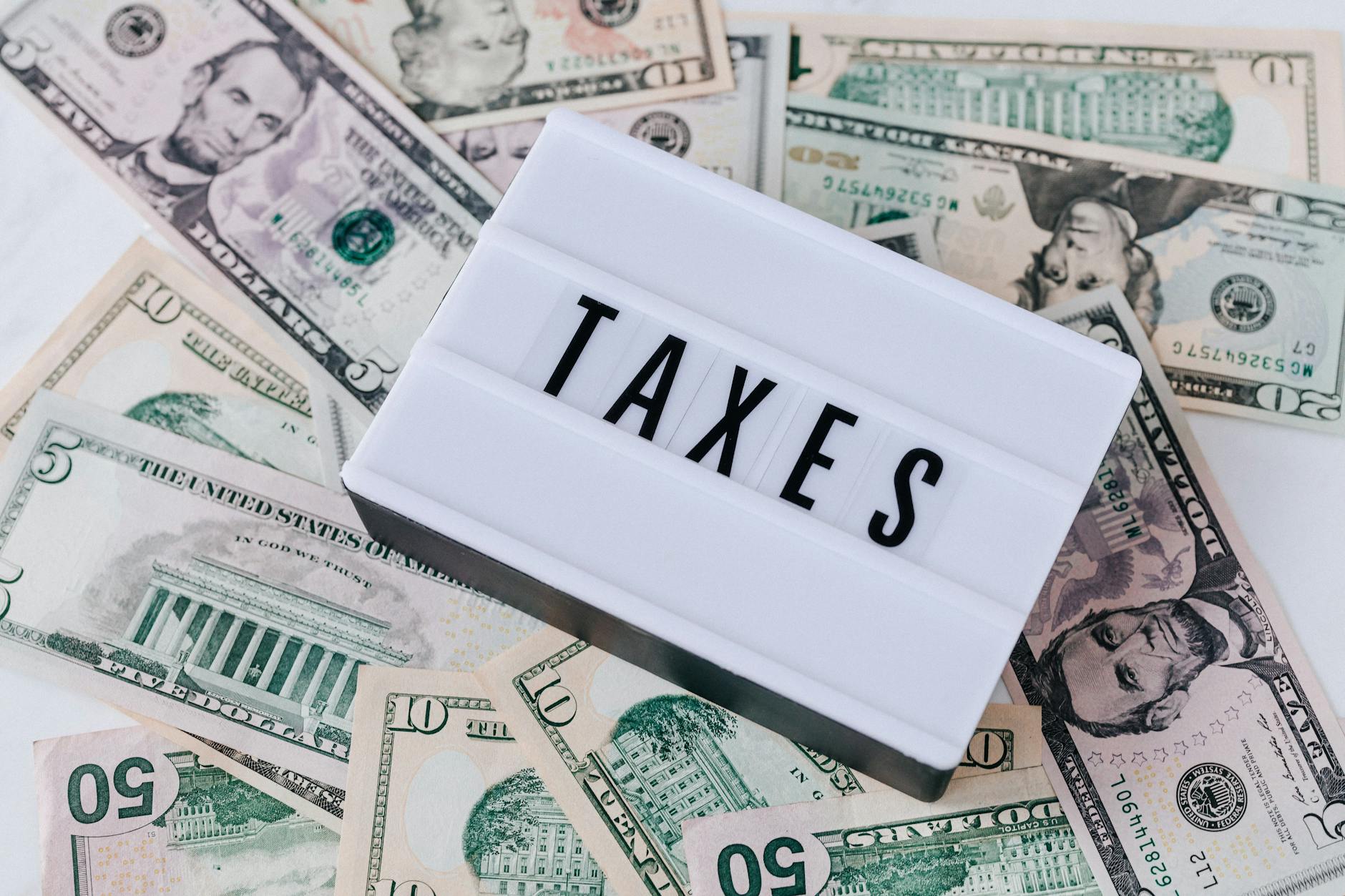
Photo by cottonbro studio on Pexels.com

As the reality settles in that Zohran Mamdani — a steadfast Democratic Socialist — may soon become New York City‘s mayor, many city-dwellers are planning their escape route.

This is because the policies at the core of Mamdani’s campaign are largely unpopular with wealthy and upper-middle class New Yorkers…

‘We are absolutely seeing a correlation between Zohran Mamdani’s surprise win in the Democratic primary and an uptick in real estate interest in Westchester,’ Zach and Heather Harrison, real estate agents in the area, noted.

‘Since the summer, nearly every buyer from the city we have taken out to see homes in Westchester has mentioned the mayoral election as one of the drivers for shopping in the suburbs,’ they told Realtor.com.

Since Mamdani won the Democratic primary in June, sales going into contract in Westchester County are up 15 percent compared to the same period last year, according to The Harrison Team…

In comparison to New York City, Westchester offers more space, lower crime rates, and often lower effective taxes.

Several quick thoughts:

  1. The article is vague on numbers. How many people have moved or might move? And separate from how many do move, how many would have to move for it to be meaningful as a media story or make a substantial difference in local activity?
  2. We hear similar claims about political changes or taxes at the state or national level; people with resources will leave if they think they are being targeted and/or conditions are better elsewhere. I do not know if I have heard this before suggesting people will move from the city to that city’s suburbs.
  3. Westchester County could be a paradigmatic suburban county in the United States. It borders New York City and it grew quickly in the early 1900s. It became a wealthy suburban setting with many houses, access to the city via highway and railroad, some green spaces and waterways, and home to major corporations. Would an influx of wealthy New York City residents feed into the character of the county or alter it at all?
  4. At what point would policies or conditions need to change for most of wealthy residents of a city to leave?


Illinois drops state’s 1% grocery tax, over 150 communities have adopted one

Local governments need revenue for local services. So when the state of Illinois dropped its 1% grocery tax, many municipalities have adopted their own 1% tax:

Photo by Pixabay on Pexels.com

Even though the measure failed in Bensenville, at least 163 communities around the state have recently enacted local grocery taxes.

Gov. JB Pritzker signed a bill last year repealing the state’s 1% grocery tax, saying it hit poorer families harder. But the bill also allowed municipalities, which depend on the revenue, to implement their own tax. Bensenville put the proposal on the ballot to get voters’ input, but local officials are not required to do so. In many municipalities, local governing bodies are casting the deciding vote…

The state suspended the grocery tax for fiscal year 2022 to help fight rising inflation, but municipal leaders say losing the stream of revenue permanently forces them to consider cutting services, raising sales or property taxes, or implementing a local grocery tax. If they approve a local grocery tax by Oct. 1, it would take effect on Jan. 1, 2026, when the state tax expires…

Illinois residents already pay the highest combined state and local taxes in the nation, at more than $13,000 annually, according to a recent report by WalletHub. Food prices rose 3% in the past year as of March, and the federal government forecasts them to rise another 3.5% this year…

“If local governments believe it is necessary to tax milk, bread, eggs, etc. to fund local services/local government, then they should be responsible and accountable for that decision to local taxpayers,” Illinois Department of Revenue spokeswoman Maura Kownacki told the Tribune. “The state should not be imposing a regressive, statewide sales tax on groceries especially during a time when inflation is hitting the pocketbooks of Illinois families.”

The cynical take would be that in a state with high taxes the Illinois governor wanted to paint the state in a good light by dropping the tax. Municipalities have limited options for filling the budget hole so they quickly move to adopt a local tax. The grocery shopper notices no change in taxes while the politicians debate who was more responsible.

I get the reaction from communities. They want a balanced budget each year and don’t want to have to cut services or acquire debt. Getting money from groceries is dependable money as people need to buy food.

At the same time, adding local taxes and fees can make residents angry. They already see the amount the federal and state governments take in each paycheck. Why do local governments charge for car registration and ask for more money for schools and keep coming up with new revenue ideas?

I wonder if this is also part of the larger issue of limited growth in Illinois. If communities were growing – adding residents, businesses, energy, status – this can cover up revenue issues. New growth leads to growing budgets with new tax money coming in. But if many communities in Illinois are growing slowly or not growing at all, this means stagnant budgets. Or worse, communities have to spend more to maintain older infrastructure that supported growth decades ago.

It may just be a grocery tax but the issues could be much larger.

How much some major US convention cities spend on attracting visitors

How much Chicago spends to try to attract conventions and visitors is less than some other American cities:

Photo by Nate on Pexels.com

Choose Chicago has been laying the groundwork to create a so-called Tourism Improvement District that would more than double the marketing agency’s annual budget by increasing the tax on rooms in Chicago hotels with 100 or more rooms by 1.5 percentage points — to 18.9%.

The Las Vegas Convention and Visitors Authority has an annual operating budget of $457 million, according to a comparison prepared by Choose Chicago. That’s followed by Visit Orlando ($116 million); Discover Los Angeles ($62 million); the San Diego Tourism Authority ($57 million); and New York’s NYC & Company ($45 million).

Choose Chicago is dead last among major convention cities, with a projected budget of $33 million for 2024…

Choose Chicago, which has yet to release data for 2024, said Chicago had 52 million domestic and international visitors in 2023. The number has increased steadily in recent years, but Chicago has struggled to match the 61 million visitors of 2019, the last full year before the pandemic. Worries about high taxes and crime hurt perceptions about Chicago as a place to visit or do business.

All cities have to brand themselves to compete in the competitive market. But, apparently, they do that with different amounts of money. Does spending more money necessarily net more visitors? Not necessarily. But the budgets do look quite different. So some additional information might be helpful:

  1. How much money is spent per visitor?
  2. How much of that money is spent directly targeting certain visitors or groups – think like conventions that then come with a certain number of attendees – versus mass media appeals?
  3. And then how much money do those visitors put back into the local economy?
  4. How do these different cities fund these marketing arms? Is it primarily about taxes visitors pay or are there other significant money streams?

Let’s see what Choose Chicago does with its increased revenue.

Low turnout elections and planning tax-related questions on the ballot

A low percent of eligible suburban voters turn out in some years, meaning relatively few people often decide the fate of certain questions on the ballot:

Photo by Karolina Grabowska on Pexels.com

But a Daily Herald analysis of vote totals for 22 ballot questions posed to suburban voters in Cook, DuPage, Kane, Lake and McHenry counties last April showed District 101’s turnout was the highest of those initiatives. Fifteen of the 22 were decided by less than a quarter of the eligible voters, including four that were decided by less than 10% of eligible voters, records show…

Another analysis showed similar findings of recent ballot questions in Cook County:

The study showed that 75 property tax-related questions posed to voters during that time were decided by less than a third of those eligible to cast ballots.

Having these tax-related questions on the ballot in low-turnout elections may be intentional:

Ryan Tolley, executive director of Change Illinois, a nonpartisan, nonprofit group that advocates for ethical government and elections, said taxing bodies are deliberate about when they decide to pose questions to voters that could affect their property tax bills.

“They’re thinking about it strategically by putting them in an election when voter turnout is traditionally low,” he said. “Low voter turnout is often advantageous to them at the ballot box.”

Because voter turnout is traditionally highest for presidential elections, many taxing bodies try to avoid posing expensive ballot questions to voters then. Instead, they rely on voter apathy during local elections in odd-numbered years, nonpresidential general elections or primaries like the one coming up in a few days.

Suburbanites have opinions about local taxes in Illinois, a state with a lot of governmental bodies and high property taxes. Yet, voter turnout is often low, even with questions involving taxes up for vote.

In the short term, I do not think it is easy to boost turnout. This has been a trend for years now. Many people do not exercise their right to vote.

In the long term, one solution would be to limit the number of election cycles governments have. Why not limit local elections to 2 and 4 year cycles that line up with House and national elections? This would also save money as governments could consolidate election resources.

Another option would be to reduce the number of local government bodies in Illinois, thus reducing the number of elected members and initiatives. For example, abolishing townships would eliminate one layer of government whose services could be picked up by others.

Stopping (Illinois legislative) time to get a sports team owner their taxpayer funded stadium package

As the Chicago White Sox and Chicago Bears argue for public money or lower taxes, I was reminded of the 1988 legislative deal that made sure taxpayers helped the White Sox stay in Chicago:

The White Sox stadium plan was resurrected seconds before midnight Friday, thanks to House Speaker Michael Madigan`s watch and an animated display of political arm-twisting by legislative leaders and Gov. James Thompson…

Minutes before House and Senate members walked into their chambers late Thursday, leaders from both parties predicted that the $150 million Sox stadium bill would fail, leaving the Sox no choice but to leave the South Side for St. Petersburg, Fla.

House Republicans left their caucuses, saying they had only five votes for the package. Their Democratic counterparts said only 50 votes could be mustered. And Senate Democrats said they had only 10 votes in favor of the deal.

But a few minutes before midnight, Senate Democrats ratified the measure by gathering 30 votes. In the House, after many observers saw their watches read past midnight, the constitutionally mandated adjournment time, the House passed the measure by a 60-55 vote. The published roll call read 12:03 a.m. Friday, which normally would mandate any bill passing by a three-fifths majority, or 71 votes…

”By my watch, it was 11:59,” Madigan said. ”I didnt know this would pass. The Republicans told me they had seven votes when we went in, but the governor and I and all the members took risks and passed this bill to keep the White Sox in Chicago. Now its up to them. We took them at their word.”

Clocks stopped, votes changing, foregoing other legislative priorities all to get a sports stadium paid for. As I have argued before, few political leaders want to be the ones who let the local major team get away. What this tends to mean is that local residents end up paying for the stadium while the team owners become even wealthier.

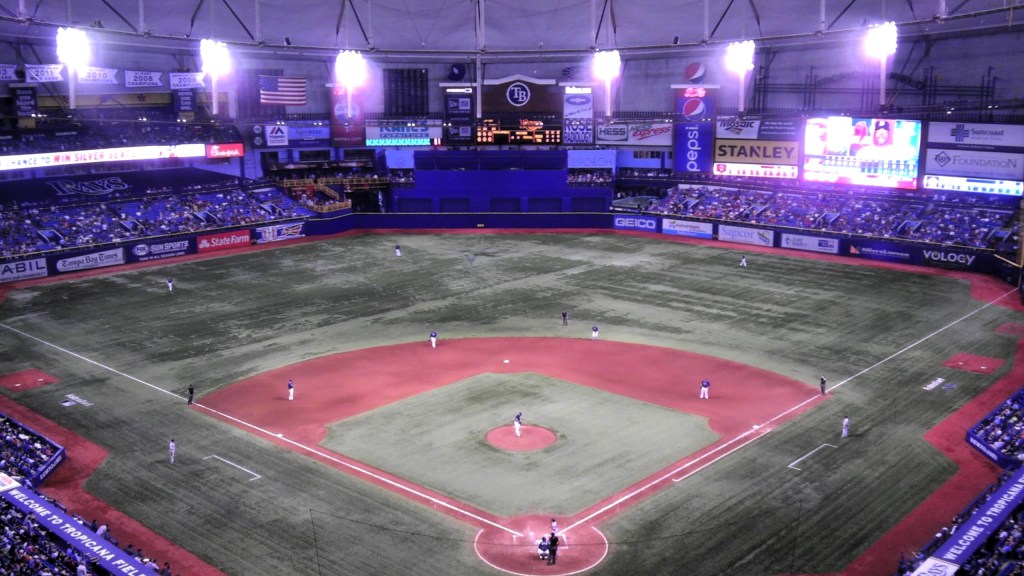
Another reminder: this threatened move of the White Sox to St. Petersburg, Florida led to the construction of another stadium where the Tampa Rays now play:

Who wins in these deals? The owners. For their tax monies, the fans may get to watch games in person or pay attention through local media.

Consequences of the mansion tax in Los Angeles

Los Angeles has a new mansion tax since April 1 and here are some of the consequences:

Photo by Roberto Nickson on Pexels.com

Measure ULA adds a transfer tax of 4 percent for sales above $5 million and 5.5 percent for deals above $10 million; real estate transactions in the city below those levels pay the already-established transfer tax rate of .56 percent.

“The flurry of activity that happened up until April 1 was pretty phenomenal,” says real estate attorney Loretta Thompson, a partner at Withers Worldwide. “And then, of course, after that, people started pulling their listings. There’s been a quantifiable pause in anything that’s over $5 million. It chilled the market immediately, which was what everyone expected it would do.”…

There are some winners. Independent Los Angeles County cities like Beverly Hills and Malibu have become more desirable since the measure does not apply to them. It is also shifting the balance of power in luxury real estate, long a seller’s market. “Buyers are being picky right now,” says Nourmand, adding that some people are willing to wait in hopes that sellers bring down prices on mansions: “They feel they have the upper hand in the high-end market. They don’t feel like they have to rush — they think time is on their side.” James Corden, for instance, listed a Brentwood house in January for $22 million, then dropped it to $18 million before selling it in July for $17.1 million. According to Dirt.com, Corden’s sale is subject to nearly $1 million in taxes under the ULA Measure.

However, many hope the tax will be revamped or rescinded. With two lawsuits already challenging the measure, the City of Los Angeles finance director has been instructed to hold any monies received, rather than use them as planned to create affordable housing options in the city.

Will any of these consequences affect legal rulings? Whether this is allowable is a different kind of question compared to how it is working out in practice.

Will the new revenue effectively address affordable housing? At the moment, the revenue is tied up. But, put together taxes from several of these sales and some new housing units could emerge.

It will be interesting to see where the turning point in the market is. Wealthier homeowners will still want to buy and sell property. There will likely still be demand from those outside the region who want to move into these homes.

One front in zoning and development battles: school districts do not necessarily want more students

The words of a suburban school district superintendent regarding a possible Bears stadium and adjacent development highlight one of the current fronts in battles over development:

Photo by CDC on Pexels.com

Palatine Township Elementary District 15 Superintendent Laurie Heinz said that if the special taxing mechanism is implemented — where property taxes above a certain level would be diverted away from schools, as well as other taxing bodies, and into the Bears’ proposed mixed-use project — the district would need financial assistance to add classroom space to schools in nearby Rolling Meadows, or potentially even build a new school within the 326-acre site…

The Bears’ preliminary site plan suggests a significant residential component, from higher-density, multifamily properties of four to eight stories closer to the Metra train station, to lower-density townhouses and multifamily units of two to four stories further south and east through the site.

Heinz said the housing could generate hundreds or even thousands of students.

“We want a seat at the table,” Heinz said at a recent community meeting. “We’re going to fight against it all being TIF’ed because we will need money.

The superintendent is saying that the school district will need money to serve the influx of students that would come through new residential units. Other school districts, residents, or leaders have gone further when considering other suburban projects: they do not necessarily want school students to live in new residential units. Fewer school-age children would save money for school districts and communities in the long run due to not having to provide educational services.

In some ways, this is an odd stance for suburban leaders and residents to take. Much of the suburban sprawl in the United States involved providing spaces and success for children. Property values and a sense of community status are often tied to the performance of local school districts.

But, this focus on children comes with costs. Particularly for mature suburbs, they can struggle to fund schools or residents and leaders push back against the costs of schooling compared to other preferred priorities (such as taxes not going up).

For this particular project, who will adjust: the city not provide a TIF? The developer change the residential units in ways that appeal to certain kinds of residents and not others? The school district finding ways to fit this into particular confines? Stay tuned.

Too many taxing bodies in Illinois to easily count them

How many taxing bodies are in Illinois?

Photo by Karolina Grabowska on Pexels.com

Anyone who gazes at a property tax bill realizes Illinois is awash in local government: townships, school and park districts, road and bridge agencies, community colleges, police and fire departments, and a collection of water, housing, cultural, cemetery, and even mosquito abatement districts. The Cook County treasurer’s website lists eight taxing districts for Chicago, 11 for Winnetka, and 10 each for Norridge and Hodgkins.

There are so many entities that even the experts differ on their number. The Civic Federation, which charts government spending and claims to have done the most exhaustive search, says Illinois has 8,923. That’s higher than the 6,032 tally from the Illinois Policy Institute and the 6,918 listed in a 2017 U.S. Census Bureau report — 2,000 more than second-place Pennsylvania.

Americans like local government. Do they like local government this much? Perhaps the presence of this many taxing bodies in Illinois, Pennsylvania, and other states is the answer: “yes they do.”

However, it seems like it should be easier to count the number in Illinois. The state government itself does not keep track? How could the Civic Federation and the Census Bureau differ by roughly 2,000 taxing bodies? While the rest of the article goes on to detail how difficult it is to consolidate these governmental bodies or to eliminate them, having an accurate count might be an important start.

Property massively misvalued by accident, consequences to come

Correctly entering property values into tax databases is an important task. When it goes wrong, lots of people might have to pay:

The 1,570-square-foot house built in 1978 on 2 acres in an unincorporated area of the county was recorded in 2019 tax rolls with a market rate value of more than $987 million and an overestimate of about $543 million in taxable value. In reality, the property should have only had a 2019 taxable value of $302,000, according to county property records.

That error — which the Wasatch County assessor explained possibly occurred when a staff member may have dropped their phone on their keyboard — has resulted in a countywide overvaluation of more than $6 million and revenue shortfalls in five different Wasatch County taxing entities.

The biggest impact was on the Wasatch County School District, unable to collect nearly $4.4 million already budgeted.

Wasatch County officials say they “deeply regret” the error and are reviewing policies and procedures to ensure it never happens again. But they’re also warning Wasatch County taxpayers they will likely see an increased tax rate over perhaps the next three years to make up for the lower amount collected in 2019.

Communities rely on correct property assessments to lead to paid taxes which then generate monies for local governments and services. If something goes wrong in that pipeline – here it was a wrong value which was not caught for months – then essential services may not be provided. This all happens in the background, making it essential infrastructure that like other public works do not often get recognized unless it goes really wrong.

One thought: could the software or databases have a built-in checker that would flag significant year-to-year changes? In this case, a significantly higher assessment one year could trigger a warning to check the numbers again.

A second thought: do we know anything about the correctness of entries in such databases? Are they 99% accurate, 99.9% accurate, 99.99% correct? Even at these high rates of accuracy, a few incorrect values could make a difference.

Will the public be willing to pay more money so police and prosecutors can go through all the new video evidence they have?

The uptick in evidence from devices like video doorbells and police body cameras means more work for public servants:

But State’s Attorney Joe McMahon said prosecutors in some ways are busier than ever with new types of evidence, such as surveillance from Wifi-enabled doorbells, police body cameras and home and business surveillance, compared to several years ago.

“We’re now seeing video come in from Ring doorbells,” McMahon said this week during his monthly media briefing. “We’re now getting actual video, audio and digital information that must be reviewed and analyzed and ultimately stored.”

In recent months, video from doorbell cameras helped police arrest a burglary suspect, and data from a Ring doorbell was used to confirm the identity of a suspect in a Sleepy Hollow home invasion, attempted murder and sex assault. Both court cases are pending.

McMahon said reviewing body camera video from multiple officers responding to a violent crime or even a DUI arrest has increased the workload for prosecutors compared to several years ago.

If there is demonstrable proof that crime rates are going down or more crimes are solved because of this additional evidence, I would guess the public would provide more funds – likely through taxes – to help go through all of the evidence. But, if the evidence does not lead to much or it somehow slips through the cracks or is hacked, it might be very hard to find the public resources.

This also seems ripe for algorithms/machine learning tools to help county and municipal officials scan quickly through all these video feeds. All of this could be very expensive to do in the short-term but could help handle the increasing video streams of the future.