Pushing back against the housing plans of the wealthy in suburban Palo Alto

One elected local government official wants to limit what wealthy residents can build in suburban Palo Alto:

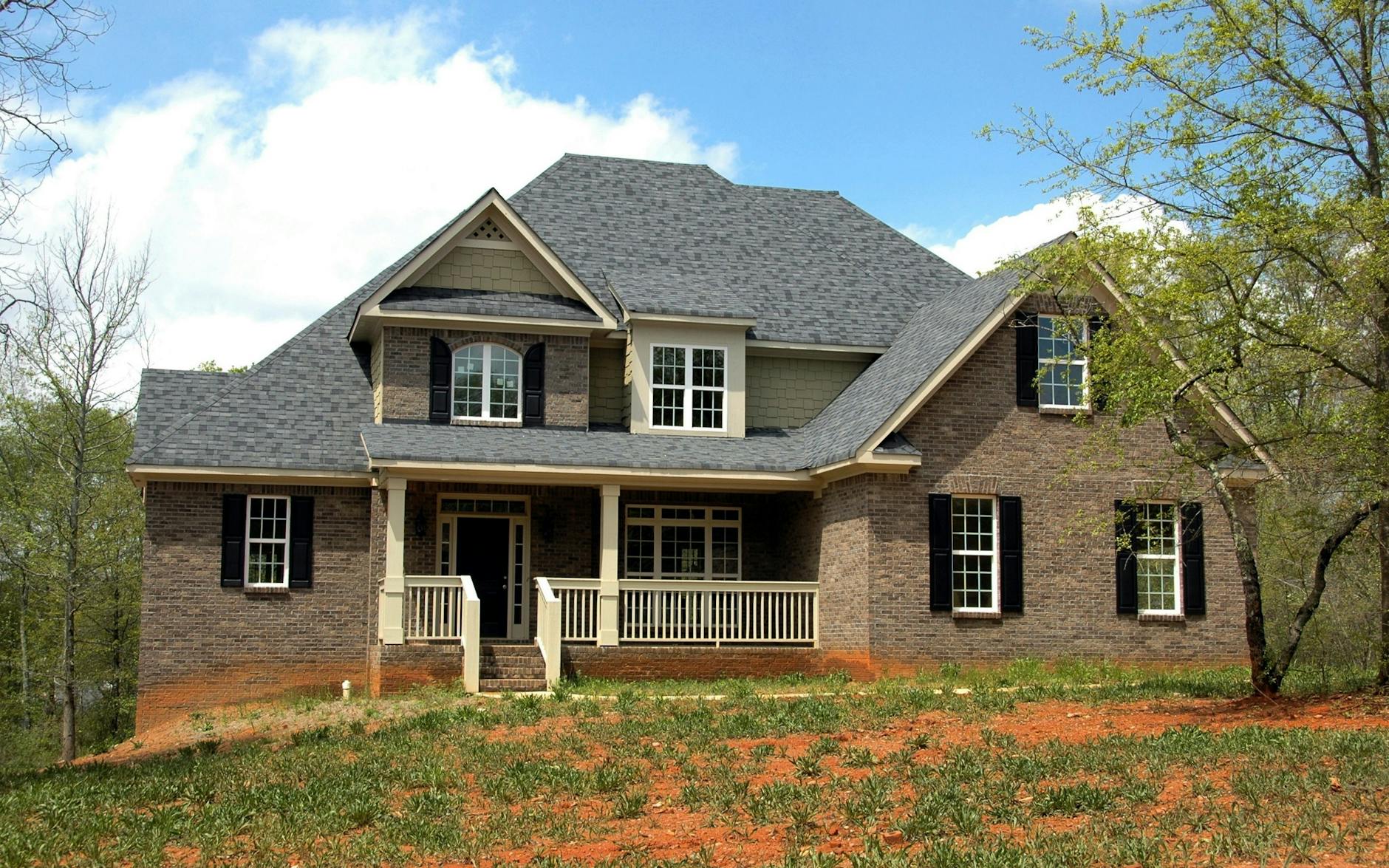
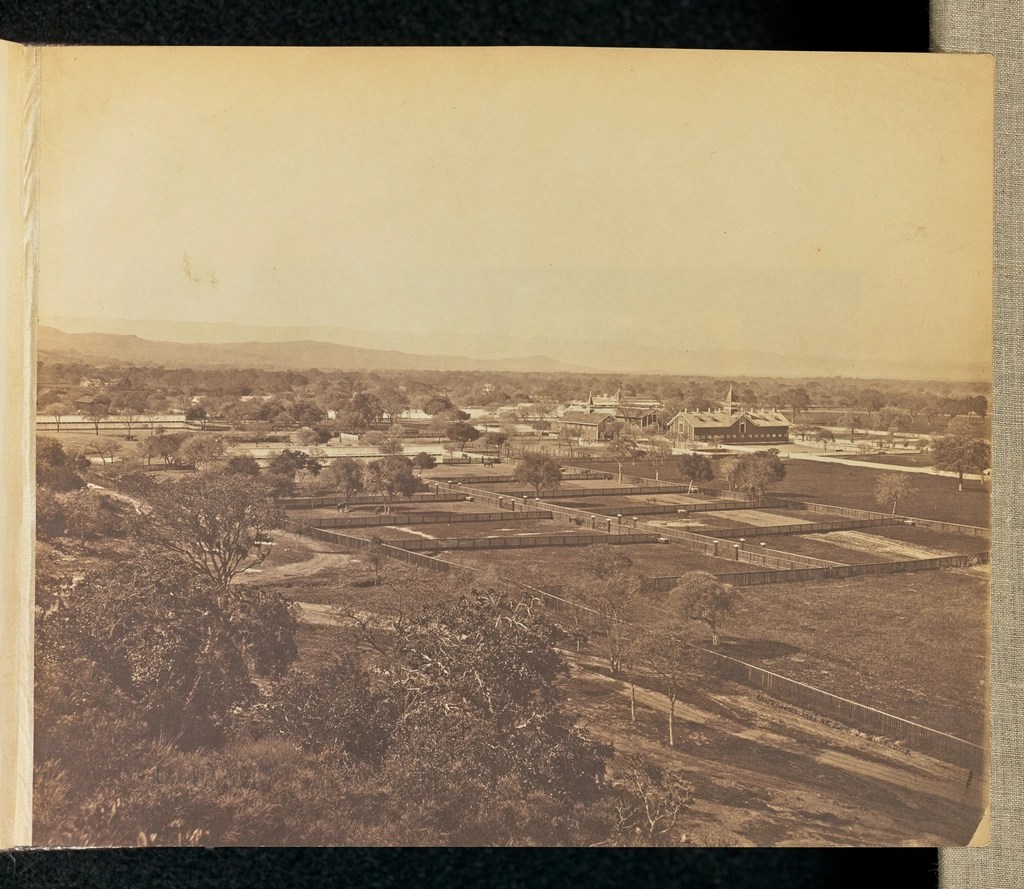
View Palo Alto, California Eadweard by thegetty is licensed under CC-CC0 1.0

The proposed legislation would apply to people who buy three or more homes within a radius of 500 feet, roughly the length of a city block. Any construction project expected to last more than 180 days would need a detailed daily schedule of construction work to prove it can be conducted without double-parking vehicles or blocking driveways or bike lanes.

After finishing one construction project, homeowners would need to wait three years to begin another unless a major emergency occurred. Homes could not be vacant for more than six months in any given year.

The proposal relies on neighbors for enforcement, leaving it up to another homeowner or tenant living within 500 feet to file a lawsuit.

The proposal would place new restrictions on private security guards across Palo Alto, not just those serving wealthy homeowners. All security vehicles would have to be marked and permitted by the city. Security guards would have to identify themselves to the public when asked. They would be prohibited from harassing or intimidating passers-by on public property…

The full Palo Alto City Council is likely to take up Mr. Stone’s proposal in January or February. Mr. Stone said he is confident that a majority of the seven-member council, which has taken a keen interest in housing affordability, would support the general framework but could send it to a committee or city staff member for refinement. It could take six months or longer to reach a final vote, he said.

Three things strike me about this proposal:

  1. It is clearly aimed at particular residents. Not just people with some wealth, who might be found across American suburban communities, but people who are truly wealthy and can afford this kind of construction and property ownership and all that goes with it.
  2. Communities often deal with these concerns at the zoning level. How big can a structure or house be? Are the guidelines in particular areas or in regards to property lines? The proposal above seems to deal with other matters that come along with regular approval of megahouses and properties.
  3. The regulations are about property but local conversations often have to do with local character and community life. Do such homes (and people) fit in the community? Who can live in a place where such properties are common? Who is Palo Alto for? Suburbs often implicitly or explicitly have these discussions while considering development.

Now that this proposal is out there, how do wealthier residents respond and what will the final local regulations be?


I found “giant white houses” in my study of suburban teardowns

What caused the construction of numerous “giant white houses” across the United States?

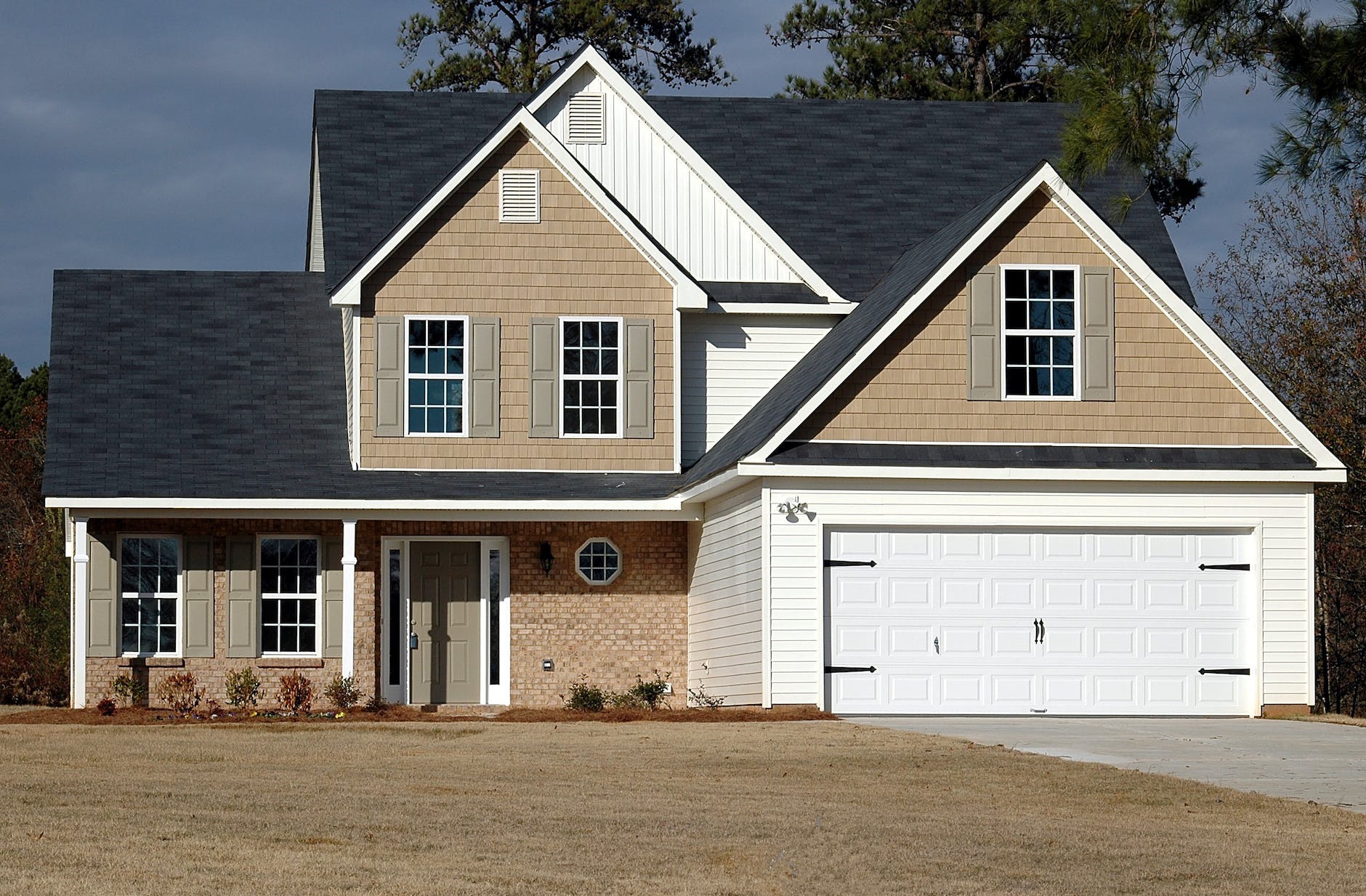
Photo by Sindre Fs on Pexels.com

Giant White Houses are white, with jet-black accents: the shutters, the gutters, the rooves. They are giant—Hulk houses—swollen to the very limits of the legally allowed property setback, and unnaturally tall. They feature a mishmash of architectural features, combining, say, the peaked roof of a farmhouse with squared-off sections reminiscent of city townhomes. They mix horizontal siding, vertical paneling, and painted brick willy-nilly…

After speaking to realtors, architects, critics, and the guy who built the house next door, I’ve learned that the answer is more complicated than I’d imagined. It has to do with Chip and Joanna Gaines, Zillow, the housing crunch, the slim margins of the spec-home industry, and the evolution of minimalism. It has to do, most of all, with what a certain class of homebuyer even believes a house to be—whether they realize it or not.

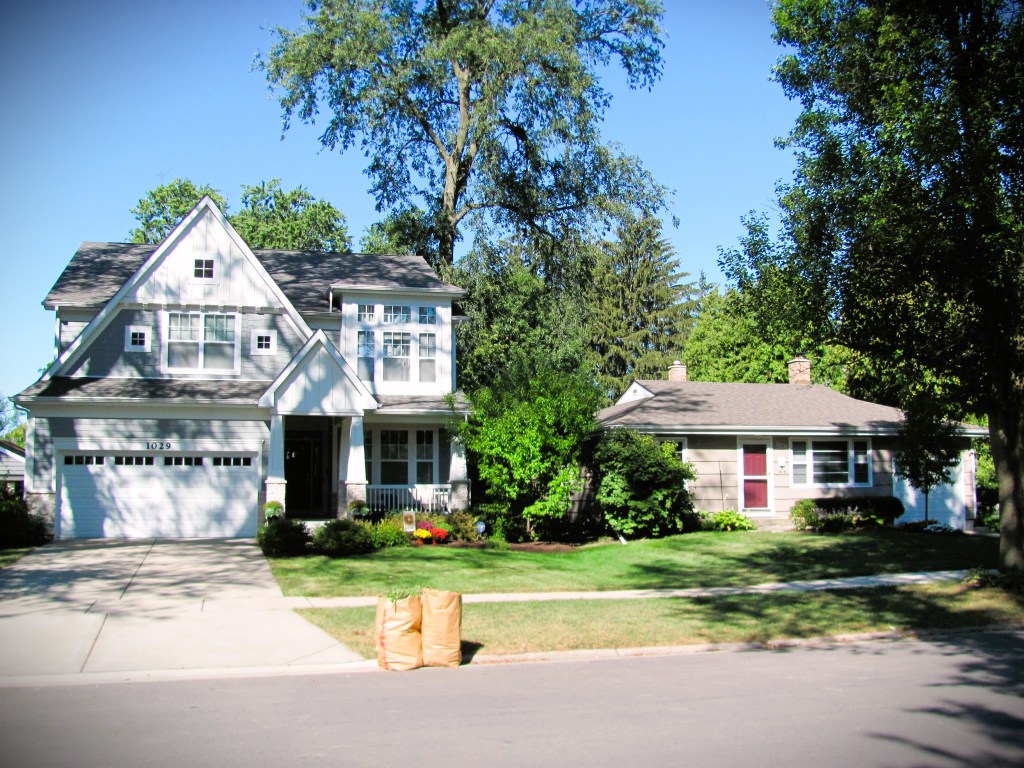
I found at least a few of these houses among the 349 teardowns I examined in suburban Naperville, Illinois. I did not classify them as such but they were among the many homes with prominent triangular gables (and usually multiple ones on the front facade). They sometimes had porches. The primarily white exterior is unique compared to teardowns that mix brick, stone, siding (vertical or horizontal), and shingles.

At least in Naperville, these homes emerged in a particular context: a wealthy built-out suburb that was in demand, numerous older and smaller single-family homes located near the vibrant suburban downtown, and local regulations that allowed relatively large teardowns.

How many years until this particular style is no longer built in large numbers and is perceived to be from a particular era? This happens with different residential home styles. This was not the predominant style in the teardowns I looked at between 2008-2017. Does this have an even shorter shelf life if it is linked to the reach of Chip and Joanna Gaines (and perhaps is more prominent in communities where people watch HGTV)?

When renovating a home might be more expensive than tearing it down and building a bigger new home

In response to concerns from Portsmouth, New Hampshire residents that teardown McMansions were going to be constructed, the developer said:

Photo by Pixabay on Pexels.com

“By the time we renovated them, it would have been more expensive to do that than building a brand new energy-efficient home. That’s how we made the decision,” Chinburg said…

The company comes up with homes prices, he said, by “basically adding up what it costs to buy the property and build the homes,” and then adding “a fair margin.”

“Unfortunately that’s the market now … we’re not gouging people,” Chinburg said.

It would be interesting to see a breakdown of the different costs. Older homes may not be a great state of repair, they may need to be brought up to code, and they may not have the current features property owners expect. All of this requires money.

This reminds me of what can happen with big box stores. Vacant ones may not be very attractive given maintenance costs and the need to reconfigure the space for another user. Why not just build another one?

And while teardowns tend to occur in places where land is desirable, I wonder if this points to a tough future for many older homes and the aging American housing stock: will the costs of maintaining or updating the home be perceived as worth it?

The newly constructed modern farmhouse is…a scourge? A McMansion? Popular because of a TV show?

A story about an LA teardown describes the rise of the modern farmhouse:

Photo by Pixabay on Pexels.com

Hollywood actor Chris Pratt, best known for his roles in the sitcom Parks and Recreation and Marvel’s Guardians of the Galaxy, has spurred the wrath of architecture enthusiasts over his decision to raze a historic 1950s house, designed by Craig Ellwood, to make way for a 15,000-square-foot mansion.

The move to demolish came shortly after Pratt purchased the mid-century home in an off-market sale for $12.5 million in January 2023. The house is located in the Brentwood neighborhood of Los Angeles, across the street from Pratt’s mother-in-law, former first lady of California Maria Shriver. The historic house will be replaced by a modern farmhouse designed by architect Ken Ungar, Architectural Digest reported, and is now in the early stages of construction. Until its completion, Pratt is waiting it out with his wife, Katherine Schwarzenegger, in a $32 million estate in Los Angeles’ Pacific Palisades neighborhood…

Pratt’s new home is adjacent to Shriver’s two homes, each valued at over over $10 million, carving out a family compound of sorts in the neighborhood. The demolition reflects the rising trend of modern, multimillion-dollar farmhouses cropping up in America’s suburbs that has gone on for decades and was newly revived after TV personality couple Joanna and Chip Gaines launched their debut show Fixer Upper, in which they remodeled old farmhouses, according to a National Association of Realtors report. Ungar has designed several multimillion-dollar mansions, including modern farmhouses, in Los Angeles.

This raises at least a few questions. Here are mine:

  1. Are the typical new farmhouses McMansions? In this particular case above, this is a home much larger than a McMansion. But, many modern farmhouses might fall into McMansion territory if they are a teardown, have some strange architectural features, and/or are part of suburban sprawl.
  2. In this particular case, the modern farmhouse is replacing a unique single-family home. But, one reading of the summary above is that the issue goes beyond this one property. The farmhouse has spread everywhere. Are there too many? Is it just a passing fad? Will a new style – and problem – be in play ten years from now?
  3. Could one TV show have significantly fed this trend? It is easy to point to a popular show – and then brand – as leading the charge. It would be interesting to see some numbers: how many builders and buyers were directly influenced by Chip and Joanna? Were they the only ones pushing modern farmhouses or were there other influencers? In this one case, who was Chris Pratt influenced by?

Seeing teardowns and infill homes throughout DuPage County

While working on a project, I noticed something while driving through a number of DuPage County communities: there are teardown homes everywhere. They are not just limited to desirable downtowns; they are spread throughout numerous residential neighborhoods. They are often easy to spot: much larger than adjacent homes and with a particular architectural style with stone or fake stone bases, lots of roof peaks, and plentiful garage space. Some could be categorized as teardown McMansions. (Some of these homes might be infill homes where homes were constructed on empty land.)

These teardowns follow some of the patterns I found in over 300 teardowns in Naperville. The architecture and design is similar. The homes are often located next to older homes, often from the postwar era, from the twentieth century.

One difference is that these teardowns are spread throughout communities. In Naperville, teardowns tended to cluster near the desirable downtown area. In some of the communities I drove through, teardowns and/or infill homes are all over the place. Some of these communities do not have downtowns like Naperville and have housing stocks of different ages. It was not unusual to see a teardown suddenly in a neighborhood on the edge of a community when in Naperville the teardowns tend to cluster in particular neighborhoods.

In a county that is largely built out and with suburbs now 50-170+ years old, there will be more opportunities for property owners, builders, and developers to tear down old homes and construct new ones. My sense is that while communities may have regulations about what can be rebuilt, the general atmosphere is in favor of these new homes as long as there is interest and resources to make it happen.

How many landmark buildings should a suburb have?

As Napervillians debate the fate of the Scott house, a 156-year-old home constructed by one of the community’s first families, the number of historic landmarks in the suburb stood out:

Photo by Tim Mossholder on Pexels.com

As things stand right now, there are no protections that would prevent future owners from altering or tearing down the house. Its location is just outside of the Naperville Historic District, where regulations dictate standards for exterior home improvements. It is part of a federal historic district, but their rules is not nearly as restrictive, according to the Illinois Historic Preservation Office.

Preservation is possible were it to be made a city landmark, a process open to any Naperville property over 50 years old, but that requires the recommendation of the Naperville Historic Preservation Commission and the approval of the Naperville City Council.

There are only four historic landmarks in Naperville.

Heap said he and his fellow co-owners are keeping options open but acknowledges the house’s future will hinge on who it’s sold to. That also goes for whether Heap’s law practice stays on as tenants.

This is not a new debate in Naperville. As the article notes, the suburb has a historic district that developed over time and through much discussion. Naperville has lots of teardowns where public debate could pit the property rights of the owners against the interests of neighbors or the community.

Is four historic landmarks, then, good or enough? The current four include two houses, one former church, and a former library building. One way to figure this out would be to do some comparing to other suburbs. I do not know these figures but someone or an organization might have them. Another way to think about it is that Naperville has a track record of preserving its past and telling its own story, such as through Naper Settlement and other actors. A third option would be to have some sense of what leaders and residents want concerning landmarks; do they want to save particular structures or have guidelines for more buildings and properties?

The matter of preserving buildings in the suburbs is an ongoing conversation as buildings from a prior era come up against changing conditions and styles. This includes homes (even McMansions eventually?) but also civic buildings and business structures. The American suburbs have had a particular look for decades but there is no guarantee that much or all of that remain in the future unless there are dedicated efforts to the contrary.

Dallas neighborhood fought off McMansions with conservation districts

The Greenland Hills neighborhood in Dallas limited McMansions in recent decades by establishing conservation districts:

Photo by David Gonzales on Pexels.com

Neighbors were also concerned about tear downs and new builds. They watched as modern mega mansions took over the Park Cities. “There’s this thing coming,” Pratt says. And the residents, who founded the Greenland Hills Neighborhood Association in 1983, knew they had to do something to fight the “McMansions.”…

After that, Greenland Hills residents formed a conservation district. In the early 2000s, they surveyed the houses, and a feasibility study showed that about two-thirds of the homes were Tudors. And there was a schism in the neighborhood. There was the M Streets, between Central and Greenville, and then there was M-Streets East, which was sandwiched by Greenville and Skillman. East wanted less restrictive conservation rules, Mut says, and some blocks wanted to opt out.

Finally, the M Streets and M Streets East conservation districts formed in 2003. The M Streets Conservation District protects seven architectural styles, like neo colonial and contemporary. “We all get hung up on Tudors, and we should because that’s pretty massive,” Pratt says. “But the other styles are just as notable in the time period as well.” The district rules preserve each architectural style’s most iconic features on the front façade. The longest section is dedicated to the Tudors. There are specifications on window proportions, roof pitches, secondary gables, even doors. “We’re not going to put a Victorian door and a Tudor home,” Mut says…

And the prices of the houses increased. Homes in Greenland Hills often go for $800,000 or more. Mut can’t pinpoint the exact reasons for the surge in pricing, but he attributes it to inflation, the proximity to downtown, and demand for the homes. Mut and Pratt recognize the irony of the neighborhood’s start as an “affordable” neighborhood versus today. But it’s not an apples-to-apples comparison, Pratt says, especially now that the neighborhood is not on the outskirts of Dallas. And the overall value, she says, is still there. 

Three thoughts come to mind:

  1. The neighborhood wanted to protect its particular architecture and character. To do this, they set up guidelines that limited property owners. This is often the trade-off of historic preservation in American communities: retaining the older styles limits what current and future property owners can do.
  2. This occurs in a metropolitan region where McMansions are common. When I compared how McMansions were defined in the New York Times and Dallas Morning News, I found people in Dallas more open to McMansions. However, it sounds like people saw what was happening in other neighborhoods and decided they did not want this in their neighborhood.
  3. Home values in the neighborhood have increased. Would this have happened at the same rate if McMansions had been constructed instead? Preserving the older homes means the neighborhood appeals to certain buyers. Building McMansions means newer and bigger homes. Which option would have raised property values more?

The Simpsons encounter a teardown McMansion

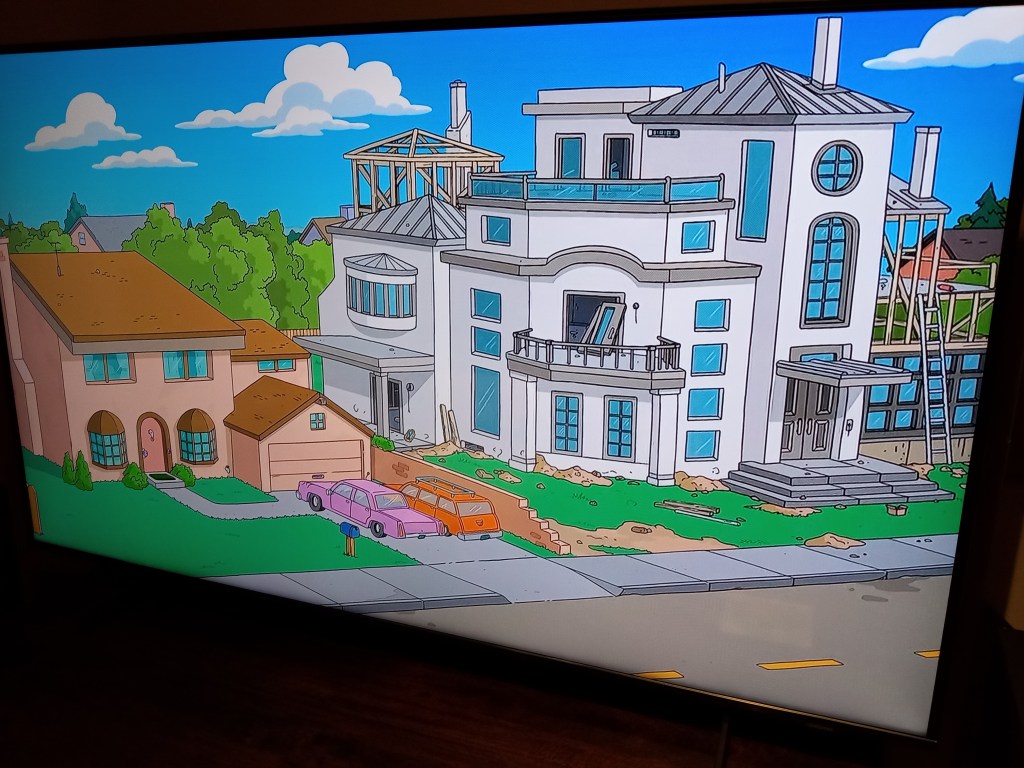
The Simpsons have new neighbors in Season 35 episode 3, “McMansion and Wife.” They get to know each other and enjoy spending time together. But, then the neighbors go from a modest home to a teardown McMansion:

As the new home is under construction, it is called a “reno” and then a “do-over.” Then it turns into a giant home. By my count, the teardown is 3-4 stories, is much bigger in terms of square feet and height as it towers over the Simpsons’ home, and has a mishmash of architectural features. The Simpsons live in a modest suburban home by today’s standards.

This story of a teardown McMansion within an established neighborhood is a common story across the United States. The new home can be considered disruptive by some neighbors even as others might defend the ability of property owners to do what they wish with their home and land and benefit from those changes.

One possible twist this episode briefly explores is the relationship between neighbors in these positions. Can they be friends? Can someone moving into a neighborhood build relationships and soften the blow of tearing down a house and constructing something much bigger on the same spot? Or, do teardowns usually lead to conflict between neighbors?

From the first post-WWII house constructed in Naperville (by Harold Moser) to today

Can one property help highlight the changes in Naperville, Illinois in the last century? I ran into this news item first published May 30, 1946 in The Naperville Sun:

The Moser Fuel and Supply company has just completed the first new house to be built in Naperville since the outbreak of the war in 1941. This “No. 1” house, as it is referred to by Moser employees, is at 417 S. Sleight St., and is a little dream in brick veneer with chocolate-color mortar. Ten other Moser houses are going up around No. 1, eight of which are in the 400 block of south Sleight Street and two on South Wright Street.

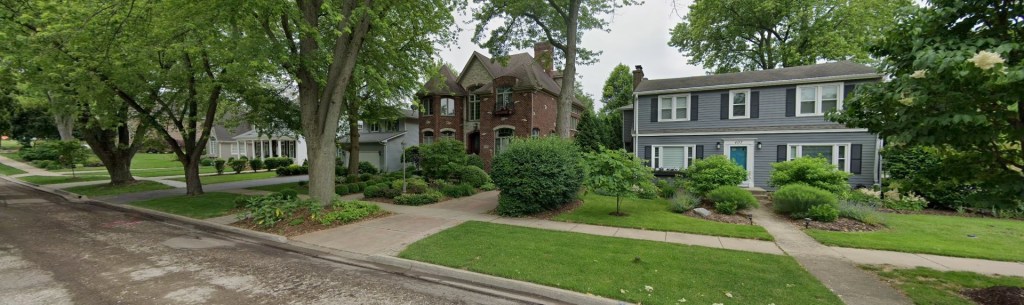
According to multiple real estate websites, the current house on the property was constructed in 2004 and is worth over $1 million. Here is a June 2019 Google Street View image of the block, including the newer home on the property:

Several patterns worth noting:

-Naperville was a different place after World War Two: much smaller in population, lots of farms and agriculture around.

-Harold Moser and his firm ended up building thousands of units in Naperville. Moser Highlands, one of his first subdivisions, is just south of this location. He and his wife are honored in a statue along the Naperville Riverwalk:

-There are lots of teardown homes in Naperville, particularly near the downtown. As Naperville expanded in population and its status grew, some of the older suburban homes built decades earlier gave way to larger structures. I studied patterns in some of these new homes in a 2021 article.

In other words, this was not just one home constructed by a resident who owned a local business; it was part of larger changes to come in a suburb that became large and wealthy.

Tearing down what used to be starter homes and replacing them with McMansions

This sounds like what I found among teardowns in Naperville, Illinois: some desirable lots that used to contain starter homes now are home to McMansions.

Photo by Pixabay on Pexels.com

In each of these places (that last one is Austin), modest entry-level housing has been replaced over time by far larger and more expensive homes out of reach of most first-time home buyers. Neighbors sometimes sneer at such new additions as “McMansions” (but note the regional variation in McMansion architecture). I often hear from readers and residents during my reporting that it’s a shame the developers who built them tore down “perfectly good houses.”

This has consequences:

There is nothing inherently bad about small 100-year-old houses getting replaced by larger, modern ones (indeed, many planners, historians and economists would say there is something bad about insisting that communities must remain exactly the same forever). Tastes change. Consumer demands and demographics shift. Americans, on average, have become wealthier over time, capable of affording more housing than the typical family could three generations ago.

But the reality is that most communities effectively ensure that the only viable replacement for a starter home on expensive land is a new home that’s much larger and more expensive. That stance contributes to the affordable housing crisis. If communities struggling with it want to rebuild the entry-level end of the housing market over time, that will almost certainly require allowing a new generation of starter homes that look more like duplexes or condos, or small homes on subdivided lots.

Over time, the number of smaller homes in desirable communities or neighborhoods dwindle as property owners and new buyers want homes that reflect more current trends. Another way to think about this: the supply of starter homes or smaller homes is reduced in particular places (if it is already not that affordable because of the demand in desirable places) and it is not necessarily being replaced nearby, if at all within a region.

It may be worth noting that this teardown pattern does not happen everywhere in cities and suburbs or even in most places. While I have not looked at the issue systematically in the Chicago region, the evidence I have seen is that teardowns are taking place in larger numbers only in certain locations.